10 Bathroom Cleaning Hacks That Actually Save You Time

Nobody actually enjoys scrubbing their bathroom. Yet somehow it always ends up being a 90-minute ordeal when it could be closer to 20. The secret isn't working harder — it's working smarter with the right cleaning hacks that prevent buildup before it starts and make every swipe of the cloth count twice as much.
These 10 bathroom cleaning hacks are rooted in simple chemistry, good habits, and a little bit of smart organizing. Whether you're dealing with stubborn soap scum, a ring around the toilet bowl, or a showerhead so clogged it's barely trickling, there's a shortcut below that will genuinely change the way you clean.
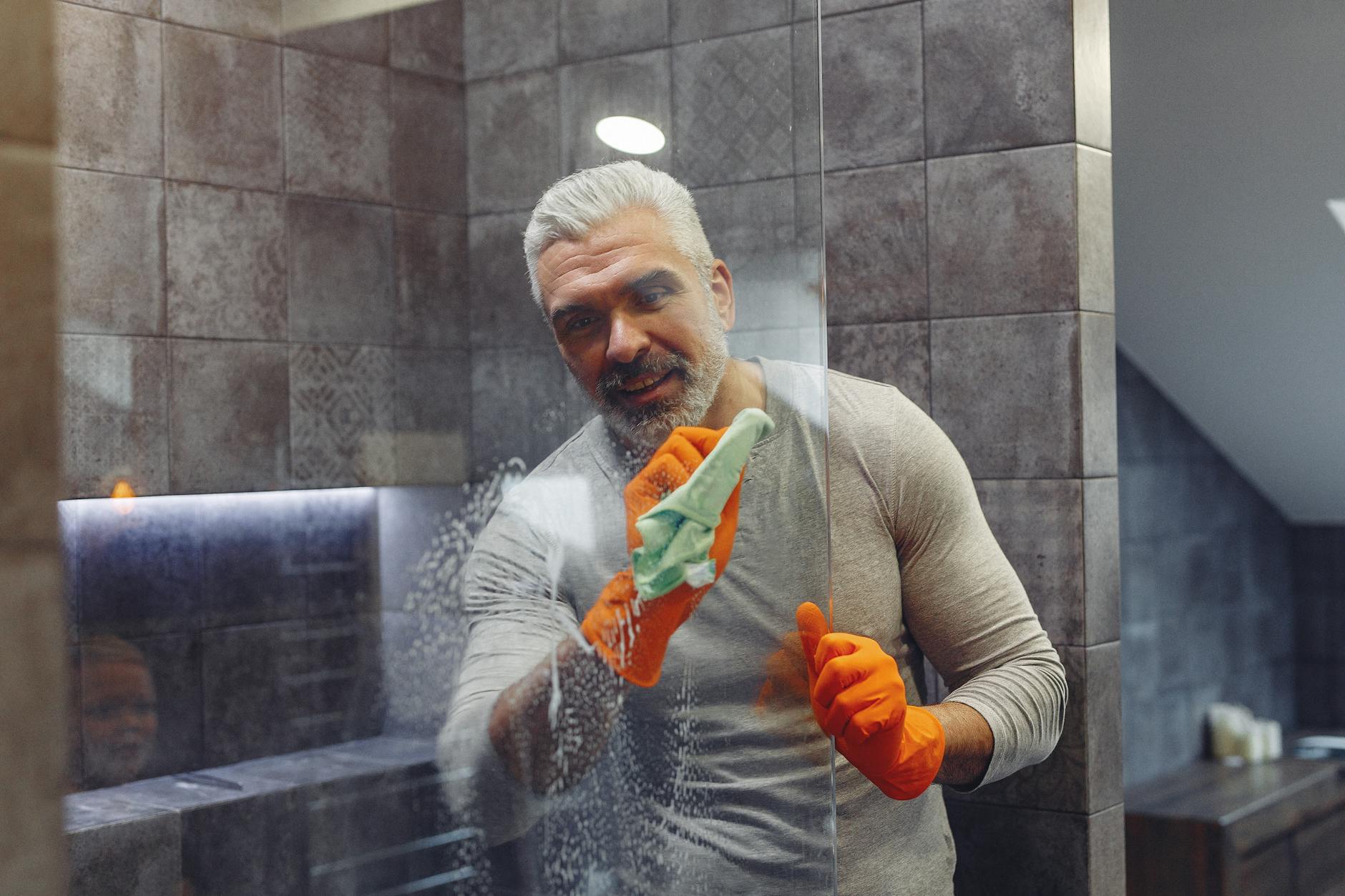
1. Squeegee Your Shower Walls After Every Use
This is the number-one cleaning hack that professional cleaners swear by, and it costs about three dollars to implement. Keep a squeegee hanging inside the shower. After every use — before you even step out — run it down the glass or tile walls in three or four strokes.
Why it works: soap scum is just soap residue mixed with mineral deposits from hard water. It takes time to bond to surfaces. When you squeegee while the wall is still wet and warm, you physically remove that residue before it ever hardens. Households that do this consistently report going from weekly scrubbing sessions to once-a-month maintenance wipes. That's a dramatic reduction in effort for about 30 extra seconds per shower.
2. Use a Daily Shower Spray to Eliminate Weekly Deep-Cleans
If the squeegee sounds like too much commitment, a daily shower spray is your backup plan. These sprays — many of which you can make yourself with a 50/50 mix of white vinegar and water plus a few drops of dish soap — are designed to be misted onto wet shower walls right after you rinse off. You don't wipe, you don't scrub. You just spray and walk away.
The soap in the solution breaks down fresh soap scum. The vinegar dissolves mineral deposits at a pH level that's hostile to mold and mildew. Over time, daily use means your shower walls essentially never get dirty enough to require elbow grease. One bottle takes about 10 seconds to use. That's it.
3. Descale Your Showerhead in 20 Minutes With White Vinegar
A clogged showerhead isn't just annoying — it's also a breeding ground for bacteria and mineral buildup that cuts water pressure by up to 75%. The fix is almost embarrassingly simple.
Fill a zip-lock bag with undiluted white vinegar. Place it over the showerhead so the head is fully submerged, and secure the bag with a rubber band. Leave it for 20 minutes (or up to an hour for heavy buildup). Remove the bag, run the shower for 30 seconds to flush everything out, and wipe the nozzles clean with an old toothbrush. The acetic acid in the vinegar dissolves calcium and lime deposits that no amount of scrubbing can shift. Your water pressure will improve noticeably — sometimes dramatically.
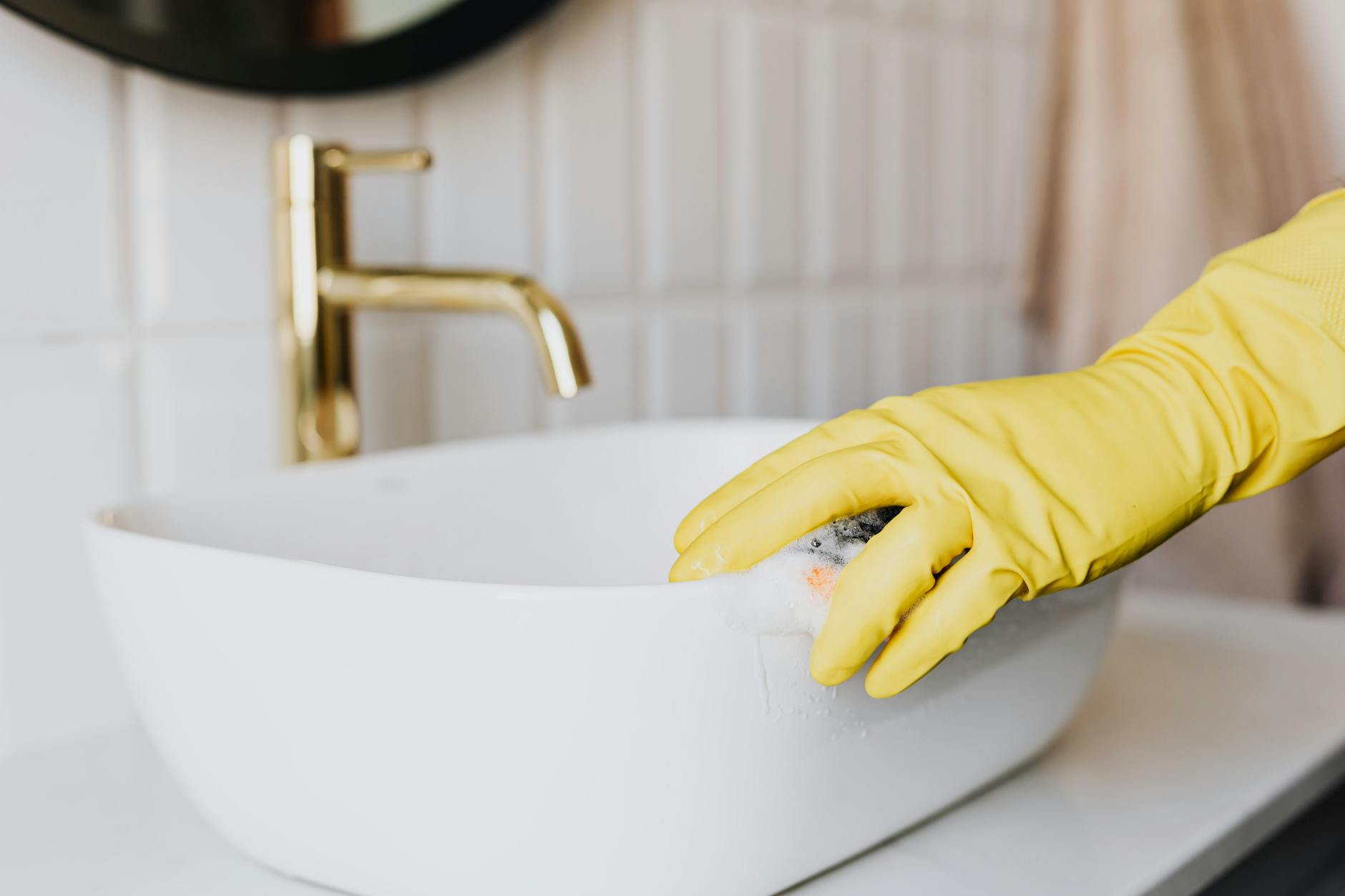
4. Clean Grout With a Baking Soda Paste (No Scrubbing Required)
Grout lines are one of those things that look fine until suddenly they're very much not fine. The dark discoloration isn't just dirt — it's often mold and mildew that has colonized the porous surface of the grout.
Mix baking soda with just enough hydrogen peroxide to form a thick paste. Apply it to the grout lines using an old toothbrush or your finger, press it in, and leave it for 10–15 minutes. The hydrogen peroxide breaks down the mold at a cellular level while the baking soda provides gentle abrasion. When you return, a quick wipe with a damp cloth is all that's needed — no hard scrubbing, no soaking. For severely stained grout, repeat the process once more. This beats every commercial grout cleaner tested head-to-head in terms of effort-to-result ratio.
5. Switch to Microfiber Cloths and Stop Buying Paper Towels
Paper towels are one of the most inefficient cleaning tools you own. They smear more than they absorb, leave lint behind, and fall apart when wet. Microfiber cloths, by contrast, are engineered with fibers that are split into microscopic hooks that physically trap and lift bacteria, dust, and grime off surfaces rather than pushing it around.
Studies from the University of California Davis found that microfiber cloths reduced bacteria on surfaces by up to 99% compared to 33% for cotton cloths — and that was using water alone, no cleaning products required. In a bathroom setting, this means you can wipe down your sink, mirror, and countertop in under two minutes and actually leave them cleaner. Buy a pack of at least six so you always have a fresh one ready. Wash them weekly with hot water (no fabric softener, which clogs the fibers).
6. Apply the One-Product-Per-Surface Rule
Most people use the same cloth or sponge to wipe down their toilet, then their sink, then their mirror. This is the fastest way to spread bacteria around your bathroom rather than remove it. The one-product-per-surface rule is simple: designate a specific cloth or sponge for each surface type, and never cross-contaminate.
Color-coding makes this effortless. Red cloths for the toilet area. Blue for the sink and counter. Yellow for glass and mirrors. You don't have to think about it — you just grab the right color. This rule also applies to your cleaning products. Toilet bowl cleaner stays in the toilet. A separate all-purpose spray handles the counter. This isn't just about hygiene — dedicated tools designed for each surface also clean more effectively than a one-size-fits-all approach.
7. Prevent Toilet Ring Buildup Before It Starts
The dark ring that forms under the toilet rim is caused by a combination of hard water minerals, iron deposits, and bacteria that thrive at the waterline. Once it's established, removing it requires serious chemical intervention or a lot of scrubbing. The smarter move is to prevent it from forming in the first place.
A weekly pour of half a cup of white vinegar into the bowl — left to sit overnight — keeps mineral deposits from bonding to the porcelain. Drop in a baking soda "bomb" (just two tablespoons of baking soda followed by a splash of vinegar) once a week for a fizzing reaction that loosens any early-stage deposits. The key is consistency: 60 seconds once a week means you'll never need to scrub again.
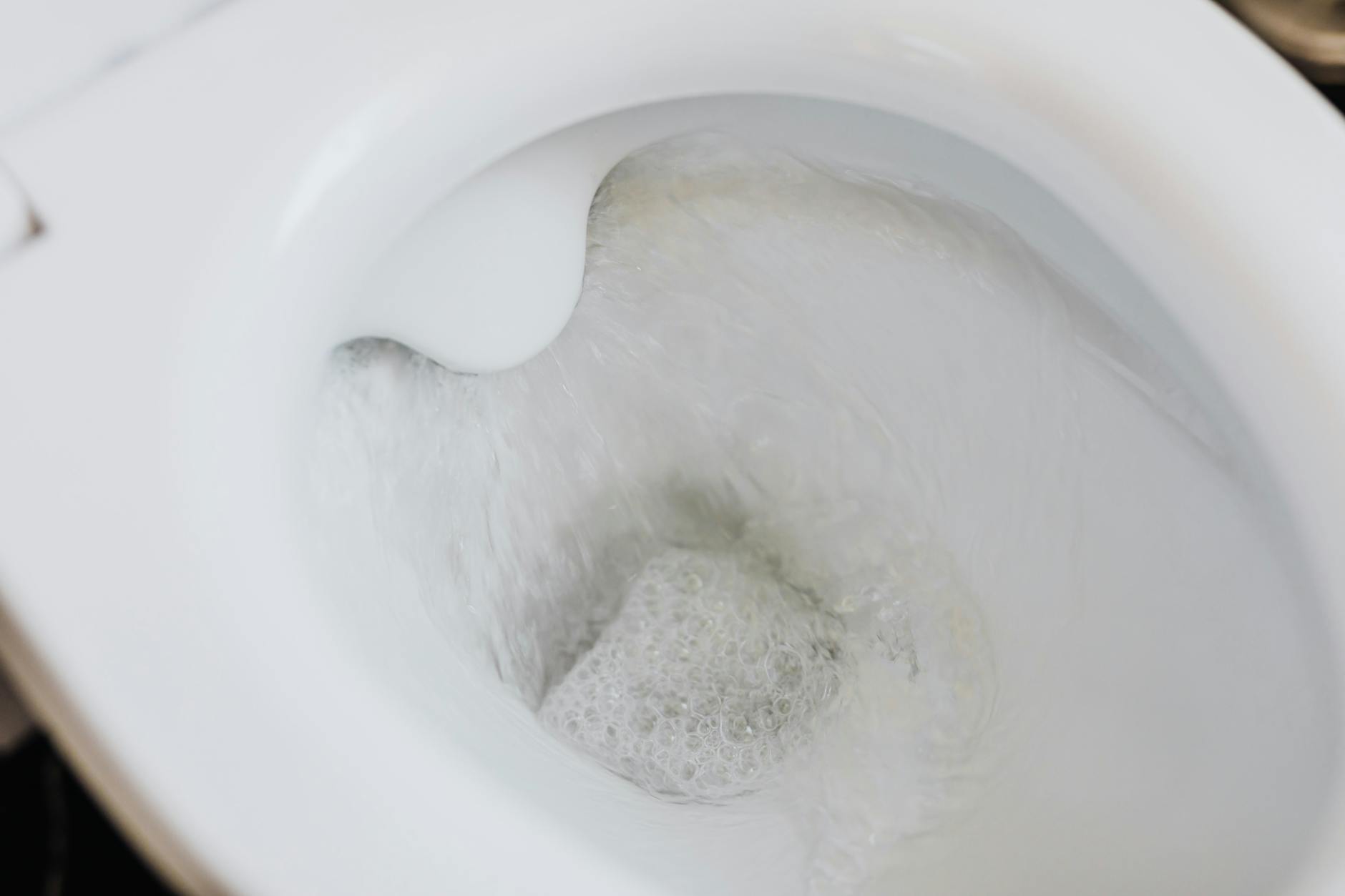
8. Let Every Flush Do the Work With a Toilet Rim Cleaner
If a weekly vinegar pour sounds like too many steps, there's an even more passive approach: in-tank or under-rim automatic toilet cleaning tablets. These small devices clip to the inside of the toilet rim or dissolve slowly in the tank, releasing a mild cleaning and deodorizing agent with every single flush.
The result is that your toilet bowl receives a light dose of cleaner 10 to 15 times a day — every time someone flushes. Over time this prevents the mineral buildup, discoloration, and bacteria colonies that cause rings and odors. You're essentially outsourcing the job to the toilet itself. It won't replace a proper deep-clean every month or two, but it dramatically reduces how much effort that deep-clean requires when the time comes. Look for formulas that are septic-safe if you're on a septic system.
9. Keep a Cleaning Caddy Under the Sink
One of the least glamorous but most effective bathroom cleaning hacks is simply removing the friction from getting started. Most people procrastinate on bathroom cleaning because gathering supplies from different cabinets is its own mini-chore. The fix: a single dedicated caddy stored under the bathroom sink that contains everything you need.
A well-stocked caddy should include: an all-purpose spray, a toilet bowl cleaner, your color-coded microfiber cloths, a small scrubbing brush, a squeegee, and a roll of paper towels for emergencies. When everything is in one place and immediately accessible, you're far more likely to do a quick 5-minute touch-up on a Tuesday than wait until it becomes a 45-minute deep-clean on Saturday. This is behavioral design at work — reduce the activation energy, and the habit happens naturally.
10. Do a 5-Minute Bathroom Reset Every Morning
This last hack is about mindset as much as method. Instead of treating bathroom cleaning as a big weekly event, build a 5-minute morning reset into your routine. It takes less time than it sounds and prevents the catastrophic buildup that makes deep-cleaning so unpleasant.
Here's the full reset routine, timed:
- 0:00–1:00 — Wipe the sink and faucet with a damp microfiber cloth. Rinse it out.
- 1:00–2:00 — Wipe the toilet seat, lid, and outer bowl. Squirt a small amount of bowl cleaner inside and let it sit.
- 2:00–2:30 — Spray the mirror with your glass cloth and wipe dry.
- 2:30–3:30 — Swish the toilet brush quickly and flush.
- 3:30–4:30 — Pick up any clutter on the counter and return items to where they belong.
- 4:30–5:00 — Quick floor sweep or wipe of the most-trafficked area.
At the end of five minutes, your bathroom looks presentable for guests, smells clean, and hasn't been given the chance to develop serious buildup. Do this daily and your monthly deep-clean shrinks from an hour to under 20 minutes. That's the real payoff of consistent cleaning hacks: they compound over time.
Final Verdict
The best bathroom cleaning hacks share a common theme: they work with chemistry and habits rather than against them. You're not trying to out-scrub mineral deposits — you're dissolving them with vinegar. You're not deep-cleaning every week — you're preventing buildup daily with a squeeze and a spray. You're not hunting for supplies — they're already in a caddy under the sink.
Start with just two or three of these tips this week. The squeegee habit, the daily shower spray, and the 5-minute morning reset will alone cut your bathroom cleaning time significantly. Add the toilet prevention tricks and the microfiber switch, and you'll wonder why you ever spent a full Saturday afternoon on a task that now fits into a coffee break.
Small habits, done consistently, beat big cleaning sessions every single time.