10 Breathing Exercises for Athletes That Actually Improve Performance

Most athletes spend countless hours improving their strength, speed, and technique — yet overlook the one system that fuels every single movement: breathing. Breathing exercises for athletes are not a fringe wellness trend. They are evidence-backed tools used by Olympic swimmers, elite distance runners, professional cyclists, and team-sport athletes who understand that how you breathe directly determines how well you perform.
Research published in the Journal of Strength and Conditioning Research found that targeted respiratory muscle training reduced fatigue and improved time-to-exhaustion in trained cyclists. A separate meta-analysis in Sports Medicine confirmed that inspiratory muscle training enhanced performance across swimming, rowing, and running disciplines. The science is clear: your breathing is trainable, and training it pays dividends.
Below are 10 specific breathing drills for endurance sports and general athletic training — each with step-by-step instructions, key benefits, and practical advice on when to use them.
1. Diaphragmatic Breathing (Belly Breathing)
If there is one foundational technique that underpins every other entry on this list, it is diaphragmatic breathing in sports. Most people are chest breathers by default, using only the upper third of their lung capacity. Shifting to diaphragmatic breathing — where the belly rises on the inhale and falls on the exhale — engages the full lung volume and activates the parasympathetic nervous system.
How to do it: Lie on your back with one hand on your chest and one on your abdomen. Inhale slowly through the nose for 4 seconds, allowing the belly to rise while the chest stays relatively still. Exhale for 6 seconds. Aim for 10 minutes daily, then work toward maintaining this pattern during low-intensity training.
Benefits: Increases oxygen uptake efficiency, lowers resting heart rate, reduces pre-competition anxiety, and builds the respiratory endurance base for every other drill.
When to use it: Daily as a foundational practice; during warm-ups and post-training cool-downs.
2. Box Breathing (4-4-4-4 Protocol)
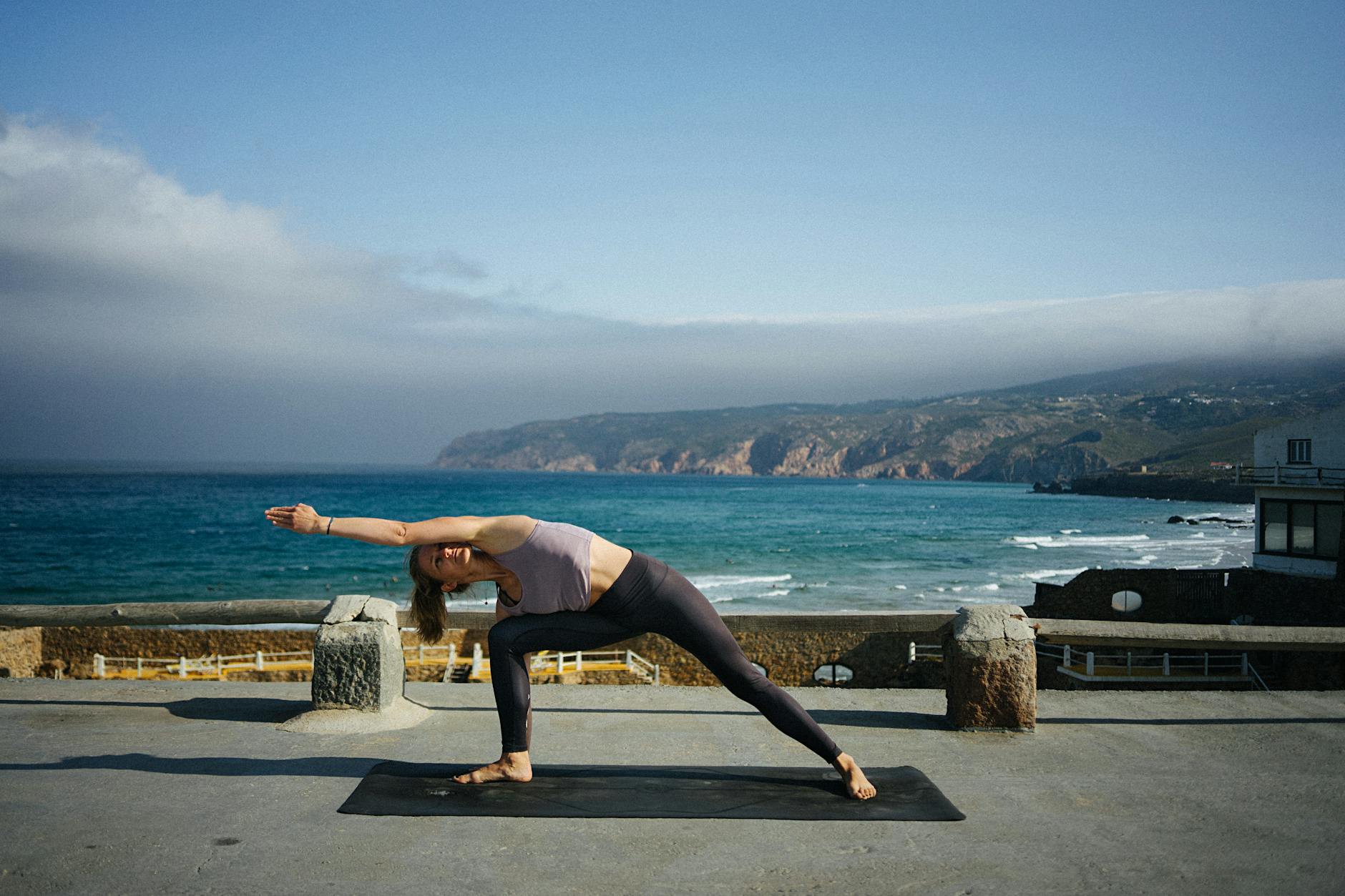
Box breathing — inhale for 4 counts, hold for 4, exhale for 4, hold for 4 — is used by Navy SEALs, free divers, and top-tier team sport athletes to regulate the autonomic nervous system under pressure. It is one of the most researched respiratory training exercises for managing stress and maintaining focus mid-competition.
How to do it: Sit upright or stand. Inhale through the nose for exactly 4 seconds. Hold the breath at the top for 4 seconds. Exhale slowly through the mouth for 4 seconds. Hold at the bottom for 4 seconds. That is one cycle. Perform 4–6 cycles before a competition or stressful training session.
Benefits: Lowers cortisol, normalizes CO2 tolerance (which is critical for sustained effort), sharpens concentration, and prevents the hyperventilation reflex during high-intensity bouts.
When to use it: Pre-competition rituals, between high-intensity intervals, and any time heart rate exceeds mental comfort.
3. Pursed-Lip Breathing
Pursed-lip breathing is a staple in respiratory rehabilitation but is equally valuable for any athlete working to breathe better when exercising at or near threshold pace. By slowing the exhalation through partially closed lips, you create a small amount of back-pressure that keeps the airways open longer and improves alveolar gas exchange.
How to do it: Inhale normally through the nose for 2 counts. Purse the lips as if you are about to whistle or blow out a candle. Exhale slowly and steadily through the pursed lips for 4–6 counts. The exhale should be twice as long as the inhale.
Benefits: Reduces breathing rate, increases oxygen saturation at moderate-to-high intensities, reduces the sensation of breathlessness (dyspnea), and is particularly effective for athletes competing at altitude.
When to use it: During sustained moderate-intensity efforts such as tempo runs, long cycling climbs, or paddle sports; also useful during active recovery between hard intervals.
4. Nasal Breathing Protocol
Nasal breathing during exercise is increasingly supported by research on nitric oxide production. Breathing through the nose produces nitric oxide in the nasal passages — a powerful vasodilator that opens blood vessels, improves oxygen delivery to muscles, and may reduce inflammation. Many coaches now incorporate structured nasal breathing protocols into aerobic base-building blocks.
How to do it: During Zone 1 and Zone 2 cardio sessions (conversational pace), breathe exclusively through the nose — both inhale and exhale. If you cannot maintain nasal breathing without gasping, slow your pace. Over 4–8 weeks, your pace at nasal-only breathing will improve significantly.
Benefits: Filters, humidifies, and warms air before it reaches the lungs; improves CO2 tolerance; builds aerobic efficiency; reduces over-breathing; and develops respiratory endurance for race conditions when mouth breathing becomes necessary.
When to use it: All easy and moderate aerobic training sessions as a deliberate training stimulus.
5. The Wim Hof Method (Controlled Hyperventilation + Retention)
Popularized by Dutch athlete Wim Hof, this structured breathing protocol has been the subject of peer-reviewed studies at Radboud University, which showed participants were able to consciously influence their immune response and maintain core temperature in extreme cold. Athletes use it for mental resilience, alkalinity shifts that briefly suppress pain signaling, and pre-performance activation.
How to do it: Sit or lie in a safe position (never near water or while driving). Take 30 consecutive deep, powerful inhales through the nose or mouth — each one filling the lungs completely — followed by a passive, unforced exhale. After the 30th exhale, hold the breath out (empty lungs) for as long as comfortable. Then take one deep recovery breath and hold it for 15 seconds before exhaling. This is one round. Perform 3–4 rounds.
Benefits: Generates an alkaline blood pH shift that can buffer lactic acid buildup; activates the sympathetic nervous system for heightened alertness; builds mental toughness and breath-hold tolerance.
When to use it: Pre-training activation (not pre-competition due to light-headedness risk); recovery days; cold exposure protocols. Always practice seated or lying down.
6. Inspiratory Muscle Training (Resistance Breathing)
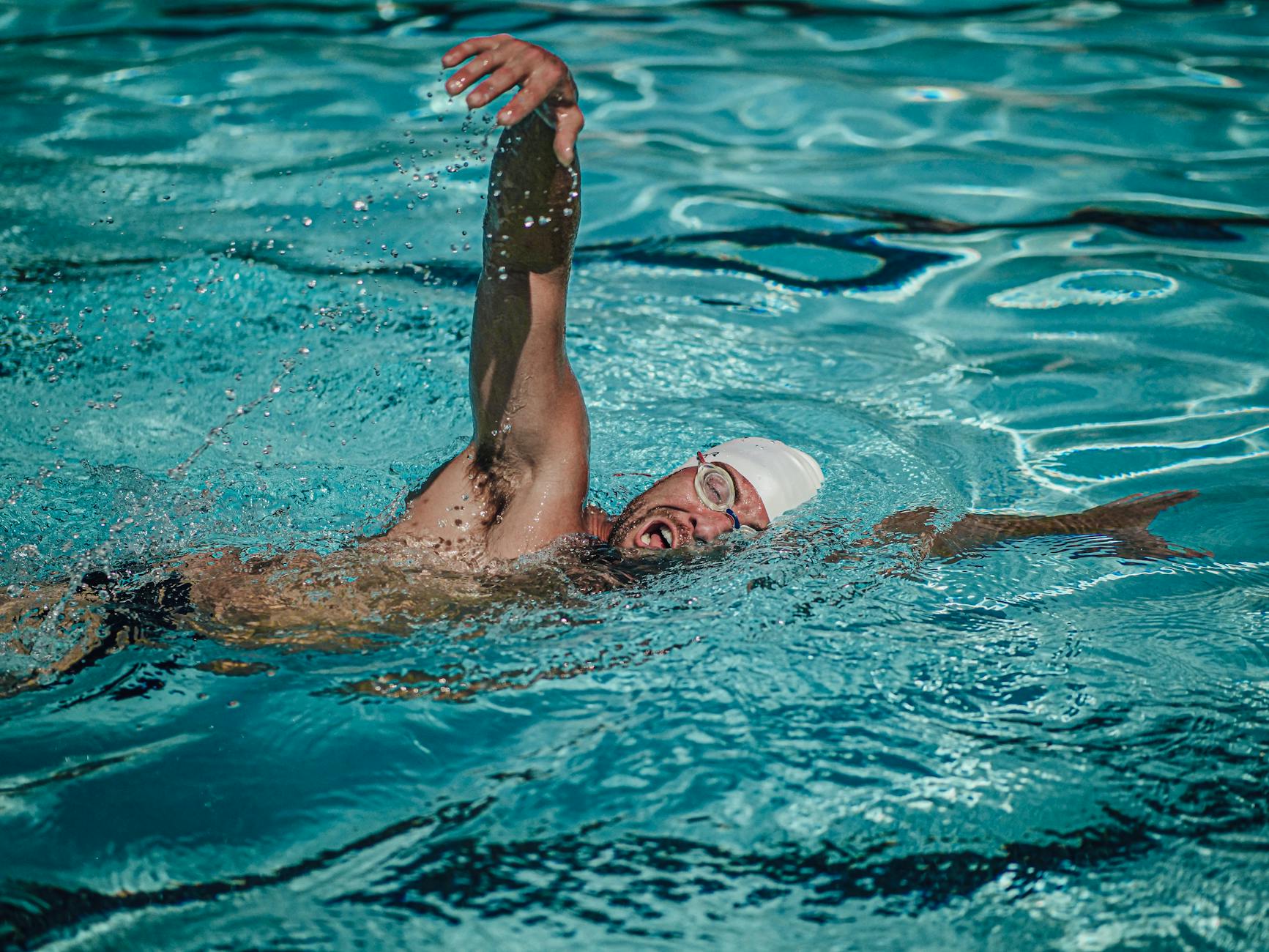
Resistance breathing — deliberately inhaling against added resistance to strengthen the diaphragm and intercostal muscles — is one of the most direct forms of respiratory training exercises. Think of it as weight training for your breathing muscles. Research in the British Journal of Sports Medicine showed that 6 weeks of inspiratory muscle training improved 5,000-metre running performance by an average of 4.6 percent in well-trained athletes.
How to do it: Using a resistance breathing device (a handheld threshold trainer) or simply by practicing forceful, restricted inhales through a narrow tube or partially blocked nostril. Inhale as hard and fast as possible against the resistance for 30 breaths. Perform 2 sets, twice per day. Gradually increase resistance over 6–8 weeks.
Benefits: Strengthens the diaphragm, external intercostals, and accessory breathing muscles; delays respiratory muscle fatigue during long efforts; reduces the "blood steal" effect where leg circulation is diverted to working respiratory muscles.
When to use it: As a standalone training session — 5 to 10 minutes, separate from main workouts, 5–6 days per week.
7. Rhythmic Breathing for Running
Sports physiologist Budd Coates developed the concept of rhythmic or odd-ratio breathing for runners — specifically a 3:2 pattern (3 steps inhale, 2 steps exhale) — to reduce impact stress on the body and distribute workload evenly across both sides of the torso. This is a practical breathing drill for endurance sports that you can implement on your very next run.
How to do it: During easy and moderate runs, count your footstrikes. Inhale over 3 footstrikes (left-right-left), then exhale over 2 footstrikes (right-left). This creates an alternating pattern where the exhale does not always land on the same foot, reducing cumulative stress on one side. For faster running, shift to a 2:1 ratio.
Benefits: Reduces injury risk associated with asymmetrical breathing patterns; improves running economy; trains the athlete to control breathing rhythm independently of pace fluctuations.
When to use it: Easy runs and long runs; early stages of tempo runs before intensity demands override rhythmic control.
8. 4-7-8 Breathing (Recovery and Sleep Activation)
Developed by integrative medicine physician Dr. Andrew Weil, the 4-7-8 technique acts as a natural sedative for the nervous system. For athletes, its greatest value lies in accelerating post-training parasympathetic recovery and improving sleep onset — both of which are critical windows for adaptation and tissue repair.
How to do it: Place the tip of your tongue against the ridge of tissue just behind your upper front teeth. Exhale completely through the mouth. Close the mouth and inhale quietly through the nose for 4 seconds. Hold the breath for 7 seconds. Exhale completely through the mouth for 8 seconds. Repeat 4 cycles. With practice, extend to 8 cycles.
Benefits: Triggers deep parasympathetic activation within minutes; reduces post-training cortisol spike; improves sleep quality and total sleep duration; particularly effective after evening training sessions that normally interfere with sleep.
When to use it: Within 30 minutes of finishing training; in the 20 minutes before sleep; during any high-stress recovery period such as the taper week before a major competition.

9. Alternate Nostril Breathing (Nadi Shodhana)
Rooted in yogic pranayama tradition and validated by modern neuroscience, alternate nostril breathing has been shown in multiple studies to balance left and right hemisphere brain activity, normalize blood pressure, and reduce sympathetic nervous system dominance. For athletes, it serves as a powerful pre-competition centering tool and an effective means of how to breathe better when exercising at a mental level.
How to do it: Sit upright. Using the right hand, close the right nostril with the thumb. Inhale slowly and fully through the left nostril for 4 counts. Close both nostrils (add the ring finger to the left nostril) and hold for 2 counts. Release the thumb and exhale fully through the right nostril for 6 counts. Inhale through the right nostril for 4 counts. Hold both closed for 2 counts. Exhale through the left nostril for 6 counts. That is one complete cycle. Perform 5–10 cycles.
Benefits: Reduces pre-competition anxiety without inducing drowsiness; balances hemispheric brain activity for improved decision-making and reaction time; improves nasal airflow and CO2 tolerance.
When to use it: In the 15–30 minutes before competition; between warm-up and start time; on rest days as a mindfulness practice.
10. Voluntary Hypercapnic Breathing (CO2 Tolerance Training)
One of the least-discussed yet most impactful breathing exercises for athletes is CO2 tolerance training. The urge to breathe during exercise is not triggered by low oxygen — it is triggered by rising CO2 levels in the blood. Athletes with poor CO2 tolerance over-breathe at moderate intensities, dumping CO2 before it is necessary, which paradoxically reduces oxygen delivery to tissues (the Bohr effect). CO2 tolerance training desensitizes this reflex.
How to do it: Method 1 — Reduced-breath walking: Walk at a moderate pace while breathing only through the nose and deliberately reducing the volume of each breath. Aim to produce a mild-to-moderate air hunger that you sustain without gasping for 10–15 minutes. Method 2 — Breath-hold walks: Exhale normally, then walk for as many steps as possible while holding the breath. Rest for 1 minute, then repeat 5–8 times. Progressively extend the step count each week.
Benefits: Raises the CO2 threshold at which the breathlessness reflex fires; allows athletes to sustain higher intensities before feeling out of breath; improves breathing economy during sustained hard efforts; particularly valuable for high-altitude sport and open-water swimming.
When to use it: 2–3 times per week as a standalone session, or tagged onto the end of an easy aerobic workout. Allow at least 48 hours between CO2 tolerance sessions initially.
How to Build These Drills Into a Training Week
The most effective approach is to layer these exercises progressively rather than attempting all ten simultaneously. Here is a practical framework:
- Week 1–2: Master diaphragmatic breathing as a daily 10-minute habit. Add box breathing before every training session.
- Week 3–4: Introduce nasal-only breathing during all easy cardio sessions. Add 4-7-8 breathing post-training.
- Week 5–6: Begin resistance breathing (inspiratory muscle training) as a separate 5–10 minute block. Add rhythmic breathing on runs.
- Week 7–8: Incorporate CO2 tolerance walks 2–3 times per week. Experiment with the Wim Hof method on recovery days.
- Ongoing: Use alternate nostril breathing and pursed-lip breathing as situational tools based on training demands.
Consistency matters far more than perfection. Even 10 dedicated minutes per day on a single technique will produce measurable improvements in respiratory efficiency within four to six weeks. Athletes who treat breathing as a trainable quality — rather than an automatic background function — consistently report improvements in perceived effort, recovery speed, and competitive composure.
Key Takeaways
Breathing is the most frequent physical act an athlete performs — anywhere from 15,000 to 25,000 times per day at rest, and significantly more during training. Yet it remains one of the most neglected performance variables in recreational and competitive sport alike.
The ten breathing exercises for athletes covered in this guide address different physiological levers: lung capacity, CO2 tolerance, respiratory muscle strength, nervous system regulation, and oxygen delivery efficiency. No single technique does everything — but together, as part of a structured approach to respiratory training exercises, they form a comprehensive system for breathing better under every condition sport demands.
Start with the fundamentals: diaphragmatic breathing and box breathing. Build CO2 tolerance and nasal efficiency over weeks. Add inspiratory muscle resistance work when the basics feel automatic. The athletes who treat their respiratory system with the same intentionality they bring to strength training or skills work will find that they have been leaving a significant and very accessible performance edge untrained.