10 Breathing Exercises to Fall Asleep Faster (Science-Backed Techniques)
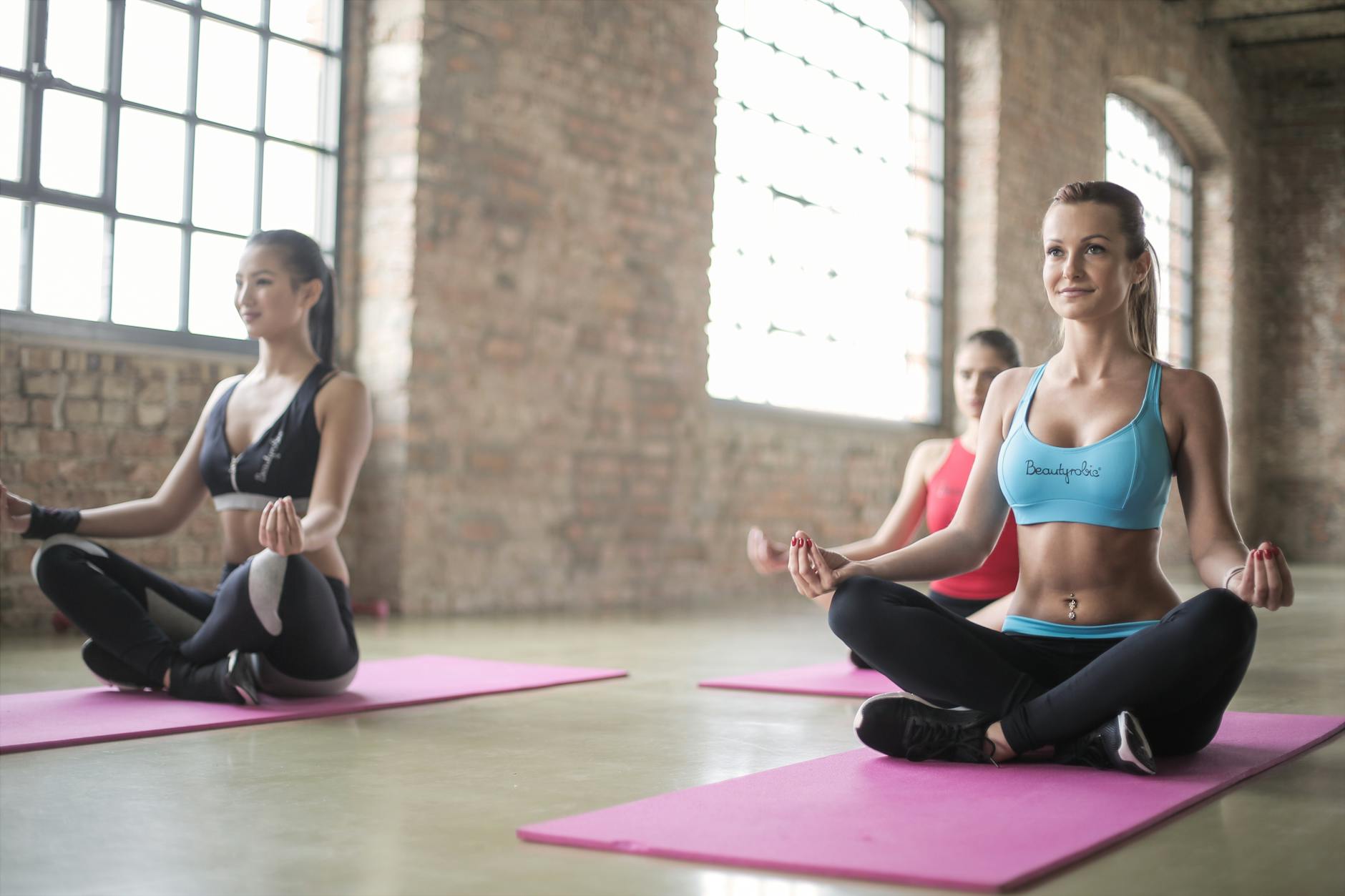
If you've ever lain awake staring at the ceiling, willing your mind to slow down, you already know how elusive sleep can be. The good news is that breathing exercises are one of the most accessible, zero-cost tools science has identified for falling asleep faster. No prescription required, no screen time, and no side effects — just deliberate control of the breath to activate your body's own relaxation system.
Research consistently shows that slow, controlled breathing shifts the nervous system from the sympathetic "fight-or-flight" state into the parasympathetic "rest-and-digest" state. A 2022 review published in Frontiers in Physiology found that slow-paced breathing at roughly 6 breaths per minute significantly increases heart rate variability (HRV) — a reliable marker of relaxation — within just a few minutes of practice. That's the physiological foundation behind every technique on this list.
Below you'll find 10 breathing exercises for sleep, each explained with step-by-step instructions, the science behind why it works, and who it is best suited for. Whether you're a lifelong insomniac or simply someone who needs help unwinding after a stressful day, at least one of these will fit your needs.

1. 4-7-8 Breathing (The Relaxing Breath)
The 4-7-8 breathing technique was popularized by integrative medicine physician Dr. Andrew Weil, who described it as "a natural tranquilizer for the nervous system." It is arguably the most widely recommended breathing exercise for sleep, and for good reason — it is simple, requires no equipment, and produces noticeable calm within two to four cycles.
How to do it
- Sit or lie in a comfortable position. Place the tip of your tongue against the ridge of tissue just behind your upper front teeth and keep it there throughout the exercise.
- Exhale completely through your mouth, making a whooshing sound.
- Close your mouth and inhale quietly through your nose for a count of 4.
- Hold your breath for a count of 7.
- Exhale completely through your mouth, making a whooshing sound, for a count of 8.
- This completes one cycle. Repeat for four cycles to start, building to eight cycles with practice.
Why it works
The extended exhalation (8 counts) is longer than the inhalation (4 counts), which stimulates the vagus nerve and activates the parasympathetic nervous system. The breath-hold builds a mild carbon dioxide tolerance, which has a natural sedating effect on the central nervous system.
Best for
People experiencing racing thoughts or anxiety before bed. Also excellent for acute stress during the day — the effect can be felt in under two minutes.
2. Box Breathing (Square Breathing)
Box breathing for sleep is a structured technique used by everyone from Navy SEALs to corporate executives to manage stress and improve focus. The "box" refers to the four equal sides of the breath pattern — in, hold, out, hold — each lasting the same number of counts.
How to do it
- Sit or lie comfortably and close your eyes.
- Exhale fully to empty your lungs.
- Inhale slowly through your nose for a count of 4.
- Hold your breath for a count of 4.
- Exhale slowly through your mouth for a count of 4.
- Hold the breath out for a count of 4.
- Repeat for 4–6 cycles, or until you feel noticeably calmer.
Why it works
Box breathing activates the parasympathetic nervous system by slowing the breathing rate to approximately 6 breaths per minute — the same "resonance frequency" breathing rate identified in HRV research. The equal-duration phases prevent hyperventilation and create a rhythmic, meditative pattern that quiets the prefrontal cortex's tendency to ruminate.
Best for
People who find unequal breath ratios frustrating or who want a structured, symmetrical technique. Also well-suited to those managing performance anxiety or high-pressure jobs.
3. Diaphragmatic Breathing (Belly Breathing)
Diaphragmatic breathing — also called belly breathing or abdominal breathing — is the foundation upon which most other breathing exercises are built. Many adults habitually breathe into the chest, which is a shallow pattern associated with chronic stress. Retraining the breath to move the belly is one of the most impactful changes you can make for both sleep and overall health.
How to do it
- Lie on your back with your knees slightly bent. Place one hand on your chest and one hand on your belly, just below your ribcage.
- Breathe in slowly through your nose. The hand on your belly should rise; the hand on your chest should stay as still as possible.
- Exhale slowly through pursed lips. Feel the hand on your belly fall as your diaphragm releases.
- Aim for a 4-count inhale and a 6-count exhale to emphasize the relaxation response.
- Continue for 5–10 minutes as you settle into bed.
Why it works
Full diaphragmatic engagement increases tidal volume (the amount of air moved per breath), which means fewer breaths per minute are needed to oxygenate the blood. This slower rate directly stimulates the vagus nerve. A 2017 study in Frontiers in Psychology found that 20 sessions of diaphragmatic breathing training significantly reduced cortisol levels — the body's primary stress hormone — and improved attention and mood.
Best for
Anyone new to breathing exercises — this is the ideal starting point. Also beneficial for people with anxiety disorders, high blood pressure, or chronic stress.
4. Alternate Nostril Breathing (Nadi Shodhana)
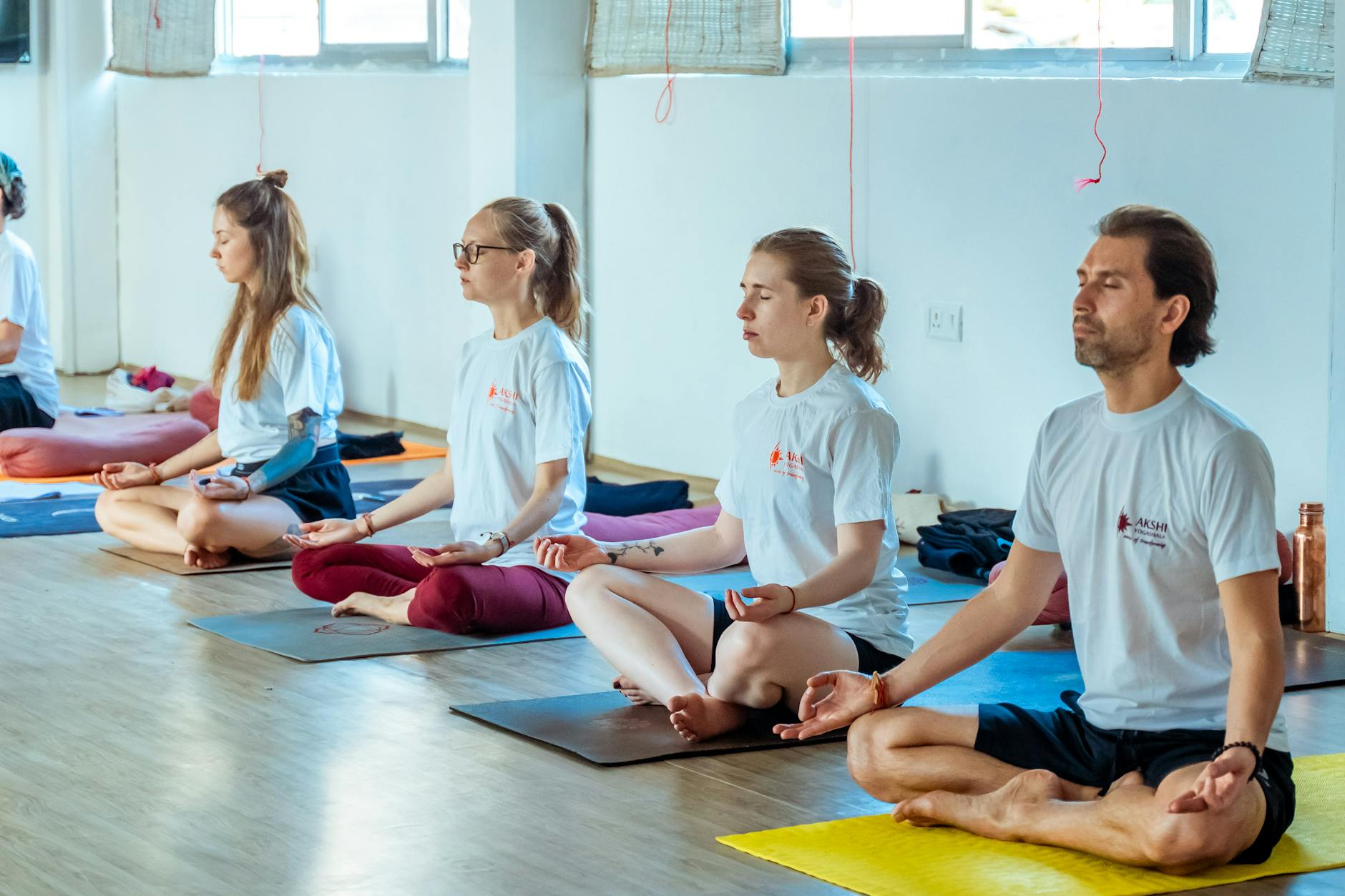
Nadi Shodhana, or alternate nostril breathing, is a pranayama technique from the yogic tradition that has attracted considerable scientific attention in recent years. The name translates roughly to "channel purification," and its effects on the autonomic nervous system have been validated in several controlled studies.
How to do it
- Sit comfortably with your spine straight. Rest your left hand on your left knee.
- Bring your right hand to your face. Place your right thumb over your right nostril and your ring finger over your left nostril.
- Close your right nostril with your thumb. Inhale slowly through your left nostril for a count of 4.
- Close both nostrils. Hold for a count of 4.
- Release your thumb. Exhale slowly through your right nostril for a count of 8.
- Inhale through the right nostril for a count of 4.
- Close both nostrils and hold for a count of 4.
- Exhale through the left nostril for a count of 8. This completes one full cycle.
- Repeat for 5–10 cycles before bed.
Why it works
A 2013 study in the Journal of Clinical and Diagnostic Research found that alternate nostril breathing significantly reduced both systolic and diastolic blood pressure compared to controls. The technique is thought to balance activity between the left and right hemispheres of the brain, reducing the overactive verbal and analytical thought that keeps many people awake.
Best for
People who feel mentally "wired" at bedtime — those whose minds won't stop planning, replaying conversations, or worrying. Not recommended for those with nasal congestion.
5. Progressive Muscle Relaxation with Breathing
Progressive Muscle Relaxation (PMR) was developed by physician Edmund Jacobson in the 1920s. It pairs deliberate muscle tension and release with deep breathing before bed to create a full-body relaxation response. It is one of the most well-researched non-pharmacological treatments for insomnia.
How to do it
- Lie down in bed and close your eyes. Take three slow, deep belly breaths to settle in.
- Starting with your feet: inhale deeply, then curl your toes tightly for 5 seconds.
- Exhale and release. Notice the contrast between tension and relaxation for 10 seconds.
- Move up to your calves, thighs, abdomen, hands, arms, shoulders, and face — tensing each muscle group on the inhale, releasing on the exhale.
- After completing the full body scan, take five slow, even breaths and allow sleep to come.
Why it works
The physical act of releasing muscle tension sends direct feedback to the brain that the body is safe and at rest. Combined with slow breathing, PMR lowers heart rate and blood pressure. A 2019 meta-analysis in Sleep Medicine Reviews found PMR to be an effective intervention for reducing sleep onset latency (the time it takes to fall asleep) in adults with chronic insomnia.
Best for
Those who carry physical tension in their body — jaw clenchers, shoulder holders, and anyone who ends the day feeling bodily "tight." Particularly effective for people who find pure breath-focused techniques too abstract.
6. The Papworth Method
The Papworth Method was developed at Papworth Hospital in Cambridge, England, in the 1960s. It is a multi-component breathing retraining program originally designed for asthma patients that has since been studied for its relaxation and sleep benefits. It combines diaphragmatic breathing with a relaxed, nasal breathing pattern and a focus on natural breathing rhythms.
How to do it
- Lie down comfortably and focus on breathing through your nose rather than your mouth.
- Allow your belly to expand on the inhale — shoulders should not rise.
- Let the exhale be completely passive and unhurried. Do not force air out; simply allow the lungs to deflate naturally.
- Aim for a breathing rate of roughly 8–10 breaths per minute (about 6 seconds per breath cycle).
- If your mind wanders, bring focus back to the feeling of air passing through your nostrils.
- Continue for 10–15 minutes.
Why it works
The Papworth Method corrects dysfunctional breathing patterns — such as mouth breathing and upper-chest breathing — that keep the sympathetic nervous system activated. By restoring a slower, lower, nasal breathing pattern, it normalizes blood CO2 levels, which has a direct calming effect on the brain.
Best for
Habitual mouth breathers, people with mild asthma or respiratory conditions, and those who find more structured counting-based techniques difficult to maintain.
7. Coherent Breathing (Resonance Breathing)
Coherent breathing, sometimes called resonance breathing or resonance-frequency breathing, targets a specific breathing rate — approximately 5–6 breaths per minute — that maximizes heart rate variability. At this pace, the cardiovascular, respiratory, and autonomic nervous systems enter a state of synchrony that researchers describe as "physiological coherence."
How to do it
- Lie down or sit comfortably with your eyes closed.
- Inhale slowly through your nose for a count of 5 (approximately 5 seconds).
- Exhale slowly through your nose for a count of 5 (approximately 5 seconds).
- Make both the inhale and exhale smooth, steady, and effortless — no pauses between them.
- Continue for 10–20 minutes for maximum benefit, though even 5 minutes produces measurable effects.
Why it works
At a rate of 5 breaths per minute, each breath cycle aligns perfectly with the body's Mayer wave — a 10-second oscillation in blood pressure. This synchrony amplifies the baroreceptor reflex, the mechanism by which the brain regulates heart rate and blood pressure, resulting in a powerful calming effect. Stephen Elliott and Dee Edmonson described the science in detail in their book Coherent Breathing: The Definitive Method (2008), and subsequent clinical trials have validated its effects on anxiety, depression, and autonomic nervous system function.
Best for
Those interested in optimizing nervous system health long-term. Coherent breathing is especially useful for people managing chronic stress, anxiety, or cardiovascular concerns, and it pairs well with meditation practice.
8. Buteyko Breathing
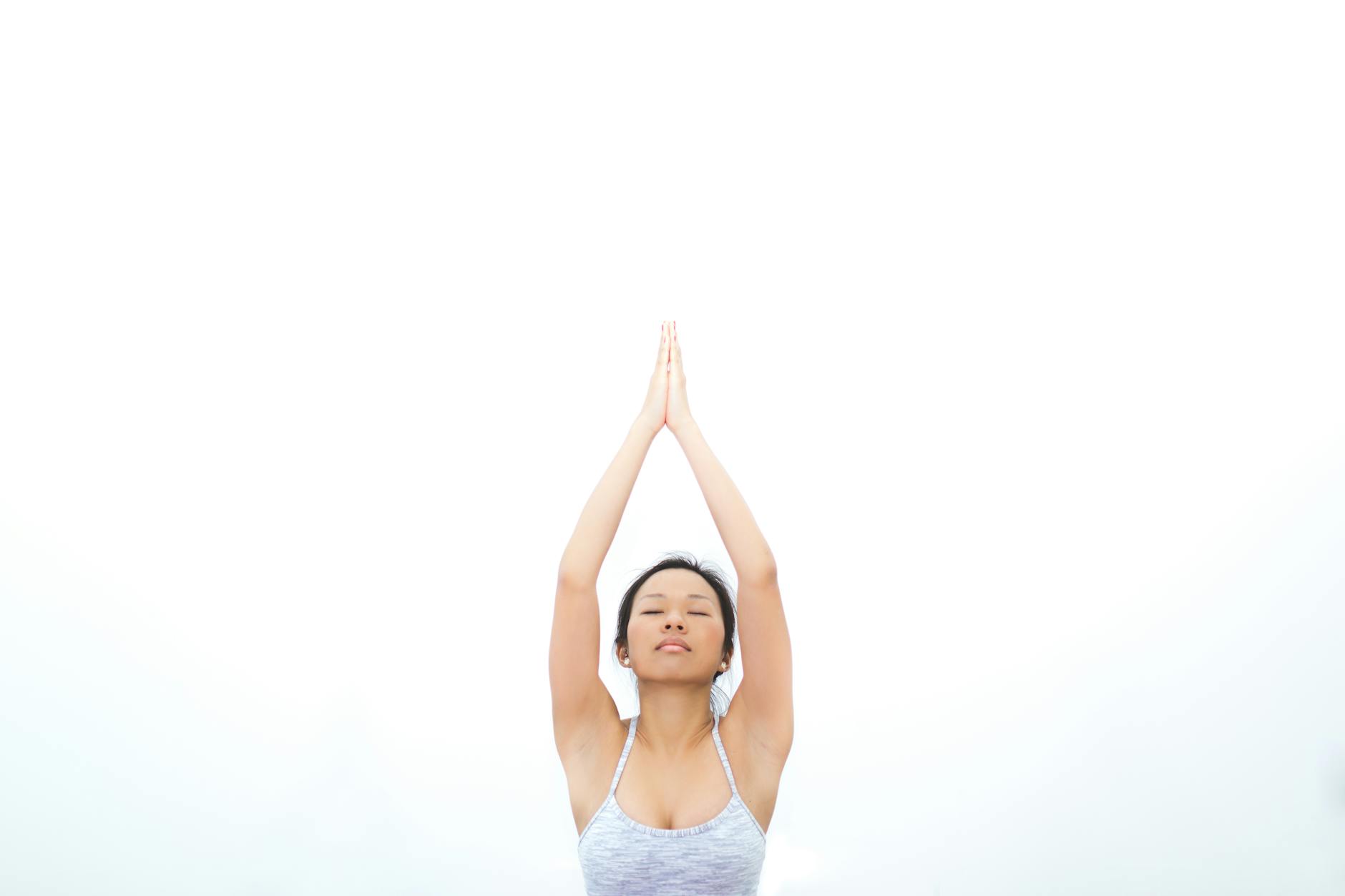
The Buteyko Method was developed by Ukrainian physician Konstantin Buteyko in the 1950s. Central to his approach is the idea that many people habitually over-breathe — taking in more air than the body actually needs — which lowers blood CO2 to levels that paradoxically make it harder to relax and sleep. The technique focuses on reducing breathing volume through nasal breathing and deliberate breath reduction.
How to do it
- Sit comfortably and breathe normally through your nose for one minute to establish a baseline.
- After a normal exhale, pinch your nose closed and hold your breath. Time how long you can hold it until you feel the first definite urge to breathe. This is your Control Pause (CP).
- For sleep, practice "reduced breathing": breathe in slightly less than you feel you need to, creating a mild, tolerable air hunger. This is not breath-holding — it is simply breathing less.
- Breathe only through your nose. If you cannot breathe comfortably through your nose, address any nasal obstruction before continuing.
- Practice for 10–15 minutes in bed, maintaining gentle nasal breathing with a slight sense of air hunger.
Why it works
Buteyko's approach is grounded in the Bohr effect: higher blood CO2 levels facilitate the release of oxygen from hemoglobin into the tissues, including the brain. When CO2 is normalized (rather than blown off through over-breathing), the nervous system calms and vasodilation occurs, promoting drowsiness. Research published in the European Respiratory Journal has validated the Buteyko Method for improving symptoms in asthma patients.
Best for
Habitual mouth breathers, snorers, those with mild sleep-disordered breathing, or anyone whose Control Pause is below 20 seconds (indicating a tendency to over-breathe). Not suitable for those with severe respiratory disease without medical supervision.
9. Lion's Breath (Simhasana Pranayama)
Lion's Breath is a more active, release-oriented breathing exercise drawn from the yogic tradition. Unlike the other techniques on this list, it is not a quiet, subtle practice — it involves a forceful exhalation with the mouth wide open and the tongue extended. Its value as a pre-sleep tool is in its ability to release accumulated tension and frustration before the quieter relaxation techniques begin.
How to do it
- Sit in a comfortable position — cross-legged on the bed or in a chair.
- Place your hands on your knees and spread your fingers wide.
- Inhale deeply through your nose, filling the lungs completely.
- Open your mouth wide, extend your tongue out and downward toward your chin, and exhale forcefully, making a "haaa" sound.
- Inhale gently through the nose to recover.
- Repeat 4–6 times, then transition into a quieter technique such as diaphragmatic breathing or box breathing.
Why it works
The forceful, exaggerated exhalation activates the deep muscles of the abdomen and diaphragm, creating a powerful stretch-and-release effect. It also provides an outlet for pent-up physical tension and emotional stress. Some practitioners report that the slightly absurd nature of the posture — tongue out, eyes wide — interrupts the rumination cycle simply by making you smile.
Best for
People who feel frustrated, irritable, or emotionally tense before bed. Best used as a "reset" technique before transitioning to a quieter slow breathing relaxation method rather than as a standalone sleep exercise.
10. Equal Breathing (Sama Vritti)
Sama Vritti, meaning "equal fluctuation" in Sanskrit, is one of the simplest and most elegant breathing exercises for sleep. As the name suggests, the inhale and exhale are of equal duration, creating a perfectly balanced, symmetrical breath rhythm. It is accessible to complete beginners and can be practiced anywhere.
How to do it
- Lie down in bed in your sleeping position. Close your eyes.
- Inhale slowly through your nose for a count of 4.
- Exhale slowly through your nose for a count of 4.
- If 4 counts feels comfortable, extend to 5 or 6 counts. The key is that inhale and exhale are the same length.
- Continue for 5–10 minutes, or simply continue until you fall asleep.
Why it works
The equal breath ratio creates a predictable, rhythmic pattern that the nervous system finds inherently calming — similar to the way a steady metronome can slow a racing mind. Breathing exclusively through the nose during equal breathing activates nasal nitric oxide production, a molecule that relaxes smooth muscle and promotes vasodilation, further lowering blood pressure and encouraging sleepiness.
Best for
Absolute beginners, children, and anyone who finds more complex techniques overwhelming. It is also an excellent backup technique on nights when nothing else seems to work — the simplicity itself is a virtue.
How to Choose the Right Technique for You
With ten options available, it can feel overwhelming to know where to start. Here is a simple framework:
- If you're completely new to breathwork, start with Diaphragmatic Breathing or Equal Breathing — both are forgiving and immediately accessible.
- If anxiety or racing thoughts are your primary obstacle, try the 4-7-8 Breathing Technique or Alternate Nostril Breathing.
- If you carry physical tension in your muscles, combine Progressive Muscle Relaxation with any breath technique.
- If you're a habitual mouth breather or suspect over-breathing, explore the Papworth Method or Buteyko Breathing.
- If you want a long-term nervous system practice, commit to daily Coherent Breathing for 3–4 weeks and track your resting heart rate.
- If you feel emotionally tense or irritable, begin with Lion's Breath before settling into a quieter technique.
It is worth committing to any single technique for at least two weeks before evaluating its effectiveness. Breath training, like physical training, produces compounding benefits over time — the nervous system genuinely learns to relax more efficiently with repetition.
Tips for Getting the Most Out of Breathing Exercises Before Bed
A few evidence-based habits will amplify the effectiveness of any deep breathing before bed routine:
- Practice at the same time each night. Consistency trains the brain to associate the breath pattern with sleep onset, strengthening the conditioned relaxation response over time.
- Dim the lights 30 minutes before bed. Bright light suppresses melatonin production. Pairing your breathing practice with low lighting maximizes the sleep-inducing effect.
- Keep the room cool. A core body temperature drop of approximately 1–2°F is one of the triggers for sleep onset. A cooler room supports this process while you practice.
- Breathe through your nose when possible. Nasal breathing filters, humidifies, and warms incoming air, and produces nitric oxide — all factors that support deeper, more restorative sleep.
- Do not try too hard. Paradoxically, anxiously monitoring your breathing can increase arousal. Approach each session with an attitude of gentle curiosity rather than performance.
- Combine with a body scan. After completing your chosen breathing technique, do a brief mental scan from head to toe, releasing any remaining tension you notice before allowing sleep to arrive.
Key Takeaways
Breathing exercises are among the most well-validated, side-effect-free tools available for improving sleep quality. The ten techniques covered here — from the structured simplicity of box breathing to the restorative rhythm of coherent breathing — all share the same underlying mechanism: slowing the breath activates the parasympathetic nervous system, lowers cortisol and heart rate, and creates the physiological conditions that make falling asleep easier and staying asleep more likely.
You do not need to master all ten. Pick one that matches your temperament and bedtime challenges, practice it consistently for two weeks, and pay attention to how your body responds. Sleep, like most biological processes, responds well to patience and regularity. The breath is always with you — learning to use it deliberately may be the most underrated sleep intervention available.