10 Carpet Stains That Are Harder to Remove Than You Think (And How to Tackle Each One)
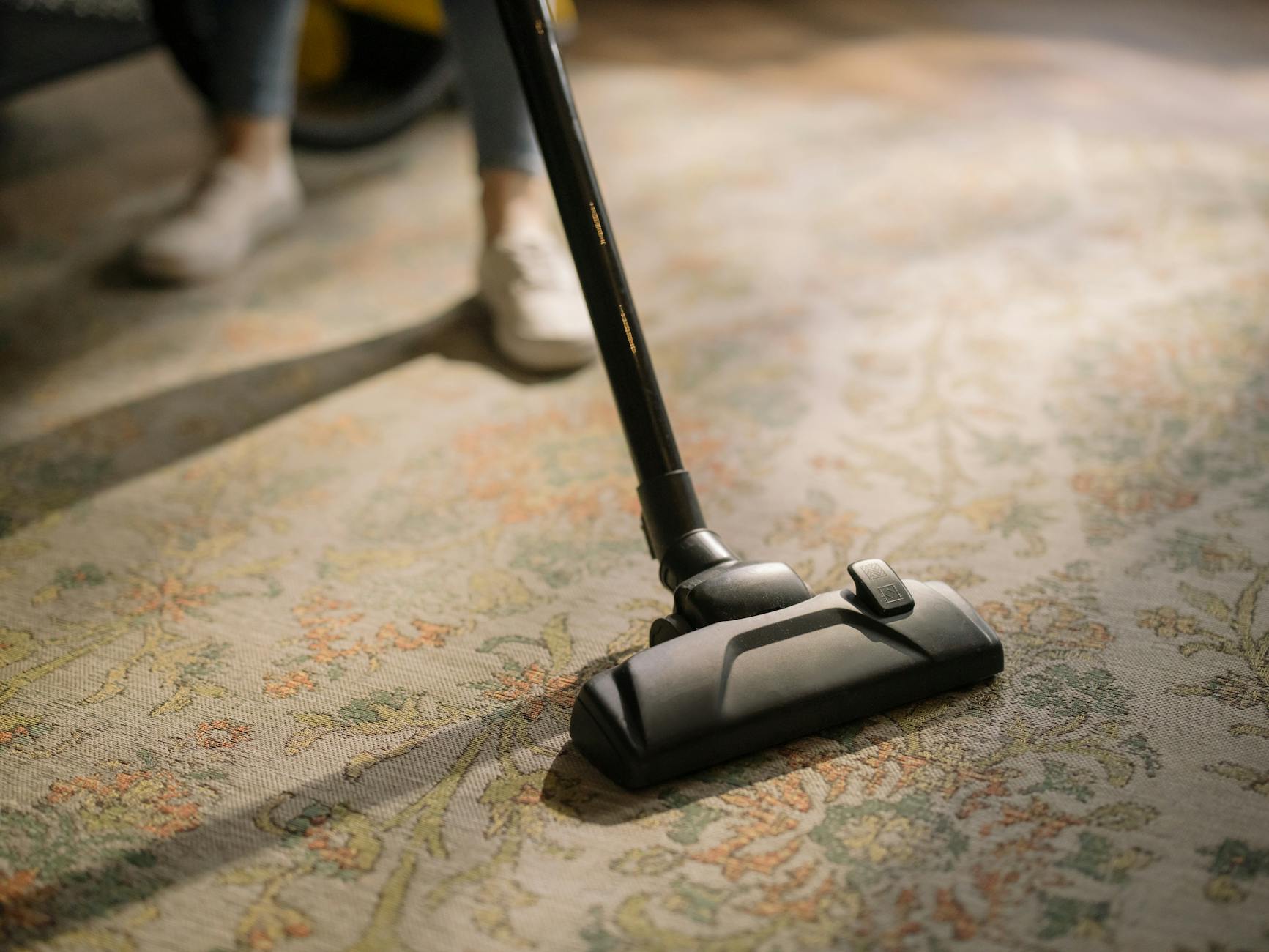
You reach for the nearest cloth, blot vigorously, and assume the problem is solved. Then it dries. The stain is still there — sometimes worse than before. Hard to remove carpet stains have a way of humbling even the most prepared homeowner, because what looks like a surface problem is often a chemistry problem hidden deep in the fiber.
The truth is that most carpets are not just stained on the surface. Many of the toughest stains to remove from carpet bond chemically with synthetic or natural fibers, crystallize as they dry, or spread further when treated with the wrong products. Understanding why each stain is difficult — and what that means for treatment — is the difference between full removal and a permanent reminder of that dinner party.
This guide breaks down the 10 most stubborn categories of carpet stains, explains what makes each one chemically resistant, covers the mistakes people make first (and why those mistakes often lock the stain in), and walks through the correct approach for each one.
Why Most Carpet Stain Removal Attempts Fail
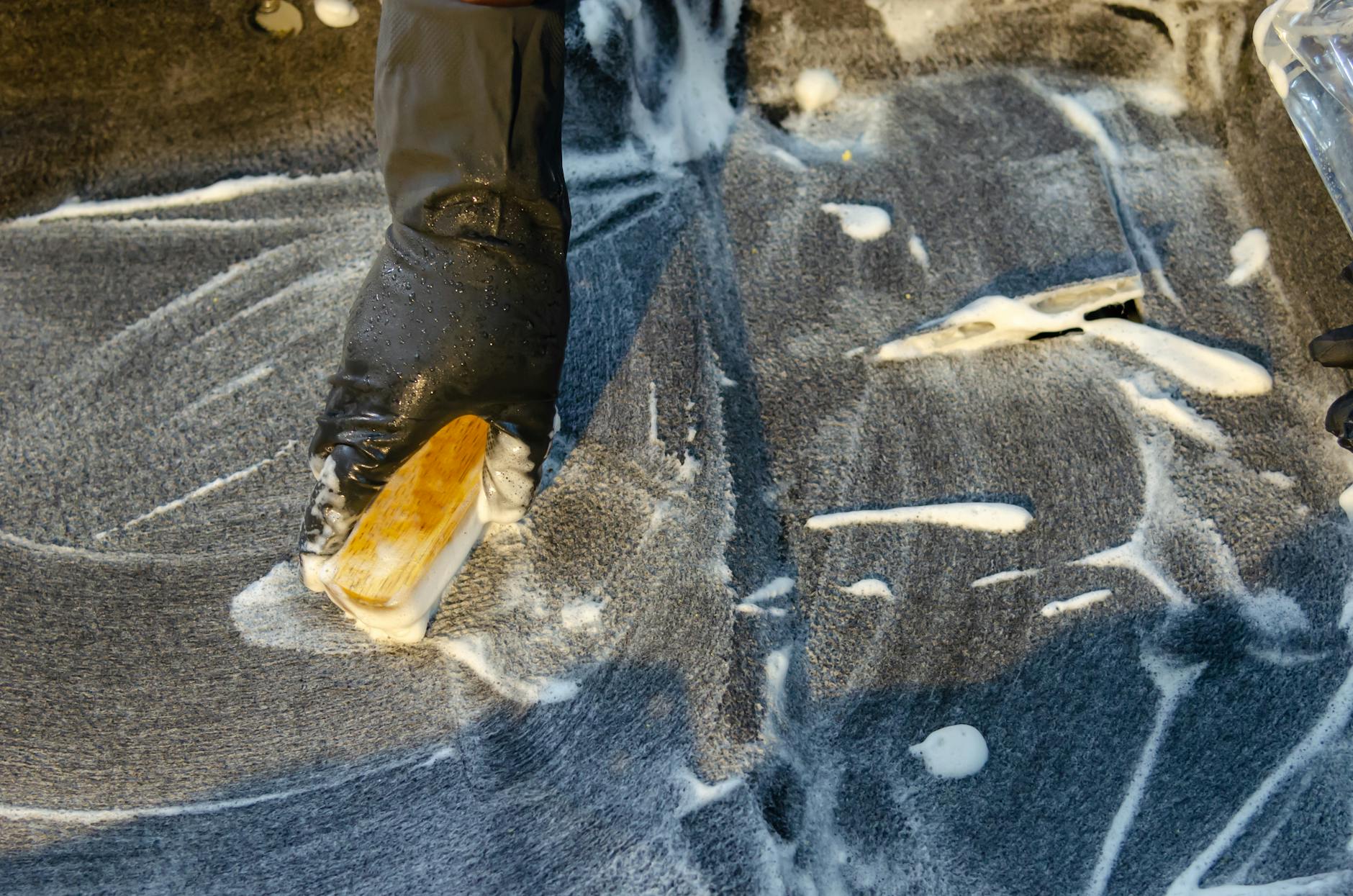
Before getting into individual stains, it helps to understand why the instinctive response — scrubbing with water and dish soap — rarely works for serious stains. Carpet fibers (whether nylon, polyester, wool, or olefin) are not flat surfaces. They are woven strands with microscopic gaps where staining compounds can travel downward, past the surface pile, into the backing and even the underpad.
When you scrub a stain, you are often spreading the staining compound laterally and pushing it deeper. When you use hot water, you can set certain protein-based stains permanently. When you use the wrong pH cleaner, you can chemically alter tannins or dyes in ways that make them harder — not easier — to lift. The fiber-deep crystallization that occurs as many stains dry is what transforms a fresh spill into a permanent carpet stain.
Professional-grade products designed to handle these chemistries, such as CAMPANELLI Pro Series Stain Remover with its aerosol crystallization technology, work precisely because they reach below the surface and encapsulate the staining compound rather than simply diluting it. But regardless of what product you use, understanding the enemy is the first step.
The 10 Hardest Carpet Stains to Remove
1. Red Wine
Red wine is infamous for good reason. It contains three potent staining agents working simultaneously: chromogens (the color molecules in tannin-rich plants), tannins themselves (which bond readily to natural fibers like wool), and a slightly acidic pH that helps drive the pigment into the fiber on contact. The moment red wine hits carpet, capillary action pulls it downward — it doesn't just sit on top.
What people try first: Salt is the most popular first instinct, and it does have some legitimacy for fresh spills — it draws liquid upward through osmosis. But people then follow up with hot water, which activates the tannin bonding and deepens the stain. Club soda is another common attempt; the carbonation helps with fresh spills but does nothing for set-in stains.
Correct approach: Blot (never scrub) with a clean white cloth from the outside edge inward. Apply a cold-water rinse. Use an enzyme-based cleaner or an oxidizing cleaner (one with hydrogen peroxide) diluted appropriately for your carpet color. Allow dwell time — at least five minutes — before blotting again. For set-in red wine, how to remove set-in stains from carpet often requires multiple treatment passes and patience rather than force.
2. Pet Urine
Pet urine is arguably the most chemically complex stain on this list. Fresh urine is mildly acidic and contains urea, urochrome (the yellow pigment), uric acid, bacteria, and various proteins. As it dries, bacterial action converts urea to ammonia, raising the pH to alkaline — and that shift actually bonds the uric acid crystals to carpet fibers in a way that is nearly impossible to rinse out with water alone.
What people try first: Paper towels and standard carpet spray. This removes the surface liquid but leaves the uric acid crystals and bacteria deep in the pile and backing. Some people use ammonia-based cleaners — a particularly counterproductive choice, since ammonia mimics the smell of urine and actually encourages repeat marking by pets.
Correct approach: Enzyme-based cleaners are the only reliable solution. The enzymes specifically break down uric acid crystals and eliminate the odor-causing bacteria at the molecular level rather than masking them. Saturate the area enough to reach the backing, allow 10–15 minutes of dwell time, and then extract — ideally with a wet-vac or a towel weighted with books overnight. The stain may require two treatments for older deposits.
3. Blood
Blood is one of the trickiest stains in the toughest stains to remove from carpet category due to a single property: it coagulates. Blood contains hemoglobin, a protein that denatures and cross-links when exposed to heat, effectively welding itself to carpet fibers. This is why the single most important rule for blood stains — use only cold water — is also the most frequently broken one.
What people try first: Hot water or warm soapy water. This is the worst possible response. Heat causes hemoglobin to set almost immediately, creating what is effectively a permanent bond. Once set this way, blood becomes extremely resistant to standard cleaning agents.
Correct approach: Remove blood from carpet using cold water only, immediately and generously. Blot to extract as much as possible. A small amount of hydrogen peroxide (3%) can help lift the remaining pigment through oxidation — but test on an inconspicuous area first, especially on darker carpets, as it can bleach fibers. For dried blood, enzymatic cleaners that target protein stains are the most effective option. Do not scrub; the goal is extraction, not agitation.
4. Coffee and Tea
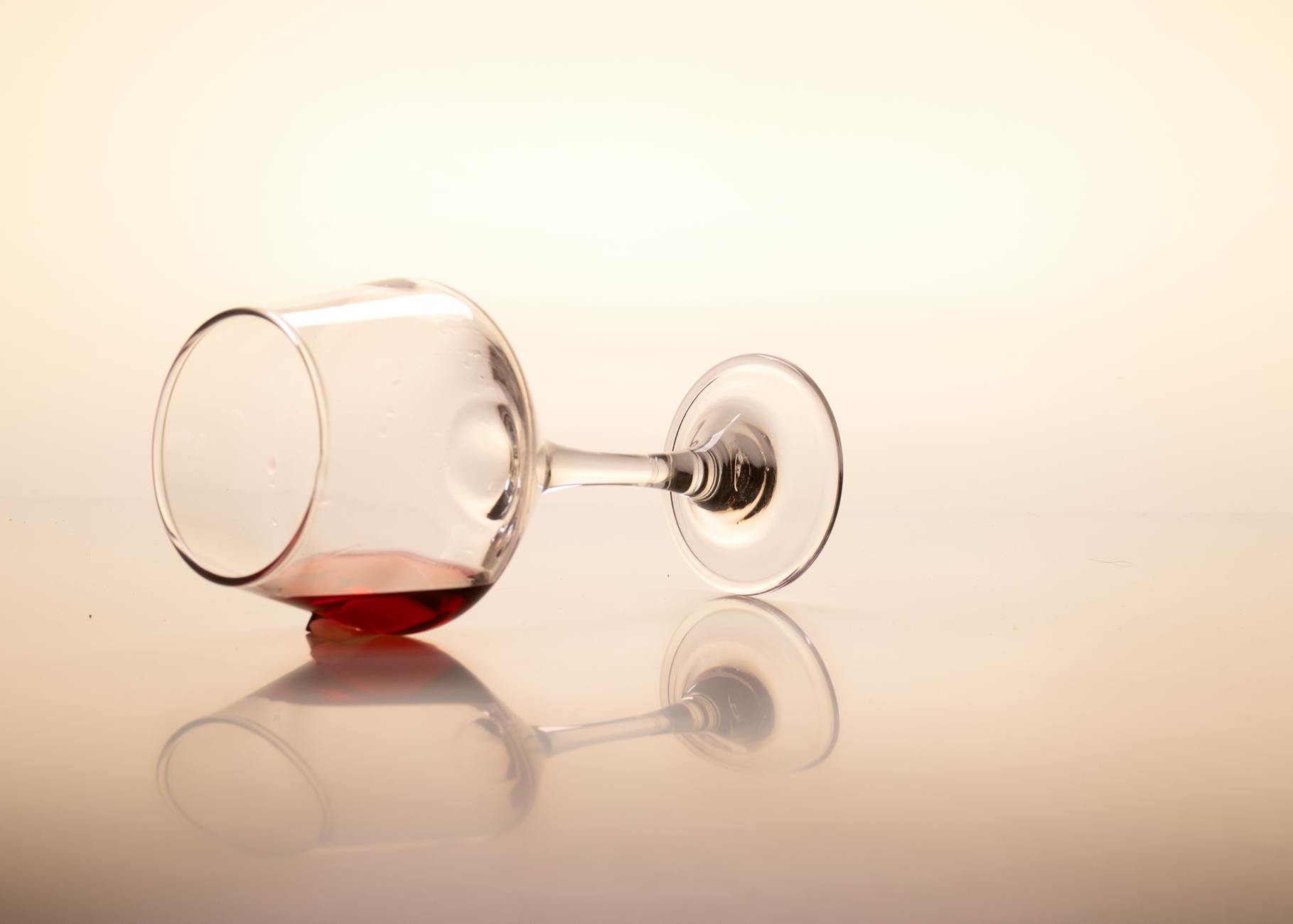
Coffee and tea stains look manageable — they are brown, familiar, and most people have cleaned them from mugs countless times. But mugs are glazed ceramic: a non-porous surface. Carpet is the opposite. Remove coffee stains from carpet and you are dealing with tannins again (the same compounds found in red wine), plus oily residues from coffee's natural oils, and in the case of tea, additional polyphenols that bond aggressively with synthetic fibers. Dried coffee in particular crystallizes in a way that makes it surprisingly resistant.
What people try first: Blotting with warm water and dish soap, which partially works on fresh stains but is insufficient for anything that has dried for more than an hour. Many people also scrub rather than blot, spreading the tannin ring outward and creating the classic "halo" stain that is actually harder to remove than the original spot.
Correct approach: Act immediately, blotting from the outside edge inward. For fresh stains, cold water followed by a diluted enzyme or oxidizing cleaner works well. For set-in coffee stains, a product with oxidizing agents (hydrogen peroxide-based) applied with dwell time, then blotted and rinsed, is the most reliable method. Repeat applications are often necessary.
5. Grease and Oil
Grease is hydrophobic — it actively repels water-based cleaners. Whether from cooking oil, butter, motor oil tracked in on shoes, or oily cosmetics, grease embeds itself in carpet fibers and creates a surface that attracts additional dry soiling over time (which is why greasy spots often become progressively darker even without new spills). This is one of the hard to remove carpet stains categories where water-based cleaning makes things definitively worse.
What people try first: Dish soap and warm water. Dish soap is designed to cut grease on hard surfaces, and it has some effect on carpet — but it also leaves a soapy residue in the fibers that attracts fresh dirt, and it cannot break down grease that has penetrated to the backing. People who use too much dish soap end up with a stain that keeps looking dirty no matter how many times they clean it.
Correct approach: Dry absorbent powders (baking soda or cornstarch) applied first can draw surface grease upward before any liquid treatment. After 15 minutes, vacuum the powder away. Then apply a solvent-based or dry-cleaning solvent cleaner rather than a water-based one. Blot — do not rub — repeatedly, working from the outside edge inward.
6. Ink and Markers
Ink presents a range of difficulty depending on its type. Ballpoint pen ink contains an oil-soluble dye with a resin binder that grips fibers tenaciously. Permanent marker (such as Sharpie) contains alcohol-soluble dyes specifically engineered to be — as the name states — permanent. Water-based markers are the easiest to remove, but even these can set if heat is applied or if they dry completely before treatment.
What people try first: Water and soap, which has virtually no effect on oil-based or alcohol-based inks. Some people try hairspray, which was a legitimate folk remedy when hairsprays were primarily alcohol-based, but modern hairsprays are formulated differently and often make ink stains worse by depositing sticky residue.
Correct approach: Isopropyl alcohol (rubbing alcohol) at 70% or higher is the most effective DIY treatment for ballpoint and permanent ink. Apply to a clean white cloth and dab (not rub) the stain, moving to a clean section of cloth frequently to avoid re-depositing ink. Multiple passes are needed. Commercial ink removers with solvents are more effective than home remedies for large stains.
7. Makeup and Foundation
Liquid foundation is a particularly problematic stain because it is specifically engineered to adhere to surfaces and resist transfer — that is, after all, its purpose. Modern foundations are oil-in-water emulsions with pigments, silicones, and polymers. The pigments stain, the oils repel water, and the silicones resist most standard cleaners. Mascara adds waxy and carbon-black pigment components. Lipstick contains waxes and highly saturated dyes. Each makeup type has different chemistry and may require different approaches.
What people try first: Makeup remover wipes, which are designed for skin and have limited effectiveness on porous carpet fibers. Warm water, which can set the silicone components.
Correct approach: For liquid foundation, a small amount of dry-cleaning solvent or rubbing alcohol applied carefully can break down the silicone and oil components. For mascara, cold water first, then a gentle enzyme cleaner. For lipstick, scrape away any excess residue first (a blunt knife or spoon), then use a solvent-based treatment. Always blot, never rub, and work from the outside edge inward.
8. Turmeric and Curry
Turmeric deserves a special mention as perhaps the single most aggressive natural staining agent on this list. The active compound, curcumin, is a bright yellow pigment with an extremely high affinity for cellulose and protein fibers. It is also somewhat photostable — meaning it does not fade easily with light exposure, unlike many other organic stains. Turmeric can turn a beige carpet a vivid yellow that persists through dozens of cleaning attempts. Curry compounds the problem by adding oil, spice residue, and multiple pigment types on top of the curcumin.
What people try first: Standard carpet cleaners or dish soap, which are entirely ineffective against curcumin. Some people try vinegar, which can actually slightly worsen turmeric staining due to pH interactions.
Correct approach: Alkaline cleaners (pH 9–11) are the most effective at breaking down curcumin. A solution of diluted washing soda or a commercial alkaline cleaner applied with dwell time, then blotted and neutralized with a mild acid rinse (diluted white vinegar), is the most reliable home method. Sunlight exposure can help fade residual turmeric staining over time, but this is not practical for carpets. For significant stains, professional treatment may be necessary.
9. Mud and Dirt
Mud seems like it should be straightforward — it is, after all, just dirt. But mud is a trap for the impatient. Wet mud, treated immediately, spreads laterally and pushes clay particles deep into the fiber matrix. The clay component of mud bonds electrostatically to synthetic fibers. Additionally, garden mud often contains organic matter, plant matter, and trace minerals that can leave a residual brownish tint even after the visible soil is removed.
What people try first: Cleaning the mud while it is still wet. This is the classic mistake. Wet mud is essentially paint — the more you work it, the more it spreads and penetrates.
Correct approach: Allow the mud to dry completely first. Once dry, break up the crust with a stiff brush and vacuum thoroughly. Then treat any remaining stain with a mild detergent solution. This counter-intuitive "let it dry first" approach makes mud one of the few stain categories where waiting is genuinely the correct first move. For set-in mud stains, a combination of enzyme cleaner and detergent, followed by thorough rinsing, generally produces good results.
10. Vomit
Vomit is categorized by carpet professionals as a Class III biological stain — the most challenging category. It contains stomach acid (pH around 2), undigested food particles, bile, enzymes, and bacteria. The acid component can bleach certain carpet dyes even before cleaning begins. The organic components create persistent odor even after visible staining is removed. And the variety of compounds present means no single cleaning agent addresses all of them simultaneously.
What people try first: Paper towels and a standard cleaner sprayed directly on the stain. This removes surface material but leaves stomach acid continuing to work on carpet fibers, and it does nothing for the odor-causing bacterial compounds.
Correct approach: Scrape and remove all solid matter first using a spoon or spatula. Blot liquid thoroughly. Apply an enzyme-based cleaner specifically rated for biological waste — the enzymes break down the protein compounds, neutralize the organic odors, and address the bacterial component. Follow with a baking soda application (left for 15–20 minutes, then vacuumed) to address residual acidity and odor. A product like CAMPANELLI Pro Series, which uses crystallization technology to encapsulate and extract biological compounds, is particularly effective here because it handles the acid, organic, and odor components simultaneously.
Quick-Reference Comparison Table
| Stain Type | Why It's Difficult | Biggest Mistake | Key Treatment Agent |
|---|---|---|---|
| Red Wine | Tannins + chromogens bond to fibers | Using hot water | Oxidizing / enzyme cleaner |
| Pet Urine | Uric acid crystals resist water | Using ammonia-based cleaners | Enzyme cleaner (uric acid specific) |
| Blood | Hemoglobin coagulates with heat | Using hot or warm water | Cold water + hydrogen peroxide |
| Coffee / Tea | Tannins + oily residue crystallize | Scrubbing outward (creates halo) | Oxidizing cleaner + cold water |
| Grease / Oil | Hydrophobic — repels water | Using water-based cleaners | Dry absorbent + solvent cleaner |
| Ink / Markers | Resin binders grip fibers chemically | Using soap and water | Isopropyl alcohol (70%+) |
| Makeup | Oils + silicones + pigment compounds | Using makeup wipes on carpet | Dry-cleaning solvent or alcohol |
| Turmeric / Curry | Curcumin bonds permanently to fibers | Using vinegar or acidic cleaners | Alkaline cleaner (pH 9–11) |
| Mud / Dirt | Clay bonds electrostatically; spreads wet | Cleaning while still wet | Dry first, vacuum, then detergent |
| Vomit | Stomach acid + proteins + bacteria | Standard cleaner without enzyme | Enzyme cleaner + baking soda |
General Rules That Apply to Every Stain
While each stain type has its own chemistry and ideal treatment agent, several principles apply universally to all hard to remove carpet stains:
- Blot, never scrub. Scrubbing agitates fibers, spreads the stain laterally, and drives the compound deeper. Use a clean white cloth and press firmly, then lift.
- Work from the outside edge inward. Starting in the center pushes the stain outward, creating a larger affected area.
- Cold water is almost always safer than warm. Heat sets protein stains (blood, egg, dairy) and activates tannin bonding. When in doubt, use cold.
- Test any cleaner in an inconspicuous spot first. Hydrogen peroxide and many solvents can bleach or damage certain carpet dyes.
- Dwell time matters. Most cleaning agents need 5–15 minutes of contact time to break down staining compounds. Applying and immediately wiping is far less effective than applying, waiting, and then blotting.
- Rinse thoroughly after treatment. Residual cleaning agents attract dirt and leave the area looking worse over time. Always follow any treatment with a plain cold-water rinse and blotting to extract both the stain compound and the cleaner.
- Multiple applications beat single heavy applications. Particularly for set-in stains, gentle repeated treatment is more effective and less damaging than one aggressive attempt.
When Home Treatment Is Not Enough
Some stains — particularly old, deeply set ones — simply will not respond fully to home treatment. The most honest answer for permanent carpet stains that have been left untreated for weeks or months is that professional cleaning or carpet patching may be the only realistic solution. Steam extraction by a professional cleaner uses water temperature, pressure, and suction that no home product can replicate, and it reaches the backing in ways that topical treatment cannot.
The window for full home treatment is generally 24–48 hours for most organic stains. Beyond that, the chemistry of bonding and crystallization has typically advanced far enough that partial removal is the realistic expectation rather than complete elimination.
Products that use crystallization-extraction technology — rather than simple detergent dilution — close that gap somewhat. CAMPANELLI Pro Series Stain Remover, for instance, works by encapsulating staining compounds in a crystalline matrix that is then vacuumed or blotted away, allowing it to address set-in stains that resist traditional liquid cleaners. For households dealing with recurring stain challenges across multiple categories, having one product that handles all 10 stain types without requiring a cabinet full of different specialized cleaners is a practical advantage.
Key Takeaways
The chemistry of carpet staining is more complex than most people realize, and the reflexive responses — hot water, scrubbing, household soap — are often exactly wrong for the stains they are being applied to. Here is what to remember:
- Red wine, coffee, and tea contain tannins that bond to fibers; oxidizing cleaners work best.
- Blood must be treated with cold water only; heat sets it permanently.
- Pet urine requires enzyme cleaners to break down uric acid crystals; water alone will not work.
- Grease is hydrophobic; start with a dry absorbent powder, not water.
- Ink requires alcohol or a dedicated solvent, not soap and water.
- Turmeric needs an alkaline cleaner; acidic approaches will make it worse.
- Mud should be allowed to dry fully before treatment — cleaning it wet spreads it.
- Vomit is a multi-compound biological stain; enzyme cleaners followed by baking soda are the most effective combination.
- Speed matters for most stains, but technique and the correct cleaner for the specific chemistry matter more than speed.
- If a stain has been set for more than 48 hours, professional cleaning is worth considering alongside home treatment attempts.
The best outcome for any of these stains is one you never have to achieve — which is to say, treating spills in the first few minutes before the chemistry of bonding and crystallization can take hold. Keep a suitable multi-purpose cleaner accessible, remember which stains require cold water (protein-based ones) versus which benefit from enzyme action, and resist the instinct to scrub. Your carpet's fibers will thank you for it.