10 Cleaning Mistakes That Make Your Home Dirtier (And What to Do Instead)
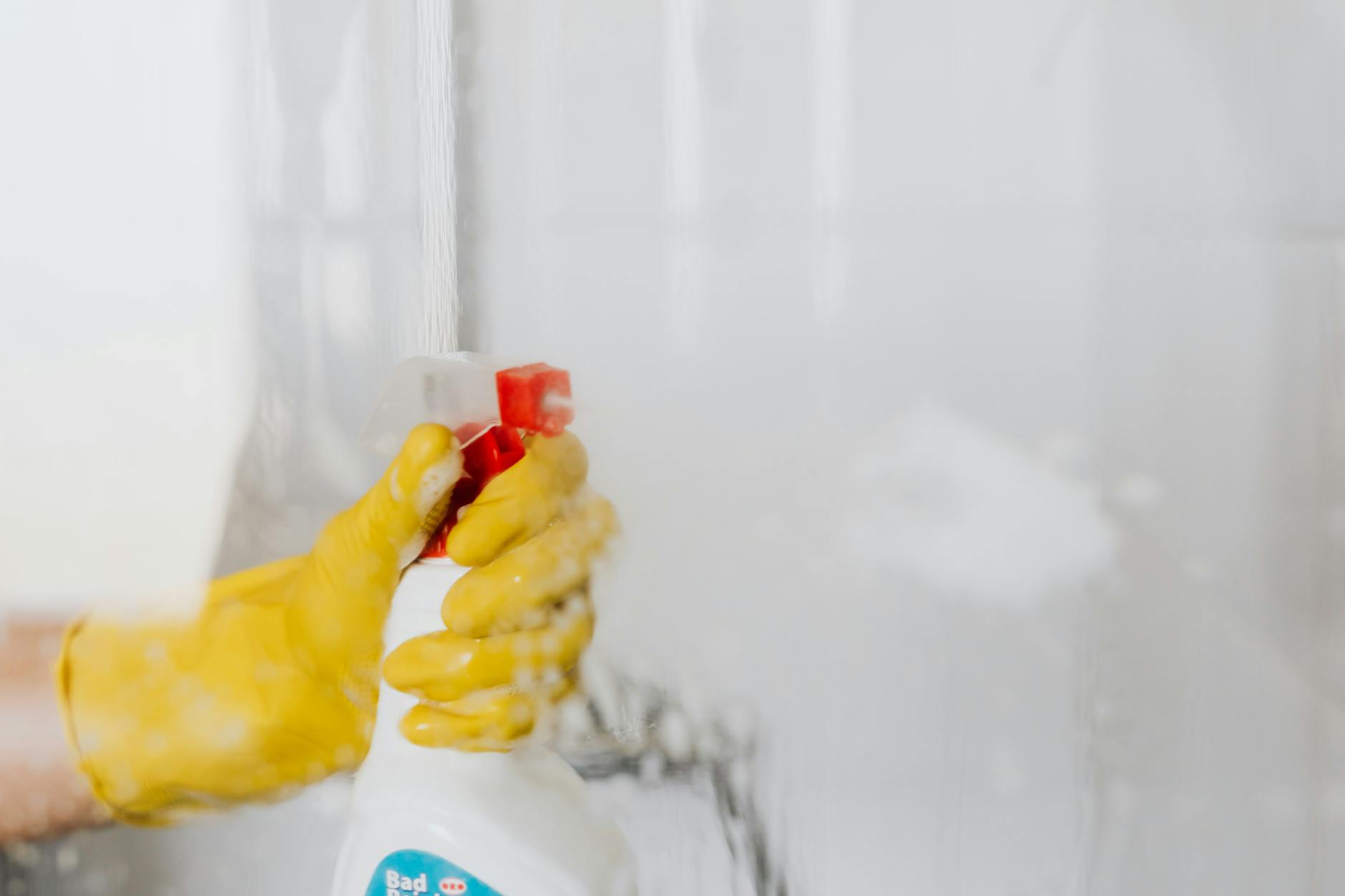
You set aside a Saturday morning, put on your best cleaning playlist, and worked your way through every room. Two hours later, the house looks... basically the same. Sound familiar? The frustrating reality is that many of the most common cleaning mistakes don't just fail to clean — they actively spread dirt, push grime deeper into surfaces, and leave your home looking worse than when you started.
If you've ever asked yourself "why is my house still dirty after cleaning?", the answer is almost certainly one of these ten habits. The good news: each one has a simple, counterintuitive fix that will immediately make your cleaning sessions faster and more effective.
1. Cleaning in the Wrong Order (Top to Bottom Isn't Optional)
This is the single most widespread cleaning mistake to avoid, and it silently undoes almost everything you do. If you vacuum the floors and then dust the shelves, you're sending a fresh layer of dust particles floating down onto the carpet you just cleaned. Congratulations — you've cleaned the same floor twice.
Do this instead: Always clean from top to bottom and from back to front. Start with ceiling fans and light fixtures, move to shelves and furniture surfaces, wipe down countertops and appliances, and only then clean the floors last. Within a room, work from the farthest corner toward the door so you're never stepping back through cleaned areas.
2. Using Too Much Cleaning Product
More product does not mean more clean. This is one of the most counterintuitive cleaning habits that backfire. Pouring extra detergent, using double the dish soap, or drenching a surface in multi-purpose spray actually creates a residue that attracts dirt. That sticky film left by excess cleaner becomes a magnet for dust, pet hair, and grime within hours of cleaning.
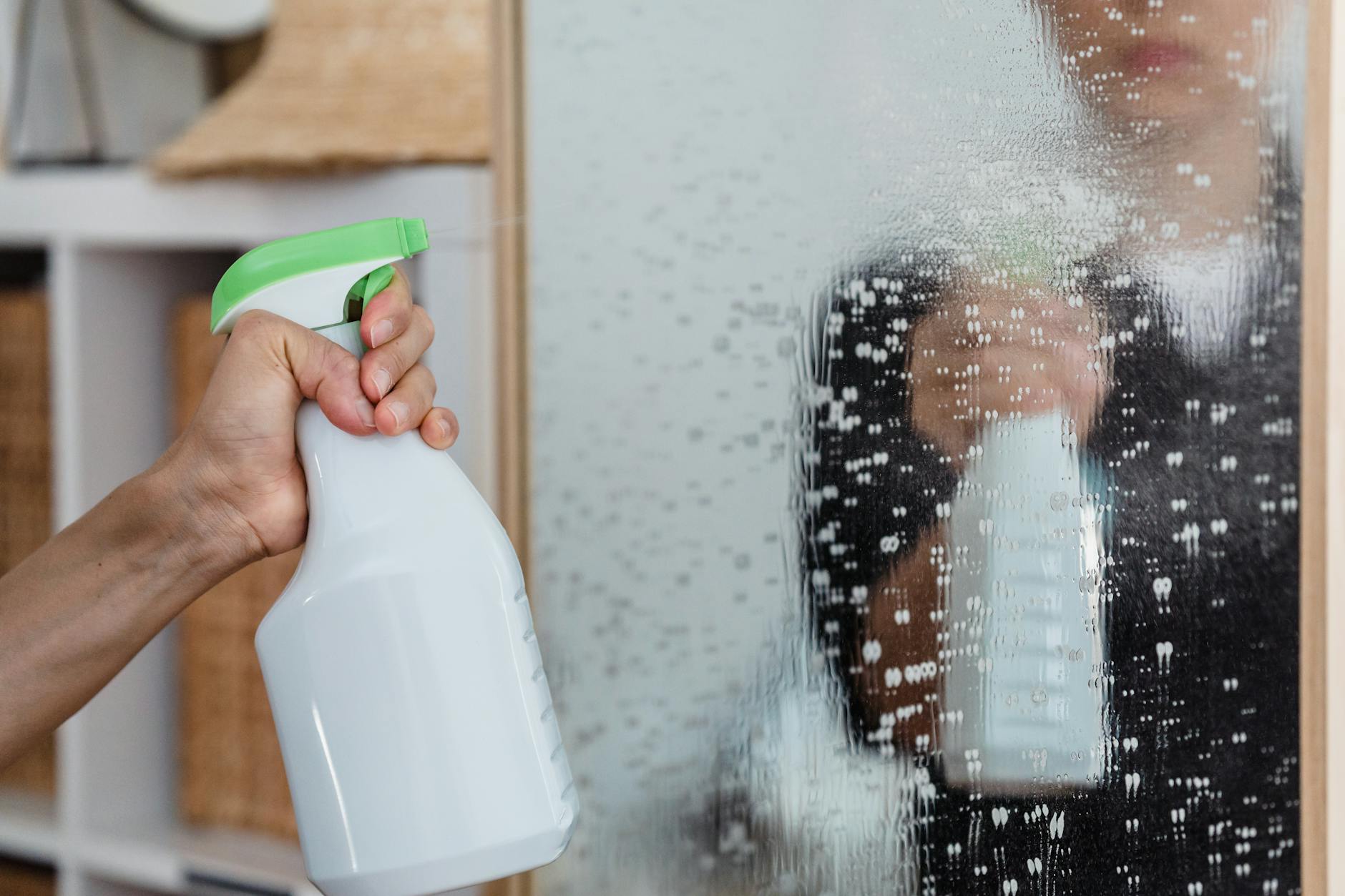
Do this instead: Read the dilution instructions on every product label — most concentrated cleaners need to be mixed with water, not applied straight. For spray bottles, one or two pumps on a cloth is almost always sufficient. If a surface feels tacky or streaky after cleaning, that's your signal you've used too much. Rinse with plain water and dry.
3. Wiping Surfaces Before the Cleaner Has Time to Work
You spray a surface and immediately wipe it off. It seems logical, but you've just removed the cleaner before it had any chance to disinfect or break down grease. Disinfectants, in particular, require dwell time — typically 30 seconds to 4 minutes of staying wet on a surface — to actually kill bacteria and viruses. Instant wiping is essentially just redistributing contamination.
Do this instead: Spray the surface, then move on to the next task for 1–3 minutes before coming back to wipe. This is especially important in bathrooms and kitchens where bacteria are most prevalent. Check your product label for the listed contact or dwell time — it's printed there for a reason.
4. Using a Dry Cloth to Dust
A dry cloth or dry feather duster doesn't capture dust — it launches it into the air. Those particles hover, settle back onto the surfaces you just cleaned, land on your floors, and infiltrate your air system. You've essentially stirred up the problem rather than solved it. This is one of the most overlooked common cleaning mistakes in everyday households.
Do this instead: Use a slightly damp microfiber cloth for dusting hard surfaces. Microfiber has an electrostatic charge that traps particles rather than flinging them. For electronics and delicate surfaces, a dry microfiber cloth specifically designed for the purpose still outperforms a cotton rag or feather duster by capturing rather than displacing dust.
5. Cleaning Floors Before Vacuuming Loose Debris
Mopping a floor that still has loose grit, crumbs, and dust on it turns your mop into a mud-spreading device. The moisture binds with the dry debris, smearing a thin layer of dirty paste across your floor that dries into a grim film. This is a major reason why floors look dull even after mopping — and it's entirely preventable.
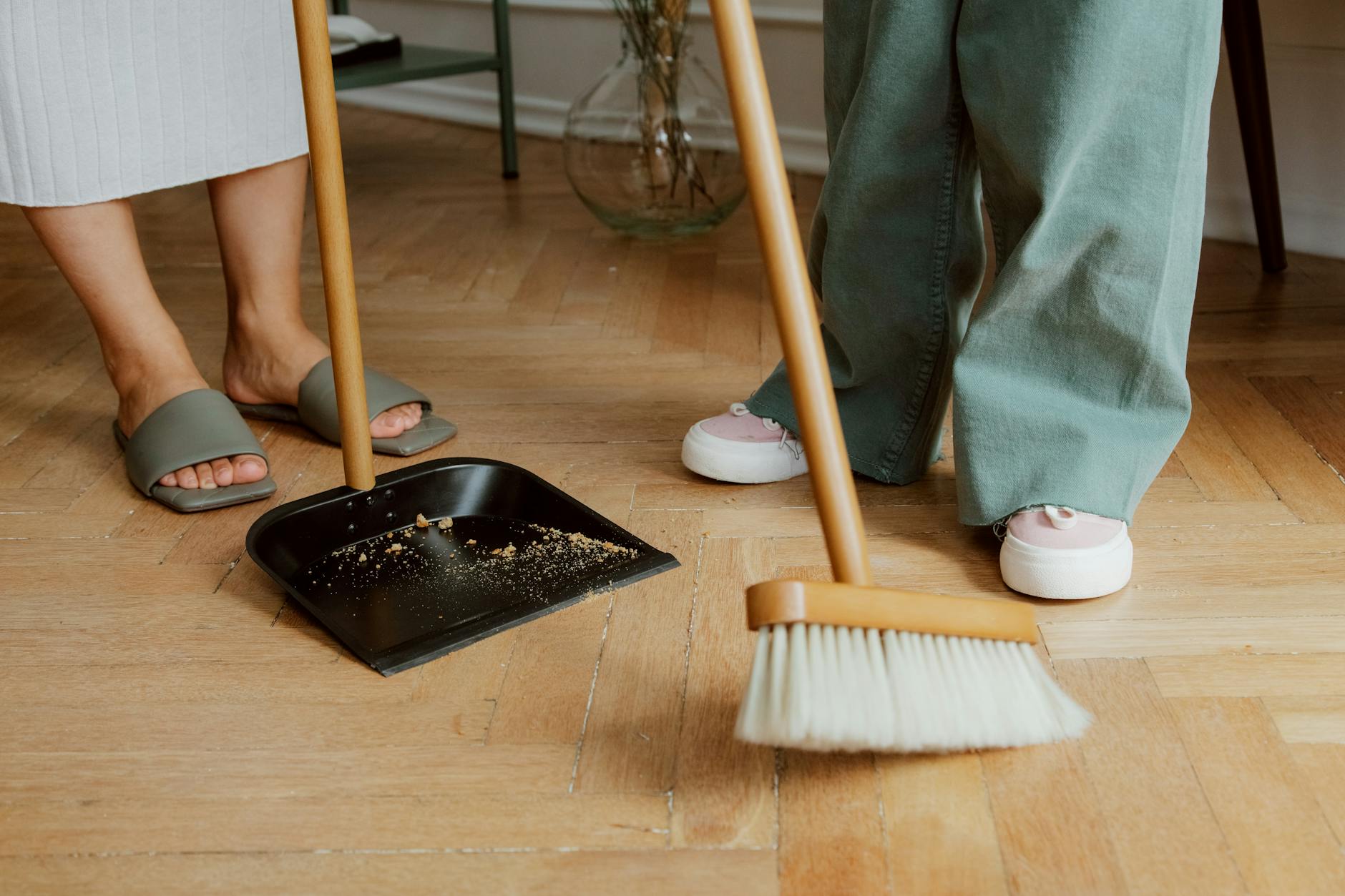
Do this instead: Always sweep or vacuum before mopping — every single time, no exceptions. Pay special attention to corners and baseboards where grit accumulates. For how to clean floors properly, the sequence is: dry sweep or vacuum, then mop with a wrung-out (not soaking) mop, then allow to dry fully before walking on the surface.
6. Using the Same Cloth Everywhere
Using one cloth to wipe the toilet, then the sink, then the kitchen counter is not cleaning — it's cross-contamination. Even when you rinse between uses, a single cloth can harbor bacteria from one surface and deposit it onto another. This is a cleaning mistake to avoid that has real hygiene consequences beyond just appearance.
Do this instead: Assign cloths by zone and use a color-coding system. Dedicate one color to bathroom surfaces, a different color to kitchen counters, and another to general dusting. Wash cleaning cloths in hot water after every session. For toilets and toilet surrounds specifically, disposable wipes or a dedicated cloth that goes straight into the wash are the safest approach.
7. Neglecting High-Touch Surfaces Between Deep Cleans
Most people focus their cleaning energy on visible dirt — floors, countertops, mirrors. Meanwhile, light switches, door handles, remote controls, cabinet knobs, and faucet handles are touched dozens of times a day and rarely get wiped down. These are often the dirtiest surfaces in any home, yet they're invisible on most cleaning checklists.
Do this instead: Build a 2-minute "touch point wipe-down" into your routine two or three times a week. Keep a pack of disinfecting wipes or a damp microfiber cloth under the kitchen sink, and make a habit of running it over all high-contact surfaces — switches, handles, remote controls, and appliance buttons — as a quick, separate task from your main clean.
8. Letting Dishes Air-Dry in a Rack for Too Long
A dish rack full of wet dishes is a bacteria and mold breeding environment, especially in humid kitchens. Water pooling in the tray, combined with food residue on inadequately rinsed items, creates the exact conditions microbes love. Dishes that "air dry" on a crowded rack often take hours, spending that time in a warm, damp pile.
Do this instead: Dry dishes with a clean tea towel immediately after washing, or if you prefer air drying, spread dishes in a single layer and empty the rack within an hour. Clean your dish rack and its tray at least once a week — run it through the dishwasher if it's dishwasher-safe, or scrub it with a brush and disinfectant. Replace rubber or plastic racks when you see mold forming in the seams.
9. Ignoring the Tools You're Cleaning With
A dirty mop just spreads dirty water. A sponge past its prime is a bacterial colony on a handle. A vacuum with a full bag or clogged filter loses suction efficiency by up to 50%, pushing fine particles back into the air instead of capturing them. One of the most common cleaning habits that backfire is expecting a worn-out or dirty tool to deliver clean results.

Do this instead: Build tool maintenance into your routine. Rinse and wring out mop heads after every use and hang them to dry upright, never stored wet in a bucket. Replace kitchen sponges every 1–2 weeks or microwave a damp sponge for 2 minutes to sanitize between replacements. Empty your vacuum canister or replace the bag when it reaches two-thirds full, and clean the filter once a month.
10. Cleaning Corners and Edges Last (or Never)
Corners, baseboards, and the edges where floors meet walls are the final destination for everything your cleaning pushes aside. If you sweep toward the center of a room, you'll catch the middle but leave dirt piled in the perimeter. Over time, these edges build up a layer of compacted dust, pet hair, and debris that no amount of middle-of-the-room vacuuming will touch. This is a prime culprit when people ask why their house still feels dirty after cleaning.
Do this instead: Start your floor cleaning at the edges and corners, not the middle. Use a crevice tool attachment on your vacuum for baseboards and floor-wall junctions at least once a week. When sweeping, always sweep debris from corners toward the center before collecting it — never sweep toward a corner and leave it there. A thin damp cloth wrapped around a ruler or flat tool can get into tight baseboards and corners that tools can't reach.
Bonus Tip: Your Cleaning Schedule Is Too Infrequent (Or Too Frantic)
Many people clean in one massive weekly or bi-weekly session, letting surfaces accumulate enough grime that cleaning becomes a hard physical effort. Then they rush through it, cutting corners, which locks in the mistakes above. A more effective model is maintenance cleaning — smaller, targeted tasks done daily or every other day that prevent buildup from ever reaching the point where it needs a deep clean.
Five minutes of wiping kitchen surfaces each evening, a quick bathroom wipe-down every two days, and a thorough vacuum twice a week will keep your home consistently cleaner than one exhausting two-hour sprint every weekend — with far less effort overall.
A Note on Cleaning Products: Less Is More
It's worth emphasizing that most surfaces in a home can be cleaned thoroughly with just three things: a good microfiber cloth, plain warm water, and a mild all-purpose cleaner. The cleaning industry sells dozens of specialized sprays, foams, and treatments, and while some have genuine uses, many are redundant. Over-purchasing and over-applying cleaning products is itself one of the home cleaning tips and tricks experts consistently push back on.
Simplifying your cleaning kit reduces the chance of product overuse, makes your routine faster, and means fewer chemical residues on the surfaces your family touches every day.
Key Takeaways
Most people's cleaning problems aren't about effort — they're about technique and sequence. Here's a quick summary of the principles that separate effective cleaning from time-wasting busywork:
- Always clean top to bottom — dust and debris fall downward, so floors are always last.
- Use less product, not more — residue from excess cleaner attracts dirt faster.
- Let disinfectants dwell — spraying and immediately wiping defeats the purpose of disinfecting.
- Damp microfiber beats dry cloths — for trapping dust rather than redistributing it.
- Sweep or vacuum before you mop — mopping over loose debris creates muddy film.
- Dedicate tools to zones — one cloth for bathrooms, a different one for kitchens.
- Wipe high-touch surfaces frequently — switches, handles, and remotes between deep cleans.
- Maintain your cleaning tools — dirty tools cannot produce clean surfaces.
- Start floors at the edges — corners accumulate the most and are cleaned the least.
- Consistent small sessions beat occasional deep cleans — maintenance prevents buildup.
Fix these common cleaning mistakes and you'll likely find your home stays noticeably cleaner with the same amount of time — or even less. The goal isn't to work harder. It's to stop working against yourself.