10 Easy Ways to Reduce Food Waste at Home Starting This Week
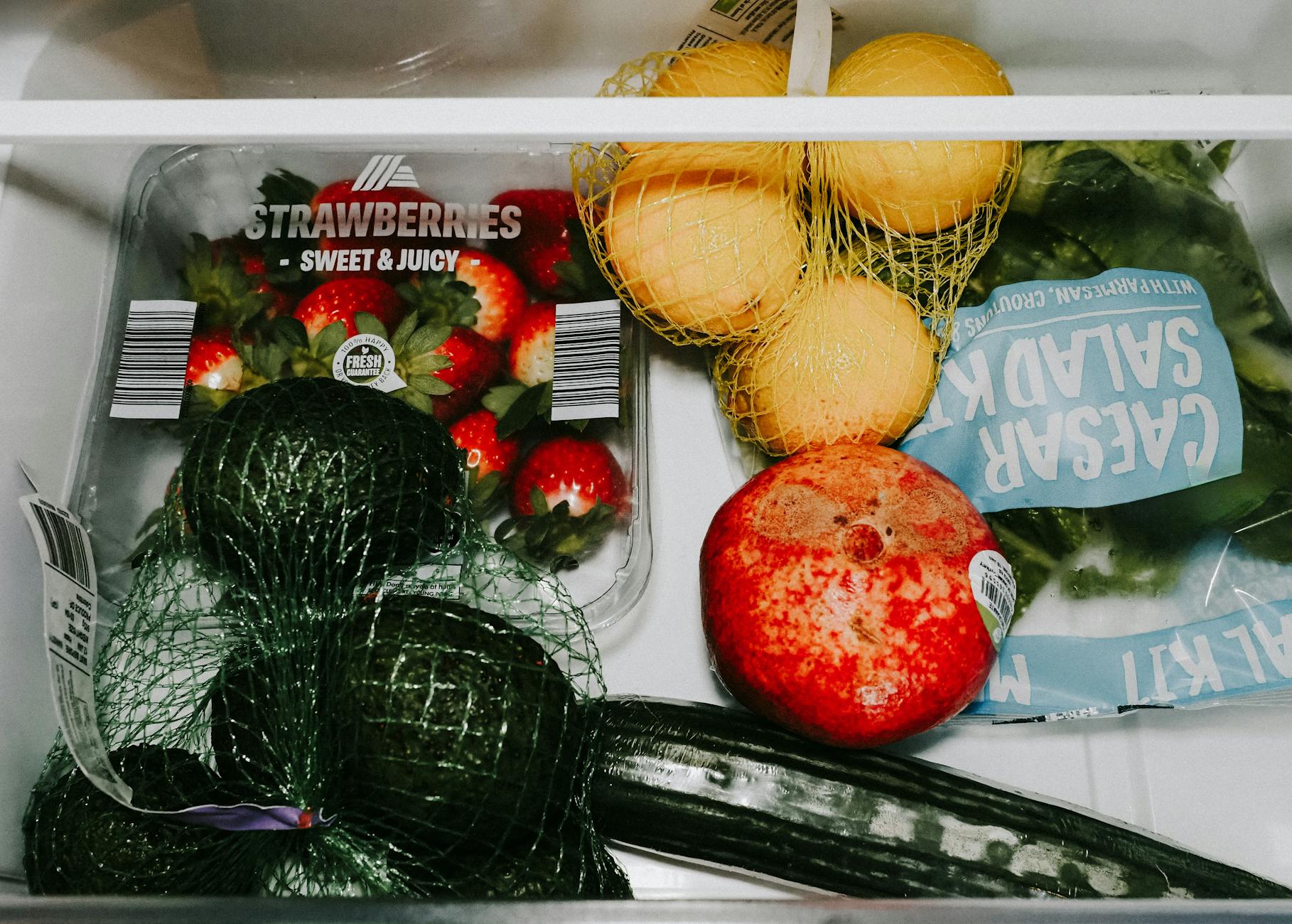
If you have ever opened the fridge to find a forgotten bag of wilted salad or tossed a loaf of bread that went stale three days after buying it, you already know the quiet frustration of food waste. The average household in the United States throws away roughly 30 to 40 percent of the food it buys — a figure that translates to hundreds of dollars a year and a significant environmental footprint. The good news is that knowing how to reduce food waste at home does not require a radical lifestyle overhaul. Small, consistent habit changes can make an enormous difference in both your grocery bill and the amount of food ending up in the bin.
This guide walks you through 10 straightforward, actionable strategies you can start applying this week. No judgment, no expensive equipment, no complicated systems — just practical methods that work in real kitchens for real people.
1. Do a Fridge Audit Before Every Grocery Run
The single most effective food waste reduction tip costs nothing and takes under five minutes: look at what you already have before you shop. Pull everything forward from the back of the fridge, check the crisper drawer, and scan the pantry shelves. Make a quick mental or written note of what needs to be used first.
This habit prevents the all-too-common scenario of buying more mushrooms when a half-used punnet is hiding behind the milk. It also shapes your shopping list around real gaps rather than assumptions, which cuts impulse purchases and duplicate items. A useful rule of thumb is to shop with a "use what you have" mindset for at least two meals per week before restocking.
2. Store Food the Right Way — Not Just Anywhere
Improper storage is one of the biggest drivers of premature spoilage, and it is almost entirely avoidable with a few basic food storage tips. Different foods need different conditions, and mixing the wrong items together can accelerate decay for everything nearby.
- Ethylene producers and sensitive produce should be separated. Apples, bananas, avocados, and stone fruits release ethylene gas, which speeds up ripening in everything around them. Keep them away from leafy greens, broccoli, berries, and herbs.
- Fresh herbs last longest stored upright in a glass of water in the fridge (like cut flowers), loosely covered with a plastic bag.
- Cheese keeps better wrapped in wax paper or parchment rather than plastic wrap, which traps moisture and encourages mold.
- Bread goes stale faster in the fridge than at room temperature. Freeze it if you will not use a full loaf within two to three days.
- Onions and potatoes should be stored separately in cool, dark, well-ventilated spots — never together, as onions cause potatoes to sprout quickly.
A few minutes spent storing groceries thoughtfully can add days — sometimes weeks — to their usable life. This alone can meaningfully cut how much food your household throws away.
3. Master the "First In, First Out" System
Professional kitchens use a simple stock-rotation rule called FIFO — First In, First Out — and it works just as well at home. When you unpack fresh groceries, move older items to the front of the fridge or pantry shelf and place the new items behind them. You will always reach for the things that need to be eaten soonest.
This is one of those sustainable kitchen habits that feels almost too simple, but it quietly prevents a huge amount of waste. It takes an extra 60 seconds when you unpack shopping. Over the course of a month, that 60 seconds can save multiple kilos of food and a noticeable chunk of your grocery budget.
4. Build a Weekly Meal Plan — Even a Rough One
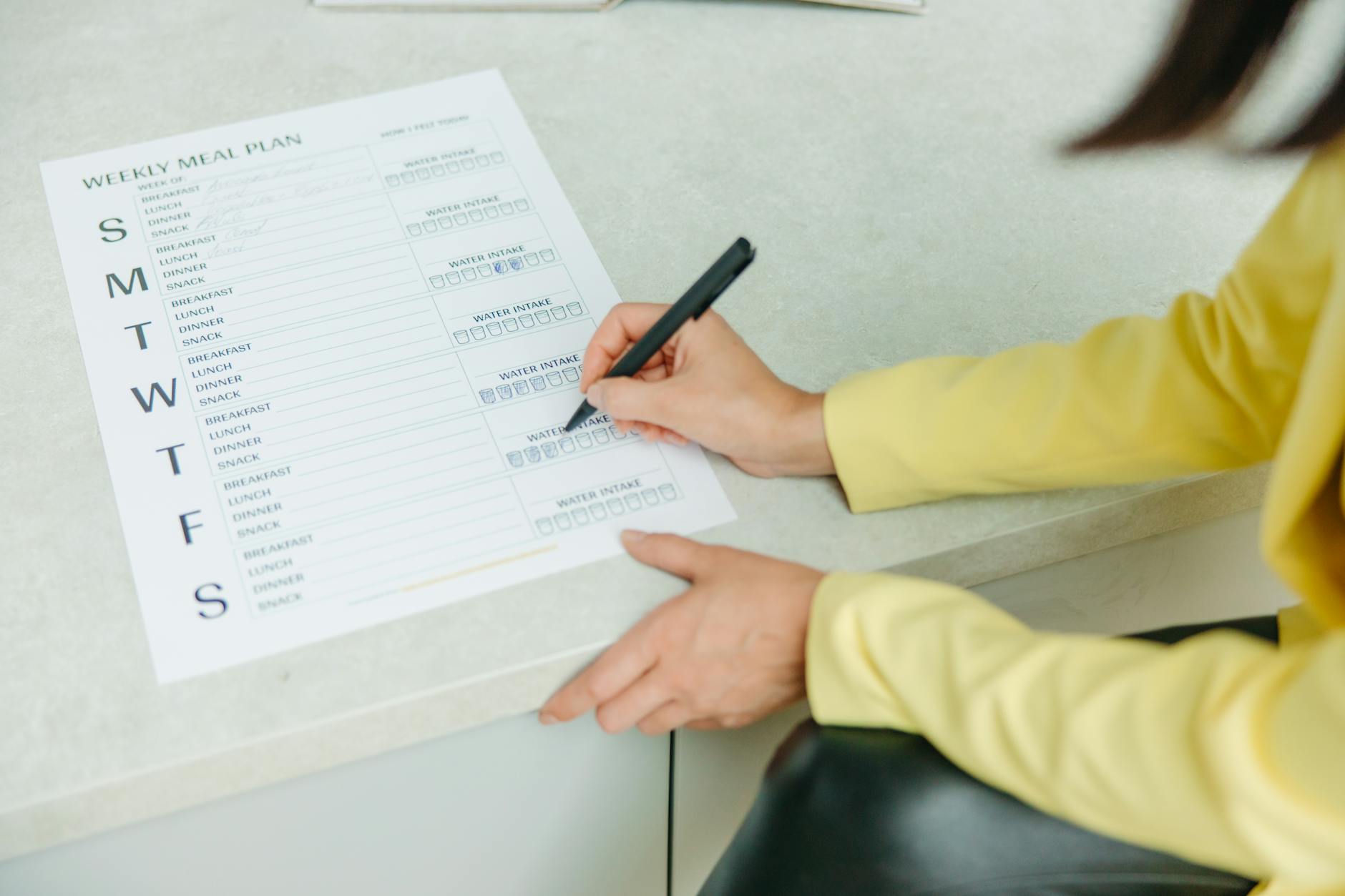
Meal planning is consistently cited as one of the most effective ways to save money on groceries and reduce food waste simultaneously. It does not need to be rigid or Pinterest-perfect. Even a rough sketch of four or five dinners for the week — with some flexibility built in — means you buy with purpose rather than guessing.
When planning, think in ingredients rather than isolated recipes. If a recipe calls for half a bunch of cilantro, plan a second dish that uses the other half. If you buy a rotisserie chicken, plan to use the carcass for broth. This kind of connected thinking turns potential scraps into planned components rather than afterthoughts destined for the bin.
A useful structure: plan two or three anchor meals that use fresh proteins and vegetables (eat these early in the week), one grain-based or legume meal, and at least one "use what's left" meal later in the week that clears out odds and ends. The last meal slot is where a lot of waste prevention actually happens.
5. Embrace the "Use It Up" Meal
Related to meal planning, the "use it up" meal is a dedicated slot — usually Friday or Saturday — where you cook whatever is left in the fridge rather than shopping for something new. Some families call this "fridge cleanout night." It is one of the best leftover food ideas because it is not really a recipe at all: it is a philosophy.
Common "use it up" formats include:
- Fried rice or grain bowls — cooked grains, any protein, any vegetable, egg on top
- Frittatas or egg bakes — nearly any combination of leftover vegetables, cheese, and cooked meat works here
- Soups and stews — wilting vegetables, leftover cooked beans, and broth scraps come together brilliantly
- Stir-fries — fast, forgiving, and happy to accommodate whatever vegetables are on their last legs
- Flatbread or pizza nights — use leftover proteins, any cheese, and roasted or raw vegetables as toppings
The goal is not a gourmet meal. The goal is eating what you have before it goes bad. Most of the time, these improvised meals end up being genuine crowd-pleasers.
6. Understand What "Best Before" and "Use By" Actually Mean
Misreading date labels is responsible for enormous amounts of unnecessary food waste — studies suggest that date label confusion leads households to discard millions of tonnes of perfectly edible food every year. The two most common labels mean very different things:
- "Use By" is a safety date. After this date, perishable foods like meat, fish, and some dairy products may carry a genuine food-safety risk. Take this one seriously.
- "Best Before" is a quality date. It tells you when the food is at its peak, not when it becomes unsafe. Canned goods, dried pasta, biscuits, and many packaged products are perfectly edible for weeks or even months after the best-before date.
- "Sell By" or "Display Until" are instructions to retailers, not consumers. They have no bearing on whether the food is safe or good to eat.
Before throwing food out, trust your senses: smell it, look at it, and taste a small amount if in doubt. Most of the time, food that looks and smells fine is fine to eat — even past a best-before date.
7. Portion Smarter to Avoid Cooking Too Much
Cooking more than people will eat is one of the most common sources of household food waste. A few simple habits can bring portions closer to reality without anyone going hungry:
- Use smaller serving vessels. People tend to eat what is in front of them. Smaller plates and bowls naturally calibrate portion sizes without any conscious effort.
- Cook to a formula, not a feeling. For grains and pasta, measuring rather than eyeballing takes seconds and prevents the "mountain of leftover rice" problem.
- Scale recipes deliberately. If a recipe serves four but you are cooking for two, halve it — or cook the full batch with the explicit intention of storing the rest for lunch the next day.
Intentional leftovers are not waste at all — they are tomorrow's lunch. The distinction is planning them rather than being surprised by them.
8. Freeze Proactively, Not as a Last Resort
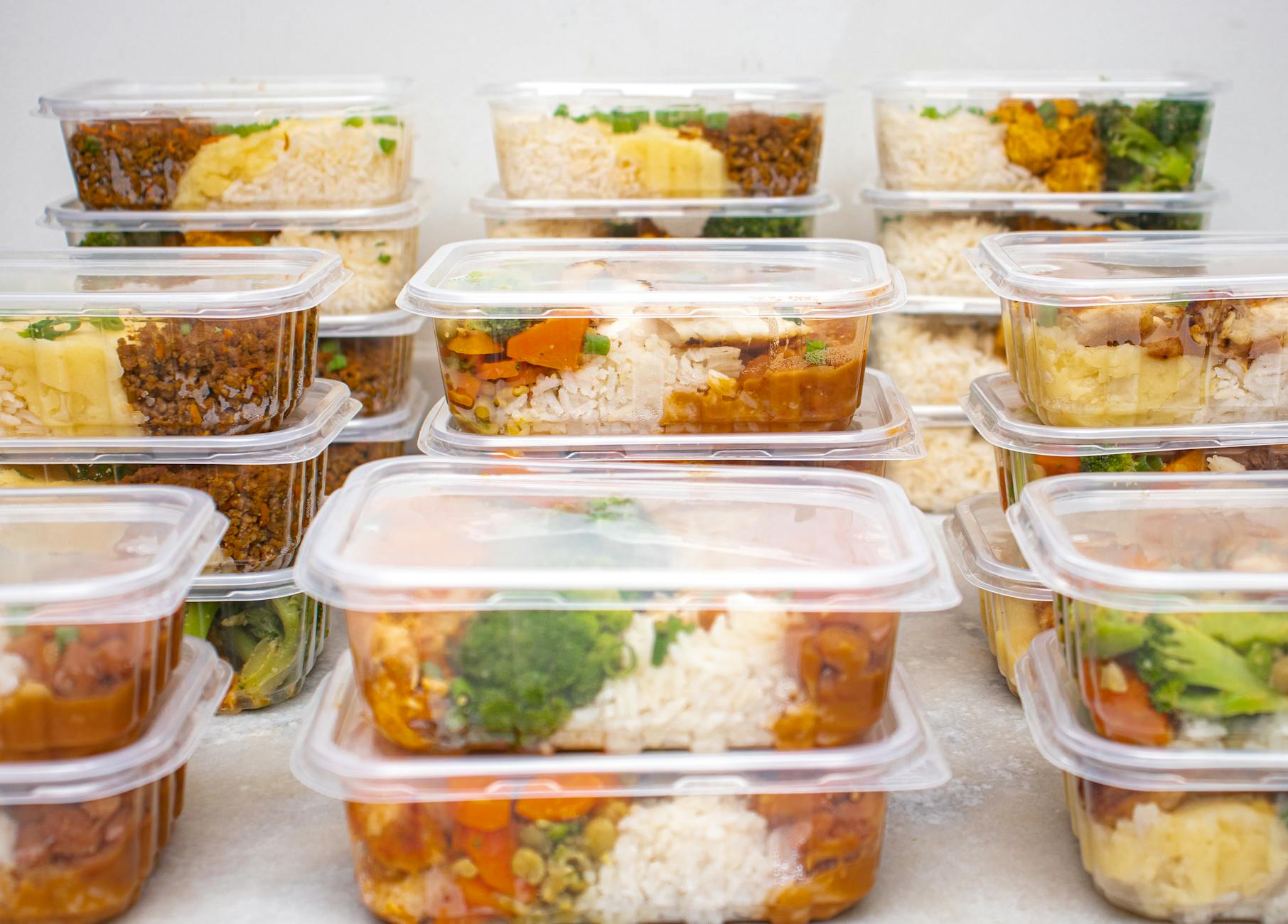
Most people reach for the freezer only when food is already on the verge of spoiling. A much more effective food waste reduction strategy is to freeze proactively — before food is in trouble, not after.
Almost everything freezes well with the right preparation. Some practical examples:
- Bread and baked goods — slice before freezing so you can pull out exactly what you need
- Ripe bananas — peel and freeze whole or sliced; perfect for smoothies and baking
- Fresh herbs — chop and freeze in ice cube trays with a little water or olive oil
- Tomato paste and canned goods — freeze leftovers in tablespoon-sized portions on a lined tray, then transfer to a bag
- Cooked grains, beans, and soups — batch-cook and freeze in portions for instant weeknight meals
- Meat and fish — portion and freeze on the day of purchase if you will not use within two days
Always label frozen items with the date and contents. A freezer full of mystery parcels is almost as wasteful as one that goes unused.
9. Repurpose Scraps and Trimmings
A significant portion of kitchen food waste is not food people chose to throw away — it is the parts of food assumed to be inedible: stalks, skins, cores, and trimmings. Many of these have real culinary value.
- Vegetable scraps (onion skins, carrot peelings, celery ends, leek tops) can be collected in a freezer bag and simmered into a rich vegetable stock
- Parmesan rinds add deep umami flavor to soups, stews, and risottos — freeze them until needed
- Stale bread becomes breadcrumbs, croutons, French toast, panzanella, or bread pudding
- Citrus peels can be zested and frozen, candied, steeped into cleaning solution, or used to flavor sugar or salt
- Overripe fruit is ideal for smoothies, compotes, jams, or baking into muffins and loaves
- Broccoli stalks and cauliflower leaves are fully edible — slice thinly and use in stir-fries or slaws
Developing a "what else can this become?" reflex in the kitchen is one of the most satisfying sustainable kitchen habits you can build. It shifts the focus from disposal to creativity.
10. Shop More Frequently for Less
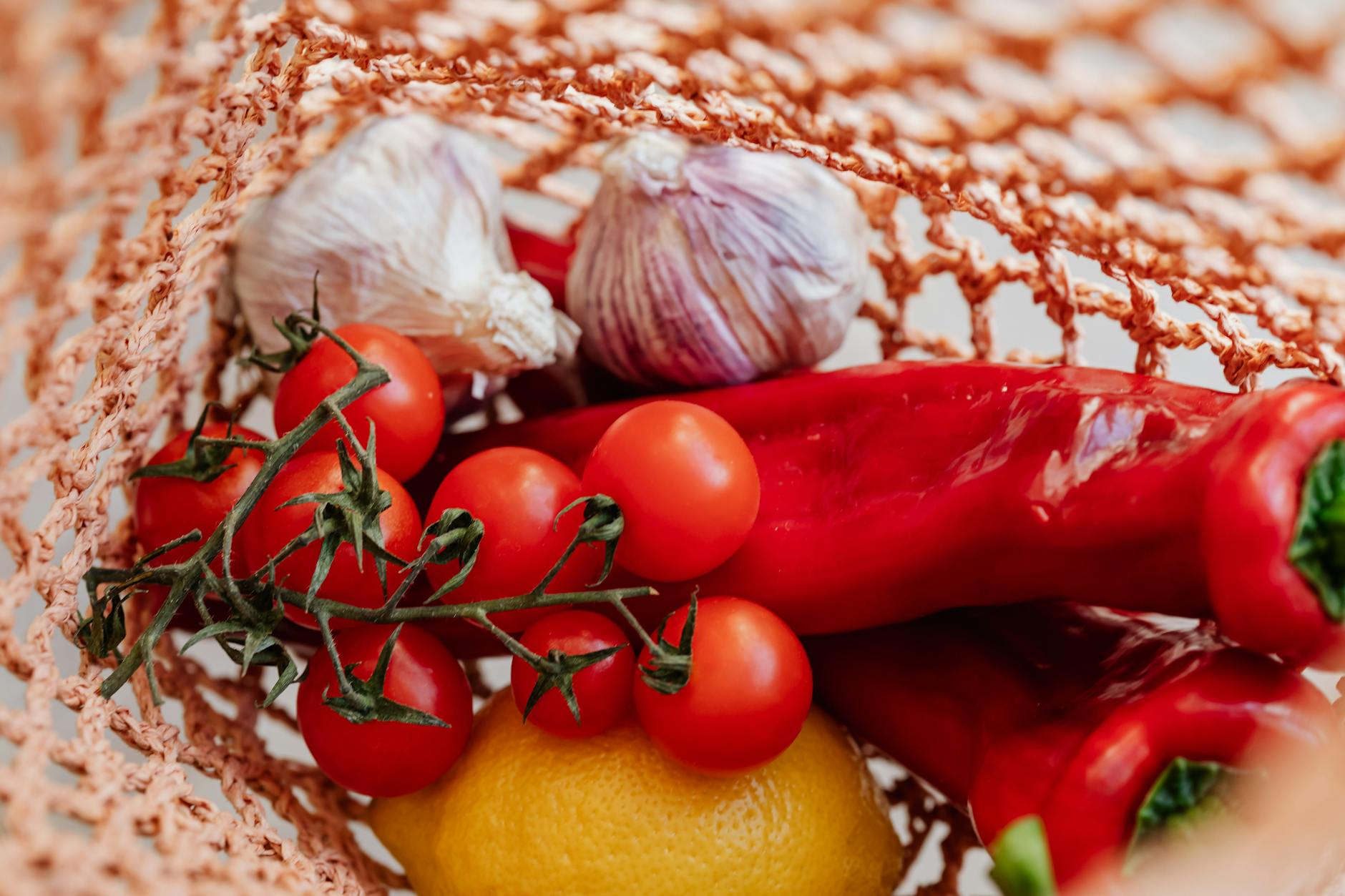
The big weekly shop is a deeply ingrained habit for many households, but it is not always the most waste-efficient approach — particularly for fresh produce. Buying a week's worth of salad leaves, fresh herbs, and ripe tomatoes on Monday creates real pressure to use them before they go off. For many busy households, that pressure is not always met.
A "little and often" approach to fresh produce — two or three smaller shops per week rather than one giant one — keeps ingredients fresher and reduces the gap between purchase and use. This does not mean abandoning the bulk pantry shop for shelf-stable items (canned goods, dried pasta, grains). Those can and should be bought in quantity. The shift applies primarily to the most perishable items: leafy greens, fresh herbs, berries, and delicate vegetables.
If frequent shopping is not practical, buying whole vegetables rather than pre-cut and pre-washed versions consistently extends shelf life. A whole head of cabbage keeps for weeks; pre-shredded coleslaw mix lasts days.
Putting It All Together: Building Habits That Stick
Learning how to reduce food waste at home is not about being perfect — it is about building a handful of small, consistent habits that gradually become automatic. You do not need to adopt all ten of these strategies at once. Pick two or three that fit most naturally into how you already shop and cook, apply them consistently for a few weeks, and then layer in more.
The payoff compounds quickly. Research from sustainability organisations consistently finds that households that actively manage food waste save between $1,500 and $2,500 per year on groceries — not through buying cheaper food, but simply by wasting less of what they already buy. That is money that stays in your pocket without any reduction in the quality or variety of what you eat.
Beyond the financial benefit, reducing food waste has a measurable environmental impact. Food production accounts for roughly a quarter of global greenhouse gas emissions. When food ends up in landfill, it also produces methane as it decomposes — a potent greenhouse gas. Every meal that gets eaten rather than thrown away represents a small but real contribution to a larger collective effort.
Key Takeaways
- Audit your fridge and pantry before every shopping trip to avoid duplicate purchases
- Store food correctly — separating ethylene producers, wrapping cheese properly, and keeping bread at room temperature or in the freezer
- Use the FIFO (First In, First Out) system to rotate stock automatically
- Plan meals loosely but intentionally, building "use what's left" nights into your weekly rhythm
- Understand the difference between "use by" (safety) and "best before" (quality) dates before discarding food
- Freeze proactively and label everything — bread, herbs, cooked grains, meat, and overripe fruit all freeze well
- Repurpose vegetable scraps, stale bread, citrus peels, and overripe produce rather than throwing them away
- For the most perishable fresh items, consider smaller and more frequent shopping trips
Small changes, applied consistently, add up to a genuinely different relationship with food — one that is more resourceful, more economical, and a little kinder to the planet.