10 Genius Cleaning Hacks for Pet Owners That Actually Keep Your Home Hair-Free
If you share your home with a dog, a cat, or — bless you — several of both, you already know the feeling. You vacuum on Monday and by Wednesday the sofa looks like it grew a coat. You lint-roll your trousers before leaving the house, only to sit back down and undo everything in thirty seconds. Cleaning tips for pet owners are everywhere on the internet, but most of them stop at "buy a good vacuum." That's a start, not a strategy.
This guide goes further. The ten hacks below cover every room and surface that pets colonise — floors, upholstery, car seats, laundry, bedding, and the air itself. Each one is grounded in what actually works for multi-pet households where shedding is a constant, not a seasonal event. Work through them, build them into a routine, and the slow creep of pet hair around the house finally becomes something you can stay on top of.
1. Use a Rubber Squeegee on Carpet Before You Vacuum
A standard vacuum nozzle glides over the top layer of carpet fibres without pulling out the hair that's worked its way deep into the pile. A rubber squeegee — the kind sold for window cleaning — drags that embedded hair to the surface where your vacuum can actually pick it up.
Pull the squeegee firmly across the carpet in short strokes before you switch the vacuum on. You'll be alarmed by how much hair collects into visible rolls. This is especially effective on low-pile rugs and stair runners, where pet hair can pack in so tightly that standard attachments leave it behind entirely. A rubber-bristle pet brush sold by most hardware stores works on the same principle and fits more easily into corners.
2. Rub a Window Screen Over Upholstery
This is one of the less obvious pet hair cleaning hacks but it is genuinely effective. The rough mesh of an old window screen acts like a fabric rake — run it lightly across sofa cushions or upholstered dining chairs and the static friction pulls hair into clumps you can lift off by hand. Old flyscreen material cut into a manageable rectangle works just as well and costs almost nothing.
The texture is coarse enough to grab hair but gentle enough not to damage most woven fabrics. Test on a hidden area first on velvet or delicate upholstery. For tightly woven linen sofas, this technique can pull years of embedded fur out in a single session.
3. Keep a Microfibre Cloth at Every Pet Hotspot
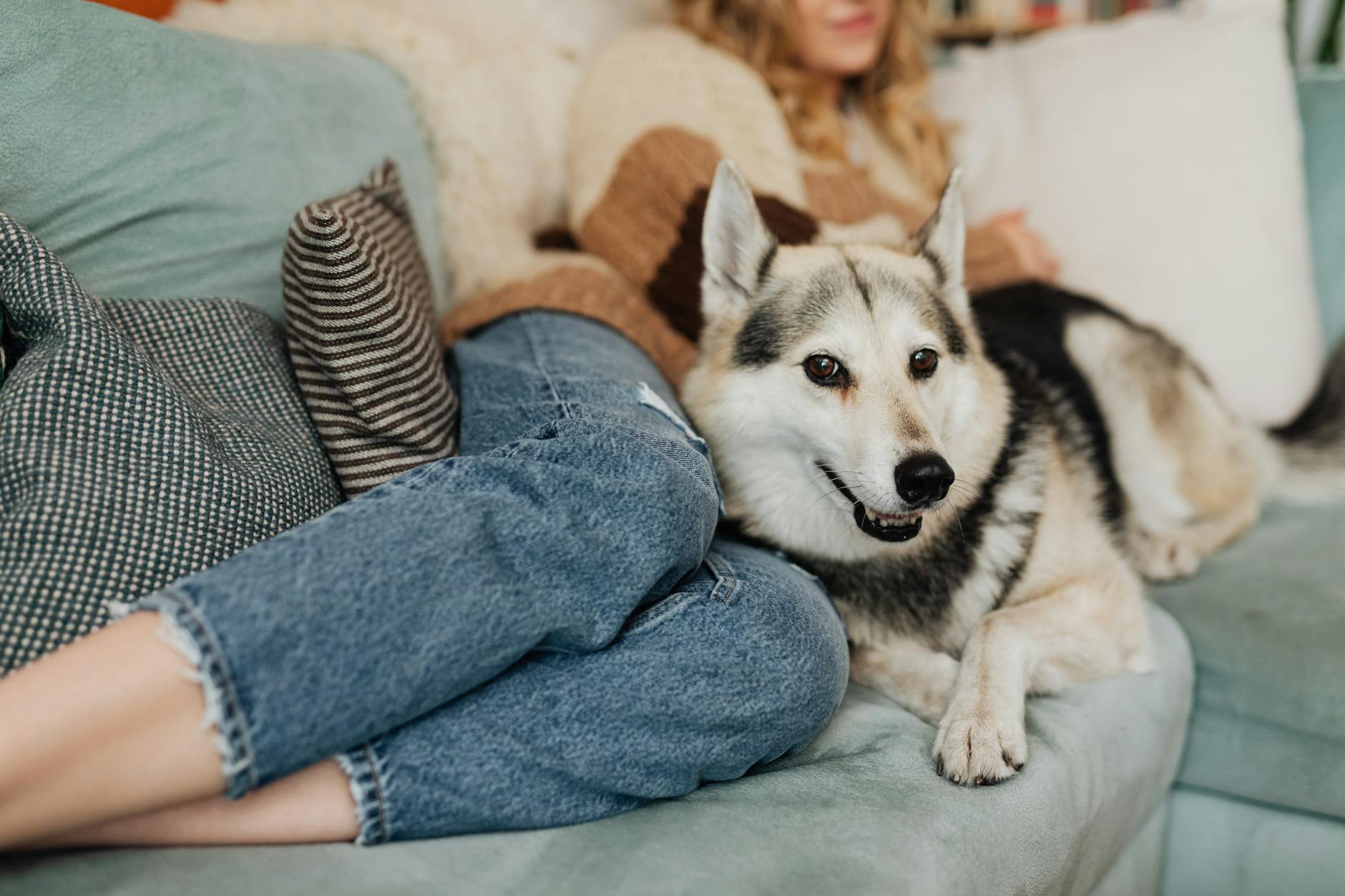
Microfibre lifts and traps pet hair electrostatically without needing spray, water, or suction. The key insight that separates pet owners who cope from those who don't is this: proximity beats intention. If you keep a microfibre cloth on the arm of the sofa, on the bedroom nightstand, and next to the dog's favourite chair, you'll use it constantly. If you have to go find a cloth, you won't bother.
Wipe down surfaces with a dry microfibre cloth first — it collects hair without spreading it. Then follow up with a damp cloth for fine dander and dust. Wash microfibre cloths separately from other laundry, on a cold or warm cycle without fabric softener, which clogs the fibres and kills their static properties.
4. Invest in a HEPA Vacuum Designed for Pet Hair
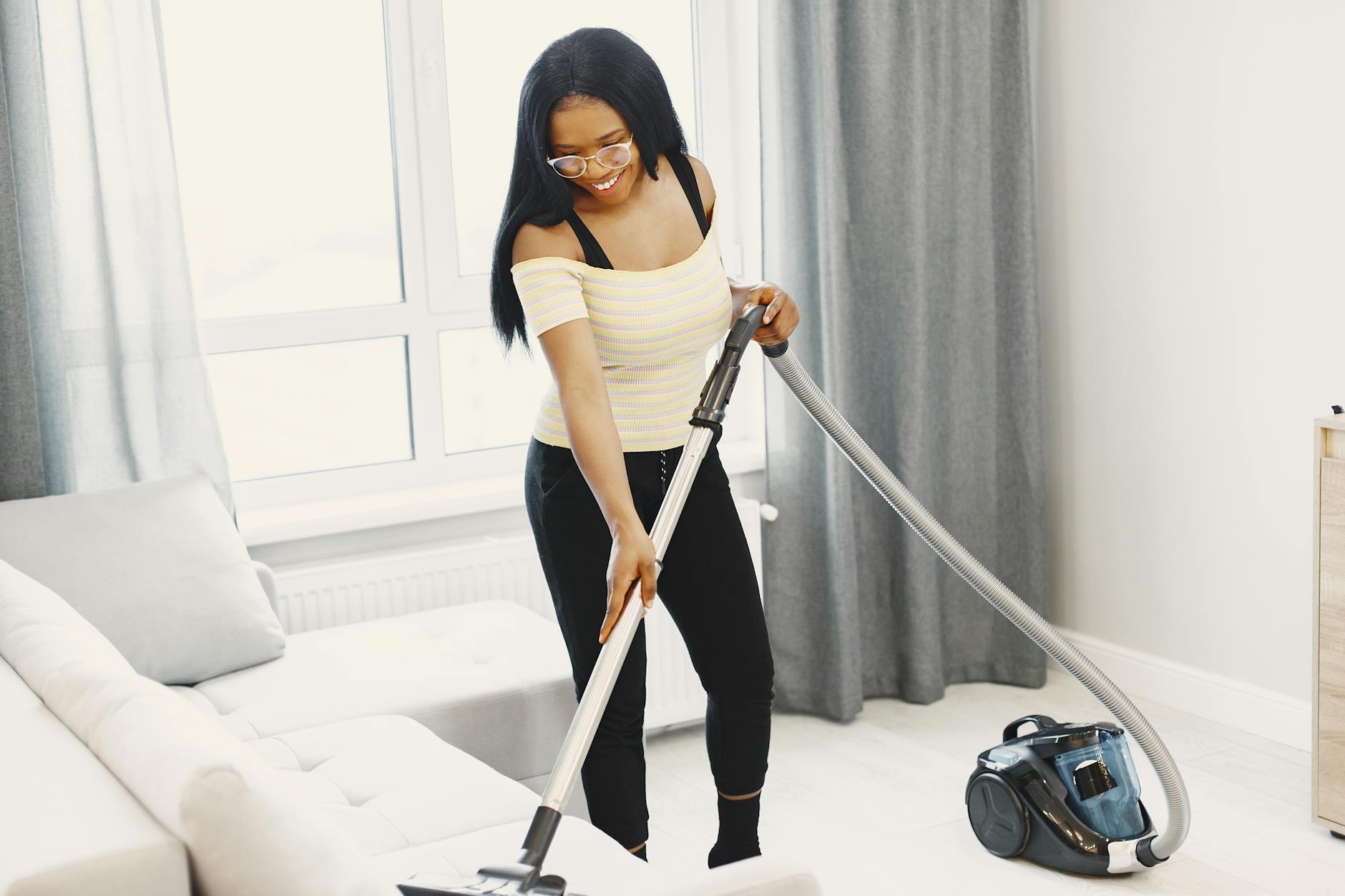
Not all vacuums are built equally for dog hair around the house. A standard bagless model recirculates fine dander back into the air through its exhaust. A vacuum fitted with a HEPA (High Efficiency Particulate Air) filter traps particles down to 0.3 microns — small enough to capture the dried skin cells and allergens that cling to pet hair and trigger allergic reactions.
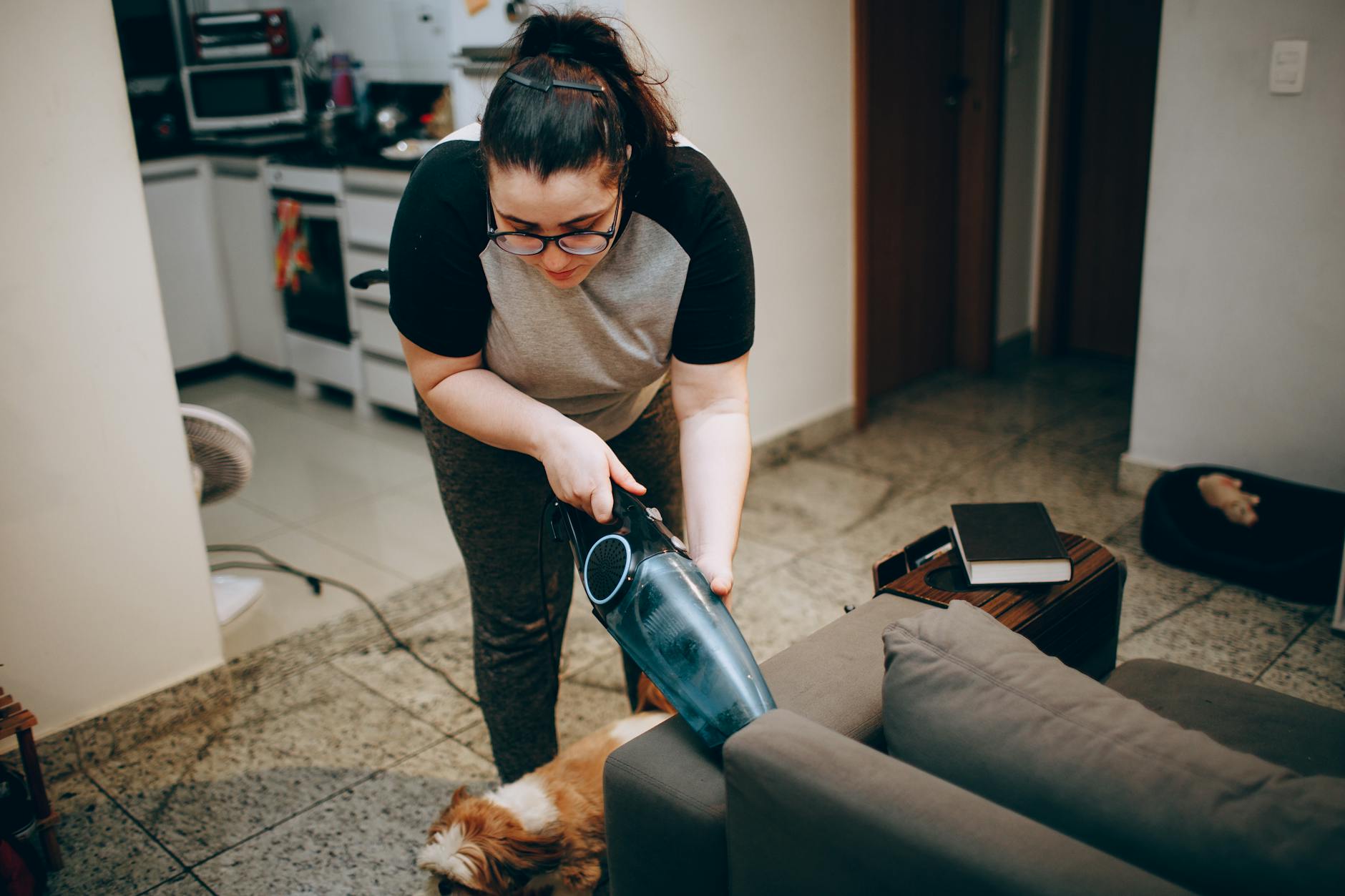
When choosing a vacuum for a multi-pet home, look for motorised pet brush heads rather than simple suction attachments. Motorised heads have a spinning brush bar that actively pulls hair from carpet fibres rather than relying on airflow alone. Models with a tangle-free brush bar are worth the extra cost if you have long-haired dogs — standard brush bars jam and require frequent manual clearing.
Crucially, empty or change the filter every two to three weeks in a heavy-shedding household. A clogged filter cuts suction dramatically and defeats the purpose of upgrading in the first place.
5. Run an Air Purifier in the Rooms Pets Use Most
Hair you can see is only part of the problem. Pet dander — the microscopic flakes of skin shed alongside hair — stays airborne for hours and settles on every horizontal surface in the room. This is why a home with cats or dogs can feel dusty again within days of a thorough clean.
An air purifier with a true HEPA filter running continuously in the living room or bedroom dramatically reduces the rate at which dander settles. This means surfaces stay cleaner between wipes, and people with mild pet allergies notice a significant improvement in air quality. Place the unit where your pet spends the most time resting, since that's where dander concentration is highest. Clean or replace filters according to the manufacturer's schedule — a blocked filter turns the unit into an expensive fan.
6. Tackle the Car with a Pumice Stone
Car seats and boot liners are some of the hardest surfaces to remove pet hair from because the fabric is tightly woven and the hair packs in under the weight of your dog. Lint rollers barely make a dent. A pumice stone — the same kind used for foot care — works on car upholstery the same way a squeegee works on carpet: the porous surface grabs hair and rolls it into collectable clumps.
Work in short, consistent strokes in one direction. Collect the clumps as you go rather than pushing them to a corner. Finish with a handheld vacuum to clear residual finer hairs. For fabric boot liners, a stiff rubber brush or a rubber-fingered glove used in short raking motions gives the same result with less elbow grease.
7. Wash Pet Bedding Weekly on the Hottest Safe Cycle
Pet beds, blankets, and cushion covers are the single biggest reservoir of concentrated hair and dander in most homes. If they're not being washed regularly, every time your pet moves from their bed to the sofa or your lap, they carry a load of hair with them and redistribute it around the house.
Wash pet bedding at least once a week on the hottest water temperature the fabric can tolerate. Before loading it into the washing machine, shake it out over a bin outside — this removes the bulk of loose hair before it goes in and reduces how much ends up clogging your machine's drum seal. Run an empty rinse cycle afterwards to flush hair residue from the drum before your next regular laundry load.
If your pet's bedding is too bulky for your home machine, most laundromats have large-capacity commercial washers well suited to the task. Add a half cup of white vinegar to the rinse cycle to help loosen remaining hair from fabric fibres — it acts as a natural fabric softener without coating the fibres in a way that attracts more hair.
8. Use Rubber Gloves to Remove Hair from Laundry
Before you put pet-hair-covered clothes or throws into the washing machine, put on a pair of rubber household gloves and run your hands firmly over the fabric. The static from the rubber pulls hair into balls you can peel off before the item even enters the machine. This single step prevents hair from redistributing onto other items in the wash and reduces the amount that collects in your machine's filter.
The same rubber glove trick works on upholstery and pet bedding mid-week when you don't have time for a full clean — it's fast, requires no equipment, and costs nothing extra if you already keep rubber gloves for kitchen or bathroom use. Damp rubber gloves work even better on fine, short cat hair that tends to spread rather than clump.
9. Schedule a Weekly "Fur Audit"
One of the most effective shifts any pet owner can make is moving from reactive cleaning — cleaning when the mess becomes impossible to ignore — to a scheduled pet owner home cleaning routine built around a weekly fur audit.
A fur audit is a simple ten-to-fifteen-minute walk-through of your home with a specific checklist: check the sofa cushions and their backs, run a hand along the skirting boards where hair drifts and collects, check the stairs (particularly the corners of each tread), look at the gap between the fridge and the wall, and check the underside of your dining chairs. These are the places hair accumulates invisibly between cleans and eventually becomes the source of visible spread throughout the house.
Doing this once a week on the same day means you never let any one area become a reservoir that re-seeds the rest of the home. It also gives you a realistic picture of where your pets spend their time, so you can focus your daily quick-clean efforts on the right spots. Pair the audit with your HEPA vacuum and a microfibre cloth and the whole round takes well under twenty minutes.
10. Groom Your Pet More Often — Outdoors
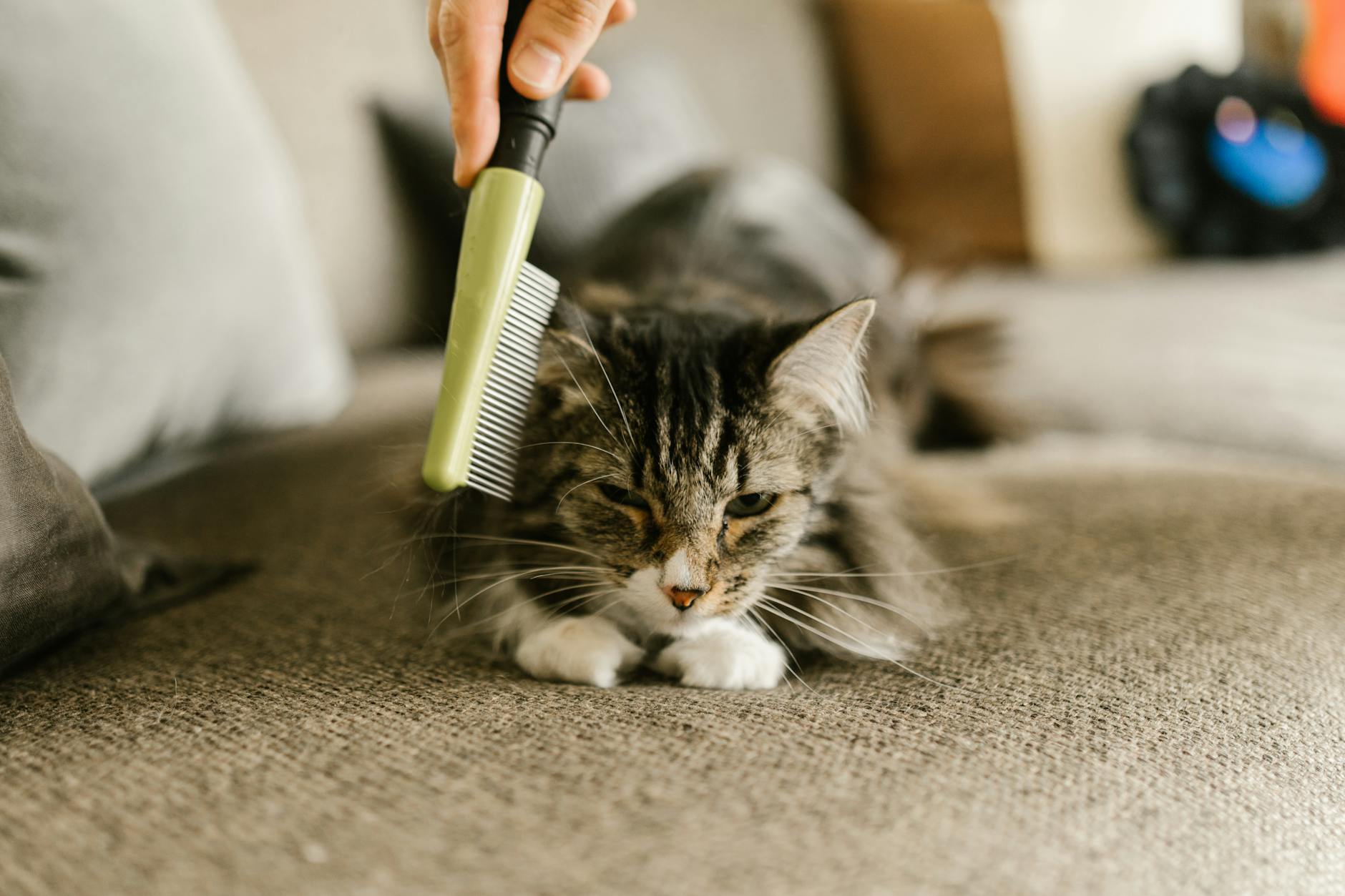
The most effective of all cleaning tips for pet owners is reducing how much hair gets into the house in the first place. Brushing your dog or cat outside at least two to three times per week — more during seasonal shedding peaks — removes loose hair before it ends up on your sofa. A single brushing session on a shedding dog can collect an extraordinary amount of hair that would otherwise spend the next week working its way into every corner of your home.
Use a de-shedding brush or undercoat rake rather than a standard bristle brush, which mostly styles the top coat and misses the dense undercoat where the bulk of shed hair originates. After brushing, wipe your pet down with a slightly damp microfibre cloth before they come back inside to remove any dander and fine hairs that the brush missed.
For cats, who are often resistant to brushing, a grooming glove worn during a petting session achieves much of the same result without the drama. Five minutes of petting with a grooming glove several times a week can make a noticeable difference to how much hair a cat deposits around the house.
Putting It All Together: A Realistic Routine
The reason most advice about how to keep home clean with pets fails in practice is that it presents cleaning as a series of one-off tasks rather than a sustainable rhythm. The ten hacks above work best when combined into a layered routine:
- Daily (5 minutes): Quick microfibre wipe of pet-favourite surfaces. Empty or check the air purifier filter indicator.
- Every 2–3 days: Rubber-glove prep on any pet blankets or throws before washing. Brush your pet outside.
- Weekly: Full fur audit. Squeegee carpets before vacuuming with the HEPA vacuum. Wash all pet bedding. Tackle car seats if needed.
- Monthly: Deep clean behind furniture and under appliances. Check and replace vacuum filters. Clean the air purifier filter.
Even in a home with three or four shedding animals, this framework keeps visible hair under control without turning cleaning into a full-time occupation. The tools involved — a rubber squeegee, microfibre cloths, a HEPA vacuum, rubber gloves, and a grooming brush — cost very little and last for years.
The mindset shift matters too. Remove pet hair from furniture and carpet consistently in small efforts rather than infrequently in overwhelming ones. No single hack transforms a hair-covered home on its own. But used together as a routine, they genuinely change how clean a multi-pet household can look and feel every day of the week.
Key Takeaways
- A rubber squeegee on carpet before vacuuming pulls up deeply embedded hair that suction alone misses.
- The window screen trick and rubber gloves are low-cost, high-impact tools for upholstery and laundry.
- HEPA vacuums and air purifiers address dander — the invisible half of the pet hair problem.
- Washing pet bedding weekly removes the main reservoir of hair that re-seeds the rest of the home.
- A weekly fur audit keeps you proactive rather than reactive — the single biggest change you can make to your cleaning routine.
- Brushing your pet outdoors regularly is the most upstream solution: less shed hair in the house means less cleaning overall.