10 Signs Your Personal Data May Already Be Compromised (And What to Do Next)
Most people assume they would know immediately if their data security had been violated. The reality is far more unsettling: the average time between a data breach occurring and its victim discovering it is over 200 days. By then, criminals may have already opened lines of credit in your name, drained accounts, sold your credentials on the dark web, or filed fraudulent tax returns on your behalf.
The warning signs are almost always there — hiding in plain sight as a strange email, an unfamiliar charge, or a login notification from a city you've never visited. Knowing what to look for is your first and most powerful line of defense. This guide walks through the 10 most common signs your personal data may already be compromised, with a clear action step for each one so you know exactly what to do the moment you spot trouble.
1. You Receive Unexpected Password Reset Emails
If your inbox fills up with password reset requests you never initiated — especially for financial accounts, email providers, or social media — someone is actively trying to access those accounts. This is one of the clearest early indicators that your data security is under threat. Attackers often obtain email addresses and associated account names from leaked databases, then attempt to trigger resets to lock you out and take over.
Action Step: Do not click any links inside these emails. Go directly to each site's login page, change your password immediately, and enable two-factor authentication (2FA). Then check whether that site has appeared in a known breach at HaveIBeenPwned.com.
2. Unfamiliar Charges Appear on Your Bank or Credit Card Statements
Small, unusual transactions — sometimes as little as $1 or $2 — are a red flag. Fraudsters routinely make micro-transactions first to verify that stolen card details are active before making larger purchases. If you see charges from merchants you don't recognize, particularly recurring ones, treat it as a strong sign that your financial data has been compromised.
Action Step: Contact your bank or card issuer immediately to dispute the charge and request a replacement card with a new number. Ask for a full transaction history going back 90 days. Set up real-time transaction alerts so you're notified the moment any purchase is made.
3. Credit Inquiries You Never Made Show Up on Your Report
Every time someone applies for credit in your name, a "hard inquiry" is recorded on your credit file. If you pull your credit report and see inquiries from lenders you've never contacted — especially for auto loans, mortgages, or credit cards — it is a near-certain sign of identity theft. This is one of the primary ways criminals monetize stolen personal data: they use your Social Security number and address to open lines of credit they never intend to repay.
Action Step: Pull all three credit reports for free at AnnualCreditReport.com. Dispute any unfamiliar inquiries or accounts in writing with the credit bureau. Consider placing a credit freeze with Equifax, Experian, and TransUnion — it's free and prevents new accounts from being opened without your explicit approval.
4. You're Suddenly Locked Out of Accounts
Being unable to log into an account you access regularly — even after entering the correct password — often means someone has already gained access and changed the credentials. This is especially serious when it happens to your primary email account, since that email is likely the recovery method for dozens of other services. A compromised email is effectively a master key to your entire digital life.
Action Step: Use the account's recovery options immediately (backup email, phone number, security questions). Contact the platform's support team and verify your identity. Once recovered, audit every account that uses that email address for recovery and update each one's password and 2FA settings.
5. Friends Report Strange Messages Coming From You
When contacts tell you they received odd messages from your social media profiles or email — links to deals that seem too good to be true, requests for money, or messages written in a voice that doesn't sound like you — your account has almost certainly been hijacked. Attackers use compromised social accounts to spread phishing links, scam your contacts, or harvest more credentials.
Action Step: Immediately change the password for the affected account and revoke access to any third-party apps connected to it. Send a brief message to your contacts warning them not to click any links that came from your account. Review your account's login activity log to see where and when the unauthorized access occurred.
6. Your Device Runs Noticeably Slower or Behaves Strangely
Malware and spyware quietly consume your device's processing power and memory as they run in the background — logging keystrokes, capturing screenshots, or transmitting your data to remote servers. Sudden and unexplained drops in performance, excessive battery drain, programs launching on their own, or your webcam indicator light flickering without cause are all potential signs that malicious software is operating on your machine. This directly threatens your data security at the device level.
Action Step: Run a full system scan using reputable anti-malware software. Check your list of installed programs for anything unfamiliar and remove it. Review which apps have permission to access your camera, microphone, and location. If the problem persists, consider a full factory reset — back up only documents and media, not app data or system files, which could carry the infection.
7. You Receive Alerts About Logins From Unfamiliar Locations
Most major platforms — Google, Apple, Facebook, and banking apps — now send notifications when your account is accessed from a new device or geographic location. If you receive one of these alerts and you weren't the one logging in, it confirms unauthorized access. Even if you're unsure, a login notification from a city or country you haven't visited is worth treating as a confirmed threat rather than a false alarm.
Action Step: Immediately use the "sign out of all devices" or "end all sessions" option that most platforms offer. Change your password and enable 2FA if it isn't already active. Review the account's full login history and report the unauthorized session to the platform's security team.
8. You Stop Receiving Mail or Bills You Expect
A sudden absence of regular postal mail — especially financial statements, utility bills, or government correspondence — can indicate address fraud. Identity thieves sometimes submit a change-of-address request with the postal service in your name, redirecting your mail so they can intercept account statements, new credit cards, and other sensitive documents without your knowledge. This is a stealthier attack that often goes unnoticed for weeks.
Action Step: Contact the United States Postal Service (or your national postal authority) to check whether a change-of-address has been filed using your name. Set up USPS Informed Delivery, which emails you a daily digest of incoming mail scans, so you can spot any redirection. Notify your bank and billers to confirm your address on file is correct.
9. You're Denied Credit or Receive Unexplained Collection Calls
Being rejected for credit despite having a good financial history — or receiving debt collection calls about accounts you don't recognize — are serious indicators that someone has been using your identity to take on debt. By the time collectors are calling, the fraudulent accounts may be months or years old. This is one of the more damaging forms of identity theft to clean up and can take months to fully resolve.
Action Step: Request written verification of the debt from the collector. Pull your full credit reports and dispute every account or inquiry you don't recognize. File an identity theft report with the Federal Trade Commission at IdentityTheft.gov — the site generates a personalized recovery plan and the report itself is legally useful when disputing fraudulent accounts.
10. You Find Your Information on a Data Breach Notification Site
Sometimes the most direct answer to the question "has my data been breached" is simply to check. Breach notification services aggregate data from confirmed leaks and let you search your email address to see whether it appears in any known exposed databases. Hundreds of millions of email and password combinations are circulating on criminal forums right now — there's a meaningful chance yours is among them.
Action Step: Visit HaveIBeenPwned.com and enter your email address. If results appear, note which services were involved and change your passwords for those services immediately — especially if you've reused that password anywhere else. Enable breach monitoring alerts so you're notified automatically if your email appears in future leaks.
What to Do Next: Your Immediate Action Plan
If you recognized one or more of the signs above, don't panic — but don't wait either. Here is a concise, prioritized action plan to begin recovering control of your data security.
- Change passwords for high-value accounts first — email, banking, and any accounts that hold payment information. Use a unique, randomly generated password for each one.
- Enable two-factor authentication everywhere it is available. An authenticator app (such as Google Authenticator or Authy) is more secure than SMS-based 2FA, which can be intercepted through SIM-swap attacks.
- Freeze your credit with all three major bureaus. A credit freeze is free, reversible, and the single most effective tool for preventing new fraudulent accounts from being opened in your name.
- File an identity theft report at IdentityTheft.gov if you have confirmed fraudulent activity. This creates an official record that you can submit to creditors, banks, and law enforcement.
- Notify your bank of any suspicious transactions and request new account numbers if your financial data has been exposed.
- Monitor your accounts closely for the next 90 days. Fraudsters sometimes wait weeks before acting on stolen data, hoping you've let your guard down.
Prevention Tips: How to Protect Your Personal Data Going Forward
Understanding personal data protection steps before a breach occurs is far less costly than recovering afterward. These habits significantly reduce your exposure.
- Use a password manager. It removes the temptation to reuse passwords and generates credentials far stronger than anything a human would create manually.
- Keep software and operating systems updated. The majority of successful cyberattacks exploit known vulnerabilities that have already been patched — updating promptly closes these doors.
- Be skeptical of unsolicited emails and texts. Phishing is the leading delivery method for credential theft. If a message creates urgency and asks you to click a link, go directly to the website instead.
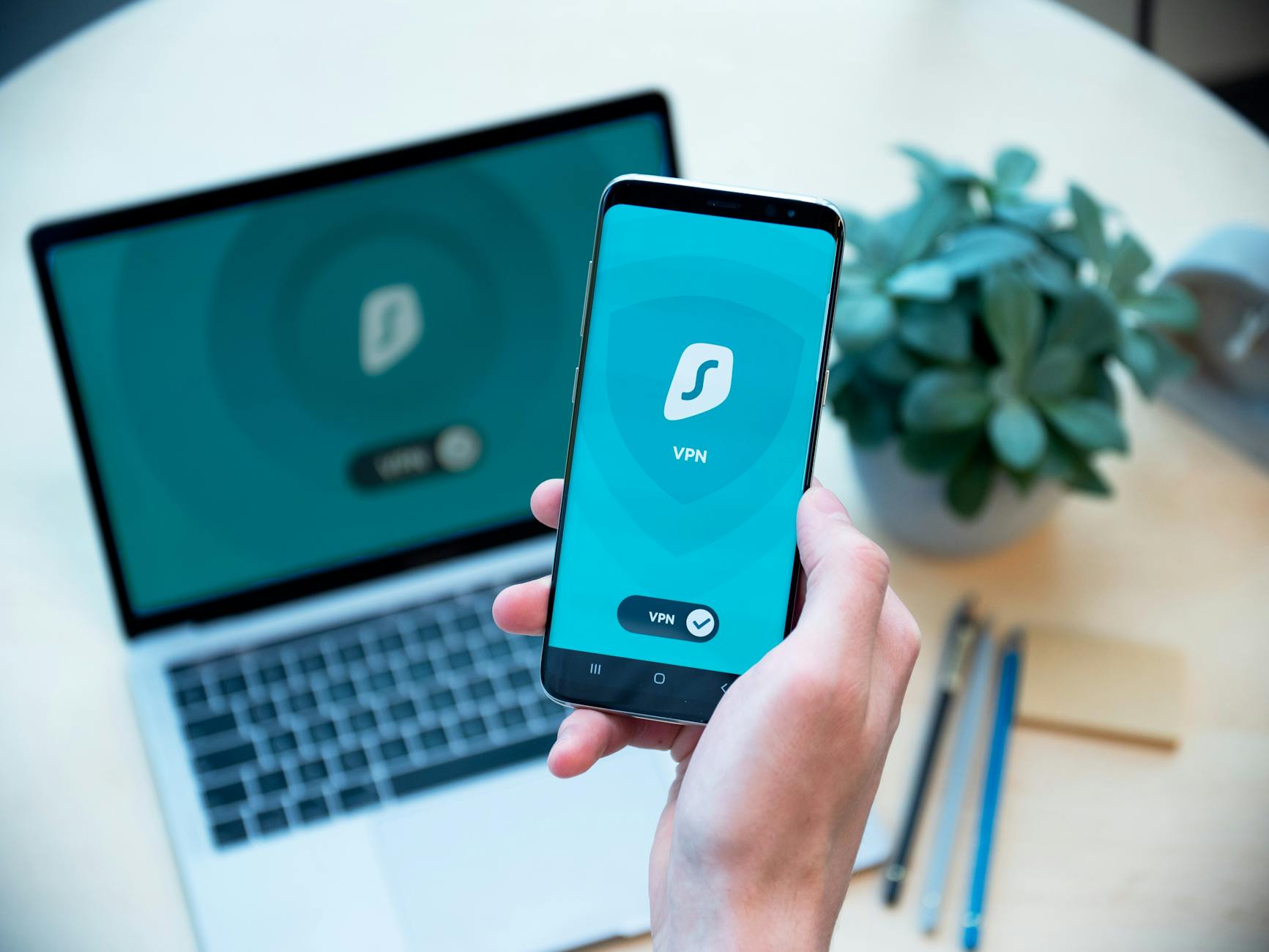
- Use a VPN on public Wi-Fi. Unsecured networks at cafes, airports, and hotels make it trivial for nearby attackers to intercept unencrypted data.
- Limit the personal information you share online. Details like your birthdate, phone number, and home city — common on social media profiles — are frequently used to answer security questions or verify identity with fraudsters posing as you.
- Set up ongoing credit monitoring. Many banks and credit card companies now offer this for free. A monthly credit report review takes five minutes and can catch fraud months before it escalates.
- Shred physical documents. Bank statements, pre-approved credit offers, and medical bills in your recycling bin are a goldmine for low-tech identity thieves.
Key Takeaways
Data breaches and identity theft are not rare events that happen to other people — they are among the most common crimes in the modern world, with billions of records exposed every year. The good news is that most victims who catch the signs early are able to minimize the damage significantly. Review your accounts, credit reports, and devices regularly. Treat any of the warning signs above as urgent, not optional. And take the simple preventive steps outlined here to make yourself a far harder target.
The most important thing you can do right now, whether or not you suspect a problem, is to check HaveIBeenPwned.com and pull your free credit reports. Knowledge is the foundation of every effective data security strategy — and it costs you nothing but a few minutes.