10 Situations Where You Should Be Wearing Hearing Protection (But Probably Aren't)
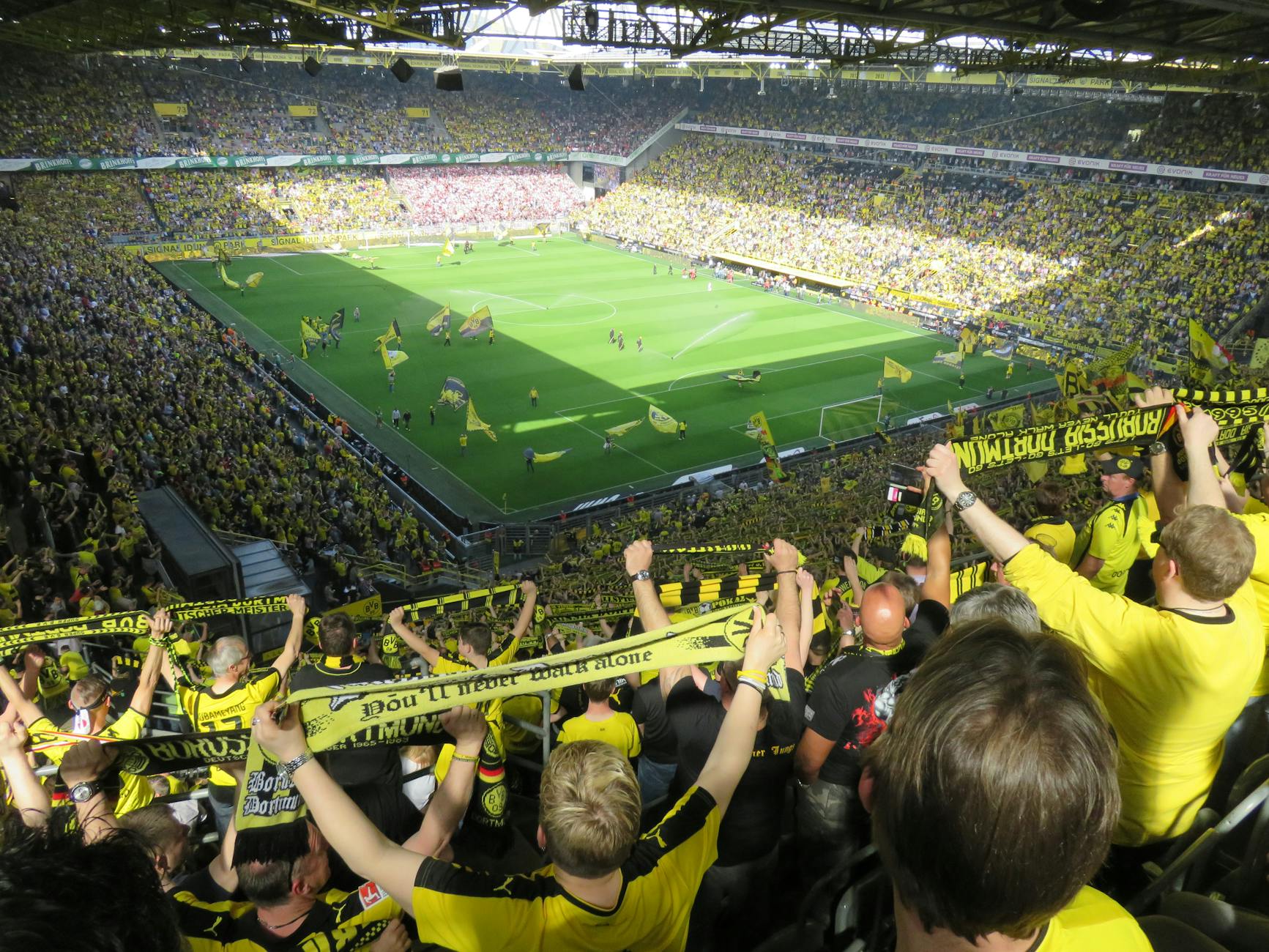
Most people know they should wear earplugs for loud noises at a rock concert or on a shooting range. What they don't know is that their ears are likely taking a beating in places they would never suspect — the gym, the restaurant, the subway platform, even their kid's Saturday afternoon birthday party.
The hard truth about hearing damage is that it is cumulative and irreversible. Every loud exposure chips away at the delicate hair cells in your inner ear, and those cells do not grow back. By the time you notice the ringing, the muffling, or the constant "what did you say?" moments, the damage has already been done — often over years of exposure that felt perfectly normal.
This guide covers 10 everyday situations where you should be wearing hearing protection but almost certainly are not. Each one comes with real decibel numbers, because once you understand how loud something actually is, it becomes a lot harder to dismiss.
A quick reference point: NIOSH (the National Institute for Occupational Safety and Health) sets 85 decibels (dB) as the threshold above which sustained exposure begins causing measurable hearing damage. For every 3 dB increase above that, the safe exposure time is cut in half. At 100 dB, you have roughly 15 minutes before damage starts. At 110 dB, you have under 2 minutes.
With that in mind, let's look at where your everyday life is quietly — or not so quietly — destroying your hearing.
1. The Cardio Floor at Your Gym (90–105 dB)

Spin classes, group fitness studios, and the main cardio floor of a commercial gym are legitimately some of the loudest environments most people visit on a weekly basis. Studies measuring sound levels in fitness facilities have consistently recorded peaks between 90 and 105 dB — with some spin class environments hitting 110 dB at peak moments.
The combination of thumping sound systems, hard floors, mirrored walls, and little acoustic dampening creates a noise environment that would trigger mandatory hearing protection requirements in any industrial workplace. Yet gym-goers spend 45 to 60 minutes there, several times a week, with completely unprotected ears.
What makes this worse: many people also wear earbuds at the gym, turned up loud enough to compete with the surrounding noise. That layered exposure is particularly damaging. If you're a regular gym-goer, this is one of the most important situations on this list to take seriously.
2. Live Sporting Events (100–130 dB)
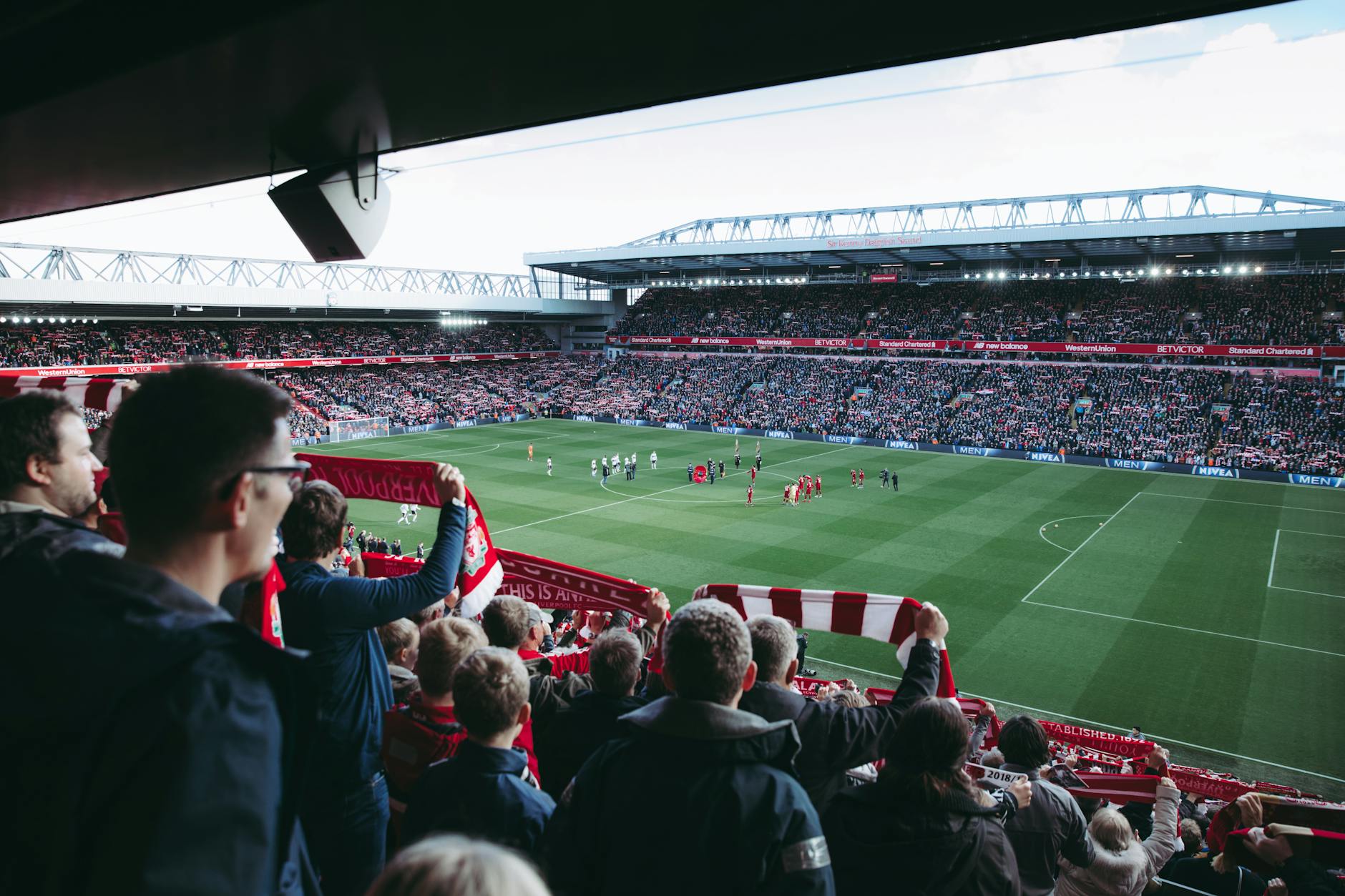
Sporting venues are engineered to amplify crowd noise. It creates atmosphere, it intimidates visiting teams, and it is genuinely exciting — but it is also one of the most dangerous noise environments a person can voluntarily enter. NFL stadiums regularly hit 120–130 dB during scoring plays. Even baseball stadiums, often perceived as quieter, measure 100–110 dB during crowd surges.
The world record for loudest crowd roar at an NFL game stands at 142.2 dB — recorded at Arrowhead Stadium in Kansas City. That is louder than a jet engine at close range. Most people spend three to four hours at a game, which represents an enormous cumulative noise dose.
Knowing when to wear hearing protection matters most when the venue is designed to be loud. High-fidelity earplugs (which reduce overall volume without muffling sound quality) are a practical solution that lets you enjoy the game while protecting your hearing. They are far more common at sporting events than they used to be, and for good reason.
3. Power Tools at Home (95–115 dB)
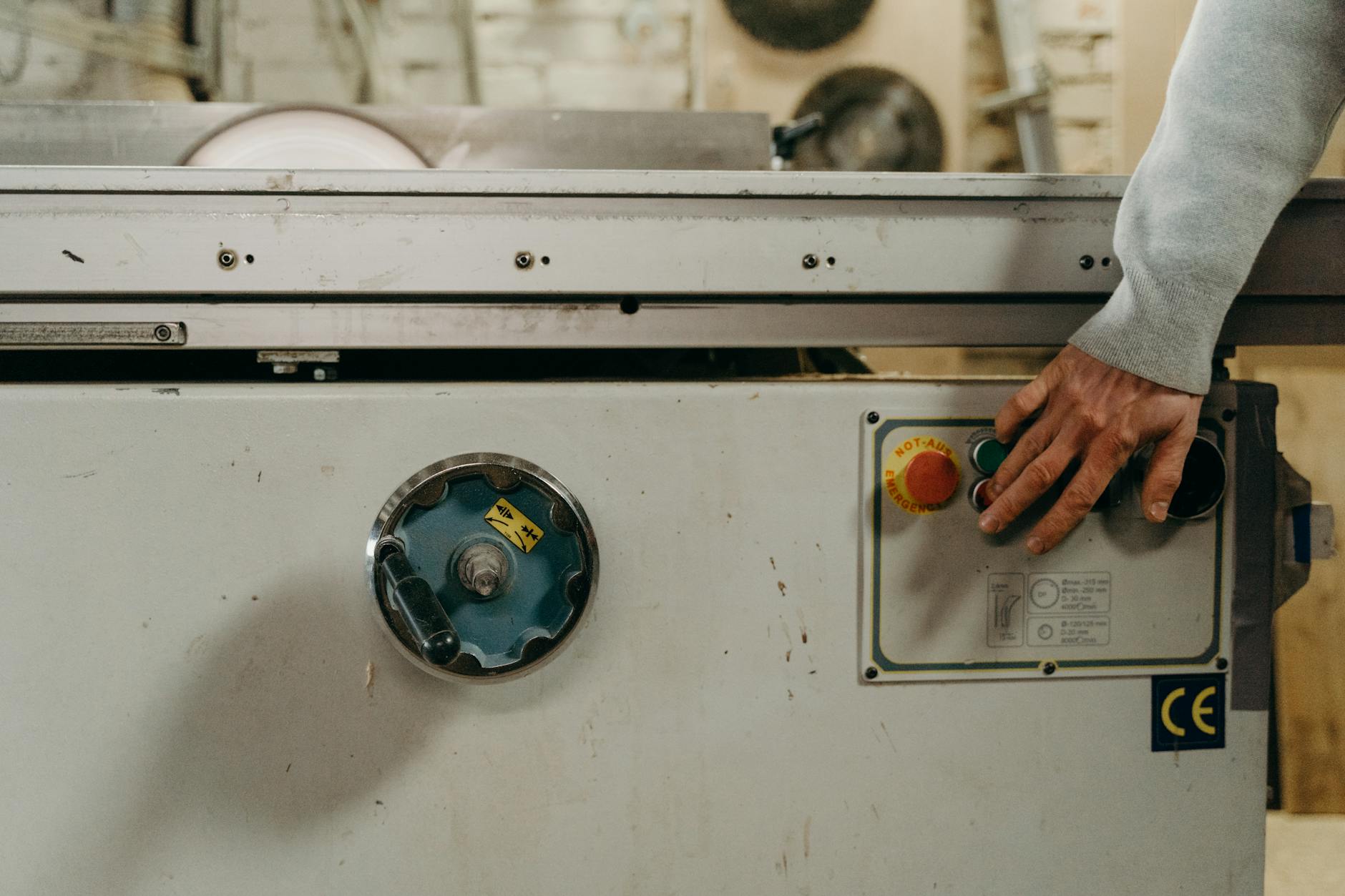
Hearing protection at work is legally mandated in many industries — construction sites, manufacturing facilities, and airports all have strict OSHA requirements. But the moment a person steps into their own garage or backyard with a circular saw, those rules disappear entirely.
Here are the approximate decibel levels for common home power tools:
- Circular saw: 100–115 dB
- Chainsaw: 109–117 dB
- Angle grinder: 100–105 dB
- Leaf blower: 95–105 dB
- Power drill: 95–98 dB
- Lawn mower: 90–95 dB
- Shop vacuum: 85–90 dB
A weekend DIY project involving a circular saw and a leaf blower can easily represent two or three hours of exposure at levels that would legally require hearing protection in a professional setting. Yet the vast majority of DIY enthusiasts never bother with ear protection. Everyday noise hearing damage from home tool use is a leading, and largely unacknowledged, cause of gradual hearing loss in middle-aged adults.
4. Riding a Motorcycle (85–110 dB)
Wind noise at highway speeds is one of the most deceptive noise hazards in everyday life. When you're on a motorcycle travelling at 60–70 mph, the wind rushing past your helmet generates noise levels between 85 and 110 dB — and that figure goes up with speed. At 70 mph, wind noise inside a standard open-face helmet can reach 103 dB. At 80 mph, some measurements exceed 110 dB.
This isn't the engine noise. It's the aerodynamic turbulence created by air rushing over and around your head. Full-face helmets reduce this somewhat, but still do not bring levels below the safe threshold at highway speeds. Motorcyclists who commute daily or ride on long tours accumulate enormous noise doses over the course of a season.
Motorcycle riders are among the occupational groups most studied for noise-induced hearing loss outside of traditional workplaces. Research consistently finds higher rates of high-frequency hearing loss among frequent riders compared to non-riders of the same age. Custom-molded or universal-fit earplugs designed for motorcyclists remain one of the most underused pieces of protective gear in riding culture.
5. Movie Theaters (74–104 dB)
This one surprises most people. Surely a movie theater isn't that loud? The answer is: it depends enormously on the film, the theater, and the specific scene — and some theaters are deliberately set up to deliver peak sound levels that far exceed safe listening thresholds.
Research measuring actual cinema sound levels has recorded peaks of 94–104 dB during action sequences, explosions, and climactic musical moments. THX-certified theaters are designed to deliver reference playback levels of 85 dB average with headroom for peaks well above that. IMAX theaters frequently hit 100–104 dB during key scenes.
While a single movie viewing may represent a relatively short exposure window, the cumulative effect of regular cinema attendance — particularly for fans of action, superhero, or science-fiction films — adds up over time. Children are especially vulnerable, as their ear canals are smaller, which actually intensifies the sound pressure reaching the inner ear.
6. Busy Restaurants (80–95 dB)
Modern restaurant design — bare concrete floors, exposed ceilings, hard surfaces everywhere — is beautiful to look at and catastrophic for acoustics. The trend toward open, industrial-style dining spaces has created environments where background noise routinely exceeds comfortable conversation levels.
Apps and researchers measuring restaurant noise have regularly recorded levels between 80 and 95 dB in popular urban restaurants on busy evenings. That's the range where sustained exposure begins causing cumulative damage. For restaurant workers — servers, kitchen staff, bartenders — this represents a genuine occupational hearing protection at work issue that rarely gets the attention it deserves.
For diners, a two-hour dinner at a loud restaurant is a notable noise exposure event, particularly when combined with other loud exposures earlier in the day. It also contributes to a phenomenon called temporary threshold shift, where your hearing feels slightly dulled after leaving a loud environment. Most people attribute this to tiredness. It is actually a temporary reduction in hearing sensitivity caused by noise fatigue — and with repeated exposure, that "temporary" shift can become permanent.
7. Kids' Birthday Parties (90–100 dB)
No one goes to a child's birthday party expecting to need earplugs. But consider the ingredients: a room full of excited young children, hard floors, low ceilings, balloon pops, shrieking, music, and the general chaos that accompanies any gathering of people under the age of ten.
Indoor children's party venues — soft play centers, bouncy castle halls, laser tag arenas, and arcade-style entertainment complexes — have been measured at 90–100 dB during peak activity periods. Balloon pops alone can hit a brief spike of 125–168 dB at close range, which is firmly in the range that can cause immediate acoustic trauma with a single exposure.
Parents who attend these events regularly — or who work in childcare settings — are accumulating meaningful noise exposure. Children themselves, whose auditory systems are still developing, are arguably more vulnerable to noise-induced hearing loss than adults. This is an area where loud environment ear protection is rarely discussed but genuinely matters.
8. Subway Platforms and Trains (90–115 dB)
Public transit is one of the most studied environments in urban noise research, and the findings are consistently alarming. Subway trains in New York City have been measured at 94–112 dB on the platforms and inside the cars. The squealing of brakes at stations frequently spikes above 100 dB. London's Underground, the Paris Métro, and Tokyo's railway networks show similar results.
Daily commuters who use subway systems for 30–60 minutes each way are accumulating substantial noise exposure before they even arrive at work. The instinctive response — turning up headphone volume to compete with the train noise — compounds the problem significantly. This is sometimes called the "cocktail party effect" applied to transit: you keep raising your listening level to match the ambient noise, and both are damaging your hearing simultaneously.
Transit workers — drivers, station staff, and maintenance crews — face even greater exposure. The case for hearing protection at work in public transit is strong and well-documented. For regular commuters, even simple foam earplugs worn during the commute can significantly reduce cumulative noise dose over months and years.
9. Nightclubs and Live Music Venues (100–120 dB)
This is the one most people have at least a vague awareness of, yet very few people who attend nightclubs or live music events regularly actually wear hearing protection. The social stigma remains surprisingly high, despite the fact that professional musicians, sound engineers, and DJs — the people who understand noise exposure best — overwhelmingly wear earplugs at these events.
Nightclubs and live music venues routinely operate at 100–120 dB, with some venues deliberately mixing to peak levels even higher. At 110 dB, the NIOSH safe exposure time before damage begins is approximately 1 minute and 53 seconds. A four-hour night out at a loud club represents a noise dose equivalent to working a full shift with an unguarded industrial machine.
The temporary tinnitus — the ringing in your ears after a loud night — that most regular club-goers dismiss as normal is not normal. It is a sign of temporary (and eventually permanent) damage. Research tracking people who regularly attend loud music events shows measurably higher rates of hearing loss and chronic tinnitus compared to age-matched controls. This is one of the clearest cases for using earplugs for loud noises in everyday social life.
10. Marching Band Practice and Indoor Rehearsals (90–120 dB)
Musicians are, statistically, significantly more likely to develop occupational hearing loss than most other professional groups. But the risk begins long before any professional career — it starts in high school and college band rehearsals, particularly for players of loud instruments in indoor or confined rehearsal spaces.
Marching band practice on a field measures around 90–100 dB at the position of individual players. Indoor rehearsals are worse: brass and percussion sections in closed gym or rehearsal hall environments can generate levels of 105–120 dB at the source. Percussionists face the highest risk, with drum kit exposure regularly exceeding 110 dB without protection.
Many young musicians resist earplugs out of concern that they will be unable to hear their own playing accurately. Modern high-fidelity musician's earplugs are specifically designed to address this — they attenuate sound evenly across frequencies, preserving the tonal quality of the music while reducing the overall volume to safe levels. Orchestra musicians, session musicians, and touring performers widely use these. The same protection is available to anyone in a high-noise music rehearsal environment.
How to Know When to Wear Hearing Protection
A simple rule of thumb: if you have to raise your voice to be heard clearly by someone standing arm's length away, the ambient noise level around you is likely at or above 85 dB — the threshold where sustained exposure begins causing cumulative damage.
Other practical guidelines:
- If your ears feel muffled or ring after leaving an environment, it was too loud and you were exposed too long.
- If you frequently struggle to hear conversation in the hours after a noisy activity, you have experienced temporary threshold shift — a warning sign.
- If you're spending more than 15 minutes in an environment above 100 dB, hearing protection is not optional — it is necessary.
- Children and teenagers should have lower exposure thresholds than adults, as their auditory systems are still developing and may be more vulnerable to damage.
Free smartphone sound level meter apps (such as NIOSH's own SLM app) are reasonably accurate for assessing whether an environment is approaching dangerous levels. They are not perfect replacements for professional acoustic measurement, but they provide a useful reality check in everyday situations.
Understanding Decibels: Why the Numbers Matter More Than You Think
The decibel scale is logarithmic, not linear. This confuses many people when they're trying to understand noise exposure. A sound at 90 dB is not "twice as loud" as a sound at 45 dB — it is approximately 32,000 times more intense in terms of sound pressure energy.
More practically relevant: the difference between 85 dB and 88 dB might seem trivial, but that 3 dB increase doubles the amount of sound energy reaching your ears. The NIOSH safe exposure limit at 85 dB is 8 hours. At 88 dB, it drops to 4 hours. At 91 dB, 2 hours. At 100 dB, 15 minutes. This is why even moderate noise environments that hover just above 85 dB represent a meaningful risk for people who spend several hours in them each week.
Hearing loss from noise exposure is preventable. Unlike age-related hearing decline, which is largely beyond our control, everyday noise hearing damage is entirely avoidable with simple, inexpensive protective measures. The challenge is awareness — most people simply do not realize how loud the places they inhabit every week actually are.
Key Noise Thresholds at a Glance
- 85 dB — Safe exposure limit (8 hours/day). Above this, damage begins accumulating.
- 90 dB — 2.5 hours of safe daily exposure. Typical gym class, busy restaurant.
- 100 dB — 15 minutes of safe daily exposure. Power tools, motorcycles, nightclubs.
- 110 dB — Under 2 minutes of safe daily exposure. Live concerts, chainsaws, marching band.
- 120+ dB — Immediate risk of acoustic trauma. Stadium crowd peaks, firearms, jet engines.
Key Takeaways
Noise-induced hearing loss is one of the most common and most preventable chronic health conditions in the developed world, yet it receives a fraction of the public health attention it deserves. The situations on this list are not edge cases — they represent the weekly lives of millions of people who are gradually losing their hearing without knowing it.
The loudest places in your life are not necessarily the obvious ones. Your gym may be louder than a factory floor. Your subway commute may be louder than your gym. Your child's birthday party may briefly peak higher than both. Knowing where the risk actually lives is the first step toward protecting yourself against it.
Wearing earplugs for loud noises in everyday environments is not about being overcautious. It is about understanding what the science has known for decades: the ears you have right now are the only ones you will ever get, and the damage that accumulates quietly over years of normal life cannot be undone. The good news is that it can almost always be prevented.