10 Travel Security Mistakes That Make You an Easy Target Abroad
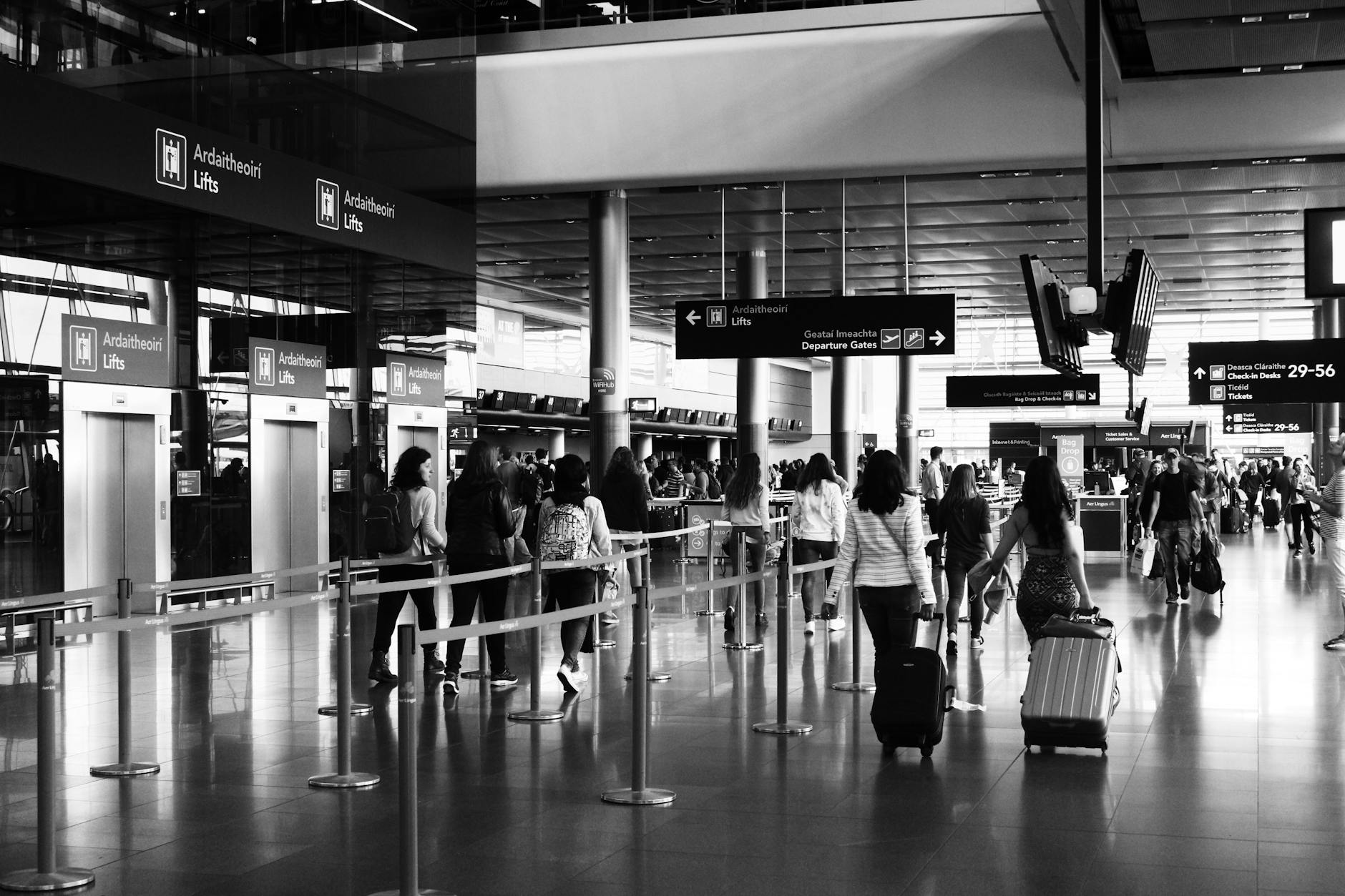
You've been to a dozen countries. You know not to leave your bag unattended. You've heard the stories. You're not one of those tourists.
And that confidence? That's exactly what makes you a target.
The truth about travel security tips abroad is that the most dangerous mistakes aren't made by naive first-timers — they're made by experienced travelers who've grown complacent. Thieves, scammers, and opportunistic criminals have watched thousands of tourists walk through their cities. They know your patterns better than you know theirs.
This guide covers 10 specific, overlooked vulnerabilities that put even seasoned travelers at risk. Each one comes with a real-world scenario and a clear fix. Read it before your next trip — not after.
The Mistakes That Actually Get People Robbed
Pickpocketing, scamming, and identity theft abroad are rarely random. They're opportunistic and systematic. Criminals look for behavioral signals — the hesitation, the visible valuables, the distracted gaze at a phone screen. Understanding what those signals are is the first step to eliminating them.
Mistake #1: Flashing Your Passport at Check-In (and Everywhere Else)
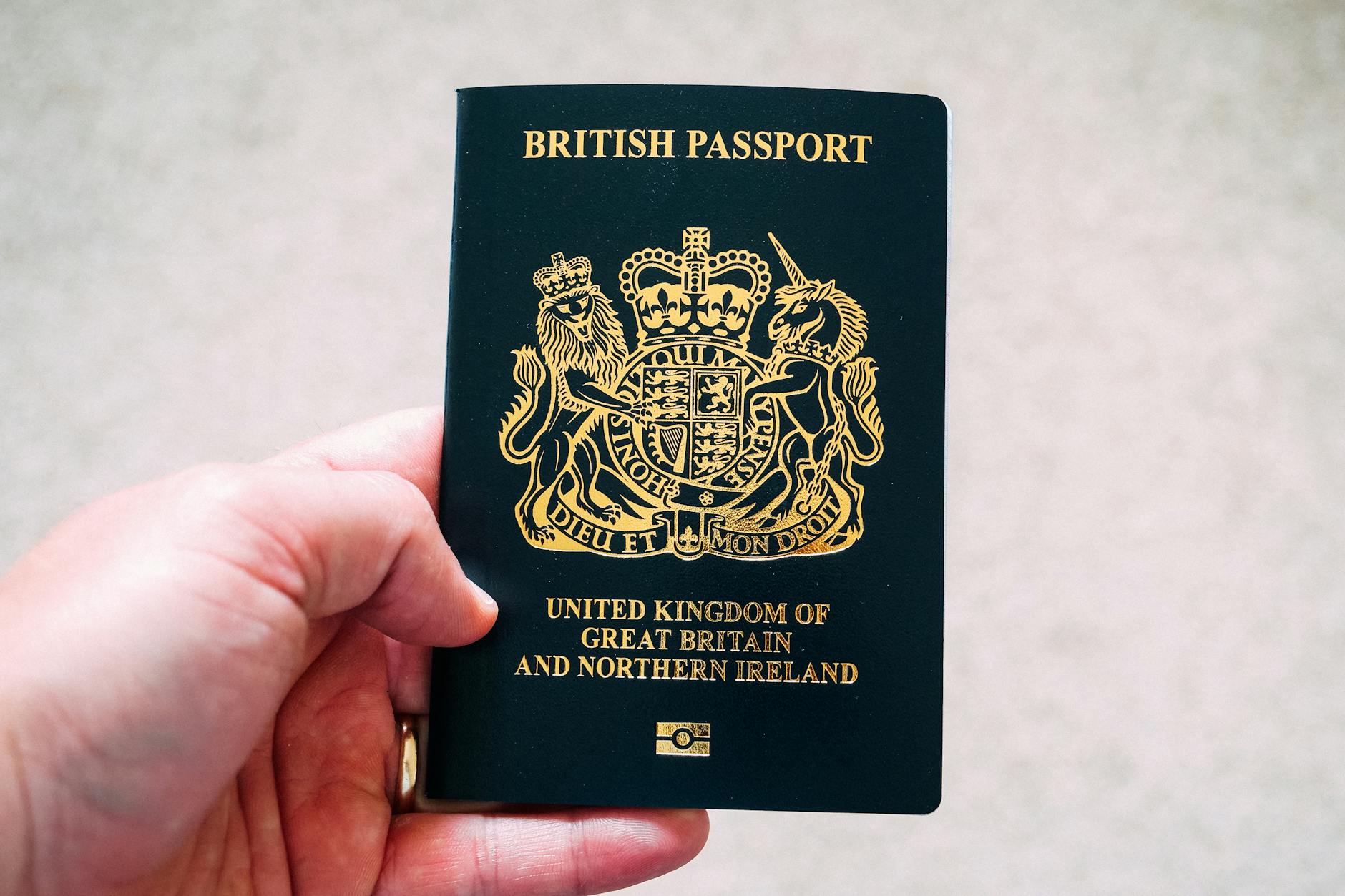
Here's a scenario that plays out daily in hotels around the world: you arrive tired, you dig through your bag for your passport, you hand it to the front desk while the lobby buzzes with other guests. You might even leave it sitting on the counter while you fill out forms.
Your passport number, date of birth, nationality, and full name are visible to anyone standing nearby. In destinations with organized identity theft operations, hotel lobbies and check-in queues are hunting grounds.
What to do instead: Keep your passport in a front-facing travel pouch under your clothing until the moment you need it. At check-in, shield the document with your body when handing it over. Once you're checked in, ask whether the hotel actually needs to retain your passport overnight — in many countries this is a legal requirement, but in others it is simply habit, and you can keep it in your room safe.
Mistake #2: Connecting to Airport or Hotel WiFi Without Protection
Public WiFi networks in airports, hotels, and cafes are among the most surveilled digital environments in the world — and not by security services. A technique called a "man-in-the-middle" attack allows someone on the same network to intercept your unencrypted traffic. That means login credentials, banking details, and personal messages can be captured without you ever knowing.
The irony is that travelers connect to public WiFi precisely when they're most vulnerable: logging into banking apps to check exchange rates, accessing email confirmations, booking onward transport.
What to do instead: Use a reputable VPN (Virtual Private Network) every time you connect to public WiFi. Enable it before you connect, not after. Avoid logging into sensitive accounts — banking, email, social media — on public networks even with a VPN active. Your mobile data connection, while potentially expensive abroad, is significantly more secure than any public WiFi hotspot.
Mistake #3: Keeping Everything in One Place
One wallet. One bag. One catastrophic loss.
This is the most universally given piece of advice in travel security, and still the most universally ignored. People know they should split their valuables. They pack with that intention. And then, on day one, they consolidate everything into their primary bag because it's more convenient.
What to do instead: Before leaving your accommodation each day, physically distribute your valuables. Primary credit card and some cash in a neck wallet under your shirt. Secondary card and ID photocopy in a hidden inner pocket. Small amount of local currency in an accessible pocket for easy purchases. If you get pickpocketed, robbed, or simply lose your bag, you will still have enough to get to your embassy, make a call, and access funds.
Mistake #4: Looking Lost in Public
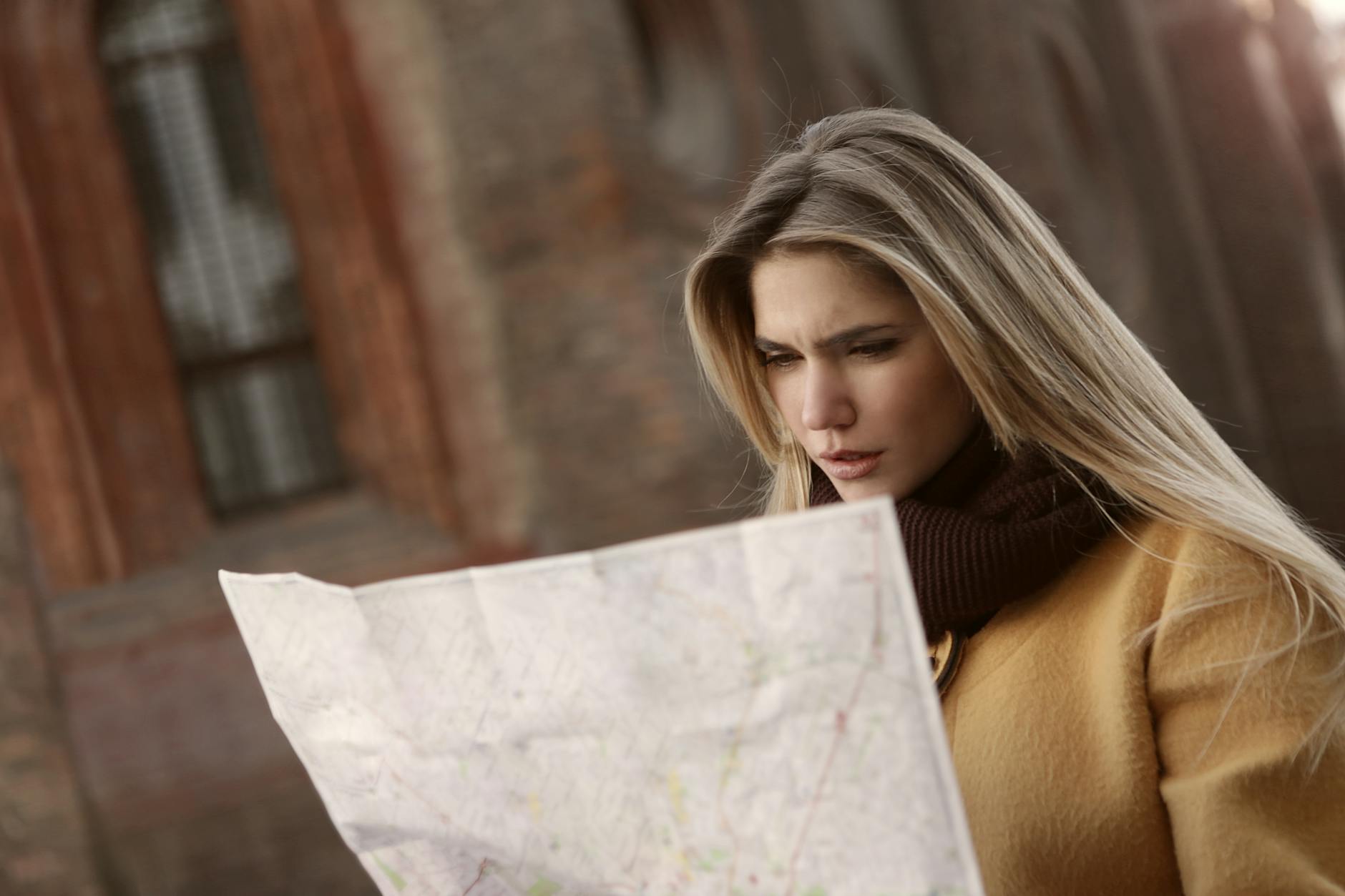
Standing on a street corner studying Google Maps with your phone held up at face level is the international signal for "I don't know where I am, and I'm not paying attention to my surroundings." In high-traffic tourist areas, this draws attention within seconds.
The same applies to unfolding paper maps, squinting at street signs while holding a guidebook, and the particularly dangerous habit of stopping suddenly in the middle of a pedestrian flow to check your location.
What to do instead: Study your route before you leave your accommodation. Screenshot your maps so you can check them discreetly with your phone at waist level, rather than scanning the skyline. If you're lost, step inside a shop or cafe to reorient. When you need to look at your phone on the street, stand with your back to a wall and stay aware of who is nearby.
Mistake #5: Trusting "Helpful" Strangers at ATMs
You're at an ATM in an unfamiliar city. The machine seems confusing — different interface, different language, maybe it just swallowed your card. A friendly local appears and offers to help. This is one of the oldest and most effective ATM scams in the world.
Variations include: someone pointing out a "problem" with your card that requires you to re-enter your PIN; a distraction technique where an accomplice causes a scene while your card is skimmed; and the "shoulder surf," where someone memorizes your PIN as you type it.
What to do instead: Use ATMs located inside banks during business hours whenever possible. Cover the keypad with your hand every single time you enter your PIN, even when no one appears to be watching. Decline all assistance from bystanders, no matter how friendly or official they seem. If your card is retained by a machine, call your bank immediately from a number you looked up independently — not one displayed on a sticker next to the ATM.
Mistake #6: Posting Your Location in Real Time
This one cuts across two distinct threats. First, broadcasting that you are away from your hotel room tells opportunistic thieves exactly when that room is empty. Second, posting your real-time location publicly tells anyone monitoring your profile where your physical body is right now.
Experienced travelers know to post after the fact. Yet in the age of Instagram Stories and Snapchat, the temptation to share in the moment is nearly irresistible — and statistically, most people give in.
What to do instead: Make it a habit to post travel photos with a time delay. Save your content throughout the day and post in the evening from your accommodation. Audit your social media privacy settings before you travel — consider making your profile private or at minimum limiting who can see your location-tagged posts. This is not paranoia; it is a basic operational security habit that intelligence professionals call "OPSEC."
Mistake #7: Using Back Pockets and Open-Top Bags
A wallet in a back trouser pocket can be removed in under two seconds by a trained pickpocket. An open-top tote bag or a backpack with external zip pockets is barely more secure. In crowded environments — markets, metro stations, festival crowds, queues at tourist attractions — these are not storage solutions, they are donation boxes.
The psychological barrier here is that people assume they will feel a hand in their pocket. In almost all cases, they do not. Professional pickpockets create a momentary distraction (a bump, a question, a commotion) and use that fraction of a second to complete the lift.
What to do instead: Move your wallet to a front trouser pocket. Use a bag with secure, inward-facing zips. When wearing a backpack in a crowd, wear it on your front or keep one hand on it. Consider a slim money clip or card holder that sits flat in a front pocket rather than a bulging wallet. The goal is not to make theft impossible — it's to make you a harder target than the person next to you.
Mistake #8: Ignoring the Hotel Safe (or Using It Wrong)
Hotel room safes exist for a reason. Yet surveys consistently show that the majority of travelers don't use them — either out of laziness, distrust of hotel staff, or a false belief that their valuables are safe in a locked suitcase.
A locked suitcase takes approximately 30 seconds to open with a ballpoint pen (the zipper exploit). Hotel staff, while overwhelmingly honest, can be compromised or targeted by organized theft rings operating in tourist areas. Your room door lock is a deterrent, not a guarantee.
What to do instead: Use the in-room safe for your passport, spare cash, backup cards, and any electronics you aren't carrying. If you don't trust the hotel safe, ask reception about a safety deposit box at the front desk — most mid-range and higher hotels offer them. When programming a safe PIN, don't use the default code (often 0000 or 1234), as these are widely known. For high-value items, use the hotel's front desk safe rather than the in-room unit, which can be physically removed if the room is broken into.
Mistake #9: Not Having Emergency Copies of Key Documents
Your passport is stolen. Your phone (with your photos of your documents) is also gone. You're standing outside a police station in a city where you don't speak the language, and you cannot confirm your own identity.
This is not a hypothetical. It happens to thousands of travelers every year. And the single thing that most dramatically speeds up consular assistance, emergency passport replacement, and insurance claims is having physical or digitally accessible copies of your key documents stored separately from the originals.
What to do instead: Before you travel, make two copies of your passport photo page, travel insurance policy, and any visas. Leave one copy at home with a trusted person. Carry the second copy in a different bag from your passport. Additionally, email scanned copies to yourself and store them in a cloud folder you can access from any device. Note the emergency contact numbers for your bank, your country's nearest embassy, and your travel insurance provider — keep these separate from your phone in case the device is lost or stolen.
Mistake #10: Underestimating the Taxi and Transport Scam
Unofficial taxis, rigged meters, "scenic routes," and flat-rate scams at airports are so well-documented that most travelers assume they'll easily spot them. They don't. These operations are often sophisticated, involve official-looking vehicles, and target people who are tired, disoriented, and carrying all their luggage.
Airport arrivals halls in particular are hotspots. Someone approaches you confidently, often with a sign or a uniform-adjacent outfit, and offers transport. The price quoted in advance seems reasonable. It is not — or the final price bears no relation to what was agreed.
What to do instead: Research ground transport options before you arrive at each destination. Know the name and approximate cost of the reputable taxi service or the official ride-share app that operates locally. Book airport transfers in advance when possible. If you must take a taxi from a rank, confirm the metered rate before getting in, and photograph the cab's license plate before you enter. Never get into an unmarked vehicle with a stranger who approached you inside a terminal.
Building Better Habits Before You Leave Home
The most effective personal security traveling strategies are implemented before you arrive at your destination, not after something goes wrong. A pre-trip security checklist takes about 20 minutes and can prevent weeks of bureaucratic misery.
Here's a framework that covers the essentials of how to stay safe traveling internationally:
- Register with your country's embassy in every destination you visit. In an emergency, this allows your government to contact you, locate you, and assist you far more quickly.
- Notify your bank and card providers of your travel dates and destinations. A blocked card abroad is a crisis that is entirely preventable.
- Enable two-factor authentication on all accounts before you travel, and make sure the backup codes are accessible without your primary phone number (in case you use a local SIM).
- Research destination-specific scams for each city you visit. A quick search for "[city name] tourist scams" will reveal the current playbook being used locally. Knowledge is the simplest and most effective deterrent.
- Download offline maps for every destination so you can navigate without broadcasting your confusion or draining your data plan.
- Set a check-in protocol with someone at home — a quick message confirming your safe arrival at each new destination. If they don't hear from you, they know what steps to take.
Understanding the Psychology of Being Targeted
Professional thieves and scammers are not random in their selection. Research on pickpocket prevention travel and victim profiling consistently shows that targets are chosen based on observable behavioral cues: distraction, disorientation, visible wealth signals, and body language that communicates unfamiliarity with the environment.
The countermeasures are therefore behavioral as much as physical. Moving with purpose (even when uncertain), keeping your gaze up and scanning rather than fixed on a device, and responding to approaches with calm, firm brevity rather than polite hesitation — these behavioral shifts genuinely reduce your attractiveness as a target.
This is not about being paranoid or unfriendly. Most interactions with strangers abroad are genuine and wonderful. It is about developing a baseline awareness of your environment and your own signals that you can maintain without it dominating your experience.
The goal is to be the traveler who looks like they've been here before — even when they haven't.
What to Do If Something Goes Wrong
Despite all precautions, incidents happen. How you respond in the first 30 minutes dramatically affects outcomes. Follow these steps if you experience theft or loss abroad:
- Do not chase or confront a thief. Physical confrontation escalates risk and rarely recovers property.
- Get to a safe location — a hotel lobby, a shop, a cafe — before taking any action.
- Call your bank immediately to freeze any compromised cards. Do this from a number you obtained before travel, not from a number found at the scene.
- File a police report as soon as possible, even if you doubt its effectiveness. Insurance claims, passport replacement, and travel delay claims almost always require an official police report number.
- Contact your country's nearest embassy or consulate if your passport has been stolen. They can issue an emergency travel document, but this process is far faster if you already have copies of your documents on hand (see Mistake #9).
- Contact your travel insurance provider and document everything — what was taken, when, where, and the police report reference number.
Final Verdict
The single most dangerous travel safety mistake is believing you don't need to think about this. Experienced travelers are targeted precisely because their confidence makes them less vigilant. The scenarios above are not exotic edge cases — they are documented, repeatable tactics used on real people in real destinations right now.
None of the countermeasures described here are dramatic or expensive. They are habits. And like all habits, they become automatic with practice until situational awareness simply becomes part of how you travel.
Go places. Meet people. Take risks on experiences. Just don't take avoidable risks with your security. The difference between a trip that goes wrong and one that doesn't often comes down to decisions you made before you ever left home.