10 Warning Signs Your Liver Needs Support (And What To Do About It)
Your liver is one of the hardest-working organs in your body — quietly performing over 500 vital functions every single day. It filters toxins from the blood, produces bile for digestion, regulates blood sugar, metabolizes hormones, and stores essential vitamins and minerals. Yet despite this extraordinary workload, liver health symptoms are easy to overlook, because the liver has no pain receptors of its own and rarely sends obvious distress signals until a problem has been building for some time.
This creates a dangerous blind spot. Millions of people live with suboptimal liver function without realizing it, attributing their fatigue, digestive trouble, or brain fog to stress, aging, or poor sleep. The truth is that many of these everyday complaints can be signs of poor liver health that deserve closer attention.
The encouraging news: when liver issues are caught early, lifestyle changes and medical support can make a dramatic difference. Knowing what to look for puts you in a position of power. In this guide, we break down the 10 most important liver health warning signs, explain what each one means in plain language, and walk you through practical steps you can take — including when it is time to call a doctor.
Sign #1: Persistent Fatigue and Low Energy
Fatigue is the most commonly reported symptom among people with liver problems, and it is also the most frequently dismissed. If you find yourself waking up tired no matter how many hours you slept, dragging through the afternoon, or lacking the energy for activities you used to enjoy, your liver may be a contributing factor.
Here is why: the liver is responsible for converting nutrients from food into usable energy, storing glycogen (the body's fuel reserve), and clearing metabolic waste products from the bloodstream. When liver function is compromised, this energy-production system breaks down. Toxins that the liver would normally filter begin to accumulate in the blood, creating a low-grade inflammatory state that leaves the body perpetually exhausted.
This is not the normal tiredness of a long day. Liver health symptoms related to fatigue tend to be persistent, disproportionate to your activity level, and unrelieved by rest. They may be accompanied by a general sense of feeling "off" or unwell without a clear explanation.
When to See a Doctor
If fatigue has persisted for more than two weeks, is worsening, or is combined with any other symptoms on this list, schedule a blood panel that includes liver function tests (LFTs). Early detection changes outcomes significantly.

Sign #2: Unexplained Weight Gain or Difficulty Losing Weight
The liver plays a central role in metabolism — it processes fats, regulates blood sugar, and produces the bile your body needs to break down dietary fat. When liver function is impaired, this metabolic machinery slows down. Fat that would normally be processed and either used for energy or eliminated begins to accumulate, particularly around the abdomen.
This is one reason why non-alcoholic fatty liver disease (NAFLD) — now the most common liver condition in the developed world — is so closely linked to weight gain and metabolic syndrome. The relationship runs in both directions: excess body fat stresses the liver, and a stressed liver makes it harder to manage body weight.
Beyond fat storage, the liver is critical for hormone metabolism. It breaks down excess estrogen, insulin, and cortisol. When these hormones are not properly cleared, they drive fat storage, increase hunger, disrupt sleep, and make weight loss feel nearly impossible — regardless of how carefully you eat or exercise. If weight is creeping up without lifestyle changes to explain it, considering liver health as a factor is worthwhile.
Sign #3: Digestive Issues and Bloating
The liver produces approximately one liter of bile per day, which is stored in the gallbladder and released into the small intestine to help digest fats and absorb fat-soluble vitamins (A, D, E, and K). When bile production or flow is disrupted, fat digestion suffers — leading to a cascade of digestive symptoms that many people never connect to their liver.
Common digestive liver detox signs include persistent bloating, especially after meals containing fat; nausea; a feeling of fullness or heaviness in the upper abdomen; irregular bowel movements; and an intolerance to greasy or rich foods that you previously handled without issue. Some people develop new sensitivities to foods they previously tolerated well.
The gut-liver axis — the direct communication pathway between the digestive tract and the liver — means that liver dysfunction can disrupt the gut microbiome, making digestive complaints more pronounced and harder to resolve through diet alone.
Sign #4: Skin Problems — Itching, Yellowing, or Unusual Spots
The skin is often called a mirror of internal health, and liver dysfunction can produce some distinctive skin changes. The most well-known is jaundice — a yellowing of the skin and whites of the eyes caused by the buildup of bilirubin, a waste product the liver normally processes and excretes. Jaundice is a serious symptom that always warrants prompt medical evaluation.
Less dramatic but still significant skin signs include generalized itching (pruritus) caused by bile salts depositing under the skin when bile flow is obstructed; spider angiomas (small, spider-shaped blood vessels visible near the skin surface); palmar erythema (reddening of the palms); and in some cases, yellowing or darkening of the skin in areas that are not sun-exposed. Acne, eczema flares, and psoriasis can also worsen when the liver is under stress, as the skin attempts to compensate for reduced toxin clearance.
Sign #5: Dark Urine or Pale, Clay-Colored Stools
These two changes — often appearing together — are among the more reliable physical indicators that something is affecting bile flow or bilirubin processing. Urine that has turned a dark amber or tea-brown color without an obvious cause (such as dehydration) may indicate that excess bilirubin is being excreted through the kidneys instead of through the bile ducts. This happens when the liver is unable to process bilirubin efficiently.
At the same time, stools that appear pale, grey, or clay-colored suggest that bile is not reaching the intestines in normal amounts. Since bile gives stool its characteristic brown color, reduced bile output results in noticeably lighter stools. Both of these changes can be among the earliest visible liver health warning signs and should be reported to a physician promptly — particularly if they occur alongside any yellowing of the skin or eyes.
Sign #6: Abdominal Pain or Swelling in the Upper Right
The liver sits in the upper right quadrant of the abdomen, just beneath the rib cage. Discomfort, aching, or a dull pressure in this specific area can indicate liver inflammation or enlargement. The pain is often described as a heaviness or a persistent ache rather than a sharp stabbing sensation, though acute pain can occur with certain conditions such as gallstones or liver abscess.
In more advanced liver disease, fluid can accumulate in the abdominal cavity — a condition called ascites. This causes noticeable swelling of the entire abdomen, a sensation of tightness or fullness, and sometimes difficulty breathing due to pressure on the diaphragm. Ascites is a significant medical finding that requires prompt professional evaluation and management. Any unexplained abdominal swelling should be assessed by a doctor rather than attributed to routine bloating.
Seek Immediate Care If You Experience:
- Sudden, severe abdominal pain
- Rapidly increasing abdominal swelling
- Yellowing of the skin or eyes combined with pain
- Vomiting blood or dark, tarry stools
Sign #7: Nausea and Loss of Appetite
Persistent nausea and a reduced desire to eat — especially when combined with other symptoms on this list — can be meaningful signs of poor liver health. When the liver is inflamed or stressed, it disrupts normal digestive chemistry: bile secretion becomes irregular, the gut microbiome shifts, and the buildup of metabolic byproducts in the bloodstream can trigger nausea centers in the brain.
Many people with liver problems describe an aversion to foods they previously enjoyed, particularly fatty or protein-rich meals. This is the body's self-protective mechanism at work — the digestive system is signaling that it cannot currently process those foods efficiently. Unexplained weight loss accompanying persistent nausea and appetite loss warrants particularly prompt medical attention, as this combination can indicate more serious underlying conditions beyond simple liver stress.
Sign #8: Brain Fog, Memory Issues, and Concentration Problems
The liver-brain connection is more direct than most people realize. In a healthy body, the liver filters out ammonia — a toxic byproduct of protein metabolism — and converts it into urea for safe excretion via the kidneys. When liver function declines, ammonia and other neurotoxins can cross the blood-brain barrier, impairing cognitive function.
Clinically, advanced cases of this liver-brain disruption are called hepatic encephalopathy. But long before reaching that stage, milder cognitive symptoms are common: difficulty concentrating, short-term memory lapses, mental sluggishness, poor word recall, and a persistent "foggy" feeling that does not improve with rest or caffeine. If you have been experiencing unexplained brain fog alongside any of the other liver health symptoms in this guide, raising this combination with your doctor is worthwhile. It is an easy pattern to miss when symptoms are considered in isolation.
Sign #9: Easy Bruising or Unexplained Bleeding
Most people know the liver filters toxins, but fewer realize it is also the primary factory for producing clotting factors — the proteins that allow blood to coagulate properly when you are injured. A liver that is not functioning well produces fewer of these clotting proteins, leaving you more prone to bruising from minor contact or experiencing cuts that take longer than expected to stop bleeding.
Noticeable bruising appearing on parts of the body that have not experienced any obvious trauma is a warning sign that should not be dismissed as "just getting older." Other bleeding-related signs include frequent nosebleeds, bleeding gums without a dental cause, and in women, unusually heavy menstrual cycles. These symptoms reflect a genuine reduction in the liver's manufacturing capacity and are among the more serious liver detox signs to watch for — they typically indicate liver disease that has progressed beyond its earliest stages.
Sign #10: Hormonal Imbalances
The liver is the body's primary site of hormone metabolism — it breaks down and clears used hormones from the bloodstream, including estrogen, testosterone, cortisol, insulin, and thyroid hormones. When liver function is reduced, these hormones accumulate beyond their normal levels, creating imbalances that affect virtually every system in the body.
In women, excess circulating estrogen due to poor liver clearance can contribute to irregular or heavy periods, worsening PMS, mood swings, breast tenderness, and difficulty with fertility. In men, impaired liver function can cause elevated estrogen relative to testosterone, contributing to symptoms such as gynecomastia (breast tissue development), reduced libido, fatigue, and mood disturbances. Both sexes may experience poor blood sugar regulation and disrupted thyroid function when the liver is struggling. These hormonal effects are frequently attributed to other causes, making liver health an underappreciated piece of the hormonal puzzle.
Liver Health Self-Assessment Checklist
Use this checklist to take stock of your current symptoms. If you are checking multiple boxes, it is worth discussing liver function testing with your healthcare provider.
How many of these apply to you right now?
- ☐ Fatigue that does not improve with adequate sleep
- ☐ Unexplained weight gain or weight-loss resistance
- ☐ Bloating, nausea, or digestive discomfort after meals
- ☐ Itchy skin, unusual skin changes, or yellowing
- ☐ Dark urine or pale, clay-colored stools
- ☐ Discomfort or fullness in the upper right abdomen
- ☐ Persistent nausea or loss of appetite
- ☐ Brain fog, poor memory, or difficulty concentrating
- ☐ Easy bruising or slow-healing cuts
- ☐ Hormonal symptoms (mood swings, irregular cycles, libido changes)
Checking 3 or more boxes warrants a conversation with your doctor, even if each symptom feels mild on its own.
What To Do If You Recognize These Signs
First and most importantly: do not self-diagnose or self-treat serious symptoms. The liver warning signs above can overlap with many other health conditions, and only a qualified medical professional can determine what is actually happening. The right starting point is always a conversation with your doctor.
Step 1: Get Proper Testing
Ask your doctor about a comprehensive metabolic panel (CMP) or liver function tests (LFTs). These blood tests measure levels of enzymes like ALT, AST, ALP, and GGT, as well as bilirubin and albumin — providing a detailed snapshot of how well your liver is working. Your doctor may also order an ultrasound to check for fatty liver, inflammation, or structural changes.
Step 2: Be Honest About Risk Factors
Several lifestyle factors significantly increase liver stress: regular alcohol consumption (even moderate amounts over time), a high-sugar or high-processed-food diet, excess body weight, certain medications (including over-the-counter pain relievers like acetaminophen), and occupational or environmental toxin exposure. Being transparent with your doctor about these factors leads to better, more targeted care.
Step 3: Make Dietary Adjustments
Reducing added sugars, refined carbohydrates, and processed foods removes a major burden from the liver. Increasing your intake of fiber-rich vegetables, lean proteins, and healthy fats supports liver repair. Eliminating or dramatically reducing alcohol consumption gives the liver the breathing room it needs to recover.
Step 4: Follow Up Consistently
Liver health issues rarely resolve overnight. A follow-up plan with your doctor, which may include repeat blood work at 3- to 6-month intervals, allows you to track whether interventions are working and catch any further changes early.

Natural Ways to Support Liver Health Daily
Beyond medical care, a number of well-researched lifestyle practices genuinely support liver health and reduce the accumulation of the liver detox signs described above. Think of these not as treatments, but as daily investments in one of your body's most essential organs.
Eat for Your Liver
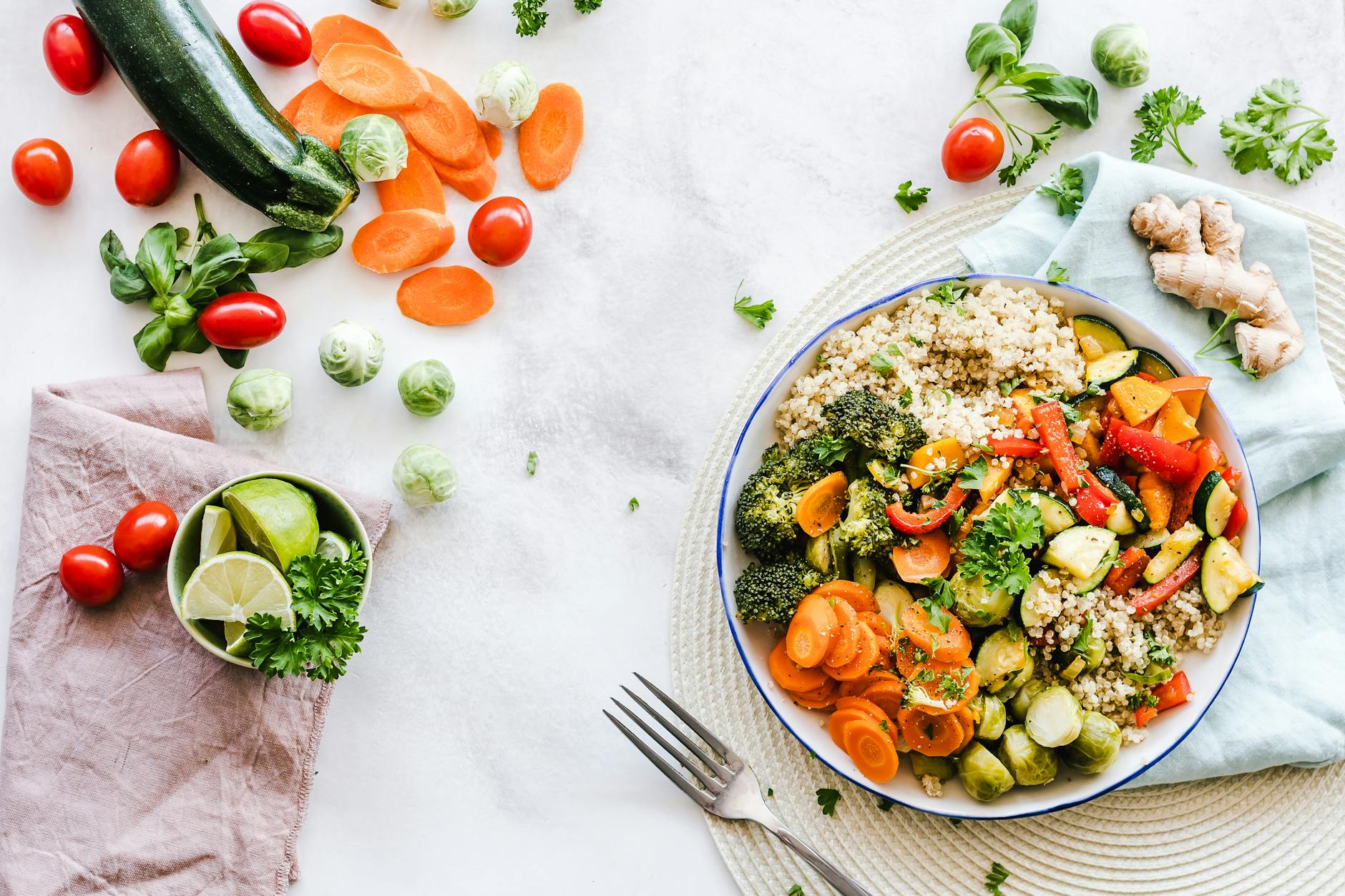
Certain foods have strong research support for liver protection. Cruciferous vegetables such as broccoli, cauliflower, Brussels sprouts, and kale contain compounds (glucosinolates) that activate detoxification enzymes in the liver. Garlic and onions provide sulfur compounds that support glutathione production — the liver's master antioxidant. Beets are rich in betaine, which helps protect liver cells and reduce fat accumulation. Walnuts are high in arginine and omega-3 fatty acids, both supportive of liver function. Green tea provides catechins that research has associated with reduced fat deposition in liver cells.
Stay Well Hydrated
Adequate water intake is foundational for liver function. The liver requires water to carry out phase I and phase II detoxification reactions and to flush water-soluble toxins into the urine. Aim for at least 8 cups (roughly 2 liters) of water daily, more if you are physically active or live in a hot climate. Herbal teas — particularly dandelion root and milk thistle tea — have a long traditional history of use for liver support, and both have emerging research to support their benefits.
Exercise Regularly
Physical activity directly reduces liver fat. Studies show that even moderate aerobic exercise — 150 minutes per week of brisk walking, cycling, or swimming — can meaningfully reduce liver fat content in people with NAFLD. Exercise also improves insulin sensitivity, reduces systemic inflammation, and supports healthy hormone metabolism, all of which ease the burden on the liver.
Minimize Liver Stressors
Alcohol is the most significant modifiable liver stressor for most adults — even modest regular consumption contributes to liver inflammation and fat accumulation over time. Limiting over-the-counter pain reliever use (particularly acetaminophen/paracetamol), reducing exposure to pesticides and chemical cleaning products, and choosing whole foods over heavily processed options all reduce the daily workload your liver must manage.
Consider Targeted Nutritional Support
Several well-studied natural compounds have meaningful evidence behind them for liver support. Milk thistle (silymarin) is the most researched liver supplement — dozens of clinical trials have examined its ability to protect liver cells from damage and support regeneration. N-acetyl cysteine (NAC) is a precursor to glutathione and is used clinically in liver protection protocols. Choline and B vitamins support the methylation pathways the liver uses for detoxification. If you are considering supplementation, discuss options with your healthcare provider to find what is appropriate for your specific situation.
Key Takeaways
Your liver does not ask for much attention — but it gives you everything in return. By learning to recognize the liver health symptoms discussed in this guide, you put yourself in a position to act before small problems become serious ones. The ten warning signs — persistent fatigue, weight-loss resistance, digestive trouble, skin changes, altered urine or stool color, abdominal discomfort, nausea, brain fog, easy bruising, and hormonal imbalances — are your body's way of asking for help.
None of these symptoms should cause panic on their own. Many have straightforward explanations unrelated to the liver. But when they cluster together, persist over time, or come alongside the known risk factors for liver disease, they deserve investigation rather than dismissal.
The most empowering thing you can do is listen. Schedule that appointment, ask for those blood tests, make the dietary shift you have been putting off. The liver is a remarkably resilient organ — given the right conditions, it can recover, regenerate, and return to doing its quiet, essential work. Early action is always your best tool for protecting long-term liver health.