10 Ways to Improve Your Smile Without Seeing a Dentist
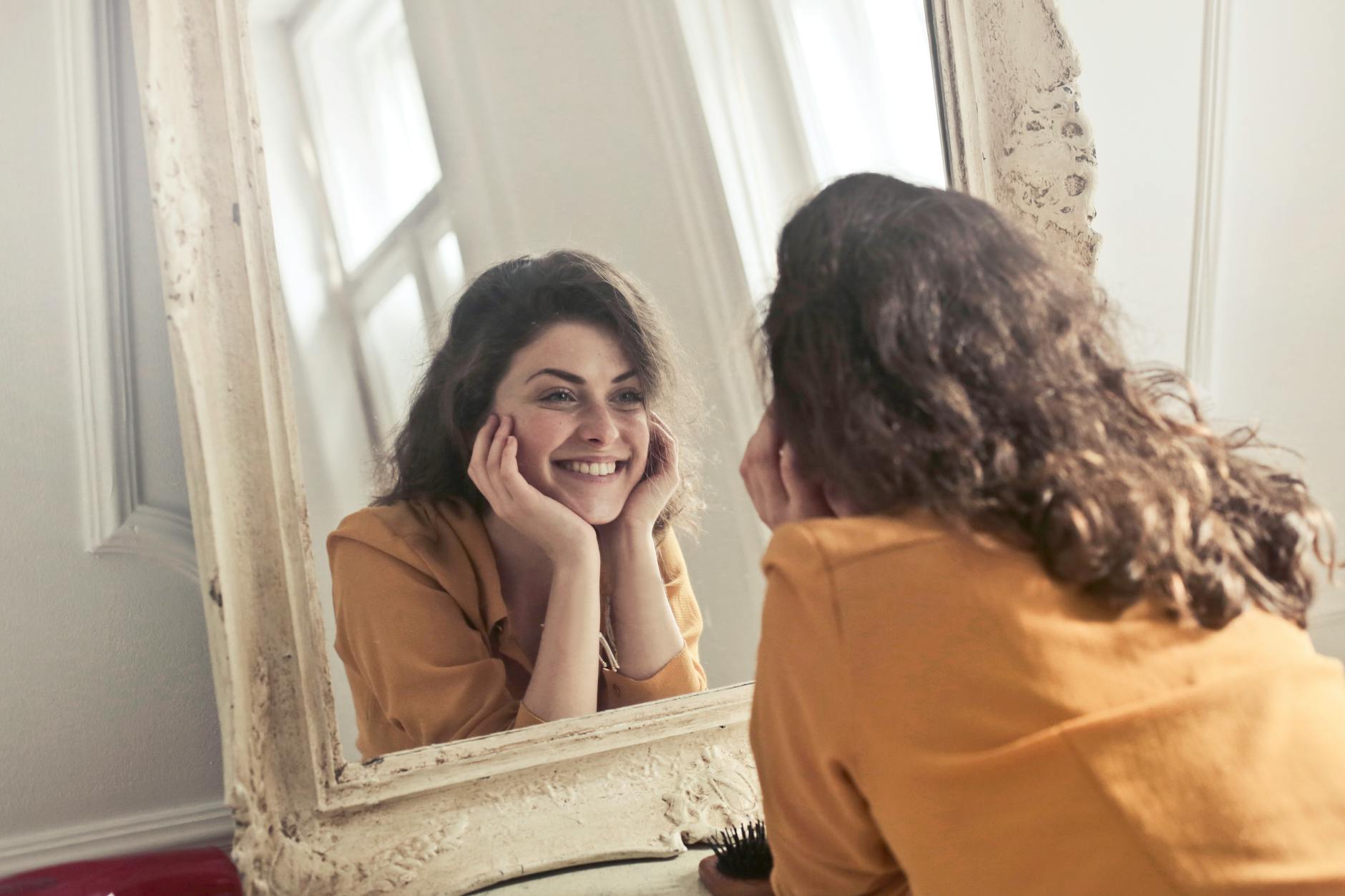
If you've ever caught yourself covering your mouth when you laugh or hesitating before a photo, you already know how much your smile affects your confidence. The good news? Learning how to improve your smile at home doesn't require an expensive dental appointment, a whitening procedure under bright lights, or any invasive treatment. There are dozens of small, practical changes you can make right now — tonight, even — that will visibly improve how your teeth look and how comfortable you feel showing them off.
This guide walks you through 10 of the most effective, accessible methods available to anyone. Some cost just a few dollars. Others cost nothing at all. What they share is that they actually work — and together, they form a genuinely powerful at home smile makeover.
Method 1: Whitening Strips
Whitening strips are one of the most widely researched over-the-counter options for improving teeth appearance without a dentist. They use a low-concentration hydrogen peroxide or carbamide peroxide gel to gently lift surface stains over a period of days or weeks.
Look for strips that carry the ADA Seal of Acceptance and follow the instructions carefully — overuse can cause temporary tooth sensitivity. Most people see noticeable results after 7 to 14 days of consistent use. For best results:
- Apply to dry teeth immediately after brushing
- Avoid eating or drinking (especially coffee or wine) for 30 minutes after use
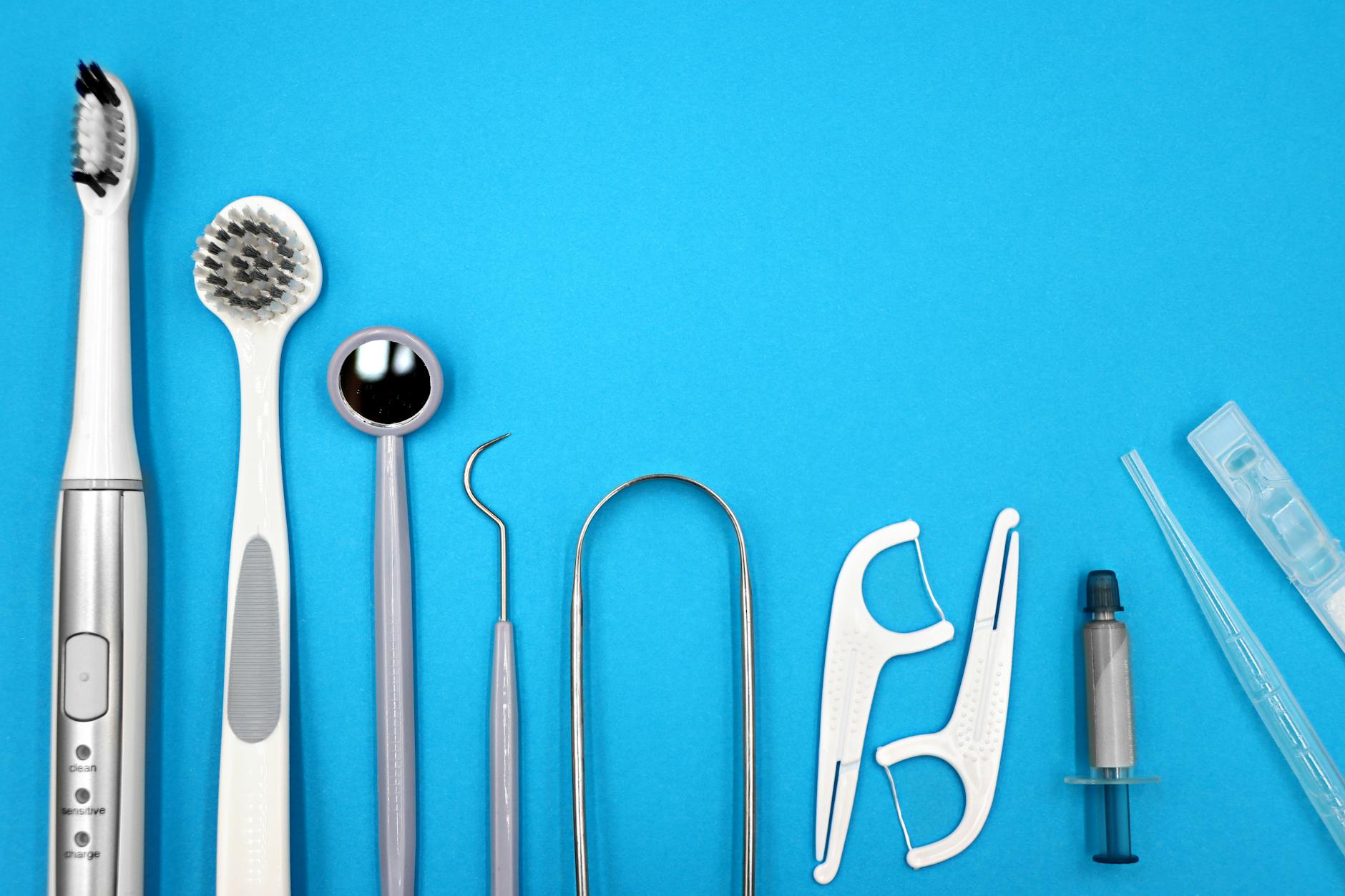
- Use a sensitive-formula toothpaste on the same days you whiten
Whitening strips won't change the color of crowns, veneers, or fillings, so keep that in mind if you have significant dental work.
Method 2: Oil Pulling
Oil pulling is an ancient Ayurvedic practice that has gained serious modern attention as a DIY teeth whitening tip and overall oral health booster. The technique involves swishing a tablespoon of oil — typically coconut oil — around your mouth for 10 to 20 minutes, then spitting it out into the trash (never the sink, as it can solidify and clog pipes).
Research published in the Journal of Traditional and Complementary Medicine found that oil pulling with coconut oil significantly reduced levels of Streptococcus mutans, one of the primary bacteria responsible for plaque. Reduced plaque means a cleaner surface that reflects light more brightly — which makes teeth appear whiter even before any whitening product is applied.
Oil pulling won't replace brushing and flossing, but as a morning ritual done before breakfast, it's a low-effort, no-cost addition that many people notice results from within two to three weeks.
Method 3: Baking Soda Brushing
Baking soda (sodium bicarbonate) is a mild abrasive with natural whitening properties. It works by physically scrubbing surface stains from enamel without being abrasive enough to cause damage when used correctly — a few times per week, not every day.
You can mix a small amount of baking soda with water to form a paste and brush with it for two minutes, or simply choose a commercial toothpaste that already contains sodium bicarbonate as an active ingredient. Multiple clinical studies have confirmed that baking soda toothpastes are more effective at removing extrinsic (surface) stains than non-baking-soda alternatives.
One important note: baking soda has no fluoride, so it shouldn't fully replace a fluoride toothpaste. Use it as a supplemental treatment rather than your primary paste.
Method 4: Avoid Staining Foods and Drinks
No whitening product will keep pace with a diet that constantly re-stains your teeth. The biggest culprits are well known — coffee, black tea, red wine, and dark berries — but there are a few surprising offenders that often go unnoticed: tomato-based sauces, balsamic vinegar, soy sauce, and even sports drinks.
The key is not to eliminate these foods entirely (life is too short to stop drinking coffee) but to be strategic about timing and rinsing. Here are the habits that make the biggest difference:
- Drink dark beverages through a straw to bypass direct contact with teeth
- Rinse your mouth with water immediately after consuming staining foods
- Wait 30 minutes before brushing after acidic drinks like coffee or juice — acids temporarily soften enamel and brushing right away can cause micro-abrasion
- Eat crunchy raw vegetables like celery and carrots, which act as natural tooth scrubbers
Pairing a whitening routine with smarter dietary habits compounds the results dramatically.
Method 5: Lip Color Tricks That Make Teeth Look Whiter
This is one of the most underrated — and completely free — methods for anyone who wears makeup. The color of your lips creates a visual contrast with your teeth, and choosing the right shades can make your teeth appear several shades brighter without any product touching your enamel.
The guiding principle is that cooler, blue-toned shades of red, pink, and berry make teeth look whiter because they sit on the opposite side of the color wheel from yellow. Conversely, orange-based or brown-toned nudes can make teeth look more yellow by comparison.
Shades to seek out:
- True reds with a blue or purple base (classic red lipstick)
- Berry and plum tones
- Cool-toned pinks and rose shades
- Mauve nudes with pink undertones rather than peach or tan
This trick works for all skin tones — the key is simply choosing the cooler version within your preferred color family.
Method 6: Posture, Lighting, and Facial Expression
Before you dismiss this one as too soft — hear it out. The way you smile has a measurable impact on how bright and attractive your teeth appear in both real life and photos. A relaxed, slightly open smile with good chin position genuinely looks better than a forced, stiff grin.
A few evidence-backed tips:
- Tilt your chin slightly downward and forward — this elongates the neck and reduces shadows under the chin, while angling teeth more toward the light
- Smile with your eyes (the "Duchenne smile") — genuine engagement of the orbicularis oculi muscles around the eyes makes a smile appear more natural and attractive to observers
- Face natural light when possible — overhead lighting creates unflattering shadows; soft, front-facing natural light makes teeth appear naturally brighter
- Relax your jaw — tension in the jaw and cheeks makes teeth appear shorter and the smile look strained
These are the kinds of adjustments professional photographers and portrait coaches teach, and they can make a significant difference in how your smile registers.
Method 7: Professional-Strength Whitening Trays (Without the Chair)
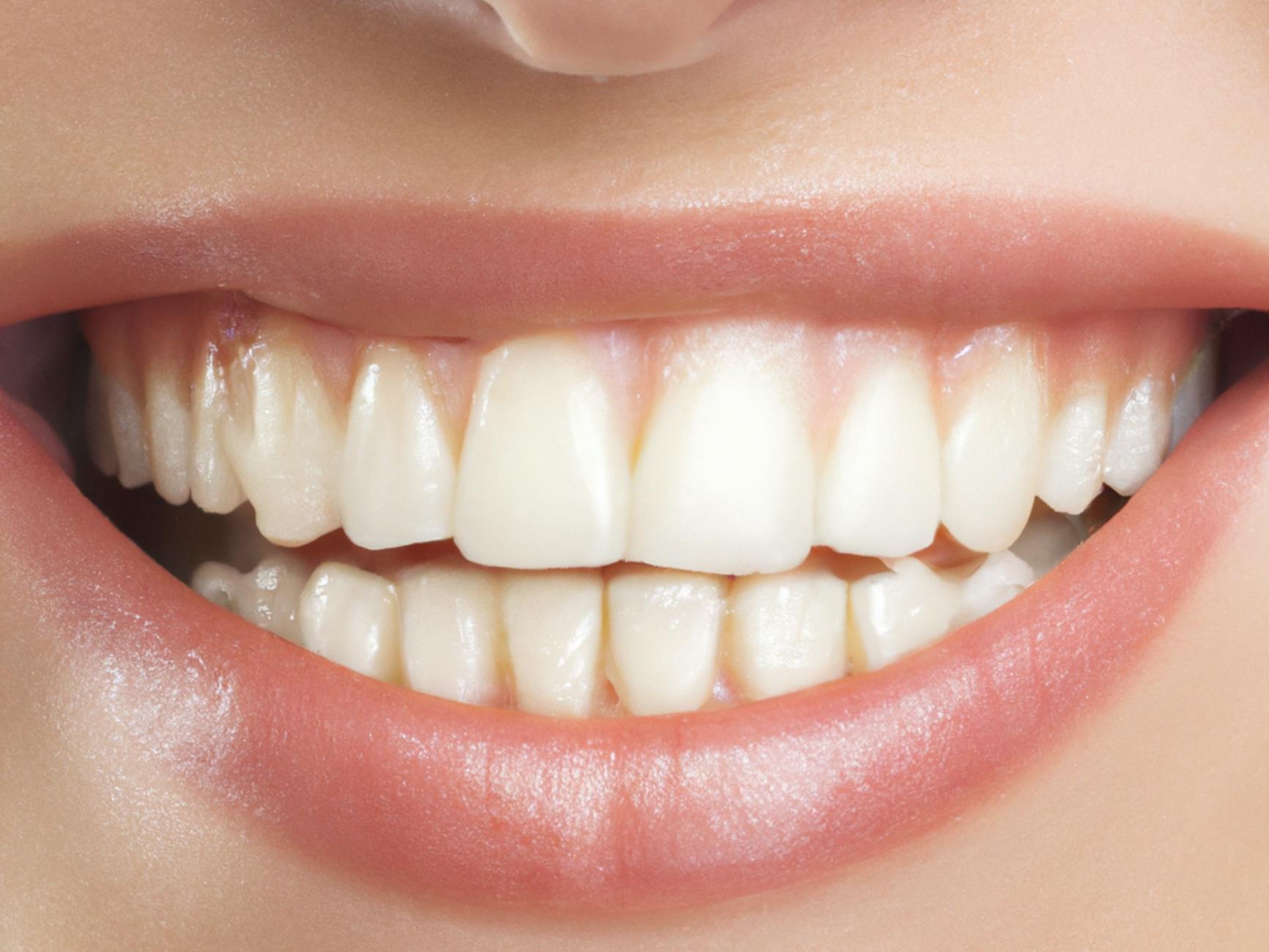
Many people don't realize that dentist-style whitening trays are available without an in-office visit. Several reputable brands now offer customizable trays with carbamide peroxide concentrations ranging from 10% to 22% — similar to what a dental office would use, but designed for gradual at-home application over two to four weeks.
The advantage over strips is coverage: trays coat every surface of the tooth more evenly, including between teeth where strips sometimes miss. They're particularly effective for people whose staining is more pervasive or who haven't responded as well to strip-based products.
Important caveats:
- Higher concentrations require shorter wear times — follow the included instructions
- If you have sensitive teeth, start with the lowest available concentration
- Avoid these products if you have exposed root surfaces, cracked enamel, or active cavities
Custom-fit trays (where you boil and bite a moldable tray) tend to outperform one-size-fits-all designs and are worth the modest extra cost.
Method 8: Build a Consistent Mouthwash Routine
Mouthwash is frequently used as an afterthought — a quick swish after brushing before heading out the door. Used intentionally, however, it's a genuinely useful tool in an at home smile makeover.
For whitening purposes, look for mouthwashes containing hydrogen peroxide (typically 1.5% to 3%). For overall oral health, cetylpyridinium chloride (CPC) and chlorhexidine-based formulas are clinically proven to reduce plaque and gingivitis, which contributes to a healthier-looking gumline and fresher breath — both underrated components of an attractive smile.
The best routine looks like this:
- Floss first to remove food debris from between teeth
- Brush for two full minutes with a fluoride toothpaste
- Rinse with mouthwash for 30 to 60 seconds, then do not eat or drink for 30 minutes
- Repeat twice daily — morning and before bed
Consistency over weeks and months produces far better results than intensity over a single day.
Method 9: Explore Cosmetic Options Like Snap-On Veneers
For people whose concerns go beyond staining — gaps, chips, uneven sizing, or significant discoloration that whitening can't address — cosmetic overlays offer a non-invasive, reversible option to consider. Snap-on veneers are removable dental covers made from dental-grade resin that fit over your existing teeth to temporarily change their appearance for social occasions, photos, or everyday wear.
Unlike permanent porcelain veneers (which require irreversible enamel removal), snap-on styles don't alter your natural teeth at all. They're typically custom-made from dental impressions and can dramatically change the visual appearance of a smile for situations where confidence matters most.
They are not a substitute for dental treatment — anyone with pain, decay, or gum disease should always see a professional first. But as a cosmetic confidence tool for otherwise healthy teeth, they represent one of the more significant developments in the accessible, improve teeth appearance without dentist category in recent years.
Method 10: Smile More Often
This may sound deceptively simple, but the science behind it is solid. Research consistently shows that smiling more frequently — even deliberately, and even when you don't initially feel like it — produces measurable psychological benefits that in turn make your smile look more natural and attractive.
A study published in Psychological Science found that the act of smiling, regardless of the trigger, activates neural feedback that elevates mood. Over time, people who smile more often also develop stronger facial muscle tone around the mouth, which contributes to a more defined, expressive smile.
Beyond the biology, there's a social reality: people who smile comfortably are perceived as more confident, trustworthy, and approachable. And perceived confidence is its own form of attractiveness. Practicing your smile in a mirror — not rehearsing a fake expression, but becoming familiar and comfortable with how your smile looks — is a genuine technique used by public speakers, actors, and executives before high-stakes appearances.

Key Takeaways
Knowing how to improve your smile at home comes down to layering small, consistent habits that compound over time. No single method listed here is a magic solution — but combining three or four of them produces results that are genuinely visible, often within just a few weeks. Here's a quick summary of what the evidence supports most strongly:
- Whitening strips and at-home trays are the most clinically validated options for reducing tooth staining
- Baking soda brushing and oil pulling are low-cost, low-risk supplements that support a cleaner baseline
- Diet awareness is the most commonly overlooked factor — whitening products fight a losing battle against daily coffee and wine if no rinsing habits are in place
- Lip color and lighting are instant, cost-free visual adjustments that work immediately
- Consistency in your mouthwash routine improves gum health and breath, two factors that shape how a smile is perceived beyond just tooth color
- Smiling more often builds comfort and confidence, which is ultimately what makes any smile — regardless of shade — look genuinely great
Your smile is one of the first things people notice about you, and you have more control over how it looks than you might think. Start with whichever two or three methods feel most accessible, build the habit, and add more over time. The results tend to surprise people.
A note on dental health: The methods in this article address cosmetic appearance and are not a substitute for professional dental care. If you have tooth pain, swollen gums, sensitivity, or haven't had a checkup in over a year, please see a licensed dentist. Cosmetic improvements work best on a foundation of healthy teeth and gums.