7 Kitchen Organization Upgrades That Actually Save You Time While Cooking
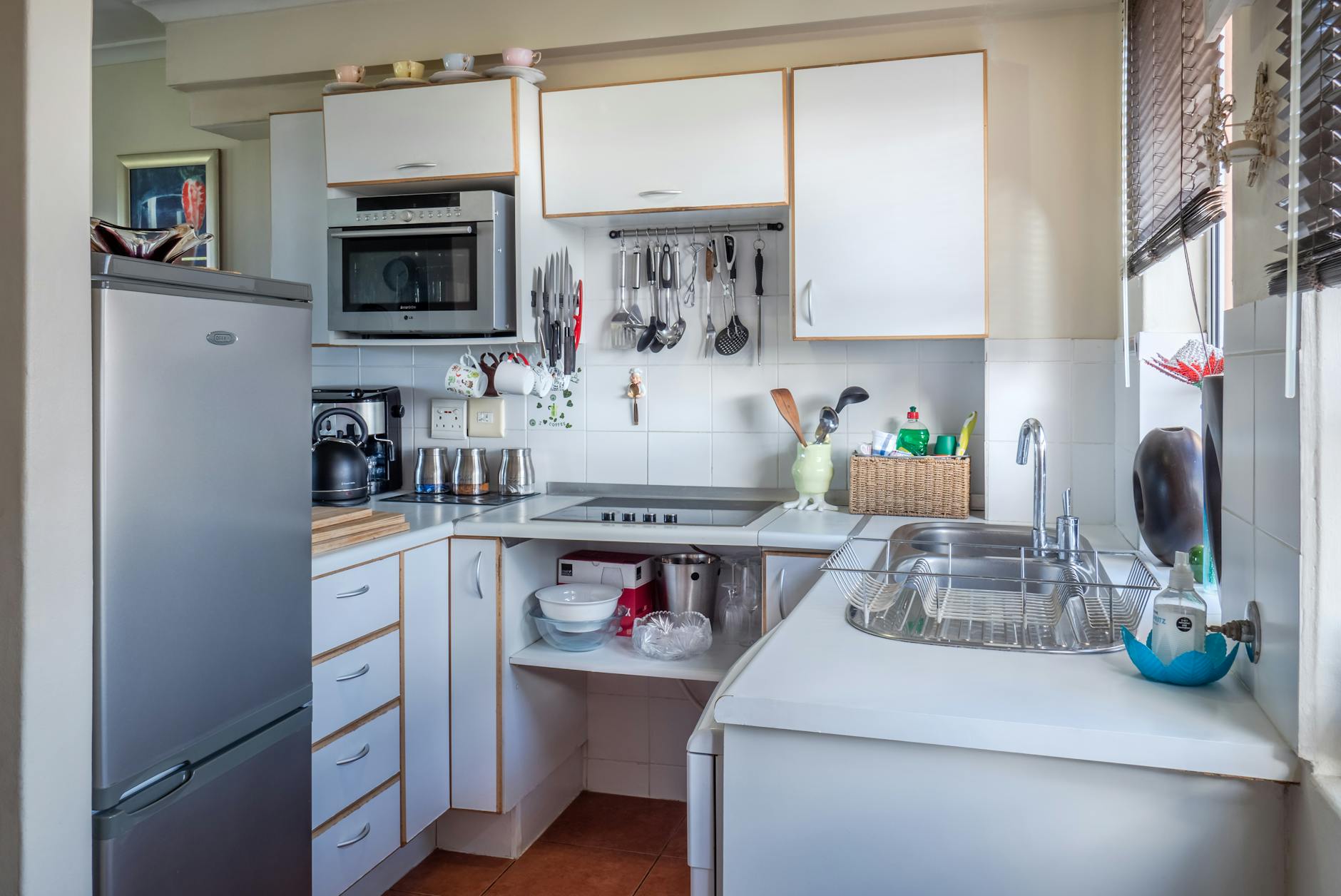
If you have ever started a recipe only to spend the first ten minutes hunting for your peeler, clearing counter space, or untangling measuring cups from a drawer, you already know how much kitchen disorganization costs you — not in money, but in time and mental energy. The best kitchen organization tips are not about buying more stuff or doing a weekend-long overhaul. They are about small, strategic changes that pay back minutes every single time you cook.
This guide covers seven upgrades that real home cooks use to streamline their kitchens, reduce friction, and actually enjoy the cooking process. Whether you are working with a sprawling open-plan kitchen or trying to figure out how to organize a small kitchen in a city apartment, these ideas are practical, affordable, and immediately actionable.
1. Define Your Workflow Zones — Then Stick to Them
Professional kitchens operate on a principle called the "work triangle," but the concept applies equally well at home: every action in your kitchen should happen in a logical sequence, and the tools for that action should be right where you need them. Think in terms of three zones: a prep zone (where you cut, measure, and mix), a cook zone (the stove and immediate surroundings), and a clean zone (the sink and dishwasher area).
Once you identify those zones, move your equipment to match. Knives and cutting boards belong in the prep zone. Spatulas, tongs, and pot holders belong next to the stove. Dish soap, sponges, and drying racks belong at the sink. This sounds obvious, but most kitchens have tools scattered randomly because things were put away wherever there was room rather than where they are actually used.
The payoff is immediate. When everything is in its logical place, meal prep becomes almost automatic. You stop backtracking across the kitchen for a spoon you left near the sink, and you stop wasting mental energy remembering where things are.
2. Declutter Your Counter — Treat It Like Premium Real Estate
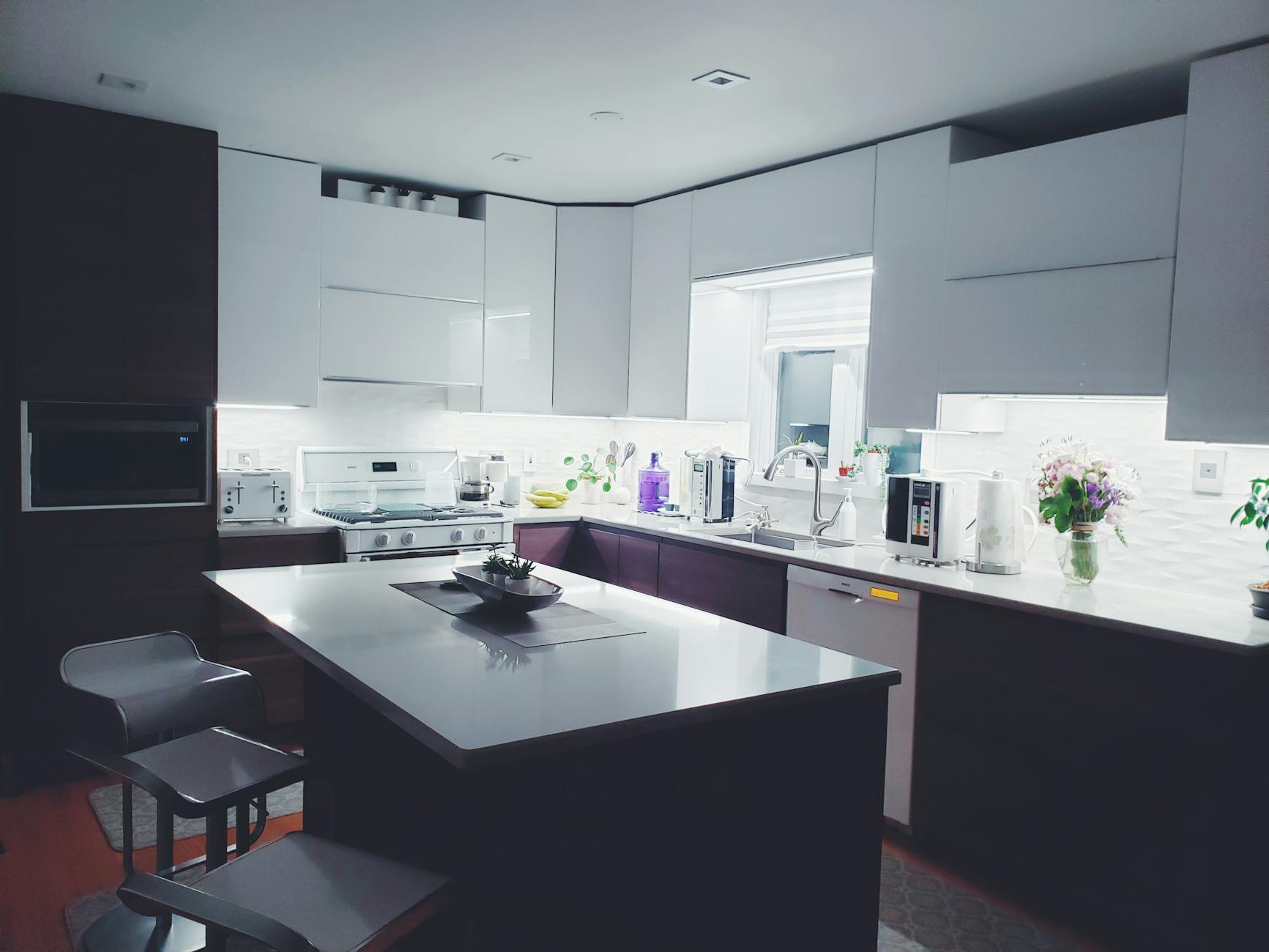
Counter space is the single most valuable resource in any kitchen, and most of us give it away for free. A toaster that gets used twice a month, a decorative fruit bowl filled with old limes, a pile of mail, a coffee maker you barely use — each of these items is occupying space that could be active prep area.
The rule that works for most home cooks: only keep appliances on the counter that you use at least three times a week. Everything else — including that beautiful stand mixer — earns its counter spot by frequency of use, not by size or price. Move infrequent items to a cabinet or pantry shelf. You will be surprised how much more spacious even a small kitchen feels when the counters are clear.
When you declutter kitchen counter surfaces down to the essentials, two things happen. First, prep becomes faster because you have room to actually work. Second, cleanup becomes faster because there are fewer items to wipe around. The ripple effect on your daily cooking routine is significant.
A practical approach: take everything off your counter for one week. Put back only what you genuinely reach for. After seven days, you will have a very honest picture of what actually earns its place on the surface.
3. Switch to Vertical Storage Wherever Possible
Most kitchen storage is horizontal by default — stacks of pots, piles of lids, towers of Tupperware. Horizontal stacking is the enemy of efficiency because accessing anything in the middle of a stack means moving everything above it. Vertical storage eliminates that problem entirely.
A few changes that make a meaningful difference:
- Lid organizers: Standing lids vertically in a rack means you can grab any lid without disturbing the others. Cheap and widely available, these are one of the best returns on investment in kitchen storage.
- Baking sheet and cutting board dividers: Instead of stacking flat items, stand them on edge. Grabbing a specific baking sheet is now a one-second task instead of a careful balancing act.
- Shelf risers inside cabinets: These double your usable cabinet space by creating a second level on any shelf. Ideal for canned goods, spice jars, and small appliances.
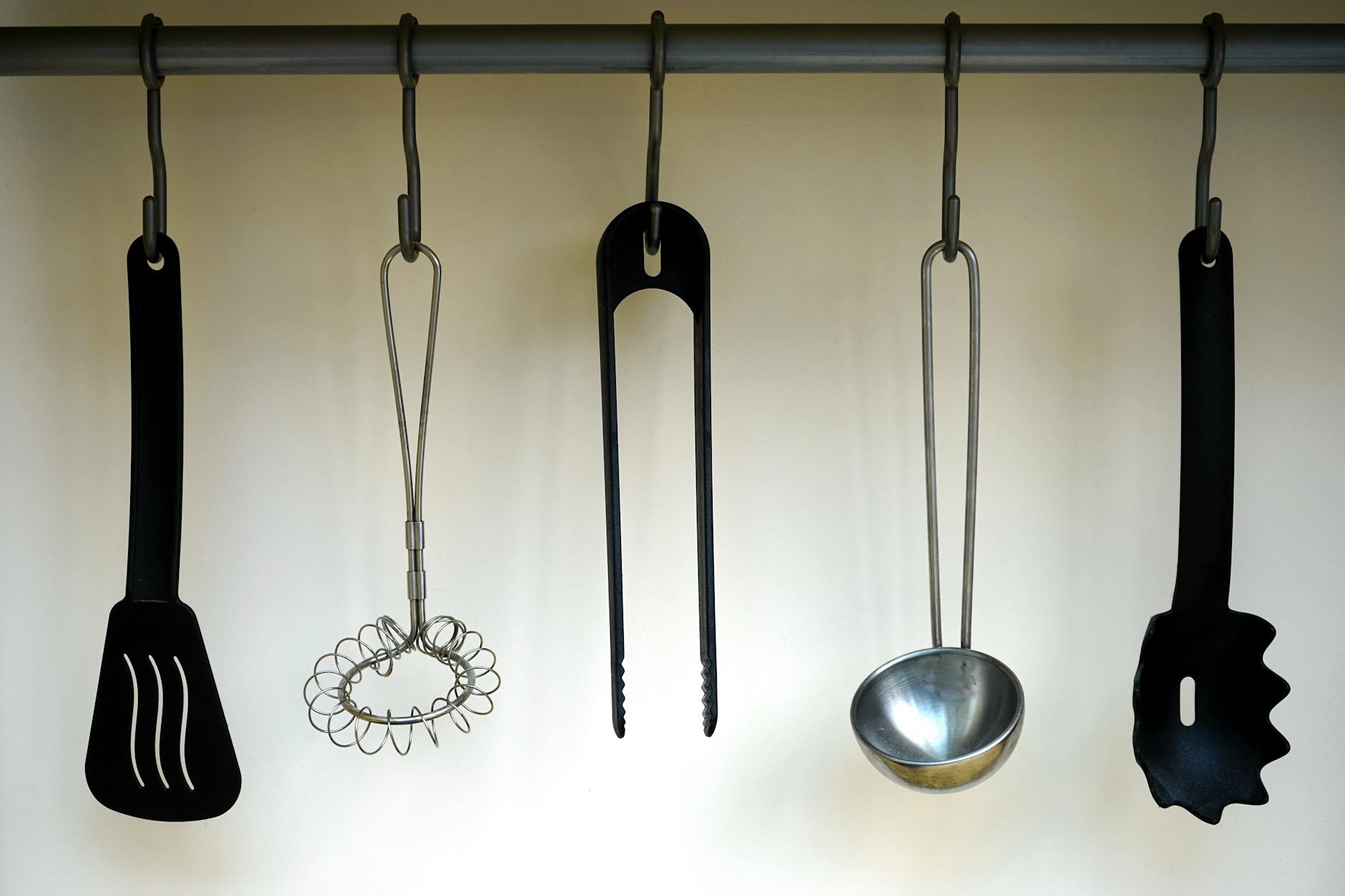
- Hanging rail systems: Mounting a simple rail above your prep or cook zone and hanging frequently used utensils keeps your drawers clear and your most-used tools visible and accessible in seconds.
4. Consolidate Your Tools — One Multi-Tasker Beats Five Single-Purpose Items
Every drawer full of single-purpose gadgets is a drawer that takes longer to search, harder to maintain, and quicker to become chaotic. One of the most underrated kitchen efficiency tips is simply replacing clusters of single-function tools with one well-designed multi-purpose alternative.
Think about what typically clutters a kitchen drawer: a box grater, a separate zester, a separate slicer, a julienne peeler, and an ordinary peeler. These are five tools that could be replaced by a single adjustable mandoline or a quality box grater with interchangeable inserts. The same principle applies to measuring: a digital kitchen scale eliminates the need for most measuring cups and spoons while also being more accurate.
Cutting boards are another area where consolidation pays off. A basic flat board does one job. But boards designed with built-in features — integrated juice grooves, collapsible legs that angle the board toward a bowl, built-in herb strippers, or removable compartments for scraps — effectively replace several separate tools and keep your workspace tidier during active prep. Choosing fewer, more capable tools is one of the most effective kitchen organization tips because it reduces the total volume of items you need to store, find, and clean.
The test for any tool you already own: if you could not easily tell a friend what it does and why you need it separately, it is probably a consolidation candidate.
5. Create a "First Out, Last In" System for Your Pantry and Fridge
Disorganized pantries and fridges are a hidden time drain. When you cannot see what you have, you buy duplicates, forget about ingredients until they expire, and spend extra minutes every evening figuring out what you actually have to cook with. A simple rotation system — older items at the front, newer items at the back — solves most of this.
For the pantry, clear containers are transformative. Decanting pasta, grains, and cereals into uniform clear canisters does two things: it makes contents instantly visible without pulling anything out, and it makes the pantry dramatically easier to keep tidy because uniform shapes stack and line up cleanly. Label everything with the contents and the date it was added.
For the fridge, dedicate one shelf or drawer to "use first" items — anything approaching its best-by date or leftovers that need to be eaten within two days. Making that shelf visible and accessible at eye level means it actually gets used rather than forgotten. This small system reduces food waste, which is itself a form of kitchen efficiency — you cook with what you have rather than discovering a forgotten ingredient too late.
6. Master the "Mise en Place" Habit Before You Start Cooking
Mise en place is French for "everything in its place," and it is the single habit that separates stress-free cooking from chaotic cooking. Professional chefs do not start cooking and then go find their ingredients mid-recipe. They prep everything first — measured, chopped, portioned, and arranged — before the first burner is switched on.
Adopting this habit at home transforms the experience of cooking. When everything is prepped and within arm's reach before you start, you stop making the frantic mid-cook trips to the pantry, the spilled flour because you were rushing, the overcooked garlic because you were busy finding the next ingredient. The cooking itself becomes calm and controlled.
Good kitchen organization tips support this habit physically: keep small prep bowls in an accessible spot (not buried behind your rarely-used springform pan), have a dedicated scrap bowl on the counter during prep to avoid trips to the bin, and ensure your prep zone has enough clear space to lay everything out before you begin. When your kitchen is organized to support mise en place, you will cook faster, waste less, and enjoy the process significantly more.
7. Organize Your Drawers With Inserts — Stop Digging, Start Grabbing
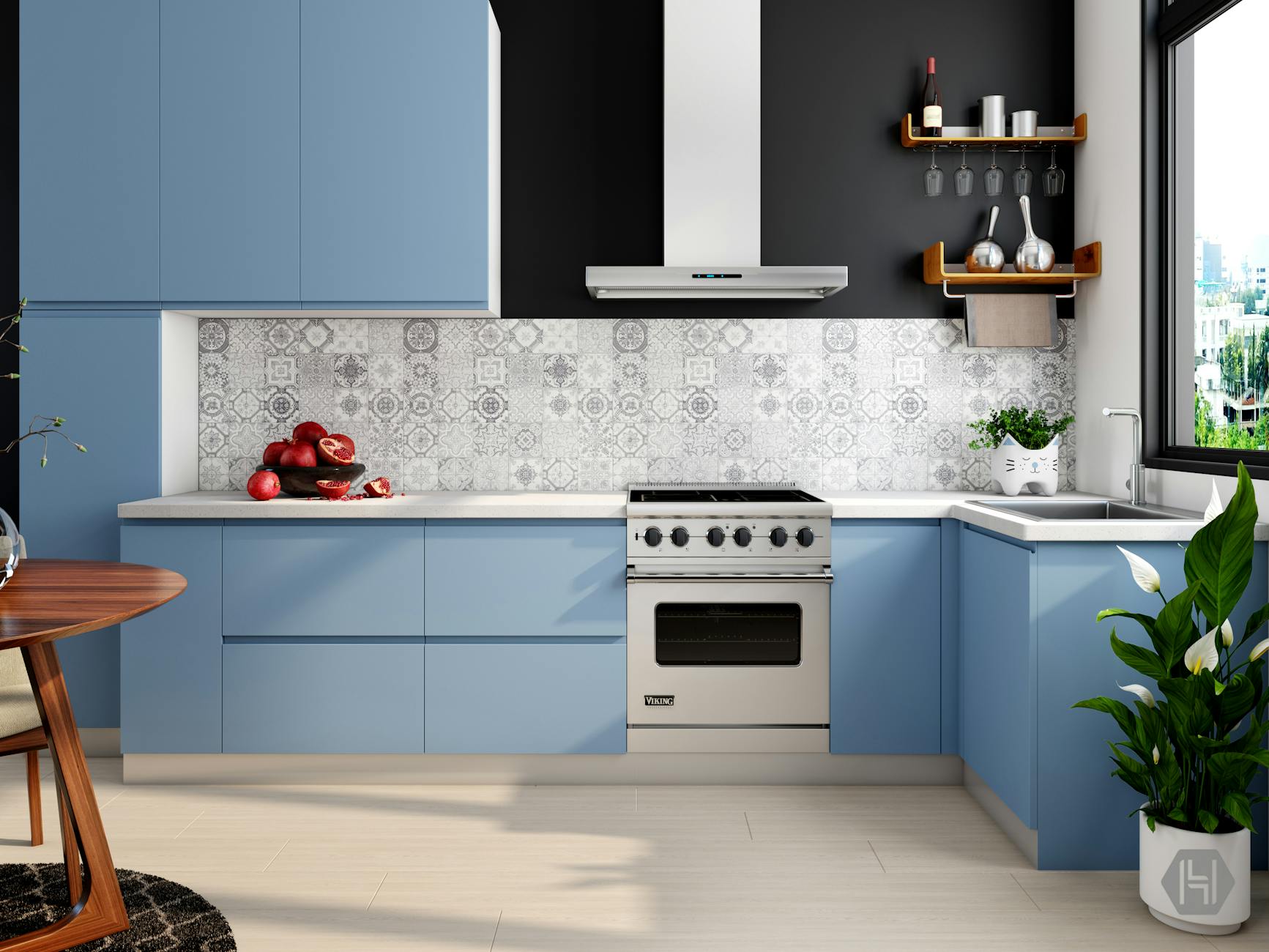
Junk drawers are not just a kitchen cliche — they are an active time cost. Every time you open a disorganized drawer and have to dig through it for the right tool, you are paying a small tax on your cooking time. Multiply that by how many times you open a drawer per cooking session, and the total adds up quickly.
Drawer inserts and dividers are among the most cost-effective ways to organize a small kitchen. They come in modular formats that fit most standard drawer sizes, and they turn a chaotic jumble into a tray where every item has a designated slot. You no longer search — you reach. The investment is minimal, the payoff is daily.
A few principles for effective drawer organization:
- Group by task, not by type. Keep your can opener, bottle opener, and foil cutter together because they are all "opening" tools, even if they look different.
- Put the most-used items at the front. Your spatula and wooden spoon should be front-and-center. The pastry brush can go in the back.
- Audit regularly. Every few months, take everything out of a drawer and ask yourself what actually belongs there. Kitchens accumulate clutter incrementally — periodic audits reset the baseline.
- Do not over-fill. A drawer with inserts only works if there is room to actually see and grab items. Leave some breathing room rather than cramming everything in.
The same logic applies to your cutlery drawer, your spice drawer, and even the drawer where you keep plastic bags and wraps. Once every frequently opened drawer has structure, the cumulative effect on your cooking speed is genuinely noticeable.
Key Takeaways
Getting a more efficient kitchen does not require a renovation, a big budget, or a full weekend of work. The kitchen organization tips that make the biggest practical difference tend to be the simplest: define your zones, protect your counter space, go vertical wherever you can, consolidate single-purpose tools, rotate your pantry and fridge, prep before you cook, and give every drawer a structure.
What these seven upgrades have in common is that they all reduce decision fatigue and physical friction. When your kitchen is set up intelligently, you spend less mental energy on logistics and more attention on the actual cooking. That makes meals better, cleanup faster, and the whole experience of being in the kitchen more enjoyable — whether you are making a quick weeknight dinner or cooking for a crowd on a Saturday afternoon.
Start with whichever one frustrates you most right now. Even a single change — clearing your counter, adding a lid rack, or finally sorting that chaotic utensil drawer — will create a ripple of improvement through every cooking session that follows. Kitchen efficiency tips only work when you actually use them, so pick the one with the lowest barrier and start there.