Are Scented Candles Actually Bad for You? What the Research Says
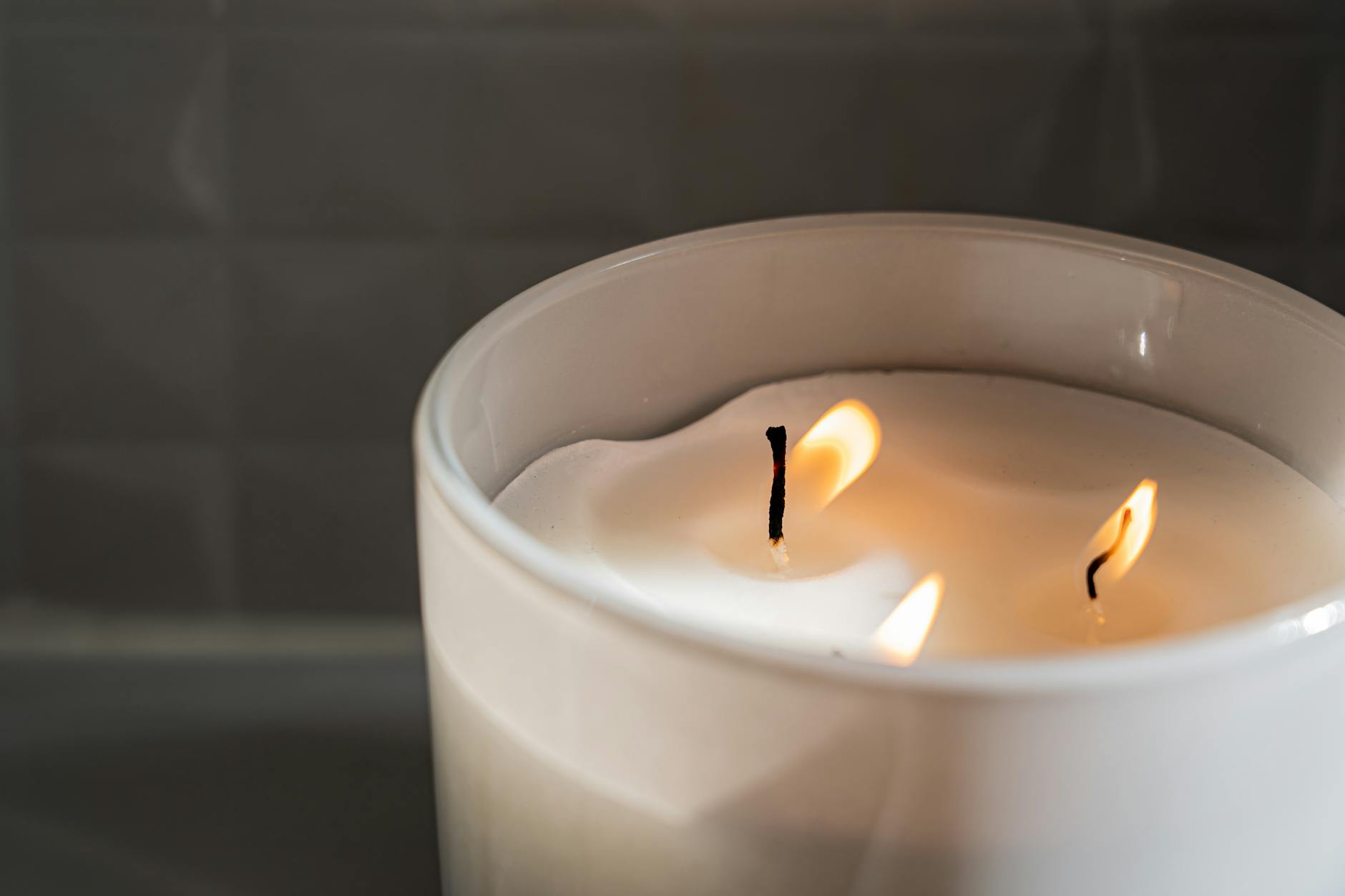
The global scented candle market was worth over $13 billion in 2025, and it keeps growing. Candles are everywhere — in living rooms, bathrooms, yoga studios, and on every "self-care" list imaginable. Yet a growing number of researchers, allergists, and indoor air quality scientists are asking a more inconvenient question: are scented candles toxic, and should we be paying more attention to what they release into our homes?
This is not a niche concern. The U.S. Environmental Protection Agency (EPA) classifies indoor air pollution as one of the top five environmental risks to public health, and household combustion sources — including candles — are a documented contributor to indoor VOC and particulate levels. That does not mean you need to throw out every candle in your home. But it does mean the evidence is worth understanding clearly, without alarm or dismissal.
This article draws on peer-reviewed research and guidance from the EPA and WHO to explain exactly what candles release when burned, which types are worse, who is most vulnerable, and what practical steps reduce your exposure significantly.
What Candles Actually Release When They Burn
Combustion is never perfectly clean. When a candle burns, it is undergoing an incomplete combustion reaction that converts wax, fragrance compounds, and wick materials into heat, light, water vapor, carbon dioxide — and a range of other byproducts that vary depending on the candle's composition.
The main categories of concern for human health are:
Volatile Organic Compounds (VOCs)
Paraffin candle VOCs are among the most studied emissions from household candles. VOCs are carbon-containing chemicals that evaporate at room temperature and react readily with other airborne compounds. A 2009 study published in the journal Environmental Health Perspectives identified more than 300 distinct chemical compounds emitted by paraffin candles, including benzene, toluene, formaldehyde, acetaldehyde, and acrolein. Several of these are classified as probable or known human carcinogens by the International Agency for Research on Cancer (IARC).
Benzene, in particular, has no established safe level of exposure. Even brief, repeated exposures accumulate over time. Scented candles compound this issue because the fragrance oils themselves — whether synthetic or "natural" — are often complex chemical mixtures that generate additional VOCs when heated and burned.
Particulate Matter and Soot
Candle soot particulate matter is the fine black residue you sometimes see deposited on walls or ceilings above frequently burned candles. But the more significant health concern is the ultrafine particles — those smaller than 2.5 micrometers in diameter (PM2.5) — that are not visible to the naked eye but penetrate deep into the lungs.
A 2001 study by researchers at the South Carolina Department of Health and Environmental Control found that burning candles in a small, poorly ventilated room raised PM2.5 levels to concentrations comparable to a moderately polluted outdoor urban environment. The EPA sets an outdoor air quality standard of 35 micrograms per cubic meter for 24-hour PM2.5 exposure — and candle burning in enclosed spaces can exceed that threshold.
Polycyclic Aromatic Hydrocarbons (PAHs)
PAHs are a class of compounds formed during incomplete combustion of organic materials. Many are mutagenic and carcinogenic at high doses. Research has detected low levels of PAH emissions from paraffin candles, though the concentrations are generally much lower than those associated with tobacco smoke or wood-burning fireplaces.
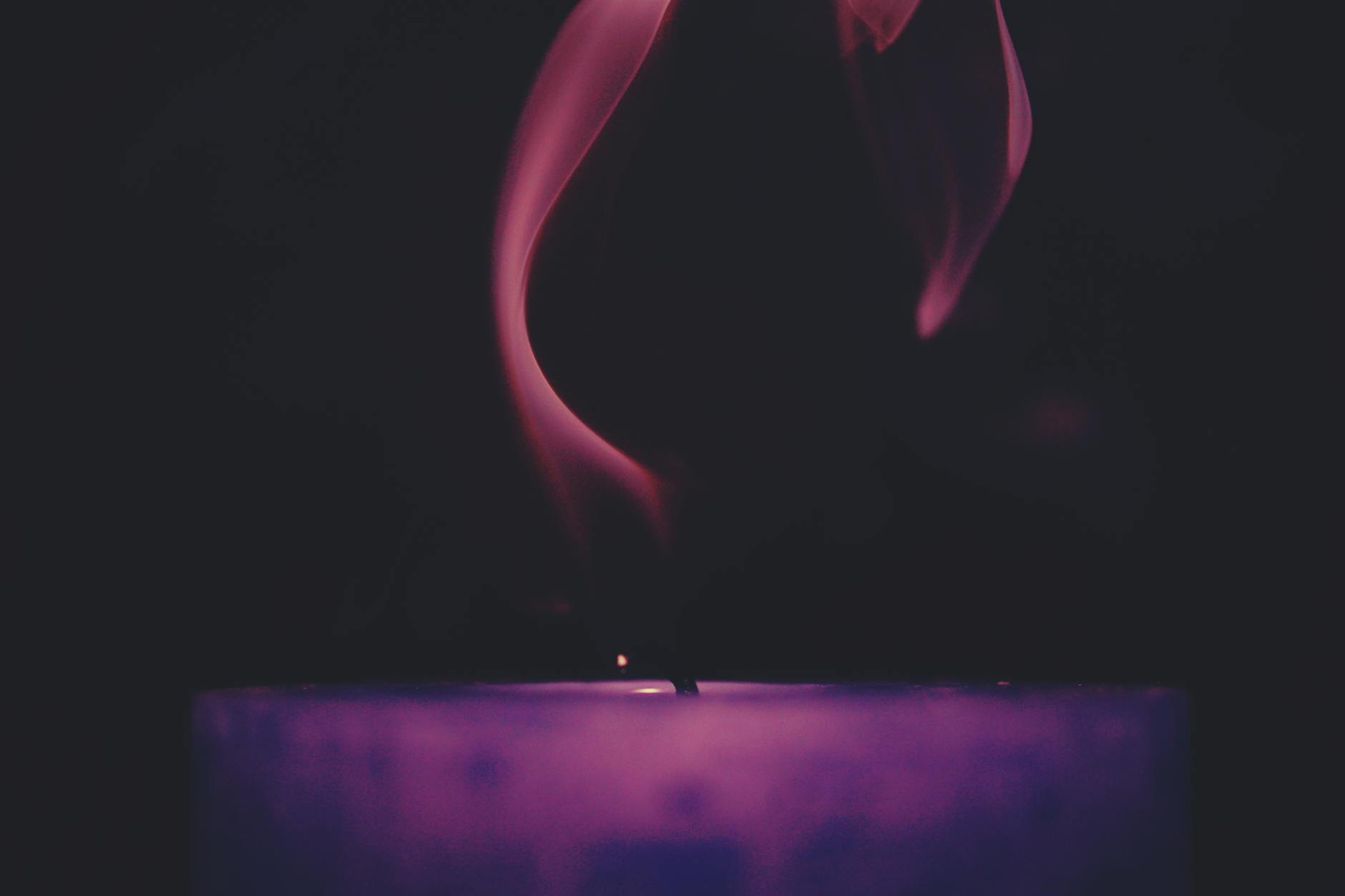
Paraffin vs Soy vs Beeswax: Does Wax Type Actually Matter?
The candle industry has leaned heavily on the marketing narrative that "natural" waxes — soy and beeswax — are inherently cleaner and safer than paraffin. The research tells a more complicated story.
Paraffin Wax
Paraffin is a petroleum-derived wax and the most common candle material globally. Because it originates from crude oil refining, it contains trace hydrocarbons that contribute to higher VOC emissions compared to plant-based alternatives. A widely cited 2009 study from South Carolina State University concluded that paraffin candles released chemicals "known to cause cancer, birth defects, and other health problems" at concentrations that could be concerning under certain conditions. However, critics of that study noted it used elevated burn rates and poor ventilation — conditions more extreme than typical home use.
The consensus in the peer-reviewed literature is that paraffin candles do produce more VOCs and soot than soy or beeswax candles, particularly when lower-quality paraffin is used or when the candle contains synthetic fragrance oils.
Soy Wax
Soy wax is derived from hydrogenated soybean oil and is marketed as a cleaner-burning alternative. Studies do show lower particulate and VOC emissions from plain soy wax candles compared to paraffin. However, the advantage shrinks considerably once fragrance oils are added. A 2020 study in the journal Atmospheric Environment found that fragrance additives — not wax type — were the dominant driver of VOC concentrations in most scented candles, regardless of whether the base was paraffin or soy.
Beeswax
Beeswax is the oldest candle material and generally considered the cleanest-burning option by researchers. It produces minimal soot, very low VOC emissions, and releases no petroleum-derived compounds. Some proponents also claim beeswax candles emit negative ions that purify indoor air — a claim that is not well-supported by peer-reviewed evidence, though the low-emission profile of beeswax itself is legitimate.
The practical takeaway: wax type matters, but fragrance content matters more. An unscented paraffin candle produces fewer harmful emissions than a heavily fragranced soy candle.
Wick Materials and Their Role in Emissions
The wick is often overlooked in candle safety discussions, but it plays a measurable role in what a burning candle releases.
Until the early 2000s, many candle manufacturers used lead-core wicks to keep the wick upright. Lead combustion releases lead particulates into the air — a serious health hazard with no safe level of exposure, particularly for children. In 2003, the U.S. Consumer Product Safety Commission banned lead-core wicks in candles sold in the United States, so this is no longer a concern for candles manufactured domestically or imported from regulated markets. If you have old candles or candles from unregulated sources, checking the wick for a metallic core is worthwhile.
Modern wicks are typically made from cotton, paper, or wood. Cotton wicks are the most common and produce lower emissions than older metallic-core wicks. Wooden wicks — the kind that crackle like a small fireplace — produce slightly more particulate matter than cotton but remain within acceptable ranges for most healthy adults. Wicks that are too long, however, dramatically increase soot and VOC output from any candle type. Keeping wicks trimmed to approximately 6 mm (about a quarter inch) before each burn is one of the most effective and simple steps you can take to reduce emissions.
What the EPA and WHO Say About Indoor Air Pollution From Candles
The EPA's guidance on indoor air quality at home lists combustion products — including those from candles, incense, and air fresheners — as a category of indoor pollutant warranting attention. The agency notes that because people spend roughly 90 percent of their time indoors, even modest indoor pollution levels can represent a significant cumulative exposure compared to outdoor air.
The WHO's 2010 guidelines on indoor air quality identify fine particulate matter (PM2.5) and VOCs as the primary pollutants of concern from indoor combustion sources. While most WHO and EPA guidance focuses on cooking stoves, wood-burning fireplaces, and tobacco smoke as the dominant sources, candles and incense are explicitly named as contributing sources in poorly ventilated spaces.
Neither the EPA nor WHO recommends banning candle use outright. Their guidance consistently emphasizes ventilation as the primary mitigation strategy: opening windows, using exhaust fans, and limiting simultaneous burn duration reduces indoor accumulation of candle-related pollutants to levels that pose minimal risk for most healthy adults.
It is also worth noting context: a single candle burned occasionally in a well-ventilated room is categorically different from burning multiple heavily scented candles daily in a small apartment with the windows closed. The research showing measurable health effects typically involves the latter scenario.
Who Is Most at Risk From Candle Fumes?
Candle fumes health effects are not distributed equally across the population. Research consistently identifies several groups for whom candle use warrants more careful consideration.
People With Asthma or COPD
Scented candles and asthma is a well-documented concern. PM2.5 and VOCs are established asthma triggers. A 2016 review published in Allergy found that indoor combustion sources, including candles and incense, were associated with increased asthma exacerbations in both children and adults. Fragrance compounds — particularly limonene, linalool, and eugenol found in many scented candles — can react with ozone in indoor air to form formaldehyde and other respiratory irritants even after the candle is extinguished.
The American Lung Association recommends that people with asthma or COPD avoid burning scented candles in their primary living spaces, or limit exposure strictly through ventilation.
Infants and Young Children
Children's developing respiratory systems are more susceptible to particulate and VOC exposure than adult lungs. Research on childhood asthma development has identified early-life exposure to indoor air pollutants as a risk factor. Parents of infants and toddlers are advised to avoid burning candles in nurseries or in rooms where young children spend significant time, and never to burn candles in a room with a sleeping infant.
Pregnant Women
Some VOCs released by scented candles — benzene, formaldehyde, and certain phthalates found in synthetic fragrance — have been associated with adverse reproductive outcomes in occupational exposure studies. The concentrations from casual candle use are far below occupational thresholds, but a precautionary approach is reasonable during pregnancy.
Pets
Birds are extremely sensitive to airborne toxins due to their highly efficient respiratory systems — even low-level VOC and soot exposure can be fatal to pet birds. Cats and dogs are less acutely sensitive but can experience respiratory irritation from heavy candle use in poorly ventilated spaces.
Practical Steps to Reduce Candle-Related Air Pollution at Home
The good news is that indoor air quality at home can be meaningfully improved without giving up candles entirely. The following steps are grounded in EPA guidance and the research literature.
- Trim your wick before every burn. Keep wicks to 6 mm (1/4 inch). A longer wick produces a larger, more unstable flame that generates significantly more soot and VOCs.
- Ventilate the room. Open a window slightly or run a bathroom exhaust fan when burning candles. Even modest air exchange dramatically reduces indoor pollutant accumulation.
- Limit burn time. Most research on problematic indoor concentrations involves extended burn sessions of several hours. Keeping individual burn sessions to one to two hours reduces cumulative exposure.
- Choose unscented or lightly scented candles. Since fragrance additives are the dominant source of VOC emissions, choosing candles with minimal or no added fragrance — regardless of wax type — is one of the most impactful changes you can make.
- Prefer beeswax or high-quality soy over paraffin if fragrance-free is not acceptable to you. The difference is meaningful, particularly for people with respiratory sensitivities.
- Avoid burning multiple candles simultaneously in small, closed rooms. Emissions scale roughly linearly with the number of candles burning.
- Extinguish candles properly. Snuffing a candle (rather than blowing it out) reduces the post-extinguish smoke plume, which is a concentrated burst of particulate and VOC emissions.
- Do not burn candles near air vents or fans that will distribute emissions throughout the home.
- Check for lead-core wicks in any candles of unknown origin: rub the wick tip on white paper — a metallic mark indicates a metal core.
- Consider an air purifier with a HEPA and activated carbon filter in rooms where candles are burned regularly. HEPA filters capture PM2.5 particles; activated carbon captures VOCs.
When Candles Are Probably Fine — and When to Reconsider
Context determines risk. The research literature does not support the conclusion that all candle use is dangerous for all people. Here is a practical framework based on the evidence.
Candles Are Probably Low-Risk When:
- You burn one candle at a time, for one to two hours, in a room with adequate ventilation (a cracked window or working exhaust fan).
- You choose beeswax or unscented soy candles with cotton wicks.
- You trim the wick before each use and keep the candle away from drafts that cause uneven, sooty burning.
- No household members have asthma, COPD, or respiratory sensitivities.
- No infants, birds, or other highly sensitive household members are present in the room during burning.
Reconsider Your Candle Habits If:
- You or a family member has asthma, COPD, or frequent respiratory infections.
- You routinely burn multiple heavily fragranced candles simultaneously in small rooms.
- You have noticed soot deposits on walls or ceilings — a visible indicator of elevated particulate emissions.
- You have an infant, young child, or pet bird in the home.
- You are pregnant.
- Your home has poor natural ventilation and no mechanical exhaust.
Key Takeaways
The question of whether are scented candles toxic does not have a simple yes-or-no answer — and that is exactly what the research shows. Candles do release measurable quantities of VOCs, particulate matter, and other combustion byproducts. At high exposure levels — many candles burning simultaneously in small, unventilated spaces over long periods — these emissions can reach concentrations associated with respiratory irritation and, over years of repeated high exposure, potentially greater health risks.
For most people burning candles occasionally and sensibly, the risks are low and manageable with straightforward precautions: ventilate, trim wicks, limit burn time, and choose lower-emission candle types when possible.
For people with asthma, COPD, respiratory sensitivities, infants, or pet birds in the home, the evidence supports a more cautious approach — either avoiding scented candles in shared living spaces or being strict about ventilation and using only unscented beeswax alternatives.
The EPA's broader message on indoor air quality is worth keeping in mind: we have much more control over the air quality inside our homes than outside them. Small, consistent changes — including how we use candles — add up to meaningfully cleaner indoor air over the long term.