At-Home Microneedling Safety: What Dermatologists Actually Recommend (And What to Avoid)

At-home microneedling safety is one of the most searched topics in the DIY skincare space — and for good reason. Derma rollers and microneedling pens have gone from professional-only tools to widely available consumer products, and millions of people are using them at home with little formal guidance. The potential benefits are real: improved skin texture, reduced fine lines, minimized pores, and better absorption of serums. But so are the risks when the technique is wrong.
This guide cuts through the noise. Rather than either dismissing at-home microneedling as dangerous or cheerleading it without caveats, we present what board-certified dermatologists and clinical evidence actually say about doing it safely — including who should skip it entirely.
Is At-Home Microneedling Safe? The Honest Answer
The honest answer is: it depends. At-home microneedling with short needles (0.2–0.5 mm) performed correctly, on the right candidate, with proper sterilization and appropriate frequency can be reasonably safe and effective for mild skin concerns. At deeper needle depths, or when hygiene protocols are skipped, the risk profile changes substantially.
What separates a safe session from a harmful one is rarely the device itself — it's the user's knowledge and discipline. Dermatologists don't universally oppose at-home microneedling, but they are consistent in flagging specific practices as high-risk. Understanding those distinctions is the entire point of at-home microneedling safety education.

The 5 Biggest Safety Risks of At-Home Microneedling
Most dermatologist concerns about DIY microneedling fall into five clear categories. Each one is preventable with the right knowledge.
1. Infection Risk
Microneedling creates thousands of micro-punctures in the skin's surface barrier. This is intentional — it's the mechanism that triggers collagen synthesis. But those same channels also become entry points for bacteria, fungi, and viruses if the device, skin, or environment isn't properly sanitized.
Common infection vectors include: using a roller that hasn't been sterilized between sessions, rolling over skin that hasn't been thoroughly cleansed, touching the needles with bare hands, or applying post-treatment serums that contain active bacteria (such as some fermented products not formulated for use on compromised skin). Infections from at-home microneedling range from mild folliculitis to serious cellulitis that requires antibiotic treatment.
2. Improper Needle Depth
Consumer derma rollers are available in needle lengths from 0.2 mm all the way up to 2.0 mm and beyond. The appropriate depth depends entirely on the area being treated and the goal. Using needles that are too long for an untrained hand is one of the most common microneedling risks and side effects seen in clinical practice.
Longer needles (1.0 mm and above) are designed for clinical use where depth, pressure, and angle can be precisely controlled. At home, inconsistent pressure means the same needle length can puncture to very different depths across a session, causing uneven skin damage, post-inflammatory hyperpigmentation, and — in worst cases — scarring.
3. Cross-Contamination
Sharing derma rollers — even between romantic partners or close family members — is a significant infection risk that many users underestimate. The needle tips carry blood and skin cells after each use, and standard rinsing does not eliminate pathogens. Bloodborne illnesses including hepatitis can theoretically be transmitted through shared microneedling devices.
A derma roller should always be treated as a personal-use-only device, never shared, and ideally discarded and replaced every 2–3 months even with proper care.
4. Over-Treatment
The skin needs time to repair itself between sessions. Rolling too frequently — or rolling too aggressively within a single session — causes chronic low-grade inflammation rather than the controlled healing response that produces results. Over time, this can paradoxically worsen skin texture, increase sensitivity, and impair the skin barrier.
Many users, seeing gradual progress, assume more sessions will accelerate results. The biology doesn't work that way. Collagen synthesis from a microneedling session continues for 4–6 weeks post-treatment; compounding that process with new sessions before healing is complete interrupts it.
5. Using On the Wrong Skin Conditions
Microneedling — including at-home versions — is contraindicated for a range of active skin conditions. Rolling over broken skin, active acne, eczema, psoriasis, or rosacea can spread bacteria, worsen inflammation, and cause significant damage. This is covered in more detail in the "Who Should Not Use At-Home Microneedling" section below, but it deserves mention here as one of the five primary risk categories.
What Dermatologists Actually Recommend
Dermatologists who do support cautious at-home microneedling — and many do — give consistent advice. Here is what the clinical consensus looks like across the major variables.
Proper Sterilization Protocol
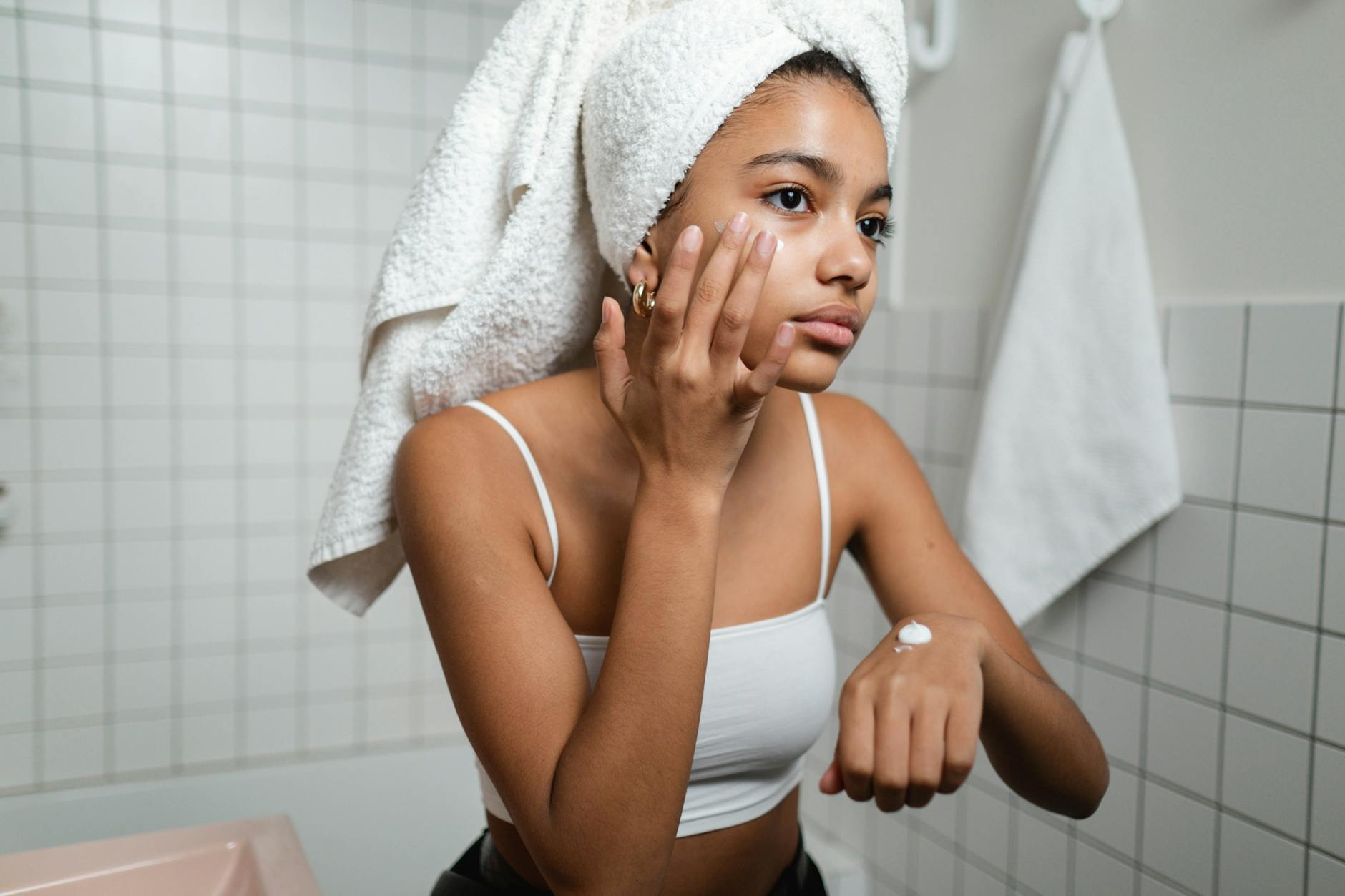
Before and after every session, the derma roller should be soaked in 70% isopropyl alcohol for a minimum of 10 minutes. Do not use hydrogen peroxide — it degrades the metal needle tips over time, creating rough edges that tear rather than puncture skin cleanly. Allow the device to air dry completely before use; residual alcohol on open microchannels can cause stinging and irritation.
Your skin should be cleansed with a gentle, non-stripping cleanser before treatment. Avoid cleansers with active exfoliating acids (AHAs, BHAs) immediately before microneedling, as these can increase irritation on newly punctured skin.
Safe Needle Depths for Home Use
The dermatological consensus for at-home use is to stay at or below 0.5 mm needle depth. This depth reaches the upper dermis, which is sufficient to stimulate product absorption and a mild collagen response without significant risk of the complications associated with deeper penetration.
- 0.2–0.3 mm: Surface-level; primarily enhances serum absorption. Very low risk. Suitable for beginners and sensitive skin.
- 0.5 mm: Reaches the papillary dermis; provides a more meaningful collagen stimulus. Appropriate for experienced at-home users with healthy, non-sensitive skin.
- 0.75 mm and above: Borderline clinical territory. Dermatologists generally recommend these lengths only be used in professional settings with proper training.
- 1.0 mm+: Should only be used by trained professionals. Not appropriate for at-home use.
Treatment Frequency Guidelines
How often you should microneedle at home depends directly on the needle depth being used:
- 0.2–0.3 mm: Can be used 2–3 times per week, as these depths cause minimal disruption to the skin barrier.
- 0.5 mm: Once every 2–4 weeks. Allow full skin recovery between sessions.
- 0.75 mm (if used at home): No more than once every 4–6 weeks. Monitor for prolonged redness, sensitivity, or other signs of over-treatment.
Pre- and Post-Care Best Practices
Before treatment: Avoid retinol, AHAs, BHAs, and benzoyl peroxide for at least 48 hours prior. Do not microneedle over a sunburn or freshly waxed skin. If you are on Accutane (isotretinoin) or have been within the past 6 months, do not microneedle — the medication significantly impairs the skin's ability to heal.
After treatment: Apply only products specifically formulated for post-microneedling use, or plain hyaluronic acid serum. Avoid vitamin C (ascorbic acid), retinol, alcohol-based toners, fragrance, and any active acids for at least 24–48 hours post-session. Wear SPF 30+ the following morning — freshly needled skin is more vulnerable to UV damage and post-inflammatory hyperpigmentation.
Who Should NOT Use At-Home Microneedling
This is where the conversation needs to be unambiguous. Regardless of how carefully the technique is executed, certain individuals should not use derma rollers or at-home microneedling devices at all. If any of the following apply to you, consult a board-certified dermatologist before attempting at-home microneedling:
- Active acne (Grade III or IV): Rolling over active inflamed breakouts spreads bacteria and significantly worsens acne. Even mild acne in the treatment area should be fully resolved before microneedling.
- Eczema, psoriasis, or rosacea: These conditions involve a compromised or hyperreactive skin barrier. Microneedling will likely cause flares, increased inflammation, and potential scarring.
- Blood clotting disorders or anticoagulant medications: Microneedling causes controlled micro-bleeding. Those on blood thinners (warfarin, aspirin therapy, etc.) or with clotting disorders face disproportionate bleeding risk.
- History of keloid or hypertrophic scarring: If your skin is predisposed to raised, abnormal scarring, microneedling can trigger the same response in treated areas.
- Active cold sores or herpes simplex virus: Microneedling during an active outbreak will cause viral spread across the treatment area. Those with a history of cold sores should take antiviral medication prophylactically before any microneedling session — consult a physician for the correct protocol.
- Current use of isotretinoin (Accutane): Active isotretinoin use is an absolute contraindication. Most dermatologists also advise waiting 6 months after completing a course before microneedling.
- Open wounds, sunburn, or recent chemical peels: Never microneedle over compromised skin of any kind. Wait for full healing.
- Pregnancy: Not enough safety data exists for microneedling during pregnancy. Most practitioners advise avoiding it as a precaution.
- Skin cancer or suspicious lesions: Never roll over any mole, lesion, or area of concern. See a dermatologist first.
Red Flags to Watch For After a Session
Some redness and mild sensitivity immediately after microneedling is expected and normal — this is your skin's acute inflammatory response. However, the following signs indicate something has gone wrong and may require medical attention:
- Redness, warmth, or swelling that worsens rather than improves after 24–48 hours
- Pus, discharge, or crusting around needle marks
- Fever following a session (a sign of systemic infection)
- New or spreading rash in the treated area
- Skin texture that feels rough, bumpy, or sandpaper-like for more than a week post-treatment
- Dark spots or hyperpigmentation that appear 1–2 weeks after treatment
- Unusual pain or sensitivity that doesn't resolve within 72 hours
If you experience any of these, stop microneedling immediately and consult a dermatologist or GP. Do not attempt another session until you understand what caused the reaction.
How to Minimize Risks: A Step-by-Step Safety Checklist
The following checklist consolidates derma roller safety tips into a practical, session-by-session protocol. Following it consistently accounts for the vast majority of at-home microneedling risk reduction.
At-Home Microneedling Safety Checklist
48 Hours Before
- Stop using retinol, AHAs, BHAs, and benzoyl peroxide
- Confirm no active breakouts, cold sores, or irritation in the treatment area
- Check that your device is within its replacement window (no older than 2–3 months)
Day of Treatment
- Cleanse skin thoroughly with a gentle, non-active cleanser
- Soak roller in 70% isopropyl alcohol for 10 minutes; allow to fully air dry
- Wash hands thoroughly — do not touch the needle head at any point
- Apply a numbing cream only if using 0.5 mm or above and ensure it is fully removed before rolling
- Roll with light, even pressure in horizontal, vertical, and diagonal directions — 2–4 passes per direction
- Do not press harder to "get better results" — even pressure matters more than force
- Apply only hyaluronic acid serum or your practitioner-recommended post-care product immediately after
24–48 Hours After
- Avoid all active ingredients (retinol, acids, vitamin C)
- Avoid fragranced products, alcohol-based toners, and makeup if possible
- Wear broad-spectrum SPF 30+ if going outdoors
- Do not pick, rub, or scratch the treated area
- Stay out of swimming pools, saunas, and steam rooms for 48 hours
Post-Session Device Care
- Rinse device under warm running water immediately after use
- Re-soak in 70% isopropyl alcohol for 10 minutes; allow to air dry completely
- Store in its original casing — do not leave exposed to air or bathroom humidity
- Never share the device with anyone else
- Inspect needles before each use; if tips appear bent, dull, or damaged — replace the device
Professional vs. At-Home Microneedling: When to See a Dermatologist
At-home microneedling addresses mild cosmetic concerns on healthy skin. There is a clear category of goals and skin conditions that genuinely require professional treatment — not because of gatekeeping, but because the tools, sterility standards, and depth control available in a clinical setting are categorically different from what is available for home use.
Consider professional microneedling if you want to address:
- Atrophic (indented) acne scars — these respond best to 1.0–2.0 mm depths achievable only in clinical settings
- Significant skin laxity or deep wrinkles
- Stretch marks on the body
- Hair loss (scalp microneedling for androgenetic alopecia)
- Any skin concern in a person with a complex medical history, immune-compromising condition, or active skin disease
Professional microneedling sessions are performed with single-use, sterile cartridges at precisely calibrated depths in a controlled environment. The clinical complication rate is substantially lower than the at-home complication rate, and the efficacy for serious skin concerns is meaningfully higher.
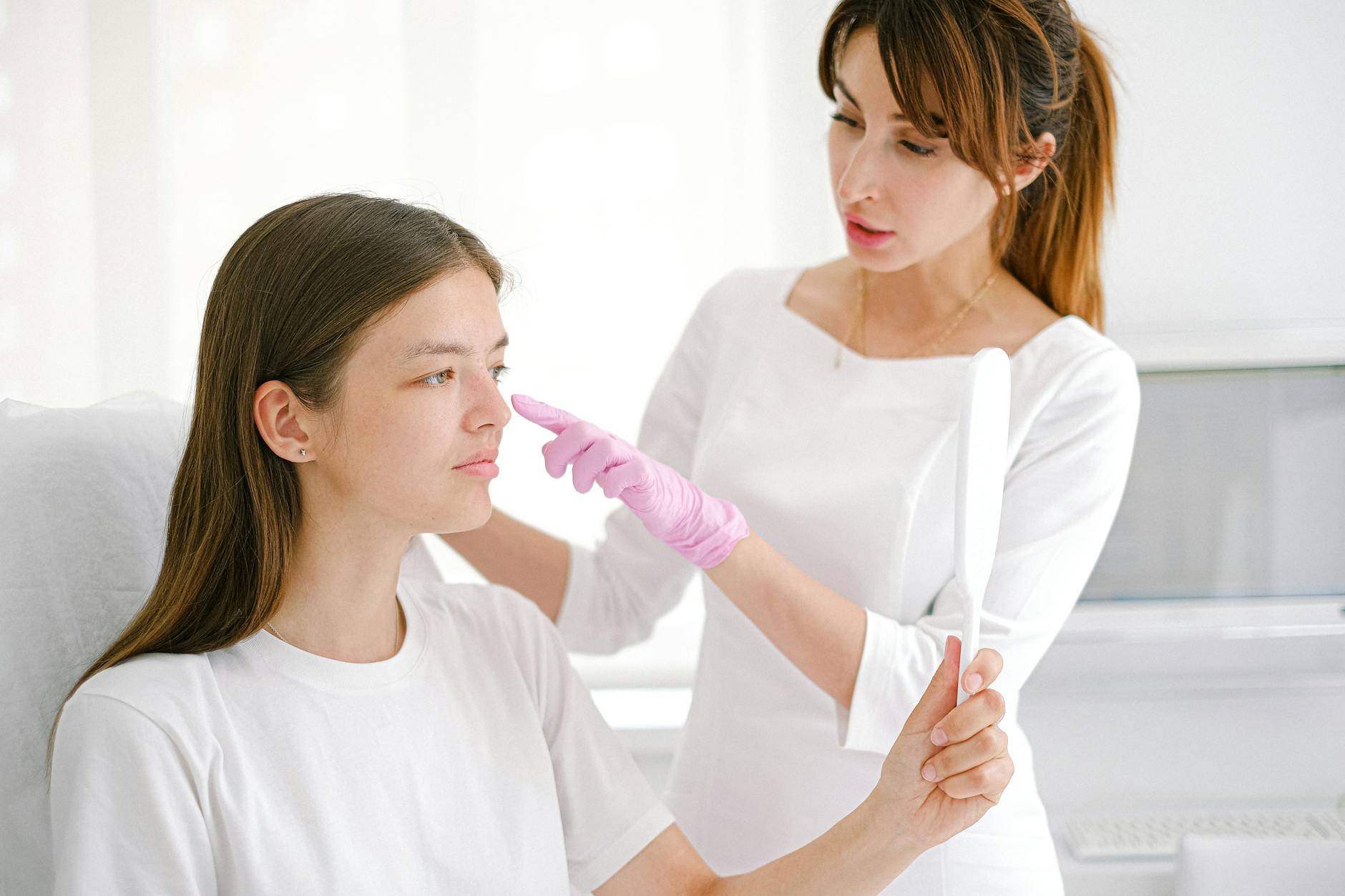
A consultation with a board-certified dermatologist is also the right starting point if you are unsure whether you are a good candidate for at-home microneedling at all. A 30-minute consultation can identify contraindications, establish an appropriate protocol, and potentially save you from a significant adverse event.
Frequently Asked Questions About At-Home Microneedling Safety
Key Takeaways
At-home microneedling safety is not a binary question of safe versus unsafe — it is a risk profile that varies with needle depth, technique, sterilization discipline, treatment frequency, and individual skin health. Here is what the evidence and expert opinion converge on:
- Short needles (0.2–0.5 mm) used correctly on appropriate candidates carry a manageable risk profile for most healthy adults.
- The single biggest modifiable risk factor is sterilization. A properly cleaned device used on clean skin eliminates the majority of infection risk.
- More is not better. Frequency and pressure should stay conservative — the skin's collagen response needs time to complete between sessions.
- Several medical conditions and medications are absolute contraindications. Knowing who should not use microneedling is as important as knowing how to do it correctly.
- For serious skin concerns — acne scars, deep wrinkles, skin laxity — at-home devices are not a substitute for professional treatment. They address different things.
- When in doubt, consult a board-certified dermatologist. A single consultation often provides more personalized guidance than months of online research.
At-home microneedling, approached with the discipline described here, can be a legitimate part of a skin health routine for the right candidate. Approached carelessly, it carries real risks that are entirely preventable. The difference lies in taking the safety side of this practice as seriously as the benefits side.