Attending a Formula 1 Grand Prix Abroad: Everything First-Time Fans Need to Know
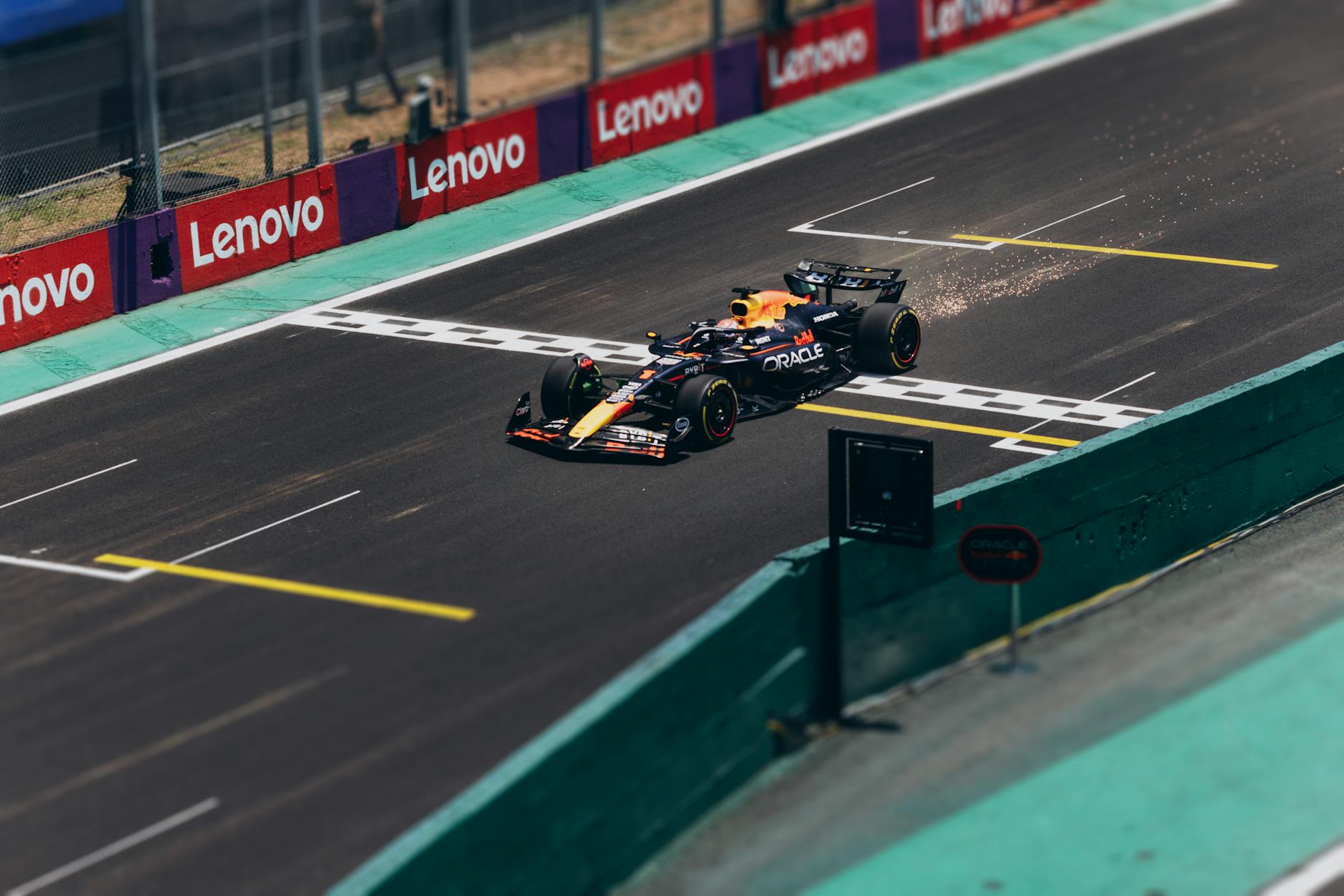
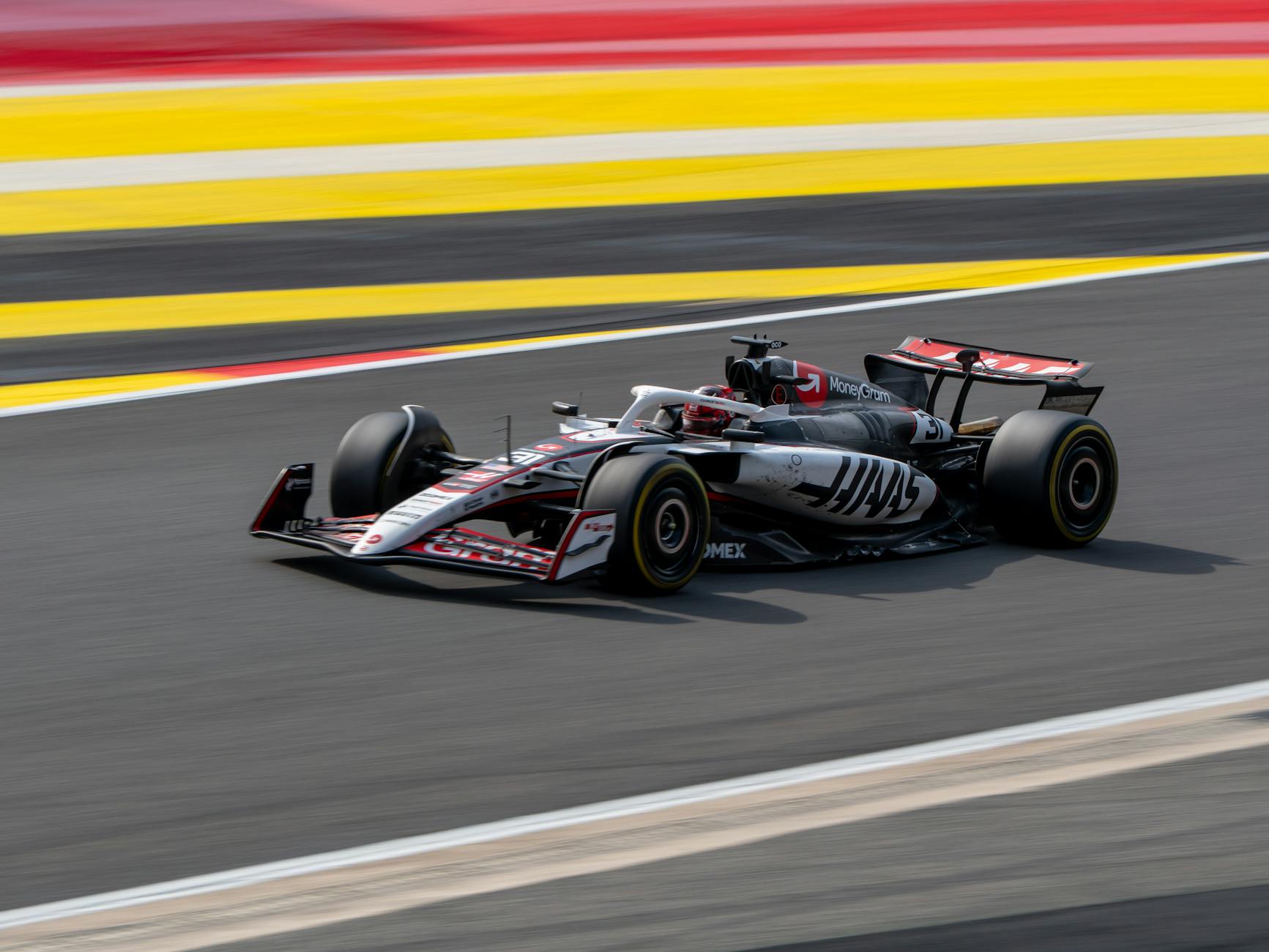
There is nothing quite like watching a Formula 1 Grand Prix live. The deafening roar of 1,000-horsepower machines thundering past at 200 mph, the smell of hot rubber and burnt exhaust, and 100,000 fans screaming in a dozen languages — it is a sensory experience that no television broadcast can come close to replicating. For millions of fans around the world, attending a Formula 1 race abroad is a bucket-list ambition. But for first-timers, the logistics can feel overwhelming.
Which race should you go to? How do you buy tickets without getting scammed? What do you pack? How do you get from the airport to the circuit in a city where you do not speak the language? This guide answers all of that — and much more — so you can walk through the gates on race day fully prepared and ready to enjoy every second.
Choosing the Right Grand Prix for Your First Trip
The Formula 1 calendar currently spans 24 races across five continents, which means your first big decision is narrowing down where to go. This choice matters more than most first-timers realise, because the experience at each venue is radically different — not just in terms of the racing itself, but in cost, climate, infrastructure, and how welcoming the host city is to international visitors.
A few races consistently rank as ideal entry points for first-time international attendees.
The British Grand Prix at Silverstone is often cited as the most accessible for English-speaking fans. Everything is signposted in English, transport links are well organised, and the crowd is famously passionate. It is worth noting, however, that it is also one of the most rain-prone events on the calendar — pack accordingly.
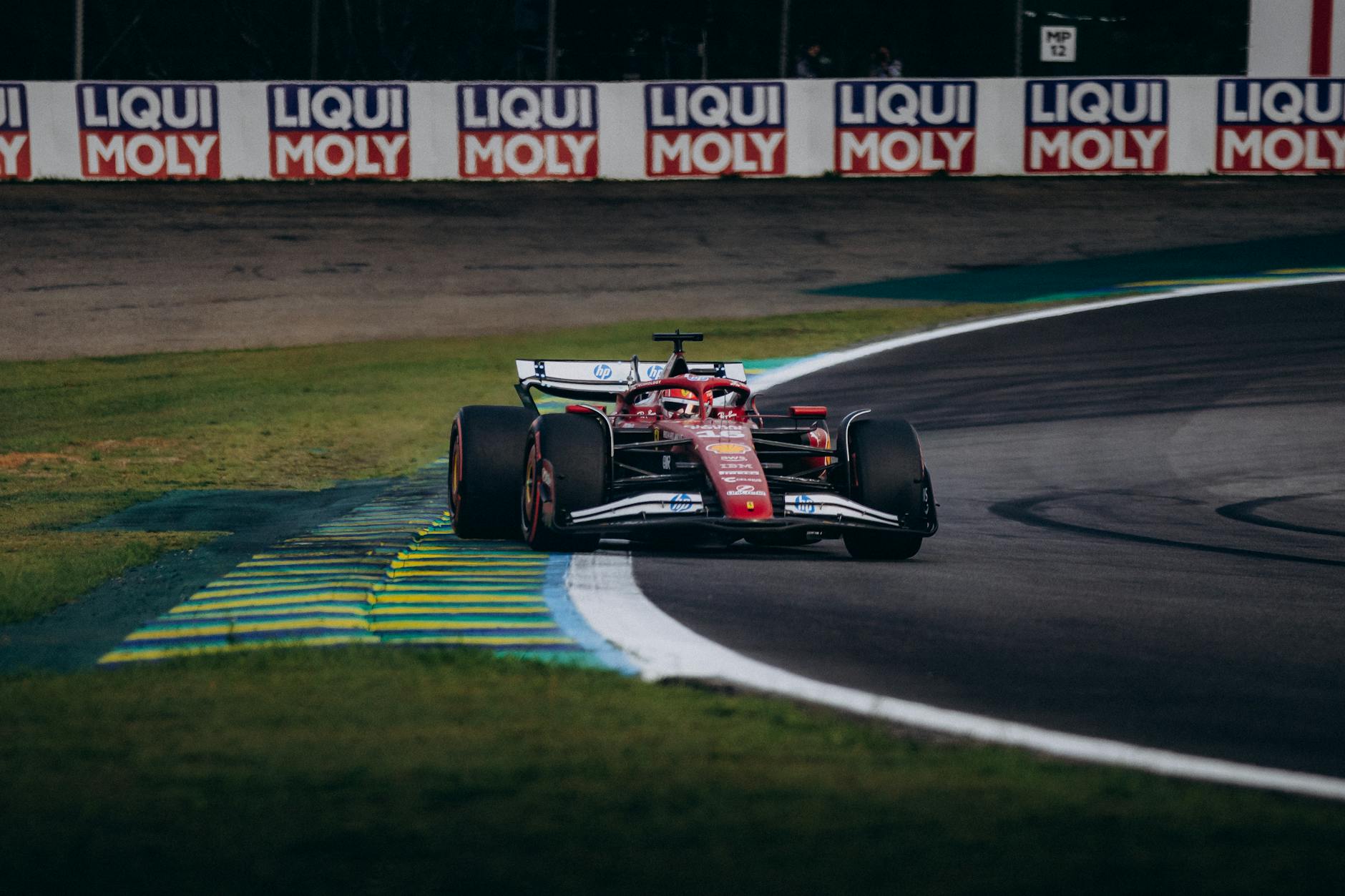
The Italian Grand Prix at Monza is legendary for its atmosphere and relatively affordable ticket prices compared to street circuits. Milan is a well-connected hub with excellent transport options and a long tradition of hosting international visitors. The Tifosi — Ferrari's fanatical Italian supporters — create one of the most electric atmospheres in sport.
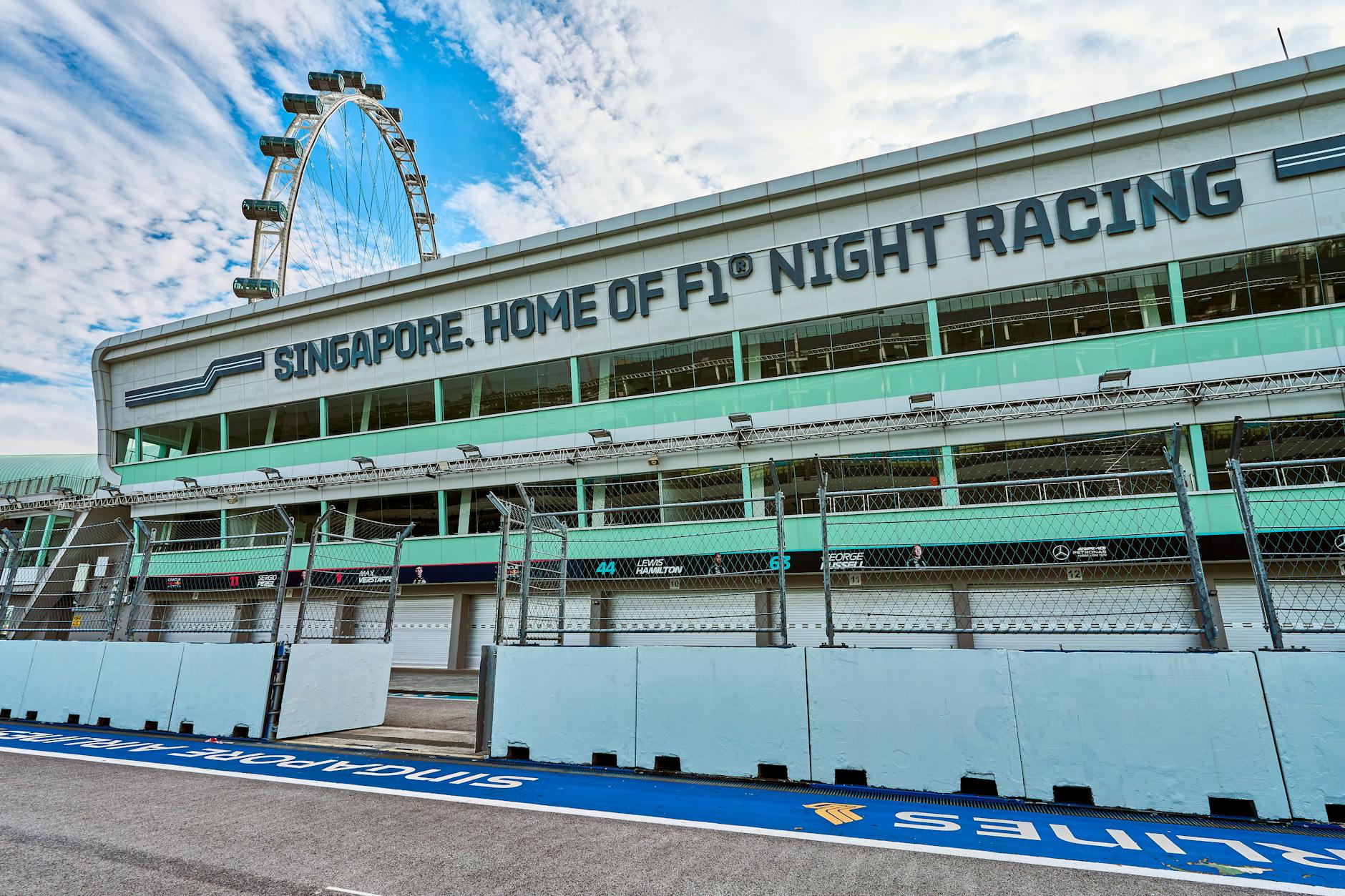
The Singapore Grand Prix is a night race that runs through the heart of the city, and it is a masterclass in event organisation. English is an official language in Singapore, transport from the city centre is seamless, and the spectacle of cars racing past glowing skyscrapers is genuinely breathtaking. It is more expensive than European events, but the logistical friction is minimal.
The Mexican Grand Prix in Mexico City is one of the largest-attended events on the calendar, with a crowd attendance that regularly exceeds 400,000 across race weekend. The atmosphere is carnival-like and the local fan base is among the most passionate in the world. Mexico City is also a major international hub, making flights relatively accessible from most continents.
As a general rule, first-timers benefit from choosing a race in a major city — rather than a remote venue — where accommodation options are plentiful, public transport links are strong, and the local infrastructure has clearly been built around hosting large volumes of international tourists.
Buying Tickets: What You Need to Know Before You Click Purchase
F1 tickets are not standardised the way a concert or football match ticket would be. You are buying access to a specific grandstand or viewing area, for a specific day — and the combination of those variables dramatically affects both price and experience.
The three-day general admission ticket is the most affordable option at most circuits. It gives you access to the venue across all three days (practice on Friday, qualifying on Saturday, race on Sunday) but does not guarantee you a seat — you are standing or finding a spot on the grass banks. For some circuits with large natural viewing hills, like Spa-Francorchamps in Belgium, this can actually give you spectacular sightlines for a fraction of the grandstand price.
Grandstand tickets give you a numbered seat in a covered or open-air stand. The premium grandstands — typically those directly opposite the pit lane, at the start-finish straight — command the highest prices and often sell out first. However, some of the most exciting viewing angles are at tight corners where overtakes happen, and these grandstands are frequently cheaper and easier to book.
When purchasing tickets, always buy directly through the official circuit website or the official Formula 1 ticketing platform at f1.com. Third-party resellers exist, but the risk of counterfeit or duplicated tickets is real, particularly for high-demand events like Monaco or Las Vegas. If you do use a secondary market, use only well-known platforms that offer buyer guarantees.
Book as early as possible. Many circuits open ticket sales 12 to 18 months in advance. Popular grandstands for flagship events like the British Grand Prix or the Italian Grand Prix can sell out within days of going on sale.
Planning the Trip: Flights, Accommodation, and Timing
Race weekends officially begin on Thursday at most venues (with the paddock opening and team media events) and the race itself is on Sunday. Most fans arrive Thursday or Friday and leave Sunday evening or Monday morning. Building at least one additional day on either end of the weekend is strongly recommended — both as a buffer for travel disruptions and to give you time to explore the host city.
Accommodation near the circuit fills up extremely fast. For some events, hotels within a reasonable distance of the venue are fully booked within hours of tickets going on sale. This is particularly true in Monaco, where the race takes place in the streets of the principality itself, and in Monza, where the circuit is within a regional park north of Milan. Book accommodation the same week you book your tickets, ideally on the same day.
Consider staying in the host city centre rather than right next to the circuit. City-centre accommodation tends to have more availability, better transport connections, more dining options, and gives you something to explore outside of race hours. Shuttle buses and train services specifically set up for Grand Prix weekends typically run frequent services between city centres and circuits.
Navigating the Host City as a Foreign Visitor
This is where many first-timers underestimate the challenge. Attending an F1 race abroad means operating in a city that may use a different alphabet, observe different customs, and communicate in a language you do not speak. This is part of the adventure — but some preparation goes a long way.
Download offline maps before you leave home. Google Maps allows you to download entire city maps for offline use. This is essential in situations where your data roaming is expensive or your signal is poor — both of which are common in large crowds. Apple Maps also offers offline downloads. Knowing where you are going without relying on a live connection removes a significant source of stress.
Learn five key phrases in the local language. You do not need to be fluent. But knowing how to say "hello," "thank you," "where is the train station," "how much does this cost," and "I don't understand" in the local language will open doors, earn goodwill, and help you navigate situations where Google Translate is not fast enough. Locals everywhere respond warmly to tourists who make even a modest effort with language.
Use translation apps proactively. Google Translate's camera function allows you to point your phone at a sign and see a live translation overlaid on the screen. This is invaluable for reading menus, transport signage, and official notices at the circuit. Download the relevant language pack before you travel so the app works offline.
Understand the local transport system before you arrive. Most major F1 host cities have metro or rail systems that handle Grand Prix weekend surge volumes specifically. Research in advance: what line takes you to the circuit? Do you need a separate ticket for the circuit shuttle? Can you use a contactless card on the metro, or do you need a local transit card? Finding this out at home is infinitely easier than figuring it out when you are standing on a crowded platform at midnight after the race.
Carry some local currency. While major circuits accept card payments at most food and merchandise vendors, some vendors at external fan zones, car parks, and local market stalls will be cash only. Having the equivalent of $50-$100 in local currency on arrival is a reasonable buffer.
What to Pack for a Formula 1 Race Weekend
The right gear makes the difference between a comfortable, memorable experience and a miserable one. Here is what experienced F1 travellers consistently recommend.
Hearing protection is non-negotiable. Modern F1 cars are quieter than the V8 and V12 era, but they are still loud enough to cause hearing damage if you are in an open grandstand without protection for an extended period. Foam earplugs are sufficient and cost almost nothing. Some fans prefer custom-moulded ear protection with audio pass-through, which lets you hear the ambient atmosphere while reducing the harmful frequencies.
Comfortable, closed-toe shoes are important. Race circuits are large — you will walk several kilometres over the course of a day, often across gravel, grass, and hard concrete. Flip-flops and fashion shoes are poor choices regardless of how warm the weather is.
Layers for unpredictable weather. Even at warm-weather events, temperatures can drop significantly at night (Singapore runs until midnight), and rain is a possibility at almost any venue. A compact waterproof jacket that folds into its own pocket is one of the most consistently useful things an F1 fan can pack.
A compact backpack or bag that fits within the circuit's bag size restrictions. Most circuits publish their bag policy on their official website. Bags that are too large will be turned away at the gate. A 20-litre daypack is typically within policy and gives you enough space for food, clothing layers, a charged portable battery, and your hearing protection.
A fully charged phone with a portable battery pack is essential. Between navigating the circuit app, photographing the race, messaging friends, and using translation tools, your phone battery will take a heavy hit on a full race day. A portable charger with at least 10,000 mAh capacity will keep you running through the day and into the evening without anxiety.
Sunscreen and a hat for outdoor grandstands. Several hours in direct sunlight across a full race day is a meaningful UV exposure, and the reflected heat from concrete and asphalt amplifies this significantly.
Understanding the Circuit Layout and Fan Zones
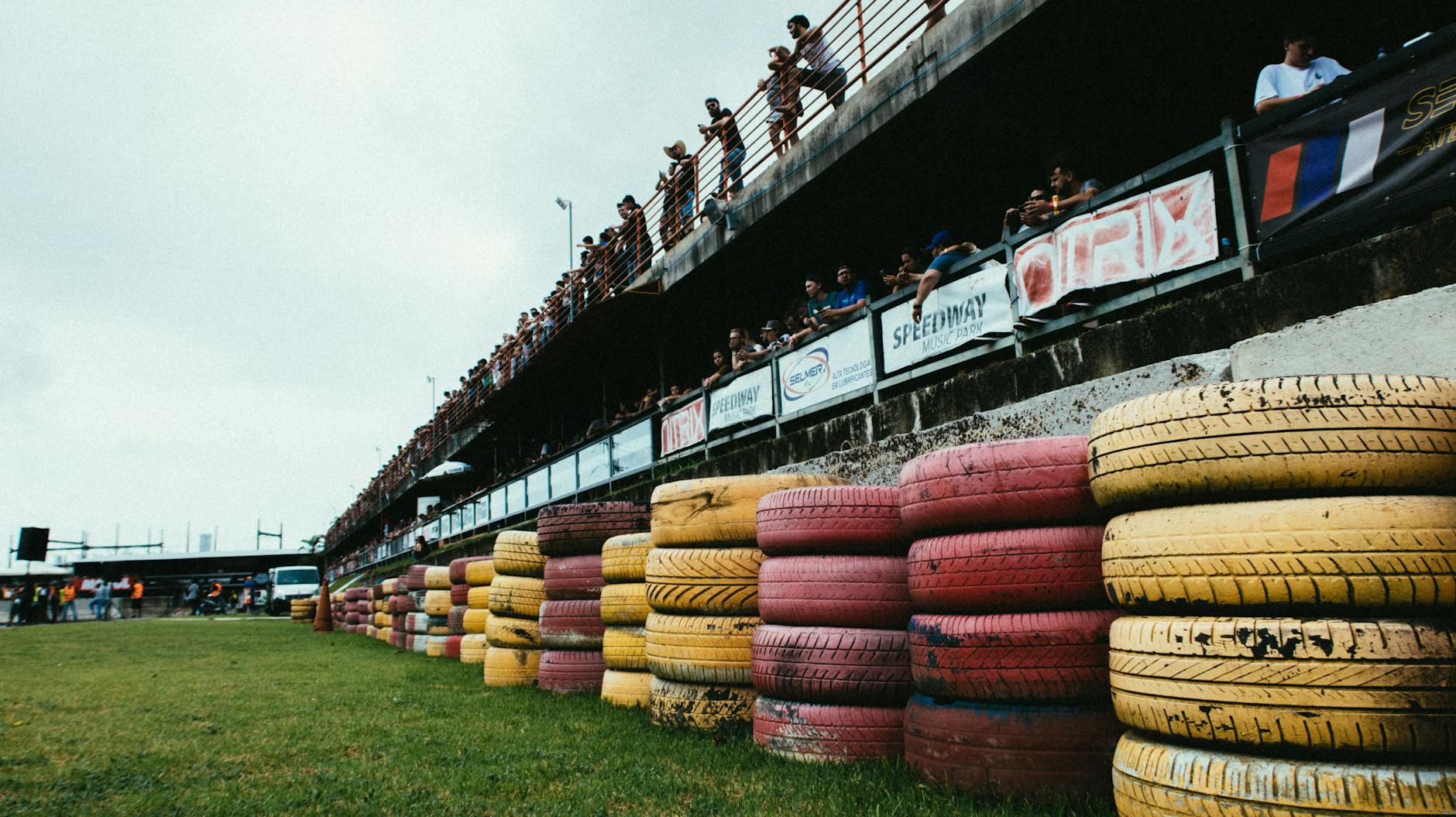
Walking into an F1 circuit for the first time without having studied the map in advance is a recipe for wasted time. Most circuits are enormous — Silverstone covers over 500 acres — and getting from one grandstand to another can take 30 minutes on foot. The official circuit app for most events includes an interactive map, but downloading it and studying the layout before race day will save you significant stress.
Most modern F1 events operate dedicated fan zones — areas within the circuit grounds that offer entertainment, food, live screens, and merchandise outside of the grandstand areas. These zones are worth visiting on Friday and Saturday when the crowds are smaller, but can become extremely congested on race day. Identify them on the map in advance and plan when you will visit versus when you will stay in your seat.
Many circuits also offer pit lane walks — typically available on Thursday or after qualifying on Saturday — which allow ticket holders to walk along the pit lane and see the garages up close. These are usually on a timed entry system and spots go fast. If a pit walk is included with your ticket tier, understand how to book your slot in advance.
Attending an F1 race abroad also means sharing the experience with an international fan community. The mix of nationalities in a Grand Prix crowd is part of what makes the atmosphere unique. Fans wearing rival team colours sit alongside each other, trading banter in broken English, Spanish, Italian, and whatever else bridges the gap. It is genuinely one of the most internationally diverse sporting events in the world, and that melting-pot energy is a feature, not a complication.
Race Day: Arriving, Surviving, and Loving Every Minute
Arrive early. This is the single most consistent piece of advice from experienced F1 fans, and it cannot be overstated. The final hour before the race start is when the full crowd converges on the circuit simultaneously. Transport systems are overwhelmed. Entry gates queue for hundreds of metres. If you are in your seat 90 minutes before the lights go out, you will have missed all of that — and had time to grab food, explore the circuit, and soak up the pre-race atmosphere instead.
Food and drink inside the circuit will be expensive by local standards. Bringing your own snacks and non-alcoholic drinks is permitted at most circuits, subject to their published policy. Check the circuit's website for what is and is not allowed through the gates. Some fans bring small insulated pouches to keep drinks cold through long afternoons.
The race itself lasts approximately 90 minutes to two hours for most Grands Prix. However, Safety Car periods and red flags can extend this significantly. On a hot day in an open grandstand, that means sustained exposure to the elements — another reason layers, sunscreen, and hydration matter.
After the chequered flag, most experienced fans recommend staying in the circuit for at least 30 to 60 minutes before attempting to leave. The immediate post-race exodus creates extreme congestion at transport hubs and circuit gates. Watching the podium ceremony on the big screens, visiting the fan zone, or simply sitting in your grandstand and letting the crowd thin out will result in a far more pleasant journey back to your accommodation.
Communicating with Locals and Fellow Fans
The F1 fan travel community is broadly welcoming and international, and the sport itself serves as a universal language. You will find that fellow fans are almost always happy to help a lost newcomer — pointing you toward a grandstand, recommending a local food vendor, or explaining the circuit map. Wearing your team's merchandise is an immediate conversation starter with fans of rival teams, and these exchanges are one of the warmest aspects of attending a live event.
With locals outside the circuit, your best tools are patience, a smile, and your translation app. Most people in major international cities have some exposure to English, particularly in the service industry. But making a genuine effort to use even a few words of the local language shifts the dynamic entirely — you go from being a demanding tourist to being a guest, and the difference in the response you receive is palpable.
If you are attending an event in a non-Latin-script country — Japan, Bahrain, Saudi Arabia, or China — download the relevant script translation in Google Translate before you travel, so the camera translation function works offline. Reading street signs and metro station names in an unfamiliar script is one of the more genuinely disorienting experiences for Western travellers, and having that offline fallback is important.
Key Takeaways
Attending a Formula 1 Grand Prix abroad for the first time is one of the great sporting experiences the world offers. The combination of technical brilliance, international atmosphere, and sheer physical spectacle creates something that no broadcast can replicate. With the right preparation, most of the logistical challenges dissolve into manageable steps.
- Choose your first race based on accessibility and infrastructure — Monza, Silverstone, and Singapore are excellent starting points.
- Buy tickets directly through official channels as early as possible, and book accommodation immediately after.
- Study the circuit map and transport options before you leave home, and download offline maps for the host city.
- Pack hearing protection, weather layers, a portable charger, and comfortable shoes — these matter more than most first-timers expect.
- Use translation apps offline-ready, learn a few local phrases, and arrive at the circuit at least 90 minutes before the race start.
- Stay in the circuit for 30 to 60 minutes after the chequered flag — it makes the journey home significantly more pleasant.
- Embrace the international community. An F1 crowd is one of the most diverse gatherings in world sport, and that diversity is one of the best things about it.
The first time you hear that opening burst of engines at the formation lap — that wall of sound rolling through your chest — you will understand immediately why people plan their lives around this sport. Go prepared, go curious, and enjoy every second of it.