Avoiding Knee Replacement Surgery: 8 Alternative Treatments Backed by Science
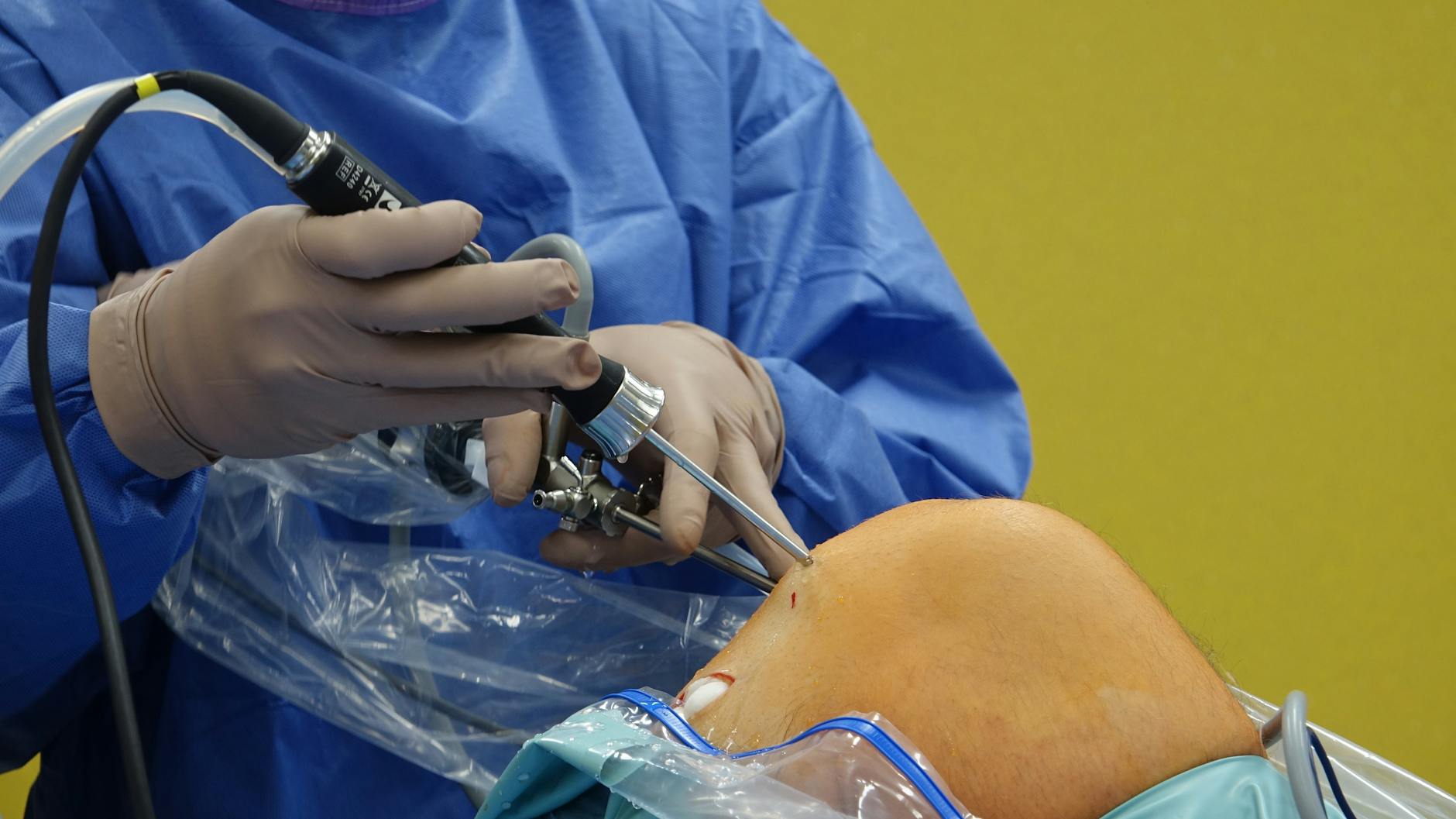
If your orthopedic surgeon has mentioned knee replacement surgery, you are not alone — and you are not necessarily out of options. More than 790,000 total knee replacement procedures are performed in the United States every year, yet research increasingly shows that a meaningful portion of those surgeries may not be immediately necessary. For many patients with knee osteoarthritis or chronic knee pain, knee replacement alternatives can provide significant relief, restore function, and delay or even eliminate the need for surgery altogether.
This guide breaks down eight treatments with genuine scientific backing — what the evidence says, how much they cost, how long recovery takes, and who makes the best candidate for each approach. Understanding your options is the first step toward making an informed decision alongside your healthcare provider.
Why Patients and Doctors Are Reconsidering Knee Replacement
Total knee replacement (TKR) is a major surgical procedure with a genuine recovery burden. Most patients spend three to six months returning to normal daily activity, and full recovery — including the return of strength and confidence on stairs — can take up to a full year. Complications, though relatively rare, include blood clots, infection, implant loosening, and persistent pain even after a successful surgery. A 2017 study published in the British Medical Journal found that up to 20% of patients who underwent knee replacement reported dissatisfaction with their outcomes.
Meanwhile, clinical guidelines from the American Academy of Orthopaedic Surgeons (AAOS) consistently recommend exhausting conservative, non-surgical knee options before turning to the operating table. The good news: the science behind those conservative options has never been stronger.
1. Physical Therapy and Targeted Exercise
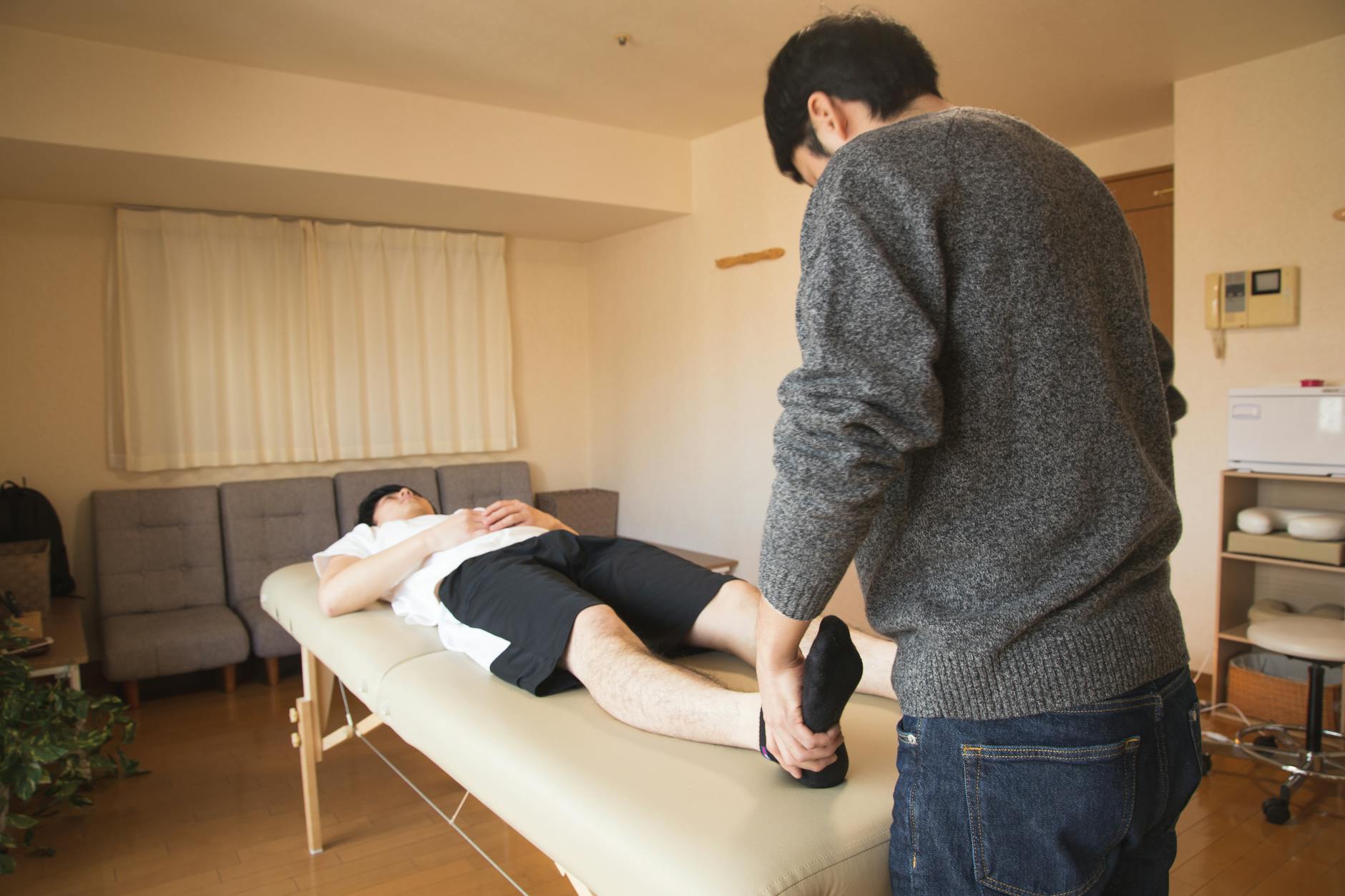
Physical therapy remains the most thoroughly researched and widely recommended knee replacement alternative. A landmark 2020 trial published in the New England Journal of Medicine — the VALOR trial — compared supervised exercise therapy against TKR in patients with moderate-to-severe knee osteoarthritis. After two years, roughly 70% of patients in the exercise group had not proceeded to surgery and reported clinically meaningful improvements in pain and function.
The mechanism is straightforward: strengthening the quadriceps, hamstrings, and hip abductors reduces the mechanical load placed on the knee joint. Even a 25% improvement in quadriceps strength can translate into a measurable reduction in joint stress.
- Success rate: 60–70% of patients avoid surgery for at least two years
- Cost: $1,200–$3,500 for a supervised program (often covered by insurance)
- Recovery time: Improvements typically begin within 6–8 weeks
- Best candidates: Mild to moderate osteoarthritis; patients willing to commit to consistent exercise
2. PRP (Platelet-Rich Plasma) Injections
Platelet-rich plasma therapy involves drawing a small amount of your own blood, spinning it in a centrifuge to concentrate the growth factors, and injecting that concentrated plasma directly into the knee joint. The growth factors — including PDGF, TGF-β, and VEGF — are believed to reduce inflammation and stimulate tissue repair.
Multiple randomized controlled trials have now shown PRP to be superior to corticosteroid injections and comparable to hyaluronic acid for reducing pain in knee osteoarthritis. A 2021 meta-analysis in the American Journal of Sports Medicine reviewing 18 studies found significant improvements in pain and function at 12 months following PRP treatment.
- Success rate: 60–75% report significant pain reduction at 6–12 months
- Cost: $500–$2,500 per injection; typically not covered by insurance
- Recovery time: Mild soreness for 1–3 days; functional improvement over 4–8 weeks
- Best candidates: Mild to moderate osteoarthritis; patients who have not responded to corticosteroids
3. Hyaluronic Acid (Viscosupplementation) Injections
Hyaluronic acid is a naturally occurring substance in the synovial fluid that lubricates and cushions joints. In osteoarthritic knees, hyaluronic acid concentration and molecular weight both decrease, leading to reduced shock absorption and increased friction. Viscosupplementation replaces this depleted fluid through a series of injections.
The AAOS has historically had a nuanced stance on viscosupplementation — early guidelines were skeptical, but a growing body of more targeted research suggests it works best for specific patient profiles. A 2022 systematic review in Rheumatology concluded that patients with mild-to-moderate osteoarthritis and lower BMI respond most favorably, with pain relief lasting anywhere from three to twelve months.
- Success rate: 50–65% report meaningful improvement in the right patient group
- Cost: $300–$1,500 per treatment course (sometimes partially covered by insurance)
- Recovery time: Minimal; light activity recommended for 48 hours post-injection
- Best candidates: Mild to moderate OA; patients under 65 with lower body weight
4. Unloader Knee Bracing
For patients with unicompartmental osteoarthritis — where degeneration is concentrated on one side of the knee (most commonly the medial, or inner, compartment) — an unloader brace can be a highly effective non-surgical knee option. These custom or semi-custom devices apply a gentle corrective force to shift load away from the damaged compartment and onto healthier cartilage.
A 2016 randomized trial published in Osteoarthritis and Cartilage found that patients using unloader braces reported significantly less pain during walking and stair climbing compared to a control group. Importantly, the brace provides immediate relief on the first day of use — unlike injections or therapy, which require weeks to take effect.
- Success rate: 55–70% report functional improvement for unicompartmental OA
- Cost: $400–$1,800 (prescription braces often covered by insurance)
- Recovery time: No recovery needed; relief is often immediate
- Best candidates: Medial or lateral compartment OA; active patients who want immediate support
5. Acupuncture
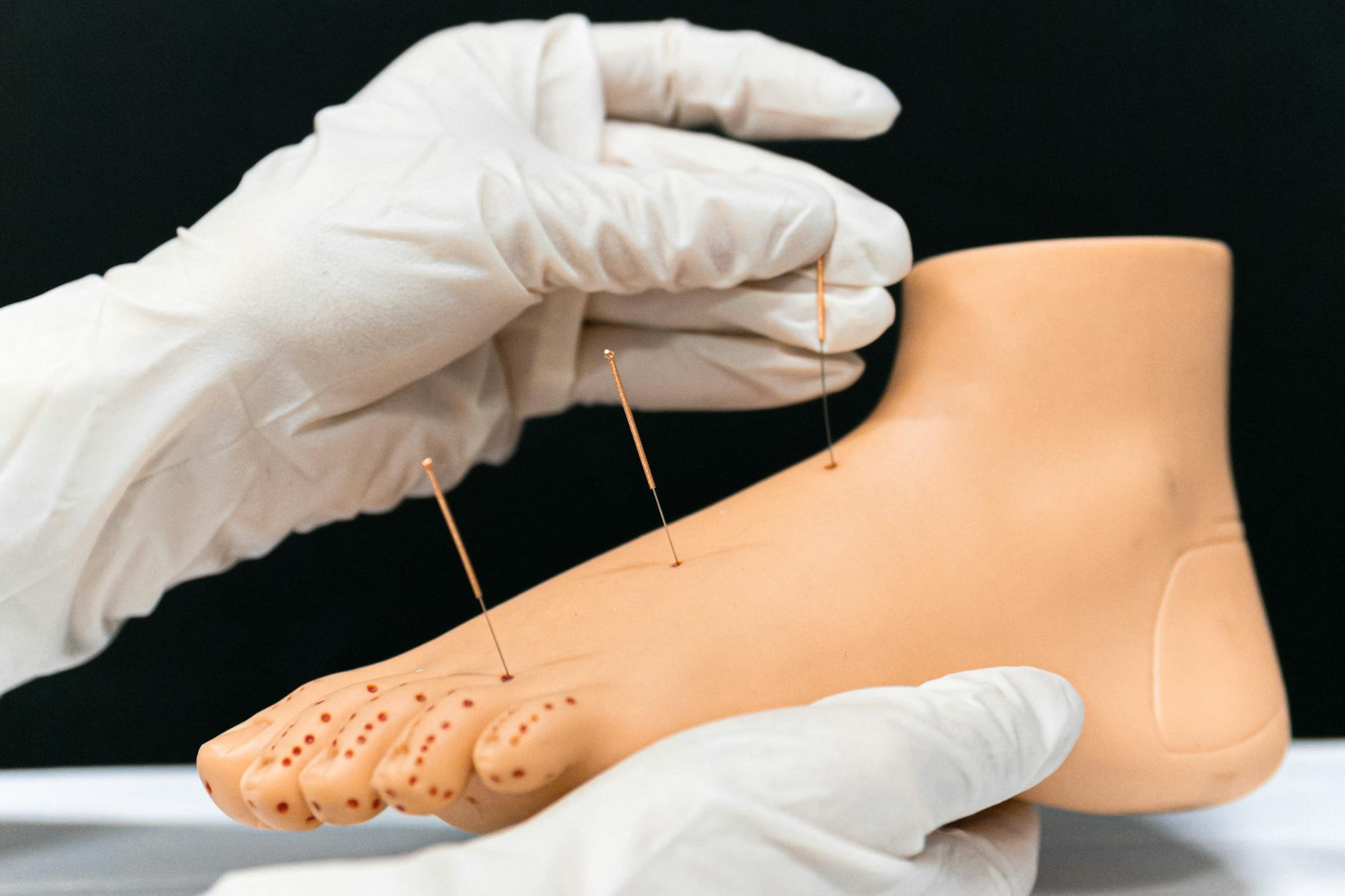
Acupuncture has accumulated a more credible evidence base for knee osteoarthritis than many clinicians might expect. A landmark 2004 trial published in Annals of Internal Medicine found that traditional acupuncture produced significantly greater improvements in knee pain and function compared to sham acupuncture and education controls. More recently, a 2018 meta-analysis in JAMA Internal Medicine, reviewing 39 randomized trials involving nearly 21,000 participants, concluded that acupuncture provides clinically meaningful pain relief for chronic musculoskeletal conditions including knee osteoarthritis.
The proposed mechanisms include stimulation of endogenous opioid release, modulation of neuroinflammatory pathways, and local effects on the fascia and connective tissue surrounding the joint.
- Success rate: 50–60% report meaningful pain reduction after a course of treatment
- Cost: $60–$150 per session; 6–12 sessions typically recommended
- Recovery time: No recovery; mild fatigue or local soreness for a few hours is normal
- Best candidates: Patients seeking drug-free pain management; those who have not responded to NSAIDs
6. Therapeutic Devices and At-Home Pain Management
A growing category of evidence-backed devices allows patients to manage knee pain at home, between clinical visits or as a standalone strategy for mild-to-moderate symptoms. These include transcutaneous electrical nerve stimulation (TENS) units, photobiomodulation (red light therapy), and neuromuscular electrical stimulation (NMES) devices.
TENS works by delivering low-level electrical pulses that interfere with pain signal transmission along peripheral nerves. A Cochrane review on TENS for knee OA found consistent short-term pain relief, though the evidence for long-term outcomes remains limited. Red light therapy (also called low-level laser therapy in clinical settings) has shown promise for reducing inflammation and improving tissue recovery in several small randomized trials.
Devices like RejuvaKnee — which combines infrared heat and vibration therapy — represent this category of accessible, drug-free tools that some patients use alongside other conservative treatments. As with all devices, results vary between individuals, and they work best as part of a comprehensive non-surgical management plan rather than in isolation.
- Cost: $50–$500 depending on device type and features
- Recovery time: None; devices are used at home with no downtime
- Best candidates: Patients with mild-to-moderate pain seeking daily management tools between clinical visits
7. Weight Loss and Nutritional Intervention
The relationship between body weight and knee joint load is not linear — it is multiplicative. Every pound of body weight translates into approximately four pounds of force on the knee joint during normal walking, and up to seven pounds during stair climbing. This means a 10-pound weight loss reduces knee joint force by 40–70 pounds per step.
The IDEA trial (Intensive Diet and Exercise for Arthritis), published in the Journal of the American Medical Association, found that combining diet and exercise produced significantly greater reductions in knee pain and inflammation compared to either intervention alone. Patients who lost more than 10% of their body weight showed improvements in pain scores comparable to those seen with intra-articular injections.
Nutritional interventions worth considering alongside weight management include anti-inflammatory diets (Mediterranean pattern), omega-3 supplementation (which has modest evidence for reducing synovial inflammation), and adequate vitamin D intake, since deficiency is associated with accelerated cartilage loss.
- Success rate: Highly effective for overweight patients; 10% body weight loss produces measurable joint benefit
- Cost: Variable; dietary changes are low cost; structured programs range from $100–$600
- Recovery time: Not applicable; results build over 3–6 months
- Best candidates: Overweight or obese patients with mild to severe OA; the heavier the patient, the larger the potential benefit
8. Stem Cell Therapy and Regenerative Medicine
Stem cell therapy represents the frontier of knee replacement alternatives — still evolving, but generating genuinely exciting early results. The most common approach uses mesenchymal stem cells (MSCs) derived from bone marrow or adipose (fat) tissue, which are injected into the knee joint with the goal of reducing inflammation and potentially promoting cartilage regeneration.
A 2021 systematic review in Stem Cells Translational Medicine analyzed 19 clinical studies and found consistent improvements in pain and function scores at 12–24 months post-treatment, with no serious adverse events reported. However, the field lacks large-scale Phase 3 randomized controlled trials, and most providers are cautious about claiming regenerative outcomes in clinical practice. Regulatory approval for specific stem cell products is still limited in the US.
A related and more established approach is bone marrow aspirate concentrate (BMAC), which is FDA-regulated as a same-day autologous procedure and has a growing evidence base for cartilage support in early-to-moderate OA.
- Success rate: 60–75% in early studies; longer-term data still emerging
- Cost: $3,000–$12,000; rarely covered by insurance
- Recovery time: 1–3 days of rest; full activity return in 2–4 weeks
- Best candidates: Patients with mild-to-moderate OA who have not responded to other conservative measures and wish to avoid surgery
Cost Comparison: Alternatives vs. Surgery
| Treatment | Estimated Cost | Insurance Coverage | Recovery Period |
|---|---|---|---|
| Total Knee Replacement | $30,000–$50,000+ | Usually covered | 3–12 months |
| Physical Therapy | $1,200–$3,500 | Often covered | 6–8 weeks to results |
| PRP Injections | $500–$2,500 | Rarely covered | 4–8 weeks to results |
| Hyaluronic Acid | $300–$1,500 | Partially covered | Minimal downtime |
| Unloader Brace | $400–$1,800 | Often covered | Immediate relief |
| Acupuncture | $600–$1,800 (course) | Sometimes covered | No downtime |
| Therapeutic Devices | $50–$500 | Rarely covered | No downtime |
| Stem Cell Therapy | $3,000–$12,000 | Rarely covered | 2–4 weeks |
When Surgery May Be Unavoidable
It is important to be honest: for some patients, knee replacement surgery is the right choice. Conservative non-surgical knee options work best when osteoarthritis is mild to moderate, when cartilage loss is not complete, and when the patient has the mobility and commitment to participate in rehabilitative exercise. When degeneration has reached bone-on-bone contact across the entire joint, when deformity has become severe, or when a patient is unable to walk even short distances despite exhausting all other options, surgery may genuinely offer the best quality-of-life outcome.
Red flags that typically indicate surgery is appropriate include:
- Severe pain at rest, not just during activity
- Complete loss of cartilage confirmed on X-ray or MRI
- Significant joint deformity affecting walking alignment
- Failure to respond to at least 3–6 months of consistent conservative treatment
- Substantially reduced quality of life that cannot be managed with available alternatives
If you are still in the early-to-moderate stages of knee degeneration, the evidence strongly supports trying one or more of the alternatives above before accepting surgery as the default. A sports medicine physician, physiatrist, or orthopedic surgeon who specializes in joint preservation — rather than joint replacement — can help you build the right combination approach for your specific situation.
Frequently Asked Questions
Key Takeaways
- Knee replacement surgery is a major procedure with a 3–12 month recovery — exhausting conservative options first is clinically recommended by major orthopedic guidelines.
- Physical therapy has the strongest overall evidence base and should be the first-line approach for nearly all patients with knee OA.
- PRP injections and viscosupplementation provide meaningful pain relief for many patients with mild-to-moderate disease, at a fraction of the cost of surgery.
- Unloader bracing offers immediate, drug-free relief for unicompartmental OA and is one of the most underutilized conservative tools.
- Acupuncture has real clinical trial support and is a low-risk, drug-free adjunct worth considering, especially for patients who cannot tolerate NSAIDs.
- Weight loss is one of the most powerful interventions available to overweight patients — a 10% reduction in body weight can cut knee joint force by up to 70 pounds per step.
- Stem cell therapy is the most promising emerging option but requires more large-scale trials before it becomes a standard recommendation.
- The most effective approach for most patients is a multi-modal strategy — combining two or more of these alternatives under the guidance of a joint preservation specialist.
Medical Disclaimer: This article is for informational purposes only and does not constitute medical advice. Always consult a qualified healthcare provider before starting any new treatment for knee pain or osteoarthritis.