Basketball Shoes vs. Everyday Sneakers: What's the Difference and Does It Matter?
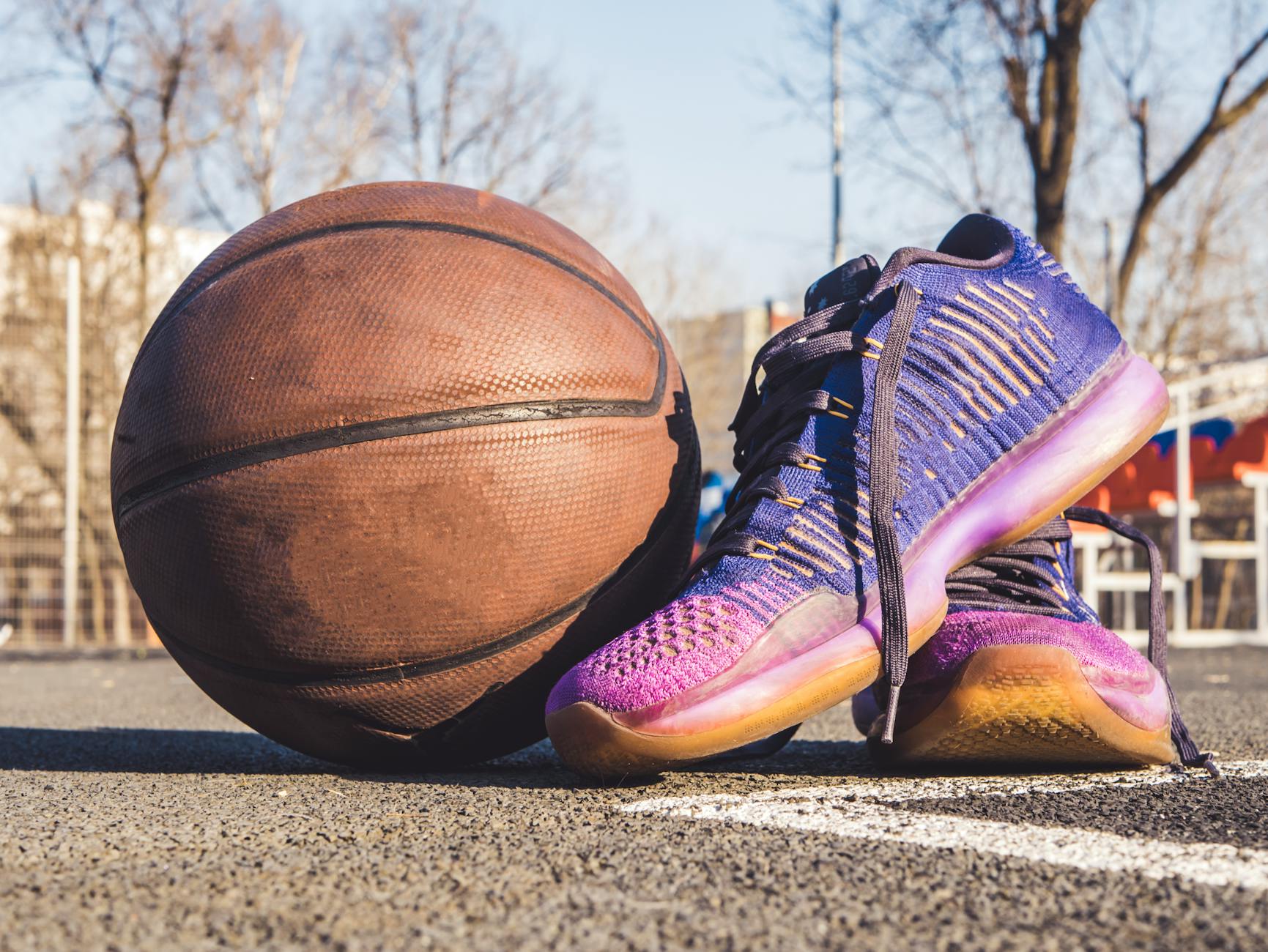
If you play basketball even semi-regularly, you've probably wondered at some point whether the shoes on your feet actually make a difference. Maybe you've been getting away with a pair of everyday sneakers at the park, or you just inherited a pair of dedicated basketball shoes and aren't sure they're worth breaking in. The question is genuinely common — and the answer is more nuanced than a simple yes or no.
This guide breaks down everything that separates a purpose-built basketball shoe from an everyday sneaker: the engineering behind ankle support, the grip patterns that keep you from slipping mid-cut, the cushioning technologies designed to absorb thousands of landing impacts, and the lateral stability that helps your knees and ankles survive hard direction changes. By the end, you'll know exactly when specialized footwear makes a real difference — and when it genuinely doesn't matter.
The Core Engineering Differences Between Basketball Shoes and Regular Sneakers
At a glance, a basketball shoe and a lifestyle sneaker might look similar — rubber sole, fabric or leather upper, laces. But the internal architecture is fundamentally different, and those differences exist for specific biomechanical reasons.
Ankle support and collar height is the most obvious distinction. Basketball involves explosive jumps, hard landings, and constant lateral pivoting — movements that put enormous rotational stress on the ankle joint. High-top and mid-top basketball shoes feature a raised collar that wraps around the ankle, providing structural support that limits the range of extreme inversion (rolling outward) that causes sprains. Everyday sneakers and most running shoes use a low-cut collar optimized for forward movement, which offers almost no lateral ankle protection.
That said, the high-top vs. low-top debate within basketball footwear itself is worth noting. Many elite NBA players actually wear low-top basketball shoes by choice, relying on taping or bracing for ankle support. Low-tops allow a slightly more natural range of motion and can feel less restrictive during play. The key is that even a low-top basketball shoe is still engineered for lateral stability — something a casual sneaker simply is not.
Traction: Why the Sole Pattern Is Not Just Cosmetic
The outsole of a basketball shoe is one of its most critical features, and it's engineered entirely around the movements that happen on a hardwood or sport court surface. The dominant traction pattern used in basketball footwear is the herringbone — a zigzag, V-shaped groove arrangement that creates multidirectional grip. When you plant your foot for a crossover dribble or push off laterally to cut toward the basket, the herringbone pattern bites into the court surface from multiple angles simultaneously, preventing slippage.
Regular sneakers and running shoes, by contrast, use outsole patterns optimized for heel-to-toe forward motion. Running shoe soles often feature linear grooves or segmented pods designed to flex as you stride forward. They grip well in a straight line, but pivot and cut movements expose their limitations — the grooves simply don't engage the court surface at the angles basketball demands.
The rubber compound matters just as much as the pattern. Basketball shoes use a softer, stickier rubber formulation specifically suited for polished indoor court surfaces. If you've ever watched someone jog onto a basketball court in running shoes and seen them slip during a turn, you've witnessed this compound difference in action. Outdoor basketball courts are a slightly different story — harder asphalt requires a more durable, slightly firmer rubber that can withstand abrasion, which is why many basketball shoes come in both "indoor" and "outdoor" versions.
Cushioning Technology: Designed for Impact, Not Just Comfort
The average basketball player jumps and lands hundreds of times per game or practice session. Each landing generates a ground reaction force that can be two to five times your body weight. The cushioning inside a dedicated basketball shoe is engineered to absorb and disperse that repeated impact loading in a way that everyday sneaker foam simply is not.
You'll see specific cushioning technologies named across major basketball shoe lines — Nike's Zoom Air uses a tensioned fiber system inside a pressurized air unit that returns energy quickly, ideal for responsive, fast-paced play. Adidas's Boost technology uses thermoplastic polyurethane pellets that compress and rebound, offering excellent energy return over longer periods. New Balance's FuelCell and ABZORB systems take different approaches to the same goal: protecting joints during high-impact activity while returning enough energy to keep movement feeling explosive.
Everyday sneakers — even premium lifestyle models — typically use standard EVA (ethylene-vinyl acetate) foam that prioritizes all-day walking comfort over high-impact sport performance. EVA compresses gradually over time and doesn't rebound as efficiently under the sudden, concentrated loads of a jump landing. Wearing them for serious basketball means your joints are absorbing more of that shock directly.
Lateral Support and the Risk of Injury
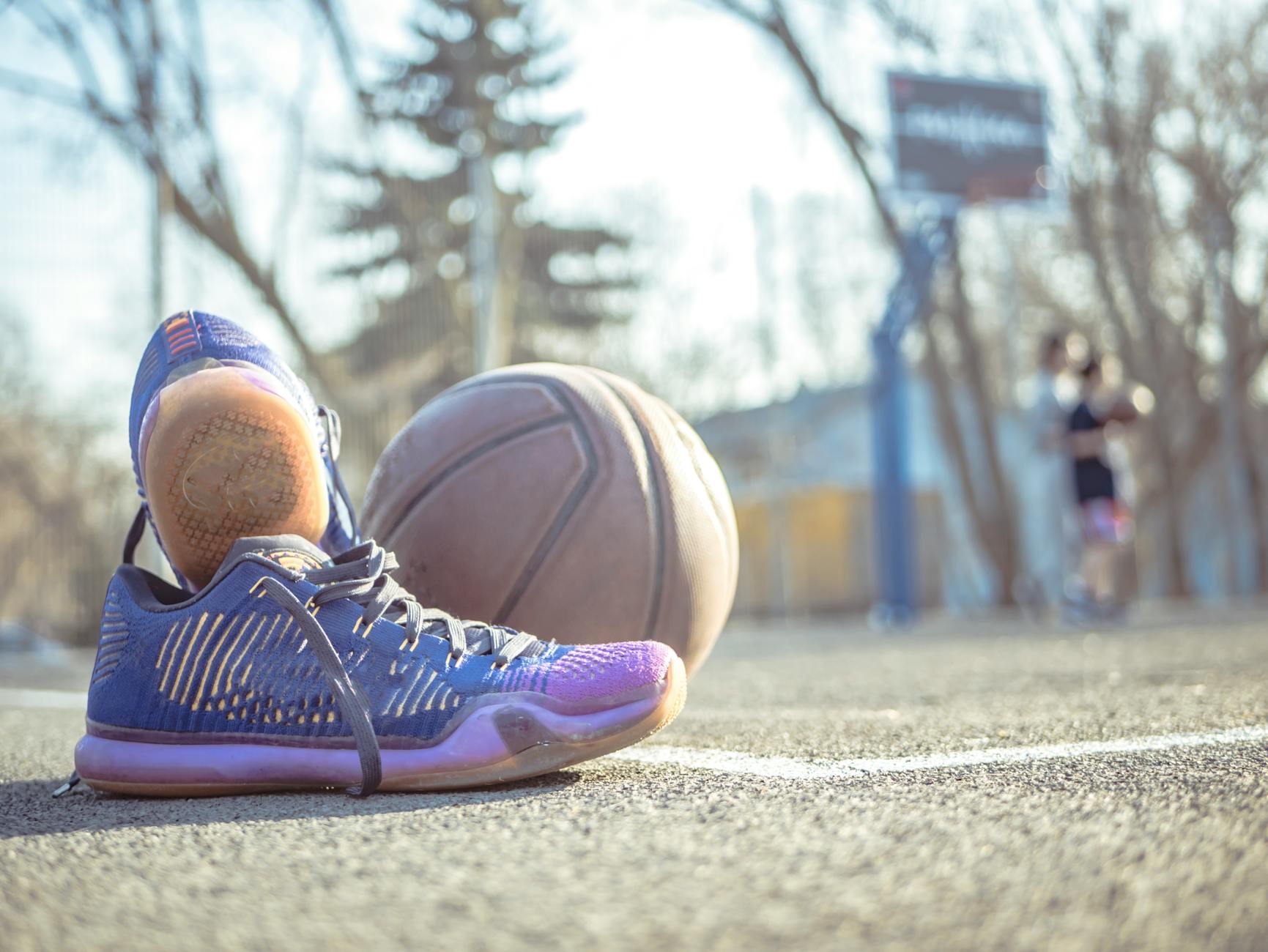
Perhaps the most underappreciated difference between basketball shoes and everyday sneakers is lateral support — the shoe's ability to resist the sideways forces generated during cuts, shuffles, and defensive slides. Basketball is fundamentally a side-to-side sport as much as it is a forward-and-back sport.
Basketball shoes achieve lateral support through several structural mechanisms working together. The wider outsole base creates a broader platform that resists tipping. The midfoot shank — a rigid internal plate running through the arch of the shoe — limits unwanted torsional flexing when you plant and rotate. The upper material, whether leather, synthetic, or a knit, is reinforced at the sides to resist stretching under lateral load. Some models add external heel counters or TPU (thermoplastic polyurethane) overlays at the ankle for additional rigidity.
Running shoes are built to flex and bend with your foot as it moves forward, which is exactly what you want for running. That flexibility becomes a liability in basketball. When you plant hard on the ball of your foot and cut left, a running shoe's flexible sole can collapse inward or outward in ways that transfer stress directly to the ankle and knee ligaments. Over time — and especially in players who aren't conditioned — this mismatch between shoe design and sport movement is a meaningful injury risk factor.
When Basketball Shoes Actually Matter Most
Not every basketball situation demands dedicated footwear. Here's a breakdown of when wearing proper basketball shoes makes a meaningful real-world difference.
Competitive play and organized leagues. If you're playing in a recreational league, pickup game circuit, or any organized setting where games are competitive and play is intense, proper basketball footwear is worth the investment. The combination of ankle support, lateral stability, and impact cushioning adds up over a full game of hard cuts and contested play. The risk of ankle sprains and knee stress is meaningfully higher in inappropriate footwear.
Frequent jumping and vertical work. Players who work on their vertical jump, post moves, or any drill-heavy training should prioritize sport-specific cushioning. Repeatedly absorbing landing forces in a lifestyle sneaker accelerates fatigue and joint stress in ways that compound over a full training session.
Indoor court play. Indoor hardwood and synthetic sport court surfaces are exactly what basketball shoe rubber compounds and traction patterns are tuned for. The grip advantage over casual sneakers is most pronounced on these surfaces.
Players with prior ankle or knee injuries. If you've rolled an ankle before or have existing knee issues, the structural support in dedicated basketball footwear is genuinely protective. The combination of ankle collar height and lateral stability reduces the probability of re-injury during the dynamic movements basketball demands.
When Regular Sneakers Are Perfectly Fine
There are plenty of scenarios where dedicated court shoes vs running shoes or lifestyle sneakers genuinely don't matter much.
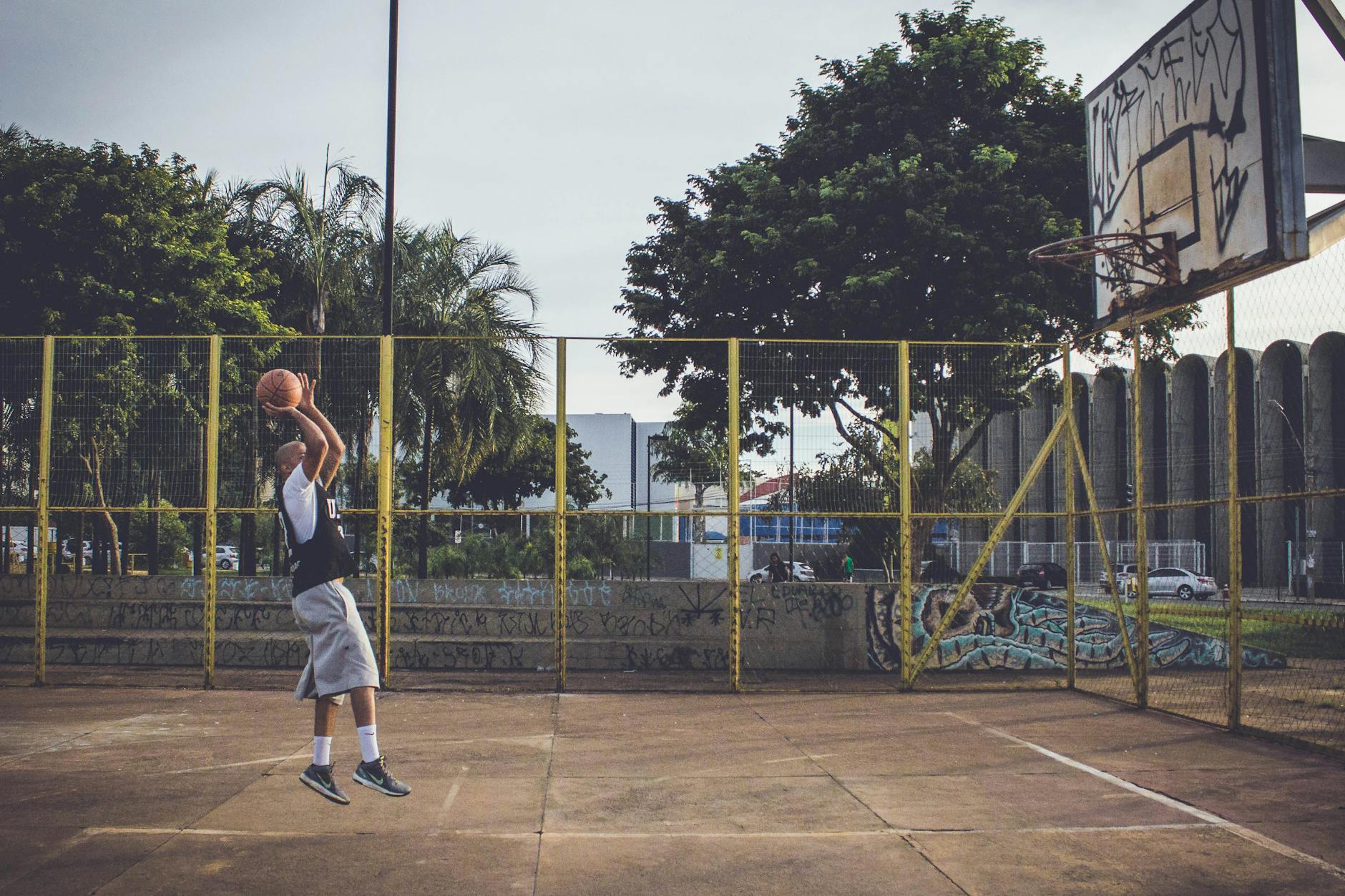
Casual shooting around. If you're taking lazy jumpers alone at a hoop, there's no meaningful lateral stress on your footwear. A pair of comfortable everyday sneakers is completely sufficient for low-intensity solo practice.
Outdoor casual pickup on asphalt. Asphalt is harder on shoes and somewhat more forgiving of traction variation than hardwood. If you're playing casual three-on-three at the park at a relaxed pace, the difference in footwear performance is relatively minor. That said, if the game gets competitive and you're cutting hard, the lack of lateral support in regular sneakers will still become apparent.
Children learning the game. Young players in casual settings don't generate the forces that make the differences between shoe types critical. Comfort and fit matter far more at early learning stages.
What to Look for When Choosing Basketball Shoes
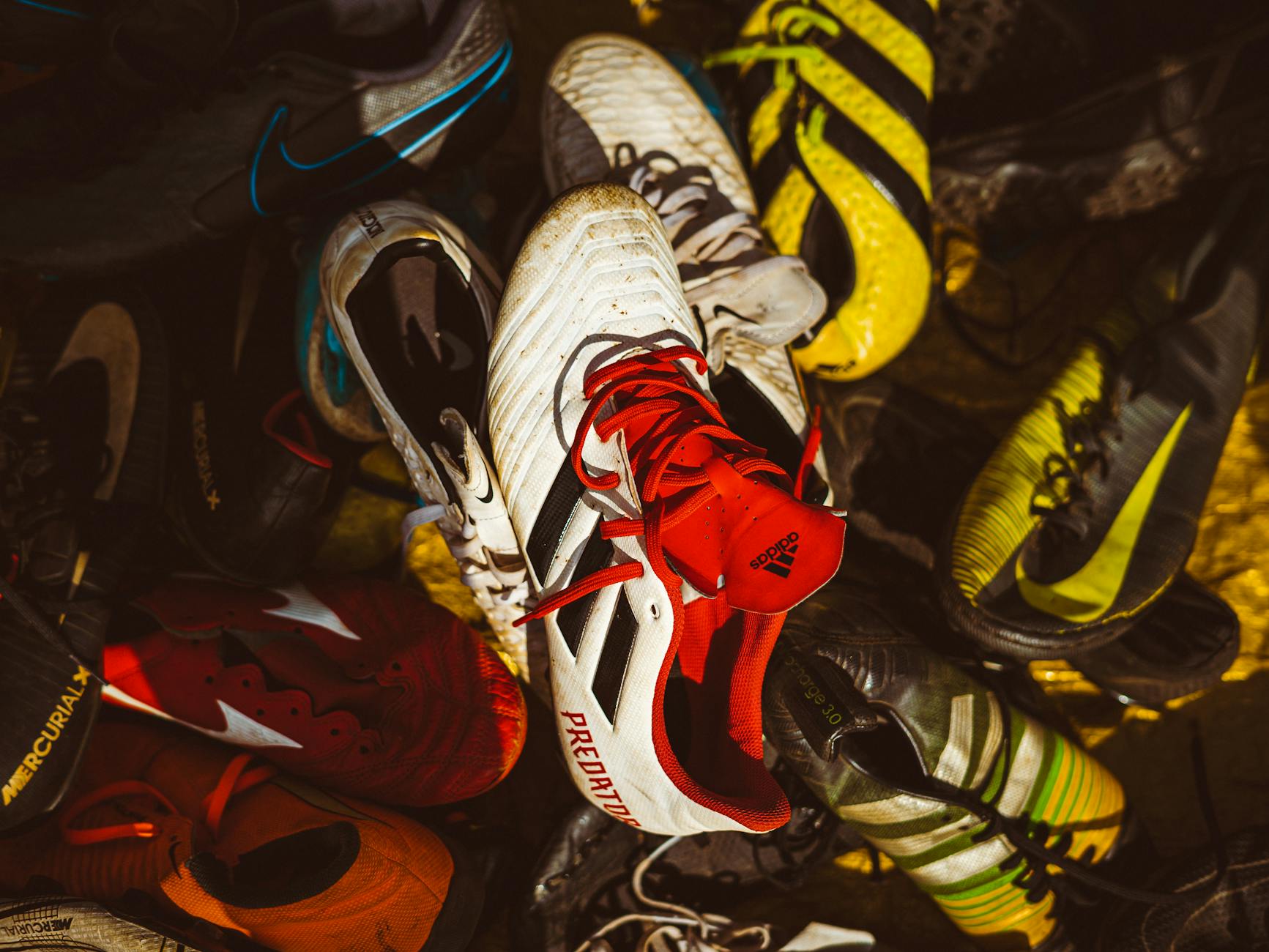
If you've decided to invest in dedicated basketball shoes, here are the key features to evaluate — beyond just brand and colorway.
Cut height and your ankle history. High-tops provide maximum ankle enclosure. Mid-tops offer a balance of support and mobility. Low-tops prioritize freedom of movement and are typically chosen by faster, guard-style players. If you've had prior ankle sprains, erring toward a mid or high-top is wise.
Cushioning system and your position. Post players and bigs who spend time in the paint absorbing contact and making short, powerful bursts benefit from maximum impact cushioning under the heel. Guards and wings who prioritize court feel and quick reaction prefer thinner, more responsive setups that sit closer to the ground.
Traction pattern for your primary surface. Check whether the shoe is designed for indoor or outdoor use. Indoor-optimized shoes use softer rubber that provides excellent grip on hardwood but wears down quickly on asphalt. Outdoor variants use harder-wearing compounds. Some all-court options split the difference, though they are generally a compromise in both directions.
Fit and width. Basketball shoe sizing can vary significantly between brands and even between models within the same brand. A proper fit means about a thumb's width of space at the toe, firm heel lock, and no pinching across the midfoot during lateral movement. Many players go a half-size up from their running shoe size to accommodate the wider, stiffer last common in basketball footwear.
Upper material and breathability. Leather uppers offer durability and support but run warmer. Synthetic mesh and knit uppers breathe better and break in faster but may sacrifice some structure. For competitive indoor play, a hybrid construction — mesh body with reinforced overlays — often offers the best balance.
Can You Wear Basketball Shoes as Everyday Sneakers?
Absolutely — and millions of people do. NBA signature shoes have been a major driver of sneaker culture since the 1980s, and many of the most iconic lifestyle sneakers ever made are former or current basketball models. The Air Jordan line, Kobe series, LeBron models, and countless others function perfectly well as everyday casual footwear.
From a practical standpoint, wearing basketball shoes casually is fine. The main consideration is that the sticky rubber outsole used in indoor basketball shoes will wear down faster on pavement than a lifestyle sneaker sole would. If you want to preserve a pair of basketball shoes for court performance, having a separate casual pair makes sense. But if you're buying shoes with the understanding that you'll wear them both on and off the court, that's a completely reasonable approach — just know that the outsole will gradually lose its tackiness on asphalt over time.
The reverse — wearing lifestyle sneakers on a basketball court — is where the mismatch becomes a real consideration, for all the structural and performance reasons covered above.
Final Verdict
The short answer is: yes, the differences between basketball shoes and everyday sneakers are real, and they do matter — but how much they matter depends entirely on how and where you play.
For anyone playing basketball with any regularity, in competitive settings, or on indoor courts, purpose-built basketball footwear provides genuine performance and safety advantages. The herringbone traction grips the court in every direction. The lateral support structure protects your ankles and knees during cuts. The impact cushioning reduces the joint stress of hundreds of jump landings. These are engineering differences with real biomechanical consequences, not just marketing claims.
For casual, low-intensity play — the occasional shoot-around, a slow-paced pickup game, kids learning the fundamentals — the stakes are low enough that comfortable everyday sneakers are a perfectly reasonable choice.
The bottom line: if basketball is a regular part of your fitness or recreation routine, a dedicated pair of basketball shoes is one of the most practical investments you can make for both your performance and your long-term joint health. They don't need to be the most expensive model on the shelf — even a mid-range pair built specifically for the sport will outperform any lifestyle sneaker in the conditions that actually matter on the court.