Best Healthy Drinks to Pack in Your Child's Lunchbox (That Aren't Juice Boxes)
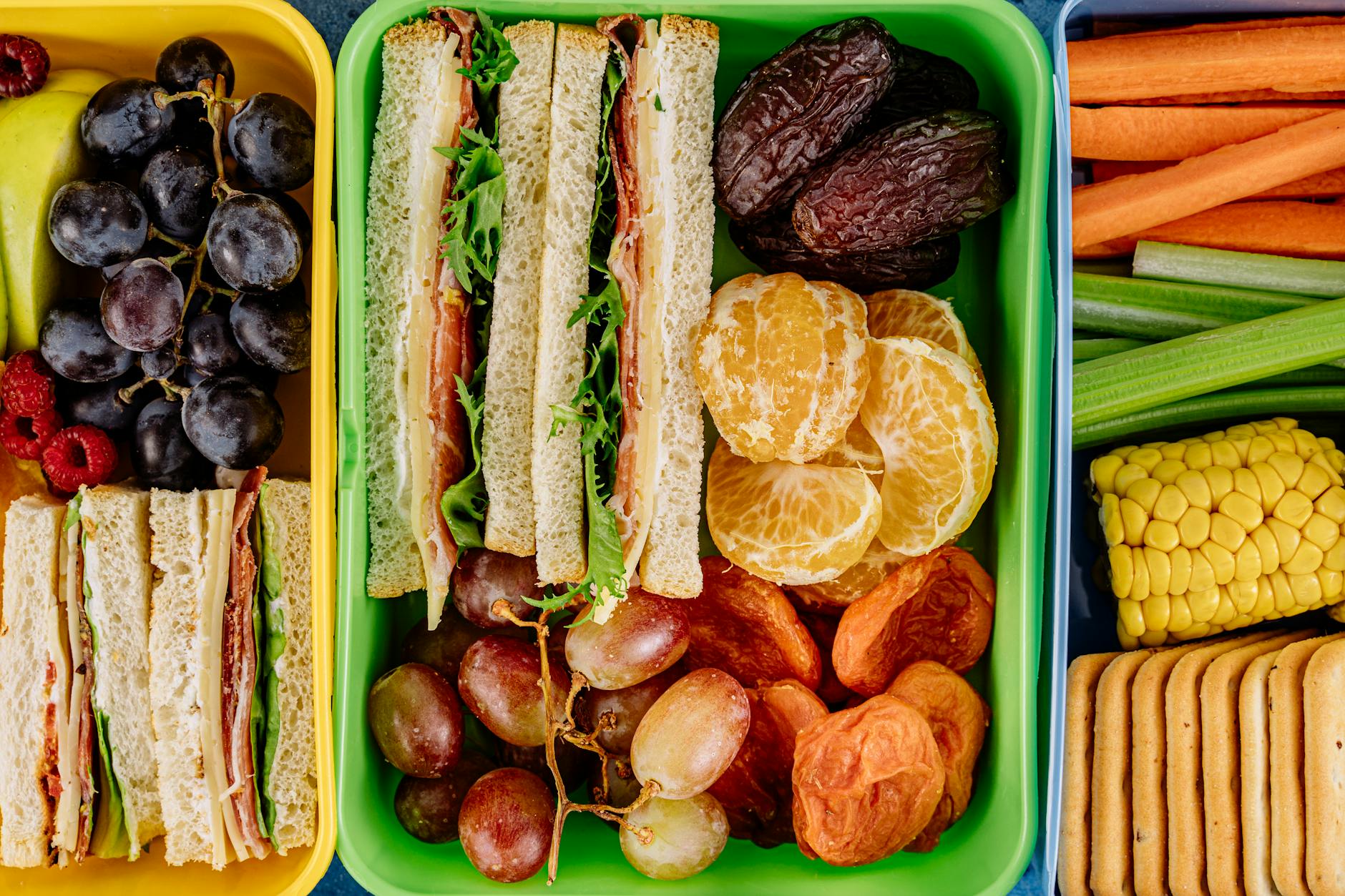
If you've ever read the label on a standard juice box, you already know the problem. A single 6-ounce serving can pack 18 to 22 grams of sugar — nearly as much as a can of soda — and offers little nutritional value beyond the initial fruit flavor. For millions of parents trying to build healthier school routines, finding genuinely good healthy drinks for kids lunchbox is one of the most overlooked parts of the puzzle.
The drink in the lunchbox matters more than most people realize. Children are in school for six to eight hours a day, and what they sip alongside their sandwich directly affects their energy, focus, and mood throughout the afternoon. Dehydration — even mild — is linked to difficulty concentrating, irritability, and fatigue in school-age children. Yet most packaged lunchbox drinks are loaded with added sugars, artificial flavors, or both.
This guide covers more than ten practical, parent-tested options for what to pack kids to drink at school. Each one comes with a nutritional snapshot and honest pros and cons so you can decide what fits your child's taste, your schedule, and your budget.
Why the Juice Box Habit Is Worth Breaking
Juice boxes became a lunchbox staple in the 1980s largely because of convenience — they're portable, spill-resistant (mostly), and kids love the sweetness. But the American Academy of Pediatrics recommends limiting 100% fruit juice to no more than 4 to 6 ounces per day for children ages 4 through 6, and 8 ounces for older kids. Most juice boxes contain exactly that amount — meaning one juice box already hits the daily ceiling before your child has had anything else to drink.
"Juice-flavored" drinks are worse. Products labeled as "juice drink," "juice cocktail," or "fruit punch" can legally contain as little as 10% real juice. The rest is water, corn syrup, and food coloring. Even "100% juice" options contain concentrated fruit sugars without the fiber that slows their absorption in whole fruit.
The good news: there are genuinely delicious, healthy lunchbox drink ideas that kids will accept — and in many cases prefer — once the habit shifts.
10+ Healthy Lunchbox Drink Options for School
1. Plain Water in an Insulated Bottle
Nutritional profile: Zero sugar, zero calories, zero additives. Pure hydration.
Water is still the gold standard for hydration, and the biggest obstacle most parents face is getting kids to actually drink it. The secret is making it feel special. A stainless-steel insulated bottle that keeps water cold for eight or more hours makes a real difference — cold water is simply more appealing. Letting your child choose their own bottle design also builds buy-in.
Pros: Free (or nearly so), no sugar, universally accepted by schools, no spillage risk with a good lid, builds a lifelong healthy habit.
Cons: Some kids flat-out refuse plain water, especially if juice is what they're used to.
2. Naturally Infused Water
Nutritional profile: Near-zero sugar (trace amounts from fruit), zero calories, zero additives.
Infused water is the easiest gateway from juice boxes to plain water. Add a few slices of cucumber and mint, strawberry and lemon, or watermelon and basil to a water bottle the night before. By morning, the water has a subtle natural flavor that's genuinely refreshing without any added sugar.
This is one of the most practical healthy lunchbox drink ideas because it takes about two minutes of prep and costs almost nothing. Kids who help pick the fruit combinations are far more likely to actually drink it.
Pros: Zero sugar, visually appealing, customizable, encourages hydration, easy to prep ahead.
Cons: Needs overnight steeping for best flavor; some fruit pieces can block the spout of certain bottles.
3. Sparkling Water (Unsweetened)
Nutritional profile: Zero sugar, zero calories. Some brands contain trace minerals.
Plain sparkling water — not flavored soda water, and definitely not flavored sparkling water with sweeteners — is a surprisingly popular option with older kids. The fizz provides a sensory novelty that makes it feel like a treat. Brands like plain unflavored sparkling water in a can are fine, though glass bottles aren't lunchbox-safe.
Note: carbonated drinks are generally fine for children's teeth in moderation, but flavored sparkling waters with citric acid can contribute to enamel erosion over time. Plain carbonated water is far lower risk.
Pros: Zero sugar, feels like a "fun" drink, widely available.
Cons: May lose carbonation by lunchtime if not sealed well; younger kids may not enjoy the fizz; some school canteens discourage cans.
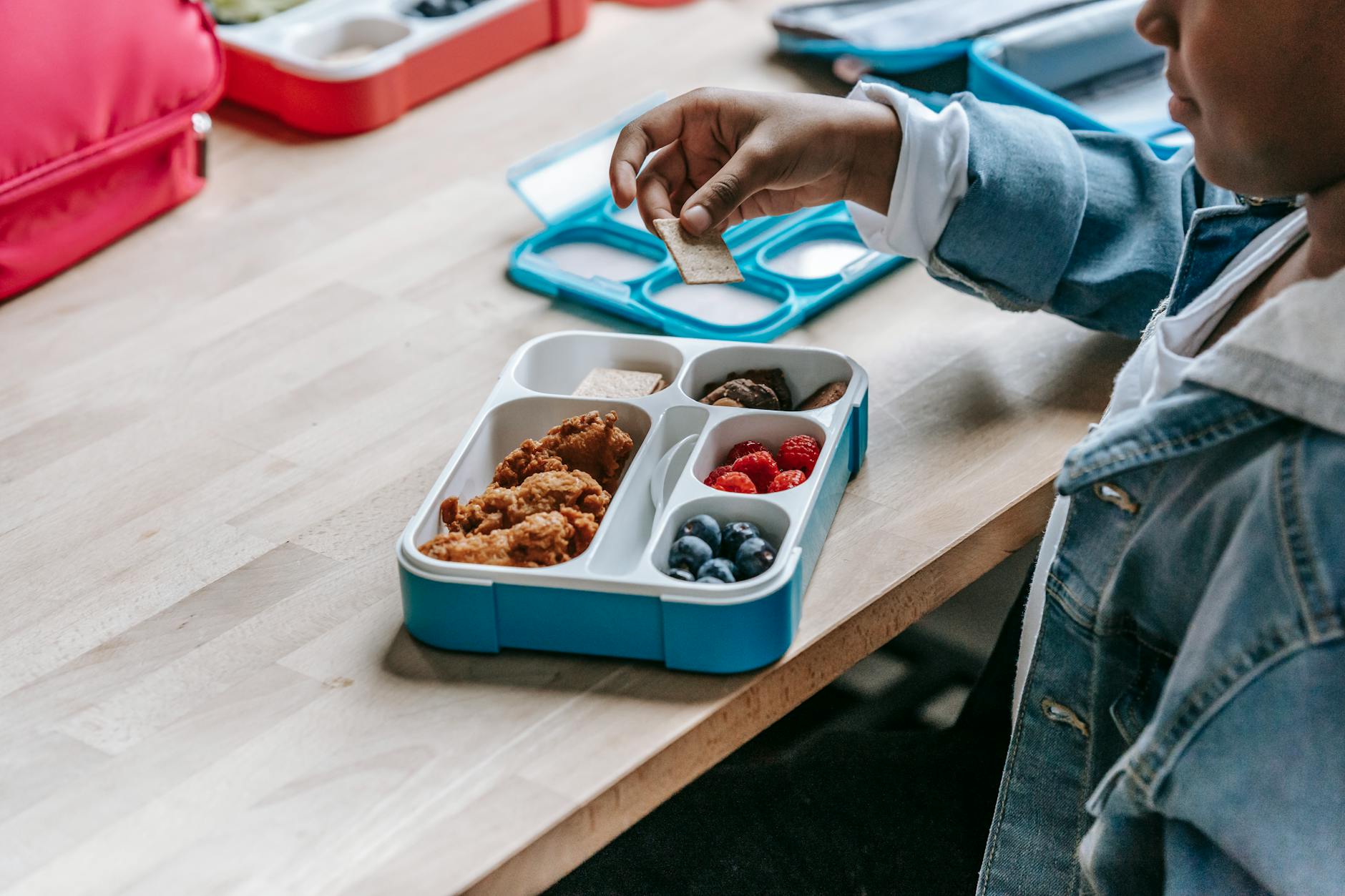
4. Low-Fat Dairy Milk
Nutritional profile: ~12g natural lactose sugar per cup, ~8g protein, calcium, vitamin D, B12, potassium.
Plain cow's milk remains one of the most nutritionally complete drinks a child can have. It provides protein, calcium for growing bones, and vitamin D — nutrients that many kids don't get enough of. The sugar in plain milk is naturally occurring lactose, not added sugar, and it's metabolized differently than free sugars in juice.
For lunchboxes, the key is keeping it cold. An insulated thermos flask or an ice pack alongside a small carton will keep milk safe for up to four hours. Pre-packaged shelf-stable milk cartons (UHT milk) also work well and don't need refrigeration until opened.
Pros: Excellent nutritional profile, filling, familiar taste, kids generally like it.
Cons: Must be kept cold for food safety; not suitable for lactose-intolerant kids; some schools have nut-free but not dairy-free policies worth checking.
5. Unsweetened Plant-Based Milk
Nutritional profile: Varies by type. Unsweetened oat milk: ~2–5g natural sugar, ~2g protein. Unsweetened almond milk: ~1g sugar, ~1g protein. Unsweetened soy milk: ~1g sugar, ~7g protein.
For dairy-free households or lactose-intolerant children, unsweetened plant-based milks are a solid alternative. The key word is "unsweetened" — flavored oat milks and vanilla almond milks often contain 7 to 12 grams of added sugar per serving, which defeats the purpose. Plain, unsweetened versions have a mild, neutral flavor that most kids accept without issue, especially if it's been a consistent part of their diet.
Soy milk is nutritionally closest to dairy in terms of protein content, making it the best 1:1 swap for most children.
Pros: Dairy-free, many fortified with calcium and vitamin D, low in sugar (unsweetened versions), wide variety of options.
Cons: Many school nut-free policies prohibit almond milk; some kids dislike the taste of unsweetened versions; protein content (except soy) is much lower than dairy.
6. Coconut Water (100% Pure)
Nutritional profile: ~9–11g natural sugar per cup, electrolytes (potassium, magnesium, sodium), low calorie (~46 calories per cup).
Pure coconut water — not coconut water "drinks" with added sugar — is one of the better naturally-sweet options for active kids. It contains naturally occurring electrolytes, which makes it particularly useful on PE days or during warmer months. The sugar is naturally occurring fructose and glucose, not added.
Look for labels that say "100% coconut water" with no added sugars or flavors. The taste is mildly sweet and slightly nutty — most kids either love it or are indifferent to it.
Pros: Natural electrolytes, moderate natural sugar, refreshing, no artificial additives in pure versions.
Cons: More expensive than water; higher in natural sugar than water or milk; some kids dislike the taste; must be kept reasonably cool.
7. Diluted 100% Fruit Juice (50/50 Rule)
Nutritional profile (diluted): ~7–10g sugar per serving (half of standard), some vitamin C retained.
If your child is deeply attached to juice and a cold-turkey switch feels like a battle you'll lose, try the 50/50 rule: half 100% fruit juice, half water. This halves the sugar content immediately while keeping the familiar flavor. Over time, you can gradually shift the ratio to 30/70, and eventually just infused water.
This is a practical bridge strategy rather than a long-term solution, but it's far better than a full juice box and gives kids (and parents) time to adjust expectations.
Pros: Familiar taste, easy transition tool, significantly lower sugar than full juice.
Cons: Still contains more sugar than water; kids may eventually want the full-strength version back; requires mixing at home.
8. Low-Sugar Smoothies (Homemade)
Nutritional profile: Highly variable. A well-made version can contain ~8–12g natural sugar, fiber, protein (if yogurt or nut butter is added), vitamins.
Homemade smoothies give you complete control over what goes in. The most lunchbox-friendly approach is to blend them the night before, store in an insulated bottle, and send them frozen or ice-cold. A basic formula: one handful of leafy greens (spinach is nearly tasteless in smoothies), half a banana or half a cup of frozen berries, unsweetened milk or water, and optional plain Greek yogurt for protein.
The fiber from whole fruit in a smoothie is retained (unlike in juice), which slows sugar absorption and provides a more sustained energy release. This is a meaningful nutritional difference from juice.
Pros: Nutrient-dense, fiber-rich, highly customizable, kids can help make them, fruit sugar absorbed more slowly due to fiber.
Cons: Requires prep time; must be kept very cold; can separate or look unappetizing by lunchtime; may be messier if lid seal isn't perfect.
9. Herbal Tea (Cold-Brewed, Unsweetened)
Nutritional profile: Zero sugar, zero calories. Some herbal teas contain trace antioxidants.
This one surprises most parents, but kids who are given herbal teas early often genuinely enjoy them. Cold-brewed herbal teas — made by steeping tea bags in cold water in the fridge overnight — are caffeine-free, completely sugar-free, and come in flavors that appeal to children: hibiscus (naturally fruity and bright red), peppermint, lemon and ginger, chamomile, and berry blends.
The cold-brewing method produces a smoother, less bitter flavor than hot-brewed tea cooled down, making it much more palatable for kids. No heat, no caffeine, no sugar — just flavor and hydration.
Pros: Zero sugar, caffeine-free, naturally flavorful, inexpensive, easy overnight prep, many kid-friendly flavors.
Cons: Unfamiliar to many kids (and parents); some children associate tea with adult beverages; staining potential from hibiscus tea on clothes or lunchboxes.
10. Electrolyte-Enhanced Water (No Added Sugar)
Nutritional profile: Near-zero sugar, trace electrolytes (sodium, potassium, magnesium), zero or near-zero calories.
Electrolyte-enhanced water products — not sports drinks, which are high in sugar — are designed to taste slightly more interesting than plain water while adding minerals that support hydration. Several brands now produce sugar-free, naturally flavored options in single-serve powder stick or liquid drop format that can be added to a water bottle at home.
This is particularly useful for kids school lunch drinks no sugar situations where you need a flavored option but cannot compromise on sugar content. It's worth reading labels carefully: some "electrolyte" products still contain 5 to 10 grams of added sugar per serving. The best options use stevia or monk fruit as a natural sweetener, or no sweetener at all.
Pros: Sugar-free or very low sugar, more interesting than plain water, supports hydration on active days.
Cons: Some children are sensitive to stevia's flavor; quality varies significantly between brands; slightly more expensive than plain water.
11. Vegetable-Based Drinks and Broths
Nutritional profile: Varies. Low-sodium vegetable broth: ~1–2g sugar, trace minerals, very low calorie.
This category is more niche, but worth mentioning for kids who genuinely dislike sweet flavors (they exist). A small thermos of warm, low-sodium vegetable broth can be a savory alternative that provides hydration alongside trace minerals. Tomato juice (low-sodium, 100% vegetable) is another option, though the sodium content in most packaged versions is worth monitoring.
Younger children who are used to broth in soups tend to be more receptive to this option than older kids who've been conditioned to expect sweetness from their lunchbox drink.
Pros: Savory alternative for kids who don't like sweet drinks, low sugar, warm option for cold days.
Cons: Less common, may require a thermos, not universally appealing to children, sodium content in packaged versions can be high.
12. Nutrient Powder Drinks (No Added Sugar)
Nutritional profile: Varies by formula. Best options contain vitamins, minerals, electrolytes, with zero or minimal added sugar.
A growing category in the sugar-free drinks for school space is no-added-sugar drink powders designed specifically for children. These typically add vitamins (C, D, B-complex) and electrolytes to plain water, creating a lightly flavored drink with genuine nutritional value beyond just hydration.
The appeal for busy parents is convenience: add a stick or scoop to a water bottle in the morning, shake, done. Some formulas use whole-food sources for vitamins (derived from fruits and vegetables) rather than synthetic isolates, which may improve absorption. As with electrolyte drinks, scrutinize the ingredients label and avoid versions that contain artificial colors, high-fructose corn syrup, or more than 5 grams of added sugar per serving.
Pros: Convenient, adds nutritional value to water, child-friendly flavors, customizable concentration.
Cons: Quality varies enormously; label-reading is essential; some kids are picky about the flavor; cost is higher than plain water.
Practical Tips for Making the Switch
Knowing your options is half the battle. The other half is actually getting your child to accept the change. A few evidence-backed strategies that work:
- Involve them in the choice. Children who help select or prepare their drink are significantly more likely to consume it. Take them along when choosing a water bottle. Let them pick which fruits go in their infused water.
- Change one thing at a time. Don't overhaul the entire lunchbox simultaneously. Swap the drink first, keep everything else the same, and let the new routine become normal before changing something else.
- Use the 50/50 rule as a bridge. Gradual dilution of juice over two to three weeks is a genuinely effective behavioral strategy. Most kids don't notice after the first few days.
- Make hydration visible at home. Kids model adult behavior. If they see you drinking water throughout the day, they're more likely to reach for it themselves.
- Never use drinks as a reward. Framing juice or sweet drinks as a treat makes them more desirable and plain water seem like a punishment. Keep the emotional valence neutral.
- Check the school's rules. Some schools have strict policies around glass containers, cans, or nut-based products. Always verify before sending something new.
How Much Should Kids Drink at School?
The general hydration guideline for school-age children is 5 to 8 cups (1.2 to 1.9 liters) of total fluid per day, with the actual need depending on activity level, body size, and climate. A reasonable target for the school portion of the day is 16 to 24 ounces (approximately one to one and a half standard water bottles) across the school day — not including what they drink at breakfast or after school.
Signs that your child may not be drinking enough at school include afternoon headaches, difficulty concentrating in the final hours of school, dark-colored urine, and complaining of tiredness that doesn't match their sleep quality. These are worth raising with your pediatrician if they persist.
Key Takeaways
The shift away from juice boxes doesn't have to happen overnight, and it doesn't require your child to suddenly love plain water. The most important principle behind every option in this guide is the same: reduce or eliminate added sugars, prioritize actual hydration, and find something your child will genuinely drink rather than leave sitting in their bag.
For most families, the most practical entry point is infused water or cold-brewed herbal tea — low effort, zero sugar, and genuinely enjoyable once kids give it a chance. Homemade smoothies and dairy or plant-based milk offer nutritional depth on days when the drink can double as a mini-meal. Electrolyte waters and no-added-sugar nutrient powders fill the gap on active days or for picky drinkers who need a little flavor to stay hydrated.
Whatever combination you land on, the goal is simple: send your child to school with something that keeps them hydrated, supports their concentration, and doesn't come at the cost of a sugar spike followed by an afternoon slump. With a little experimentation, there's something in this list for every child — and every parent's schedule.