Can You Really Improve Your Hearing Naturally? What Science Says

If you've noticed yourself turning up the television louder, asking people to repeat themselves, or struggling to follow conversations in noisy rooms, you're not alone. One in six adults worldwide lives with some degree of hearing loss — and many of them want to know whether there is genuinely a way to improve hearing naturally without expensive procedures or hearing aids.
The honest answer is nuanced. Certain types of hearing decline can be slowed, managed, and partly compensated for through lifestyle changes, nutrition, and auditory training. Other types — particularly permanent sensorineural hearing loss from years of noise exposure or age-related degeneration — cannot be reversed by diet or exercises alone. This post unpacks exactly what the science supports, what falls squarely in the realm of myth, and what practical steps anyone can take today to support long-term hearing health.
Understanding Why Hearing Declines in the First Place
Before exploring natural hearing improvement strategies, it helps to understand what is actually happening inside the ear when hearing fades.
The inner ear contains roughly 15,000 hair cells inside the cochlea. These microscopic sensory cells convert sound vibrations into electrical signals that the auditory nerve sends to the brain. Unlike skin cells or liver cells, cochlear hair cells do not regenerate in humans. Once they are damaged or destroyed — by loud noise, certain medications, infections, or the cumulative wear of aging — that damage is permanent.
This is the critical fact that separates evidence-based advice from wishful thinking: sensorineural hearing loss, the most common type, is largely irreversible with currently available non-surgical treatments. However, research in areas like neurotrophic factors, gene therapy, and hair cell regeneration is genuinely promising. Several clinical trials are underway as of 2026, and some scientists believe partial regeneration therapies could reach patients within a decade.
The second major category — conductive hearing loss — occurs when sound is physically blocked from reaching the inner ear. This can be caused by earwax buildup, ear infections, fluid behind the eardrum, or a perforated eardrum. Conductive hearing loss is often treatable or reversible, which is why a proper audiological assessment matters before assuming permanent damage.
Myths About How to Improve Hearing Naturally
Search the internet for how to improve hearing naturally and you will encounter a remarkable number of dubious claims. Let's examine the most common ones honestly.
Ear candling. This practice involves placing a hollow, tapered candle into the ear canal and lighting the other end, supposedly creating a vacuum that draws out wax and debris. Multiple peer-reviewed studies, including a frequently cited 1996 investigation published in the journal Laryngoscope, found that ear candling creates no meaningful negative pressure, removes no wax, and poses genuine risks: burns to the face, ear canal obstruction from candle wax, and eardrum perforation. The American Academy of Audiology does not recommend it. Avoid it.
Herbal and supplement "cures." Ginkgo biloba is one of the most heavily marketed supplements for hearing. A large Cochrane systematic review examining its use for tinnitus and age-related hearing decline found insufficient evidence that it provides any meaningful benefit. Similarly, claims that essential oils dripped into the ear can restore hearing function have no credible clinical support.
Frequency-based YouTube videos. Videos claiming to "restore" hearing through specific sound frequencies or binaural beats have accumulated millions of views. While certain auditory stimulation approaches have legitimate uses in tinnitus management (more on that below), passive listening to a YouTube video does not regrow damaged hair cells.
None of this means the situation is hopeless. It means the real opportunities lie elsewhere.
What Actually Works: Protecting the Hearing You Have
The single most impactful thing most people can do for their hearing health is also the least glamorous: protect your hearing from further damage. Noise-induced hearing loss is the most preventable cause of hearing decline, and it is dramatically underestimated.
The National Institute on Deafness and Other Communication Disorders (NIDCD) estimates that approximately 17 percent of teenagers already have some measurable hearing loss — largely attributable to headphone use. The World Health Organization projects that over one billion young people globally are at risk from unsafe listening habits.
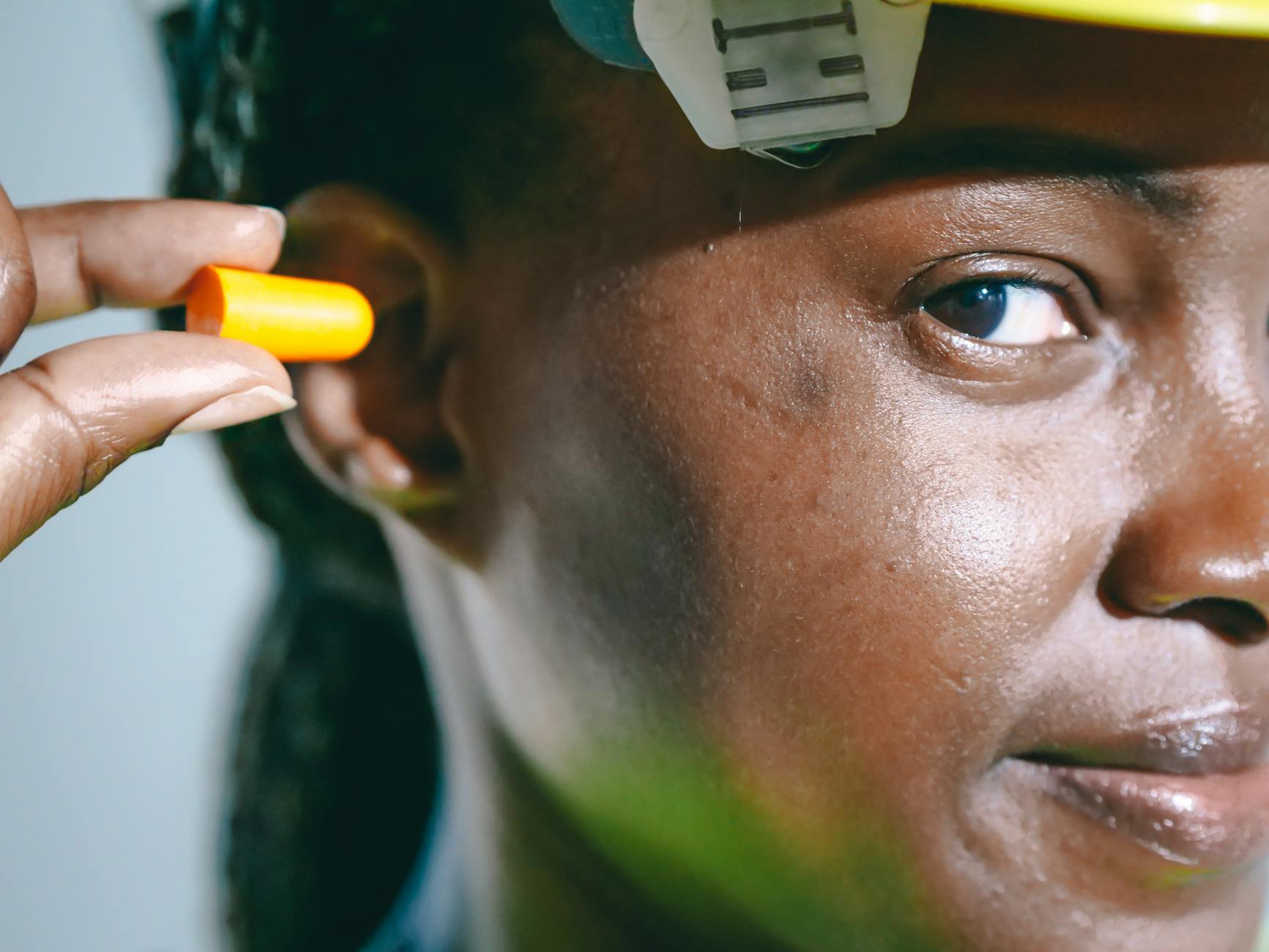
Practical hearing protection steps backed by audiological guidelines:
- Follow the 60/60 rule for headphone use: Keep volume at or below 60 percent of maximum, for no more than 60 minutes at a stretch before giving your ears a rest.
- Wear hearing protection at loud events: Any sustained sound above 85 decibels can cause cumulative damage. Live concerts regularly exceed 100 dB. High-fidelity musician's earplugs reduce volume without distorting sound quality.
- Use noise-canceling headphones: When background noise is high — on planes, trains, or in busy offices — noise-canceling technology lets you listen at lower volumes instead of competing with ambient sound.
- Take noise breaks: After prolonged noise exposure, periods of quiet allow temporary auditory fatigue to recover. A 2019 study in PLOS ONE suggested these recovery windows matter for long-term hair cell preservation in animal models.
Foods That Support Hearing Health: The Nutritional Evidence
While no diet can reverse established sensorineural hearing loss, a growing body of research links specific nutrients to a reduced rate of age-related hearing decline (presbycusis). Foods that support hearing health work primarily through two mechanisms: antioxidant protection against oxidative stress in the cochlea, and maintenance of healthy blood flow to the inner ear.

Key nutrients and their evidence base:
Magnesium. Perhaps the most well-studied micronutrient in hearing research. A controlled trial published in the American Journal of Otolaryngology found that magnesium supplementation significantly reduced noise-induced hearing loss in soldiers exposed to firearms noise. Magnesium appears to protect against the vasoconstriction that noise causes in the cochlear blood supply. Good dietary sources include dark leafy greens, pumpkin seeds, almonds, black beans, and whole grains.
Folate (Vitamin B9). A large longitudinal study of over 26,000 participants published in the Journal of Nutrition found that women with higher dietary folate intake had a 21 percent lower risk of developing hearing loss over time. Folate supports homocysteine metabolism, and elevated homocysteine is associated with cochlear blood vessel dysfunction. Legumes, asparagus, broccoli, and fortified grains are excellent sources.
Omega-3 fatty acids. A 2010 Australian study involving over 2,900 participants found that adults who consumed two or more servings of fish per week were 42 percent less likely to develop age-related hearing loss compared to those who rarely ate fish. The anti-inflammatory properties of omega-3s are thought to maintain the microvasculature of the inner ear. Sardines, mackerel, salmon, and walnuts are all rich sources.
Vitamins C and E. Both act as antioxidants that may reduce free-radical damage in the cochlea following noise exposure. While the evidence is stronger in animal models than in large human trials, the general cardiovascular and systemic benefits of antioxidant-rich diets are well established, and the cochlea's blood supply is part of that picture.
Zinc. Zinc plays a role in immune function within the ear, and several small studies have found associations between zinc deficiency and sensorineural hearing loss and tinnitus. Oysters, beef, pumpkin seeds, and chickpeas are among the highest dietary sources.
Auditory Training: The Most Legitimate "Exercise" for Hearing
When people search for exercises for hearing loss, they are often hoping for a physical routine that will strengthen their ears the way push-ups strengthen muscles. Cochlear hair cells don't work that way — but the brain does.
Auditory training is a legitimate, research-supported approach that targets the brain's ability to process and interpret the sounds it receives, rather than the ears themselves. This matters because a significant part of what people experience as "not hearing well" is actually a processing challenge: the brain struggling to separate relevant sounds from background noise, or to decode degraded signals efficiently.
A 2013 review published in Trends in Amplification found that structured auditory training programs produced measurable improvements in speech-in-noise perception, even in adults with established hearing loss. The effects are attributed to neuroplasticity — the brain's capacity to reorganize its auditory processing pathways in response to repeated practice.
Practical auditory training approaches include:
- Dichotic listening exercises: Listening to different sounds in each ear simultaneously, a technique used in formal auditory rehabilitation programs and some smartphone apps.
- Active listening practice: Deliberately listening to audiobooks, podcasts, or music in mildly challenging environments — not dangerously loud ones — and focusing on comprehension without visual cues.
- Learning a musical instrument: Musicians consistently outperform non-musicians on auditory processing tasks, including speech-in-noise perception. Studies led by researchers at Northwestern University's Auditory Neuroscience Laboratory have repeatedly shown that musical training sharpens subcortical auditory processing, and these benefits appear achievable even when training begins in adulthood.
- Foreign language study: Exposure to a new language demands careful auditory discrimination of unfamiliar phonemes, providing a natural form of auditory workout.
The Role of Cardiovascular Health in Hearing
One of the most underappreciated connections in audiology is between heart health and hearing health. The cochlea is one of the most metabolically demanding organs in the human body relative to its size, and it depends entirely on a healthy blood supply. Anything that impairs circulation — high blood pressure, diabetes, smoking, obesity — has measurable negative effects on cochlear function.

A 2010 study in the Journal of the American Medical Association found that adults with Type 2 diabetes were twice as likely to experience hearing loss as those without the condition. Smoking has been independently associated with a 70 percent higher risk of hearing loss in several large cohort studies. Conversely, regular aerobic exercise — which supports blood pressure regulation and vascular health — has been associated with slower age-related hearing decline.
This means that the advice to exercise regularly, quit smoking, manage blood pressure, and maintain a healthy weight is not only good for your heart — it is genuinely relevant to hearing health tips that most audiologists endorse. The inner ear benefits directly from the same lifestyle choices that benefit the cardiovascular system.
Stress management is a related factor. Chronic psychological stress elevates cortisol levels, which can constrict blood vessels and exacerbate tinnitus symptoms. Practices like mindfulness meditation, yoga, and adequate sleep all have plausible mechanisms through which they may support auditory wellbeing, even if direct hearing improvement studies are limited.
When to See an Audiologist
No lifestyle intervention replaces a professional audiological evaluation. Several conditions that cause hearing difficulties are entirely treatable when identified promptly:
- Earwax impaction: A surprisingly common and easily remedied cause of muffled hearing. A clinician can safely remove compacted wax in minutes.
- Otosclerosis: Abnormal bone growth in the middle ear that can often be treated surgically.
- Sudden sensorineural hearing loss: A rapid decline in hearing (usually in one ear) that is a medical emergency. Prompt treatment with corticosteroids significantly improves outcomes. Any sudden hearing change warrants same-day medical attention.
- Medication-induced hearing loss: Certain antibiotics (aminoglycosides), loop diuretics, and high-dose aspirin are ototoxic. If you are taking any of these and notice hearing changes, speak with your prescribing physician immediately.
The American Speech-Language-Hearing Association recommends baseline audiological testing for adults beginning at age 50, and every three years thereafter. Earlier and more frequent testing is advised for anyone with occupational noise exposure, a family history of hearing loss, or cardiovascular risk factors.
Key Takeaways
The question of how to improve hearing naturally deserves a grounded, honest answer. Here is what the current evidence supports:
- Prevention is the most powerful tool. Protecting your ears from noise damage — through earplugs, safe listening habits, and regular hearing breaks — is the highest-impact action most people can take right now.
- Nutrition matters, modestly. Magnesium, folate, omega-3 fatty acids, zinc, and antioxidant vitamins are linked to reduced rates of hearing decline. Eating a varied, whole-food diet rich in these nutrients is a reasonable and well-supported goal.
- Auditory training can improve processing. The brain's capacity to interpret sounds is genuinely trainable. Structured listening exercises, music, and language learning show real benefits in peer-reviewed research.
- Cardiovascular health is hearing health. Exercise, not smoking, managing blood pressure, and controlling blood sugar all protect the cochlea's blood supply — and that translates directly to slower hearing decline.
- Ear candling and most supplements are not supported by evidence. Save your time and money.
- Some hearing loss is reversible — but only if properly assessed. Conductive causes like wax buildup and infections respond well to treatment. Sudden hearing changes require prompt medical evaluation.
Natural hearing improvement is not a myth — but it requires realistic expectations. You are unlikely to recover hearing you have already lost through lifestyle changes alone. What you can do is protect what you have, support the underlying systems that keep your hearing functioning, and train your brain to process sound more effectively. That is a meaningful set of tools, even if it is not the dramatic reversal that some corners of the internet promise.