Cat Shedding: Why It Happens, When It Peaks, and How to Stay Ahead of It
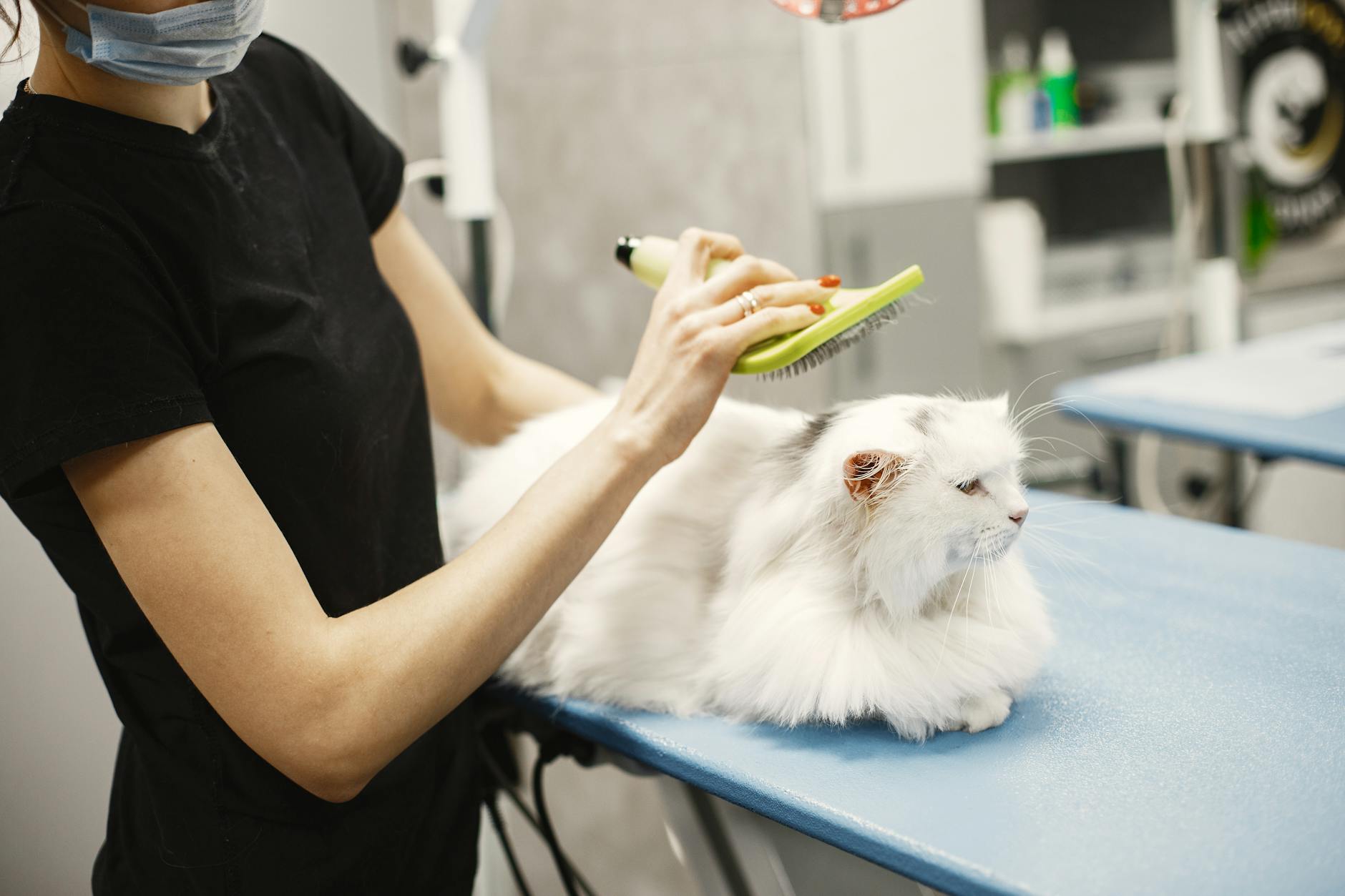
If you have ever found yourself peeling a layer of fur off your sofa before sitting down, or pulling cat hair out of your morning coffee, you already know the daily reality of living with a shedding cat. Cat shedding tips flood the internet, but most stop short of explaining the biology behind the problem — and without understanding why your cat sheds, you are just chasing fur instead of getting ahead of it.
This guide breaks down the complete picture: how feline hair actually grows and falls out, why indoor cats shed differently than outdoor cats, what your shedding calendar should look like through the year, which warning signs mean something more than normal turnover, and — most importantly — a practical grooming and home-management routine you can start today.
The Feline Hair Growth Cycle: What Is Actually Happening Under the Fur
Every strand of your cat's coat goes through a four-stage lifecycle that repeats on a continuous loop. Understanding this cycle is the foundation of every effective cat grooming to reduce shedding strategy.
- Anagen (growth phase): The follicle is actively producing a new hair shaft. Duration varies by breed and body region.
- Catagen (transition phase): Growth slows and the follicle begins to shrink. This phase lasts only a few days.
- Telogen (resting phase): The hair stops growing but remains anchored in the follicle. The cat does not shed during this phase — yet.
- Exogen (shedding phase): The old hair is actively released and pushed out as a new anagen hair begins to grow beneath it.
Unlike humans, where roughly 85–90% of scalp hairs are in anagen at any given time, cats can cycle large portions of their coat through exogen simultaneously — which is why shedding often looks dramatic and sudden rather than gradual. The primary trigger for this synchronized cycling is photoperiod: the ratio of daylight hours to dark hours across the day.
As days lengthen into spring, rising light exposure signals the pineal gland to reduce melatonin production. This hormonal shift pushes follicles that have been resting through winter into exogen, releasing the dense undercoat that served as insulation during the cold months. The reverse happens in autumn, when shortening days trigger a second, lighter shed as the cat grows its winter coat.
Why Indoor Cats Shed Year-Round (The Artificial Light Problem)
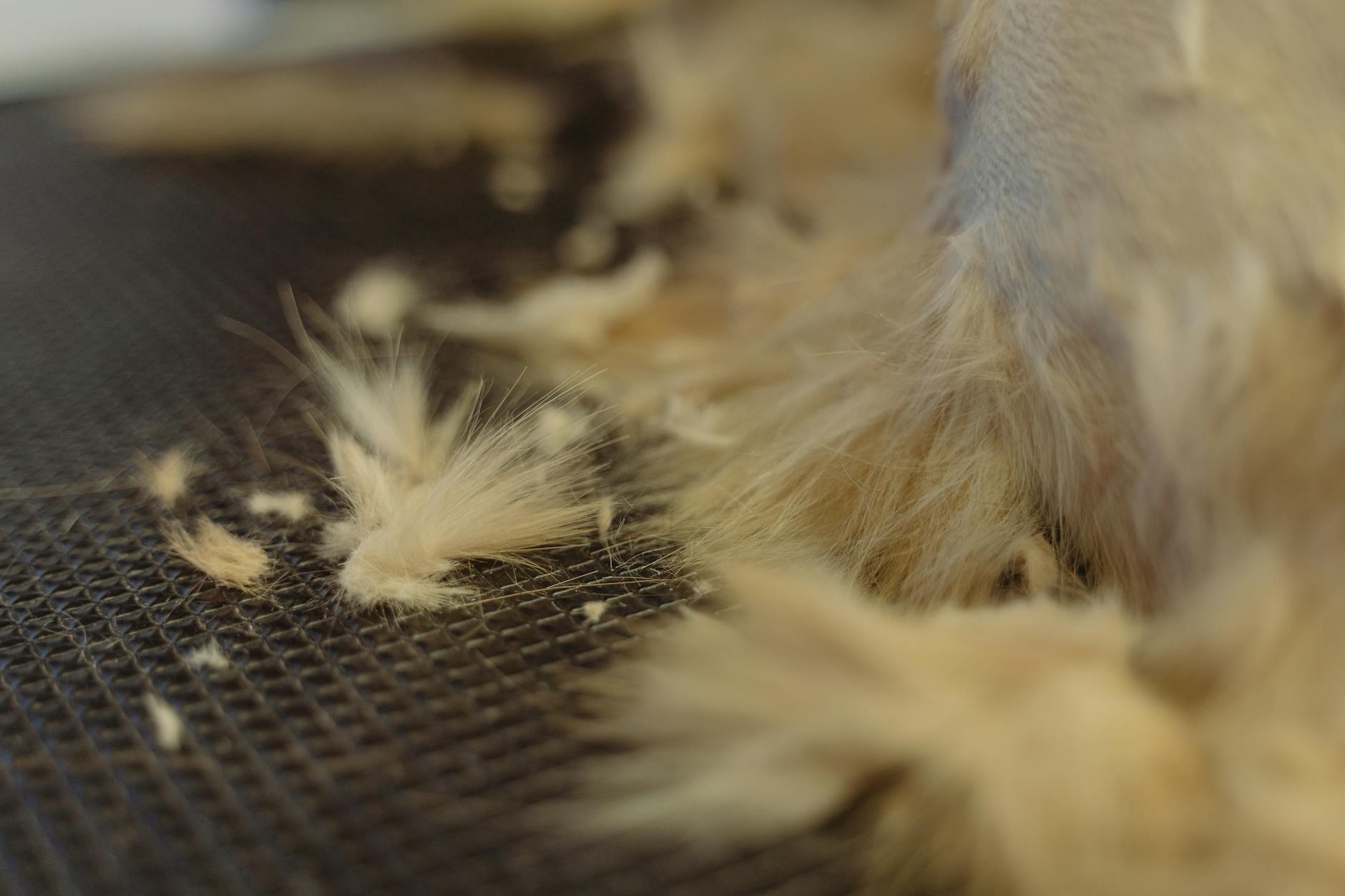
Here is the detail that surprises most cat owners: if your indoor cat seems to shed constantly with no clear seasonal peak, artificial lighting is almost certainly the reason. This is the core answer to the question why is my cat shedding so much even in the middle of winter.
Outdoor and indoor-outdoor cats experience genuine photoperiod variation as the sun sets earlier or later throughout the year. Their melatonin rhythms track the real solar cycle, which produces well-defined spring and autumn shedding bursts with relatively quieter periods in between.
Indoor cats, by contrast, are exposed to electric lighting for 12–16 hours a day regardless of the season. Their pineal glands register this as a perpetually long day, suppressing the melatonin variation that normally drives coat cycling. The result is that follicles are constantly cycling in and out of exogen — producing a steady, year-round trickle of shed fur rather than two concentrated seasonal blowouts.
This is not a health problem. It is simply the consequence of artificial light disrupting a light-sensitive biological rhythm. The practical implication is that cat shedding tips for indoor cats need to emphasize consistent, year-round grooming rather than a seasonal deep-clean approach.
Cat Shedding Season: When to Expect the Worst
Even with the artificial light factor, most cats — especially those who spend any time near windows — still show a shedding peak in spring and a secondary peak in autumn. The table below maps out what to expect across the year.
| Season | Shedding Level | What's Happening | Grooming Frequency |
|---|---|---|---|
| Spring (Mar–May) | Very High | Winter undercoat blowing out; largest volume shed of the year | Daily brushing recommended |
| Summer (Jun–Aug) | Moderate | Lighter summer coat in place; follicles in relative rest | Every 2–3 days |
| Autumn (Sep–Nov) | High | Summer coat sheds to make room for denser winter growth | Daily or every other day |
| Winter (Dec–Feb) | Low (outdoors) / Moderate (indoors) | Outdoor cats grow winter coats; indoor cats continue cycling due to artificial light | 2–3 times per week |
The cat shedding season spring peak is the one most owners dread, and rightly so — a double-coated breed like a Maine Coon or Norwegian Forest Cat can deposit what looks like an entire second cat's worth of fur onto your furniture within a few weeks. Starting your intensive grooming routine in late February, before the shed reaches peak volume, makes a measurable difference.
When Heavy Shedding Is a Warning Sign
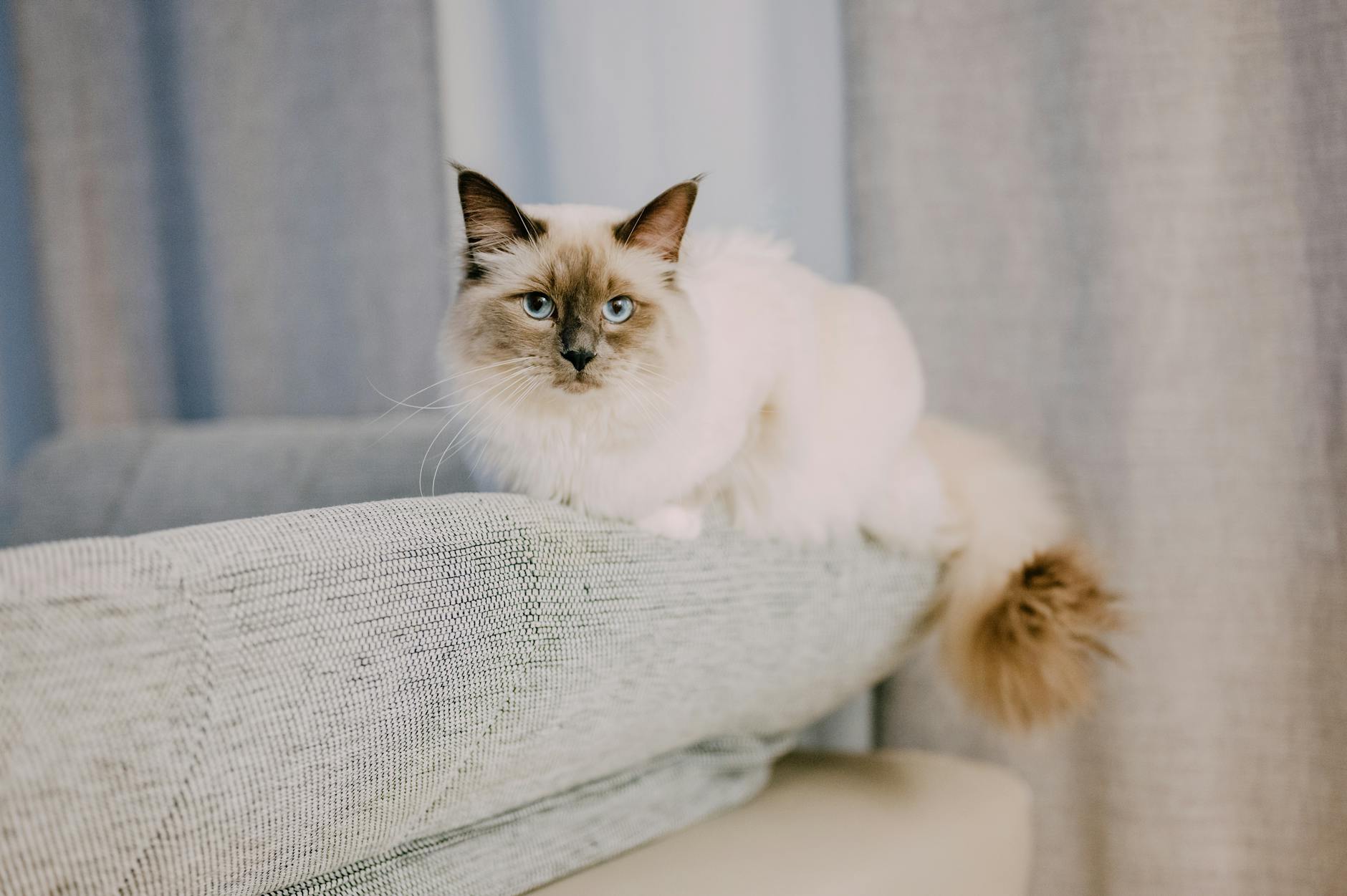
Normal shedding produces loose fur that comes out evenly across the coat, with no bald patches, no skin irritation, and a cat that looks healthy and well-groomed between sessions. The following patterns fall outside that normal range and are worth a veterinary conversation.
Symmetrical Hair Loss
Patches of thinning that mirror each other on both sides of the body — for example, both flanks or both inner thighs — often indicate a hormonal imbalance such as hyperthyroidism or hyperadrenocorticism (Cushing's disease). The symmetry is the giveaway; random patchy loss is more likely to point to ringworm or allergic skin disease.
Over-Grooming and Barbering
If your cat is licking or chewing fur away rather than the fur simply falling out, that is a behavioral or dermatological issue. Common causes include environmental allergies, flea allergy dermatitis, contact hypersensitivity, or anxiety-related compulsive grooming. Check the skin surface for flea dirt (small black specks that turn red when dampened) before assuming a purely behavioral cause.
Coat Quality Changes
Fur that has become dull, brittle, greasy, or matted alongside increased shedding can signal nutritional deficiency, kidney disease, diabetes, or poor fat absorption. Cats that struggle to groom their hindquarters and lower back may be obese or arthritic — the resulting coat deterioration in those areas is often mistaken for a skin condition.
Sudden Onset Shedding Outside Seasonal Norms
A cat that was shedding normally and then abruptly starts losing large volumes of fur in winter — particularly if accompanied by weight change, increased thirst, or behavioral shifts — should be evaluated. Hyperthyroidism, one of the most common conditions in cats over eight years old, frequently presents this way.
As a general rule: if the fur loss aligns with the seasonal calendar, looks uniform across the coat, and the cat's skin beneath is clean and unbroken, you are looking at normal shedding. If anything deviates from that pattern, err on the side of a vet check.
Cat Grooming to Reduce Shedding: A Practical Routine
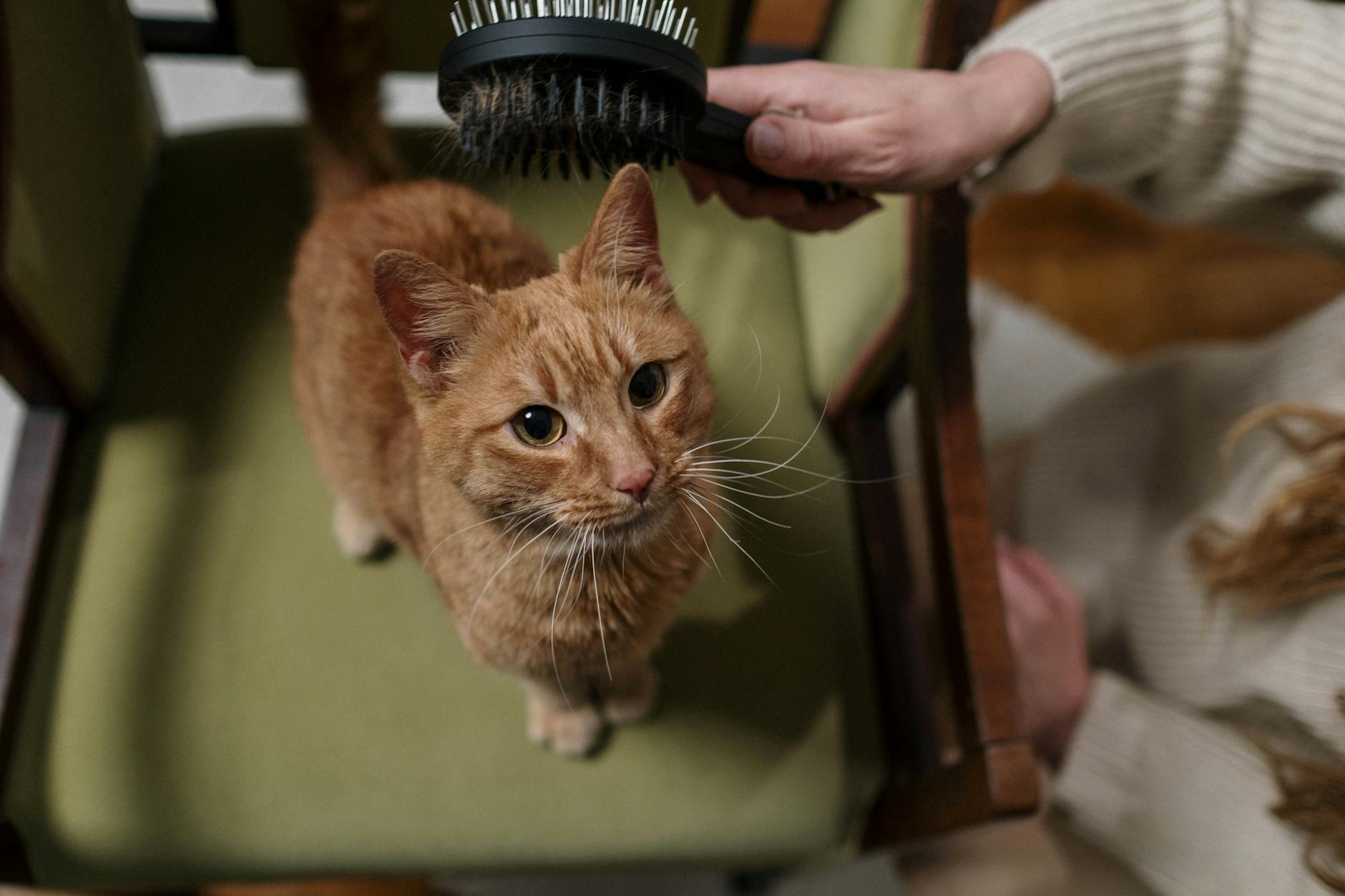
The single most effective thing you can do to reduce cat hair around the house is to intercept shed fur at the source before it migrates to your furniture, bedding, and clothes. That means a consistent brushing routine with the right tools for your cat's coat type.
Choosing the Best Brush for Shedding Cats
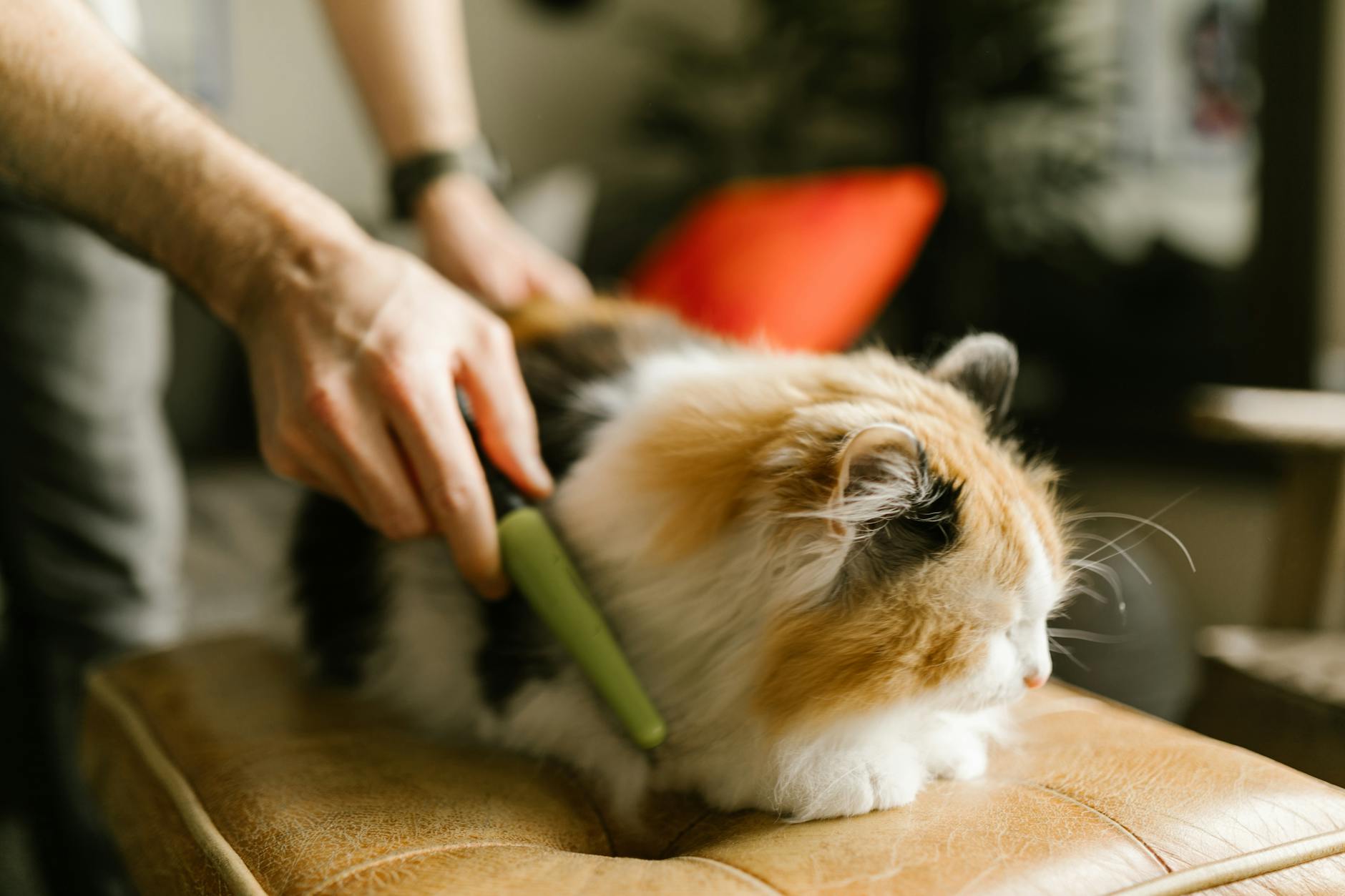
Tool selection is where most owners go wrong. The best brush for shedding cats depends entirely on coat length and density.
- Short-haired cats (e.g., Domestic Shorthair, Siamese, Abyssinian): A rubber grooming mitt or a fine-toothed bristle brush works well. These coats have minimal undercoat, so aggressive de-shedding tools can irritate the skin. A slicker brush used lightly is a good all-around option.
- Medium-haired cats (e.g., American Shorthair, Scottish Fold): A stainless steel comb with medium-spaced teeth plus a slicker brush covers both the topcoat and the moderate undercoat.
- Long-haired or double-coated cats (e.g., Maine Coon, Persian, Norwegian Forest Cat, Ragdoll): An undercoat rake or de-shedding tool with closely-spaced stainless steel tines is essential during peak shedding. Follow with a wide-tooth comb to check for mats. Never use a de-shedding tool on a matted coat — detangle first.
Building a Brushing Routine That Sticks
Frequency matters more than session length. A focused five-minute brushing session every day removes far more loose fur than a 30-minute marathon once a week, because you are intercepting hair before it enters the resting phase and falls out on its own schedule.
- Brush in the direction of hair growth first to remove loose surface fur, then work gently against the grain on the neck and shoulders to lift undercoat.
- Pay extra attention to areas cats cannot self-groom easily: the base of the tail, behind the ears, and the belly.
- If your cat resists brushing, start with a rubber mitt rather than a tool — many cats experience it as petting and tolerate it much better.
- Pair brushing with a high-value treat immediately after. Conditioning a positive association takes about two weeks of consistent practice.
Bathing
Most cats do not need regular baths, and forcing an unwilling cat into water creates stress that outweighs any shedding benefit. That said, a bath with a gentle, cat-formulated shampoo during peak spring shedding can dramatically loosen and remove undercoat that would otherwise end up on your floors over the following two weeks. If your cat tolerates bathing, once per shedding season is generally sufficient. Always brush thoroughly before bathing to remove mats, and use a high-velocity blow-dryer (on low, cool setting) designed for pets to speed drying and simultaneously blast out additional loose fur.
Nutrition and Coat Health
A coat sheds excessively when the skin and follicles are not getting adequate support from the diet. The key nutritional factors are:
- Omega-3 fatty acids (EPA and DHA): The most direct dietary lever for coat quality. These reduce follicular inflammation and support the lipid barrier of the skin, which in turn reduces abnormal shedding. Look for cat foods that list fish as a primary ingredient, or add a veterinarian-approved fish oil supplement.
- High-quality animal protein: Hair is primarily keratin, a protein. Diets high in digestible animal proteins — not plant-based fillers — provide the amino acid building blocks the follicle needs.
- Hydration: Chronically dehydrated cats develop dry, flaky skin that sheds more. Wet food significantly increases water intake compared to dry-only diets. A cat fountain can also encourage drinking in cats who prefer moving water.
Home Management: Keeping Cat Hair Under Control Between Grooming Sessions
Even a perfectly groomed cat deposits fur. The goal of home management is to create systems that make that fur easy to collect before it embeds in fabrics and multiplies through air circulation.
Vacuuming Strategy
Standard vacuum passes miss the fur embedded in upholstery fibres. Use a vacuum with a motorized brush head for upholstered surfaces, and vacuum in two directions — forward and backward — to lift fur from multiple angles. Hard floors benefit from a dry microfibre mop before vacuuming, because standard vacuum suction can scatter lightweight fur rather than collecting it.
Furniture Protection
Washable throws and covers on your cat's favourite spots are the single highest-leverage home management tool. Choose tightly woven fabrics — microfibre and canvas release fur more easily in the wash than open-weave upholstery. Launder them weekly during peak shedding season. A rubber-bristled brush dragged across furniture before washing loosens embedded fur that would otherwise clog your washing machine filter.
Air Quality and HVAC Filters
Cat hair and dander become airborne and circulate through your home's HVAC system, then settle back onto surfaces — including the surfaces you just cleaned. Upgrading to MERV-11 or MERV-13 rated HVAC filters and replacing them monthly during heavy shedding periods makes a noticeable difference in ambient fur levels. A standalone HEPA air purifier in rooms where your cat spends the most time provides an additional layer of capture.
Clothing and Laundry
To reduce cat hair around the house that ends up on your own clothes, run a lint roller over outerwear before leaving the house and store clothing in a closet rather than leaving it draped on chairs. Add a half-cup of white vinegar to the rinse cycle when laundering fur-covered fabrics — it relaxes fibres and releases embedded hair that the wash cycle alone would miss. A five-minute tumble in a dryer on low heat before washing can also loosen fur so it collects in the lint trap rather than re-depositing on the garment.
FAQ: Common Questions About Cat Shedding
Key Takeaways
Cat shedding is not a problem to be eliminated — it is a normal, biologically driven process that you can manage intelligently once you understand what is driving it. Here is what to carry away from this guide.
- All cats shed through a four-stage hair growth cycle; the exogen (shedding) phase is triggered primarily by changes in light exposure.
- Indoor cats shed year-round at a moderate, relatively steady rate because artificial lighting disrupts the photoperiod signal that drives seasonal cycling. This is normal, not a health issue.
- The biggest cat shedding season spring peak occurs from March through May; a secondary autumn peak follows in September through November. Ramp up your grooming routine before each peak, not after it starts.
- Abnormal shedding patterns — symmetrical patches, over-grooming, sudden onset outside seasonal norms, coat quality changes — warrant a vet visit.
- The most effective cat shedding tips center on daily or near-daily brushing with the right tool for your cat's coat type, a diet rich in omega-3 fatty acids and high-quality protein, and adequate hydration through wet food or water sources your cat will actually use.
- Home management — washable furniture covers, MERV-11 HVAC filters, directional vacuuming, and pre-wash dryer tumbling — captures fur that escapes grooming and prevents it from cycling endlessly through your living space.
Consistency is the word that connects every strategy in this guide. A five-minute daily brush, a weekly throw-cover wash, and a monthly HVAC filter swap will do more to keep your home manageable than any single deep-clean intervention. Start with the grooming routine, build the habit, and the rest follows.