Crow's Feet: What Causes Them and 9 Evidence-Based Ways to Reduce Them

If you've started noticing fine lines fanning out from the corners of your eyes, you're in very good company. Crow's feet — those delicate, branching wrinkles that radiate outward from the outer corners of the eyes — are among the earliest and most universal signs of skin aging. By some estimates, they begin forming as early as the mid-twenties, well before most other facial wrinkles appear. Whether you're researching the best eye cream for crow's feet, exploring professional treatments, or simply trying to understand what's happening to your skin, this guide covers the science and every evidence-ranked solution in one place.
What makes crow's feet unique isn't just where they form — it's why they form there first, and why the skin around the eyes responds so differently to the same aging forces that affect the rest of the face. Understanding the underlying biology is the first step toward choosing treatments that actually work.
Why Crow's Feet Form: The Science of Periorbital Skin
The skin encircling the eyes is called the periorbital area, and it is structurally distinct from virtually every other region of the face. These differences explain why crow's feet are so predictable — and why they're so difficult to prevent entirely.
The Anatomy of Thin Skin
Periorbital skin is the thinnest skin on the entire body, measuring roughly 0.5 mm thick compared to 2 mm on the cheeks. It contains far fewer sebaceous (oil) glands, which means it produces almost no natural moisturizing sebum. There is also minimal subcutaneous fat to act as structural padding. The result is skin that is more transparent, less resilient, and significantly more susceptible to dehydration than skin elsewhere on the face.
The Orbicularis Oculi: Your Most Active Facial Muscle
Surrounding the eye is the orbicularis oculi, a circular muscle responsible for blinking, squinting, and every expression involving the eye area. Remarkably, this muscle contracts an estimated 10,000 to 15,000 times per day through blinking alone — before accounting for smiling, squinting in sunlight, laughing, or any other expression. Every contraction folds the thin overlying skin. Over years and decades, those repeated folds etch themselves permanently into the skin's surface as fine lines around the eyes.
Collagen Loss and the Extracellular Matrix
Starting in the mid-twenties, the body's collagen production declines by roughly 1% per year. Collagen and elastin — the proteins that keep skin firm, smooth, and able to "bounce back" after folding — are already thinner and more sparse in periorbital skin. As production declines and UV-induced collagen degradation accumulates, the skin loses its ability to fully recover between muscle contractions. Lines that once smoothed out when you relaxed your expression begin to remain visible at rest. These are what dermatologists classify as static wrinkles, as opposed to the dynamic wrinkles that only appear during movement.
Sun Damage: The Single Biggest Accelerator
Ultraviolet radiation is responsible for up to 80% of visible facial aging, according to research published in the journal Clinical, Cosmetic and Investigational Dermatology. The periorbital area is chronically exposed to UV light — and it's an area most people forget to apply sunscreen. UV radiation triggers the production of matrix metalloproteinases (MMPs), enzymes that actively break down collagen and elastin. Years of unprotected sun exposure can accelerate crow's feet development by a decade or more.

Other Contributing Factors
- Genetics: Skin thickness, oil production, and collagen density are largely inherited. Some people are simply predisposed to earlier crow's feet.
- Dehydration: Even mild chronic dehydration makes fine lines more pronounced and the skin under the eye look creased.
- Smoking: Nicotine constricts blood vessels, reducing oxygen and nutrient delivery to skin cells. Smoking also directly degrades collagen and generates free radicals that damage skin structures.
- Sleep position: Side-sleeping presses the face against the pillow repeatedly, adding mechanical compression to an already vulnerable area.
- Screen time and squinting: Chronic squinting — whether from sun, screens, or uncorrected vision — increases the frequency of orbicularis oculi contractions.
9 Evidence-Based Ways to Reduce Crow's Feet
The following approaches are ranked roughly by the strength of evidence supporting them — from the most robustly studied to those with more limited but still meaningful data. Knowing this helps set realistic expectations and prioritize where to start.
1. Sunscreen and Daily UV Protection
Evidence level: Very strong. No single intervention prevents and reduces crow's feet more reliably than consistent sun protection. A landmark randomized controlled trial published in Annals of Internal Medicine (2013) found that adults who used broad-spectrum SPF 15 sunscreen daily showed 24% less skin aging over four and a half years compared to a control group. For the eye area specifically, a broad-spectrum SPF 30 or higher mineral sunscreen (zinc oxide or titanium dioxide) applied every morning — including around the eye contour — is the single highest-yield habit you can adopt. Wearing UV-blocking sunglasses also reduces squinting and provides a physical barrier against UV exposure to periorbital skin.
2. Retinoids (Prescription and Over-the-Counter)
Evidence level: Very strong. Retinoids — derivatives of vitamin A — are the most extensively studied topical anti-aging ingredients in dermatology. They work by binding to retinoic acid receptors in skin cells, stimulating collagen production, accelerating cell turnover, and inhibiting the MMP enzymes that degrade collagen. Prescription tretinoin has the most robust data, with multiple randomized trials demonstrating visible reduction in fine lines and crow's feet with consistent use over 12–24 weeks. Over-the-counter retinol, retinaldehyde, and newer compounds like hydroxypinacolone retinoate (HPR) offer similar mechanisms with reduced irritation, though results take longer. When choosing an eye cream for crow's feet, a formulation containing a proven retinoid — at an appropriate concentration for the eye area — is one of the most evidence-supported choices available.
Key considerations: Start low (0.025%–0.05% retinol), use only at night, apply moisturizer before and after, and allow 8–12 weeks for visible results. The periorbital area is more sensitive than other skin, so introduce retinoids gradually.
3. Vitamin C Serums
Evidence level: Strong. L-ascorbic acid (vitamin C) is a powerful antioxidant that neutralizes the free radicals generated by UV exposure before they can trigger MMP activity and collagen breakdown. Beyond its protective role, vitamin C is a cofactor required for collagen synthesis — meaning the skin genuinely needs it to build new collagen fibers. Clinical studies have demonstrated that topical vitamin C reduces UV-induced photodamage, improves skin texture, and can meaningfully reduce the appearance of fine lines around the eyes with sustained use. Effective formulations typically contain 10–20% L-ascorbic acid at a pH below 3.5. Because vitamin C is unstable and oxidizes quickly, packaging matters: dark glass or airless pump bottles preserve potency.
4. Peptide Eye Creams
Evidence level: Moderate to strong. Peptides are short chains of amino acids that act as signaling molecules in the skin. Different classes of peptides work through different mechanisms: signal peptides (like Matrixyl/palmitoyl pentapeptide-4) prompt fibroblasts to produce more collagen; carrier peptides (like copper peptides) facilitate the delivery of minerals needed for collagen and elastin synthesis; and neurotransmitter-inhibiting peptides (like Argireline/acetyl hexapeptide-3) mildly reduce muscle contractions in a manner loosely analogous to Botox, though far more modestly. Multiple well-designed studies have shown that regular use of peptide-containing eye creams can reduce the depth and visibility of crow's feet. They are generally well-tolerated and can be layered with other actives.
5. Hydration and Moisturization
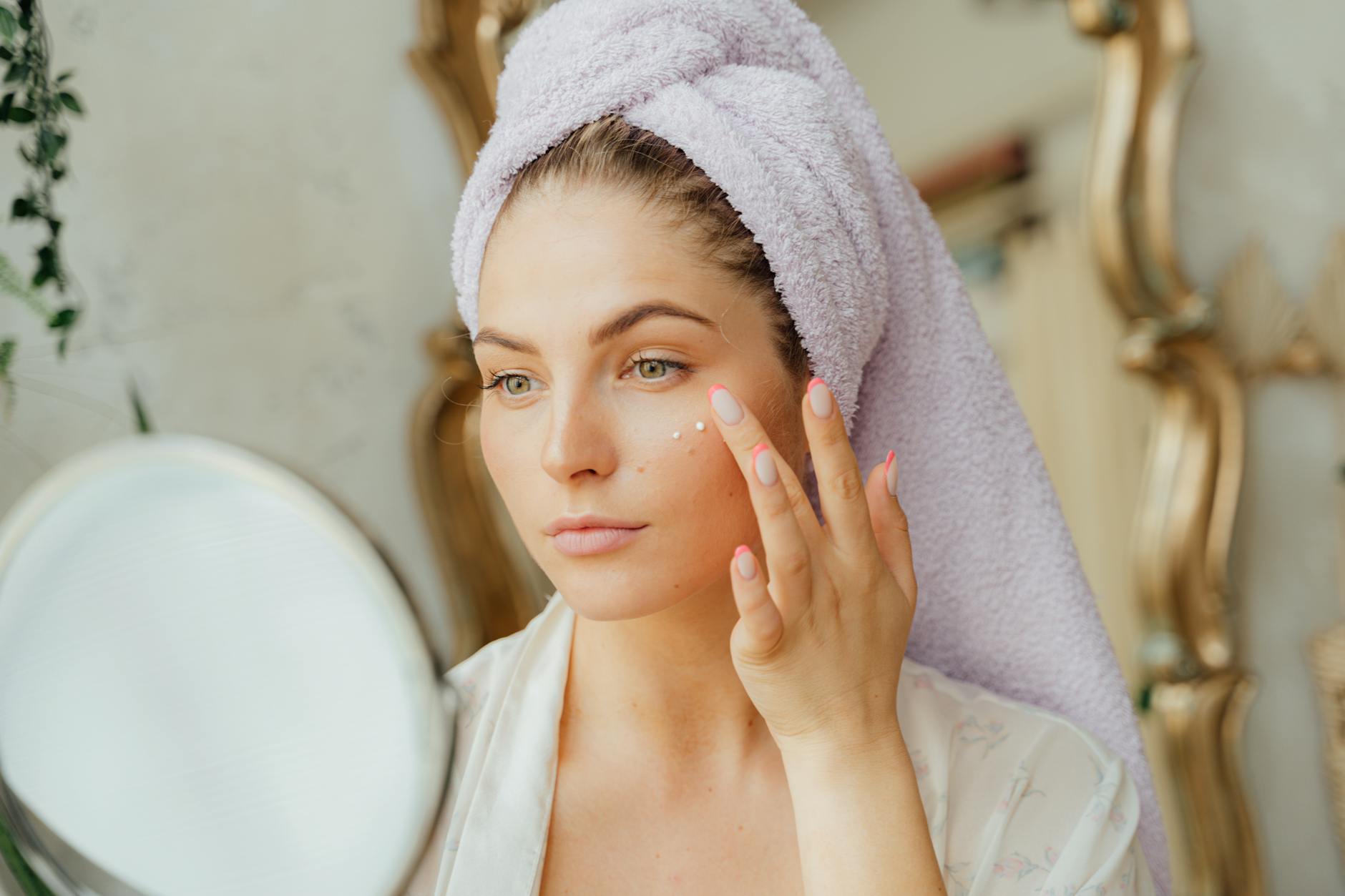
Evidence level: Strong for symptom improvement; moderate for long-term structural benefit. Properly hydrated periorbital skin looks measurably smoother, because water plumps skin cells and reduces the visual depth of fine lines. Humectants — ingredients that draw water into the skin — include hyaluronic acid, glycerin, and urea. Occlusives like squalane or shea butter seal moisture in. For the eye area, look for formulations combining humectants with a light occlusive layer. Applied morning and night, a well-formulated moisturizing eye cream will consistently improve the appearance of crow's feet. While this doesn't structurally rebuild collagen the way retinoids do, consistent moisturization prevents the chronic dryness that accelerates visual aging and supports the skin barrier's ability to retain water over time.
6. Facial Massage and Lymphatic Drainage
Evidence level: Moderate. Regular gentle massage of the periorbital area serves two documented purposes: it stimulates local circulation, increasing oxygen and nutrient delivery to skin cells; and it promotes lymphatic drainage, reducing puffiness that can make crow's feet appear more pronounced. A 2017 study published in Aging Clinical and Experimental Research found that structured facial massage using a specific technique increased skin thickness and improved overall facial appearance in middle-aged women over a 20-week period. Gua sha and facial rollers can offer similar benefits when used correctly — with gentle upward and outward strokes, never pulling the delicate periorbital skin downward. Results are subtle but cumulative, and the relaxation benefit is an added advantage given the role of stress in skin aging.
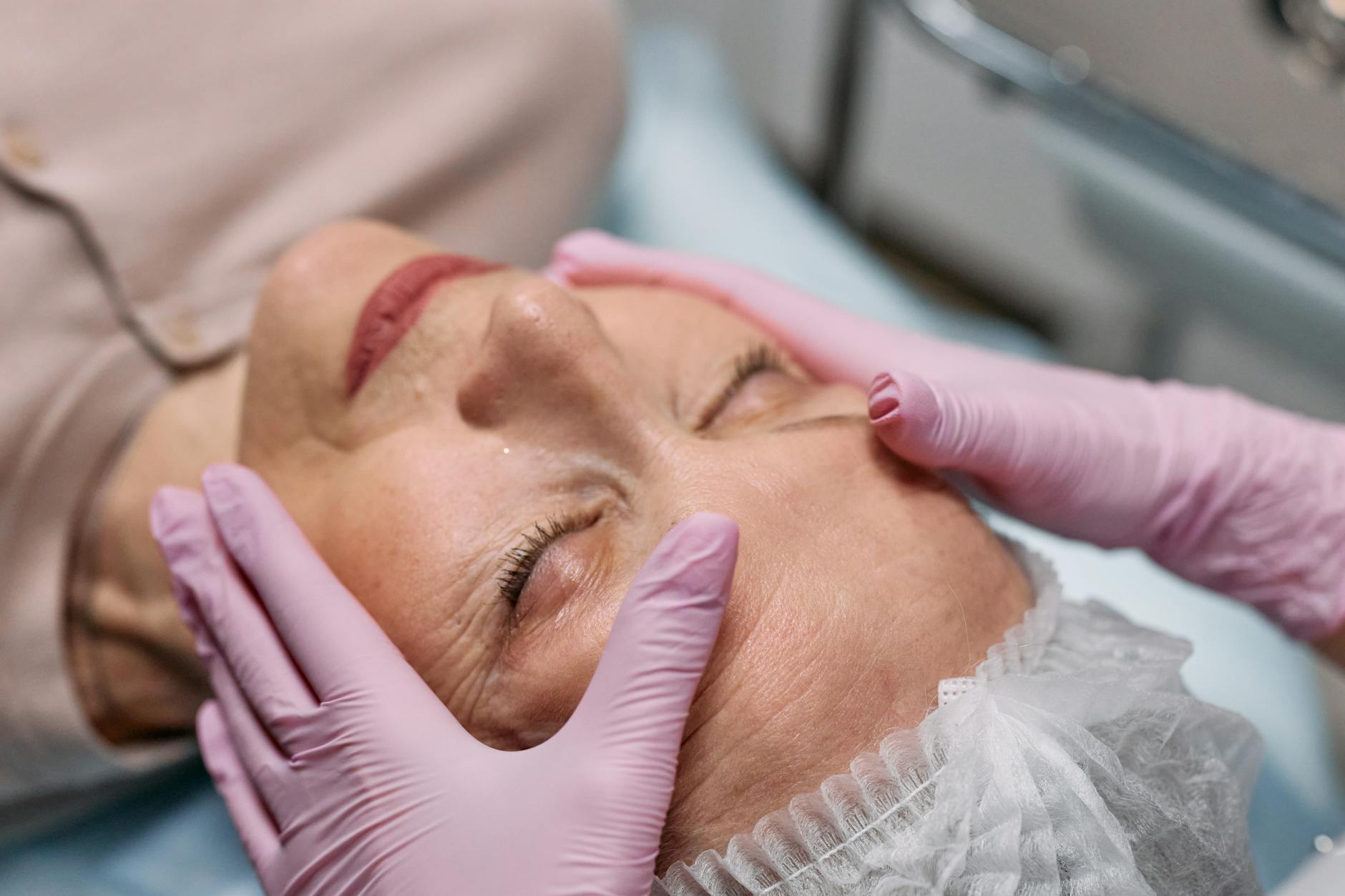
7. Professional Treatments (Botox, Fillers, Laser)
Evidence level: Very strong for short-term results. For those seeking faster or more dramatic reduction of crow's feet, several professional options have excellent clinical evidence behind them.
- Botulinum toxin (Botox/Dysport): The gold standard for dynamic crow's feet. By temporarily inhibiting the orbicularis oculi muscle contractions that create the lines, botulinum toxin injections produce significant smoothing within 3–7 days that lasts 3–4 months. Dozens of FDA-reviewed randomized trials confirm both efficacy and safety when administered by a qualified provider.
- Dermal fillers: Hyaluronic acid fillers injected into the lateral eye area can restore volume and reduce the shadowing that makes crow's feet more visible. Results are immediate and last 9–18 months depending on the product and individual metabolism.
- Laser resurfacing: Fractional CO2 and erbium lasers remove damaged outer skin layers and stimulate deep collagen remodeling. Studies show significant long-term improvement in periorbital wrinkles, though recovery time ranges from days to weeks depending on intensity.
- Radiofrequency and ultrasound (Thermage, Ultherapy): These energy-based devices heat deeper skin layers to trigger collagen remodeling without surface injury. Results are more gradual but can be meaningful for mild to moderate crow's feet.
8. At-Home Devices (Microcurrent and Red Light Therapy)
Evidence level: Moderate, and growing. The consumer device market for skin rejuvenation has matured significantly, and several categories now have peer-reviewed support. Microcurrent devices deliver low-level electrical currents that stimulate facial muscles and have been shown in clinical studies to improve facial contour and skin texture with consistent use. Red light therapy (photobiomodulation) using wavelengths in the 630–850 nm range stimulates fibroblast activity and collagen synthesis; a 2014 study in Photomedicine and Laser Surgery demonstrated significant improvements in skin complexion, skin tone, and the appearance of fine lines around the eyes after a course of red light treatments. These devices require sustained, consistent use (typically 5–10 minutes per session, several times per week) to maintain results, but they represent an accessible at-home option for those who prefer not to pursue injectables.
9. Lifestyle Factors: Sleep, Diet, and Stress
Evidence level: Moderate to strong. The biological processes that drive skin aging are deeply intertwined with overall health habits. Three lifestyle factors in particular have meaningful evidence in the context of reducing crow's feet naturally.
- Sleep quality and duration: During deep sleep, the body releases growth hormone and elevates levels of cortisol, which together regulate tissue repair including collagen synthesis. A 2015 study in Clinical and Experimental Dermatology found that poor sleepers showed significantly more signs of intrinsic skin aging and reduced skin barrier function compared to good sleepers. Sleeping on a silk or satin pillowcase — which causes less friction than cotton — also reduces mechanical compression of the eye area during the night.
- Diet and antioxidant intake: A diet rich in carotenoids (beta-carotene, lycopene), polyphenols, vitamin E, and omega-3 fatty acids provides the substrate for collagen production and neutralizes oxidative stress that degrades skin structure. Research consistently links Mediterranean-style diets high in vegetables, fish, olive oil, and nuts to measurably less photoaging and fewer facial wrinkles.
- Stress reduction: Chronic stress elevates cortisol, which breaks down collagen and impairs skin repair. Stress also increases habitual facial tension, which can amplify repetitive muscle movements around the eyes. Mindfulness, exercise, and adequate rest all contribute to a lower cortisol baseline and healthier skin over time.
Which Approach Works Best? A Practical Comparison
Every individual's skin, lifestyle, and budget is different. The table below distills the key trade-offs to help you build a strategy that fits your situation.
| Approach | Speed of Results | Duration | Cost Range | Best For |
|---|---|---|---|---|
| Daily SPF | Prevention (immediate); improvement over months–years | Ongoing with use | $ | Everyone; foundational |
| Retinoids | 8–24 weeks | Ongoing with use | $–$$$ | Visible fine lines; patient users |
| Vitamin C + Peptides | 4–12 weeks | Ongoing with use | $$ | Layering with retinoids; maintenance |
| Botulinum toxin | 3–7 days | 3–4 months | $$$ | Dynamic lines; fast visible change |
| Laser / RF | Weeks–months post-treatment | 1–3 years | $$$$ | Deep static wrinkles; significant photodamage |
| At-home devices | 4–8 weeks | Ongoing with use | $$–$$$ | Those avoiding injectables; maintenance |
| Lifestyle changes | Months to years | Ongoing; cumulative | $ | Long-term prevention; amplifies all other treatments |
For most people, the strongest results come from combining approaches: a protective base of daily SPF and antioxidants, an active ingredient (retinoid or peptide eye cream) applied consistently, supported by lifestyle optimization. Professional treatments can be layered on top for faster or more significant changes.
Building Your Crow's Feet Treatment at Home Routine
You don't need a complicated 12-step routine to address crow's feet effectively. A simple, consistent approach — applied morning and evening — will outperform an elaborate routine that gets abandoned after a few weeks.
Morning Routine for the Eye Area
- Gentle cleanser (avoid rubbing the eye area)
- Vitamin C serum applied to the full face, including the orbital bone area (avoid the lash line)
- Peptide or hyaluronic acid eye cream — applied with the ring finger using light tapping motions, never dragging
- Moisturizer for the face
- Broad-spectrum SPF 30+ mineral sunscreen — including the eye contour and temples
- UV-blocking sunglasses whenever outdoors
Evening Routine for the Eye Area
- Double cleanse if wearing sunscreen or makeup (micellar water first, then gentle cleanser)
- Retinoid (retinol or prescription tretinoin) — start 2–3 nights per week and build up to nightly over 4–6 weeks
- Moisturizing eye cream to buffer any retinoid irritation
- Facial massage or gua sha — 2–3 minutes of gentle outward strokes around the eye area, ideally with a facial oil to reduce friction
Consistency over months is the defining variable in how to get rid of crow's feet with topical treatments. Most people expect results in two to three weeks; realistically, structural collagen changes take 8–16 weeks of consistent application to become visible.
Realistic Expectations: What Topicals Can and Cannot Do
A clear understanding of realistic outcomes prevents frustration and helps you make informed decisions about whether to pursue professional treatments.
What topical treatments can do:
- Meaningfully reduce the depth and visibility of early-stage and moderate crow's feet over 3–6 months
- Prevent or significantly slow the progression of new lines forming
- Improve skin texture, hydration, and luminosity in the periorbital area
- Maintain and extend the results achieved through professional treatments
What topical treatments cannot do:
- Eliminate deep, heavily set static wrinkles — these typically require professional intervention
- Replicate the muscle-relaxing effect of botulinum toxin injections
- Reverse decades of UV damage overnight
- Produce results faster by applying more product or increasing application frequency beyond recommended guidelines
The most empowering perspective is one that separates improvement from elimination. Crow's feet that form from a lifetime of smiling and squinting are, in many ways, a record of an expressive, lived-in face. The goal of a thoughtful skincare routine isn't necessarily to erase them entirely — it's to keep the periorbital skin healthy, hydrated, and resilient, so that lines remain fine rather than deepening into grooves, and so that the eye area looks rested and vital at every age.
Key Takeaways
- Crow's feet form early and reliably because periorbital skin is the thinnest on the body, the orbicularis oculi is the most active facial muscle, and the eye area is chronically sun-exposed.
- UV protection is the single most evidence-supported intervention — broad-spectrum SPF applied daily prevents future damage and allows existing skin to repair itself more effectively.
- Retinoids are the gold standard topical ingredient for crow's feet reduction, with decades of randomized controlled trial evidence supporting their ability to stimulate collagen and smooth fine lines.
- Vitamin C and peptides are evidence-backed complements that work through different mechanisms — antioxidant protection and collagen signaling respectively — and are well-tolerated enough for daily use.
- The best eye cream for crow's feet is one that contains proven actives (retinoid, peptides, or hyaluronic acid), is well-tolerated by periorbital skin, and — critically — gets used consistently every day.
- Professional treatments (Botox, laser, RF) offer faster and more significant results for moderate to deep crow's feet, with excellent safety profiles when performed by qualified providers.
- Lifestyle factors amplify every other treatment: consistent sleep, a diet rich in antioxidants, not smoking, and stress management all contribute meaningfully to long-term skin health around the eyes.
- Realistic timelines matter: expect 8–16 weeks of consistent topical use before judging results; structural collagen changes are slow but cumulative.