Cutting Board Hygiene: The Right Way to Clean, Sanitize, and Store Your Board
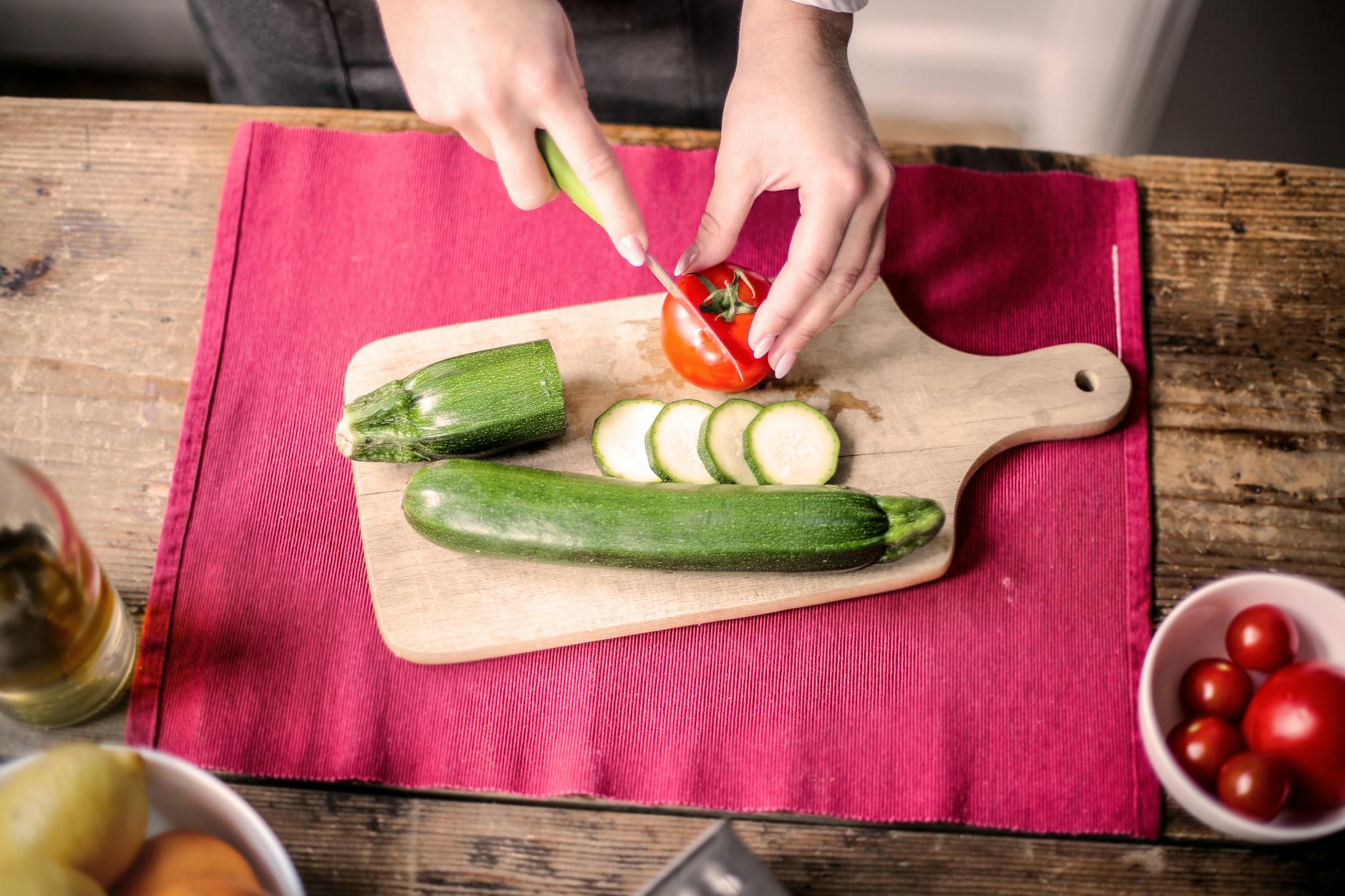
Cutting board hygiene is one of the most overlooked aspects of kitchen food safety — yet it is one of the most important. Your cutting board comes into direct contact with raw meat, unwashed produce, and ready-to-eat foods, often multiple times in a single meal prep session. When it is not cleaned correctly, it becomes a reservoir for harmful bacteria like Salmonella, E. coli, and Listeria. This guide walks you through the right way to clean, sanitize, and store your board, with material-specific instructions and practical checklists you can use today.
Why Cutting Board Bacteria Are a Serious Risk
According to the USDA, cutting boards are among the top five most bacteria-contaminated surfaces in a home kitchen. Cutting board bacteria thrive in the microscopic grooves and cuts left behind by knife use. Unlike a smooth countertop, those channels trap moisture and organic matter — the perfect environment for microbial growth.
The most dangerous scenario is cross-contamination: using the same board for raw chicken and then slicing salad vegetables without washing in between. Studies have shown that Campylobacter and Salmonella from raw poultry can survive on a board surface for several hours if it is only rinsed with cold water. A simple rinse is not enough. Neither is a quick wipe with a damp cloth.
Understanding the risks is the first step. The second is knowing exactly what cleaning and sanitizing look like — and why they are two different things.
Cleaning vs. Sanitizing: Understanding the Difference
Many home cooks use these two terms interchangeably, but they mean very different things in the context of food safety.
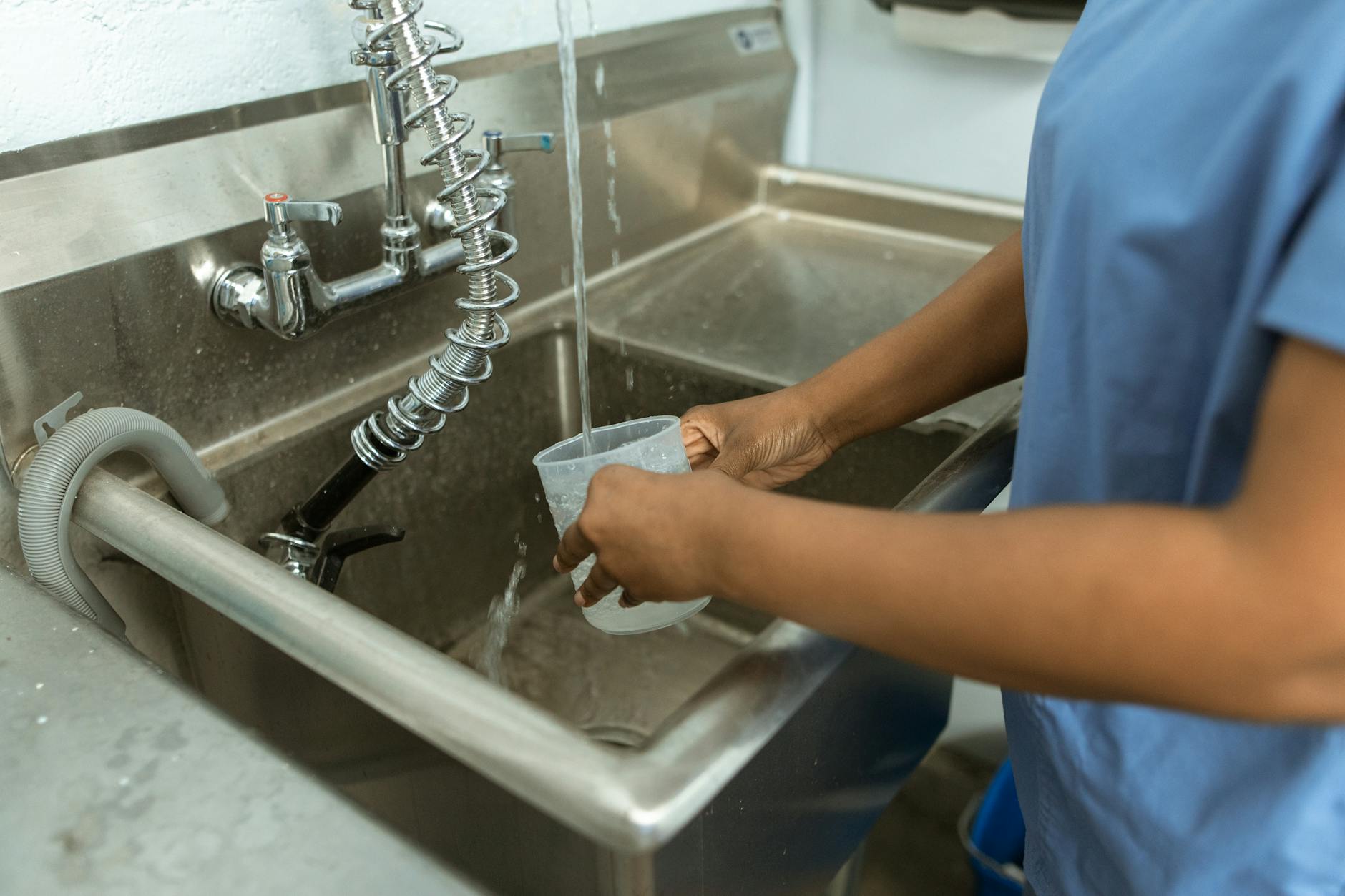
- Cleaning removes visible dirt, grease, and food particles using soap and water. It reduces the number of pathogens but does not eliminate them.
- Sanitizing uses heat or a chemical solution to kill the bacteria that remain after cleaning. Sanitizing alone without prior cleaning is largely ineffective because organic matter protects microbes from the sanitizing agent.
The correct order is always: clean first, then sanitize. Skipping either step leaves your board potentially dangerous for the next use.
How to Clean a Cutting Board After Raw Meat
Knowing how to clean a cutting board after raw meat is a non-negotiable kitchen skill. Follow this sequence every single time raw poultry, beef, pork, or seafood has touched the surface.
Step-by-Step: After Raw Meat
- Remove the board from the counter and scrape off all visible food debris into the bin.
- Rinse under hot running water to loosen remaining particles.
- Apply a generous amount of dish soap and scrub all surfaces — front, back, and edges — with a stiff brush or non-scratch scrubber.
- Rinse thoroughly under hot water until no soap residue remains.
- Prepare a sanitizing solution: 1 tablespoon of unscented liquid chlorine bleach per gallon of water, or white vinegar diluted 1:1 with water.
- Apply the solution to the board surface, let it sit for at least 2 minutes, then rinse off.
- Pat dry with a clean paper towel or stand the board upright to air-dry completely before storing.
Never submerge a wooden board in water for an extended time — this causes warping and cracking that creates even more bacteria-harboring crevices. For plastic boards, the dishwasher on a hot cycle is an acceptable sanitizing method, provided the board is not heavily scratched.
Material-Specific Cleaning Instructions
Not all cutting boards are created equal when it comes to cutting board hygiene. The material makes a significant difference in how you should clean, sanitize, and maintain the surface.
Wooden Cutting Boards
Wood is naturally porous, which means it can absorb moisture and harbor bacteria deeper than plastic. However, research from UC Davis found that wood may actually have some antibacterial properties — bacteria pulled into the grain do not multiply and eventually die. That said, proper care is still critical.
- Wash by hand only — never in the dishwasher.
- Use hot soapy water and a stiff brush.
- Sanitize with a diluted bleach or white vinegar solution.
- Dry upright or on a rack — never flat, as this traps moisture underneath.
- Oil the board monthly with food-grade mineral oil to seal the grain and prevent cracking.
- Do not soak or leave standing in water.
Plastic Cutting Boards
Plastic boards are non-porous when new, making them easy to clean. However, as knife cuts accumulate, grooves form that are just as hospitable to bacteria as wood grain — and harder to reach with a brush.
- Wash with hot soapy water after every use.
- Run through the dishwasher on a hot cycle for thorough sanitization.
- For hand-sanitizing, use a 1 tablespoon bleach per gallon water solution.
- Replace the board when deep knife grooves are visible — these cannot be effectively sanitized.
- Avoid abrasive scrubbers that deepen existing scratches.
Composite and Bamboo Boards
Composite boards (resin-bound wood fiber) are denser than standard wood, less prone to warping, and more resistant to knife scarring. Bamboo boards are similarly hard but can dry out and crack without regular oiling. Clean both with hot soapy water, sanitize with a diluted bleach solution, and oil bamboo boards regularly.
Metal Cutting Boards
Stainless steel boards are the most hygienic option for high-risk foods like raw meat. They are non-porous, dishwasher-safe, and do not develop knife grooves. They are harder on knife edges, however, which is why many professional kitchens reserve them specifically for meat preparation. Clean and sanitize the same way as plastic boards.
How to Sanitize a Cutting Board: Your Options Compared
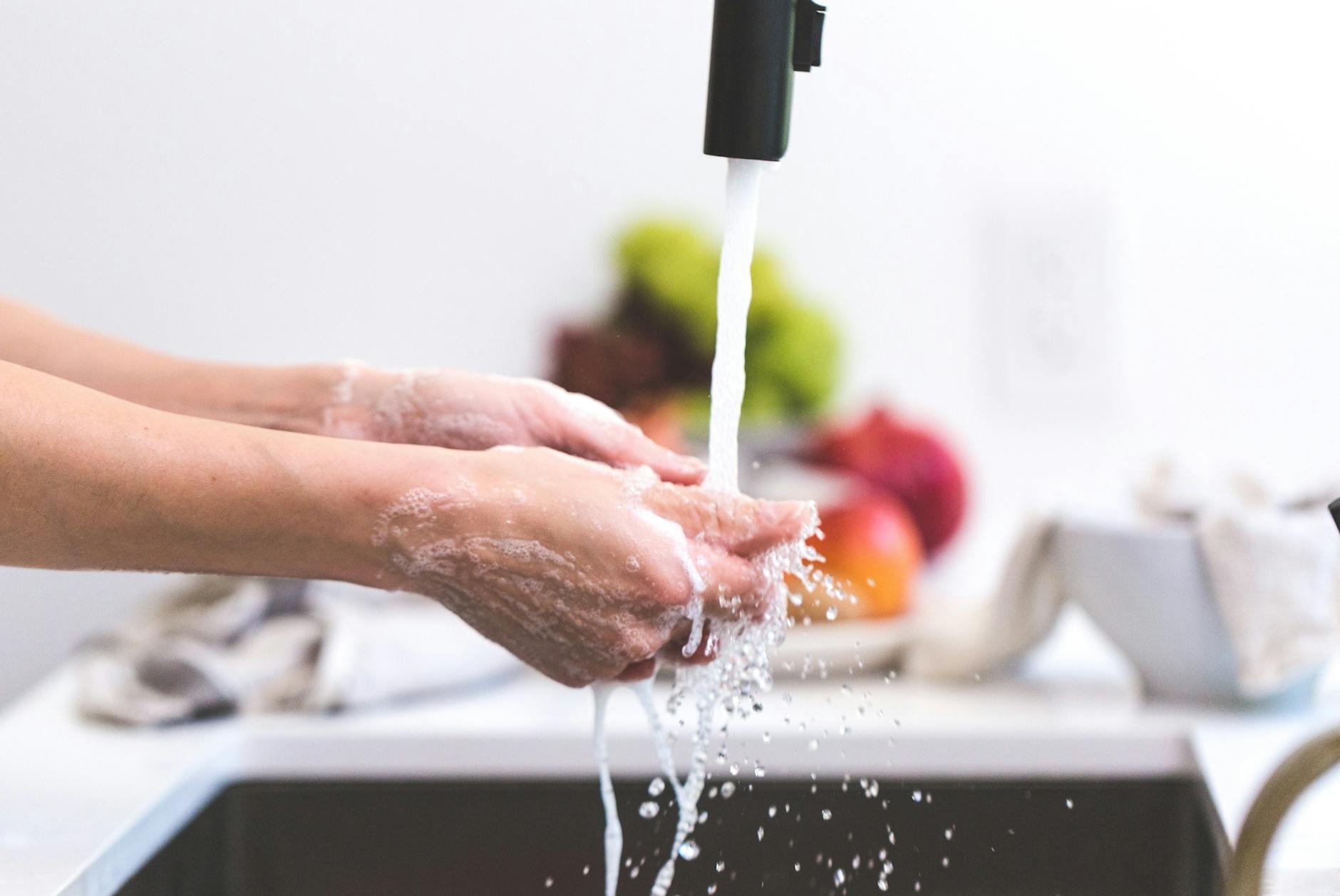
There are several effective methods for how to sanitize a cutting board. The right choice depends on the material and what you have available.
| Method | How to Use | Works On | Effectiveness |
|---|---|---|---|
| Bleach solution | 1 tbsp bleach per gallon water, 2 min contact time, rinse | All types | Very high |
| White vinegar | Undiluted or 1:1 with water, 5 min contact time, rinse | Wood, plastic | Moderate (not FDA-certified for raw meat) |
| Hydrogen peroxide (3%) | Apply undiluted, 5 min contact time, rinse | Plastic, composite | High |
| Dishwasher (hot cycle) | Run on hottest setting with detergent | Plastic, metal, composite | Very high |
| Lemon + salt scrub | Coarse salt on surface, scrub with lemon half, rinse | Wood (deodorizing) | Low (cosmetic only, not a sanitizer) |
Note: The lemon and salt method is excellent for removing odors and surface staining from wooden boards but should never be relied upon as a sanitizer after contact with raw meat or poultry.
Cutting Board Mold Prevention: Drying and Storage Done Right
Cutting board mold prevention comes down almost entirely to how you dry and store your board. Mold needs moisture to grow. If a board is stored while still damp — or in a cabinet with poor air circulation — mold and mildew will form, often invisibly at first along the edges or the underside.
Common Storage Mistakes to Avoid
- Stacking wet or damp boards flat — moisture cannot escape.
- Storing in an enclosed cabinet immediately after washing — steam and heat build up.
- Leaving boards lying flat in the dish rack instead of propped upright.
- Placing boards against the back wall of a damp sink area.
- Using a plastic bag or cover to "protect" a board that is not fully dry.
The correct method is to stand boards upright or on a rack, with air circulating on both sides, until they are completely dry — this typically takes 30 to 60 minutes after washing. Only then should they be stored flat or stacked. If possible, store boards in a vertical board organizer on the counter rather than a closed cabinet.
For wooden boards, applying a thin coat of food-grade mineral oil every 3 to 4 weeks not only conditions the wood but also creates a barrier that slows moisture absorption and inhibits mold growth along the grain.
The Color-Coding System: Eliminating Cross-Contamination
Professional kitchens around the world use a color-coded cutting board system to prevent cross-contamination. It is a simple and highly effective approach that any home cook can adopt.
Red
Raw meat and poultry
Orange
Raw fish and seafood
Green
Fruits and vegetables
Blue
Ready-to-eat and cooked foods
Yellow
Poultry (alternative)
Purple
Allergen-free / gluten-free prep
Even if you do not go full color-coded, a minimum of two boards — one dedicated exclusively to raw meat and one for everything else — dramatically reduces the risk of cross-contamination in the average home kitchen.
When Should You Replace Your Cutting Board?
Even the most diligent cleaning regimen cannot save a board that has reached the end of its usable life. Knowing when to replace it is a key part of good cutting board hygiene.
Replace Your Cutting Board If You Notice:
- Deep knife grooves or scoring that a brush cannot reach into.
- Visible black or green mold spots that do not disappear after sanitizing.
- A persistent sour or rotten odor even after thorough cleaning.
- Warping or cracking that creates crevices and prevents the board from lying flat.
- Surface discoloration that resembles mold staining rather than food pigment.
- Peeling, flaking, or delamination on composite or glued-joint boards.
As a general rule, heavily used plastic boards should be replaced every 1 to 2 years. Well-maintained wooden boards can last many years with regular oiling and resurfacing — some can be lightly sanded with fine-grit sandpaper to remove the top layer of scarred wood and restore a clean surface.
Quick-Reference: Daily Cutting Board Hygiene Checklist
Use this checklist to build consistent habits around cutting board hygiene in your kitchen.
After Every Use
- ✅ Scrape off all food debris before washing
- ✅ Wash with hot soapy water on both sides
- ✅ Rinse thoroughly under hot running water
- ✅ Sanitize if raw meat, fish, or poultry was involved
- ✅ Dry upright — never lay flat while wet
- ✅ Allow to air-dry completely before stacking or storing
Weekly
- ✅ Deep-clean with a bleach or hydrogen peroxide solution
- ✅ Check for new deep grooves or signs of warping
- ✅ Inspect board edges and underside for mold
- ✅ Replace any board showing significant deterioration
Monthly (Wooden Boards Only)
- ✅ Apply food-grade mineral oil to all surfaces
- ✅ Allow oil to absorb overnight before using
- ✅ Lightly sand with fine-grit paper if surface is heavily scored
FAQ: Common Questions About Cutting Board Safety
Key Takeaways
Good cutting board hygiene is not complicated, but it does require consistency. The most important habits are: always clean before sanitizing, use the right sanitizer for the food risk involved, dry boards fully before storing them, and replace boards that have become too scarred or moldy to clean effectively. Knowing how to sanitize a cutting board, understanding cutting board bacteria risks, and mastering how to clean a cutting board after raw meat are foundational food safety skills that protect everyone who eats from your kitchen. Start with the daily checklist above, and build from there.