Dark Circles Under Eyes: Every Cause Explained (and What the Science Says Actually Works)
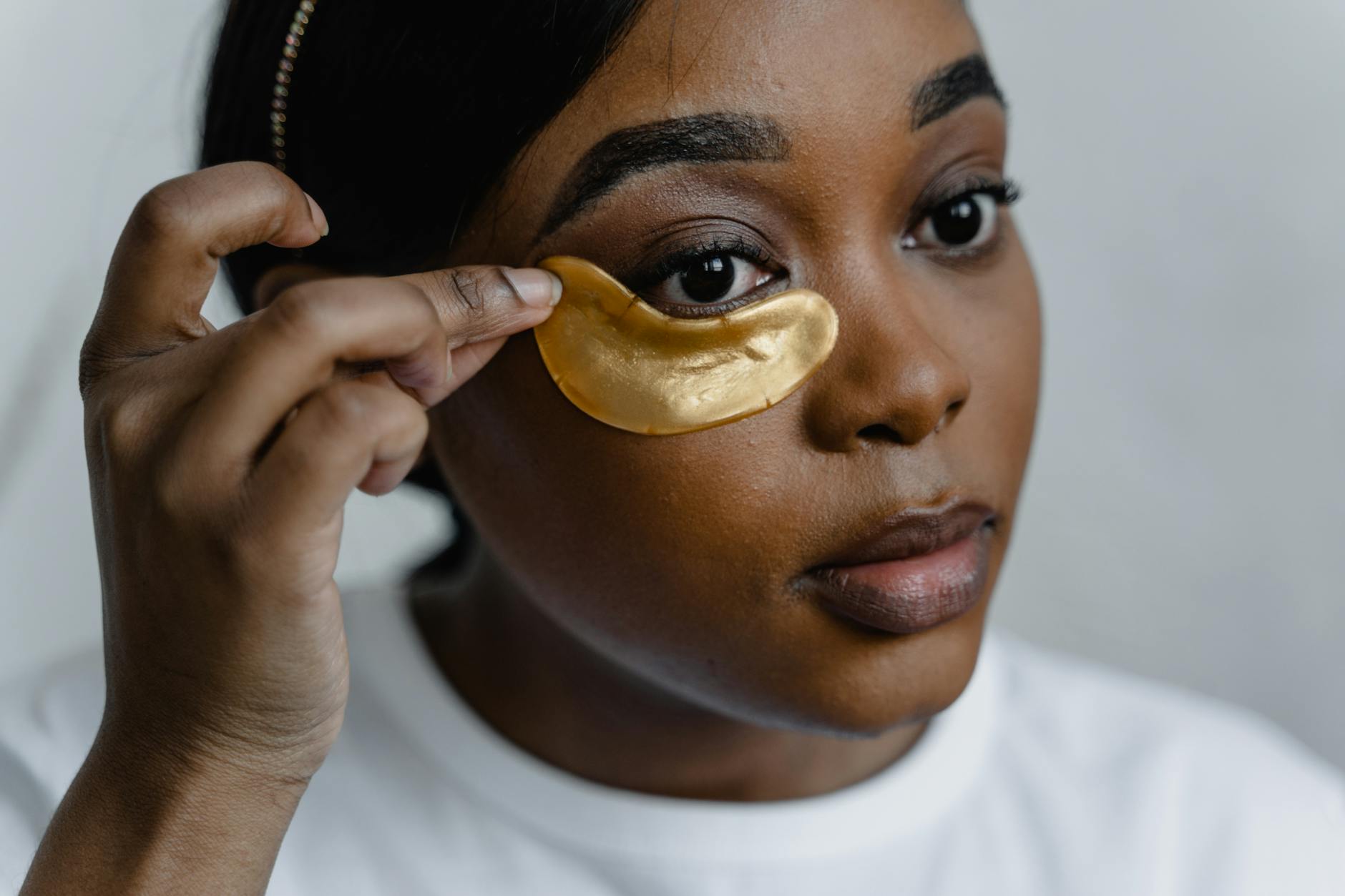
You've tried the cold spoons. You've used the cucumber slices. You've bought the eye cream that promised results in two weeks. And yet — the dark circles are still there, staring back at you every morning.
Here's the frustrating truth that most skincare content never tells you: dark circles under eyes don't have a single cause, and that's exactly why most treatments fail. The retinol serum that transformed your coworker's under-eyes may do absolutely nothing for yours — not because it doesn't work, but because your dark circles have a completely different biological origin.
This post breaks down the science of under-eye discoloration in full. We'll cover all six distinct causes of dark circles, how to identify which type (or combination of types) you have, and — critically — what the evidence actually says works for each one. No generic advice. No one-size-fits-all solutions.
Why Identifying the Cause of Dark Circles Matters So Much
The under-eye area is one of the most structurally complex regions of the face. The skin here is roughly 0.5 mm thick — about three to five times thinner than skin elsewhere on the body — and it sits over a network of blood vessels, fatty tissue, bone, and lymphatic channels. When something goes wrong in any of those layers, it shows up as darkness under the eyes.
Dermatologists recognize this complexity. A 2014 review published in the Journal of Cutaneous and Aesthetic Surgery formally categorized periorbital hyperpigmentation (the medical term for dark circles) into four main subtypes: vascular, constitutional/pigmented, structural, and mixed. More recent research has expanded this framework to include lifestyle and allergic triggers as distinct contributing factors.
Why does categorization matter for you? Because the treatments are fundamentally different:
- Vitamin C targets pigment — it does nothing for hollow shadows caused by bone loss
- Hyaluronic acid filler addresses structural volume loss — it won't fix blood vessel visibility
- Antihistamines can reverse allergy-driven darkness — they have no effect on genetic pigmentation
- Better sleep reduces fluid pooling — but won't change inherited melanin deposits
The first step toward actually improving your dark circles is understanding why you have them.
The 6 Types of Dark Circles: Causes, Appearance, and Who Gets Them
1. Vascular Dark Circles (Thin Skin Showing Blood Vessels)
This is among the most common types, particularly in people with fair or light skin. The under-eye skin is so thin that the dark-colored blood vessels and capillaries beneath it become visible, casting a bluish, purple, or reddish tint through the surface. The color you see is essentially oxygenated and deoxygenated blood showing through translucent skin.
What it looks like: Bluish-purple or reddish-pink tint, most noticeable in good lighting. The darkness tends to be diffuse rather than sharply defined.
Who gets it: More common in fair-skinned individuals, people who are naturally thin (less subcutaneous fat to buffer the vessels), and those whose skin has thinned due to age, sun damage, or genetics.
Key sign: When you gently stretch the skin under your eye, the color moves with the skin or lightens. If you press gently on the area and it temporarily blanches (turns white or lighter), vascularity is likely a major factor.
2. Pigmented Dark Circles (Melanin Overproduction)
Pigmented dark circles are caused by an actual increase in melanin — the pigment that gives skin its color — in the under-eye skin itself. This is sometimes called periorbital melanosis and is particularly prevalent in people with medium to dark skin tones, including those of South Asian, Middle Eastern, African, and East Asian heritage.
What it looks like: Brown or tan discoloration that may extend slightly beyond the orbital rim. The color is more consistent and flat-looking than vascular types.
Who gets it: Most common in Fitzpatrick skin types III–VI. Sun exposure worsens it significantly, as UV radiation triggers melanin production. Post-inflammatory hyperpigmentation (from rubbing, eczema, or past skin irritation) can also create localized pigmentation.
Key sign: Stretching the skin has no effect on the darkness — it stays the same color because the pigment is in the skin cells themselves, not beneath them.
3. Structural / Shadow Dark Circles (Volume Loss and Hollowing)
This type is driven entirely by the three-dimensional structure of the face, not by anything happening in the skin at all. As we age, we lose fat and bone density in the mid-face and orbital area, creating a hollow depression called the tear trough. The shadow cast by this indentation reads as darkness, even when the skin itself is perfectly normal.
What it looks like: A distinct shadow or groove running from the inner corner of the eye toward the cheek. Often described as a "sunken" look. The darkness may appear worse in certain lighting.
Who gets it: More common with age (volume loss accelerates after the mid-30s), though some people are born with naturally deep-set eyes or prominent tear troughs. Weight loss can also accelerate this type.
Key sign: The darkness disappears or dramatically reduces when light is shone directly at the face from the front. Try shining your phone's flashlight at your under-eye area in a darkened room — if the darkness largely disappears, shadow/structure is the dominant cause.
4. Lifestyle Dark Circles (Sleep, Dehydration, Stress)
These are the dark circles most people think of first — the ones that appear after a poor night's sleep or a stressful week. While genuinely real, they're often more temporary and reversible than the other types. Several mechanisms are at work:
- Sleep deprivation causes fluid to pool in the under-eye area (periorbital edema) and causes blood vessels to dilate, increasing their visibility through thin skin. It also makes skin appear paler, which makes underlying vessels more prominent.
- Dehydration reduces skin plumpness and can create a sunken appearance similar to structural dark circles, while also making skin less opaque.
- Chronic stress elevates cortisol, which disrupts sleep, degrades collagen over time, and increases inflammatory responses — all of which worsen under-eye appearance.
- Alcohol and salt promote fluid retention and puffiness that casts shadows, particularly noticeable in the morning.
Key sign: The darkness is noticeably better on mornings after good sleep and worse after late nights, alcohol, or high-sodium meals. If your dark circles fluctuate significantly day-to-day, lifestyle is likely a significant driver.
5. Allergic Dark Circles (The Allergy Shiner)
"Allergic shiners" are a well-documented phenomenon in medical literature. When you have nasal allergies (hay fever, pet allergies, dust mite sensitivity), the congestion in your nasal passages impedes venous drainage from the face. Blood backs up in the small veins under the eyes, making them more visible and creating a bluish-purple darkness.
Allergies also trigger the release of histamine, which causes itching. Rubbing the eyes repeatedly damages the delicate capillaries and triggers post-inflammatory hyperpigmentation — adding a pigment component on top of the vascular one.
What it looks like: Similar to vascular dark circles, but often accompanied by puffiness, redness, and itching. Frequently bilateral and symmetrical.
Key sign: Darkness is worse during allergy season or after exposure to triggers (pets, dust, pollen). You may also experience nasal congestion, watery eyes, or sneezing alongside the dark circles.
6. Genetic Dark Circles (Inherited Predisposition)
Perhaps the most frustrating category: some people are simply predisposed to dark circles regardless of how much they sleep or how carefully they take care of their skin. Genetics can influence all the other types — inherited skin thickness, baseline melanin production, facial bone structure, and vascular anatomy all have heritable components.
If your parents or grandparents have prominent dark circles, and yours appeared early in life (even in childhood), genetics is likely a primary driver. This doesn't mean nothing can be done — but it does mean expectations need to be calibrated differently.

How to Identify Your Dark Circle Type: A Simple Diagnostic Guide
Most people have a combination of types — for example, genetic pigmentation worsened by lifestyle factors, or structural hollowing plus vascular visibility. But identifying the dominant cause is what matters most for treatment selection.
Work through these three simple tests at home:
- The Stretch Test: Gently pull the skin under your eye taut with two fingers. If the color moves with the skin and stays dark, pigmentation is involved. If it lightens or the darkness becomes less defined, vascularity is the main driver.
- The Light Test: In a darkened room, shine your phone's flashlight directly at your under-eye from the front. If the darkness significantly fades, you have structural shadowing. If it barely changes, pigmentation or vascularity is to blame.
- The Fluctuation Test: Track your dark circles over a week. Rate them out of 10 each morning. If they vary by 3 or more points based on sleep, diet, or stress, lifestyle factors are a significant component. If they're consistently the same regardless of your habits, genetic or structural causes dominate.
Also consider:
- Do they worsen during allergy season? (Allergic)
- Did you have them as a child? (Genetic/structural)
- Have they gotten worse as you've aged or lost weight? (Structural)
- Are they blue-purple or brown? (Blue-purple = vascular; brown = pigmented)
What Actually Works — Evidence-Based Treatments by Type
This is where understanding your type pays off. Here's what the research supports for each cause category.
For Vascular Dark Circles
- Retinol/Retinoids: Stimulate collagen production and thicken the dermis over time, making skin less translucent. A 2004 study in Dermatologic Surgery found that topical retinol improved periorbital hyperpigmentation. Results take 3–6 months.
- Caffeine: Causes vasoconstriction (narrowing of blood vessels) under the skin. Several studies confirm that topical caffeine temporarily reduces the appearance of vascular dark circles. The effect is short-lived (a few hours) but real.
- Cold compresses: Similarly vasoconstrict, temporarily reducing vessel visibility. Most effective in the morning.
- Sun protection: UV exposure thins skin further over time; daily SPF preserves the thickness that's left.
For Pigmented Dark Circles
- Vitamin C (ascorbic acid): Inhibits tyrosinase, the enzyme responsible for melanin synthesis. Well-established evidence for hyperpigmentation reduction. Use a stable form (L-ascorbic acid or ascorbyl glucoside) consistently for at least 8–12 weeks.
- Kojic acid and azelaic acid: Both are evidence-backed tyrosinase inhibitors with lower irritation potential than hydroquinone for long-term use.
- Niacinamide: Prevents melanin transfer to skin cells (even if it doesn't inhibit melanin production directly). Particularly good for darker skin tones due to its low irritation profile.
- Broad-spectrum sunscreen: Non-negotiable. UV exposure is the primary external trigger for melanin overproduction. SPF 30–50 daily, including on cloudy days.
- Avoid rubbing: Repeated friction triggers post-inflammatory hyperpigmentation, worsening pigmented dark circles significantly.
For Structural / Shadow Dark Circles
- Hyaluronic acid eye creams: Provide temporary surface plumping. They won't restore deep volume, but they can slightly soften the shadow at the surface level.
- Facial exercises and facial massage: Limited evidence, but lymphatic drainage massage around the orbital area may reduce fluid accumulation that worsens the hollow appearance.
- Weight stability: Rapid weight loss accelerates volume depletion in the face. Maintaining a stable, healthy weight helps preserve periorbital fat pads.
- Professional options (see below): This type responds best to professional interventions like hyaluronic acid filler or fat grafting.
For Lifestyle Dark Circles
- Sleep optimization: 7–9 hours consistently is the single most impactful lifestyle intervention. Elevating the head of your bed by a few inches during sleep reduces fluid pooling in the face overnight.
- Hydration: Drinking adequate water (approximately 2–3 liters per day for most adults) maintains skin turgor and reduces the sunken appearance caused by dehydration.
- Reducing sodium: High dietary sodium promotes fluid retention and puffiness. Cutting processed foods can visibly improve morning puffiness within days.
- Cold morning routine: Cold water splash or a chilled eye mask in the morning reduces puffiness and transiently tightens skin.
- Limiting alcohol: Alcohol is a vasodilator and diuretic — it simultaneously dilates blood vessels (increasing their visibility) and promotes next-morning dehydration.

For Allergic Dark Circles
- Treat the underlying allergy: This is the most effective approach. Antihistamines (both oral and nasal corticosteroid sprays) reduce nasal congestion, restoring normal venous drainage from the face.
- Identify and minimize triggers: Dust mites, pet dander, mold, and seasonal pollen are the most common culprits. An allergist can perform testing to identify your specific triggers.
- Avoid eye rubbing: Use a cold damp cloth to soothe itchy eyes instead of rubbing, which worsens both inflammation and hyperpigmentation.
- Saline nasal rinses: Can help reduce nasal congestion and improve facial venous drainage, particularly during high-allergen periods.
For Genetic Dark Circles
Genetic predisposition means the baseline is higher — but it doesn't mean nothing works. The approach is to:
- Address the specific genetic mechanism: Genetically thin skin responds to retinoids; genetically high pigmentation responds to tyrosinase inhibitors. Identify the underlying mechanism and target it accordingly.
- Manage all modifiable factors aggressively: Sleep, sun protection, hydration, and allergy control matter even more when your baseline predisposition is high.
- Set realistic expectations: With genetic dark circles, the goal is usually meaningful improvement rather than complete elimination without professional intervention.
Key Ingredients and Which Dark Circle Type They Target
| Ingredient | Primary Target Type | Mechanism | Evidence Level |
|---|---|---|---|
| Retinol / Tretinoin | Vascular, Pigmented | Thickens dermis; stimulates collagen; mild depigmentation | Strong |
| Vitamin C (ascorbic acid) | Pigmented | Inhibits tyrosinase; antioxidant; collagen support | Strong |
| Niacinamide | Pigmented | Inhibits melanin transfer; anti-inflammatory | Moderate–Strong |
| Caffeine | Vascular, Lifestyle | Vasoconstriction; reduces fluid retention | Moderate |
| Hyaluronic acid | Structural, Lifestyle | Surface plumping; moisture retention | Moderate (topical) |
| Kojic acid | Pigmented | Tyrosinase inhibitor; gentler than hydroquinone | Moderate |
| Peptides (e.g., Argireline) | Structural, Vascular | Stimulate collagen/elastin; improve skin thickness | Emerging |
| Broad-spectrum SPF | All types (preventive) | Prevents UV-driven pigmentation and skin thinning | Very Strong |
Professional Treatments vs. At-Home Solutions
At-home solutions are effective for lifestyle-driven dark circles, mild pigmentation, and vascular types — and they're the only realistic option for maintenance regardless of what professional treatments you pursue. But for structural and severe genetic dark circles, professional options offer a level of correction that topical products simply cannot match.
At-Home: What's Realistic
- Consistent sleep and hydration: Fastest and most dramatic improvement for lifestyle types
- SPF 30–50 applied daily: Essential for pigmented types; foundational for all types
- Vitamin C serum (morning) + retinol (evening): The most evidence-backed topical combination for pigmented and vascular types
- Cold eye masks or chilled spoons: Real but temporary relief — good for mornings before important events
- Allergy management: Antihistamines and allergen avoidance can produce dramatic results for allergic types
- Tinted eye creams/color correctors: Not a treatment, but a valid cosmetic management tool while you work on underlying causes
Professional: When It Makes Sense
- Hyaluronic acid dermal filler (tear trough filler): The most effective treatment for structural/shadow dark circles. A skilled injector places filler in the tear trough to restore volume and eliminate the shadow. Results last 12–18 months. This is a medical procedure with real risks; choose an experienced, board-certified provider.
- Chemical peels (glycolic acid, TCA): Address surface pigmentation effectively, particularly for Brown/pigmented types. Multiple sessions typically needed.
- Laser treatments (Nd:YAG, Q-switched lasers): Target melanin deposits directly. Effective for pigmented dark circles but must be used carefully on darker skin tones to avoid post-inflammatory hyperpigmentation.
- Platelet-rich plasma (PRP): Emerging evidence suggests PRP injections improve skin thickness and reduce vascular visibility. More research is needed, but early results are promising.
- Intense Pulsed Light (IPL): Targets both vascular and pigmented components, making it useful for mixed-type dark circles.

Realistic Expectations: What You Can and Cannot Change at Home
One of the biggest reasons people give up on dark circle treatments is unrealistic expectations. Let's be straightforward about what the evidence supports:
What you can meaningfully improve at home:
- Lifestyle dark circles — often dramatically and within days to weeks
- Allergic dark circles — often significantly once the underlying allergy is managed
- Mild to moderate pigmented dark circles — with consistent use of vitamin C, niacinamide, and SPF over 2–4 months
- Mild vascular dark circles — with retinoids and topical caffeine over several months
What at-home products are unlikely to fully resolve:
- Structural dark circles caused by significant volume loss — these require filler or fat grafting
- Severe genetic pigmentation — professional peels or laser treatment typically needed for substantial improvement
- Dark circles in people with naturally very thin skin — topical thickening is possible but slow and modest
A realistic timeline for topical treatments is 8–16 weeks of consistent twice-daily use before assessing whether an ingredient is working. The under-eye skin renews slowly due to its thinness and lower cellular turnover rate. Patience is not optional — it's built into the biology.
It also bears repeating: the best skincare routine in the world won't compensate for chronic sleep deprivation or unmanaged allergies if those are your primary drivers. The foundation always comes first.
FAQ: Dark Circles Under Eyes
Key Takeaways
Dark circles under eyes are not a single problem — they are six distinct problems that happen to look similar on the surface. The reason so many treatments fail is not because they don't work; it's because they're being applied to the wrong type.
The most important things to take away from this guide:
- Identify your type first. Use the stretch test, the light test, and the fluctuation test to understand what you're actually dealing with.
- Match the treatment to the cause. Vitamin C for pigmentation, retinoids for thin/vascular skin, sleep hygiene for lifestyle types, allergy treatment for allergic types, and filler or professional procedures for structural hollowing.
- SPF is universal. Regardless of your type, daily broad-spectrum sunscreen slows almost every mechanism that makes dark circles worse.
- Be patient. Topical treatments take 8–16 weeks to show meaningful results. Abandoning an appropriate treatment after two weeks is one of the most common mistakes.
- Mixed types are the norm. Most people have more than one contributing cause. Address the dominant one first, then layer in solutions for secondary causes.
- Genetics sets the floor. If your parents have pronounced dark circles, you may need to accept that significant improvement — rather than elimination — is the realistic goal without professional intervention.
The under-eye area is a window into some of the most complex skin science on the face. Approaching it with a clear-eyed (no pun intended) understanding of the underlying causes gives you a dramatically better chance of finding something that actually works for your specific situation.