Dental Anxiety: Why So Many People Avoid the Dentist and What to Do About It

If the thought of sitting in a dental chair fills you with a sense of dread — a racing heart, sweaty palms, an overwhelming urge to cancel the appointment — you are far from alone. Dental anxiety is one of the most widespread yet least-discussed forms of situational fear in the adult population. For millions of people, it is not laziness or indifference that keeps them away from the dentist's office. It is genuine, sometimes paralyzing fear. Understanding where that fear comes from, what it costs you over time, and what you can actually do about it is the first step toward breaking the cycle.
How Common Is Dental Anxiety?
The numbers are striking. Research consistently estimates that roughly 36% of adults experience some degree of dental fear, with approximately 12% suffering from what clinicians classify as extreme dental phobia — a level of fear significant enough to result in complete avoidance of dental care. A 2021 systematic review published in the Journal of Dental Research found dental fear to be one of the most prevalent specific fears reported across all age groups and cultures worldwide.
In practical terms, this means more than one in three people reading this article has likely delayed, rescheduled, or outright skipped a dental appointment because of anxiety. The condition does not discriminate: it affects men and women at roughly equal rates (though women are slightly more likely to report it), and it appears in every income bracket, education level, and cultural background. Fear of the dentist is not a personal weakness — it is a well-documented psychological phenomenon with identifiable causes and effective treatments.
Root Causes of Dental Fear
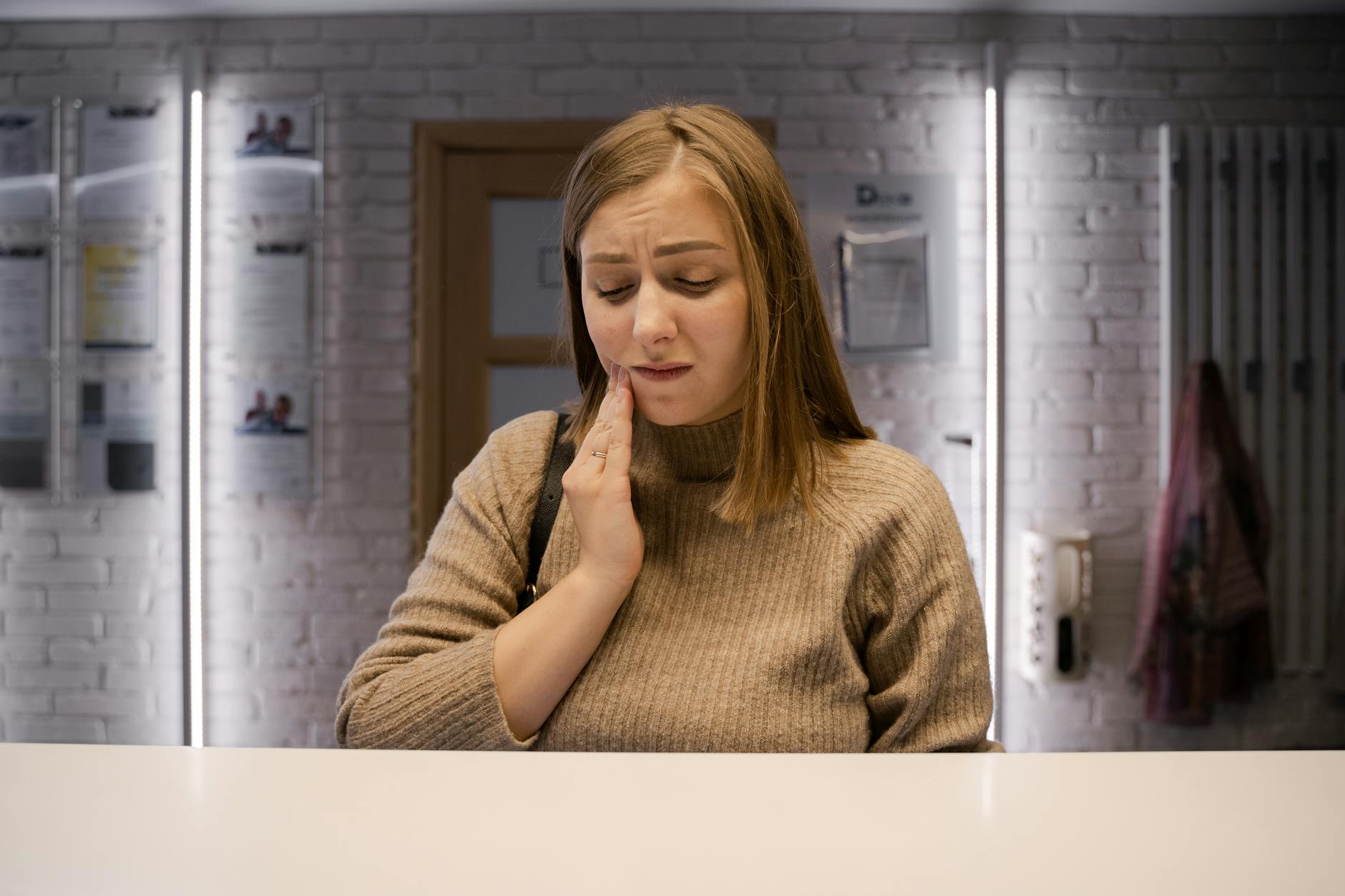
Dental anxiety rarely has a single origin. More often, it develops from a combination of psychological, experiential, and environmental factors. Understanding what drives your specific fear is an essential part of learning how to overcome dental anxiety.
Past Traumatic Experiences
The most commonly cited trigger is a painful or distressing dental experience in the past — often in childhood. A procedure that went wrong, a dentist with a dismissive bedside manner, or simply being too young to fully understand what was happening can imprint a lasting fear response. The brain's amygdala encodes these events as threats, and in future dental situations, that threat response fires automatically — even before anything unpleasant has occurred.
Fear of Pain
Pain anticipation is the single strongest predictor of dental avoidance. Interestingly, research shows that people who have never had a painful dental experience can still develop this fear — often shaped by hearing stories from friends or family, or watching dramatized depictions of dentistry in popular media. The expected pain is frequently worse than the actual experience, yet the anticipation alone is enough to keep people away.
Loss of Control
Lying back in a reclined chair, unable to speak, with instruments in your mouth, places you in an unusually vulnerable position. For many people — especially those with a general need for control or a history of trauma — this physical helplessness amplifies anxiety significantly. The inability to predict what comes next, or to immediately stop it, can be deeply unsettling.
Fear of Needles and Instruments
Trypanophobia (fear of needles) and instrument-related fear are common co-occurring conditions. The sight of a syringe or the sound of a dental drill can trigger a strong aversive response even before a procedure begins. Auditory triggers — particularly the high-pitched whine of a drill — are especially potent because sound bypasses conscious appraisal and activates the stress response almost instantly.
Embarrassment and Shame
A factor that is rarely discussed but enormously influential is the shame spiral. People who have avoided the dentist for years often feel too embarrassed about the state of their teeth to seek help. They worry about being judged, lectured, or criticized. This shame becomes its own barrier — paradoxically, the longer someone avoids care, the harder it becomes to return, because the anticipated embarrassment grows alongside any untreated dental issues.
General Anxiety Disorders
For a subset of patients, dental phobia is not a standalone issue but an expression of a broader anxiety disorder. People with generalized anxiety disorder (GAD), PTSD, or panic disorder are statistically more likely to experience severe dental fear. In these cases, addressing the underlying anxiety disorder alongside dental avoidance is usually necessary for lasting improvement.
The Consequences of Avoiding the Dentist
It might be tempting to view dental avoidance as a neutral choice — after all, if nothing hurts, what is the harm? The reality is more complicated, and the downstream effects of untreated oral health problems extend well beyond the mouth.
Oral health deterioration is the most direct consequence. Conditions like gum disease (periodontitis), tooth decay, and enamel erosion progress silently. By the time they become painful, they are often significantly more difficult — and more expensive — to treat than they would have been with routine preventive care. What could have been a simple cleaning becomes a deep scaling procedure. What could have been a filling becomes a root canal.
The cosmetic consequences are also real. Yellowing from plaque and tartar buildup, gaps from untreated decay or gum recession, and cracked or broken teeth left without repair all compound over time. Many people who avoid the dentist find themselves growing increasingly self-conscious about their smile — which can affect confidence in social and professional settings.
Beyond the mouth, research has established connections between poor oral health and systemic conditions including cardiovascular disease, diabetes complications, and adverse pregnancy outcomes. The oral cavity is not separate from the rest of the body, and chronic untreated inflammation and infection in the gums can have wide-reaching effects on overall health.
There is also a mental health dimension. Dental anxiety tends to compound over time. The longer avoidance continues, the more the feared scenario looms, and the more shame accumulates. Many people describe a low-level but persistent stress related to knowing they "should" go but cannot bring themselves to do it. This chronic guilt and worry takes a quiet toll on wellbeing.
Coping Strategies for Dental Anxiety
The good news is that dental phobia coping strategies are well-studied and genuinely effective for most people. There is no single solution that works for everyone, but the following approaches have strong evidence behind them and are practical to implement.
Gradual Exposure
Cognitive-behavioral therapy (CBT) is the gold standard psychological treatment for specific phobias, including dental fear. A core component is gradual exposure — systematically approaching the feared situation in small, manageable steps rather than avoiding it entirely. This might begin with simply calling a dental office, then visiting without treatment, then sitting in the chair, and so on. Each successful step reduces the fear response slightly, rewiring the brain's threat associations over time.
Controlled Breathing and Relaxation Techniques
Diaphragmatic breathing — slow, deep breaths that fully engage the abdomen — activates the parasympathetic nervous system and counteracts the stress response. Practicing a simple 4-7-8 breathing pattern (inhale for 4 counts, hold for 7, exhale for 8) before and during a dental appointment can measurably reduce physiological markers of anxiety. Progressive muscle relaxation, in which you systematically tense and release muscle groups, is another technique that travels well to the dental chair.
Distraction and Sensory Management
Music, podcasts, or audiobooks through earbuds can significantly reduce awareness of dental sounds — one of the most common anxiety triggers. Some patients find that squeezing a stress ball or focusing on the texture of an object provides a grounding sensory anchor. Bring your own headphones to your appointment and ask your dentist if it is acceptable to use them; most modern dental practices actively encourage this.
Mindfulness and Grounding
Mindfulness-based techniques teach patients to observe anxious thoughts without being overwhelmed by them. Grounding exercises — such as the "5-4-3-2-1" method (name 5 things you can see, 4 you can hear, 3 you can touch, 2 you can smell, 1 you can taste) — are particularly useful in the dental chair because they redirect attention from anticipated pain to present-moment sensory experience.
Communication Tips for Your Dentist
One of the most underutilized tools for managing dental anxiety is honest, proactive communication with your dental provider. Many people feel embarrassed to admit their fear, but dentists who are aware of a patient's anxiety can make meaningful adjustments that dramatically improve the experience.
Consider these practical communication strategies as part of your overall approach to dentist avoidance solutions:
- Declare your anxiety upfront. When booking your appointment, mention that you experience dental anxiety. This gives the practice time to prepare and may allow them to schedule you at a quieter time or assign their most patient team member.
- Establish a stop signal. Agree with your dentist on a clear signal — such as raising your left hand — that means "pause immediately." Knowing you have an exit option dramatically reduces the feeling of helplessness that amplifies fear.
- Ask for narration. Request that your dentist describe each step before it happens. Uncertainty is a major anxiety driver; knowing what to expect in the next 30 seconds is far less frightening than not knowing.
- Request breaks. You do not need to endure a long procedure in one silent stretch. Ask for short breaks as needed. Most dentists are happy to accommodate this.
- Choose an anxiety-aware practice. Some dental offices specifically market themselves as catering to nervous patients. These practices often invest more in comfort measures, communication training, and a slower-paced approach.
Alternative Approaches: Sedation and Beyond
For patients whose dental anxiety is severe enough to prevent care entirely, sedation dentistry offers a medically supervised bridge between avoidance and treatment.
Nitrous oxide (laughing gas) is the mildest and most widely available option. It is inhaled through a small mask and produces a sense of calm and mild euphoria within a few minutes. Its effects wear off quickly after the mask is removed, allowing most patients to drive themselves home. It is particularly well-suited for mild to moderate dental anxiety.
Oral conscious sedation involves taking a prescription sedative — typically a benzodiazepine such as triazolam — before the appointment. The patient remains conscious and responsive but is deeply relaxed, and most people have limited memory of the procedure afterward. A companion is required for transportation.
IV sedation delivers medication intravenously, allowing the dentist or an anesthesiologist to precisely control the level of sedation throughout the procedure. This is typically reserved for surgical procedures or extreme phobia cases.
Beyond sedation, some patients benefit from hypnotherapy, which has modest but genuine evidence for reducing dental anxiety in controlled studies. Virtual reality (VR) distraction — in which patients wear a headset showing calming scenes during treatment — is an emerging tool that several dental schools and specialty practices are beginning to offer with promising early results.
When to Seek Professional Help for Dental Phobia
There is an important distinction between feeling nervous before a dental appointment and experiencing a clinical phobia that significantly disrupts your life and health. If your dental anxiety has caused you to:
- Avoid dental care for more than two years
- Experience panic attacks at the thought of dental visits
- Develop worsening oral health problems due to avoidance
- Feel significant shame, guilt, or distress about your teeth
- Turn down social invitations because of embarrassment about your smile
...then it may be worth speaking with a mental health professional, in addition to a dentist. A psychologist or therapist trained in CBT can help you systematically reduce phobic avoidance. Your primary care physician can also be an ally — they can help assess whether an underlying anxiety disorder is contributing, and whether short-term medication support is appropriate during the process of returning to dental care.
The important message is this: dental phobia is a recognized, treatable condition. It is not a character flaw, and it does not need to define your relationship with your oral health forever.
Frequently Asked Questions About Dental Anxiety
Key Takeaways
Dental anxiety is not a niche problem or a personal failing — it is a widespread, well-understood psychological condition affecting more than a third of the adult population. Its roots are real, its consequences are serious, and its solutions are practical and accessible.
Here are the most important points to carry forward:
- An estimated 36% of adults have some degree of fear of the dentist, and 12% meet criteria for clinical dental phobia.
- The most common causes are past negative experiences, anticipated pain, loss of control, and shame from prolonged avoidance.
- Avoiding dental care leads to escalating oral health problems, cosmetic concerns, and documented risks to systemic health.
- Dental phobia coping strategies — including CBT, breathing techniques, distraction, and stop signals — are well-evidenced and genuinely effective for most people.
- Honest communication with your dental team is one of the simplest and most powerful tools available to you.
- Sedation options (nitrous oxide, oral sedation, IV sedation) exist specifically for patients whose anxiety would otherwise prevent care.
- If your fear has caused multi-year avoidance or significant distress, a mental health professional can be an important part of your support team.
The path back to dental health does not have to be dramatic or immediate. Small steps, the right provider, and a willingness to ask for help are all that most people need to begin. How to overcome dental anxiety looks different for every person — but for nearly everyone, it is entirely possible.