Dermaplaning at Home vs Salon: The Complete Honest Breakdown for 2026
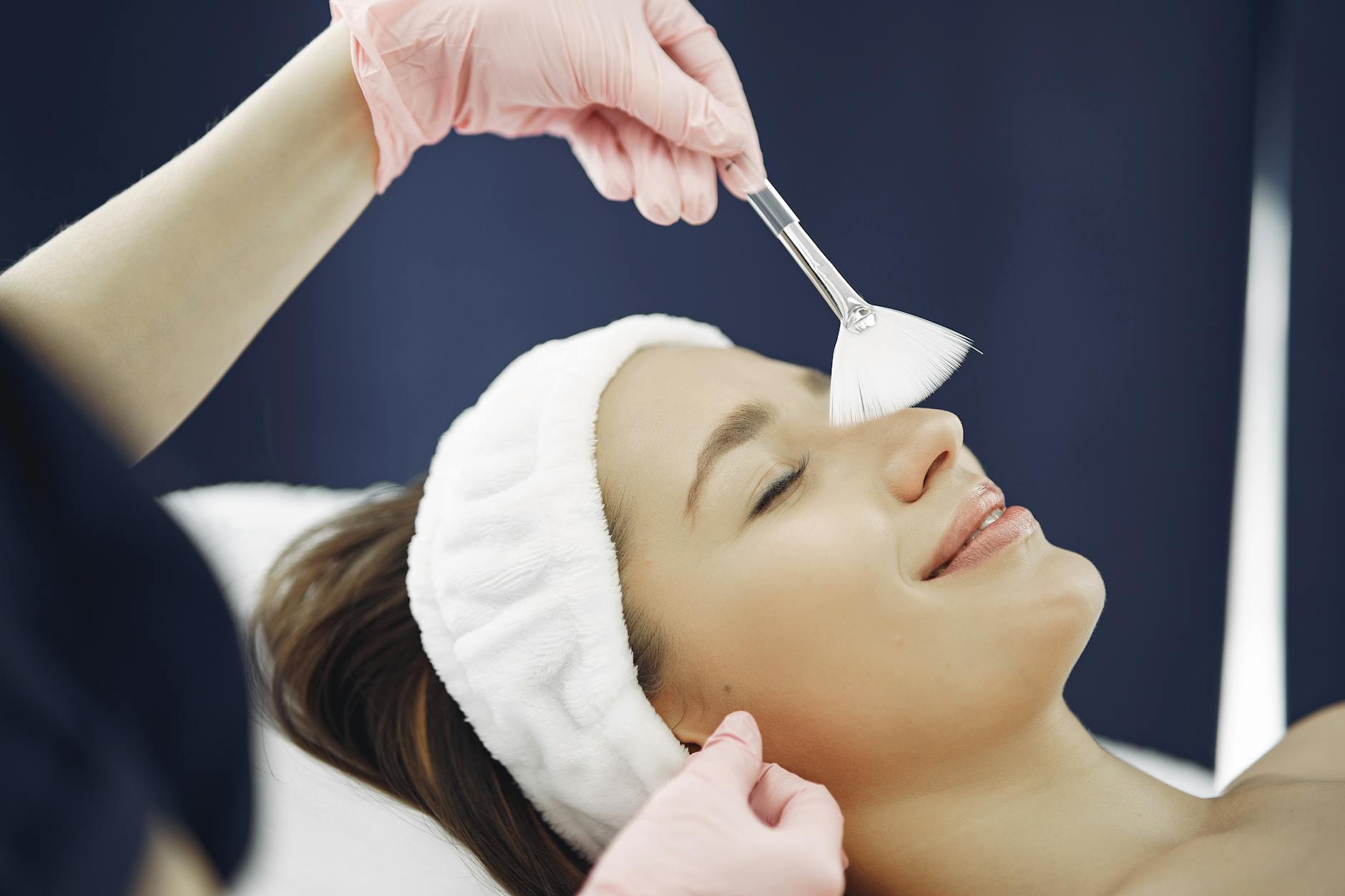
If you've been researching dermaplaning at home vs salon, you already know the treatment promises a lot: smoother skin, brighter complexion, better product absorption, and the removal of fine vellus hair — all in one session. What you might not know is whether those results are the same regardless of where you get it done, or whether the $150–$300 salon price tag is genuinely worth it over a one-time at-home investment. This guide gives you the honest, balanced answer.
Dermaplaning is a physical exfoliation technique that uses a sharp blade to gently scrape the surface of the skin, removing the outermost layer of dead cells along with soft vellus hair (often called peach fuzz). The core principle is the same whether you're in a professional clinic or your own bathroom — but the execution, tools, and outcomes can differ significantly. Let's break it all down.
What Exactly Is Dermaplaning?
Dermaplaning was originally a clinical procedure performed by licensed estheticians and dermatologists using a sterile, single-use surgical scalpel held at a 45-degree angle. The blade is stroked across the skin in short, feathering motions to lift dead skin cells and peach fuzz simultaneously.
The dermaplaning benefits that have made it so popular include:
- Instant improvement in skin texture and radiance
- Removal of vellus facial hair without the risk of thicker regrowth (a common myth)
- Enhanced penetration of serums, moisturizers, and other topical skincare products
- Smoother, more even application of foundation and makeup
- Reduction of the appearance of fine lines on the surface level
- No chemical downtime, redness, or peeling (when done correctly)
Because the technique requires a sharp blade near delicate facial skin, the main debate has always centered on safety and whether trained hands are truly necessary. The short answer is nuanced — and it depends heavily on your skin type, experience, and the tools available.
How Much Does Dermaplaning Cost? Salon vs At-Home Breakdown
Cost is usually the first factor people consider, and the gap between the two options is substantial.
Professional Salon or Med-Spa Dermaplaning
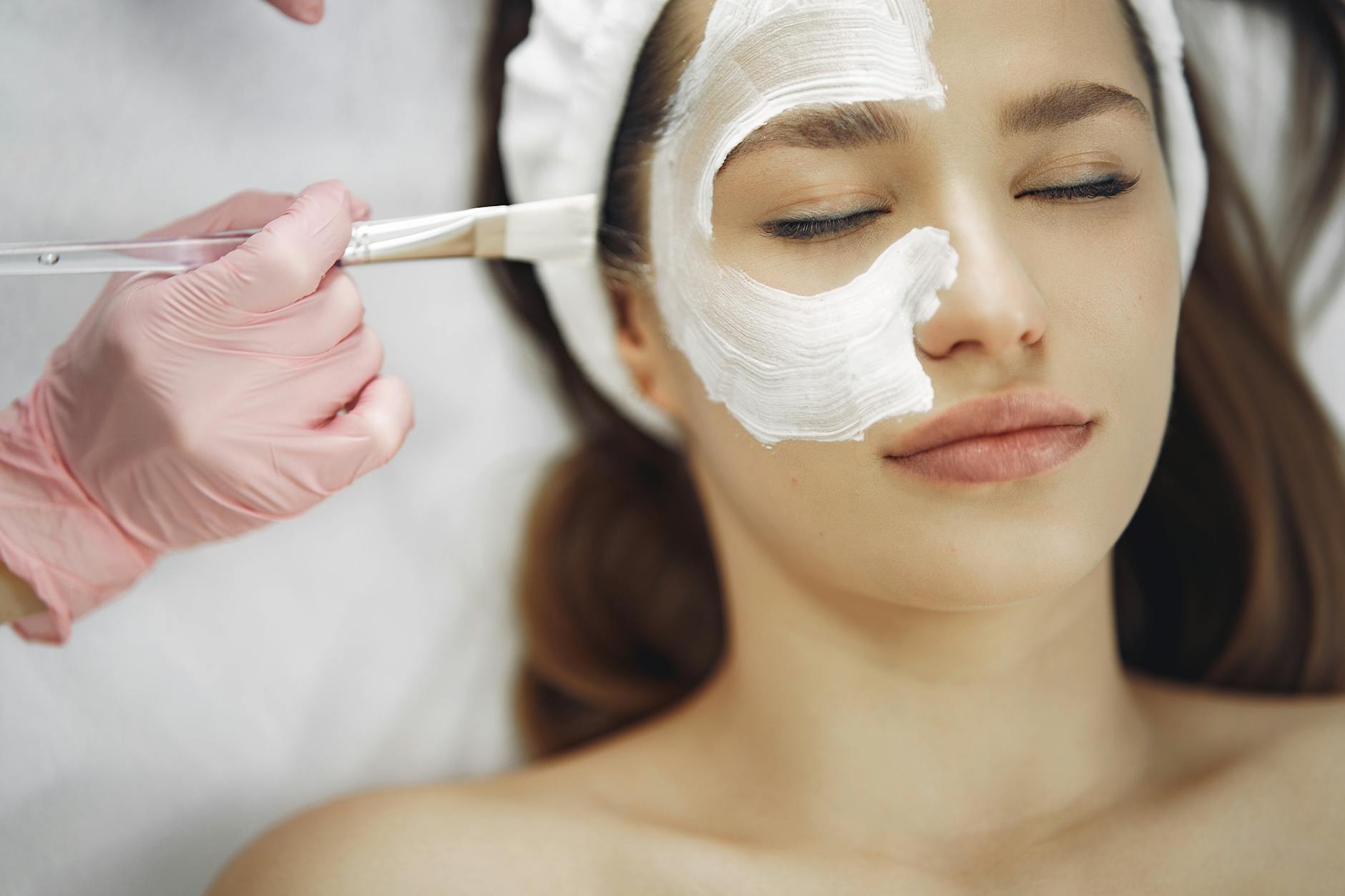
A single professional dermaplaning session typically costs between $150 and $300 in the United States, depending on your location, the clinic's prestige, and whether it's bundled with other treatments like a chemical peel or LED therapy. In major metropolitan areas such as New York City or Los Angeles, prices can push toward $400 per session.
Most skincare professionals recommend having the treatment every 3 to 4 weeks, since that aligns with the skin's natural cell turnover cycle. That means maintaining professional dermaplaning year-round could run you anywhere from $1,800 to $3,600 annually.
At-Home Dermaplaning
At-home dermaplaning tools range considerably in quality and price. Basic dermaplaning razors — simple single-blade tools resembling a small eyebrow razor — can be found for as little as $10 to $20 for a multi-pack. More sophisticated battery-operated or motorized at-home dermaplaning devices designed specifically for the face typically cost between $50 and $200 as a one-time purchase, with replacement blade heads costing $10 to $30 every few months.
The ongoing cost per session with an at-home device works out to just a few dollars once you've made the initial investment — a significant saving compared to the salon route.
Cost Summary: Salon dermaplaning runs $150–$300 per session, with annual costs potentially exceeding $3,000 for regular maintenance. At-home tools require a one-time investment of $50–$200, with minimal ongoing costs. The financial case for doing it at home is clear — the question is whether results justify the difference.
Is Dermaplaning Safe at Home? An Honest Assessment
This is the question that matters most, and it deserves a direct, honest answer rather than a blanket "always see a professional" response. Is dermaplaning safe at home? For most healthy adults with normal to dry skin, yes — with the right precautions. For others, the professional route is genuinely the better choice.
Risks of At-Home Dermaplaning
- Nicks and cuts: The most common risk. Even purpose-built at-home tools use sharp blades, and incorrect angle or pressure can result in small cuts, particularly around the nose, jawline, and upper lip.
- Skin irritation: Aggressive strokes or too-frequent use can strip the skin barrier, leading to redness, sensitivity, or increased breakouts.
- Infection: Any small cut in skin already dealing with active acne can introduce bacteria deeper into the follicle, worsening breakouts.
- Uneven results: Without training, it's easy to apply inconsistent pressure, leaving patches of skin with varying levels of exfoliation.
Who Should NOT Dermaplane at Home
Certain skin conditions make at-home dermaplaning genuinely risky and are better managed by a professional or avoided altogether:
- Active acne, cystic acne, or frequent breakouts
- Rosacea, eczema, or psoriasis
- Open wounds, cold sores, or inflamed skin
- Very sensitive, reactive, or thin skin
- People using prescription retinoids (Retin-A, tretinoin) — these thin the skin significantly
- Recent chemical peel, laser treatment, or sunburn

Results Quality: Professional Dermaplaning vs DIY
Here's where things get genuinely interesting, because the results gap between salon and at-home dermaplaning is not as wide as the industry sometimes suggests — but it does exist.
Professional Results
A licensed esthetician uses a medical-grade surgical blade that is sharper and more precise than any consumer tool currently on the market. The training they receive covers facial anatomy, skin assessment, and blade technique — meaning they can cover the face more thoroughly, reach difficult contours with confidence, and apply the exact right pressure for different skin zones. Many professional treatments also include a follow-up mask, serum application, or facial massage that enhances the overall result.
The outcome after a professional session is often described as dramatically smoother, with a notable "glass skin" luminosity that can be harder to fully replicate at home. Skilled estheticians can also safely work closer to the eyebrows, upper lip line, and around the nose — areas where at-home users tend to be (rightly) more cautious.
At-Home Results
Well-designed at-home dermaplaning tools can genuinely deliver visible results — smoother texture, reduced dullness, and improved product absorption — particularly for users who take their time, use proper technique, and choose a quality device over a basic disposable razor. The results are typically somewhat less dramatic than a professional session but are noticeable, especially with consistent use over time.
The key variables with at-home dermaplaning benefits are technique consistency, blade quality, and skin prep. A properly cleansed, dry face (never damp) with correct 45-degree blade angle will produce results that many people find satisfying enough to forego the salon entirely.
Longevity of Results
Both professional and at-home dermaplaning results typically last 3 to 4 weeks before the skin's natural cell turnover cycle replaces the exfoliated layer and vellus hair begins to regrow. There is no meaningful difference in how long the results last between the two methods when the treatment is executed correctly — the duration is driven by biology, not the quality of the blade.
How Often Should You Dermaplane?
Frequency recommendations are largely the same regardless of where you have it done:
- Professional dermaplaning: Every 3–4 weeks, timed to the skin's cell turnover cycle. Most estheticians advise against more frequent sessions to avoid over-exfoliating and compromising the skin barrier.
- At-home dermaplaning: Every 2–4 weeks for most skin types. Some people with tougher, less reactive skin use at-home tools every 2 weeks without issue. Those with sensitive skin should stay at the 4-week mark or longer.
A common mistake with at-home dermaplaning is over-enthusiasm — doing it weekly because results feel good. Over-exfoliation disrupts the moisture barrier, leads to increased sensitivity, and can actually worsen the appearance of fine lines and uneven tone over time. More is not better.
What to Expect During and After Dermaplaning
During the Treatment
At a salon: You'll typically begin with a thorough cleanse and sometimes a light steam or enzyme treatment to soften the skin. The esthetician will then perform the dermaplaning procedure, which takes 20–30 minutes on its own. Many clinics follow it with a hydrating serum, sheet mask, or LED light therapy session. The full appointment usually runs 45–60 minutes. There is no pain — most people describe the sensation as a light scratching or tickling.
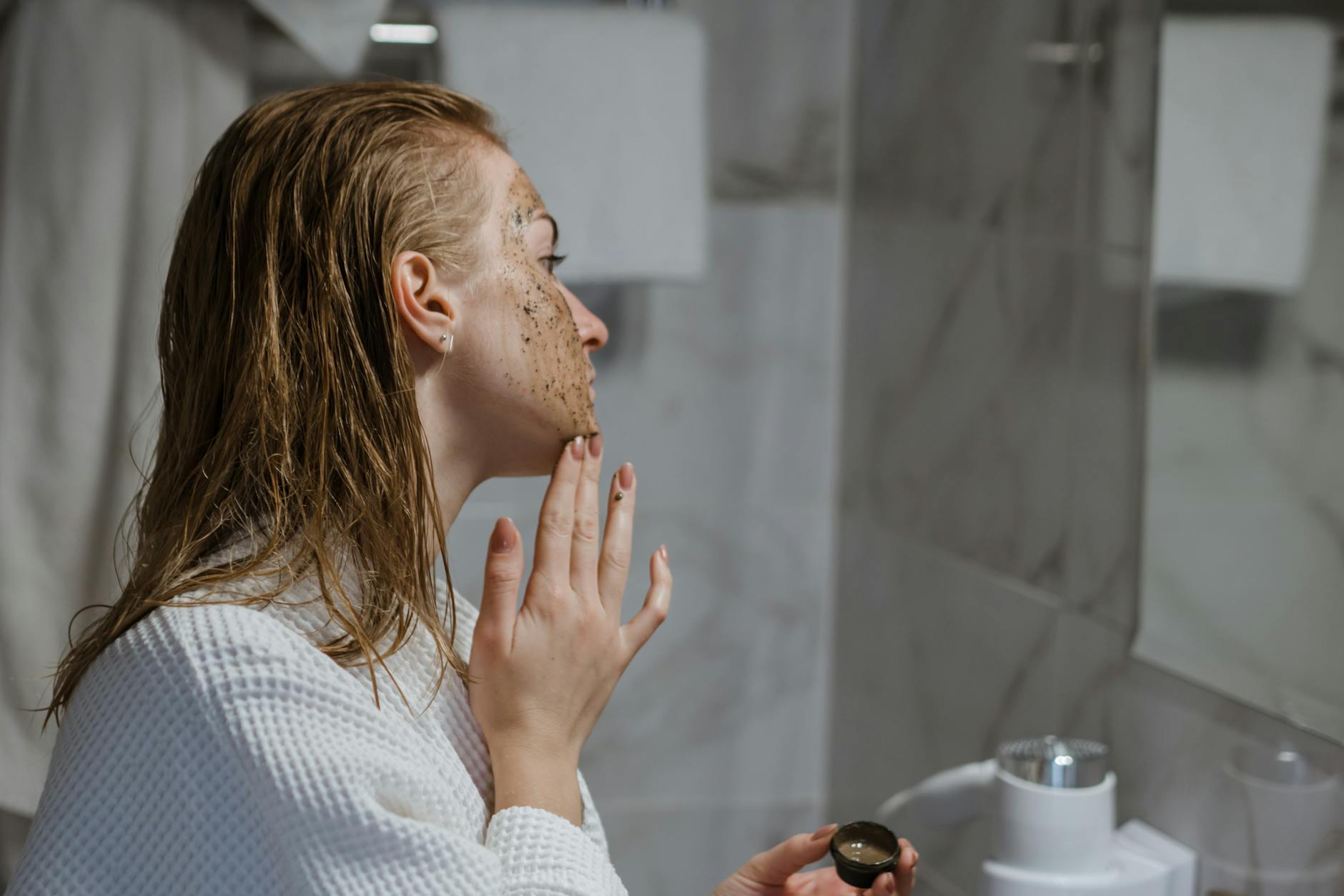
At home: You should cleanse your face thoroughly and allow the skin to dry completely — never dermaplane on damp skin, as this reduces blade glide control and increases cut risk. Use short, gentle upward strokes at a 45-degree angle, working in sections. Avoid going over the same area more than once per session. The process typically takes 10–20 minutes. Follow immediately with a gentle, non-active moisturizer or hydrating serum.
After the Treatment: What's Normal
Immediately following either professional or at-home dermaplaning, your skin may look slightly flushed — this is normal and typically resolves within 30–60 minutes. The skin will feel unusually smooth and may appear more radiant. What follows over the next 24–48 hours is a period of increased skin sensitivity:
- Avoid direct sun exposure without SPF 30+ sunscreen — exfoliated skin burns more easily
- Skip active ingredients (retinol, AHAs, BHAs, vitamin C) for at least 48 hours post-treatment
- Avoid heavy or pore-clogging makeup for 24 hours
- Do not swim in chlorinated pools or use a sauna within 24 hours
- Avoid other exfoliation methods (scrubs, peels) for at least one full week
Pros and Cons: Side-by-Side Comparison
| Professional Salon | At-Home | |
|---|---|---|
| Cost | $150–$300 per session; $1,800–$3,600/year | $50–$200 one-time; minimal ongoing cost |
| Results Quality | Very high — sharper blade, trained technique, full-face coverage | Good to very good — depends on tool quality and technique |
| Safety | High — trained professional, sterile tools, skin assessment | Moderate — safe for most people when instructions followed carefully |
| Convenience | Requires booking, travel, and 45–60 min appointment | Do it any time at home in 10–20 minutes |
| Results Duration | 3–4 weeks | 3–4 weeks |
| Best For | Sensitive skin, skin conditions, special occasions, first-timers | Normal to dry skin, budget-conscious, regular maintenance |
| Add-On Treatments | Often included (serums, masks, LED, peels) | Self-applied products only |
Who Should Choose Salon Dermaplaning?
The professional route is clearly the better choice in the following situations:
- First-timers: If you've never had dermaplaning before, a professional session is worth the cost to understand the process, see how your skin responds, and learn the correct technique.
- Sensitive or reactive skin: A licensed esthetician can assess your skin in person, adjust pressure accordingly, and stop if any irritation appears.
- Pre-event treatments: If you want the absolute best results for a wedding, photoshoot, or major event, the superior sharpness of a professional blade and added treatments like serums or masks will deliver maximum impact.
- Skin conditions: Rosacea, eczema, or frequent hormonal breakouts are best managed by someone trained to navigate them safely.
- Combined treatments: Professional clinics can pair dermaplaning with light chemical peels or prescription-grade serums for results that simply cannot be replicated at home.
Who Should Choose At-Home Dermaplaning?
At-home dermaplaning is a legitimate, effective option for:
- Normal to dry skin types without active breakouts or sensitivity issues
- Budget-conscious individuals who want regular maintenance without the high recurring cost of salon visits
- Busy schedules: The ability to dermaplane in 15 minutes at home, on your own schedule, removes the friction of booking and travelling to appointments
- People who have already had a professional session and understand how their skin responds to the treatment
- Those using it for makeup prep: Light, regular at-home dermaplaning is excellent for smoother foundation application and is a perfectly reasonable use case
Today's consumer market includes a growing range of at-home devices specifically engineered for safe facial dermaplaning — from simple disposable blades to motorized multi-speed devices with protective guards. While specific brands vary in quality, the category has improved substantially and many people report results that satisfy their skincare goals without ever visiting a salon.
Frequently Asked Questions
Key Takeaways
The dermaplaning at home vs salon debate doesn't have a single correct answer — it has a correct answer for your specific situation.
Choose professional dermaplaning if you have sensitive or reactive skin, a skin condition like rosacea or eczema, want the best possible results for a special occasion, or have never tried the treatment before and want a safe, expert-guided introduction.
Choose at-home dermaplaning if you have normal to dry skin without active breakouts, have already experienced a professional session and understand how your skin responds, want a cost-effective way to maintain smooth skin between salon visits (or instead of them), or simply prefer the convenience of a 15-minute treatment in your own bathroom.
The most important variables in any dermaplaning outcome — professional or DIY — are technique, tool quality, skin preparation, and proper aftercare. A careful, well-prepared at-home session will always outperform a rushed, poorly-executed salon visit. And a professional session will always outperform an at-home attempt on complex or reactive skin.
Whatever route you choose, the core rules remain constant: never dermaplane over active breakouts, never rush the process, always protect freshly treated skin with SPF, and give your skin barrier adequate recovery time between sessions. Follow those principles, and dermaplaning benefits — smoother texture, brighter tone, better product absorption — are well within reach at any price point.