Does Red Light Therapy Actually Tighten Skin? A Plain-English Look at the Research
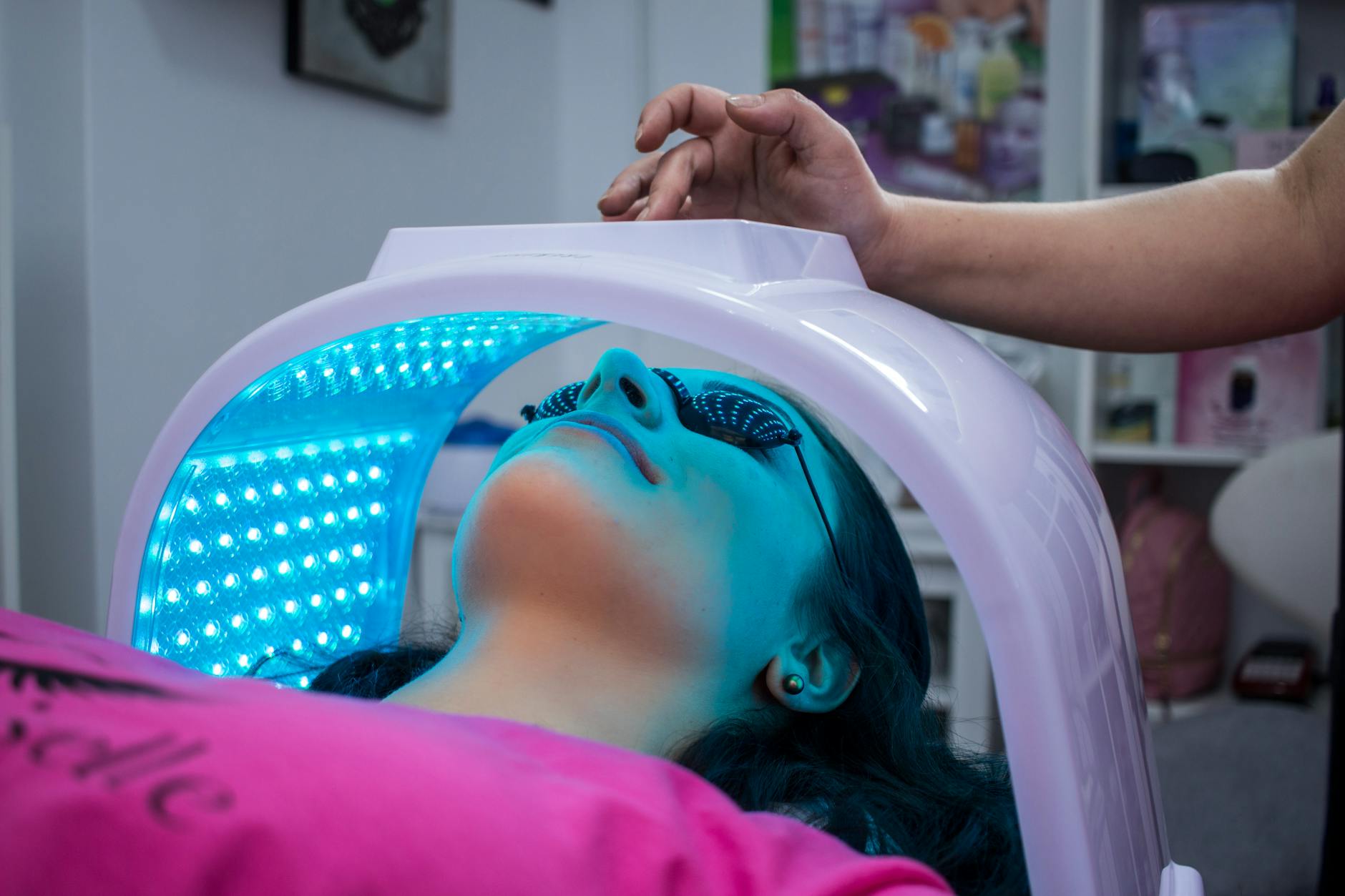
If you've typed the phrase does red light therapy tighten skin into a search bar, you've probably already waded through a swamp of breathless marketing claims and vague testimonials. The honest answer is more nuanced than either the die-hard believers or the dismissive skeptics would have you think. Yes, there is real science behind red light therapy skin tightening — published in peer-reviewed journals, not just brand white papers. But the results depend heavily on wavelength, device output, treatment duration, and the individual biology of your skin. This guide unpacks all of that in plain English, so you can form your own evidence-based opinion.
What Is Red Light Therapy, and What Does It Actually Do?
Red light therapy (RLT) — also called low-level laser therapy (LLLT) or photobiomodulation (PBM) — is the application of specific wavelengths of red and near-infrared (NIR) light to biological tissue. Unlike UV light, which damages DNA, or high-powered lasers used in ablative skin resurfacing, red and NIR wavelengths are non-ionizing and non-thermal at the energy levels used therapeutically. They do not burn, cut, or ablate tissue. Instead, they trigger a cascade of cellular responses through a process that researchers have been studying since the 1960s.
The foundational mechanism was first described seriously in the late 1980s when scientists began identifying photoreceptors in human cells that absorb specific wavelengths of light. The most important of these, for skin health purposes, are proteins within the mitochondria — the energy-producing organelles inside virtually every cell in your body.
The Cellular Mechanism: How Photobiomodulation Works
To understand how red light therapy works on skin, you need to understand one protein: cytochrome c oxidase (CCO). This enzyme sits within the inner mitochondrial membrane and plays a critical role in the final step of cellular respiration — the process by which cells convert oxygen and glucose into ATP (adenosine triphosphate), the primary energy currency of the body.
CCO has a well-documented absorption spectrum, meaning it absorbs certain wavelengths of light more efficiently than others. Research — much of it from Tiina Karu's lab in Russia and later replicated across dozens of institutions worldwide — shows that CCO absorbs particularly well at wavelengths in the 630–680 nm range (visible red) and the 800–870 nm range (near-infrared).
When CCO absorbs photons in these ranges, it appears to dissociate from nitric oxide (NO), a molecule that can inhibit its activity under conditions of cellular stress. Once uninhibited, CCO can run the electron transport chain more efficiently, producing more ATP. The resulting increase in cellular energy triggers a downstream cascade that includes:
- Increased production of reactive oxygen species (ROS) at signaling — not damaging — concentrations
- Activation of transcription factors, including NF-κB
- Upregulation of growth factors such as TGF-β1 (transforming growth factor beta-1)
- Stimulation of fibroblast proliferation and activity
- Increased synthesis of procollagen types I and III
- Reduction in matrix metalloproteinases (MMPs), the enzymes that break down existing collagen
That last two points are the crux of why researchers started investigating red light therapy collagen production as a mechanism for red light therapy for sagging skin. Collagen is the primary structural protein in the dermis — the layer that gives skin its firmness and elasticity. As we age, fibroblasts produce less collagen while MMP activity increases, resulting in the progressive thinning and laxity that characterizes aging skin. Anything that credibly tips that balance back toward production is worth examining closely.

Red vs. Near-Infrared: Does the Wavelength Matter for Skin Tightening?
This is one of the most practically important questions, and the answer is yes — with important nuance. The two wavelength ranges differ primarily in their depth of tissue penetration.
Visible red light (roughly 620–700 nm) penetrates to the upper and mid-dermis — approximately 1–3 mm beneath the skin surface. This is where the majority of fibroblasts responsible for collagen synthesis reside. It is also where surface-level concerns like fine lines, texture, and tone are most directly addressed. The 630 nm and 660 nm wavelengths are the most extensively studied in the context of skin applications.
Near-infrared light (roughly 800–1100 nm) penetrates significantly deeper — up to 5–10 mm or more depending on the specific wavelength and skin characteristics. The 830 nm and 850 nm wavelengths are most common in consumer and clinical devices. At these depths, NIR can reach deeper dermal layers, subcutaneous fat, and even superficial muscle tissue. For applications involving significant skin laxity — particularly loose skin after weight loss or on areas like the neck, jawline, and arms — NIR may offer advantages that red light alone does not.
Many clinical panels and professional devices combine both ranges deliberately, targeting both superficial and deeper tissue simultaneously. When you see a consumer device advertising both "red (660 nm)" and "NIR (850 nm)" wavelengths, that dual-wavelength approach is grounded in this rationale — though whether any particular device delivers adequate irradiance at depth is a separate question entirely.
What Do Clinical Trials Actually Show?
This is where we have to be careful and honest. The research landscape for red light therapy for loose skin is genuinely promising but has real methodological limitations that headlines rarely mention.
Studies Supporting Skin Tightening Effects
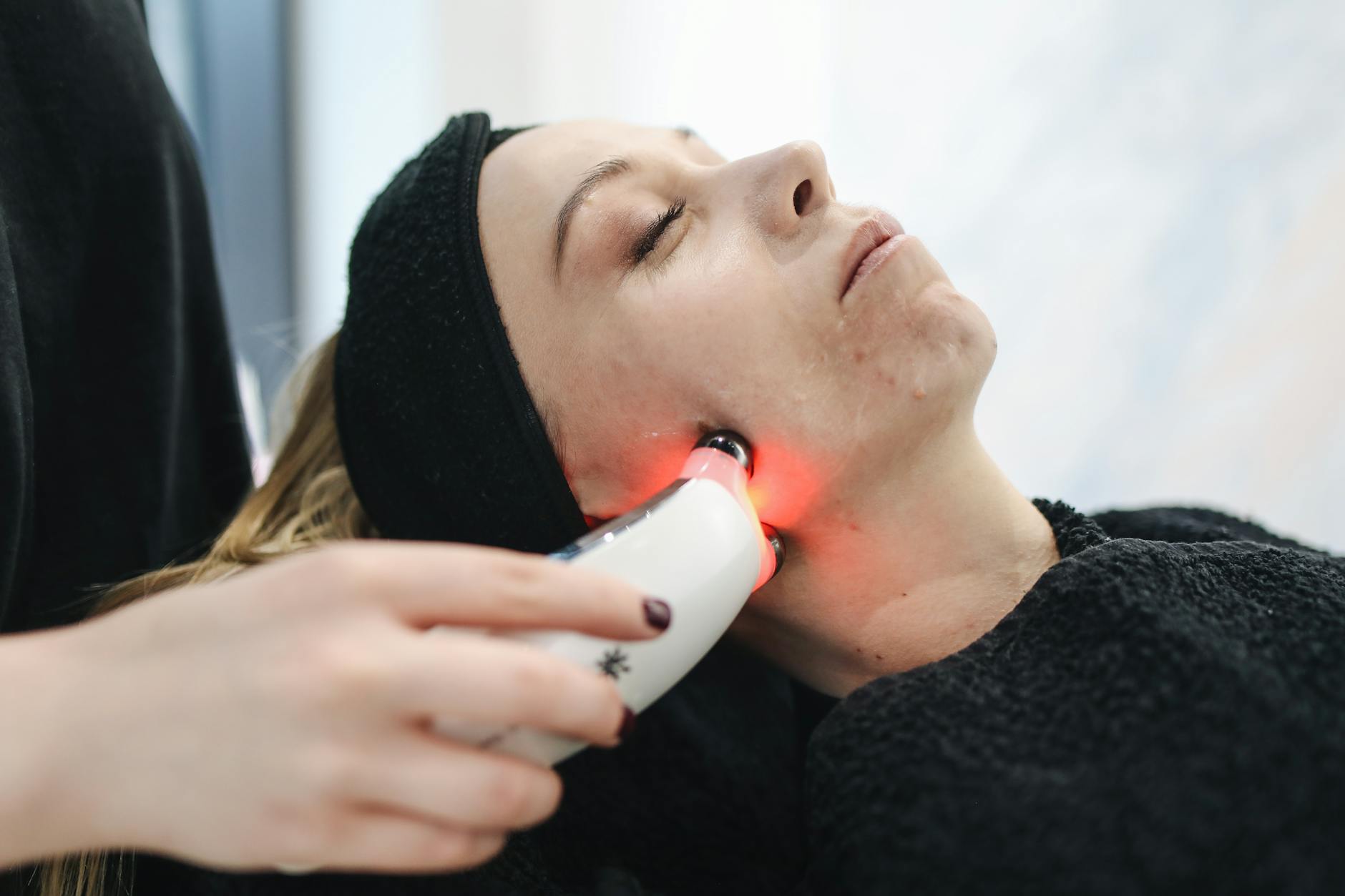
A frequently cited 2014 study published in Photomedicine and Laser Surgery by Wunsch and Matuschka examined 136 volunteers randomized to receive either red/NIR light treatment or sham treatment twice weekly for 30 sessions. The treatment group showed statistically significant improvements in intrinsic skin tone, collagen density (assessed by ultrasound), and reduction in fine lines. This was a double-blind, placebo-controlled design — a relatively high standard for this field.
A 2013 study in the Journal of Cosmetic and Laser Therapy used 633 nm red light on facial photoaging and found measurable improvements in wrinkle depth and skin roughness after 12 weeks of treatment, with histological analysis showing increased collagen and elastin fibers in treated skin biopsies.
A 2020 systematic review in Photobiomodulation, Photomedicine, and Laser Surgery analyzed 11 randomized controlled trials on photobiomodulation for skin aging and concluded that evidence supports improvements in skin texture, elasticity, and wrinkle reduction — with the caveat that study populations were generally small and protocols varied widely.
Honest Limitations of the Evidence
Before taking any of those findings as a green light to spend money on equipment, the following limitations deserve serious consideration:
- Small sample sizes. Many landmark studies have 20–50 participants. Effects that look dramatic in a small group can shrink or disappear in larger populations.
- Short follow-up periods. Most trials measure outcomes at 8–16 weeks. Long-term durability of collagen improvements is not well established.
- Heterogeneous protocols. Wavelength, irradiance (power per unit area, measured in mW/cm²), fluence (total energy delivered, measured in J/cm²), session duration, and treatment frequency vary enormously between studies. This makes direct comparison difficult and blanket conclusions premature.
- Lack of head-to-head comparisons. Very few trials compare RLT directly to established interventions like retinoids, radiofrequency, or microneedling. Without these comparisons, we cannot say where RLT sits in the hierarchy of efficacy.
- Industry funding concerns. A meaningful proportion of studies have partial or full industry involvement. This does not automatically invalidate findings, but it warrants scrutiny of effect size reporting.
- Placebo effects in open-label designs. Skin appearance is partly subjective. Studies without adequate blinding may overstate effects.
None of this means the research is meaningless. It means the truth sits somewhere between "miraculous collagen rebuilder" and "complete pseudoscience" — and that more rigorous, independently funded long-term trials are needed before definitive claims can be made.
The Dose-Response Problem: Why "More" Is Not Always "Better"
One of the most counterintuitive aspects of photobiomodulation is the biphasic dose-response, also called the Arndt-Schulz effect. At low fluences, cellular activity is stimulated — this is the therapeutic window. At very high fluences, the same light can inhibit cellular activity or even cause stress. This is not a trivial concern for practitioners or consumers configuring at-home devices.
The therapeutic window for skin fibroblast stimulation is generally cited in the range of 1–10 J/cm² in most published protocols. Professional devices are calibrated to deliver doses within this range at specified distances. Consumer devices, on the other hand, often advertise wattage and LED counts without providing the irradiance measurements needed to calculate actual fluence delivered at skin surface. This gap is one of the core reasons clinical outcomes can be difficult to replicate at home.
At-Home vs. Professional Devices: An Objective Comparison
The market for both categories has expanded significantly over the past decade, and the gap between them is narrowing — but it has not closed. Here is an honest comparison of the two approaches for red light therapy skin tightening purposes.
| Factor | At-Home Devices | Professional / Clinical Devices |
|---|---|---|
| Irradiance | Typically 10–100 mW/cm²; often unverified | Often 100–300+ mW/cm²; calibrated and certified |
| Wavelength accuracy | Variable; some consumer LEDs have broader emission spectra than advertised | Tight, verified wavelength peaks; third-party tested |
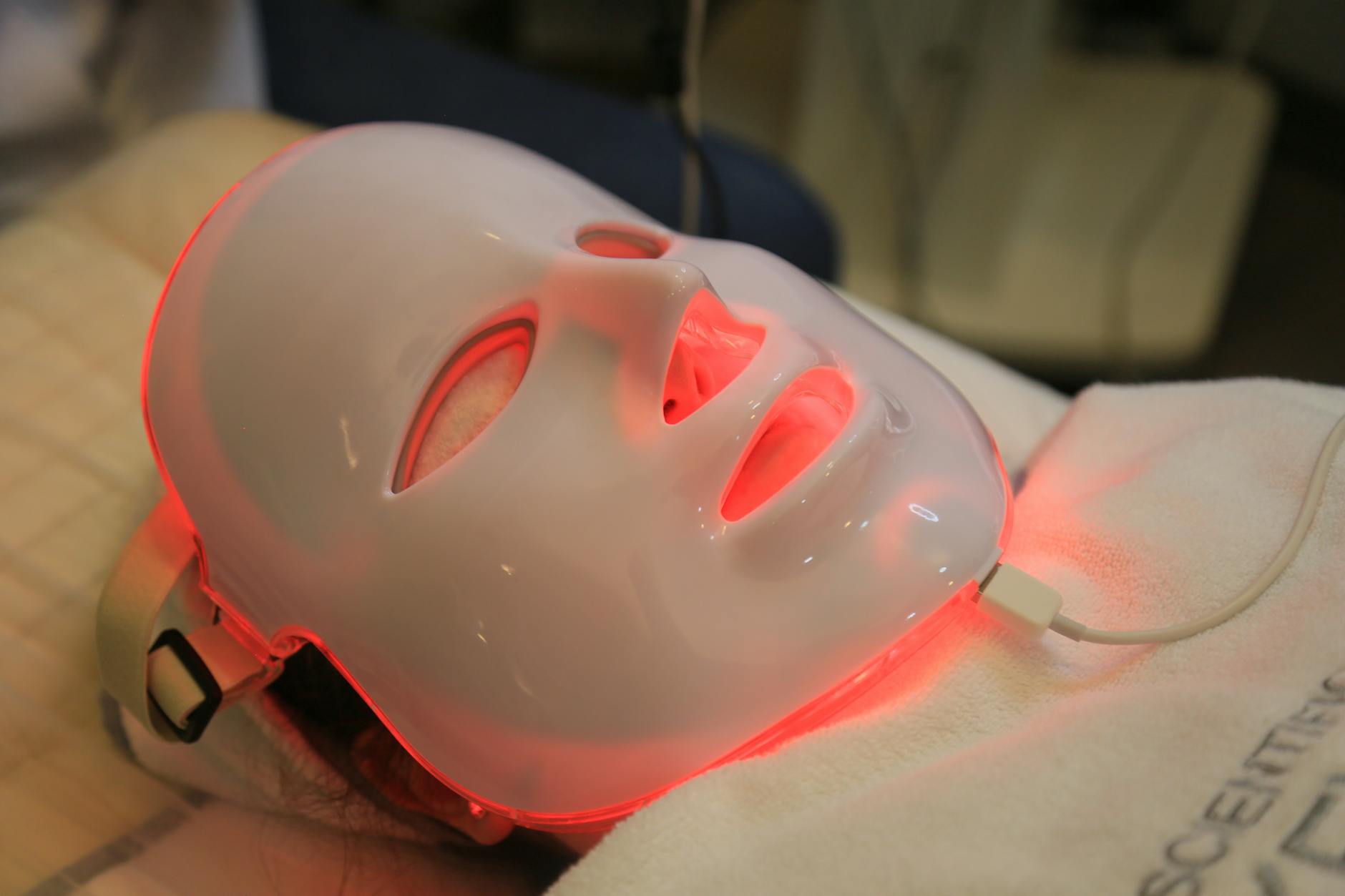
| Treatment area | Limited (face masks, handheld wands); panels cover larger areas | Full-body panels; targeted probes; flexible protocols |
| Cost | $50–$600 one-time purchase | $50–$200 per session; series packages often $500–$2,000+ |
| Consistency | Highly dependent on user adherence; easy to miss sessions | Standardized protocols; supervised application |
| Evidence base | Few published trials on specific consumer devices | Most published studies use clinical-grade equipment |
| Supervision | None; user-directed | Administered by trained practitioners |
The critical takeaway from this comparison: the majority of the clinical evidence comes from professional-grade devices. When manufacturers of consumer products cite these studies to support their products' efficacy, they are making an inferential leap that may or may not be justified depending on whether their device's actual output parameters match the studied protocols.
What Realistic Expectations Look Like
Based on the existing evidence, here is what can reasonably be expected — and what cannot — from consistent red light therapy for skin tightening.
What the Evidence Suggests Is Achievable
- Modest improvement in fine lines and surface texture after 8–16 weeks of consistent treatment (3–5 sessions per week)
- Measurable increases in collagen density in the upper dermis, as shown by ultrasound and biopsy studies
- Improved skin tone and reduction in redness, particularly for individuals with mild photoaging
- Some reduction in the appearance of crepey skin when treatment is maintained consistently over months
- Possible complementary benefit when combined with other proven interventions (retinoids, SPF, adequate hydration)
What the Evidence Does Not Support
- Dramatic skin tightening equivalent to surgical or energy-based clinical procedures (radiofrequency, HIFU, CO2 laser)
- Reversal of significant skin laxity (e.g., post-massive-weight-loss loose skin) — there is no published RCT supporting this claim
- Permanent structural change — collagen remodeling from RLT appears to require ongoing maintenance treatment
- Results within days or weeks — the cited studies largely show gradual improvement building over multiple months
Who Is Most Likely to Benefit?
Not everyone starts from the same baseline, and that matters for how much visible benefit can be expected. Based on the literature, the individuals most likely to see meaningful results from red light therapy for loose or sagging skin are:
- Those with mild to moderate photoaging — sun-damaged, dull, or mildly textured skin responds well in published studies. Severe photoaging with deep rhytids is less likely to show transformative results.
- Younger adults (30s–50s) with early skin laxity — fibroblast responsiveness declines with age, and the cellular machinery responding to photobiomodulation is more active in younger tissue.
- Consistent, long-term users — the dose-response nature of this therapy means sporadic use produces sporadic results. People who commit to 3+ months of regular sessions see more improvement in studies than those with patchy compliance.
- Those who combine RLT with a comprehensive skincare routine — topical retinoids, broad-spectrum SPF, and adequate hydration all support the same collagen-preservation goals, and the combination effect may exceed what either approach delivers alone.
Safety Considerations
One reason red light therapy skin tightening has maintained scientific credibility is its favorable safety profile. At therapeutic doses, photobiomodulation carries no known risks of carcinogenesis, DNA damage, or thermal injury. The most commonly reported adverse events in clinical trials are mild, transient, and rare: temporary redness immediately post-treatment, occasional mild headache (most common with full-face devices and goggles not used), and eye discomfort if eyes are unprotected during treatment.
Contraindications typically cited in the literature include: active photosensitizing medications (some antibiotics, NSAIDs, certain antidepressants), active malignancy in the treatment area, and pregnancy (precautionary, not evidence-based). Anyone with a skin condition being managed medically — active rosacea, lupus erythematosus, active acne vulgaris — should consult a dermatologist before starting a course of red light treatment.
Frequently Asked Questions
Key Takeaways
The science behind does red light therapy tighten skin is real, peer-reviewed, and mechanistically plausible — but it is not as simple or dramatic as marketing language suggests. Here is what the evidence currently supports:
- The mechanism is legitimate. Photobiomodulation stimulates mitochondrial activity in fibroblasts via cytochrome c oxidase, which credibly increases collagen synthesis and reduces collagen degradation.
- Wavelength and dose matter enormously. The 630–660 nm and 830–850 nm ranges are best supported. Devices and protocols must deliver adequate fluence (1–10 J/cm²) to the target tissue to produce biological effects.
- Clinical results are real but modest. Randomized controlled trials show statistically significant improvements in skin texture, wrinkle depth, and collagen density — but these are measured improvements, not transformations. Expect gradual, cumulative progress over months, not weeks.
- At-home devices can be effective but are not equivalent to clinical devices unless irradiance and wavelength specifications are verified and protocols are adhered to consistently.
- For significant skin laxity, RLT is not a standalone solution. It may complement other interventions but cannot replace surgical or high-energy clinical procedures for substantial loose skin.
- Consistency is the non-negotiable variable. The studies that show results use consistent, repeated treatment over months. Sporadic use predicts sporadic outcomes.
Red light therapy occupies a legitimate, if modest, position in the landscape of non-invasive skin rejuvenation. For anyone willing to invest the time and patience required by its biology, the evidence suggests it can be a genuinely useful tool for supporting skin firmness and collagen health over the long term — particularly when combined with a broader evidence-based skincare routine.