Dust Mites in Your Bed: What They Are, Why They Cause Allergies, and How to Eliminate Them
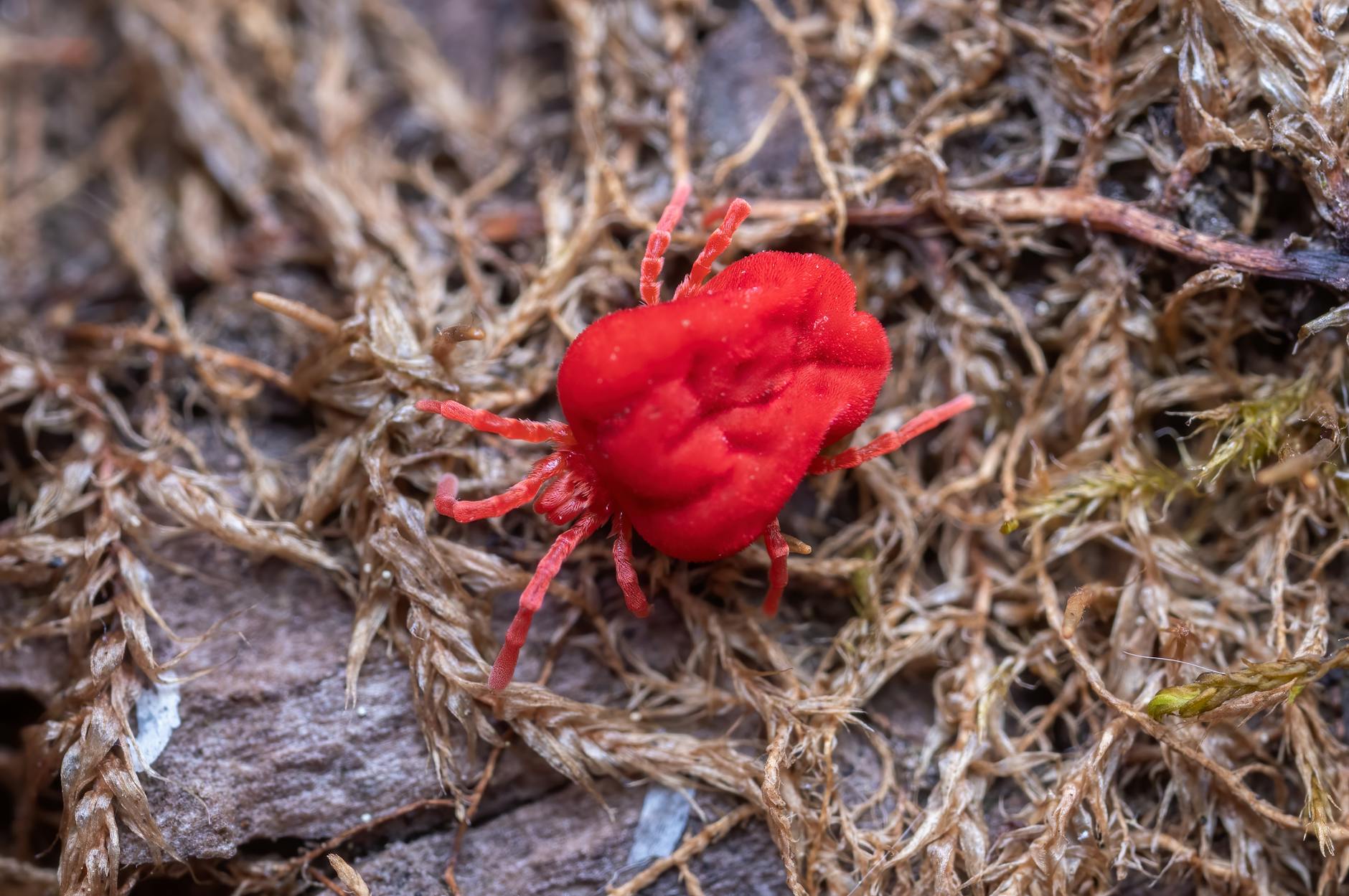
If you wake up with a stuffy nose, watery eyes, or a scratchy throat — and those symptoms seem to vanish once you leave the house — there's a good chance dust mites in bed are the culprit. These microscopic creatures are one of the most pervasive indoor allergen sources in the world, yet most people have never seen one and don't fully understand how they work. This guide breaks down the science: what dust mites actually are, how they reproduce, what makes their allergens so persistent, and why some common cleaning methods barely scratch the surface.
What Are Dust Mites, Exactly?
Dust mites (Dermatophagoides pteronyssinus and Dermatophagoides farinae are the two most common household species) are arachnids — more closely related to spiders and ticks than to insects. They are invisible to the naked eye, measuring between 0.2 and 0.3 millimeters in length. A single gram of mattress dust can harbor anywhere from 100 to over 19,000 individual mites, depending on humidity levels and how recently the bedding was washed.
Dust mites do not bite, sting, or burrow into human skin. They are not parasites in the traditional sense. Instead, they survive entirely on shed human skin cells — the roughly 1.5 grams of dead skin flakes the average adult loses every day. Your bed, with its warmth, moisture from perspiration, and constant supply of skin cells, is essentially a five-star resort for mite colonies.
Are dust mites harmful in a direct physical sense? No. They do not transmit disease, and they cause no wounds. The harm they cause is entirely immunological — triggered by proteins found in their waste products and body fragments.
The Dust Mite Lifecycle: How Colonies Grow So Fast
Understanding why dust mites in bed are so difficult to eliminate starts with their reproductive biology. A female dust mite lays between 40 and 80 eggs during her lifetime, which spans approximately two to three months. After hatching, a larva passes through two nymph stages before reaching adulthood in about three to four weeks. Under ideal conditions, a single mite can become a colony of hundreds within a matter of weeks.
The two environmental variables that most dramatically influence mite reproduction are temperature and relative humidity.
- Temperature: Dust mites thrive between 68°F and 77°F (20°C–25°C). The interior of a mattress, warmed by body heat throughout the night, sits squarely in this range for seven or more hours every day.
- Humidity: Mites cannot drink water. They absorb moisture directly from the surrounding air through specialized organs called supracoxal glands. A relative humidity above 70% produces explosive colony growth. Below 50% RH, mites dehydrate and reproduction slows significantly. This is why bedrooms in humid climates — or homes without air conditioning in summer — tend to have far higher mite populations than dry environments.
Every night, a sleeping adult exhales and perspires enough moisture to measurably raise the humidity inside a mattress by several percentage points. Combined with the warmth of a human body, this creates a self-renewing microclimate that perpetually favors mite survival. Even if you wash your sheets weekly, the mite colony living deeper in the mattress foam or springs remains largely undisturbed.
Dust Mite Allergy Symptoms: What the Research Shows
The proteins that trigger dust mite allergy symptoms are not the mites themselves — they are the fecal pellets the mites produce and the fragments of their shed exoskeletons. Each mite produces approximately 20 waste pellets per day. These particles are coated in digestive enzymes (primarily a protein called Der p 1 in D. pteronyssinus) that are extraordinarily effective at penetrating mucous membranes and triggering IgE-mediated immune responses in sensitized individuals.
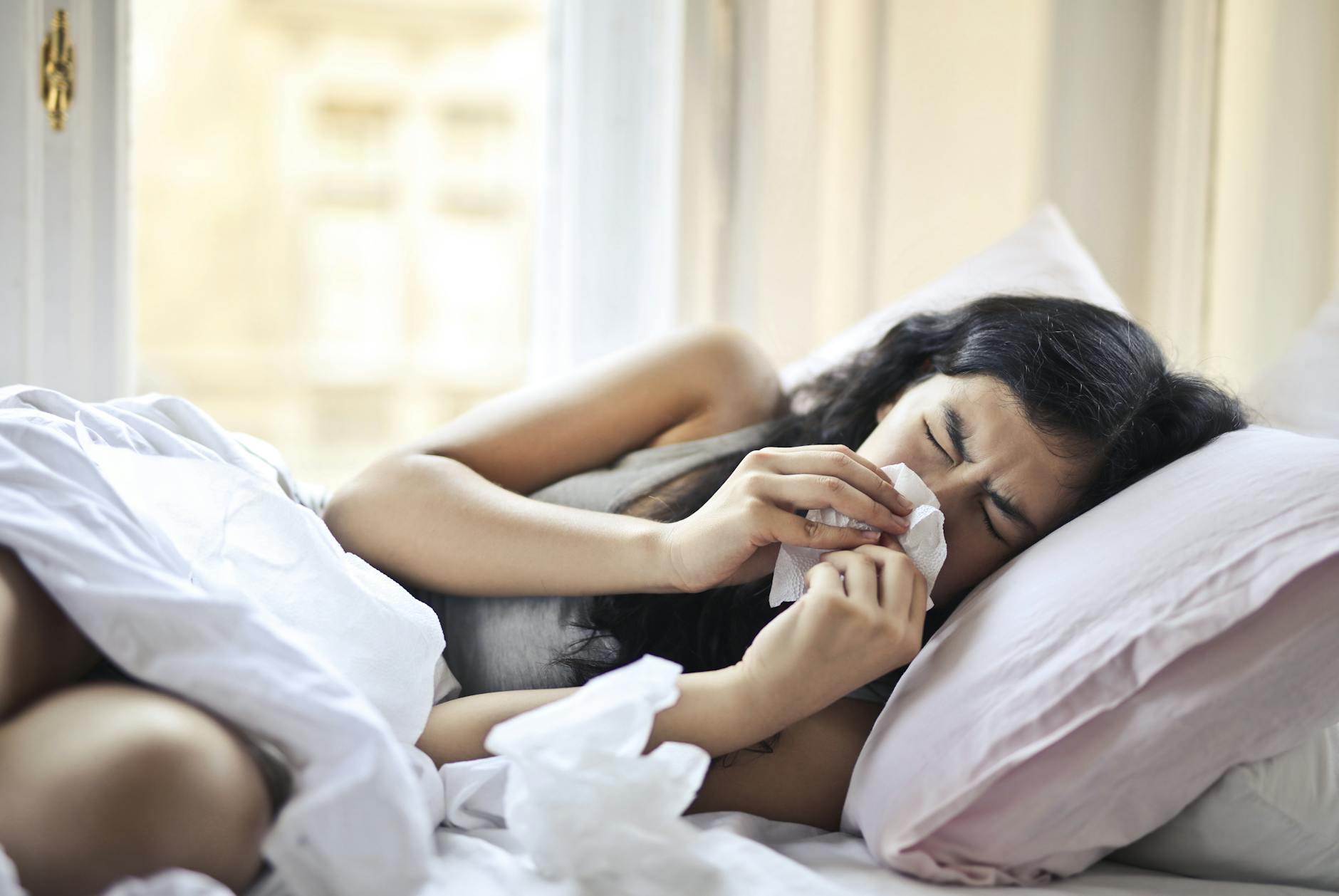
When a sensitized person inhales these proteins, the immune system releases histamine — the same chemical released during hay fever reactions. This is why dust mites bedroom allergies produce symptoms nearly identical to outdoor pollen allergies:
- Persistent sneezing, especially in the morning or at night
- Runny or congested nose (allergic rhinitis)
- Itchy, red, or watery eyes (allergic conjunctivitis)
- Postnasal drip and chronic sore throat
- Itchy skin, eczema flares, or hives in sensitized individuals
- Wheezing or shortness of breath in people with asthma
A critical distinction is that mite fecal particles are much heavier than pollen grains. They do not float in the air for hours the way outdoor allergens do. Instead, they settle rapidly onto surfaces — particularly soft, fibrous surfaces like mattresses, pillows, upholstered furniture, and carpet. This is why symptoms are often worst during or immediately after making the bed, when settled particles get disturbed back into breathing air, and during the first hour of sleep when the body is closest to the mattress surface.
Why Standard Vacuuming Only Goes So Far
One of the most persistent misconceptions about how to get rid of dust mites in mattress environments is that regular vacuuming is sufficient. Vacuuming is genuinely helpful — it removes surface-level skin cell debris that mites feed on, and it picks up some of the fecal pellets and dead mite fragments that have settled on top of fabric. But it has three significant limitations when it comes to living mite colonies:
- Penetration depth: Standard vacuum attachments clean the top few millimeters of a mattress surface. Mite colonies live throughout the full depth of the mattress — in the batting layers, in foam cells, and around spring coils — where suction cannot reach them effectively.
- Allergen particle size: The fecal pellets most responsible for allergic reactions are small enough to pass through many standard vacuum filters and be re-expelled into the room air. A vacuum without a true HEPA filter (rated H13 or H14) can actually worsen airborne allergen concentrations during cleaning.
- Living mites: Vacuuming does not kill mites. It removes some debris, but the living population survives and replenishes the lost material within days if conditions remain favorable.
This does not mean vacuuming is pointless — it meaningfully reduces the food supply available to mites and removes already-produced allergen particles. But it should be understood as allergen management, not mite elimination. Effective control requires addressing the living population and the allergen proteins simultaneously, through multiple complementary strategies.
Dust Mite Mattress Cover vs. Vacuum: Understanding the Difference
The dust mite mattress cover vs. vacuum debate is somewhat misleading because these two approaches target entirely different aspects of the problem. They are not competing strategies — they address different layers of a multi-layered issue.
An allergen-impermeable mattress encasement (sometimes called a dust mite mattress cover) is a zippered cover made from tightly woven fabric or a membrane with pore sizes small enough to block the passage of mite fecal particles (typically 2–10 microns) and mite body fragments. Research published in journals including The Lancet and the Journal of Allergy and Clinical Immunology has consistently shown that properly fitted encasements can reduce detectable allergen levels on the mattress surface by 80–98% compared to uncovered mattresses.
What encasements do not do is kill the mites already inside the mattress, or prevent new mites from eventually colonizing the cover surface itself. They create a barrier between the sleeper and the existing colony — which is clinically meaningful — but the colony continues to live and reproduce inside the encased mattress.
Vacuuming, by contrast, physically removes material from the surface but provides no ongoing barrier protection. Used together — encasement to block allergen exposure, regular vacuuming of the encasement and pillow surfaces to remove newly deposited debris — the two strategies complement each other effectively.
The Role of UV Sanitization: Allergens vs. Live Mites
To understand why UV light is discussed in the context of dust mites in bed, it's important to distinguish between the two sources of harm: live mites and allergen proteins from mite waste.
Short-wave ultraviolet light (UV-C, at wavelengths around 254 nanometers) disrupts the DNA of living organisms, preventing reproduction and causing cell death. Studies have demonstrated that UV-C exposure is lethal to dust mites at sufficient doses, and that mite populations on irradiated fabric surfaces are reduced compared to controls.
However, there is an important caveat: UV-C light is a surface technology. It penetrates fabric only a fraction of a millimeter. Mites living deeper in mattress layers are entirely shielded by the overlying material. UV-C sanitization is most effective on smooth, thin-surface materials — pillowcases, mattress protector surfaces, and the top layer of sheets — rather than the full depth of a mattress.
Equally important: UV-C does not denature (break down) the allergen proteins responsible for triggering allergic reactions. The Der p 1 enzyme proteins in mite feces are not biological cells. They are stable protein structures that UV radiation does not meaningfully destroy. This means UV sanitization can kill surface mites without removing the allergen burden that causes symptoms. For complete allergen reduction, physical removal (washing or vacuuming with HEPA filtration) is still required in addition to any disinfecting step.
Evidence-Based Strategies That Actually Reduce Mite Allergen Exposure
Based on peer-reviewed research in allergy and immunology, the following interventions have the strongest evidence base for reducing dust mites bedroom allergies:
1. Hot Water Laundering
Washing bedding at or above 130°F (54°C) kills all life stages of dust mites, including eggs. This is one of the most reliable mite-elimination steps available. Washing at lower temperatures (even 104°F / 40°C) removes allergen particles physically but does not reliably kill live mites — they survive and recolonize the dried fabric. For people who must use lower temperatures (delicate fabrics), tumble-drying at high heat for 10–15 minutes after washing achieves similar kill rates.
2. Allergen-Impermeable Encasements
High-quality encasements on both the mattress and pillow are among the most rigorously studied interventions for mite allergen reduction. Look for products specifically tested to block particles smaller than 10 microns. Woven microfiber encasements tend to be more durable and breathable than plastic or vinyl options, which can crack over time.
3. Humidity Control
Keeping indoor relative humidity below 50% is one of the most effective long-term strategies for suppressing mite reproduction. A dehumidifier in the bedroom or whole-house HVAC humidity control can make a significant difference, particularly in warmer months or in naturally humid climates. At below 45% relative humidity, mite populations decline substantially within a few weeks.
4. HEPA Vacuuming of Soft Surfaces
Using a vacuum with a certified HEPA filter (H13 or H14 rating) to regularly clean mattress surfaces, upholstered furniture, and carpeted floors removes allergen particles without re-releasing them into the breathing zone. This should be done weekly for high-exposure surfaces like mattresses and every one to two weeks for softer furnishings.
5. Reducing Soft Furnishings
Carpets, heavy curtains, upholstered furniture, and decorative cushions all harbor mite colonies. Hard flooring (wood, tile, laminate), washable blinds, and leather or vinyl furniture reduce the available habitat for mites in the bedroom. While removing all soft furnishings is impractical for most households, prioritizing a mite-resistant bedroom environment — particularly the sleeping area — has a disproportionate impact on allergen exposure given how many hours are spent there.
6. Freezing Small Items
Stuffed animals, decorative pillows, and non-washable items can be sealed in a plastic bag and placed in a household freezer at 0°F (–18°C) for 24–48 hours. This kills live mites but does not remove the allergen proteins — a subsequent wash or vacuuming step is still needed to eliminate the fecal particles left behind.
Frequently Asked Questions About Dust Mites in Bed
Key Takeaways
Dust mites in bed are an almost universal feature of the domestic environment, but their impact varies enormously depending on individual immune sensitivity and the environmental conditions of the bedroom. The core science breaks down to three interconnected facts:
- Mites thrive in warm, humid environments — the interior of your mattress is nearly ideal for them year-round.
- The health impact of dust mites is driven primarily by allergen proteins in mite feces, not by the living mites themselves — which is why eliminating live mites without removing allergen particles provides incomplete relief.
- No single intervention is sufficient. The strongest evidence supports a combined approach: allergen-impermeable encasements, weekly hot-wash laundering, HEPA vacuuming, and maintaining indoor humidity below 50%.
Understanding the distinction between killing mites, removing allergen particles, and blocking allergen exposure is essential for anyone with dust mite allergy symptoms. These are three separate problems that require three separate (though complementary) solutions. Approaching all three simultaneously — through environmental management rather than occasional cleaning bursts — is what the clinical evidence consistently supports for meaningful, lasting relief from dust mites bedroom allergies.