DVT Prevention While Traveling: What Every Frequent Flyer Needs to Know
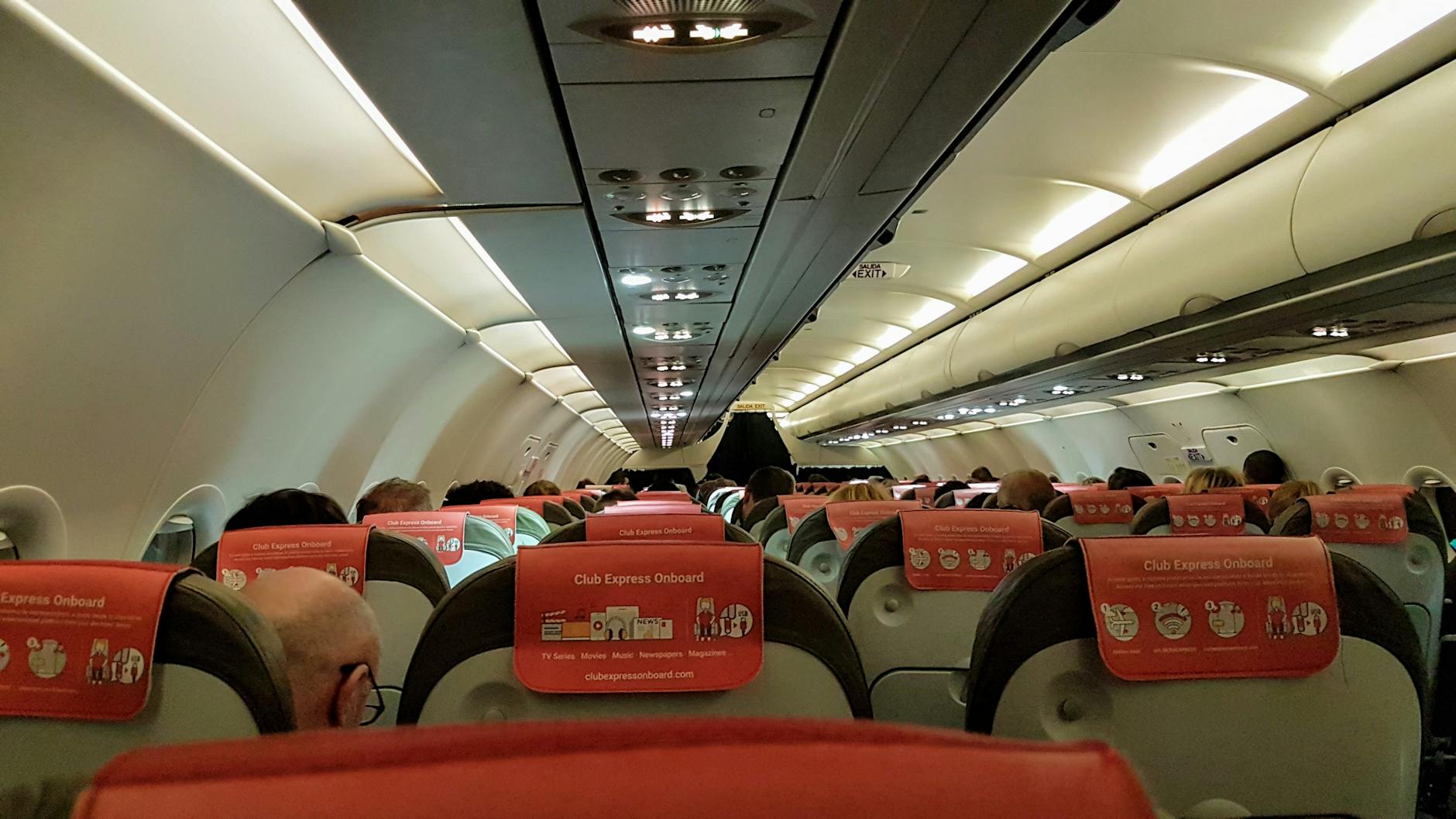
You have booked the seat, packed your bag, and arrived at the gate — but there is one travel risk most people never think about until something goes wrong. DVT prevention while traveling is not a topic that tends to come up at the check-in desk, yet deep vein thrombosis (DVT) is a clinically recognized hazard of long-haul air travel, road trips, and any situation where you remain seated and immobile for hours at a stretch. Understanding why it happens, who is most at risk, and what a practical prevention protocol looks like could genuinely save your life — or the life of someone you travel with.
This guide covers the physiology of blood clot risk on long flights, the specific conditions inside an airplane cabin that raise that risk, and a step-by-step prevention strategy you can start using on your very next journey.
What Is DVT and Why Does Flying Trigger It?
Deep vein thrombosis is the formation of a blood clot — technically a thrombus — inside a deep vein, most commonly in the calf or thigh. Blood naturally tends to pool when circulation slows, and a stationary clot inside a vessel can partially or fully obstruct blood flow. The more serious danger arises when a piece of that clot breaks free and travels to the lungs, causing a pulmonary embolism (PE), which is potentially fatal.
The link between air travel and economy class syndrome — a popular term for travel-related DVT — was first formally described in medical literature in the 1980s, and subsequent large-scale studies confirmed the association. A 2001 study published in The Lancet found that roughly one in six passengers on flights longer than eight hours showed signs of clinically significant leg vein changes. The risk is not confined to economy seats; the term is a misnomer. Business and first-class passengers who remain seated and motionless for long periods face elevated risk too.
Three physiological factors combine to elevate blood clot risk on long flights. These were originally described by 19th-century physician Rudolf Virchow and are now known as Virchow's Triad:
- Venous stasis — blood flow in the deep veins of the legs slows dramatically when you are seated without moving your calf muscles.
- Hypercoagulability — low cabin humidity (typically 10–20% on commercial flights) promotes dehydration, which thickens the blood and makes it more prone to clotting.
- Endothelial injury — sustained pressure from a seat edge against the back of the thigh can damage the inner lining of veins, providing a surface where clots are more likely to form.
Together these three factors create conditions that are simply not present during normal daily activity. A four-hour commute by car can trigger similar effects, making this a concern for road trippers and train travelers as well as airline passengers.
Who Is at Highest Risk?
While any traveler can develop leg health issues on long haul flights, certain individuals carry a substantially elevated baseline risk. Knowing your personal risk profile is the first step toward effective DVT prevention travel planning.
High-Risk Factors
- Previous history of DVT or pulmonary embolism
- Known thrombophilia (inherited clotting disorder such as Factor V Leiden or prothrombin gene mutation)
- Active or recent cancer, or cancer treatment within the past six months
- Major surgery or hospitalization within the preceding three months
- Pregnancy and the six-week postpartum period
- Immobilizing plaster cast on a lower limb
- Hormone replacement therapy (HRT) or combined oral contraceptive pill
- Varicose veins with associated phlebitis
Moderate-Risk Factors
- Age over 40 (risk increases progressively with age)
- Obesity (BMI above 30)
- Tall stature (above 190 cm) — legs are compressed against the seat in front
- Short stature (below 160 cm) — feet may not reach the floor, creating pressure under the thighs
- Dehydration prior to or during travel
- Heart failure or inflammatory bowel disease
- Long-distance travel combined with restricted mobility (window seat, no aisle access)
If you carry one or more high-risk factors, speak with your doctor before any flight exceeding four hours. They may recommend low-molecular-weight heparin injections for very high-risk travelers, in addition to the lifestyle measures described below.
How to Prevent DVT on Planes: A Practical Protocol
The good news is that the strategies for how to prevent DVT on planes are straightforward, low-cost, and evidence-backed. The key is combining multiple approaches rather than relying on any single intervention.
1. Stay Well Hydrated
Dehydration is one of the most controllable DVT risk factors during air travel. Cabin air is dramatically drier than normal atmospheric conditions — humidity on commercial flights typically sits between 10% and 20%, compared with 30–60% in a normal indoor environment. This accelerates fluid loss through respiration and skin, thickening the blood and increasing coagulability.

Practical hydration guidelines for air travel:
- Drink approximately 250 ml (one cup) of water for every hour of flight time.
- Limit alcohol and caffeinated beverages, both of which promote diuresis and accelerate fluid loss.
- Begin hydrating well before boarding — arriving at the gate already dehydrated means you start the flight at a disadvantage.
- Bring an empty refillable water bottle through security and fill it at the departure gate.
2. Move Your Body — Regularly and Deliberately
Calf muscle contractions act as a peripheral pump, pushing blood upward from the lower extremities back toward the heart. When the calf muscles are inactive for extended periods, this venous return mechanism stalls and blood begins to pool in the deep veins of the legs. This is the single most direct mechanical contributor to travel-related clot formation.
You do not need to turn the aisle into a yoga studio. Simple seated exercises performed consistently are effective at maintaining venous blood flow:

In-Seat Exercises (Perform Every 30–45 Minutes)
- Ankle circles: Lift both feet slightly off the floor and rotate ankles in wide circles, 10 rotations clockwise and 10 counterclockwise.
- Heel raises: Keep toes on the floor and raise both heels as high as possible, hold for two seconds, then lower. Repeat 15–20 times.
- Toe raises: Keep heels on the floor and lift toes toward your shins, hold for two seconds, then lower. Repeat 15–20 times.
- Seated calf pumps: Alternate between heel raises and toe raises in a rhythmic pumping motion for 30 seconds.
- Knee lifts: Raise one knee toward your chest, hold for three seconds, lower, then switch legs. Perform 10 repetitions per leg.
- Quad contractions: Straighten one leg and hold it parallel to the floor, tensing the thigh muscle, for five seconds. Switch legs. Repeat 10 times each.
In addition to in-seat exercises, aim to walk the aisle for one to two minutes every 60–90 minutes when the seatbelt sign is off. Standing alone is not sufficient — walking is what activates the calf pump. If you are traveling long-haul, specifically request an aisle seat when booking to make this easier.
3. Use Compression for Travel Leg Swelling
Graduated compression hosiery is one of the most evidence-supported interventions for reducing compression for travel leg swelling and lowering DVT risk on flights. A 2006 Cochrane Review analyzed multiple randomized controlled trials and found that below-knee compression stockings significantly reduced the incidence of symptomless DVT in air travelers.
Graduated compression works by applying greatest pressure at the ankle and progressively less pressure up the calf. This gradient assists venous blood return against gravity and reduces the diameter of superficial veins, encouraging blood to flow through the deeper venous system more efficiently.
Key points about travel compression socks and stockings:
- Compression level: For travel, look for 15–30 mmHg (millimetres of mercury). Class 1 medical compression (18–21 mmHg) is generally recommended for moderate-risk travelers. High-risk travelers should consult a physician about prescription-grade Class 2 (23–32 mmHg).
- Fit matters: Compression socks must be the correct size to work properly. Measure the widest part of your calf and follow the manufacturer's sizing chart. Socks that are too tight can paradoxically impair circulation.
- Put them on before boarding: Compression is most effective when applied before swelling begins, not after it has already developed.
- Knee-length is sufficient: For most travelers, below-knee compression socks are as effective as full-length compression stockings for DVT prevention.
- Wear throughout the flight: The compression benefit requires continuous wear. Remove them only after you have been walking for some time at your destination.
Beyond traditional compression socks, portable pneumatic compression devices have become increasingly available for consumer use. These battery-powered devices use air bladders to rhythmically inflate and deflate around the calf, mimicking the action of walking. Several clinical studies have evaluated these devices in surgical and long-haul travel contexts with positive results for venous flow velocity. They are particularly relevant for high-risk travelers who spend extended periods unable to stand or walk.

4. Dress and Seat Yourself Strategically
Small situational decisions add up over the course of a long flight. The following adjustments reduce mechanical pressure on the veins and promote freer blood flow:
- Avoid crossing your legs — this posture directly compresses the popliteal vein at the back of the knee.
- Do not tuck feet under the seat — this restricts ankle movement and limits calf pump activation.
- Wear loose, comfortable clothing — avoid tight waistbands, belts, or trousers that constrict the groin or thigh.
- Use a footrest or small bag under your feet if your feet do not comfortably reach the floor — this reduces pressure on the underside of the thighs where the femoral vein runs.
- Recline your seat slightly — a fully upright seat creates maximum thigh-edge pressure. Even a modest recline reduces this.
- Request an aisle seat — not just for walking convenience, but because window-seat passengers tend to move far less frequently to avoid disturbing fellow travelers.
5. Know When to Seek Medical Advice Before You Fly
For travelers with one or more high-risk factors, a conversation with a GP or travel medicine specialist before a long-haul trip is not optional — it is essential. Medical professionals may advise:
- A single prophylactic dose of low-molecular-weight heparin (LMWH) injected before departure for very high-risk individuals.
- Aspirin is sometimes discussed but is generally not recommended as a primary DVT prophylaxis for air travel by most international guidelines, as its effect on venous thrombosis is limited.
- Adjustment or temporary discontinuation of medications that increase coagulation risk (e.g., some hormonal contraceptives), where clinically appropriate.
Do not self-prescribe anticoagulants or compression above 30 mmHg without medical guidance.
Recognizing the Warning Signs of DVT
Even with the best prevention protocol, travelers should know the symptoms of DVT, which can manifest during a flight or up to several days after landing. Early recognition significantly improves outcomes.
Seek urgent medical attention if you experience any of the following:
- Pain, cramping, or soreness in the calf, thigh, or groin that does not resolve with stretching
- Swelling in one leg (asymmetric swelling is a key indicator)
- Redness, warmth, or skin discoloration in the affected area
- Sudden shortness of breath, chest pain, or a rapid or irregular heartbeat (these may indicate pulmonary embolism — call emergency services immediately)
- Coughing up blood (a serious sign of pulmonary embolism)
DVT symptoms appearing within 48 hours of landing from a long flight should be treated as potentially travel-related. Do not dismiss calf pain as simple muscle soreness after a flight without ruling out a clot, particularly if you carry any of the risk factors listed earlier.
DVT Risk on Road Trips and Train Travel
The phrase economy class syndrome has unfortunately narrowed public perception of this risk to air travel. However, the same Virchow's Triad mechanism applies to any situation involving extended immobility in a seated position. A twelve-hour car journey, a cross-country coach trip, or a long-distance train ride all carry similar physiological risks, though the lower altitude and higher humidity of ground travel eliminate the dehydration component that air travel adds.
For road trips, the prevention protocol is broadly the same:
- Stop every 90 minutes to two hours and walk for at least five minutes — do not merely stretch beside the car.
- Wear compression socks on any journey exceeding four hours.
- Stay hydrated and limit caffeinated beverages during driving.
- Perform seated ankle and calf exercises during rest stops and while a passenger.
FAQ: DVT and Travel
Key Takeaways
DVT prevention travel awareness is one of the most underrated aspects of travel health planning. Deep vein thrombosis is not a rare or theoretical risk — it is a documented, preventable complication of modern long-distance travel. The combination of prolonged immobility, dehydration, and pressure-related venous compression creates conditions that can trigger clot formation in otherwise healthy individuals, and the risk is meaningfully elevated for the millions of people who carry at least one additional risk factor.
The prevention protocol is neither expensive nor complicated. Staying consistently hydrated throughout your flight, performing simple in-seat calf exercises every 30–45 minutes, wearing appropriately fitted graduated compression socks, avoiding leg-crossing and restrictive clothing, and walking the aisle whenever possible collectively address all three arms of Virchow's Triad. For high-risk travelers, these measures should be supplemented with a pre-travel consultation with a qualified healthcare provider.
The same principles apply to long road trips and train journeys. Economy class syndrome is a travel hazard, not purely an aviation one. Any situation where you are seated and stationary for more than four hours warrants a deliberate prevention strategy.
Most importantly, know the warning signs. Asymmetric leg swelling, persistent calf pain, or any new respiratory symptoms in the days following a long journey should prompt immediate medical evaluation. Early treatment of DVT is highly effective; untreated pulmonary embolism can be fatal.
Travel broadly, travel safely, and give your legs the attention they deserve.
Medical Disclaimer: This article is for informational purposes only and does not constitute medical advice. Always consult a qualified healthcare professional before making decisions about your health, particularly if you have pre-existing conditions or are considering any medical intervention. If you experience symptoms that may indicate DVT or pulmonary embolism, seek emergency medical care immediately.