Electrolysis for Facial Hair: Is It Actually Worth the Cost?
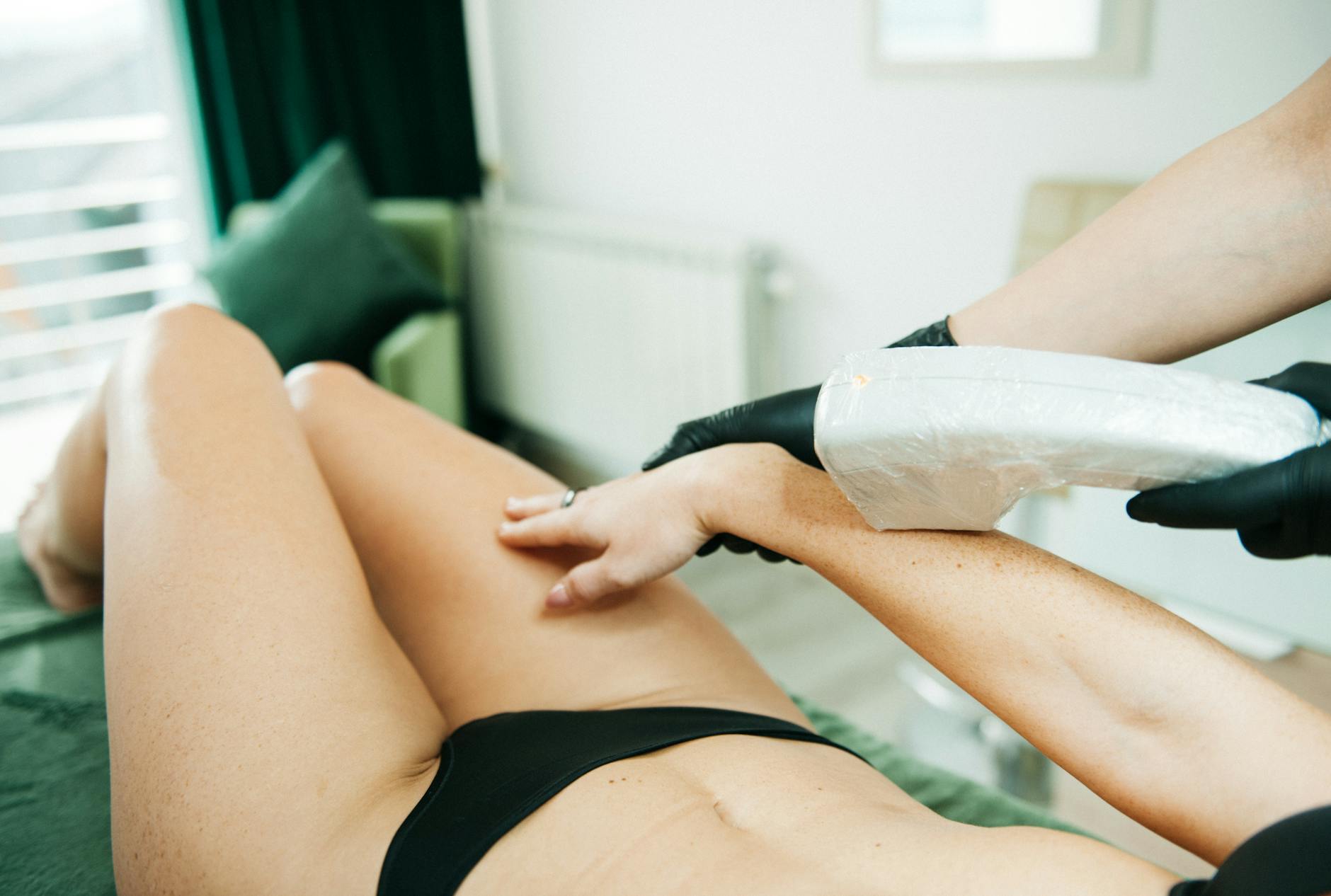
If you've been dealing with stubborn chin hair, upper lip fuzz, or persistent growth along your jawline, you've probably wondered whether electrolysis facial hair removal is finally worth committing to. Tweezing and waxing get tiring fast — and laser hair removal doesn't work for everyone. Electrolysis is the only method the FDA has officially classified as permanent hair removal, yet most people know surprisingly little about what it actually involves, how much it costs, or whether it will work for their specific hair type.
This guide covers everything you need to make an informed decision: the science behind the treatment, realistic costs broken down by facial area, how many sessions to expect, pain levels, and an honest comparison with laser hair removal so you can figure out which path makes more sense for your situation.
How Electrolysis Actually Works
Electrolysis for facial hair works by inserting an ultra-fine metal probe — about the width of a human hair — directly into the hair follicle. Once the probe is seated, the technician delivers a small burst of electrical current that destroys the follicle's growth cells. With the follicle permanently disabled, that specific hair can never regrow.
There are three types of electrolysis currently in use:
- Galvanic electrolysis: Uses direct current to produce a chemical reaction (sodium hydroxide) that dissolves the follicle. Considered the most thorough, but slower per hair.
- Thermolysis (shortwave): Uses high-frequency alternating current to generate heat that coagulates the follicle tissue. Faster per hair, but slightly less definitive for very coarse follicles.
- Blend electrolysis: Combines both galvanic and thermolysis currents simultaneously. Most practitioners use blend for facial work because it balances speed and effectiveness well.
The key word in all of this is follicle-by-follicle. Unlike laser, which targets a broad area of skin, electrolysis treats each individual hair. This makes it more time-consuming — but also more precise, and the only method that works regardless of hair color or skin tone.
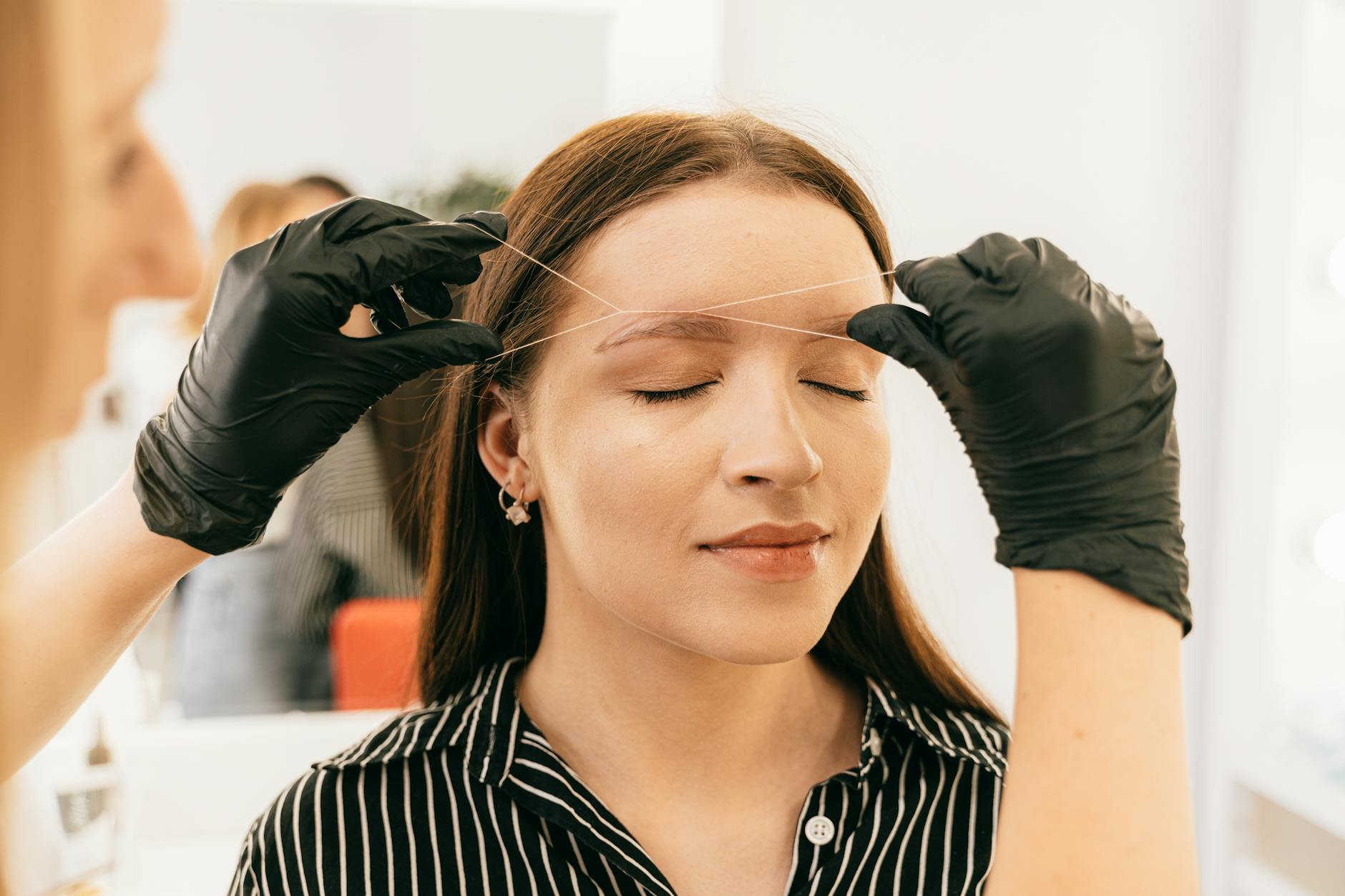
What to Expect During a Session: Pain, Time, and Aftercare
Pain is one of the first questions people ask about electrolysis for facial hair, and the honest answer is: it depends. Most people describe the sensation as a brief, sharp sting or flick with each pulse — similar to a rubber band snap against the skin. The face is generally more sensitive than the body, so areas like the upper lip and chin tend to feel more intense than, say, the cheeks or sideburns.
Pain tolerance varies considerably. Hormonal hair — particularly the coarse, deep-rooted hairs that often appear on the chin or jawline — tends to sit in larger follicles, which can mean slightly more current is needed to destroy them. Many people find it very manageable; others find it genuinely uncomfortable. A few things can help:
- Apply a topical numbing cream (like EMLA) 45–60 minutes before your appointment. Ask your electrologist first — some prefer you don't, as numbing can affect skin texture during treatment.
- Schedule sessions when you're not close to your menstrual cycle, when skin tends to be more sensitive.
- Start with shorter sessions (15–30 minutes) to gauge your tolerance before committing to hour-long appointments.
- Staying well-hydrated improves skin conductivity and can make sessions more comfortable.
After each session, expect some redness and minor swelling that typically clears within a few hours to a day. Small scabs or whiteheads can occasionally appear as follicles heal — this is normal. Your electrologist will advise you to avoid sun exposure, heavy makeup, and touching the treated area for 24 hours. Most people return to work the same day with nothing more than mild pinkness.
Realistic Costs: What You'll Actually Pay for Facial Electrolysis
Facial electrolysis cost is charged by time, not by hair count or area. A typical session rate in the United States runs between $60 and $150 per hour, with most practitioners offering 15-, 30-, and 60-minute appointment blocks. Geographic location matters a great deal — practitioners in major cities like New York or Los Angeles can charge $150–$200 per hour, while smaller markets often run $50–$75.
Here's a rough breakdown of what different facial areas typically require in terms of session time and total investment:
| Facial Area | Typical Session Length | Estimated Sessions | Approximate Total Cost |
|---|---|---|---|
| Upper lip | 15–30 min | 12–18 | $300–$900 |
| Chin | 30–45 min | 15–25 | $500–$1,800 |
| Sideburns / cheeks | 30–60 min | 15–20 | $600–$2,000 |
| Eyebrows (shaping) | 15–30 min | 8–15 | $200–$700 |
| Full face | 60–90 min | 20–30+ | $2,000–$6,000 |
These figures assume standard session rates of $75–$100 per hour and reflect the full course of treatment to achieve clearance. The wide ranges exist because hair density, follicle depth, hormonal factors, and how consistently you keep appointments all affect the total number of sessions needed.

How Many Sessions Does It Actually Take?
This is where expectations need to be managed carefully. Because hair grows in cycles — and only actively growing hairs (anagen phase) respond to electrolysis — you can never clear an entire area in a single session. At any given time, a large portion of your follicles are in resting or transitioning phases and simply aren't visible yet.
A realistic timeline for permanent facial hair removal via electrolysis looks something like this:
- Months 1–3: Frequent sessions (weekly or bi-weekly) to catch hairs as they emerge. You may see a visible reduction early on, but many hairs will still cycle in.
- Months 4–9: Sessions space out to every 3–6 weeks as the treated follicles stay clear and fewer new hairs emerge. Progress becomes clearly visible.
- Months 9–18: Occasional maintenance sessions to catch any remaining stragglers. At this stage, most people are dealing with only a handful of hairs per session.
The typical range for full clearance of a specific facial area is 12 to 24 months with consistent treatment. This is longer than most people initially expect, and it's important to understand that skipping appointments significantly slows progress — each missed session allows more hairs to cycle in untreated.
Hormonal factors also extend timelines. If your chin or jawline hair is driven by conditions like PCOS or elevated androgens, new follicles can be stimulated even as existing ones are treated. Managing the underlying hormonal condition alongside electrolysis tends to produce better long-term results.
Who Is Electrolysis Best For?
Electrolysis is a genuinely excellent option for a specific set of situations where other methods fall short:
- People with light or white hair: Laser hair removal requires pigment in the hair shaft to work — it is largely ineffective on blonde, red, grey, or white hairs. Electrolysis has no such limitation and can permanently remove any hair color.
- People with darker skin tones: While modern laser systems like Nd:YAG have improved significantly for darker skin, there remains a higher risk of hyperpigmentation. Electrolysis carries no risk related to skin tone when performed correctly.
- Hormonal or PCOS-related facial hair: The coarse, deep hairs that appear on the chin and jawline due to hormonal changes respond well to blend electrolysis, which generates enough current to destroy the larger follicles involved.
- Small, targeted areas: For clearing a small patch of hair precisely — shaping eyebrows, removing a few persistent chin hairs, or tidying the upper lip — electrolysis is highly cost-effective because you're only paying for 15–30 minute sessions.
- Anyone seeking genuinely permanent results: If the goal is to never deal with the hair again — ever — electrolysis is the only method with an FDA-approved "permanent removal" designation.
Electrolysis vs. Laser Hair Removal: An Honest Comparison
The debate between electrolysis and laser hair removal is one of the most common questions people researching electrolysis for facial hair encounter. The truthful answer is that neither is universally superior — they work best for different people and situations.

| Factor | Electrolysis | Laser Hair Removal |
|---|---|---|
| FDA classification | Permanent removal | Permanent reduction |
| Works on light/white hair | Yes | No |
| Safe for dark skin tones | Yes | With the right laser (Nd:YAG) |
| Speed per session | Slow (one hair at a time) | Fast (treats many hairs at once) |
| Sessions to completion | 12–25+ (face) | 6–10 (face) |
| Cost for face | $500–$3,000+ (by area) | $800–$3,000+ (face package) |
| Pain level | Moderate (per hair) | Moderate (per pulse) |
| Long-term certainty | Highest — truly permanent | Good but some regrowth possible |
One practical note: many people choose to start with laser (which clears the bulk of darker, coarser hairs faster) and then finish with electrolysis to permanently remove any lighter or resistant hairs that laser couldn't treat. This combination approach can be more cost-effective overall than doing electrolysis on a dense area from the very beginning.
At-Home Options: What's Realistic Without Going to a Clinic
Not everyone is ready to commit to professional electrolysis — whether it's the cost, the time, or simply wanting to explore alternatives first. Here's an honest look at what's available at home:
- At-home IPL devices: Intense pulsed light devices are the closest home equivalent to professional laser treatment. They work best on lighter skin with darker hair, and results take 3–4 months of consistent use. They produce reduction, not permanent removal, and do not work on fine or light hair.
- Threading and waxing: Physically remove hair at the surface or root but do not damage follicles. Hair grows back, though repeated waxing over many years can sometimes weaken follicles.
- Prescription eflornithine cream (Vaniqa): A topical medication that slows hair regrowth by blocking an enzyme involved in hair growth. It does not remove existing hair but can extend the time between treatments. Requires a prescription.
- Epilators and fine-tip tweezers: Effective for managing a small number of persistent hairs between professional sessions. Not a permanent solution but useful for maintenance.
It is worth noting that there are consumer-grade home electrolysis devices on the market, but they are generally not recommended by dermatologists as a practical alternative to professional treatment. Inserting a probe accurately into a hair follicle requires precision that is extremely difficult to achieve on your own face, and improper technique carries risks of scarring, infection, and incomplete treatment.
Finding a Qualified Electrologist
The quality of your electrologist matters enormously. Licensing requirements vary by state in the US — some states require formal training and board examinations; others have minimal requirements. When evaluating a practitioner, look for:
- Certification from the American Electrology Association (AEA) or state board licensure
- Experience specifically with facial work and hormonal hair
- A clean, clinical environment with single-use disposable probes (ask directly)
- Willingness to do a small test area before committing to full treatment
- Clear pricing structure and honest timeline estimates — be wary of practitioners who promise very fast results
A good initial consultation should include an assessment of your hair density, a discussion of your goals and timeline, and a test patch to assess your skin's response. If a practitioner tries to rush you through a consultation or won't answer your questions about technique, find someone else.
Key Takeaways
Electrolysis facial hair removal is the only truly permanent method available, and for the right person in the right situation, it is genuinely worth the investment. Here's what to walk away with:
- Electrolysis is the only FDA-approved permanent hair removal method — not "permanent reduction," actual permanent removal.
- It works on all hair colors and all skin tones, making it the only viable option for light, white, or grey facial hair.
- Facial electrolysis cost ranges from a few hundred dollars for small areas like the upper lip to $2,000–$6,000 for full-face clearance, depending on your location and hair density.
- Expect a 12–24 month timeline with consistent appointments — it is not a quick fix, but results are lasting.
- For coarse electrolysis chin hair driven by hormones or PCOS, blend electrolysis tends to be the most effective approach.
- If you have dark hair and lighter skin, laser followed by electrolysis for resistant hairs is often the most efficient combined strategy.
- Choose a licensed, certified electrologist and insist on a consultation and test patch before beginning full treatment.
The decision ultimately comes down to your priorities. If you want the certainty of never dealing with specific facial hairs again — and you're willing to invest the time and money over the next year or two — electrolysis delivers on that promise in a way no other method legally can. If you're looking for faster, lower-cost reduction and have the right hair and skin type, laser may be the better starting point. Either way, going in with accurate expectations makes all the difference.