Emergency Preparedness at Home: The Complete 2026 Checklist for Every Family
Why Home Emergency Preparedness Matters Now More Than Ever
When disaster strikes—whether it's a natural calamity, power outage, or unexpected crisis—having a home emergency preparedness plan in place can mean the difference between panic and protection. The reality is that most families wait until after an emergency to think about preparedness. But by then, it's too late. Shelves empty, resources vanish, and the people most vulnerable to hardship are those who didn't prepare.
In 2026, with increasing awareness of climate volatility, infrastructure vulnerabilities, and security concerns, emergency preparedness at home is no longer a niche concern—it's a fundamental responsibility. This guide walks you through everything your family needs: supplies, plans, documents, and critical knowledge.
The 72-Hour Emergency Kit: What Every Home Needs
Emergency management experts consistently recommend that every household maintain a 72-hour emergency kit—supplies to sustain your family for three days without access to stores, utilities, or emergency services. This window covers the vast majority of common emergencies and gives authorities time to restore services or evacuate populations if needed.
Water: The Non-Negotiable Foundation
Water is the single most critical element of any emergency kit. The rule is simple: 1 gallon per person per day. For a family of four, that's 4 gallons daily, or 12 gallons for a 72-hour period. But this calculation needs adjustment based on your climate and activity level. In hot climates or if family members are injured or pregnant, increase to 1.5 gallons per person per day.
Store water in food-grade containers. Never use containers that previously held pesticides, chemicals, or non-food items. Rotate water supplies every six months—water stored in cool, dark conditions can last longer, but it's safest to refresh regularly. Consider storing some bottled water (which lasts longer) and supplement with tap water stored in clean containers.
Food That Actually Sustains During Crisis
Your emergency food supply should require no cooking, refrigeration, or preparation water. Think: canned beans, peanut butter, granola bars, crackers, dried fruit, nuts, canned vegetables, canned tuna or chicken, and shelf-stable dairy alternatives.
For families with children, include familiar comfort foods—not necessarily nutritionally optimized meals, but items that will reduce stress for kids. For elderly family members, ensure foods are easy to chew and digest. Include a manual can opener (electric ones won't work during power outages).
Store approximately 2,000 calories per person per day. This seems like a lot, but during stress and physical exertion, bodies burn more calories. Rotate food supplies every six months to maintain freshness.
First Aid and Medical Essentials
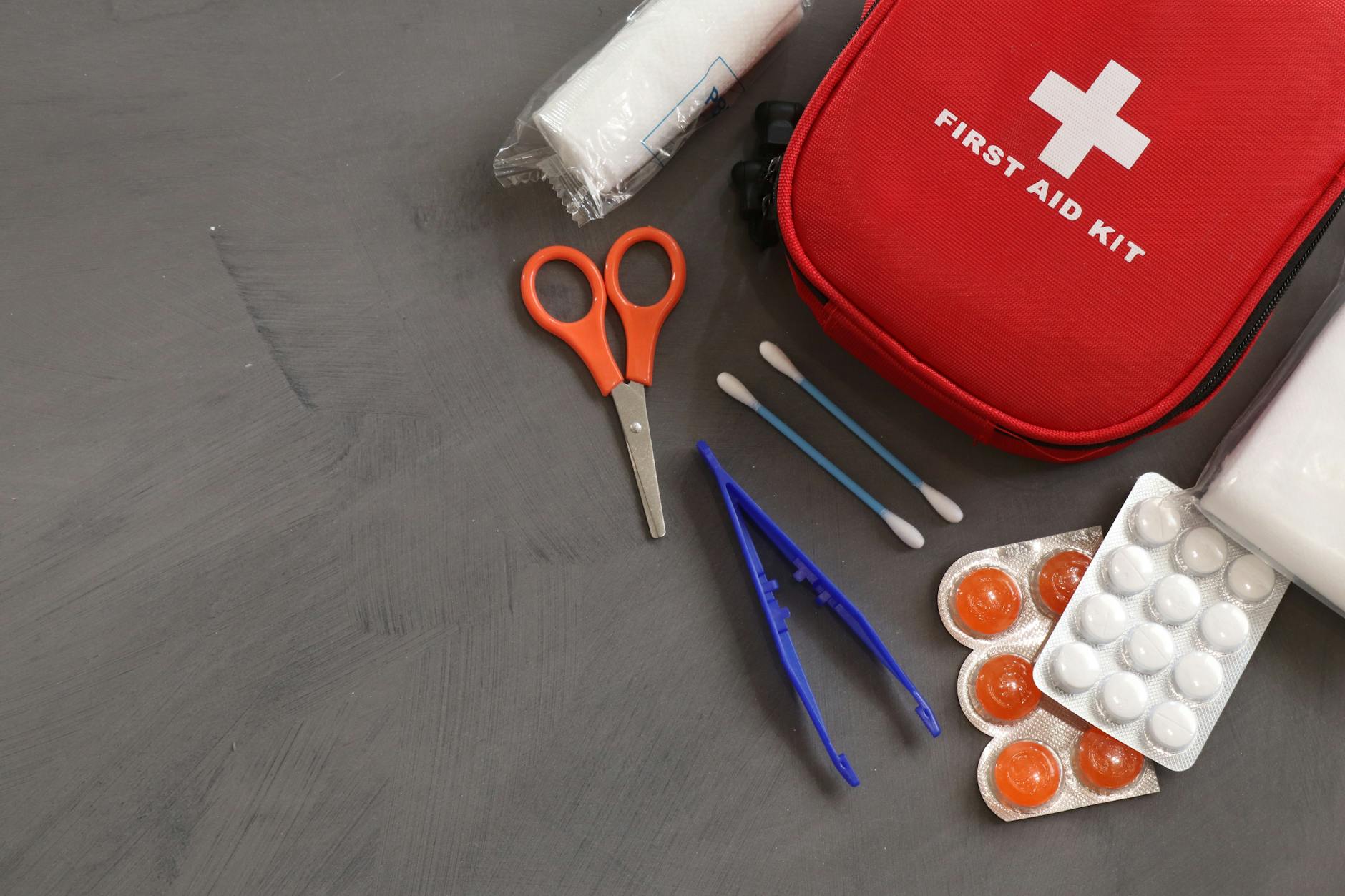
A comprehensive first aid kit should include:
- Bandages of various sizes (at least 20)
- Antibiotic ointment
- Pain relievers (ibuprofen, acetaminophen)
- Antacid tablets
- Anti-diarrheal medication
- Antihistamine tablets
- Hydrocortisone cream for itching
- Elastic bandages for sprains
- Tweezers for splinter removal
- Sterile gauze pads
- Thermometer
- Prescription medications (discussed separately below)
Store your kit in a clearly marked, easily accessible container. Check it annually to replace expired medications and supplies.
Water and Food Storage Math for Extended Preparedness
While a 72-hour kit covers immediate needs, many families wisely prepare for extended scenarios. For a family of four preparing for two weeks:
- Water: 4 people × 1 gallon × 14 days = 56 gallons minimum. Store in multiple locations (basement, garage, closet) in food-grade containers.
- Food: 4 people × 2,000 calories × 14 days = 112,000 calories total. Mix canned goods, dried foods, and shelf-stable staples.
Consider a water storage barrel (55 gallons) for each family member beyond the basic kit. These take up minimal space in a garage or basement and provide peace of mind for scenarios like prolonged droughts or contamination events.
Communication Plans: How Your Family Stays Connected

During major emergencies, cell networks often become congested or inoperable. Your family needs a communication plan that doesn't depend on cellular service or internet.
Essential Communication Elements
Out-of-state contact: Designate one person outside your immediate area (different region or state) as the family contact. It's often easier to make long-distance calls than local ones during emergencies, and someone outside the affected area can receive messages and relay information. Make sure everyone in the family knows this person's number.
Local meeting points: Identify two or three specific locations where family members will meet if separated. Include a primary meeting point near your home, a secondary location further away, and a tertiary point if leaving the area is necessary. Write these locations down and share them with all family members.
Communication devices: A battery-powered or hand-crank radio is essential for receiving emergency broadcasts. Add a whistle (useful for signaling) and consider a basic CB radio or two-way radios for family communication if cell service is down.
Protecting Your Critical Documents: Copies and Secure Storage
During an emergency, you may need proof of identity, ownership, medical history, insurance information, and financial records. Create copies of essential documents and store them in multiple locations:
- Waterproof container at home: Birth certificates, marriage licenses, passports, insurance policies (home, auto, health), mortgage/rental agreements, medical records summaries, medication lists, and financial account information.
- Safe deposit box: Store originals of critical documents (birth certificates, property deeds, investment documents).
- Digital backup: Photograph or scan important documents and store encrypted copies in cloud storage with trusted family members having access.
- Emergency binder: Keep a physical binder with copies of all critical information, including contact numbers, account details, and medical information. Store in your emergency kit location.
Include a simple family tree, guardianship information for minor children, and details about any special needs or medical conditions. This information could prove invaluable to emergency responders or if you're separated from family.
Managing Medications During Emergencies
People dependent on medications face unique challenges during emergencies. Here's a structured approach:
For Prescription Medications
Request a 30-day supply from your pharmacy to keep in your emergency kit (in addition to your regular prescription). Medications degrade in heat and light, so store in a cool, dark location. Maintain a detailed list of all medications, dosages, frequencies, and the conditions they treat. Include this list in your emergency binder and give copies to family members.
If you use a medication management app, ensure you have paper backup documentation. QR codes and digital records require devices with power—paper doesn't.
For Over-the-Counter Medications
Include pain relievers, anti-diarrheal agents, antihistamines, antacids, and any other regularly used OTC medications. Check expiration dates every six months.
For Medical Devices
If family members use medical devices (CPAP machines, oxygen concentrators, nebulizers), research battery backup options and ensure you have adequate supplies. Consider a portable power station or generator as part of your preparedness plan.
Emergency Lighting: Beyond the Flashlight
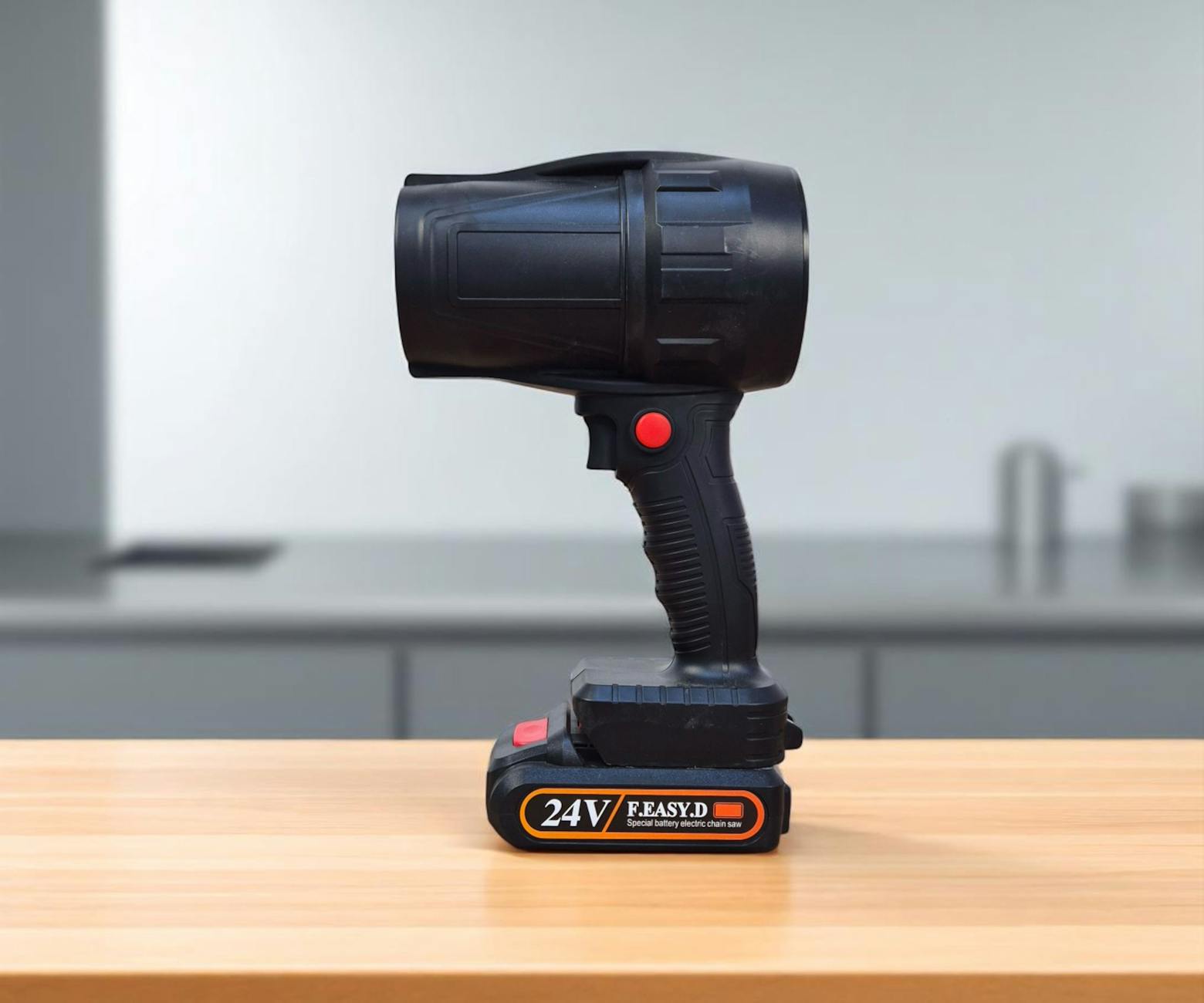
A power outage creates darkness that can lead to accidents and disorientation. Your emergency lighting strategy should include multiple backup systems:
Flashlights and Batteries
Store at least two flashlights per person, using the same battery type for simplicity. LED flashlights are more efficient than incandescent and last longer on batteries. Keep extra batteries in your emergency kit—calculate at least 4-6 per flashlight for a 72-hour period, more if you're preparing for longer outages.
Alternative Lighting Options
Hand-crank flashlights: These require no batteries, making them reliable for long-term storage. Keep at least one per household.
Glow sticks: Inexpensive, safe for children, and effective for providing ambient light. Store a dozen or more.
Candles and matches: While effective, these pose fire risks in stressful situations. Use only as a last resort and keep matches/lighters in waterproof containers.
Lanterns: Battery-powered or hand-crank lanterns spread light more effectively than flashlights, making them ideal for central gathering spaces during outages.
Special Considerations for Different Family Situations
Families with Young Children
Include infant formula and diapers (calculate for 5-7 days minimum). Include comfort items: favorite books, games, or toys to reduce anxiety. Keep child medications, fever reducers, and any prescription medications in child-safe packaging, clearly labeled.
Families with Elderly Members
Ensure easy access to medications and medical devices. Include foods that require minimal preparation and chewing. Consider nutrition supplements for those with swallowing difficulties. Include medical alert information and ensure emergency responders know where to find elderly family members if they live separately.
Families with Pets
Include 72 hours of pet food (dry or canned, depending on your pet's needs), medication, recent photos of each pet, vaccination records, and carrier/containment supplies. Store pet food in airtight containers and rotate supplies. Include a pet first aid kit with basic supplies specific to your animal's needs.
People with Disabilities or Special Needs
Customize your kit based on specific needs: mobility aids, communication devices, sensory accommodations, or specialized medications. Ensure backup power options for equipment (portable chargers, generators, solar panels). Include written information about medical conditions, emergency contacts who understand the person's needs, and any behavioral considerations emergency responders should know.
Creating a Family Emergency Plan: The Written Blueprint
Supplies alone aren't enough—your family needs a written emergency plan that covers:
- Evacuation routes: Map primary and secondary routes out of your neighborhood. Know where roads typically flood, where traffic congestion occurs, and have detailed directions to destinations outside your immediate area.
- Shelter locations: Identify emergency shelters in your area, friends or family you could stay with, and hotels near evacuation routes.
- Role assignments: Who will shut off utilities? Who will grab the emergency kit? Who will ensure all pets and family members are accounted for? Assign roles so there's no confusion during a crisis.
- Special needs information: Document medical conditions, medications, mobility requirements, and behavioral considerations for all family members.
- Insurance and financial information: Know your policy numbers, coverage limits, and how to contact your insurers.
Home Safety Audits: Prevention is Better Than Preparedness
Beyond emergency kits and plans, reduce risks through preventive home safety measures:
- Fire safety: Install smoke detectors on every level, test monthly, and replace batteries annually. Know how to use fire extinguishers and identify safe evacuation routes from each room.
- Electrical safety: Don't overload outlets. Know how to reset circuit breakers. Have surge protectors for valuable electronics.
- Gas and carbon monoxide: Install carbon monoxide detectors and know how to shut off gas at the main valve.
- Structural stability: Secure heavy furniture to walls to prevent tipping during earthquakes. Know the location of your home's main water shutoff.
- Window security: Install locks and consider reinforced frames in high-risk areas.
Practicing Your Plan: Knowledge Without Action is Useless
Once your emergency preparedness plan is in place, actually practice it. Schedule quarterly family meetings to:
- Review communication plans and contact numbers
- Practice evacuation routes and meeting points
- Check emergency kit supplies for expiration dates and damage
- Update information as family circumstances change
- Discuss scenario responses ("If we lose power, what do we do first?")
Make it age-appropriate. Younger children benefit from games and simple drills. Older children and teenagers should understand the serious purpose while being challenged to help lead the planning process.
Community and Neighborhood Preparedness
While your household kit is essential, neighborhood-wide preparedness creates a stronger safety net. Consider:
- Community emergency plans: Work with neighbors to identify shared resources, potential shelter locations, and communication methods.
- Neighborhood watch programs: Know your neighbors and establish informal communication systems for emergencies.
- Community training: CPR, first aid, and basic emergency response training benefit everyone. Many communities offer free or low-cost classes.
A prepared neighborhood where residents know each other and have basic emergency training transforms disaster response from chaos into coordinated action.
Your Complete 2026 Emergency Preparedness Checklist
Use this checklist to ensure your household emergency preparedness is complete:
Water and Food
- 72-hour water supply (1 gallon per person per day minimum)
- Non-perishable food for 72 hours (2,000 calories per person daily)
- Manual can opener
- Water purification tablets or filters
- Pet food for 72+ hours
Medical and Medications
- Complete first aid kit with regular inventory checks
- 30-day supply of prescription medications
- Over-the-counter medications (pain relievers, antihistamines, antacids, anti-diarrheal)
- Medical devices and backup power for medical equipment
- Detailed medication list with dosages
Documents and Information
- Copies of identification, insurance policies, and deeds in waterproof container
- Emergency contact list with out-of-state contact
- Family meeting points documented
- Medical records summary and special needs information
- Digital backups of critical documents
Light and Communication
- Flashlights (at least 2 per person)
- Extra batteries in bulk storage
- Hand-crank flashlight (no battery dependence)
- Battery-powered or hand-crank radio
- Glow sticks or lanterns
- Whistle for signaling
Tools and Supplies
- Multi-tool or knife
- Wrench for shutting off utilities
- Duct tape and plastic sheeting
- Hand sanitizer and hygiene products
- Garbage bags and plastic ties
- Paper plates, cups, utensils
- Cash (ATMs won't work during outages)
Home Safety
- Smoke detectors installed and tested
- Carbon monoxide detector installed
- Fire extinguisher accessible
- Heavy furniture secured to walls
- Know location of main water shutoff and gas valve
Family Planning
- Written emergency plan documented
- Evacuation routes planned and mapped
- Role assignments understood by all family members
- Quarterly family emergency drills scheduled
- Plan updated when family circumstances change
Building a Culture of Preparedness
Emergency preparedness isn't about living in fear—it's about taking responsibility for your family's safety and resilience. When you're prepared, you eliminate panic and open space for thoughtful decision-making during crises.
Start with the basics: water, food, medications, and a communication plan. Then expand based on your specific situation. Whether your concerns center on natural disasters, power outages, economic disruption, or other scenarios, the fundamentals remain the same.
Your emergency kit in the closet isn't a symbol of anxiety—it's insurance that protects your family when systems fail. And in 2026, with increasing awareness of vulnerabilities, that insurance is more valuable than ever.
Begin today. Start with water and non-perishable food. Add to your kit gradually. Schedule your first family emergency meeting this week. Document your communication plan. The investment is small compared to the peace of mind and genuine safety it provides.
Your family is worth protecting. Emergency preparedness is how you do it.