Fatty Liver Disease: Early Warning Signs, Root Causes, and What You Can Do Before It Gets Serious
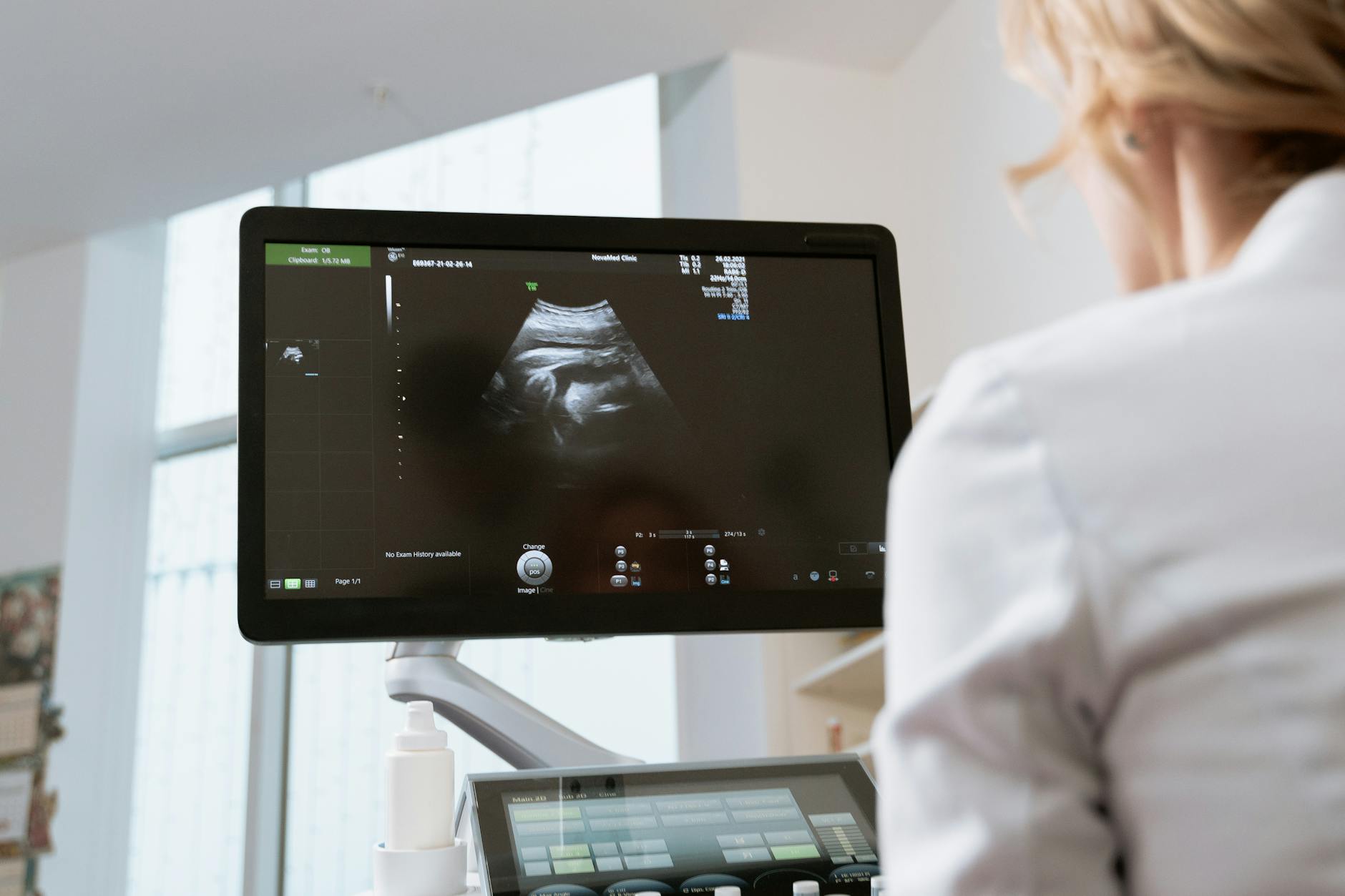
Fatty liver disease symptoms are so quiet in their early stages that most people have no idea anything is wrong — until a routine blood test or ultrasound reveals an unexpected finding. The condition, formally known as non-alcoholic fatty liver disease (NAFLD), now affects roughly one in four adults worldwide, making it the most prevalent chronic liver condition on the planet. Yet awareness remains remarkably low, and millions of people are unknowingly progressing through stages that are fully reversible if caught in time.
This guide covers everything you need to know: what NAFLD actually is, how it silently advances from harmless fat accumulation to life-threatening cirrhosis, the subtle early warning signs you should never dismiss, and the evidence-backed dietary and lifestyle interventions that research shows can genuinely turn things around. If you are concerned about your liver — or simply want to protect it — this is a good place to start.
What Is Non-Alcoholic Fatty Liver Disease?
The liver is one of the most metabolically active organs in the body. Among its more than 500 functions, it processes nutrients from food, filters toxins from the blood, produces bile for fat digestion, regulates blood sugar, and manufactures proteins essential for clotting. Fat accumulation in liver cells disrupts all of these processes.
Non-alcoholic fatty liver disease is diagnosed when more than 5 percent of liver cells contain fat deposits — and the cause is not alcohol consumption. It sits within a broader spectrum of metabolic dysfunction and is closely linked to obesity, type 2 diabetes, insulin resistance, and high triglycerides. The condition progresses through four increasingly serious stages:
- Simple steatosis (Stage 1): Fat builds up in liver cells but causes no inflammation or cell damage. Fully reversible with lifestyle changes.
- Non-alcoholic steatohepatitis — NASH (Stage 2): Fat is now accompanied by inflammation and early liver cell damage. Still potentially reversible but more serious.
- Fibrosis (Stage 3): Repeated inflammation triggers scarring. Liver function begins to decline. Partial reversal may still be possible.
- Cirrhosis (Stage 4): Extensive scarring replaces healthy tissue. Liver function is significantly impaired and damage is largely permanent. Liver cancer risk rises substantially.
Approximately 20 percent of people with NAFLD will develop NASH, and up to 20 percent of those will eventually progress to cirrhosis. The critical window for intervention is at stages one and two, when the liver still has significant capacity to heal.
Early Warning Signs of Fatty Liver Disease Most People Miss
One of the most dangerous aspects of NAFLD is that the vast majority of people in stages one and two have no noticeable symptoms at all. The liver does not have pain receptors in the conventional sense, which means it can sustain damage silently for years. However, there are subtle signals worth paying attention to.
Here are the NAFLD early symptoms that are most commonly reported or identified through clinical evaluation:
Persistent fatigue and low energy
When the liver struggles to process nutrients efficiently, the body's energy metabolism is impaired. Many people with early-stage NAFLD report chronic tiredness that is not resolved by sleep — often dismissed as stress or aging.
Dull discomfort in the upper right abdomen
The liver sits in the upper right quadrant of the abdomen, beneath the rib cage. As fat accumulates and the liver enlarges slightly, some people experience a vague fullness, pressure, or dull ache in this area — particularly after meals.
Elevated liver enzymes on blood tests
Often the first clinical clue is a mildly elevated ALT (alanine aminotransferase) or AST (aspartate aminotransferase) on a routine metabolic panel. These enzymes are released when liver cells are under stress. An elevated reading without an obvious cause should prompt further investigation.
Unexplained weight gain around the abdomen
Visceral fat — the deep abdominal fat that surrounds internal organs — is strongly associated with liver fat accumulation. A growing waistline, particularly without a dramatic change in diet, can be a metabolic red flag that warrants blood work and possibly an ultrasound.
Brain fog and difficulty concentrating
The liver plays a role in detoxifying ammonia and other metabolic byproducts that affect brain function. Impaired liver metabolism can contribute to cognitive sluggishness, difficulty concentrating, and a persistent sense of mental cloudiness.
Insulin resistance and blood sugar dysregulation
NAFLD and insulin resistance are deeply intertwined — one typically drives the other. Signs like frequent hunger, energy crashes after meals, difficulty losing weight, and elevated fasting blood glucose are all indirect signals that the liver may be metabolically stressed.
In later stages — NASH and beyond — additional symptoms may appear, including jaundice (yellowing of the skin or eyes), dark urine, spider veins on the skin, fluid accumulation in the abdomen (ascites), and easy bruising due to impaired clotting factor production. If any of these are present, seek medical attention promptly.
The Root Causes of Non-Alcoholic Fatty Liver Disease
Understanding fatty liver causes is essential for any meaningful reversal strategy. NAFLD is not a single-cause disease — it arises from an interaction between metabolic dysfunction, diet, gut health, and genetic susceptibility.
1. Insulin Resistance: The Central Mechanism
Insulin resistance is the most consistently identified driver of NAFLD. When cells throughout the body lose sensitivity to insulin, the pancreas compensates by producing more of it. Chronically elevated insulin accelerates the liver's conversion of carbohydrates into fat (de novo lipogenesis), while simultaneously impairing the export of that fat out of the liver. The result is a progressive accumulation of fat inside hepatocytes.
Insulin resistance and NAFLD are so closely linked that researchers have proposed renaming the condition "metabolic-associated fatty liver disease" (MAFLD) to better reflect this relationship. People with type 2 diabetes have NAFLD rates exceeding 70 percent.
2. Fructose and Ultra-Processed Foods
Of all dietary factors, fructose — especially from high-fructose corn syrup found in sodas, packaged snacks, and sweetened beverages — has the most direct evidence linking it to liver fat accumulation. Unlike glucose, fructose is almost entirely metabolized in the liver and is preferentially shunted toward fat synthesis when consumed in excess. Studies have shown that even lean individuals with no other metabolic risk factors can develop measurable liver fat with high fructose intakes over a period of weeks.
Ultra-processed foods compound the problem by combining fructose with refined carbohydrates, industrial seed oils, and additives that independently worsen insulin sensitivity and promote systemic inflammation.
3. Gut Dysbiosis and the Gut-Liver Axis
Emerging research has highlighted the gut microbiome as a significant contributor to NAFLD development. The liver receives roughly 70 percent of its blood supply directly from the gut via the portal vein — meaning that whatever happens in your gut has an outsized impact on your liver.
In people with NAFLD, the composition of gut bacteria is measurably different from healthy controls. Specifically, there is often an overgrowth of bacteria that produce ethanol (alcohol) endogenously, increased intestinal permeability (sometimes called "leaky gut"), and elevated levels of lipopolysaccharides (LPS) — bacterial toxins that trigger liver inflammation. A disrupted microbiome also alters bile acid metabolism, further contributing to fat dysregulation. Diet, stress, antibiotic use, and lack of dietary fiber are all factors that impair gut microbial diversity.
4. Sedentary Lifestyle and Visceral Adiposity
Physical inactivity reduces the muscles' capacity to consume glucose, pushing more glucose toward the liver for fat conversion. Visceral fat — the metabolically active fat stored around abdominal organs — releases inflammatory cytokines and free fatty acids directly into the portal circulation, bombarding the liver with pro-inflammatory signals around the clock.
5. Genetic Factors
Certain genetic variants, particularly in the PNPLA3 and TM6SF2 genes, significantly increase susceptibility to NAFLD and its progression to NASH. People with these variants can develop liver fat even without marked obesity or poor diet. Genetic testing for these variants is available but not yet routinely recommended outside of research settings.
How Doctors Diagnose Fatty Liver Disease
Because NAFLD is largely asymptomatic in its early stages, it is most commonly discovered incidentally through routine blood work or an abdominal ultrasound ordered for another reason. The diagnostic pathway typically involves several steps.
Elevated liver enzymes (ALT, AST) on a metabolic panel prompt further investigation. A liver ultrasound can detect moderate-to-severe fat accumulation with reasonable accuracy, though it may miss mild steatosis. More sensitive and specific tools include FibroScan (vibration-controlled transient elastography), which measures both liver fat and stiffness (a proxy for fibrosis) non-invasively. MRI-based techniques (PDFF-MRI) offer the most precise fat quantification but are less widely available.
A liver biopsy remains the gold standard for definitively distinguishing between simple steatosis and NASH and for staging fibrosis, but it is invasive and typically reserved for cases where the diagnosis will meaningfully change management. Non-invasive fibrosis scores such as the FIB-4 index and NAFLD Fibrosis Score, which are calculated from standard blood tests, are increasingly used in clinical practice to risk-stratify patients without a biopsy.
How to Reverse Fatty Liver: Evidence-Based Strategies
The most important thing to understand about how to reverse fatty liver is that — particularly in stages one and two — the liver has a remarkable capacity to heal. No pharmaceutical drug is currently approved specifically for NAFLD, which means lifestyle intervention is not a fallback option; it is the primary treatment. Research consistently shows that meaningful reversal is achievable.
1. Weight Loss: The Single Most Effective Intervention
A consistent finding across clinical trials is that gradual, sustained weight loss directly reduces liver fat and inflammation. Studies show that losing just 3 to 5 percent of body weight reduces liver fat content, while a loss of 7 to 10 percent is associated with significant histological improvement in NASH, including reduced fibrosis scores. Importantly, rapid weight loss (such as through extreme calorie restriction or crash dieting) can paradoxically worsen liver inflammation by flooding the portal circulation with free fatty acids from mobilized body fat.
2. The Fatty Liver Diet: What the Research Supports
No single fatty liver diet has been definitively established, but the research points clearly toward certain dietary patterns:
- Mediterranean diet: Multiple randomized controlled trials have demonstrated that a Mediterranean-style diet — centered on olive oil, fish, legumes, whole grains, nuts, and abundant vegetables — reduces liver fat and inflammation independently of weight loss. It is currently the most evidence-supported dietary pattern for NAFLD management.
- Eliminate added fructose and sugar-sweetened beverages: This is arguably the most impactful single dietary change. Cutting out sodas, fruit juices, energy drinks, and foods with high-fructose corn syrup directly reduces the liver's most damaging substrate.
- Increase dietary fiber: Soluble fiber feeds beneficial gut bacteria, reduces intestinal permeability, and slows glucose absorption. Legumes, oats, flaxseed, and vegetables are particularly beneficial sources.
- Prioritize omega-3 fatty acids: EPA and DHA from fatty fish (salmon, sardines, mackerel) and algae-based supplements have been shown to reduce liver fat and triglycerides in clinical trials.
- Limit refined carbohydrates and ultra-processed foods: White bread, pastries, packaged snacks, and fast food drive de novo lipogenesis and worsen insulin sensitivity.
- Include coffee: Multiple large observational studies have found that regular coffee consumption (2–3 cups per day) is associated with lower rates of NAFLD progression, NASH, and liver fibrosis. Polyphenols in coffee appear to exert anti-inflammatory and antifibrotic effects on hepatic tissue.
3. Exercise: Aerobic Activity and Resistance Training Both Help
Physical activity reduces liver fat through multiple mechanisms: it improves insulin sensitivity in muscle, increases mitochondrial fat oxidation, reduces visceral adiposity, and lowers systemic inflammation. Research suggests that 150 to 300 minutes of moderate-intensity aerobic exercise per week (brisk walking, cycling, swimming) produces measurable reductions in liver fat — even without significant changes in body weight.
Resistance training is equally beneficial, improving muscle glucose uptake and reducing the metabolic burden on the liver. A combination of both modalities appears to produce the greatest improvements in liver health markers.
4. Sleep and Stress Management
Chronic sleep deprivation and high psychological stress elevate cortisol and inflammatory cytokines that worsen insulin resistance and promote hepatic fat storage. Studies have linked short sleep duration (under 6 hours per night) and poor sleep quality to higher rates of NAFLD and faster progression. Addressing obstructive sleep apnea — which is particularly prevalent in obese individuals with NAFLD — can produce meaningful improvements in liver enzyme levels and fat content on imaging.
5. Gut Microbiome Support
Given the established role of gut dysbiosis in NAFLD, interventions that restore microbial diversity are gaining research attention. Diets high in prebiotic fiber (onions, garlic, leeks, bananas, asparagus) support beneficial bacteria. Fermented foods (yogurt, kefir, kimchi, sauerkraut) provide live bacterial cultures that may improve gut barrier integrity. Preliminary clinical trials involving specific probiotic strains have shown reductions in liver enzymes and fat content, though the optimal strains and dosages are still being determined.
When to See a Doctor
If you have several of the metabolic risk factors for NAFLD — obesity (particularly abdominal), type 2 diabetes, prediabetes, high triglycerides, metabolic syndrome, or a family history of liver disease — it is worth asking your doctor to check your liver enzymes as part of a routine blood panel. Many primary care physicians do not routinely screen for NAFLD, so being proactive matters.
You should seek prompt medical attention if you experience any of the following, as these may indicate more advanced liver disease:
- Yellowing of the skin or whites of the eyes (jaundice)
- Dark, tea-colored urine
- Pale or clay-colored stools
- Swelling in the abdomen or legs (fluid retention)
- Unusual bruising or bleeding
- Confusion, disorientation, or asterixis (a flapping tremor of the hands)
- Vomiting blood or passing blood in stools
These are signs of decompensated liver disease and require urgent evaluation. At this stage, management becomes significantly more complex and may involve specialist care from a hepatologist.
Frequently Asked Questions About Fatty Liver Disease
Key Takeaways
Non-alcoholic fatty liver disease is a largely silent condition that affects one in four adults and can progress from harmless fat accumulation to severe scarring over years or decades — often without any noticeable symptoms until significant damage has occurred. Understanding the risk factors and early warning signs matters enormously, because the window for full reversal is widest in the early stages.
Here is what the evidence tells us clearly:
- Fatty liver disease symptoms are often absent in early stages, making routine screening especially important for people with metabolic risk factors.
- Insulin resistance, excess fructose consumption, ultra-processed food diets, gut dysbiosis, and physical inactivity are the primary drivers.
- The condition progresses through four stages — steatosis, NASH, fibrosis, cirrhosis — and early intervention is dramatically more effective than late intervention.
- A Mediterranean-style diet, regular aerobic and resistance exercise, and gradual weight loss are the most evidence-backed reversal strategies available.
- The liver's regenerative capacity is remarkable: studies confirm measurable improvement within weeks and meaningful reversal within months for motivated patients in early stages.
- If you have metabolic risk factors, asking for a liver enzyme panel and potentially an abdominal ultrasound is a reasonable and proactive step to discuss with your physician.
The science is unambiguous on one point: lifestyle changes work, and the earlier they begin, the more completely the liver can recover. If you suspect you may be at risk — or have already received an elevated enzyme result that was never properly followed up — now is the right time to talk to your doctor.