FixIts Review 2026: We Tested the Repair Sticks
Limited Time Offer!
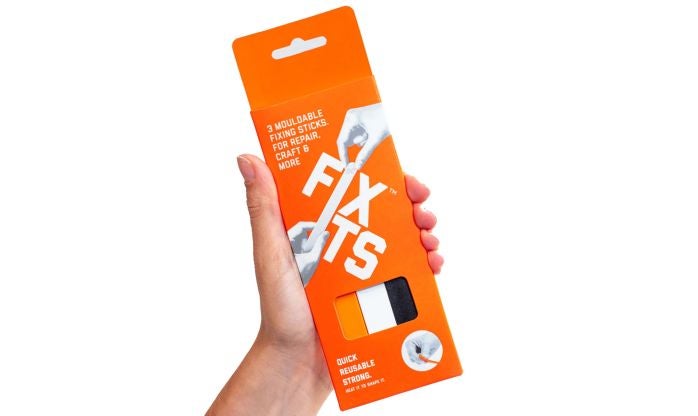
Get This Deal Now → *Affiliate link - We may earn a commissionWhen a product earns a £45,000 investment on BBC's Dragons' Den, you pay attention. When it also claims to fix broken plastic, ceramic, metal, rubber, and fabric in under five minutes — with no glue, no fumes, and no permanent commitment — you buy a pack and put it to the test. That's exactly what we did with FixIts thermoplastic repair sticks.
Our fixits review covers everything you actually need to know before spending $20: how the material works, whether it truly sticks to different surfaces, how it compares to superglue and epoxy putty, and five real repairs we ran back-to-back in our test kitchen. No sponsored talking points — just results.
The short answer: FixIts surprised us. The longer answer is below.
Exclusive Discount Available Now
What Are FixIts Thermoplastic Repair Sticks?
FixIts are mouldable thermoplastic repair sticks made in the UK from a non-toxic, compostable bioplastic. Unlike superglue (which bonds two surfaces with a rigid, brittle adhesive) or epoxy putty (which cures irreversibly hard), FixIts use a completely different approach: the material itself becomes the replacement or reinforcement piece.
The process is straightforward. Drop a stick — or a portion of one — into hot water for approximately 60 seconds. The material transitions from a firm, opaque white stick into a translucent, pliable putty that you can press, shape, and mould by hand. It adheres to the surface you're repairing as you work it in. Then leave it alone for around five minutes and it cures back to a hard, durable solid.
The headline spec is 16kg tensile strength, which the brand claims is eight times stronger than Sugru (a popular mouldable silicone competitor). More practically relevant: the material can be reheated and reshaped as many times as you like. There is no expiry date on the sticks. A 3-pack retails for $20 and comes with a 30-day money-back guarantee plus a 1-year warranty.
The bioplastic formula contains no toxic fumes or skin irritants, making it safe to use around children and pets — a genuine differentiator versus solvent-based adhesives.
How FixIts Works: The 3-Step Process
Before getting into our test results, it's worth spelling out the exact workflow because understanding it changes how you think about using the product.
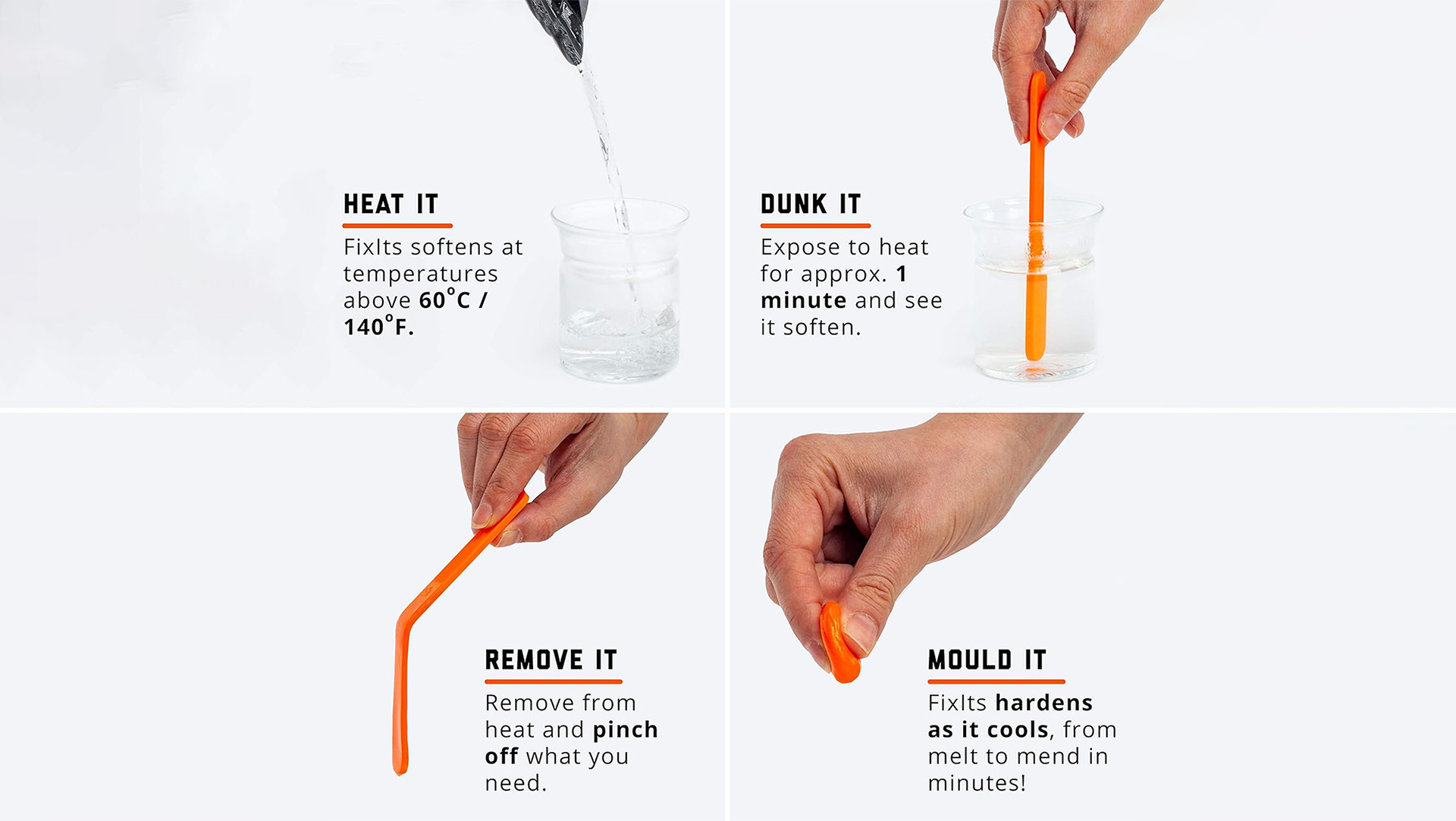
- Soften (60 seconds): Place the stick or a broken-off piece into a cup of hot water — tap-hot is sufficient, though near-boiling speeds it up. The material turns translucent and becomes clay-like.
- Mould (work quickly): Remove from water, press onto the repair site, and shape with your fingers. You have roughly 2–3 minutes of working time before it starts to stiffen.
- Set (~5 minutes): Leave undisturbed. The material returns to its hard, opaque white state. The repair is done.
The key insight that makes FixIts genuinely useful: if you don't like the result, or you need to reuse the material elsewhere, you just drop it back in hot water. No wasted product, no permanent mistake.
Our Testing Process
We ran five back-to-back repair scenarios using a single 3-pack of FixIts over two days. The scenarios were chosen to represent the kinds of household breaks that send most people straight to the bin or the hardware store:
- A cracked plastic handle on a hand brush
- A chipped ceramic mug handle (non-food-contact area)
- A stripped rubber foot on a kitchen appliance
- A bent metal bracket on a shelf unit
- A torn fabric loop on a reusable bag
For each repair, we timed the softening and set phases, noted the working time available, assessed the bond strength after 24 hours, and tried to remove the cured material cleanly. We also attempted a deliberately bad repair on each material type to test the reheat-and-redo promise.
Test Results: 5 Real Repairs
Repair 1: Cracked Plastic Handle
A hand brush with a cracked grip — the kind of break where the two halves still hold together under light use but flex alarmingly under pressure. We softened roughly a third of one stick, pressed it into the crack to fill the gap, and wrapped the excess around the outside of the handle as a reinforcing collar.
Result: Excellent. After 24 hours the handle showed zero flex at the repair point. The thermoplastic had bonded into the textured surface of the original plastic and formed a continuous structure. We deliberately tried to reopen the crack by hand — the FixIts material held, and the original plastic cracked further rather than the repair failing. Working time was approximately 2.5 minutes, which felt comfortable but not leisurely.
Reheat test: We reheated the cured collar, peeled it cleanly off the handle, and reshaped it into a simple peg. No residue on the handle, no degradation of the thermoplastic. Full marks.
Repair 2: Chipped Ceramic Mug Handle
A large chip at the top of a ceramic mug handle — purely cosmetic damage but the kind that puts a mug in the bin when it's a favourite. We pressed softened FixIts into the void and shaped it flush to the surrounding ceramic profile.
Result: Good, with a caveat. The bond to glazed ceramic is solid — we couldn't remove the cured patch by hand — but the white thermoplastic against a coloured glaze is visible. FixIts doesn't come in colours (at time of writing the sticks are white), so the repair is functional but obviously patched. For structural reinforcement on a handle this is entirely adequate. For invisible cosmetic repair on ceramic, it is not.
The brand notes this product is not rated for contact with hot liquids or food surfaces, so this repair was applied to the exterior handle area only, not any surface that contacts the contents of the mug.
Repair 3: Stripped Rubber Appliance Foot
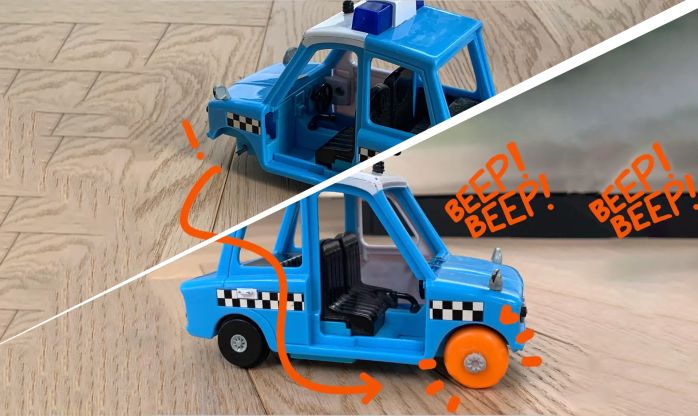
A stand mixer with one rubber foot missing, causing the machine to vibrate and walk across the counter during use. We moulded a small dome of softened FixIts to match the size and shape of the remaining three feet.
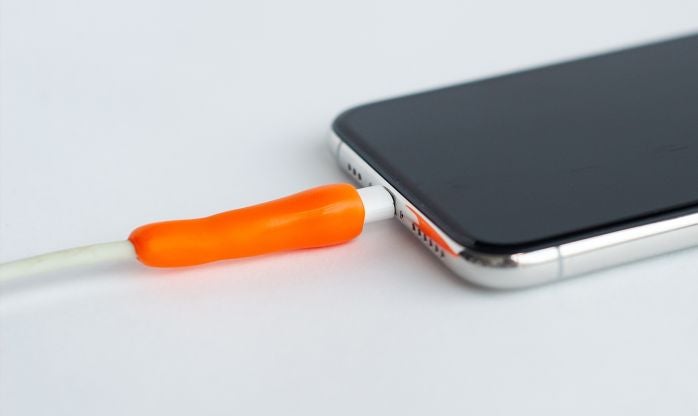
Result: This was the most impressive test. The replacement foot sat level with the originals, compressed slightly under the appliance's weight in a way that felt similar to the rubber feet, and showed no signs of displacement after several mixing sessions. The material's slight flexibility in thinner sections means it behaves more like rubber than like hard plastic in this application — a pleasant surprise.
Repair 4: Bent Metal Bracket
A shelf bracket that had been bent out of alignment, preventing the shelf from sitting flat. We couldn't straighten the bracket mechanically, so we used FixIts differently: moulding a wedge-shaped shim that filled the gap between the warped bracket and the shelf surface, locking everything level.
Result: Functional, if unorthodox. The FixIts shim held under the full weight of a loaded shelf (we estimated approximately 8kg of books) without any creep or deformation over 48 hours. This test underscored that FixIts is genuinely useful as a shim or filler as much as a surface adhesive — a use case superglue simply can't address.
Repair 5: Torn Fabric Loop
A reusable shopping bag with a torn hanging loop at the top — the stitching had pulled through. We moulded a small, flat reinforcing patch around the torn area, pressing the thermoplastic through the weave of the fabric on both sides.
Result: Solid bond to the fabric. The loop held a 5kg load without the patch pulling away. The flexibility concern here is real though: in thicker applications the cured material is rigid, and repeated flexing of the fabric in a thinly applied patch can cause the FixIts section to crack over time with heavy use. For low-stress fabric reinforcement this works well; for high-flex applications like clothing we'd be cautious.
FixIts vs Superglue vs Epoxy Putty
Most households reach for one of two products when something breaks: superglue (cyanoacrylate) or a two-part epoxy putty. Here's how FixIts thermoplastic repair sticks compare on the dimensions that matter most.
| Criteria | FixIts | Superglue | Epoxy Putty |
|---|---|---|---|
| Ease of use | Very easy — mould by hand | Easy — apply and hold | Moderate — mix two parts |
| Reusability | Endless — reheat and reshape | None — single use | None — cures permanently |
| Works as gap filler / shim | Yes | No | Yes |
| Reversible / residue-free removal | Yes | No — often damages surface | No — must be cut/sanded off |
| Safe around children/pets | Yes — non-toxic bioplastic | No — toxic fumes | No — chemical irritants |
| Shelf life | No expiry date | 12–24 months once opened | 2–3 years (sealed) |
| Set time | ~5 minutes | 30–60 seconds (initial bond), 24 hrs full cure | 1–4 hours depending on brand |
| Works on multiple surfaces | Yes — plastic, metal, ceramic, wood, rubber, fabric | Mostly — struggles with rubber and some plastics | Yes — but brittle on flexible surfaces |
The standout differentiator is reusability. Superglue tubes dry out or get sealed shut; epoxy putty has a finite quantity and a one-shot window. FixIts material can be recovered, reshaped, and applied to a completely different repair days, months, or years later. For occasional DIY users who don't want a drawer full of half-used products going to waste, this is a compelling value proposition.
Where superglue still wins: invisible joins on tight-fitting broken pieces (like a snapped figurine). Superglue wicks into hairline fractures in a way FixIts cannot. For those repairs, superglue remains the better tool. FixIts and superglue are complements, not strict replacements.
FixIts Pros and Cons
Pros
- Endlessly reusable — no waste, no expiry
- Works across six material types
- Completely non-toxic and compostable
- No tools, no mixing, no mess
- Reversible — removes cleanly from surfaces
- 5-minute set time vs. hours for alternatives
- 16kg tensile strength — genuinely durable
- Dragons' Den backed with commercial validation
- 30-day money-back guarantee
- Safe around children and pets
Cons
- Only available in white — cosmetic repairs are visible
- Not rated for direct food contact or hot liquid surfaces
- Working time (~2–3 min) can feel short for complex shapes
- Less effective than superglue on hairline fractures
- Thin applications can crack on high-flex fabric
- Needs a source of hot water to activate
Who Should Buy FixIts?
The fixits repair sticks worth it question depends heavily on your household and habits. FixIts is the right tool for:
- Homeowners and renters who want one versatile repair tool that handles the miscellaneous breaks that accumulate over a year.
- Parents who need a child-safe fix for broken toys, furniture feet, and school kit without reaching for toxic adhesives.
- Sustainability-focused households looking to repair-not-replace and reduce single-use product waste.
- People who travel or work outdoors — the sticks are compact, require only hot water, and can fix tent poles, boot soles, and equipment straps in the field.
- Anyone fed up with superglue — the sealed tube, the bonded fingers, the permanent mistake.
FixIts is less suitable for anyone who needs invisible joins on fine ceramics or decorative items where the white material will stand out, or for repairs that will be exposed to sustained heat above the softening threshold.
Exclusive Discount Available Now
Final Verdict
After five repairs and two days of testing, our fixits review lands firmly positive. The product does what it claims: it softens in about a minute, shapes easily by hand, and sets to a hard, strong bond in approximately five minutes. The reusability is genuine — we reheated and reshaped the same material multiple times with no performance degradation.
The Dragons' Den investment makes more sense after testing. This isn't a novelty product; it's a genuinely better approach to a problem every household faces. The white-only colour and hot-water requirement are real limitations, but they're minor compared to the upside: one non-toxic, no-expiry product that can tackle the daily drip of household breakage.
At $20 for a 3-pack with a 30-day money-back guarantee, the risk is low. Our recommendation: keep a pack in the kitchen drawer. You'll use it sooner than you think.
Rating: 4.5 / 5 — Highly recommended for general household repair use.
30-Day Money-Back Guarantee
Frequently Asked Questions
Ready to Get Started?
Don't miss out on this exclusive offer!
Claim Your Discount → *This is an affiliate link. We may earn a commission at no extra cost to you.