Food Cross-Contamination: What It Is, Why It Matters, and How to Prevent It
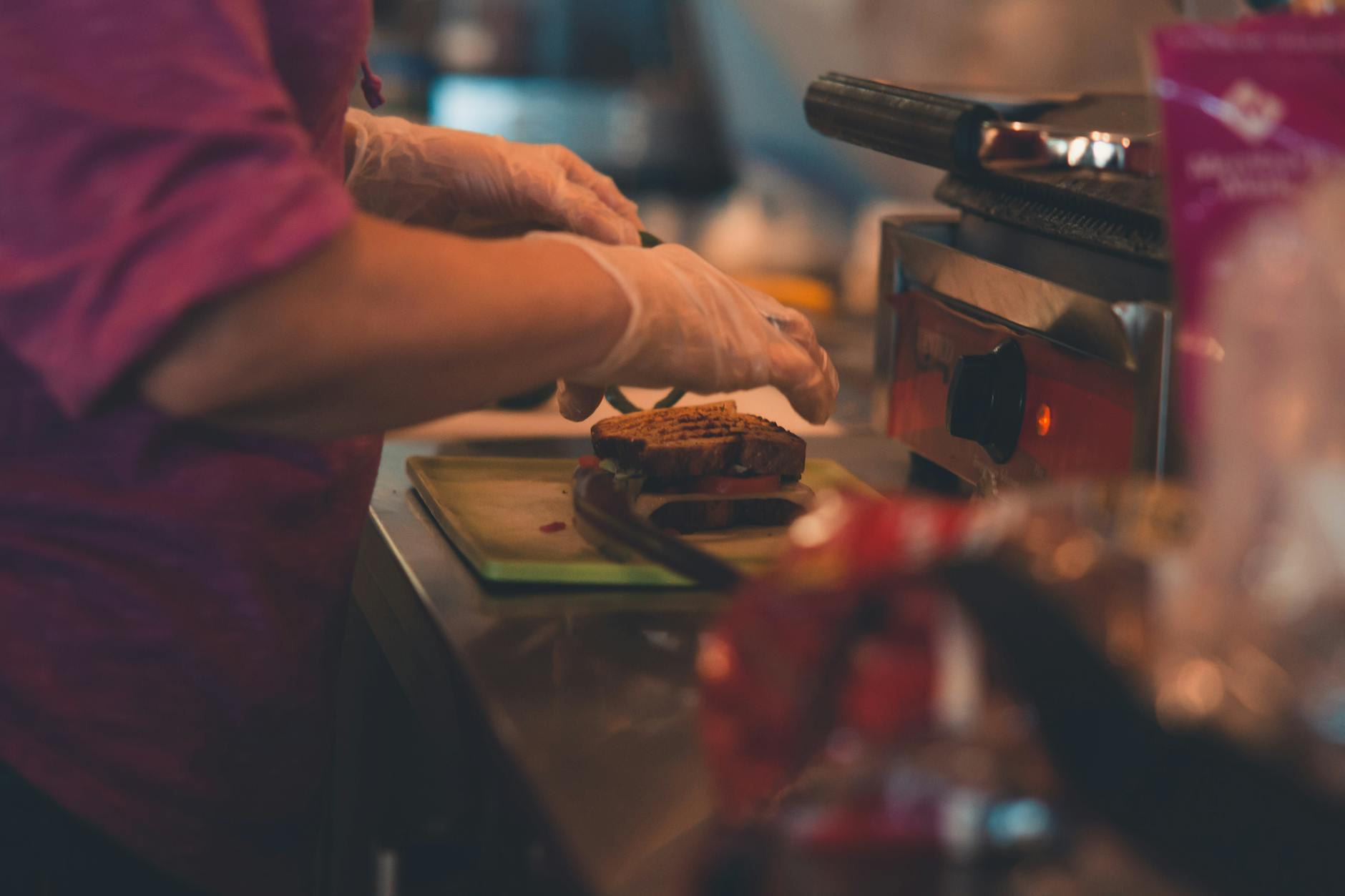
Every year, roughly 48 million Americans experience a foodborne illness — and the vast majority of those cases happen at home, not in restaurants. The single most preventable cause? Food cross-contamination. Whether you are a confident home cook or someone just learning their way around the kitchen, understanding food cross contamination prevention is one of the most important skills you can develop. It does not require expensive equipment or professional training — it mostly requires awareness and a handful of consistent habits.
This guide breaks down exactly what cross-contamination is, where it most commonly occurs, which foods pose the highest risk, and — most importantly — how to stop it before it reaches your family's plate.
What Is Food Cross-Contamination?
Cross-contamination happens when harmful microorganisms — bacteria, viruses, or parasites — are transferred from one surface, food, or object to another. The transfer can be direct (raw chicken dripping onto fresh salad greens) or indirect (your hands touching raw meat and then picking up a spatula without washing). In both cases, pathogens that should stay isolated end up where they do not belong.
The three main types of cross-contamination are:
- Food-to-food: Raw meat, poultry, or seafood coming into physical contact with ready-to-eat food like salads, fruit, or cooked dishes.
- Equipment-to-food: Bacteria living on cutting boards, knives, tongs, or countertops transferring to food during preparation.
- People-to-food: Unwashed hands, sneezing, coughing, or touching your face while cooking spreading pathogens directly into food.
Each type is dangerous, but all three are preventable with simple, consistent kitchen food hygiene rules.
Why Cross-Contamination Is So Dangerous
Pathogens like Salmonella, E. coli O157:H7, Listeria monocytogenes, and Campylobacter thrive in raw meat, poultry, seafood, and unpasteurized dairy. The danger is not just their presence — it is how little it takes to cause illness. According to the CDC, as few as 10 E. coli cells can trigger infection in a healthy adult. Children, the elderly, pregnant women, and immunocompromised individuals face even greater risk.
The problem is compounded by the fact that these bacteria are invisible. There is no smell, no discoloration, no sign that a cutting board or countertop is contaminated. This is exactly why food cross contamination prevention must be built into your cooking routine as habit — not something you think about only when something looks wrong.
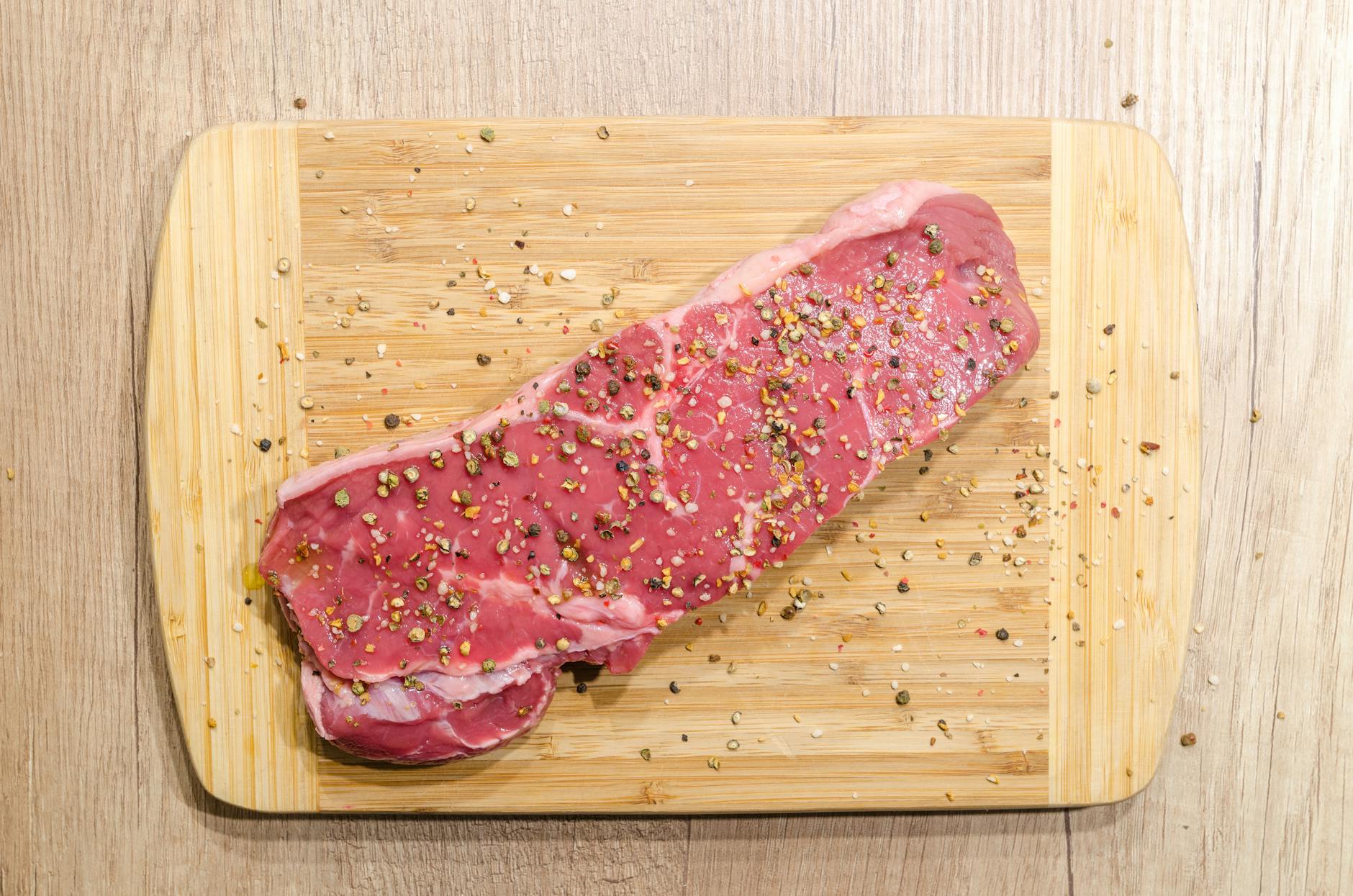
The Biggest Sources of Cross-Contamination in the Home Kitchen
1. Cutting Boards
Cutting board cross contamination is arguably the most common and most overlooked hazard in home cooking. A single wooden or plastic cutting board used for both raw chicken and salad vegetables is essentially a bacterial highway. Studies have found that wooden boards can harbor bacteria in micro-cracks that standard washing cannot reach. Plastic boards, while easier to sanitize, develop deep knife grooves over time that trap pathogens just as effectively.
The solution food safety experts consistently recommend is color-coded cutting boards — a different board for each food category. The standard system used in professional kitchens assigns:
- Red — raw meat
- Yellow — raw poultry
- Blue — raw seafood
- Green — fruits and vegetables
- White — dairy and bread
- Brown — root vegetables and cooked meat
Even using just two dedicated boards — one strictly for raw proteins, one for everything else — dramatically reduces cutting board cross contamination risk in a home kitchen.
2. Hands
The CDC identifies improper hand washing as one of the top contributing factors in home foodborne illness outbreaks. Hands touch raw meat, then touch a cabinet handle, then a knife, then a bowl of ready-to-eat food — each transfer spreading bacteria further. The correct technique is to wash with soap and warm water for at least 20 seconds, paying attention to fingertips, between fingers, and under nails. You should wash your hands:
- Before you start cooking
- After handling raw meat, poultry, or seafood
- After touching your face, hair, or phone
- After handling garbage or cleaning products
- Between handling different raw protein types
3. Countertops and Surfaces
Kitchen surfaces accumulate bacteria throughout the day. Grocery bags that have been on shop floors, unwashed produce, raw meat packaging — all of these deposit pathogens on your countertop. Those pathogens then transfer to food, utensils, or hands. Wiping a surface with a dry cloth or rinsing it with water alone is not enough. Surfaces that contact raw food should be cleaned with a food-safe sanitizer or a diluted bleach solution (1 tablespoon of unscented chlorine bleach per gallon of water).
4. Knives, Tongs, and Utensils
The same knife used to portion raw chicken and then slice a cooked chicken breast carries bacteria from one to the other. This is a classic and dangerous error. In professional kitchens, utensils are either dedicated to specific food types or thoroughly sanitized between tasks. At home, the practical rule is simple: if a utensil has touched raw protein, wash it before it touches anything else.
5. The Refrigerator
Raw meat food safety extends into how you store food, not just how you cook it. Raw meat stored above ready-to-eat food in the refrigerator can drip juices — and those juices carry pathogens. The correct refrigerator hierarchy places:
- Ready-to-eat foods and leftovers on the top shelf
- Dairy in the middle
- Raw meat, poultry, and seafood on the bottom shelf (in sealed containers or on a tray)
This single storage habit prevents a significant source of cross-contamination that occurs long before any cooking begins.
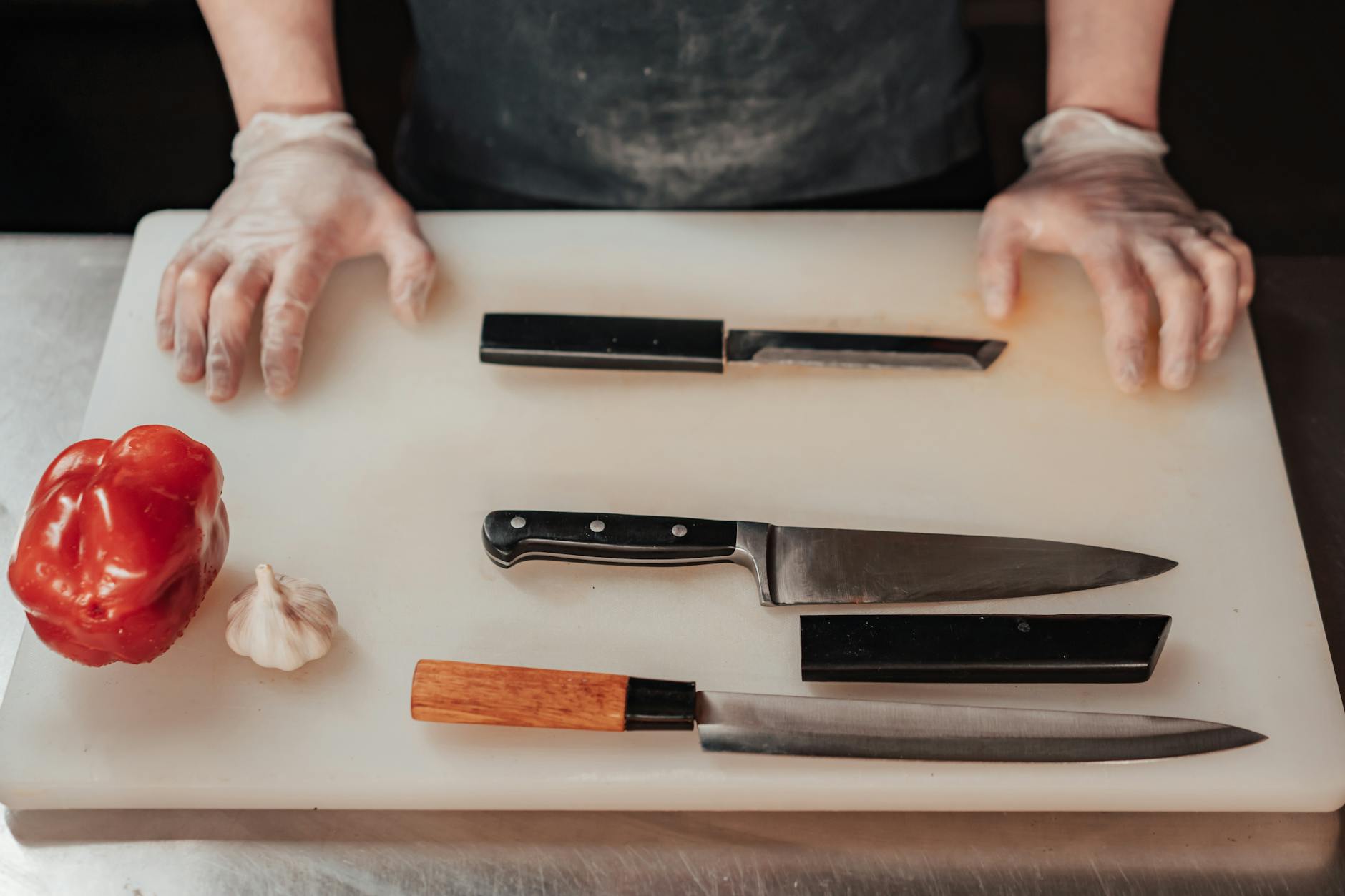
The Cutting Board Question: Wood vs. Plastic
Few kitchen debates are as persistent as the wood-versus-plastic cutting board argument. The food safety answer is nuanced. Research published in the Journal of Food Protection found that bacteria on plastic boards can be removed with thorough washing, but knife grooves that accumulate over time make full sanitization increasingly difficult. Wood, conversely, has natural antimicrobial properties and can absorb surface bacteria — but those same properties can make bacteria harder to dislodge once embedded.
The practical consensus among food safety authorities, including the USDA, is this:
- Both materials can be safe if properly maintained.
- Plastic boards should be replaced once they develop deep knife grooves that cannot be cleaned flat.
- Wood boards should never be submerged in water or put in the dishwasher — this causes warping and cracking that harbors bacteria.
- Neither material eliminates the need for dedicated boards — separation by food type is the real protection.
The most important factor in cutting board cross contamination prevention is not what the board is made of — it is how consistently you use separate boards for separate food categories and how thoroughly you clean them after each use.
Food Cross Contamination Prevention: A Practical Checklist
The following checklist covers the essential kitchen food hygiene rules that food safety agencies — including the FDA, CDC, and USDA — consistently recommend for home cooks. Building these into your routine is the most effective way to protect your household.
Food Cross-Contamination Prevention Checklist
Before You Cook
- Wash hands for at least 20 seconds with soap and warm water
- Clean and sanitize countertops before laying out ingredients
- Check that cutting boards are clean and assigned to the correct food category
- Remove raw meat from refrigerator and keep it in its sealed packaging until needed
During Cooking
- Use separate cutting boards for raw meat/poultry/seafood and for produce
- Wash hands every time you switch between handling raw protein and other ingredients
- Never place cooked food on a surface or plate that held raw food
- Wash knives and tongs immediately after they contact raw protein
- Keep raw meat juices from dripping onto other foods during prep
- Use a food thermometer — visual cues like color are unreliable for doneness
When Storing Food
- Store raw meat on the bottom shelf of the refrigerator in a sealed container or on a tray
- Keep ready-to-eat foods on upper shelves, away from raw proteins
- Use separate storage bags for raw and cooked items
- Label and date leftovers and refrigerate within two hours of cooking
Cleaning and Maintenance
- Wash cutting boards with hot soapy water after every use involving raw protein
- Sanitize boards with a bleach solution or food-safe sanitizer regularly
- Replace cutting boards that have deep knife grooves, stains, or cracks
- Launder kitchen towels and cloths frequently — bacteria thrive in damp fabric
- Replace kitchen sponges weekly or sanitize them in the microwave (wet, 1–2 minutes)
Raw Meat Food Safety: The Rules That Matter Most
Of all potential sources of cross-contamination, raw meat food safety deserves special attention. Raw poultry in particular carries Salmonella and Campylobacter at surprisingly high rates — USDA testing consistently finds these bacteria on a significant percentage of raw chicken products at retail. This does not mean chicken is dangerous to eat; it means it must be handled as if it is contaminated, because statistically it may well be.
Key raw meat handling rules:
- Do not rinse raw poultry or meat. The FDA and USDA both advise against this practice. Rinsing sprays bacteria-laden droplets across a 3-foot radius of your sink and surrounding surfaces without actually removing pathogens from the meat. Cooking to the correct internal temperature kills bacteria; rinsing does not.
- Marinate in the refrigerator, not on the counter. Room-temperature marinating allows the outer surface of meat to enter the bacterial danger zone (40°F–140°F) while the center remains cold.
- Use a food thermometer every time. The safe minimum internal temperatures are 165°F for poultry, 160°F for ground meats, and 145°F (with a 3-minute rest) for whole cuts of beef, pork, lamb, and veal.
- Never partially cook meat to finish later. Bacteria multiply rapidly in partially cooked protein. Cook thoroughly in one continuous session.
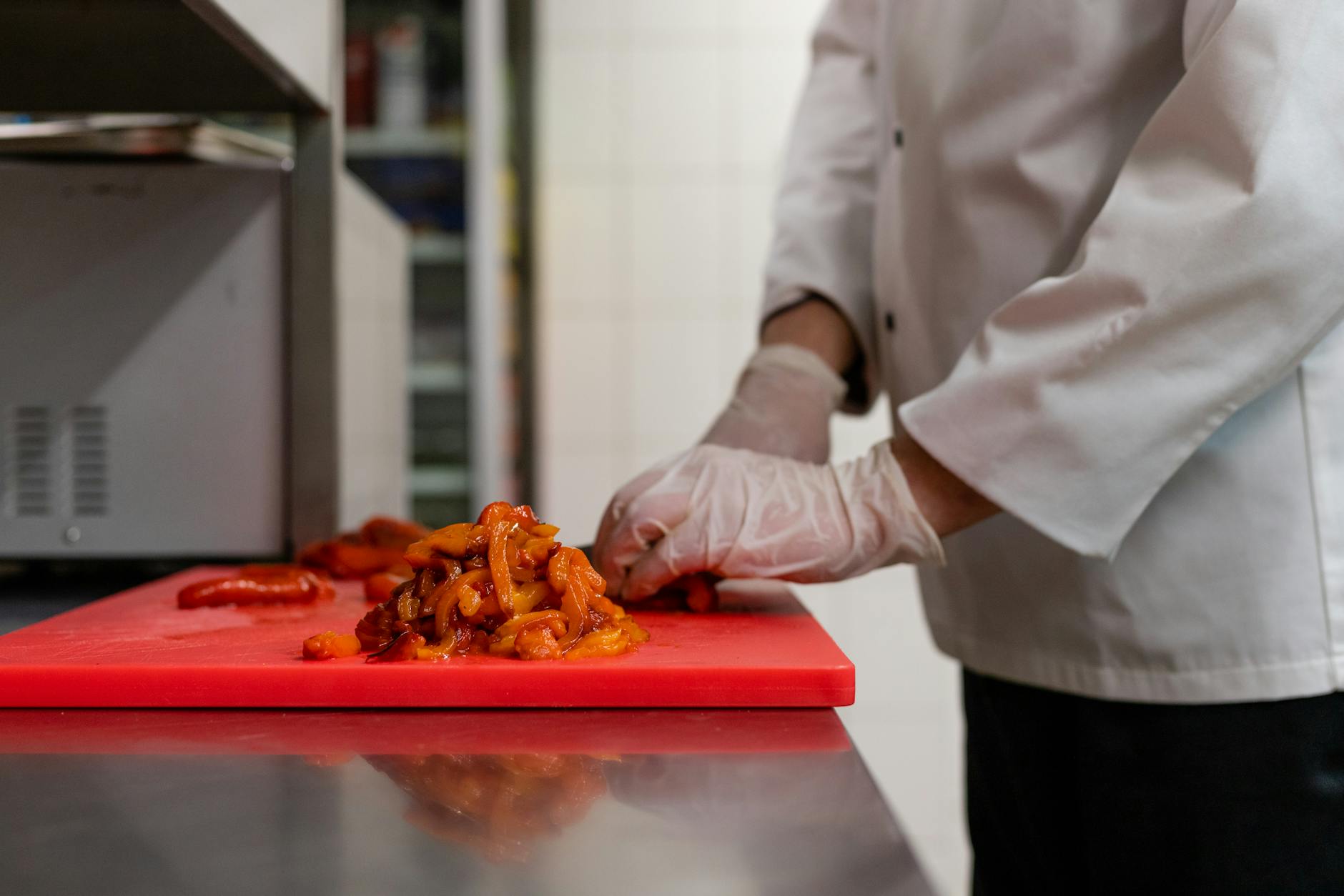
Often-Overlooked Sources of Kitchen Contamination
The most common cross-contamination sources are well-known, but several others are frequently missed by even careful home cooks.
Kitchen sponges and dishcloths are among the most bacteria-dense objects in any home, according to multiple microbiological studies. A damp sponge used to wipe a raw-meat-contaminated surface and then used to wipe a serving dish has effectively spread bacteria to that dish. Sponges should be replaced weekly, and dishcloths should be laundered at 140°F or higher.
Reusable grocery bags can carry bacteria from raw meat packaging to your kitchen counter when you unpack groceries. Studies have found E. coli and other pathogens in a significant percentage of tested reusable bags. Designating specific bags for raw meat and laundering them regularly is a simple fix.
Your phone is a genuine contamination risk in the kitchen. Phones carry bacteria from dozens of surfaces throughout the day. Handling your phone while cooking and then returning to food prep without washing your hands creates a real contamination pathway. Keep your phone out of the food prep area, or use a hands-free stand.
Can opener blades are another neglected vector — the blade contacts the interior of food cans, accumulates food residue, and if not washed after each use, transfers that residue (and any bacterial growth) to the next can it opens.
How to Teach Food Safety to Children in the Kitchen
Cooking with children is a meaningful experience, but it does require age-appropriate food safety guidance. The core concepts to teach young cooks are surprisingly simple:
- Always wash hands before touching food and after touching raw meat or eggs.
- Raw chicken and meat have invisible germs — we cook them to make them safe.
- The red cutting board is only for meat — we use the green one for vegetables.
- We never taste food that hasn't been fully cooked yet.
Making these rules visible — color-coded boards are particularly child-friendly because they are concrete and memorable — builds food safety instincts that last a lifetime.
Key Takeaways
Food cross contamination prevention is not complicated, but it does require consistent habits rather than occasional attention. The main points to carry away:
- Cross-contamination is the transfer of harmful bacteria between foods, surfaces, and hands — and it is the leading cause of home foodborne illness.
- Cutting boards are the highest-leverage intervention: use dedicated boards for raw proteins and everything else.
- Hand washing for 20 seconds with soap is the single most effective action you can take before and during cooking.
- Raw meat food safety extends to storage (bottom shelf, sealed), marinating (in the fridge), and cooking temperatures (use a thermometer).
- Overlooked vectors — sponges, grocery bags, phones, and can openers — deserve the same attention as cutting boards and knives.
- Proper kitchen food hygiene rules do not require expensive tools: awareness, separation, and cleaning at the right times are the foundation.
Building these practices into your kitchen routine takes a few weeks of conscious effort before they become automatic. But the payoff — protecting your family from preventable illness — makes every habit worth forming.