Foods and Drinks That Stain Your Teeth (And What to Do About It)
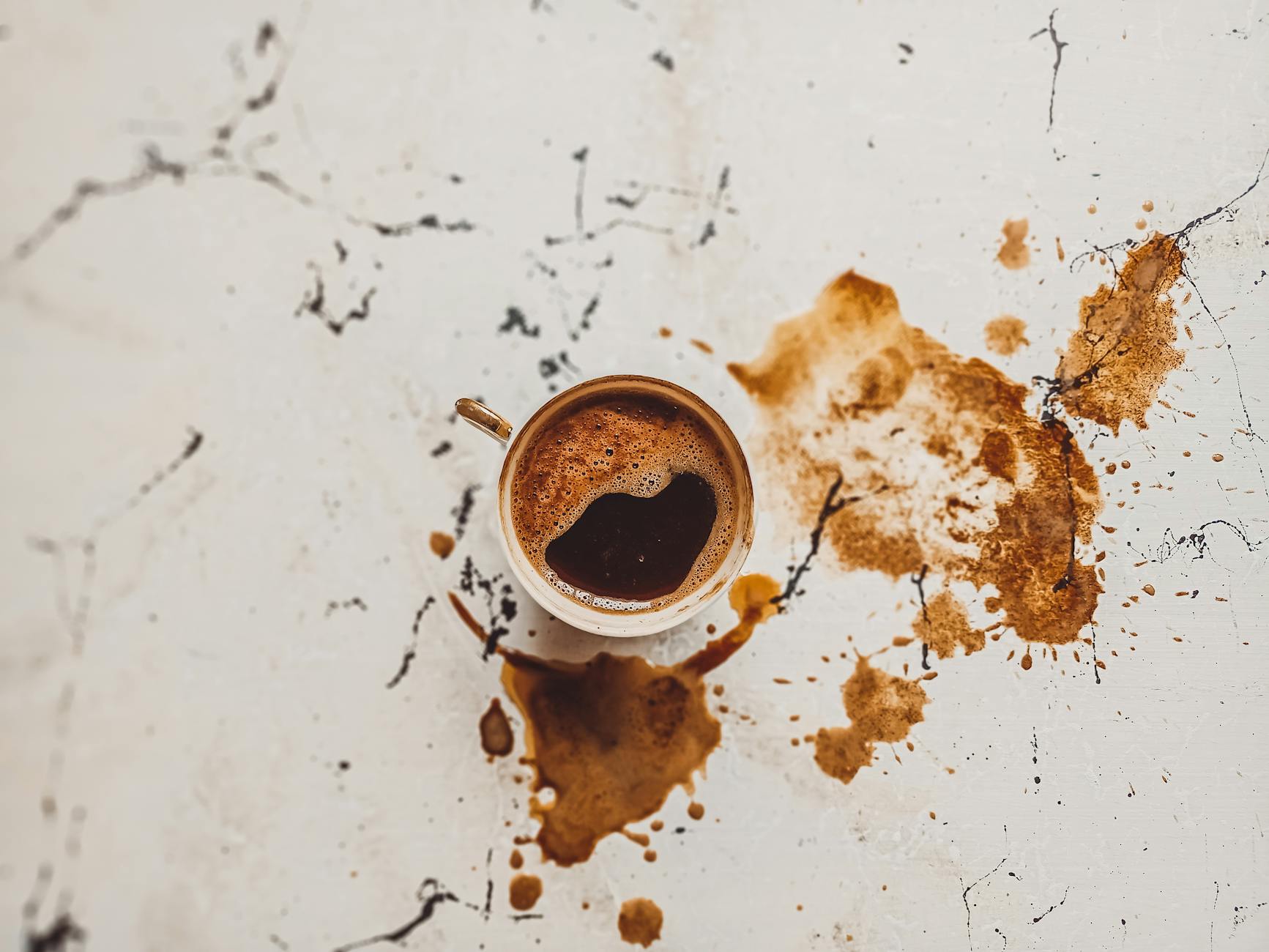
If you start every morning with a cup of coffee and end most evenings with a glass of red wine, you are already well-acquainted with two of the biggest foods that stain teeth. But coffee and wine are only part of the story. From the blueberries in your morning smoothie to the tomato sauce on your Friday-night pasta, a surprising number of everyday foods and drinks work quietly against the brightness of your smile — often without you realizing it until the discoloration is already visible.
This guide breaks down exactly which culprits are doing the most damage, the chemistry behind why they cause staining, how to rank them by severity, and — most importantly — what practical steps you can take every single day to slow the process and recover the whiteness you want.
The Science of Tooth Staining: Why It Happens
Before diving into the list, it helps to understand the basic biology. Your teeth are coated in enamel, the hardest substance in the human body. Despite its toughness, enamel is not perfectly smooth at a microscopic level — it is riddled with tiny pores and surface irregularities. These microscopic channels are where staining compounds take hold.
Tooth discoloration generally falls into two categories.
- Extrinsic staining happens on the outer surface of enamel. It is caused by pigmented molecules from food and drink binding to a thin protein film (called the pellicle) that constantly coats your teeth. This type of staining is the most responsive to cleaning and whitening treatments.
- Intrinsic staining originates inside the tooth structure itself, often from medications (like tetracycline), trauma, or excessive fluoride exposure during childhood. Intrinsic stains are far more difficult to address with surface treatments alone.
The vast majority of everyday dietary staining is extrinsic — which means it is largely preventable and treatable, often responding well to over-the-counter solutions like the Purely White Deluxe at-home teeth whitening kit. Three key chemical mechanisms are responsible for most of it.
- Chromogens are intensely pigmented molecules present in many plant-based foods and drinks. They latch onto tooth enamel and are the primary culprit behind surface discoloration.
- Tannins are plant polyphenols found in tea, red wine, and certain fruits. On their own they are mildly staining, but their real damage comes from boosting chromogen adhesion — they act like a primer, helping color molecules stick more aggressively to enamel.
- Acids in sodas, citrus juices, and vinegar-based foods temporarily soften and erode enamel, opening those microscopic pores wider and making the surface far more receptive to staining from other compounds consumed shortly after.
Top 10 Foods and Drinks That Stain Teeth
Below is a detailed breakdown of the most common foods that stain teeth, along with the specific mechanism behind each one.
1. Coffee
Coffee is the single most common cause of extrinsic tooth discoloration in adults. It is loaded with chromogens and tannins, and most people drink it daily — often multiple cups. The dark pigments bind rapidly to the pellicle layer, and the mild acidity of coffee softens enamel slightly, compounding the effect. Cold brew is slightly less acidic than hot-brewed coffee, but it still delivers the same staining chromogens.
2. Black Tea
Counterintuitively, black tea is a stronger staining agent than coffee when it comes to tannin content. Research published in the International Journal of Dental Hygiene found that black tea caused greater discoloration than coffee in standardized enamel samples. Green and herbal teas are milder in both tannins and chromogens, making them a less damaging alternative.
3. Red Wine
Red wine delivers a triple threat: it contains chromogens (responsible for its deep ruby color), tannins (which prime the enamel surface for staining), and it is moderately acidic. A glass of red wine in the evening leaves a thin film of concentrated pigment on your teeth that, if left overnight, has hours to penetrate the enamel surface before your morning brushing.
4. Dark Berries
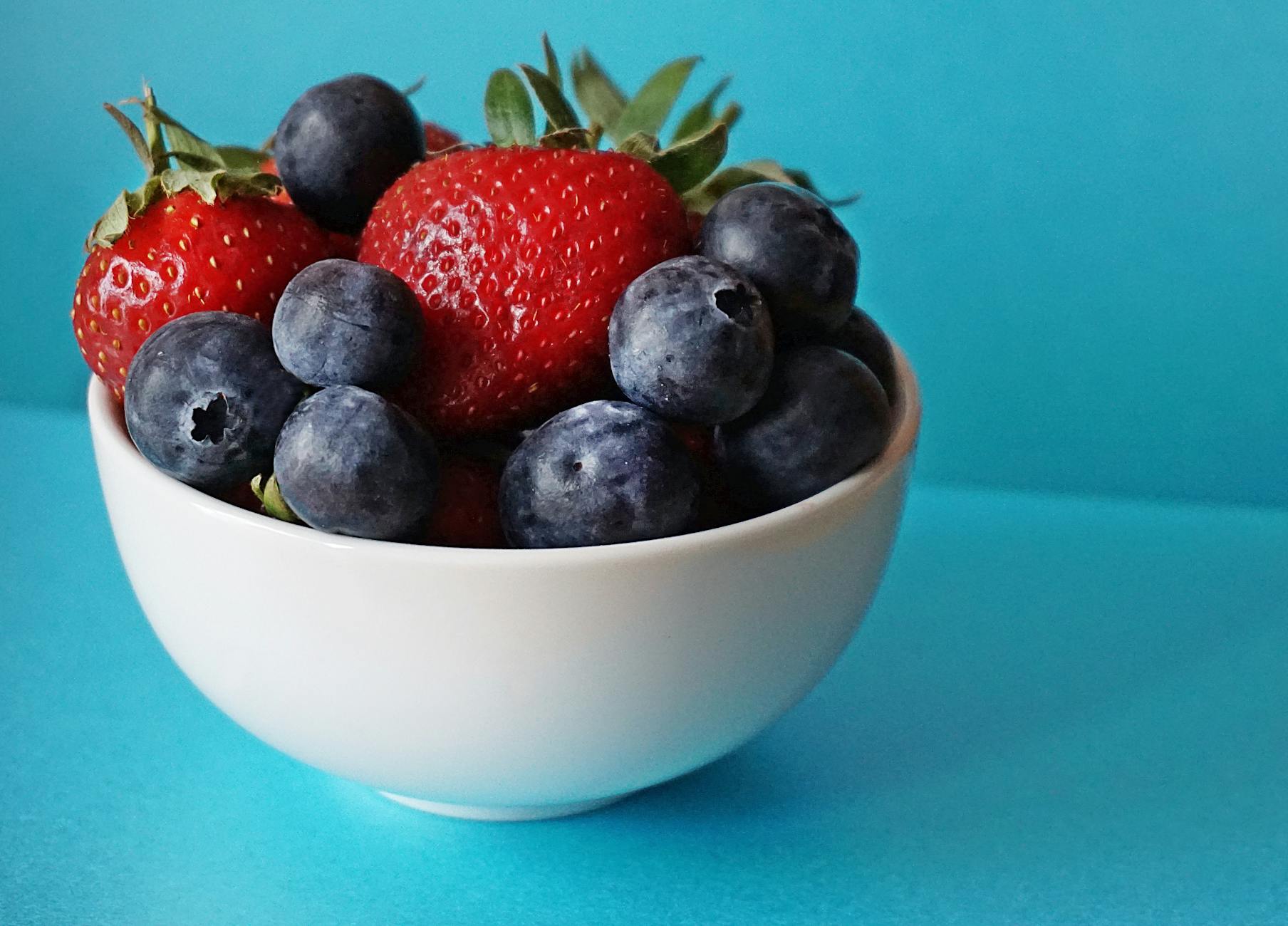
Blueberries, blackberries, cherries, pomegranate, and acai are nutritional powerhouses — and also potent staining agents. Their deep pigmentation comes from anthocyanins, a class of chromogen that adheres tenaciously to enamel. Interestingly, many of these same pigments are studied for their antioxidant properties, so the goal is not to avoid berries but to manage the timing and aftermath of eating them.
5. Tomato Sauce
Tomatoes are highly acidic and contain bright red chromogens (lycopene-related pigments). Pasta sauce, pizza sauce, ketchup, and salsa all fall into this category. The acidity opens enamel pores while the pigment rushes in — a particularly effective staining combination that explains why frequent pasta eaters often notice gradual yellowing over time.
6. Curry and Turmeric
Turmeric contains curcumin, one of the most intensely yellow pigments found in any food. While turmeric-based golden lattes and curries have surged in popularity for their anti-inflammatory properties, even small and infrequent consumption leaves a yellow tinge on enamel. Curcumin is notably difficult to remove with standard brushing alone.
7. Balsamic Vinegar
Balsamic vinegar is dark, intensely pigmented, sticky in consistency, and acidic — every property that promotes aggressive teeth staining. Because it clings to tooth surfaces longer than thinner liquids, its contact time with enamel is extended, giving chromogens more opportunity to penetrate.
8. Dark Colas and Sodas
Dark sodas like cola combine phosphoric and citric acid (which erode and soften enamel) with artificial caramel coloring (a chromogen). The erosive acid component is arguably the bigger long-term concern here — once enamel is thinned, the yellower underlying dentin layer becomes more visible, creating the appearance of yellowing even without direct chromogen staining.
9. Soy Sauce and Teriyaki
Dark, fermented sauces used heavily in Asian cuisine are rich in deeply pigmented compounds and have a moderately acidic profile. Because they are often used as coatings or glazes that stick to food — and therefore to teeth during chewing — they have extended contact time with enamel surfaces.
10. Sports Drinks and Energy Drinks
Many sports drinks are brightly colored with artificial dyes and are formulated with high concentrations of citric acid. Energy drinks are similarly acidic. Both categories promote enamel erosion that makes teeth more vulnerable to staining from everything else you eat and drink throughout the day.
Staining Severity Comparison Table
This table rates each major offender by staining severity (1 = mild, 5 = severe), the primary mechanism behind the staining, and the relative ease of removal with normal hygiene practices.
| Food / Drink | Severity (1-5) | Primary Mechanism | Removal Ease |
|---|---|---|---|
| Black Tea | 5 | Tannins + Chromogens | Moderate |
| Red Wine | 5 | Tannins + Chromogens + Acid | Moderate |
| Coffee | 4 | Chromogens + Tannins | Moderate–Easy |
| Turmeric / Curry | 4 | Curcumin Chromogens | Difficult |
| Dark Berries | 3 | Anthocyanin Chromogens | Moderate |
| Tomato Sauce | 3 | Acid + Chromogens | Easy–Moderate |
| Balsamic Vinegar | 3 | Acid + Dark Chromogens | Moderate |
| Dark Cola | 2 | Acid Erosion + Caramel Dye | Easy |
| Soy Sauce | 2 | Dark Chromogens | Easy–Moderate |
| Sports / Energy Drinks | 2 | Acid Erosion + Dyes | Easy |
How to Prevent Teeth Staining Without Giving Up Your Favorites
Knowing how to prevent teeth staining does not mean eliminating the foods and drinks you enjoy. It means being strategic about when and how you consume them, and what you do immediately afterward. These evidence-backed habits make a meaningful difference over time.
Use a Straw for Cold Drinks
Drinking cold coffee, iced tea, cola, or juice through a straw routes the liquid past your front teeth, dramatically reducing contact time with enamel. This is one of the simplest and most effective habit changes for people who regularly consume drinks that discolor teeth. It does not help with hot drinks, but for cold beverages it is an easy daily win.
Rinse With Water Immediately After
Within 30 seconds of finishing a staining beverage or food, rinse thoroughly with plain water. Swishing for 20-30 seconds dislodges surface pigments and neutralizes acids before they have time to soften enamel and allow chromogens to penetrate. This one step alone, done consistently, can significantly slow the rate of extrinsic staining.
Wait 30 Minutes Before Brushing
This counterintuitive tip surprises many people. After consuming acidic foods or drinks, enamel is temporarily softened. Brushing immediately can abrade this softened surface, accelerating enamel wear. Waiting 30 minutes allows saliva — which is naturally alkaline — to remineralize and harden the enamel before you scrub it. Rinsing with water immediately after eating is fine and recommended; just hold off on brushing.
Eat Staining Foods During Meals, Not as Snacks
Saliva production increases dramatically during meals, providing a natural buffering and cleansing effect. Eating a handful of blueberries as a standalone snack means your teeth sit with berry-pigment exposure for longer. Eating them as part of a meal means the natural meal-time saliva flow and food mixing helps dilute and rinse those pigments more quickly.
Pair Staining Foods With Enamel-Friendly Foods
Crunchy, fibrous foods like raw celery, apple slices, and carrots act as mild natural abrasives that scrub the tooth surface during chewing. Including them in or after a staining meal helps mechanically remove some surface pigment before it sets. Hard cheeses are another smart pairing — they are alkaline, stimulate saliva, and help neutralize the acids from wine or tomato sauce.
Use a Whitening Toothpaste Daily
Whitening toothpastes work primarily through mild abrasives and sometimes low concentrations of hydrogen peroxide or enzymes that break down chromogen bonds on the enamel surface. They are most effective as a preventive measure — used consistently, they help keep surface staining from accumulating rather than dramatically reversing existing discoloration. Look for the ADA Seal of Acceptance when choosing a product.
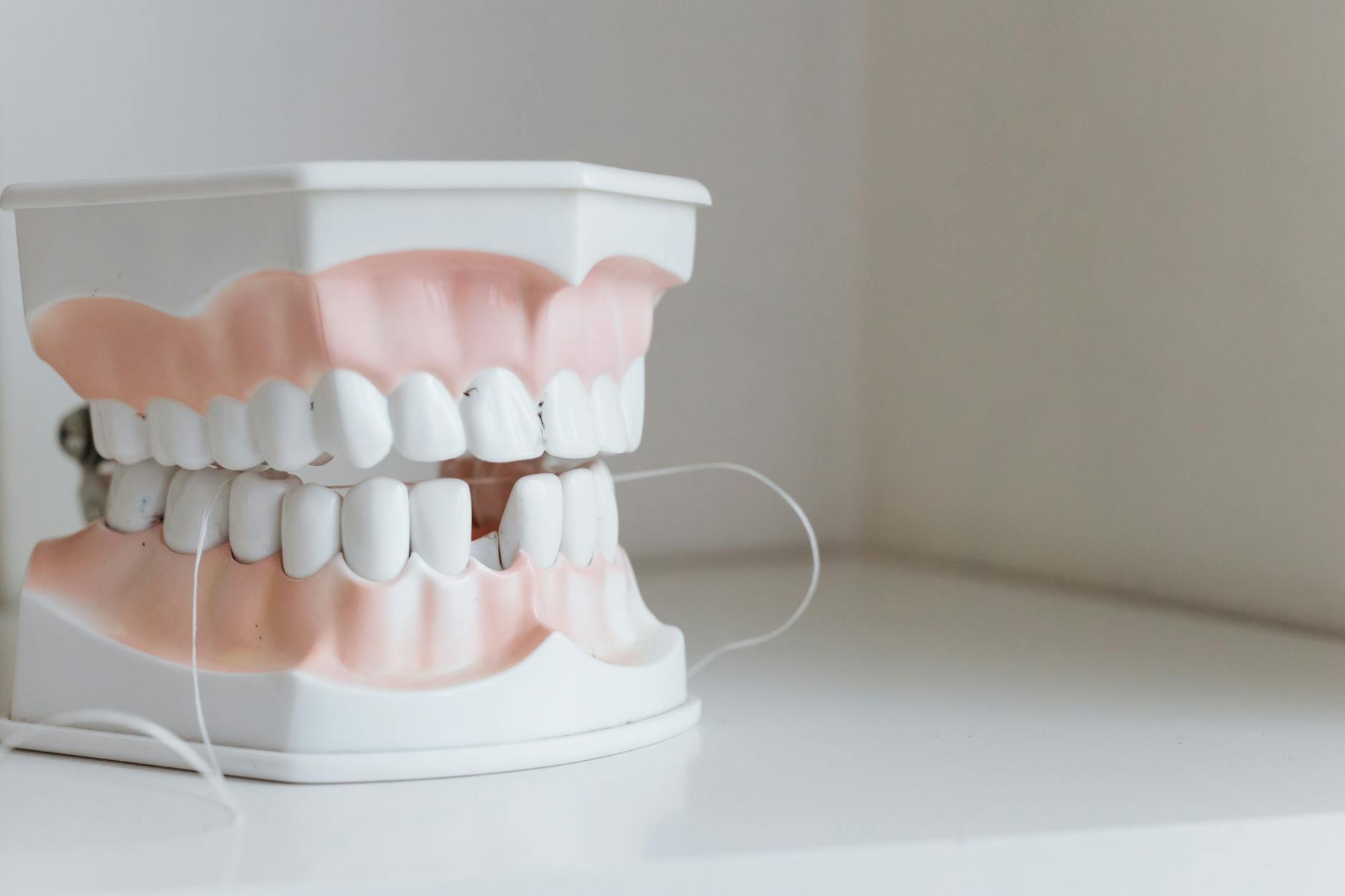
Whitening and Recovery Options After Staining
If staining has already accumulated, the good news is that teeth whitening after staining is achievable at multiple levels, depending on the severity.
At-Home Whitening Strips and Trays
Over-the-counter whitening strips containing 10-14% hydrogen peroxide are the most accessible first step for addressing surface staining. Consistent use over 2-4 weeks typically produces 1-3 shades of improvement. They work best on extrinsic staining from coffee, tea, and wine — the most common dietary culprits. Results fade over several months with continued dietary exposure, so they are often used in periodic maintenance cycles.
Professional In-Office Whitening
Dentist-administered whitening treatments use much higher concentrations of hydrogen peroxide (up to 35-40%), often activated with a specialized light or laser. A single 60-90 minute session can produce 4-8 shades of improvement. This is the most effective option for significant staining, including cases where years of coffee and red wine consumption have left noticeable discoloration. The results typically last 6 months to 2 years depending on dietary habits.
Take-Home Custom Trays From Your Dentist
Custom-fitted bleaching trays from a dentist use professional-grade whitening gel (usually 10-22% carbamide peroxide) worn for a set number of hours per day over 2-4 weeks. This approach combines effectiveness comparable to in-office treatment with the convenience of at-home use. Custom trays ensure even gel distribution and minimize gum contact — two significant advantages over generic over-the-counter options.
Oil Pulling
Swishing a tablespoon of coconut or sesame oil in the mouth for 10-20 minutes is a traditional practice with some evidence suggesting it reduces bacterial load in the mouth. Its whitening effect is modest and largely anecdotal — it may help remove some surface debris and freshen breath, but it should not be considered a substitute for established whitening methods. That said, it is low-risk and many people incorporate it as part of a broader oral care routine.
Activated Charcoal — Use With Caution
Activated charcoal toothpastes and powders are trendy but controversial. While charcoal is genuinely adsorptive (it binds surface compounds), its abrasiveness is a legitimate concern. The American Dental Association has not granted the ADA Seal to any charcoal dental product, citing insufficient evidence of safety and efficacy. Long-term use of abrasive charcoal products may paradoxically worsen discoloration by eroding enamel and exposing more of the yellow dentin beneath. Use sparingly if at all, and consult your dentist first.
When Professional Help Is Needed
Most dietary staining is extrinsic and responds well to the home strategies and over-the-counter products described above. However, there are situations where a dental professional visit is the appropriate next step.
- Discoloration appears suddenly or affects only a single tooth — this can indicate trauma, nerve damage, or decay rather than dietary staining.
- Staining is uneven, gray, or blue-tinged rather than yellow or brown, which may suggest intrinsic staining that surface whitening cannot address.
- Sensitivity increases after using whitening products — this may indicate enamel damage or exposed dentin that requires professional evaluation before continuing any whitening regimen.
- The discoloration does not respond to consistent use of whitening strips or whitening toothpaste over 4-6 weeks.
- You have existing dental work such as crowns, veneers, or bonding — whitening agents affect natural enamel but not artificial restorations, which can create color mismatches that only a dentist can address.
Regular professional cleanings every 6 months are also the most reliable way to remove calcified tartar (calculus) that traps staining pigments and cannot be removed with brushing alone. Maintaining this routine is foundational to keeping dietary staining manageable long term.
Frequently Asked Questions
Key Takeaways
Understanding which foods that stain teeth are causing the most damage — and why — puts you firmly in control of the situation. You do not have to choose between a great smile and the foods and drinks you love. The science is clear: the mechanism behind staining is well understood, it is almost entirely extrinsic for dietary causes, and it is highly preventable with consistent habits.
The most important points to carry forward from this guide are these. Black tea and red wine are the most potent staining agents by chemistry, though coffee causes the most real-world staining simply because of how frequently most people drink it. Tannins, chromogens, and acids are the three mechanisms to understand — any food or drink that combines two or more of these properties warrants the most care. Rinsing with water immediately after consuming staining foods is the single most impactful low-effort habit you can adopt. And brushing — done correctly, 30 minutes after eating to protect temporarily softened enamel — combined with regular professional cleanings, remains the foundation of long-term enamel health.
For those who already have accumulated discoloration, a range of effective at-home and professional whitening options exists. The key is matching the treatment to the severity of the staining, and maintaining the daily habits outlined in this guide to protect your results once you have achieved them. Knowing what causes yellow teeth and acting on that knowledge consistently is the most reliable path to a lasting bright smile.