Foods and Drinks That Stain Your Teeth: The Complete Ranked List
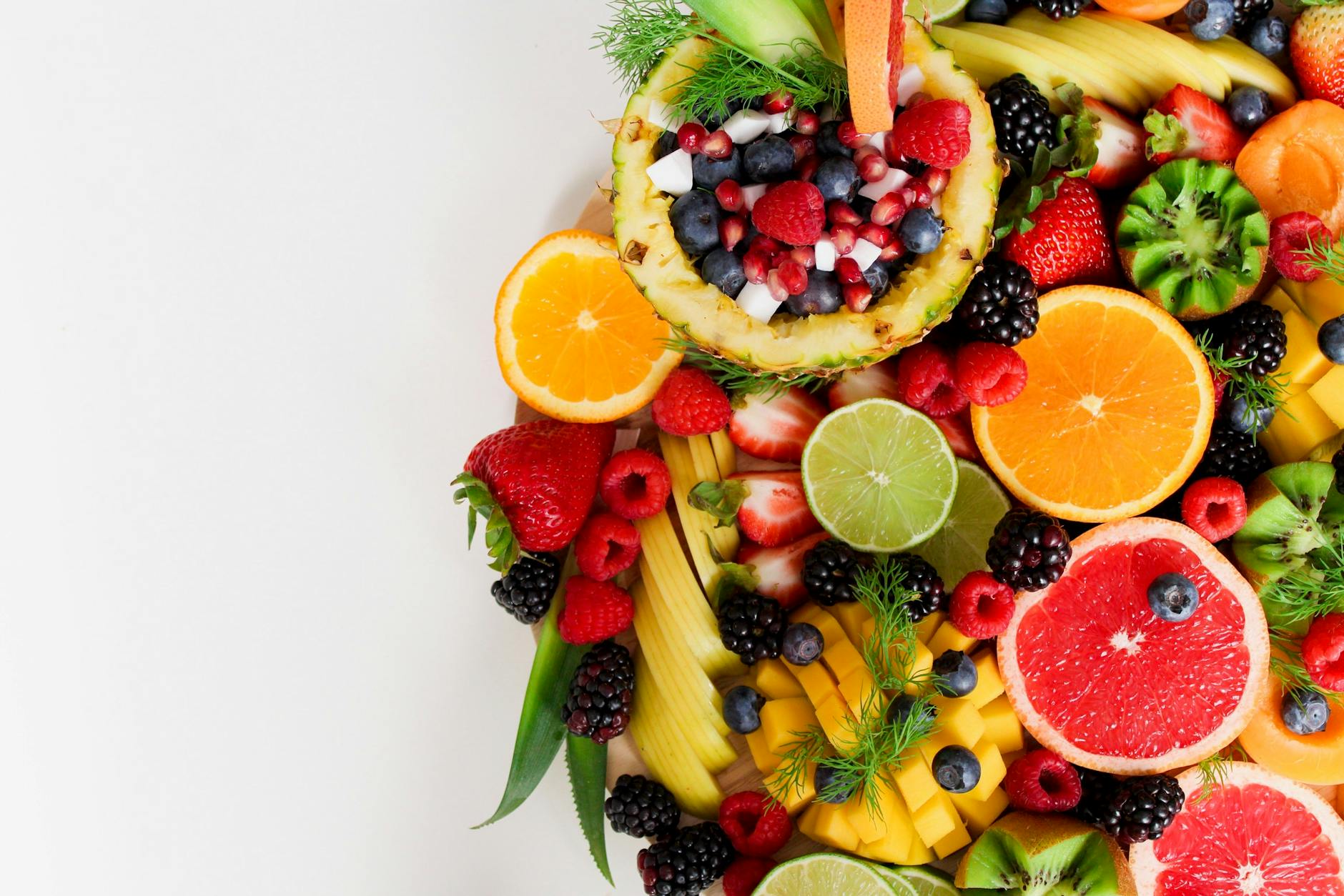
If you've ever wondered why your teeth seem a little less bright than they used to be, the answer is almost certainly sitting on your kitchen counter or in your fridge. Foods that stain teeth are everywhere — and many of them are things we consume every single day without a second thought. From the morning cup of coffee to the evening glass of red wine, chromogenic compounds in common foods and drinks bind directly to tooth enamel, building up over months and years into visible discolouration.
This guide ranks the worst offenders from most to least damaging, explains the science behind why each one stains, introduces a simple traffic-light system you can use at a glance, and gives you practical mitigation tactics so you don't have to give up the foods you love.
Why Do Foods and Drinks Stain Teeth?
Before diving into the ranked list, it helps to understand the mechanism. Tooth enamel — the hard outer layer of each tooth — is not perfectly smooth at a microscopic level. It contains tiny pores and tubules. When you consume foods or beverages that contain chromogens (intensely pigmented molecules), tannins (polyphenolic compounds that help pigments bind to surfaces), or acids (which temporarily soften enamel and open pores), those pigments can penetrate below the surface and become locked in.
The triple threat is a food or drink that combines all three: high in chromogens, high in tannins, and acidic. As you'll see below, some of the most beloved beverages in the world tick all three boxes simultaneously.
There are two types of tooth staining to be aware of:
- Extrinsic staining — surface-level discolouration on the outer layer of enamel, caused directly by food and drink. This is the most common and the most preventable.
- Intrinsic staining — discolouration within the tooth structure itself, caused by things like certain antibiotics, excessive fluoride, or trauma. Diet does not cause intrinsic staining.
Everything in this article relates to extrinsic staining, which means it is largely within your control — and if discolouration has already set in, solutions like the Purely White Deluxe teeth whitening kit can help reverse it.
The Traffic-Light System: A Quick Reference Guide
Use this system as a quick visual guide. Red does not mean "never eat this" — it means "be aware and take precautions." Green means the food is low-risk for dental discolouration.
| Risk Level | Foods & Drinks | Key Reason |
|---|---|---|
| 🔴 High Risk | Coffee, red wine, black tea, cola, balsamic vinegar, soy sauce, tomato-based sauces, pomegranate juice, blackcurrant juice | Tannins + chromogens + often acidic |
| 🟡 Moderate Risk | Blueberries, raspberries, blackberries, turmeric, curry powder, beetroot, white wine, energy drinks | High chromogens or acid, but fewer tannins |
| 🟢 Low Risk | Water, milk, white cheese, cauliflower, celery, apples, pears, plain chicken, rice | Low pigment, neutral or alkaline pH |
The Ranked List: Worst Offenders First
1. Coffee — The Daily Habit With the Biggest Impact
Coffee consistently tops every list of drinks that yellow teeth, and for good reason. It contains a high concentration of tannins, which cause colour compounds to stick to teeth, as well as chromogenic polyphenols that are inherently dark. Coffee is also mildly acidic (pH around 5.0), which means it softens enamel at the same time as depositing pigment.
The frequency effect is what makes coffee so damaging. Most people drink it daily — often multiple cups. Each cup adds another layer of surface staining. Even white or milky coffee still stains; adding milk slightly dilutes the chromogens but does not neutralise the tannins.

2. Red Wine — The Triple Threat
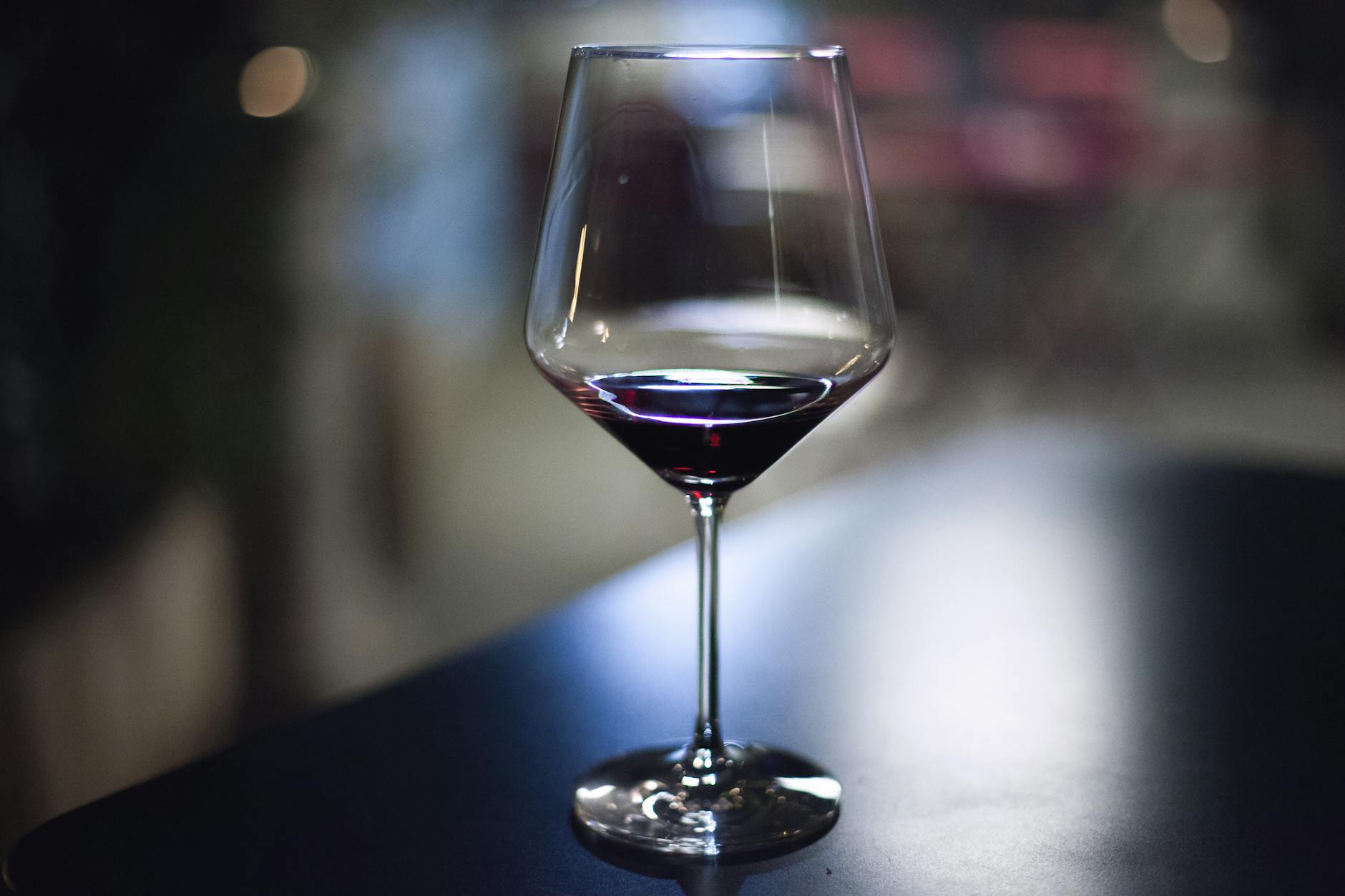
Red wine may be the most chemically complete tooth-staining substance on this list. It is simultaneously highly acidic (pH around 3.3–3.7), extremely rich in tannins, and packed with chromogenic anthocyanins — the same pigments that give red and purple grapes their deep colour. This combination means it softens enamel, bonds pigment to the surface, and deposits colour all at the same time.
Interestingly, white wine does not stain teeth directly, but its high acidity can open enamel pores and make subsequent staining from other foods or drinks worse. Drinking white wine before eating a chromogen-rich meal is one of the more underappreciated staining accelerators.
3. Black Tea — Worse Than Coffee for Staining
This surprises many people: black tea actually contains more tannins than coffee, making it arguably worse for staining even though it is lighter in colour. The tannins in tea (theaflavins and thearubigins) are exceptionally good at adhering chromogenic molecules to enamel. Regular black tea drinkers are among those most likely to develop stubborn yellowish-brown staining along the gum line.
Herbal teas vary considerably. Most fruit-based herbal teas (hibiscus, berry blends) are highly acidic and contain chromogens. Green tea and white tea have significantly fewer tannins than black tea, though they are not entirely risk-free.
4. Cola and Dark Sodas — Acid Plus Colour
Cola beverages are among the most acidic drinks in common consumption, with a pH as low as 2.5. This extreme acidity erodes and demineralises enamel over time, making it increasingly porous and receptive to staining. The artificial caramel colouring (E150) used in most dark sodas is also a direct chromogen.
Diet versions are no safer in terms of staining — the acidity remains the same or is sometimes higher, and the colouring agents are identical. The only colas that sidestep the staining issue are clear sodas, but these still carry the acid erosion risk.
5. Balsamic Vinegar and Dark Condiments
Balsamic vinegar is a frequently overlooked entry on lists of what foods cause yellow teeth. It is deeply pigmented, highly acidic, and sticky — which means it coats teeth and lingers rather than being quickly washed away by saliva. Soy sauce, Worcestershire sauce, and other dark condiments carry similar risks due to their intense colour and frequent contact with teeth during eating.
These condiments rarely appear in dental health discussions because they are consumed in smaller quantities than beverages, but their frequency across savoury meals means they contribute meaningfully to cumulative staining over time.
6. Turmeric — The Bright Yellow Surprise
Turmeric contains curcumin, one of the most intensely coloured natural pigments known. A single teaspoon of turmeric can visibly stain a white cutting board — and the same principle applies to teeth. The staining from turmeric is characteristically yellowish rather than brownish, and it can build up quickly with regular consumption of curries, golden lattes, or turmeric supplements.
One minor caveat: some people use turmeric paste as a folk remedy for teeth whitening. The scientific evidence for this is weak, and the staining risk in regular culinary use is real enough that dental professionals generally caution against excessive consumption.
7. Tomato-Based Sauces — Acidic and Pigmented
Tomato sauce, ketchup, and pasta sauce are highly acidic and contain lycopene, the red carotenoid responsible for their colour. The acidity temporarily softens enamel while the pigments make contact — a combination that leads to gradual staining with regular consumption. The fact that tomato-based sauces coat the teeth during eating and are often followed by further eating (rather than rinsing) extends their exposure time considerably.
The Surprising "Healthy" Stainers You Need to Know About
One of the most counterintuitive aspects of teeth staining prevention is that some of the healthiest foods in your diet can be among the most aggressive stainers. This does not mean you should avoid them — the nutritional benefits of these foods far outweigh the cosmetic downside. But being aware of them allows you to take simple precautions.
Blueberries, Blackberries, and Raspberries
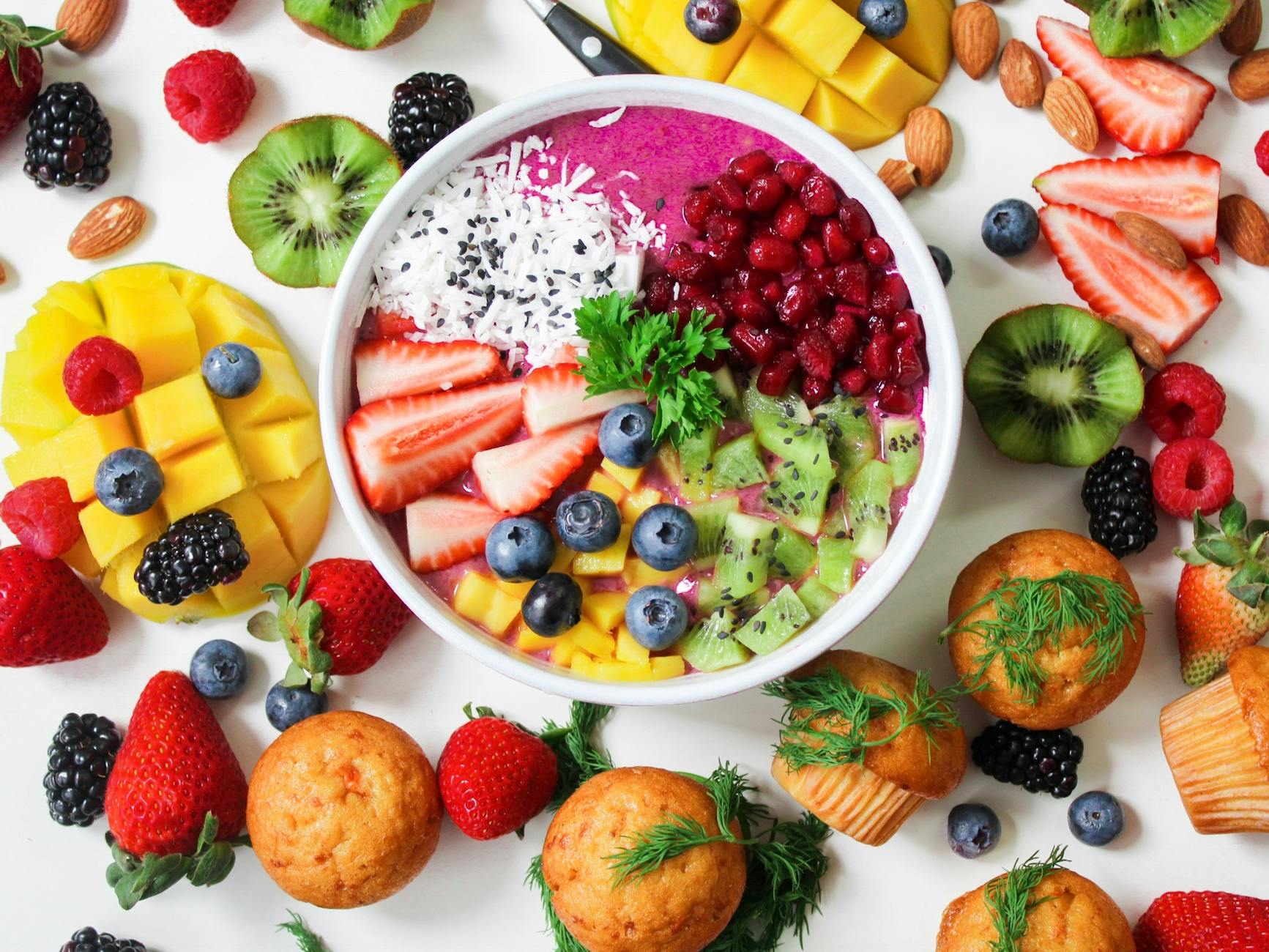
Dark berries are loaded with anthocyanins — the same class of pigment responsible for red wine's notorious staining power. These pigments are natural, beneficial as antioxidants, and very effective at colouring enamel. Blueberries in particular can leave a distinctive greyish-blue film on teeth immediately after eating. Regular consumers of berry smoothies, acai bowls, and mixed berry desserts should be aware of the cumulative effect.
Pomegranate and Pomegranate Juice
Pomegranate juice is one of the most intensely pigmented fruit juices available. It contains ellagitannins and anthocyanins in high concentrations, along with notable acidity. The combination makes it one of the more aggressive stainers in the fruit category — and because it is consumed as a juice (meaning prolonged contact with all tooth surfaces), its staining potential is amplified compared to eating the seeds whole.
Beetroot
Beetroot's vivid crimson colour comes from betalains, a class of water-soluble pigments. Anyone who has handled raw beetroot knows how readily these pigments stain — hands, chopping boards, and teeth alike. Pickled beetroot is even more problematic due to the added acidity from vinegar.
Curry Dishes and Spice Blends
Beyond turmeric, many spice blends used in curries and other dishes — including paprika, cumin in high concentrations, and fenugreek — contain varying levels of chromogenic compounds. A daily curry habit combined with frequent tea or coffee consumption creates compounding staining that becomes noticeable over a matter of months.
How to Prevent Teeth Staining from Food: Practical Tactics That Work
The good news is that you do not need to eliminate any of these foods from your diet to keep your teeth looking their best. The key is understanding how to prevent teeth staining from food through timing, habits, and simple behavioural changes.
1. Drink Through a Straw
Using a straw — including reusable metal or silicone straws — keeps staining beverages away from the front surfaces of your teeth. This is particularly effective for cold coffee drinks, dark juices, and cola. It is less practical for hot tea or wine, but makes a meaningful difference for the beverages most frequently consumed through the day.
2. Rinse Immediately with Water
Swishing water around your mouth for 30 seconds immediately after consuming staining foods or drinks is one of the most effective and most underused prevention tactics. It does not remove chromogens that have already bonded, but it dramatically reduces the exposure time and washes away loose pigment before it has a chance to set. This is especially useful after berries, tomato sauce, and tea.
3. Time Your Coffee and Tea Consumption
Rather than sipping coffee over a two-hour period — which keeps your enamel in a constant state of acid exposure — try consuming it within a shorter window and rinsing with water when done. The total pigment load may be the same, but the prolonged acid exposure of slow sipping is significantly more damaging than drinking a cup relatively quickly.
4. Wait 30 Minutes Before Brushing
This is a frequently misunderstood point. After consuming acidic foods or drinks, enamel is temporarily softened. Brushing immediately can abrade this softened enamel and cause physical damage. Dentists recommend waiting at least 30 minutes after acidic consumption before brushing. In that waiting period, rinsing with plain water is the better option.
5. Eat "Detergent" Foods Alongside Stainers
Certain crunchy, fibrous foods act as natural cleansers by mechanically scrubbing the tooth surface during chewing. Apples, celery, carrots, and cucumber are commonly cited examples. Including them in a meal that contains staining foods can help reduce net staining. Finishing a meal with cheese is also helpful — cheese raises oral pH (reducing acidity) and contains casein proteins that can help remineralise enamel.
6. Maintain Consistent Brushing and Flossing
No single tactic replaces consistent oral hygiene. Brushing twice daily with a fluoride toothpaste removes loosely adhered surface pigment before it can fully bond to enamel. Flossing removes staining material from between teeth where brushing cannot reach. Regular professional cleaning removes calcified stains that home brushing cannot address.
7. Stay Hydrated Throughout the Day
Saliva is your mouth's natural defence system. It buffers acid, remineralises enamel, and washes away food debris and pigment. Low saliva production — often caused by dehydration, certain medications, or mouth breathing — dramatically increases staining risk. Drinking water consistently throughout the day supports healthy saliva flow and keeps enamel better protected.
A Note on "Staining Potential" vs. Actual Outcome
It is worth noting that individual staining outcomes vary considerably based on factors beyond diet. Natural enamel thickness, genetics, age (enamel thins with age, making the yellowish dentine beneath more visible), and existing surface texture all influence how readily chromogens adhere to your specific teeth. Two people with identical diets may have noticeably different staining outcomes.
This also means that teeth staining prevention tips will be more impactful for some people than others. If you know you have thinner enamel, more porous teeth, or a history of significant staining, it is worth being more proactive with the prevention strategies above.
Key Takeaways
- The biggest stainers combine tannins, chromogens, and acidity — coffee, red wine, and black tea are the top three for a reason.
- Many healthy foods — blueberries, pomegranate, beetroot, and turmeric — are also significant stainers due to their intense natural pigments.
- You do not need to eliminate staining foods; you need to manage contact time and exposure through rinsing, straws, and timing.
- Never brush immediately after acidic foods or drinks — wait at least 30 minutes and rinse with water in the meantime.
- Saliva is your natural defence; staying hydrated and including dairy or crunchy vegetables in meals supports enamel health.
- Extrinsic staining accumulates gradually — small, consistent habits over time make a far bigger difference than occasional interventions.