Formula 1 Fan Travel Guide: How to Attend a Race
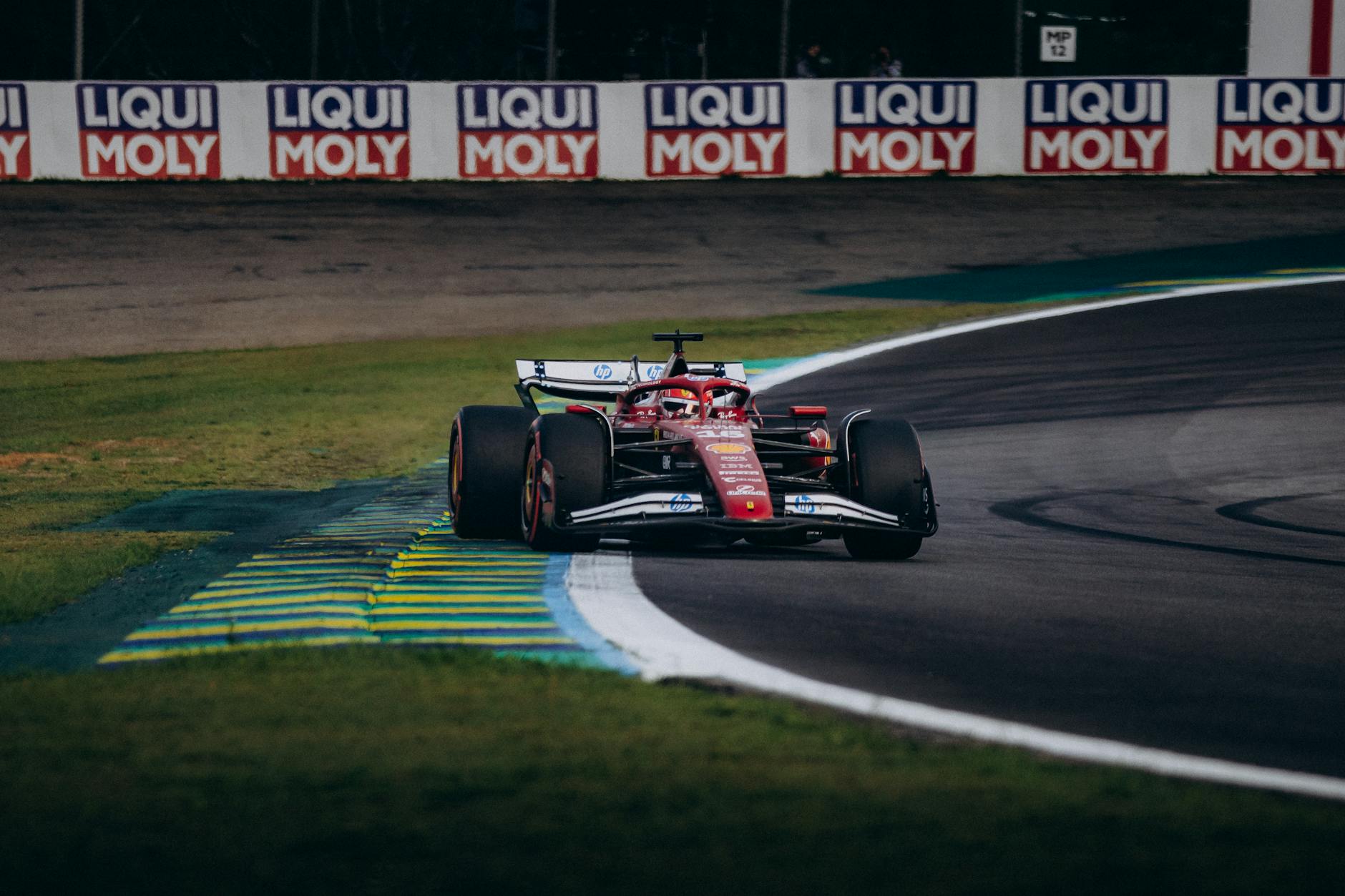
There is nothing on earth quite like watching Formula 1 live. The noise alone — a wall of sound that you feel in your chest before you consciously register it with your ears — is worth the trip. Add the smell of hot rubber and spent fuel, the blur of a car at 300 km/h passing three feet from your grandstand railing, and the shared electricity of 100,000 fans holding their breath into a corner, and you begin to understand why people rearrange their entire calendars around the Formula 1 season.
But attending an F1 race weekend for the first time — or even the fifth time — involves a surprising amount of planning. Tickets, grandstand choices, travel, accommodation, what to bring, how to navigate the circuit, how to stay connected when your phone is running on fumes at 3 p.m. on Sunday: every detail matters, and getting any of them wrong can turn an unforgettable weekend into an expensive ordeal. This guide covers everything you need to know, from picking the right race on the 2026 calendar all the way through to race-day photography tips.
Choosing Your First Formula 1 Race
The 2026 Formula 1 calendar spans 24 races across five continents, which means your first decision is genuinely difficult. The right race depends on your budget, your travel preferences, the experience you want, and — honestly — the weather you are prepared to endure.
For first-timers who want the full spectacle and the easiest possible logistics, a handful of circuits consistently deliver:
- Silverstone (British Grand Prix): One of the sport's spiritual homes. Enormous atmosphere, passionate crowds, and grandstands that offer genuinely close views of high-speed corners like Copse and Maggotts. English weather is unpredictable, but the crowd energy is unmatched.
- Monza (Italian Grand Prix): The oldest circuit on the calendar and the fastest. The Tifosi — Ferrari's fanatical Italian supporters — create an atmosphere unlike any other sporting event in Europe. Grandstand access is often more affordable than other European rounds.
- Circuit of the Americas (US Grand Prix, Austin): A purpose-built modern facility with excellent sightlines, well-organized transport, and a festival atmosphere that extends far beyond the circuit itself. Austin in October is one of the most enjoyable race weekends on the calendar.
- Suzuka (Japanese Grand Prix): Widely regarded by drivers and engineers as the greatest circuit in the world. The Japanese fans are incredibly organized and respectful, and the circuit layout — the famous figure-of-eight — allows spectators to see cars at multiple points from a single grandstand.
- Melbourne (Australian Grand Prix): The season opener, set in Albert Park within the city. Excellent for first-timers who want a polished, accessible event with a strong food and entertainment offering around the circuit.
If budget is the primary constraint, look at circuits in Hungary, Spain, or Belgium — these tend to offer more competitive ticket pricing while still providing a full European race-weekend experience.
Tickets: General Admission vs. Reserved Grandstand Seats
This is the decision that shapes your entire weekend. Both options have genuine merit, and the right answer depends on the circuit and your priorities.
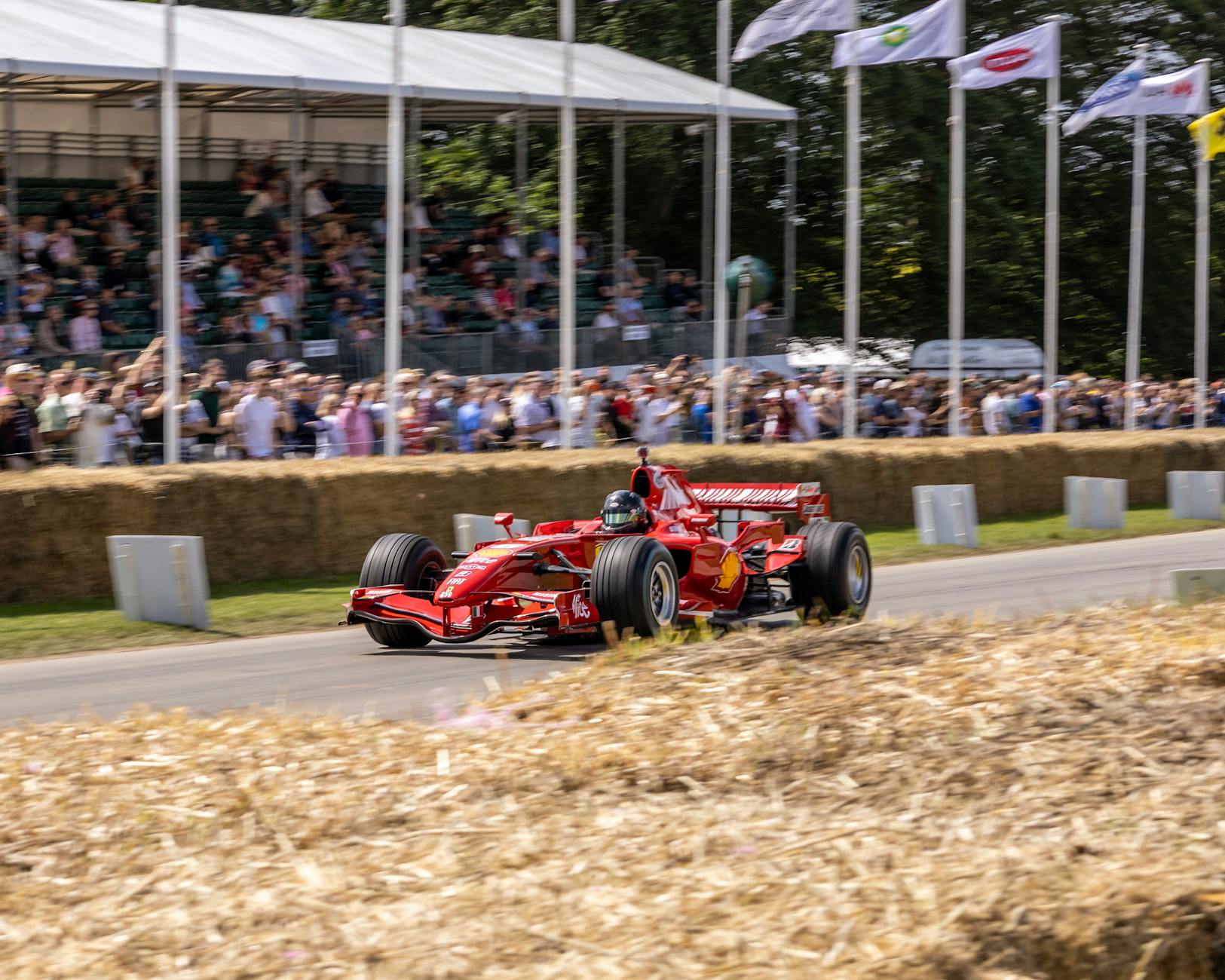
General Admission (GA) tickets give you access to large standing areas around the circuit, usually multiple zones that you can move between across the weekend. They are significantly cheaper than reserved grandstand seats — sometimes less than half the price — and they allow you to experience several different parts of the track. The trade-off is that you will walk a lot, you will not have a guaranteed seat, and at popular circuits the best standing spots fill early. GA is best at circuits with large, well-designed fan zones: Silverstone's Wing Walk, Monza's Parabolica interior, and COTA's General Admission areas are all excellent.
Reserved Grandstand Seats give you a fixed seat with a guaranteed view of a specific section of track. For a three-day weekend, the ability to arrive at your seat, put down your bag, and watch without worrying about your spot is worth a significant amount. Look for grandstands on the outside of fast corners, at overtaking points, or near the start-finish straight. Some specific grandstands to research by circuit:
- Silverstone: Club Corner and Copse grandstands offer views of flat-out corners taken at over 270 km/h.
- COTA: Turn 1 grandstand provides a commanding elevated view of the hairpin where overtaking is common.
- Monaco: Fairmont Hairpin (Turn 8) seats are expensive but offer the closest views on the calendar — cars pass within touching distance.
- Suzuka: The 130R grandstand puts you on the inside of one of the fastest and most photographed corners in motorsport.
Tickets go on sale through the official F1 website and through authorized circuit partners. Many circuits release early-bird allocations six to nine months before the race, and popular venues like Monaco and Silverstone sell out their best grandstands quickly. Set a calendar reminder for the day tickets go on sale — do not wait.
Planning Your Race Weekend: Friday to Sunday
A standard F1 grand prix weekend runs across three days, and each day has a different character and purpose.
Friday consists of two Free Practice sessions (FP1 and FP2). These are lower-intensity sessions where teams gather data and drivers learn the circuit. Crowds are lighter, the atmosphere is more relaxed, and you can often move around the circuit freely — even on GA tickets — to find your preferred viewing spot. Friday is the best day to take your time, explore the fan zones, and learn the circuit layout. It is also a good day to identify exactly which seat or standing spot you want to claim on Sunday.
Saturday brings a third practice session (FP3) in the morning followed by the all-important qualifying session in the afternoon. Qualifying is many fans' favorite session: a one-hour shootout where drivers push the absolute limit of what the car can do over a single timed lap. The crowd builds toward its Saturday peak during Q3, the final segment where the ten fastest drivers compete for pole position. Saturday typically sees the largest crowds and the most compressed transport situation — plan to arrive early.
Sunday is race day. Everything from the morning warm-up period through the support races and the pre-race ceremonies builds toward the standing start. Find your seat at least two hours before the scheduled race start. Transport to and from circuits on Sunday evening is invariably chaotic — accept it as part of the experience and have a plan for where you are eating dinner afterward.
What to Pack for 3 Days at the Track
This is where first-timers most often make expensive mistakes. You will be outdoors, mostly on your feet, for eight to ten hours per day. The conditions vary dramatically by circuit and time of year. Here is what experienced F1 spectators bring:
Weather and Comfort Essentials
- Ear protection: This is non-negotiable. Modern hybrid F1 cars are quieter than the V8 era, but they are still extremely loud in close proximity, especially in enclosed grandstands. Foam ear plugs are the minimum; dedicated motorsport ear defenders give you better protection and make conversation possible.
- Sun protection: At open circuits and during summer rounds, sunburn is a real risk. Pack SPF 50+ sunscreen, a cap or hat, and a lightweight long-sleeve layer. Reapply sunscreen during the day — you will forget.
- Waterproof layer: A compact packable rain jacket takes up almost no bag space and can save a session. Do not leave it in the hotel because the morning looked clear.
- Comfortable footwear: You will walk between three and eight kilometers per day depending on the circuit and how much you explore. Wear trail shoes or well-broken-in sneakers, never sandals or new shoes.
- Reusable water bottle: Most circuits have water refill stations. Staying hydrated across long hot days is the single biggest factor in how you feel by Sunday afternoon.
- Small backpack (20-25L): Most circuits have bag size restrictions. Check the specific circuit rules before packing — anything over roughly 30x20x15cm may be refused at security.
Tech and Power
This is the area that catches even experienced attendees off guard. A Formula 1 race weekend places extreme demands on your phone's battery, and grandstand power outlets are essentially non-existent at the vast majority of circuits.
Consider everything your phone is doing across a single race day: the official F1 app streaming live timing data, lap-by-lap telemetry, and sector times; circuit navigation and interactive track maps to help you find your grandstand or locate food concessions; your camera for several hundred photographs across multiple sessions; messaging with your group if you split up; and the basic background tasks of notifications and signal searching in a dense crowd. On an average modern smartphone, this combination of tasks will drain a full charge somewhere between midday and mid-afternoon — long before the race has finished.
A portable power bank is one of the most important things you can bring to a race weekend. The specific brand or model matters less than the capacity: look for at least 10,000mAh for a single phone across one day, or 20,000mAh if you are running a phone and a camera, or if you plan to share with a companion. Bring the appropriate cables for your devices — USB-C has become the standard, but confirm before you pack. Keep the power bank charged the night before each day at the circuit.
Beyond power, the F1 app itself is worth discussing. The official Formula 1 app (which requires an F1 TV subscription for full live timing access) gives you lap-by-lap position data, gap intervals, tyre compounds in use, and radio messages from drivers to their engineers in near-real-time. Many experienced fans say that following live timing while watching the physical race transforms the experience — you understand what is happening strategically, not just what you can see. Download the app and test it before you leave home. Also download the circuit's own app or offline map, since cell coverage inside packed grandstands is often poor or congested.
Food, Transport, and Accommodation
Food at the circuit is generally expensive and the queues during session breaks are long. Most circuits allow you to bring food in your bag — check the specific rules, but sealed snacks, sandwiches, and sealed drinks containers are typically permitted. Eating at least one meal outside the circuit each day (breakfast before you leave, or dinner after) saves both money and time.
Transport is one of the most overlooked elements of race weekend planning. Most major circuits are not easily accessible by car — parking is limited, expensive, and exits are nightmarish on race day. Research the official shuttle bus and train services before you arrive. For Silverstone, the dedicated race trains from London Marylebone are usually the most practical option. For Monza, the train from Milano Centrale to Monza Sorel station followed by a short walk is standard. For COTA, rideshare pickup from the designated zones is far more reliable than trying to park. Book any transport passes or reserved shuttle spots in advance; do not assume you can sort it on the day.
Accommodation in and around race venues books out months in advance and prices spike dramatically race weekend. The general rule is to book the moment your tickets are confirmed. Consider staying slightly further from the circuit — a 30-minute drive or train ride — to access better value accommodation and quieter evenings. Many dedicated F1 fans prefer to be in the city center rather than a circuit-adjacent hotel, since the city bars and restaurants are where the race atmosphere extends into the evenings.
The Paddock Club and VIP Experiences
The Paddock Club is Formula 1's official hospitality product, operated by the commercial rights holder. It provides access to a hospitality suite positioned above the pit lane, with sightlines down the start-finish straight and into the pit boxes. Included are catered meals, open bar, and the ability to watch pit stops from directly above the action. It is genuinely spectacular — and genuinely expensive, typically running from $1,500 to $5,000 per person per day depending on the circuit.
Individual teams also operate their own hospitality experiences, and some races have circuit-operated premium hospitality areas that sit between the Paddock Club and a standard grandstand seat in terms of price and access. These are worth researching on a per-circuit basis.
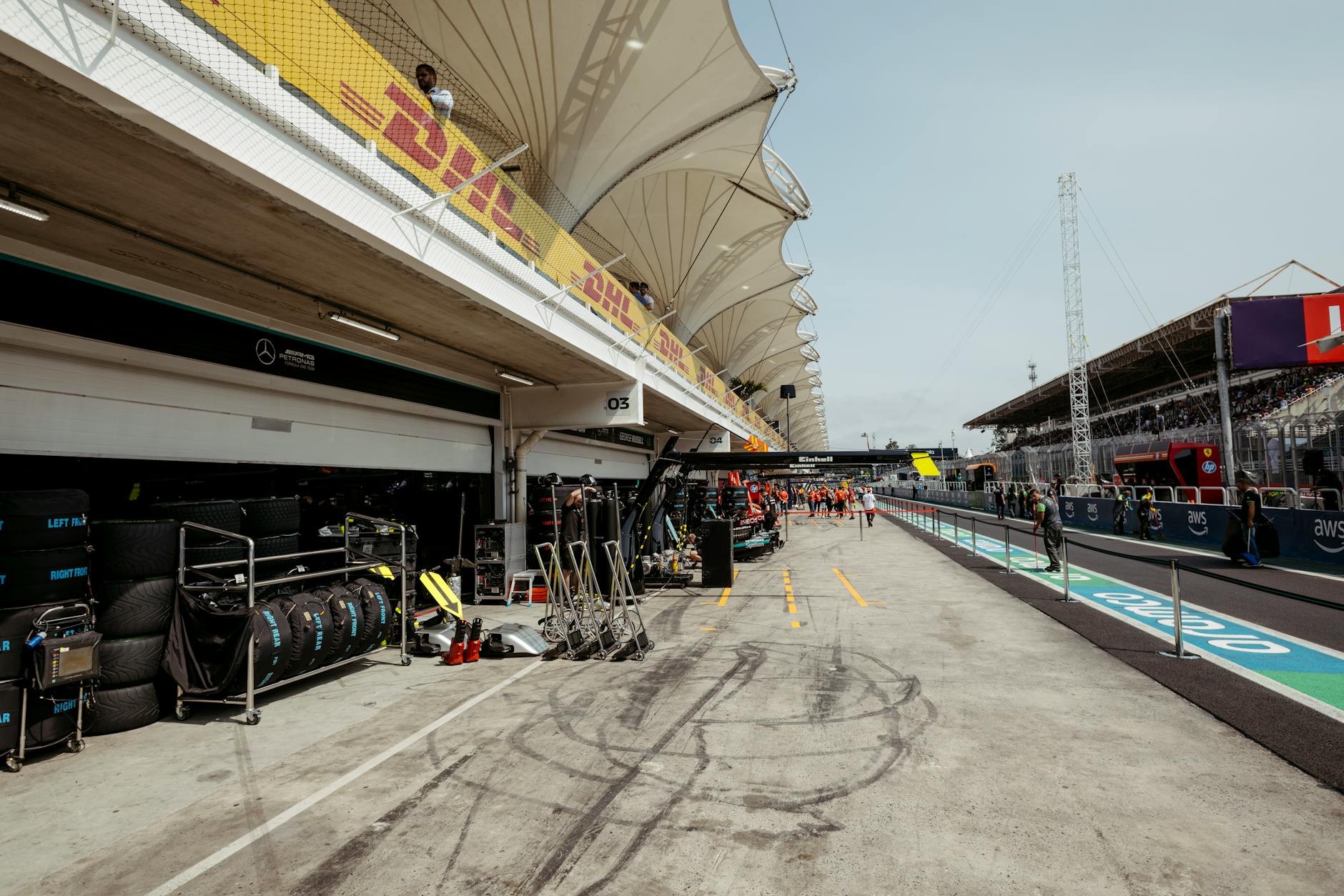
For most fans, the most cost-effective way to see behind the pit lane wall is a pit lane walk — a scheduled period, usually on Friday or Saturday morning, where ticketholders are allowed to walk through the pit lane while cars are in the garages. Not every race offers this, and access varies by ticket type, but check whether your circuit includes it. Walking past the garages and seeing the cars — and occasionally the drivers — at close range is a highlight of any race weekend.
Photography Tips for Race Day
Race-day photography at an F1 circuit requires a different approach than most sporting events. The cars are moving extremely fast, the light conditions change dramatically across a day, and your position in the grandstand determines which shots are possible.
For smartphone photography, use burst mode when a car approaches and review afterward. Many modern phones can track moving subjects, which helps, but the shutter speed limitations of phone cameras mean you will get motion blur at anything below bright sunlight. Shoot during qualifying, when cars pass more predictably on timed laps, rather than trying to capture the blur of the standing start.
If you bring a dedicated camera, a telephoto lens (200mm or longer) is essentially mandatory. A monopod is permitted at most circuits (tripods generally are not) and makes a significant difference for longer focal lengths. Shoot in continuous burst mode, use the fastest shutter speed the light allows (1/1000s minimum, ideally 1/2000s or faster for cars at full speed), and experiment with intentional panning — a slower shutter speed of 1/200s combined with tracking the car as it passes can produce a dramatically blurred background with a sharp car, which conveys speed far more effectively than a frozen image.
Battery management for your camera follows the same logic as your phone: bring spare batteries or a means to charge in the field. A full day of continuous shooting will exhaust most mirrorless camera batteries twice over.
Staying Connected at the Circuit
Cell coverage at major circuits during race weekends is notoriously patchy. Tens of thousands of fans are all trying to use the same limited towers simultaneously, and the result is slow data, failed loads, and apps that time out at exactly the wrong moment. A few strategies help:
- Download everything offline before you arrive. The F1 app's circuit guide, the circuit's own app and maps, and any navigation you might need should be downloaded over wifi the night before. Relying on live downloads inside the venue is unreliable.
- Use a local SIM or dedicated international data plan. If you are traveling internationally, a local SIM card often performs better than roaming, and the cost is usually lower. Some circuits have their own temporary networks — check the circuit app for details.
- Charge every device every night. Your phone, your camera batteries, your portable power bank — all of them go on charge when you return to your hotel, without exception. The morning of race day is not the time to discover your power bank is at 30%.
- Keep the F1 app running in the foreground during sessions rather than backgrounding it, as some devices will throttle background app refresh in crowded signal environments.
Final Race Weekend Checklist
Use this list as a final review the night before each day at the circuit:
Documents and Tickets
- Race tickets (digital or printed — print a backup)
- Photo ID matching the ticket booking name
- Travel insurance documents
- Hotel confirmation and address printed or saved offline
Clothing and Comfort
- Ear defenders or foam earplugs
- Hat or cap
- Sunscreen (SPF 50+) and lip balm
- Waterproof jacket (even on clear days)
- Comfortable, well-worn shoes
- Layers appropriate to the circuit's climate
Food and Drink
- Refillable water bottle (empty — fill after security)
- Snacks and packed lunch if permitted at your circuit
- Cash (some circuits have limited card facilities at concessions)
Tech and Power
- Phone — fully charged, F1 app and circuit maps downloaded offline
- Portable power bank — fully charged (20,000mAh recommended)
- All necessary charging cables (USB-C, Lightning, as required)
- Camera body and lenses, sensor cleaned
- Minimum two fully charged camera batteries, plus charger
- Memory cards formatted and cleared
Transport and Navigation
- Shuttle or train tickets booked and confirmed
- Estimated travel time to circuit (add 30-60 minutes on Sunday)
- Agreed meeting point with your group if you separate
- Emergency contact numbers saved offline
Key Takeaways
Attending a Formula 1 race is one of the great experiences in world sport, but it rewards preparation. The fans who have the best weekends are invariably the ones who researched their grandstand before buying, booked accommodation early, packed for weather they hoped would not arrive, and arrived at the circuit ready to spend eight hours without relying on infrastructure that might not be there.
Choose your race based on the experience you want, not just proximity or ticket price — a well-chosen race at a circuit like Suzuka or Silverstone will stay with you for years. Buy tickets the moment they go on sale. Pack your ear defenders, your sunscreen, and a power bank with more capacity than you think you need. Download every app and map the night before. And when the lights go out and 900 horsepower worth of hybrid power unit launches off the grid three feet in front of you, none of the preparation will feel like effort. It will all feel like it was exactly worth it.