Fragrance Sensitivity and Allergies: Causes, Triggers, and How to Manage Them at Home
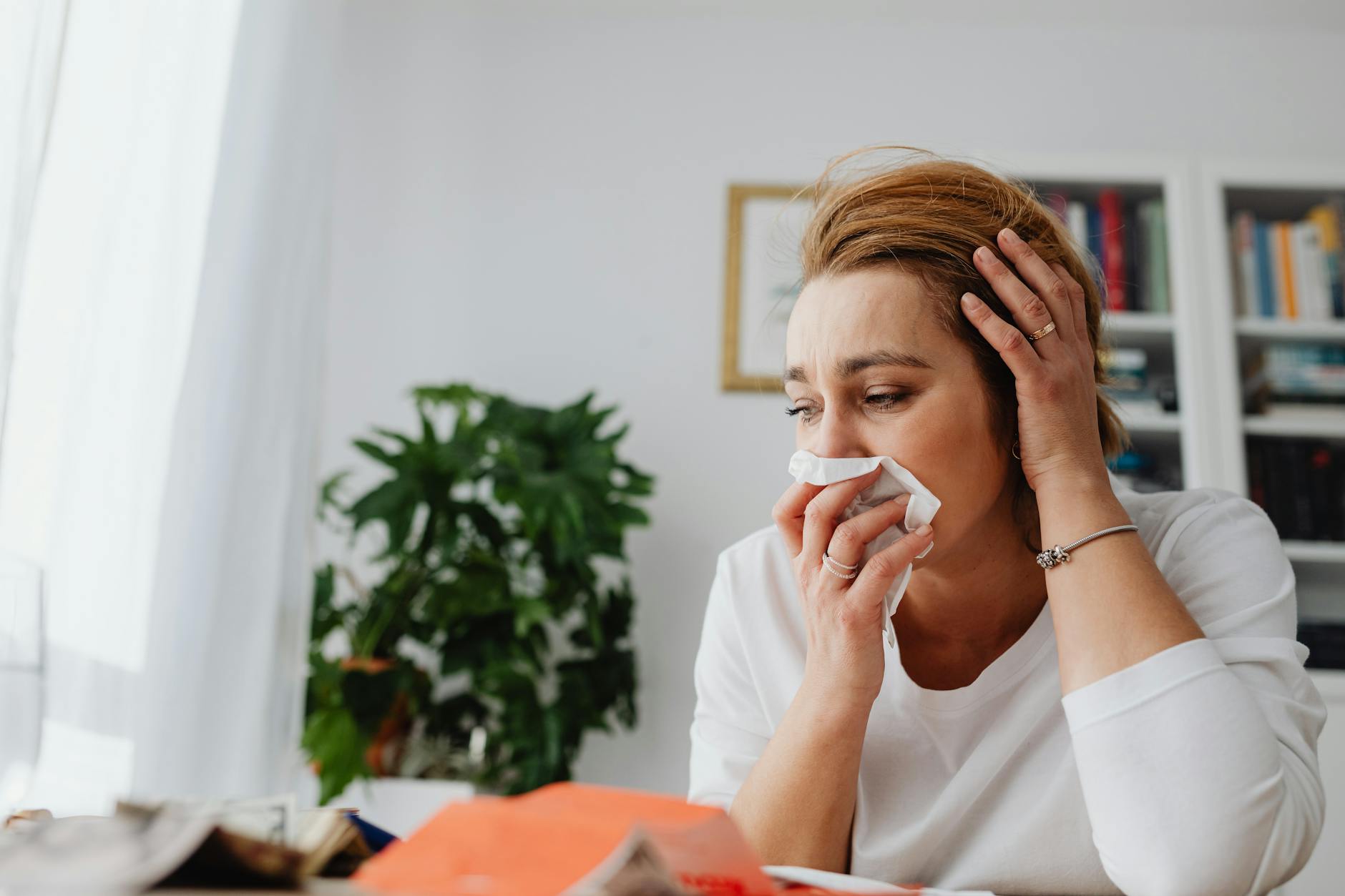
If you've ever walked into a room, caught a whiff of air freshener, and immediately felt a headache building behind your eyes — you are not alone, and you are not imagining it. Fragrance sensitivity symptoms affect an estimated 30% of the US population, yet the condition is widely misunderstood, frequently dismissed by doctors, and rarely taken seriously by the people around those who experience it. That disconnect can feel deeply isolating.
This guide is for anyone who suspects that synthetic fragrance is making them feel unwell. We'll walk through the actual science — without jargon — explain why some people react and others don't, and give you a practical, realistic roadmap for reducing your exposure without dismantling your entire life.
How Common Is Fragrance Sensitivity? The Numbers Are Larger Than Most People Realize
A 2019 population-based study published in the journal Air Quality, Atmosphere and Health by Anne Steinemann found that approximately 32.2% of Americans report adverse health effects from scented products. Of those, 15.1% said the reactions affected their ability to work. Nearly 20% said they left a business quickly because scented products made them ill.
These aren't fringe numbers. What is striking is that fragrance-related illness occupies such a small space in public conversation relative to how many people it affects. Part of the reason is that reactions can be highly individual — one person gets migraines, another gets hives, another coughs — which makes it hard to identify fragrance as the common thread without deliberate investigation.
The fragrance industry uses over 3,000 chemicals to create scent combinations, and because "fragrance" is classified as a trade secret in the United States, manufacturers are not required to disclose individual ingredients on a label. This opacity makes identification and avoidance genuinely difficult, even for motivated individuals.
Fragrance Allergy vs. Fragrance Sensitivity: They Are Not the Same Thing
This distinction matters enormously, both for understanding your own body and for navigating the healthcare system.
A true fragrance allergy is an IgE-mediated immune response. Your immune system classifies a specific fragrance molecule as a threat, produces antibodies, and the next time you encounter that molecule, it triggers mast cells to release histamine and other chemicals. The result is the classic allergic response: hives, swelling, itching, in severe cases anaphylaxis. True fragrance allergies can be confirmed with patch testing by a dermatologist or allergist. Common culprits include linalool (found in lavender and many synthetic florals), limonene (citrus notes), and cinnamal (cinnamon-based compounds).
Fragrance sensitivity, also called chemical sensitivity or sensory intolerance, is a different mechanism entirely. It does not involve IgE antibodies and will not show up on a standard allergy test — which is one reason many sensitive people are told "nothing is wrong" after a blood test. Instead, sensitivity appears to involve the trigeminal nerve system and other chemosensory pathways that detect chemical irritants. Certain volatile organic compounds (VOCs) activate nociceptors — pain-detecting nerve fibers — in the nasal passages, airways, and on the skin, triggering a neurogenic inflammatory response. Think of it less like an allergy and more like a very finely tuned alarm system that has been set to go off at lower thresholds.
Multiple chemical sensitivity (MCS) sits at the more severe end of this spectrum. People with MCS react to extremely low concentrations of many different chemical compounds — not just fragrance — and the condition can be significantly disabling. MCS remains controversial in mainstream medicine partly because its mechanism is not yet fully mapped, but the lived experience of those who have it is not in dispute.
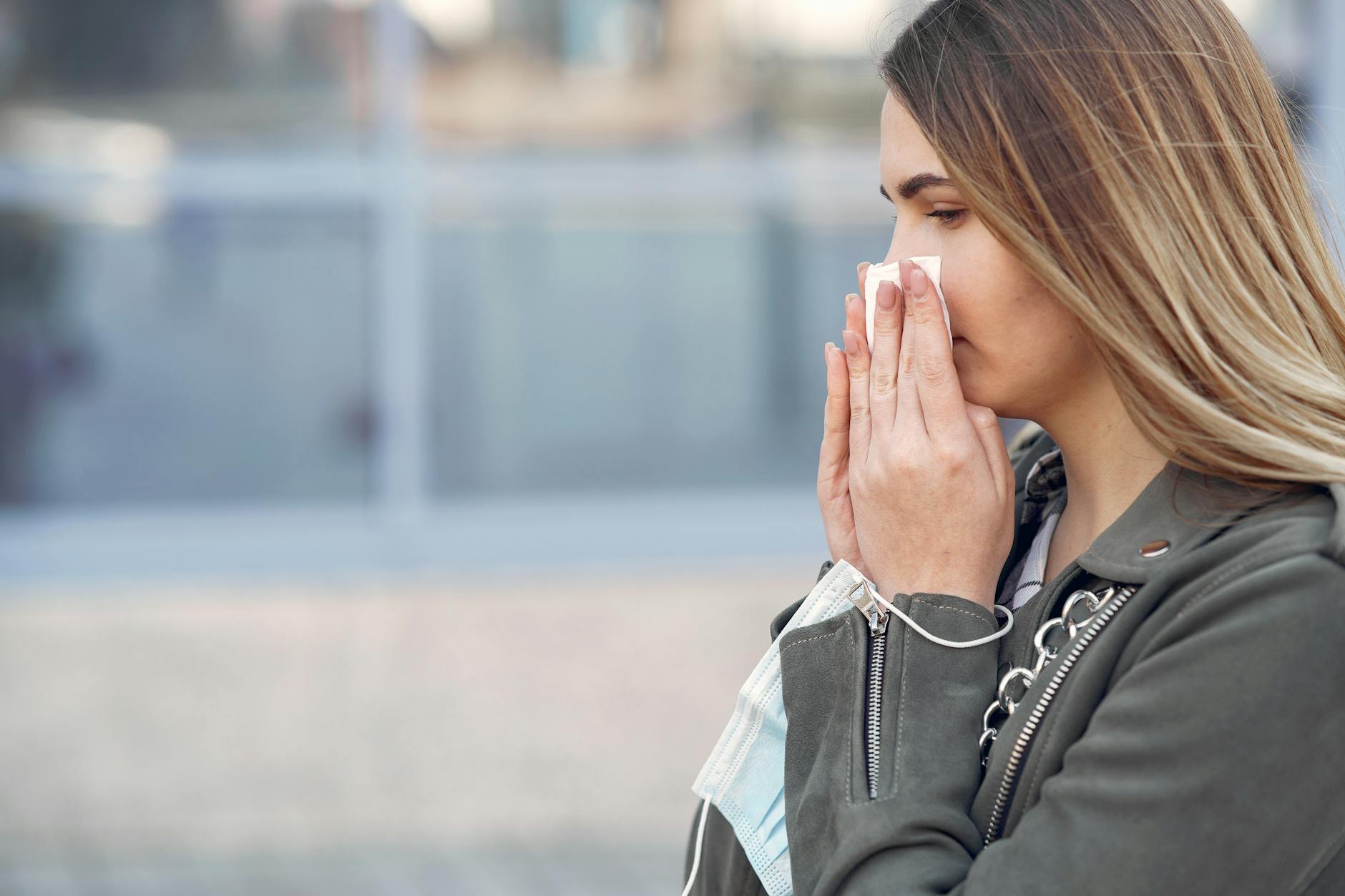
Why Synthetic Fragrance Compounds Trigger Reactions in the Body
Natural botanical scents and synthetic fragrance chemicals are not equivalent, even when they smell similar. The issue is not that synthetic compounds are inherently dangerous in absolute terms — it is that they are volatile, they are inhaled in high concentrations from close-range sources like candles, sprays, and fabric softeners, and many of them have known irritant properties at the airway mucosa.
Several mechanisms are at work simultaneously in a sensitive person.
Direct airway irritation: Compounds like formaldehyde (released during combustion of scented candles), acetaldehyde, and certain terpene oxidation products inflame the mucous membranes of the nose and throat. Inflammation causes swelling, increased mucus production, and triggers cough receptors.
Neurogenic sensitization: Repeated low-level exposures can lower the threshold of sensory nerve fibers over time. This is why many people report that their sensitivity has "gotten worse over the years" — it has, neurologically. Each exposure can incrementally reduce the threshold at which the trigeminal system fires an alarm signal.
Mast cell activation: Even without classic IgE involvement, some fragrance chemicals can directly activate mast cells through non-allergic pathways, releasing histamine and contributing to symptoms that look and feel like allergic reactions but don't show up on allergy panels.
Respiratory smooth muscle response: In people with asthma or airway hyperreactivity, fragrance VOCs can directly trigger bronchospasm. The mechanism here overlaps with scent sensitivity asthma — a well-documented phenomenon in occupational medicine literature, particularly among workers in cleaning, beauty, and manufacturing industries.
Common Symptoms: How to Identify Fragrance as Your Trigger
One of the challenges with fragrance sensitivity symptoms is that they overlap heavily with other conditions — seasonal allergies, migraines, sinus infections, eczema, and anxiety. This overlap routinely leads to misdiagnosis or prolonged diagnostic odysseys.
Symptoms that are characteristically fragrance-related include:
- Headache or migraine that begins within minutes of entering a scented environment
- Nasal congestion, runny nose, or sneezing without other allergy triggers present
- Watery or itchy eyes in indoor environments specifically
- Throat tightening, hoarseness, or the urge to cough near air fresheners, candles, or laundry products
- Shortness of breath or wheezing — a hallmark of scent sensitivity asthma
- Skin flushing, hives, or contact dermatitis where scented products touch the body
- Brain fog, difficulty concentrating, or fatigue after prolonged exposure
- Nausea from strong or enclosed scented environments
The temporal pattern is your most useful diagnostic clue. If symptoms appear within 5–20 minutes of entering a space, ease when you leave, and consistently track back to specific scented products or environments, fragrance is almost certainly involved. Keeping a simple symptom log for two to three weeks — noting time, location, and nearby products — can reveal patterns that would otherwise remain invisible.
The Most Common Offending Chemicals in Home Fragrance Products
You don't need a chemistry degree to protect yourself, but knowing a few names gives you the ability to read labels more intelligently. These are the compounds most frequently implicated in both allergic contact dermatitis and chemical sensitivity reactions:
- Linalool and linalool hydroperoxide — found in lavender, bergamot, and many "fresh" or "clean" scents. Linalool oxidizes when exposed to air, and the oxidation products are more sensitizing than the original compound.
- Limonene and limonene hydroperoxide — derived from citrus peel. Same oxidation issue. Very common in air fresheners and cleaning products.
- Cinnamal (cinnamaldehyde) — one of the most common causes of allergic contact dermatitis from fragrance.
- Eugenol — found in clove, cinnamon leaf, and many oriental fragrance blends.
- HICC (Hydroxyisohexyl 3-cyclohexene carboxaldehyde) — a synthetic muguet (lily-of-the-valley) note that the EU has restricted due to high sensitization rates.
- Benzyl alcohol, benzyl salicylate, and benzyl benzoate — preservatives and fixatives present in many personal care products.
- Formaldehyde-releasing preservatives — not fragrance per se, but often found alongside fragrance in candles and air fresheners that use combustion.
Importantly, "natural" or "essential oil-based" products are not automatically safer. Linalool and limonene are natural terpenes. Many people who react to synthetic fragrance also react to concentrated essential oils. The issue is the molecule, not its origin.
How to Do an Elimination Test in Your Home
Before investing in wholesale changes to your home, a structured elimination test helps you identify which products are your personal triggers, because they vary significantly from person to person.
Step 1: Catalog every scented product in your home. Go room by room. Include laundry detergent, fabric softener, dryer sheets, cleaning sprays, dish soap, candles, diffusers, air fresheners (plug-in and spray), hand soap, shampoo, conditioner, body wash, lotion, deodorant, and any scented bin liners or surface wipes. Most people are surprised by how many there are.
Step 2: Remove them all for two weeks. Replace with fragrance-free or truly unscented versions — check that labels say "fragrance-free," not just "unscented" (unscented products can still contain masking fragrance). Open windows when possible. Note how you feel.
Step 3: Reintroduce one product category at a time, one week apart. Start with the lower-risk categories (fragrance-free laundry detergent is now reintroduced with a light scent, for example). If symptoms return, you've identified a trigger category. Document everything.
This process mirrors a standard elimination diet protocol and has the same strengths and limitations — it requires discipline and a willingness to tolerate some inconvenience, but it produces genuinely actionable information about your own body.
Creating a Low-Irritant Home Environment Without Giving Up All Scent
A fragrance-free home does not have to mean a sterile, joyless space. The goal is reducing total chemical load and replacing high-risk sources with lower-risk alternatives. Here is a practical framework.
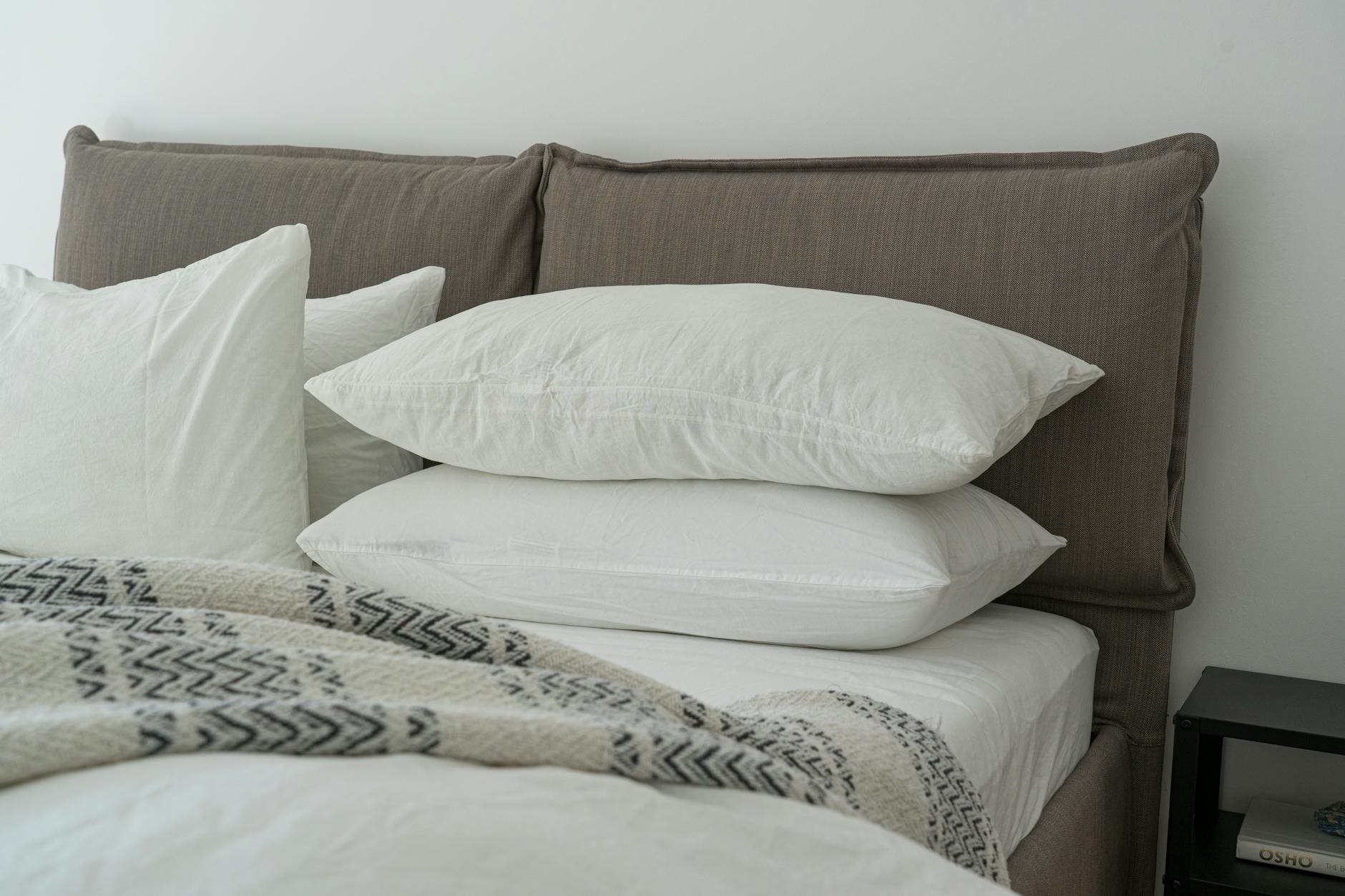
Prioritize the bedroom first. You spend roughly a third of your life there, your airways are most relaxed during sleep, and overnight exposure to laundry fragrance, fabric softener residue, and scented lotions applied before bed can drive a sustained low-grade inflammatory response that accumulates across weeks. Switch to fragrance-free laundry products for bedding and sleep clothing before anything else.
Eliminate spray air fresheners and plug-in diffusers. These are the highest-concentration sources in most homes because they continuously aerosolize fragrance chemicals into the breathing zone. They are also frequently VOC-heavy. Replacing them with ventilation — simply opening windows for 10–15 minutes daily — is more effective at improving indoor air quality than any fragrance product, and costs nothing.
Choose low-risk scent sources if you want some scent. Beeswax or soy candles with no added fragrance have a much lower chemical output than paraffin candles with synthetic fragrance. If you use essential oils, dilute heavily and avoid high-terpene oils like eucalyptus, tea tree, and citrus blends in enclosed spaces. Dried botanicals — lavender sachets, cedar wood blocks, dried citrus peels — release minimal airborne compounds relative to their scent effect.
Improve baseline ventilation. Most people with fragrance allergy at home find their symptoms are significantly worse in the winter when windows stay closed. A HEPA air purifier with an activated carbon filter captures VOCs as well as particulates — the carbon layer is the critical component for chemical sensitivity, not just HEPA filtration alone.
Wash new clothing and bedding before first use. Manufacturing and storage processes deposit fragrance compounds on textiles. A single wash with fragrance-free detergent dramatically reduces residual chemical load.
What to Look for in Fragrance Products If You Are Sensitive
If eliminating all scented products is not realistic for your life — and for most people, it isn't — the following label markers are worth knowing as part of a hypoallergenic home fragrance strategy.
"Fragrance-free" is the gold standard for sensitive individuals, but note that it means no added fragrance compounds, not no scent — some inherently odorous ingredients (like certain plant-based surfactants) will still have a faint smell.
"Hypoallergenic" has no legal definition in the United States and is largely a marketing term. It is not a reliable indicator of safety for sensitive people. Treat it as a soft signal, not a guarantee.
"Dermatologist tested" or "allergy tested" similarly carries no standardized regulatory weight. These claims can be made based on very limited patch test panels.
What is most useful: products that fully disclose their ingredient list (including fragrance components) and those that carry certification from organizations like MADE SAFE or are certified under the EU Allergen Disclosure framework, which requires individual fragrance allergens above 0.01% to be listed by name.
When in doubt, fewer ingredients is almost always safer for sensitive individuals. A product with five clearly labeled, simple ingredients carries lower total chemical risk than a product with twenty ingredients and "fragrance" listed as one of them.
Managing Fragrance in Shared Spaces: Offices, Rentals, and Social Situations
The hardest part of living with fragrance sensitivity symptoms is that you cannot control other people's environments. You can manage your home; you cannot easily manage a coworker's perfume, a hotel room saturated with air freshener, or a host who has just lit every candle in the house.
Some practical approaches that preserve relationships and your wellbeing simultaneously:
In workplaces, many jurisdictions now recognize fragrance sensitivity as a disability accommodation trigger under frameworks similar to the Americans with Disabilities Act. A growing number of employers have adopted fragrance-free workplace policies at the request of employees with documented sensitivity or asthma. Framing the conversation in terms of respiratory health — rather than preference — typically leads to more productive outcomes. Having a letter from a physician describing your condition strengthens any formal accommodation request.
In hotels and rentals, contact the property before booking. Ask specifically whether rooms are treated with air fresheners, scented sprays, or heavily fragranced cleaning products. Request a room that has been recently ventilated. Bring your own fragrance-free toiletries to avoid contact with hotel products. A small HEPA/carbon filter travel unit can meaningfully reduce the chemical load in a hotel room within a few hours of arrival.
In social situations, honesty — delivered without drama — is usually the most effective approach. Most people do not intend to cause others distress with their perfume or candles. A simple, matter-of-fact explanation ("I have a chemical sensitivity that gives me bad headaches — would you mind if we opened a window?") lands far better than suffering in silence or making a scene.
For acute exposure situations — a meeting room that smells strongly of air freshener, a store you need to be in briefly — a simple N95 mask filters a meaningful portion of airborne particulates and some larger VOC molecules. It won't eliminate exposure, but it reduces the dose, which matters for threshold-sensitive reactions.
Key Takeaways
- Fragrance sensitivity is not rare — roughly one in three Americans experiences adverse effects from scented products.
- Sensitivity and allergy are biologically different. Standard allergy tests will not detect fragrance sensitivity; the mechanism is neurogenic and irritant-based, not antibody-based.
- The most common triggers include linalool, limonene, cinnamal, and eugenol — found in both synthetic and natural fragrance sources.
- Symptoms follow a consistent temporal pattern — they begin shortly after entering a scented environment and ease when you leave. A symptom log is your best diagnostic tool.
- An elimination test at home — removing all scented products for two weeks, then reintroducing one category at a time — is the most practical way to identify your personal triggers.
- Bedroom and laundry products are the highest-priority targets for a fragrance free home makeover due to the duration and intimacy of exposure.
- "Fragrance-free" is meaningful; "hypoallergenic" and "unscented" are not reliably so — read full ingredient lists.
- You can enjoy some low-risk scent in your environment — dried botanicals, diluted essential oils in well-ventilated spaces, unscented beeswax candles — without triggering reactions, once you know your threshold.
- Shared spaces require communication, but fragrance sensitivity is increasingly recognized as a legitimate health accommodation in workplaces and public environments.
A note on seeking care: If your symptoms are severe, significantly affect your quality of life, or include respiratory symptoms like wheezing, it's worth consulting a physician — ideally one familiar with environmental or occupational medicine, or a board-certified allergist who can perform patch testing. Bringing a detailed symptom log to that appointment will make the conversation far more productive than arriving without documentation.