Golden State Warriors: Complete Fan Guide to History, Players, and How to Follow the Team
The Golden State Warriors are one of the most recognizable franchises in professional basketball. From a scrappy team that bounced between Philadelphia and the San Francisco Bay Area, the Warriors evolved into a dynasty that redefined how the game of basketball is played. Whether you are a brand-new fan trying to understand what the fuss is about or a casual follower who wants to go deeper, this guide covers everything — franchise history, championship eras, golden state warriors players 2026, how to watch NBA games, Chase Center, and the team's unique identity.
Franchise History: From Philadelphia to the Bay Area
The Warriors were founded in 1946 as the Philadelphia Warriors, one of the original members of the Basketball Association of America — the league that would become the NBA. The team won its very first championship in 1947, with star center Joe Fulks leading the way. A second title followed in 1956, when Paul Arizin and Neil Johnston powered Philadelphia to the championship.
In 1962, the franchise relocated to San Francisco, bringing NBA basketball to the West Coast for the first time. The team initially struggled in its new home, but the 1960s did produce one significant milestone: Wilt Chamberlain's famous 100-point game on March 2, 1962, while still a Warrior. It remains the single-game scoring record in NBA history.
The franchise settled in Oakland in 1971 and officially became the Golden State Warriors — a name chosen to represent the entire state of California rather than a single city. Their third championship came in 1975 under coach Al Attles, led by forward Rick Barry, one of the most gifted scorers of his era. That team went 48-34 in the regular season and then stunned the heavily favored Washington Bullets four games to none in the Finals.
A long drought followed. For the next four decades, the Warriors became known more for front-office dysfunction than winning basketball. That all changed when the franchise struck gold in the draft.
The Steph Curry Dynasty: 2015 to 2022
The modern Warriors story begins with the 2009 NBA Draft, when Golden State selected Stephen Curry out of Davidson College with the seventh overall pick. At the time, scouts questioned whether his slight frame could hold up in the NBA. Those doubts aged poorly.
Klay Thompson arrived in 2011 via the draft, and by 2012, the Curry-Thompson duo — soon nicknamed the "Splash Brothers" for their extraordinary long-range shooting — was already drawing attention. Draymond Green arrived in 2012 as a second-round pick who defied every expectation of his draft slot, becoming an elite defender, playmaker, and the strategic heart of the team.
The 2014-15 season was when everything came together. Under first-year head coach Steve Kerr — himself a five-time champion as a player — the Warriors finished 67-15 and captured the NBA Championship, their first title in 40 years. Curry won his first MVP award that season. The following year, he became the first unanimous MVP in NBA history after leading a team that went 73-9, the best regular season record in league history at the time.
The addition of Kevin Durant in 2016 pushed the Warriors into another tier entirely. They won back-to-back championships in 2017 and 2018. Though Durant departed for Brooklyn after the 2019 season, Golden State regrouped and won a fourth championship in 2022, with Curry earning Finals MVP for the first time in his career — finally silencing any remaining doubt about his place among the all-time greats.
In total, the Warriors won four NBA championships between 2015 and 2022, appeared in six consecutive Finals from 2015 through 2019, and fundamentally changed basketball strategy at every level of the game. The emphasis on three-point shooting, ball movement, and position-less defense that Warriors basketball popularized is now the template every team in the league attempts to follow.
Golden State Warriors Players in 2026: Current Roster Overview
The 2025-26 Warriors basketball season represents a team in transition. Stephen Curry, now 37 years old, remains on the roster and continues to be one of the most effective offensive players in the league — a remarkable testament to his conditioning, shooting mechanics, and basketball IQ. His ability to create space and score from anywhere on the floor has not meaningfully diminished.
Draymond Green, 35, is still the team's defensive anchor and the player who controls game tempo more than any other Warrior. His passing, positioning, and ability to guard multiple positions make him difficult to replace regardless of age. Together, Curry and Green represent the last active links to the championship core.
The team has invested heavily in younger talent around that veteran nucleus. Jonathan Kuminga, one of the most athletically gifted forwards in the league, has developed into a reliable scorer and versatile defender. Moses Moody has matured into a two-way wing capable of contributing meaningful minutes. The front office has also made a series of moves to build the supporting cast around these pillars, including bringing in experienced veterans to fill perimeter shooting and rim protection roles.
The 2025-26 season marks a defining moment for the franchise — a team competing with established veterans while simultaneously developing the next generation of core players. Golden State has not announced any sweeping roster overhaul, and Curry's continued presence means championship contention remains a realistic goal rather than a distant hope.
For the most current and accurate golden state warriors players 2026 roster information, including trade deadline moves and injury updates, the official Golden State Warriors website and the NBA's official roster pages are the most reliable sources.
Chase Center: The Warriors' Home in San Francisco
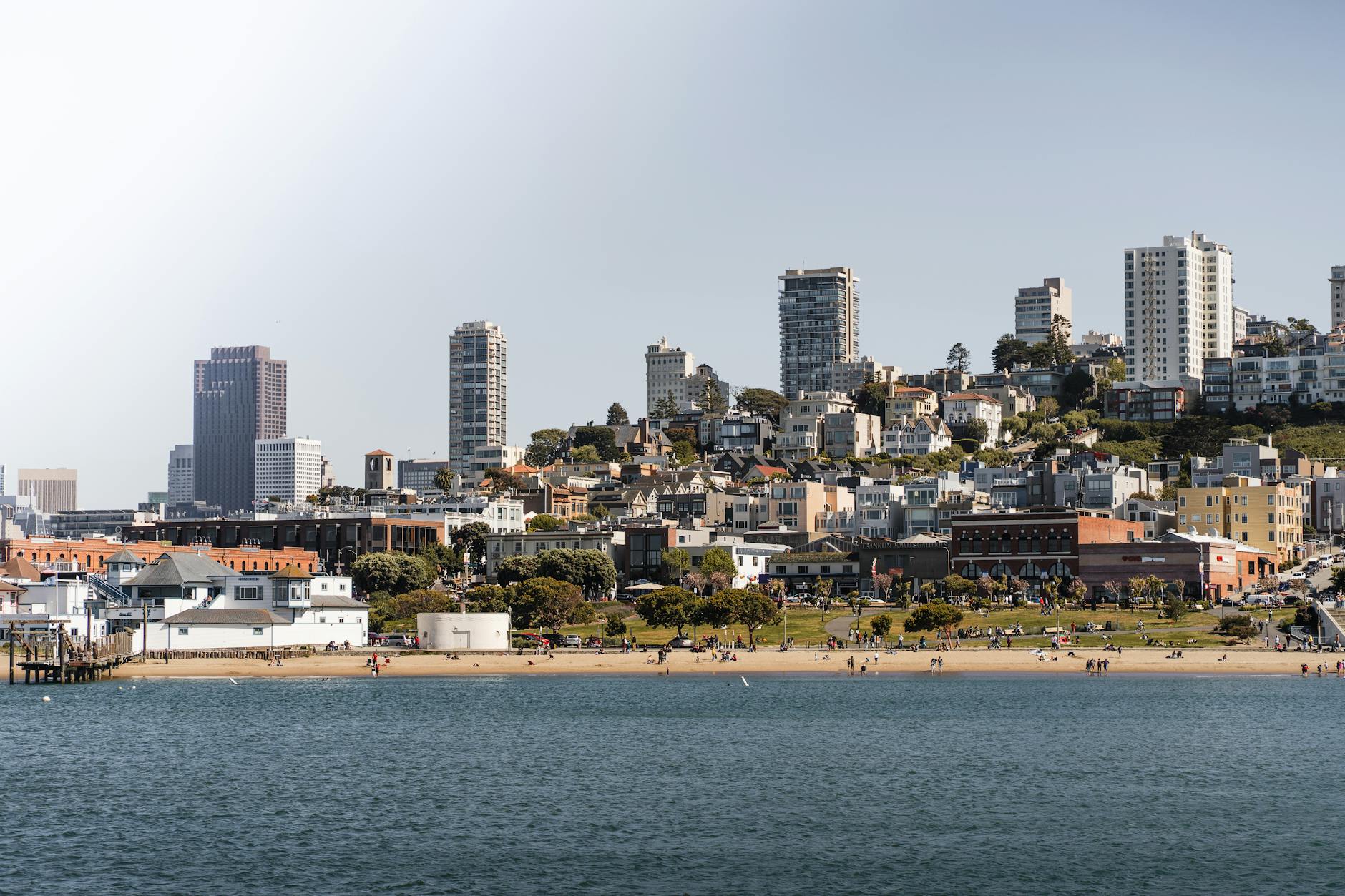
The Golden State Warriors moved into Chase Center in San Francisco's Mission Bay neighborhood at the start of the 2019-20 season. The arena cost approximately $1.4 billion to build and was privately financed — one of the few major sports venues in recent American history built without public subsidy.
Chase Center seats 18,064 for basketball and offers one of the most modern fan experiences in professional sports. The arena sits on the San Francisco waterfront, just south of AT&T Park (Oracle Park), and is easily accessible via the Muni T line and ferry. The surrounding Thrive City development includes restaurants, bars, retail, and outdoor gathering spaces that activate on game nights even for fans without tickets inside the arena.
For visitors attending an NBA game at Chase Center, parking in the Mission Bay area is limited and expensive. The team strongly recommends public transit, rideshare, or the Chase Center ferry service on game nights. Gates typically open 90 minutes before tip-off, and arriving early allows fans to watch warm-ups and explore the arena's food and merchandise options.
Tickets for Warriors games range from affordable upper-level seats on secondary markets to premium courtside experiences. The team's dedicated fan base means that popular matchups — especially against the Lakers, Celtics, or other marquee opponents — sell out quickly. Planning ahead and purchasing tickets through the official Warriors or NBA ticketing channels is the safest approach.
How to Watch Warriors Basketball: TV, Streaming, and NBA League Pass
Local fans in the San Francisco Bay Area can watch the majority of Warriors games on NBC Sports Bay Area, the team's regional broadcast partner. Select nationally televised games air on ESPN, ABC, and TNT throughout the season, with the NBA Finals broadcast on ABC.
For fans outside the local broadcast market — or cord-cutters — NBA League Pass is the primary way to watch Warriors basketball. The subscription service, available through the NBA's official website and app, offers both live and on-demand access to every out-of-market game. NBA League Pass integrates with Apple TV, Roku, Amazon Fire TV, smart TVs, and mobile devices, making it accessible on virtually any screen.
Amazon Prime Video holds rights to a selection of NBA games each season under a broadcast deal, so Prime subscribers may find certain Warriors matchups available there as well. Peacock and ESPN+ have also carried NBA content in recent seasons as the league's broadcasting arrangements have expanded across streaming platforms.
For fans traveling internationally, NBA League Pass is available in most countries, though local blackout rules may apply. Checking the NBA's official site for regional availability is the most reliable way to confirm access before subscribing.
Warriors Style of Play: What Makes Golden State Basketball Unique
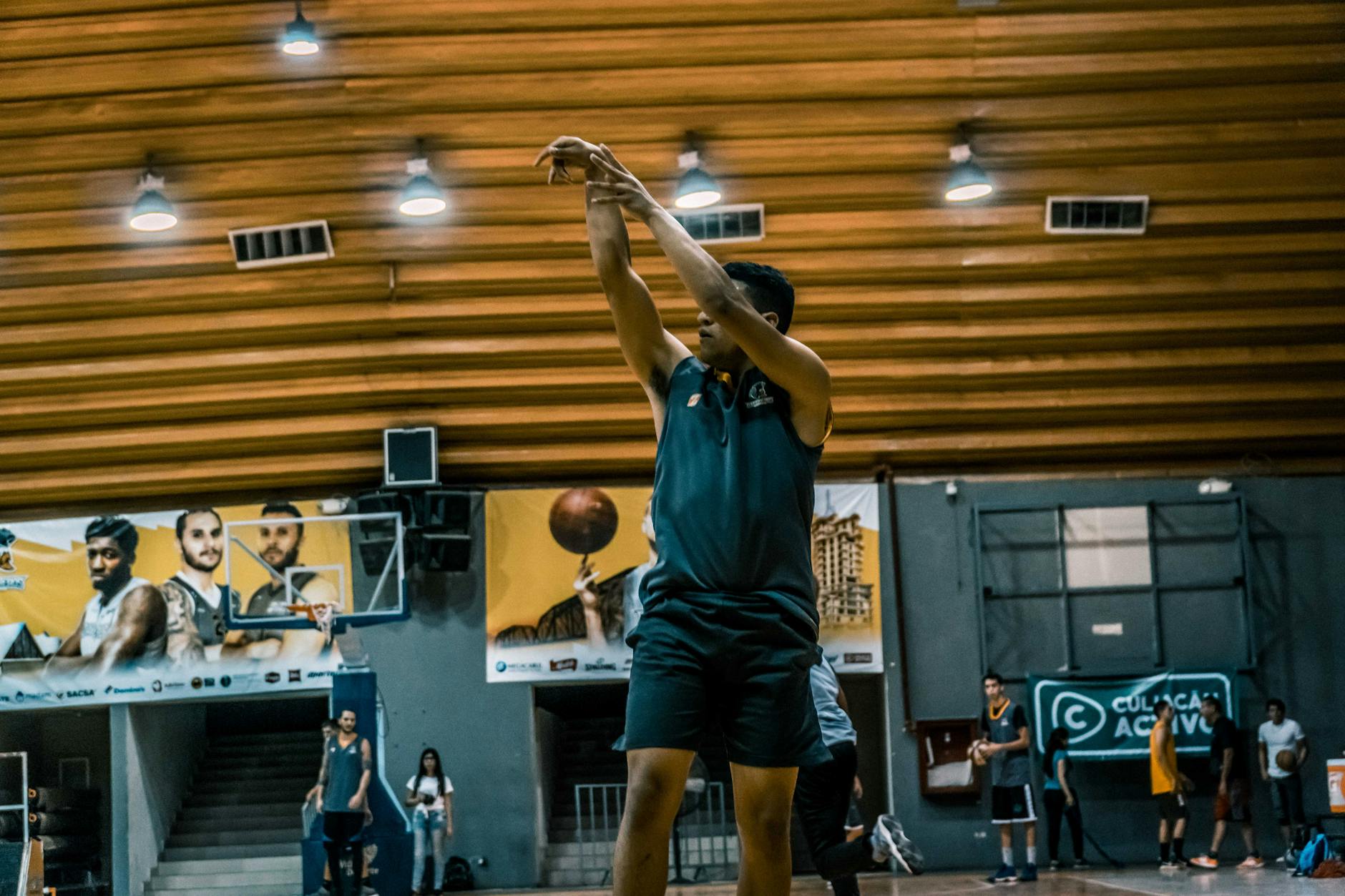
Even a casual viewer quickly notices that Warriors basketball looks different from most NBA teams. The offensive system is built on constant movement — players cutting, screening off the ball, and relocating to open space rather than standing and watching an isolation play develop. The ball moves quickly and often, with the goal of generating either an open three-point shot or a high-percentage look near the rim.
Stephen Curry's shooting range is the engine that makes the entire system work. Because defenders must guard him from 30 or more feet away, driving lanes and post-up opportunities open up for teammates. This is often described as "gravity" in basketball analytics circles — a shooter so dangerous that his mere presence on the floor creates advantages for others even when he does not have the ball.
Defensively, the Warriors under Steve Kerr and his staff have consistently deployed switching schemes that allow versatile defenders like Draymond Green to guard multiple positions without giving up advantages. The system rewards basketball IQ and communication over raw athleticism, which is part of why the team has remained competitive even as its roster has aged.
The Warriors also popularized the "death lineup" — a small-ball configuration that places non-traditional centers on the floor to maximize spacing and ball movement. This approach has been widely copied across the league and represents one of the most lasting tactical contributions of the Warriors dynasty era.
Historic Rivalries: Lakers, Cavaliers, and Beyond
The Warriors' most prominent rivalry of the dynasty era was with the Cleveland Cavaliers. The two teams met in four consecutive NBA Finals from 2015 to 2018, a run unprecedented in modern NBA history. LeBron James led the Cavaliers to the title in 2016 — the lone Warriors Finals loss of that stretch — before Golden State won the next two. The Curry vs. LeBron narrative dominated sports media for years and remains one of the defining storylines of the decade in professional basketball.
The rivalry with the Los Angeles Lakers carries different weight — more historical than competitive in recent years, but electric whenever the two teams meet. The Lakers and Warriors are the two most valuable franchises in the NBA and represent the league's two biggest media markets in California. Any matchup between them draws outsized national attention regardless of each team's record.
Boston Celtics fans also carry a particular antipathy toward the Warriors stemming from the 2022 NBA Finals, where Golden State defeated Boston four games to two to claim the championship. That series renewed a rivalry that dates back to the Bill Russell era, when the two franchises defined the NBA's early decades.
Warriors Fan Culture and Community
Warriors fans have a reputation as some of the most knowledgeable and vocal in the NBA. The Oracle Arena years — when the team played in Oakland from 1971 through 2019 — produced a crowd atmosphere that visiting teams consistently cited as among the loudest and most intimidating in the league. The move to Chase Center brought a glossier, more corporate atmosphere that some longtime fans have noted as a shift, though the passion for the team itself has never wavered.
The Warriors' official fan community, the "Dub Nation," is active across social media platforms including Twitter/X, Instagram, and Reddit (the r/warriors subreddit is one of the most active team-specific communities on the platform). The team's social channels post regular updates, behind-the-scenes content, and game highlights, making it easy for new fans to stay connected with the team's daily rhythms throughout the season.
Merchandise — jerseys, hats, hoodies — bearing the Warriors' royal blue and gold colors is among the best-selling in the NBA. The team's global reach, built largely on the Curry-Thompson-Green dynasty years, means Warriors gear is recognizable from San Francisco to Seoul.
Frequently Asked Questions About the Golden State Warriors
Key Takeaways
The Golden State Warriors are far more than a recent dynasty — they are one of the oldest franchises in professional basketball, with a history stretching back to 1946 and championship pedigree that predates the modern NBA by decades. The team's transformation from a struggling Oakland franchise into a globally recognized brand happened through smart drafting, player development, and a coherent basketball philosophy that prioritized skill, movement, and shooting over traditional size-based approaches.
For new fans, the entry points are clear: Steph Curry's shooting is the most astonishing individual skill in the sport, Draymond Green is one of the most interesting basketball minds on any court, and the system Steve Kerr has built rewards watching the game holistically rather than just tracking the ball. Warriors basketball rewards attention — the more you watch, the more you appreciate what makes it work.
Chase Center gives the team a world-class home on the San Francisco waterfront. NBA League Pass makes it easy to follow the team from anywhere in the world. And with Curry still active, every game carries the possibility of witnessing something that nobody in basketball history has done quite like him.