Heart Rate Variability Explained: The One Number That Predicts Your Stress and Recovery
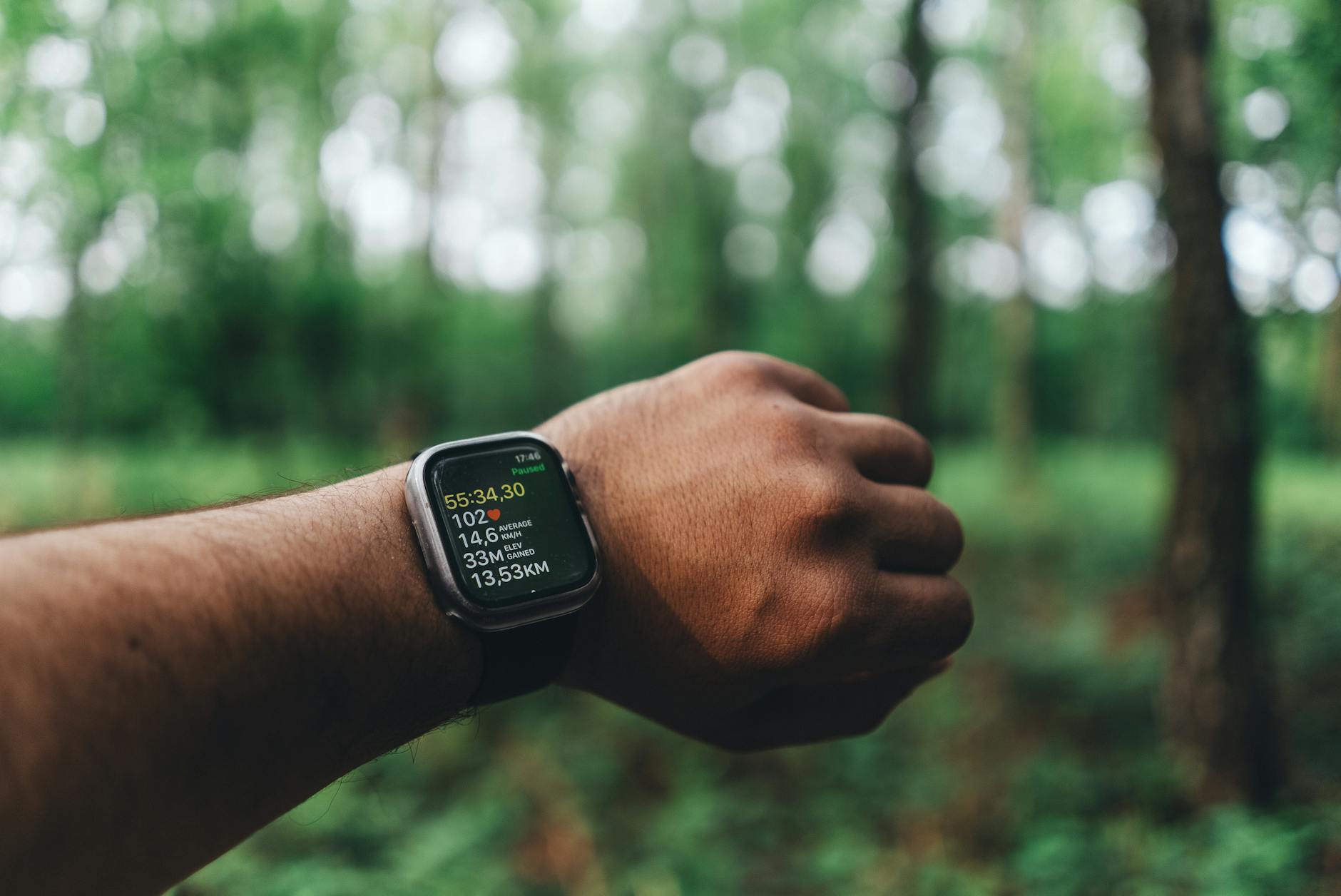
You wake up, glance at your Oura Ring app, and see an HRV score of 28. Yesterday it was 54. Nothing feels dramatically different — you slept seven hours, had a normal evening, maybe one glass of wine. So what just happened, and should you be concerned?
Heart rate variability is one of the most powerful biomarkers your wearable captures, yet it remains one of the least understood. Most people know their resting heart rate in an instant, but HRV — the number that arguably tells you far more about how your body is coping — gets scrolled past or ignored entirely. This guide changes that. By the end, you'll know exactly what HRV meaning translates to in everyday life, why a low score is your nervous system waving a flag, and the evidence-backed strategies that genuinely move the number in the right direction.
What Is Heart Rate Variability, Really?
Your heart does not beat like a metronome. Even at rest, the interval between consecutive heartbeats fluctuates — sometimes by milliseconds, sometimes more. Heart rate variability is simply the measure of that fluctuation. If your heart beats every 900 ms, then 870 ms, then 940 ms, then 890 ms, there is meaningful variation. If every beat lands like clockwork at exactly 900 ms, variation is near zero.
Counter-intuitively, more variation is better. A highly variable heart is a flexible, responsive heart — one that can quickly ramp up to handle a sprint, a stressful meeting, or a heavy meal, and just as quickly return to a calm baseline. A rigid, clock-like heart is a sign that the autonomic nervous system has lost its fine-tuning ability.
HRV is measured in milliseconds and reported through several mathematical methods. The most common is RMSSD (root mean square of successive differences), which is what most consumer wearables — Oura Ring, Whoop, Garmin, Apple Watch — calculate behind the scenes. The number you see on your app dashboard is typically a processed version of this figure, sometimes smoothed over several nights for a stable trend.
HRV and the Autonomic Nervous System: Why the Vagus Nerve Is Central
To understand HRV meaning at a deeper level, you need a brief look at the autonomic nervous system (ANS). The ANS runs on two opposing branches:
- Sympathetic ("fight or flight"): speeds the heart, sharpens focus, mobilises energy. Dominant during stress, exercise, and perceived danger.
- Parasympathetic ("rest and digest"): slows the heart, lowers blood pressure, promotes repair and digestion. Dominant during sleep, calm, and recovery.
HRV is primarily a readout of parasympathetic tone — specifically, the activity of the vagus nerve, the longest cranial nerve in the body. The vagus runs from your brainstem down through your heart, lungs, and gut, carrying constant two-way signals between your brain and your organs. When vagal tone is high, it applies a rhythmic "brake" to the heart, creating the beat-to-beat variation that translates into a healthy HRV score.
This is why HRV and vagus nerve health are inseparable concepts. Anything that strengthens vagal tone — deep breathing, cold exposure, meditation, regular aerobic exercise — tends to raise HRV. Anything that suppresses it — chronic stress, poor sleep, alcohol, inflammation — pulls the number down.
Think of your HRV score as a daily readout of how well your parasympathetic nervous system recovered overnight. It is not just a fitness metric. It is a window into your stress load, immune function, and emotional resilience.
What "Low HRV" Actually Signals
There is no single universal "good" HRV number. Scores vary enormously by age, sex, fitness level, and individual genetics. A 25-year-old elite endurance athlete might average 90–120 ms; a sedentary 55-year-old might average 20–35 ms. Both could be completely normal for that person. This is why wearable companies build personalised baselines — your trend relative to your own average matters far more than the raw number.
That said, low HRV symptoms (meaning: a score significantly below your personal baseline) are consistently linked with:
- Accumulated physical fatigue or overtraining
- Acute or chronic psychological stress
- Poor or fragmented sleep
- Recent illness or early-stage infection
- Alcohol consumption the night before (even moderate amounts)
- Systemic inflammation from diet, injury, or environmental factors
- Dehydration
When you consistently see low readings over multiple days, your nervous system is telling you it has not fully recovered. Pushing hard — whether in a gym, a high-pressure workweek, or an emotionally demanding period — without adequate recovery keeps the sympathetic branch perpetually dominant. Over time, this sustained sympathetic overdrive is associated with burnout, impaired immune response, cardiovascular strain, and mental health challenges.
The practical takeaway: a low HRV score is not a diagnosis, it is a signal. It prompts the question — what stressor has the nervous system been absorbing?

How to Read Your HRV Score Without Obsessing Over It
One of the biggest mistakes wearable users make is treating HRV as a daily pass/fail test. This leads to anxiety on low-score mornings — which, ironically, further suppresses HRV. A healthier framework involves three layers of interpretation:
1. Your rolling baseline. Most apps calculate a 7–30 day average. This is your personal "normal." Single-day deviations are common and often explainable by yesterday's activities. Focus on the trend over weeks, not the number this morning.
2. Direction of travel. Is your baseline trending upward over months? That generally reflects improving cardiovascular fitness, better sleep habits, and reduced chronic stress. Downward trend over several weeks? Worth investigating the lifestyle inputs.
3. Contextual spikes and dips. Knew you were out late on Saturday? Had a hard interval workout on Thursday? Got a stressful phone call Friday afternoon? Map those events to your scores. Over time, you learn exactly which inputs move your number — and by how much. This self-knowledge is the real value of HRV tracking.
How to Improve HRV: Evidence-Based Strategies
The good news is that heart rate variability is highly trainable. It responds to consistent lifestyle inputs over weeks and months. The following strategies have the strongest evidence base for raising HRV in non-athletes and everyday wearable users alike.
1. Prioritise Deep, Consistent Sleep
The majority of HRV recovery happens during slow-wave (deep) and REM sleep. Research consistently shows that both total sleep duration and sleep quality are among the strongest predictors of next-morning HRV. Going to bed at a consistent time — even on weekends — prevents circadian disruption that fragments these restorative sleep stages. Avoid screens and stimulating content for at least 45 minutes before bed, keep the room cool (around 18–19°C / 65–67°F), and limit caffeine after early afternoon.
2. Build a Regular Aerobic Exercise Base
Consistent moderate-intensity aerobic exercise is one of the most reliable long-term HRV boosters. A meta-analysis published in Frontiers in Physiology found that regular endurance training significantly increases both resting HRV and vagal tone over 8–12 weeks. The key word is "regular" — acute intense exercise temporarily suppresses HRV (this is normal and expected). It is the adaptation between sessions that raises your baseline. Aim for 150+ minutes per week of zone 2 cardio: a pace where you can hold a conversation but feel your breathing elevate.
3. Practice Slow, Controlled Breathing
This is one of the fastest-acting HRV interventions available — and it is completely free. Resonance breathing, also called HRV biofeedback, involves slowing your breath to approximately 5–6 breaths per minute (roughly a 5-second inhale, 5-second exhale). At this pace, breathing naturally synchronises with heart rate oscillations in a phenomenon called respiratory sinus arrhythmia, which directly amplifies vagal tone. Even 10 minutes of slow breathing daily has been shown in clinical trials to raise resting HRV over 4–8 weeks. Apps like Othership, Insight Timer, or even a simple box-breathing timer make this easy to practice.
4. Manage and Reduce Chronic Stress
HRV and stress are tightly coupled. Psychological stress activates the sympathetic branch and inhibits the parasympathetic — and unlike acute physical stress (which resolves after exercise), psychological stress often lingers chronically without resolution. Meditation and mindfulness practices have a meaningful evidence base for improving HRV, particularly when practised consistently. A 2018 study in Scientific Reports found that even brief daily mindfulness practice increased HRV over 8 weeks compared to a control group. Journaling, therapy, nature exposure, and social connection are also genuinely HRV-positive activities — not just wellness clichés.
5. Limit Alcohol and Inflammatory Inputs
Alcohol is one of the most potent acute suppressors of HRV. Even two drinks in the evening can reduce next-morning HRV by 20–30% in some individuals. Alcohol disrupts deep sleep architecture, elevates resting heart rate overnight, and triggers an inflammatory response — all of which hammer vagal tone. Ultra-processed foods, chronic sugar overconsumption, and systemic inflammation from any source (gut dysbiosis, untreated infections, environmental toxins) also correlate with persistently low HRV. Eating an anti-inflammatory diet rich in whole foods, omega-3 fatty acids, and fibre supports the gut-vagus axis that underpins HRV.
6. Vagus Nerve Stimulation Techniques
Given that HRV is largely a proxy for vagal tone, practices that directly stimulate the vagus nerve can move your score. Beyond breathing and meditation (both of which activate the vagus), evidence-supported techniques include:
- Cold water exposure: Splashing cold water on your face or ending a shower with 30–60 seconds of cold activates the diving reflex, a vagally mediated response that slows heart rate and can lift HRV.
- Humming, singing, or gargling: These engage the vagal branches running through the throat and larynx, providing a low-effort stimulation effect.
- Massage and bodywork: Physical manipulation of the neck, face, and upper chest areas where vagal branches run close to the surface can increase parasympathetic activity.
- Non-invasive vagus nerve stimulation (nVNS) devices: A growing category of consumer wellness devices uses gentle electrical stimulation at the ear (auricular branch) or wrist to stimulate the vagus nerve. Research in this space is still emerging, but early clinical data suggests modest HRV improvements with consistent use.
HRV Across Different Wearable Platforms: What You're Actually Seeing
A quick note on platform differences, since many readers track HRV across more than one device:
Oura Ring measures HRV during sleep using an infrared photoplethysmography (PPG) sensor. It calculates RMSSD from the overnight window and presents a nightly average alongside a trend line. Its sleep-state measurement is considered highly accurate for a consumer device.
Whoop also measures overnight RMSSD and builds a rolling 30-day baseline. Its "Recovery Score" is a composite that weights HRV heavily alongside resting heart rate and sleep performance. Whoop is particularly popular with athletes who want to calibrate training load against recovery.
Apple Watch measures HRV using the ECG-based SDNN metric (standard deviation of normal-to-normal intervals) during specific breathing exercises in the Mindfulness app, or passively throughout the day via the Health app. Because measurements occur at random times (including during activity), Apple Watch HRV data is noisier and harder to trend than sleep-based measurements from Oura or Whoop.
Garmin wearables measure overnight RMSSD and present a "Body Battery" score as a consumer-friendly composite of HRV, sleep, and stress data. This abstraction is useful for beginners but can obscure the raw HRV trend.
The practical upshot: do not compare your absolute HRV number across platforms — the methodologies differ. Track one device consistently and focus on your personal trend over time.
Frequently Asked Questions About HRV
Key Takeaways
Heart rate variability is not a fitness metric reserved for elite athletes — it is a daily diagnostic of how well your entire nervous system is coping with the demands you place on it. Here is what to carry with you from this guide:
- HRV meaning in plain terms: It measures the flexibility of your heartbeat, which reflects the balance between your fight-or-flight and rest-and-digest nervous systems.
- Higher variation = healthier autonomic function. A clock-like heartbeat is not a sign of precision — it signals reduced nervous system adaptability.
- Low HRV symptoms signal stress load, not just physical fatigue. Alcohol, poor sleep, emotional stress, and inflammation all suppress it.
- Your personal trend matters more than the raw number. Compare yourself to yourself, not to population averages or other wearable users.
- The most effective ways to improve HRV are consistent sleep, regular aerobic exercise, slow breathing, stress management, and reducing alcohol and inflammatory inputs — none of which require any device beyond your wearable to track.
- HRV and vagus nerve health are linked: practices that strengthen vagal tone — breathing, cold exposure, meditation, humming, bodywork — reliably move HRV upward over time.
Your wearable is giving you more information than you may realise. Heart rate variability, read consistently and contextually, is one of the clearest windows available into whether your body is genuinely recovering — or quietly accumulating a stress debt it will eventually demand you repay.