Home Fire Escape Plan: How to Make One and Why Most Families Don't Have One
Most Families Are Unprepared — And the Numbers Are Stark
A home fire escape plan is one of the simplest, most effective tools a family can have for surviving a house fire. Yet according to the National Fire Protection Association (NFPA), roughly two-thirds of Americans have either never made a home fire escape plan or have one they have never practiced. That is not a minor oversight — it is a potentially life-threatening gap.
House fires spread faster than most people imagine. The NFPA reports that in a typical modern home, filled with synthetic furniture and open floor plans, a room can become fully engulfed in less than three minutes after a fire starts. By the time smoke alarms sound, you may have as little as one to two minutes to get everyone out safely. In a panic, without a rehearsed plan, those minutes evaporate.
This guide walks you through everything you need to create and practice a solid family fire escape plan — from drawing your floor plan and identifying exit routes to running drills and updating the plan as your household changes. No products to buy, no complicated tools required. Just a pen, some paper, and a family conversation that could save your lives.
Why Families Skip the Fire Escape Plan
Understanding why most households do not have a fire safety plan for families is the first step toward actually making one. Research and surveys point to a handful of recurring reasons:
- It feels unlikely: Most people assume a serious house fire will never happen to them. In reality, U.S. fire departments respond to a home fire every 89 seconds, according to NFPA data.
- It feels complicated: Many parents assume fire safety planning requires professional help or special materials. It does not.
- It gets deprioritized: With busy schedules, fire preparedness rarely rises to the top of the to-do list — until it is too late.
- False confidence in smoke alarms: Smoke alarms are critical, but they do not tell you which way to go, where to meet, or how to help a child on the second floor. A plan does.
The uncomfortable truth is that a fire does not care about your schedule. Practicing a fire drill at home takes about 20 minutes the first time and far less after that. It is one of the highest-return safety investments a family can make.

Step-by-Step: How to Make a Fire Escape Plan
The NFPA recommends a structured approach to building your home fire escape plan. Here is a clear, room-by-room process any family can follow in a single evening.
Step 1: Draw Your Home's Floor Plan
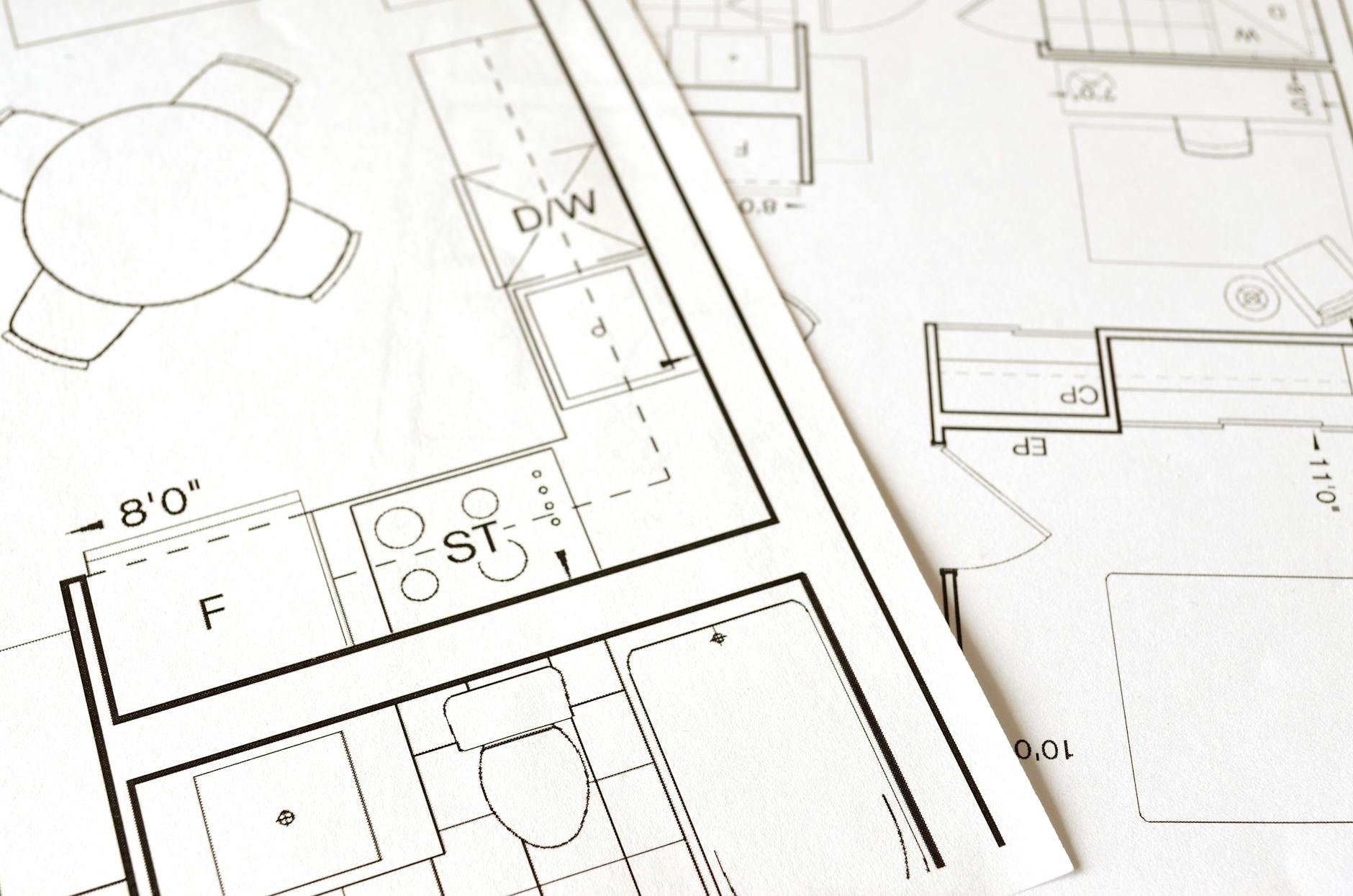
Start with a simple sketch of each floor in your home. You do not need architectural precision — a rough hand-drawn map showing rooms, doorways, windows, hallways, and stairs is perfectly sufficient. This becomes your family fire escape plan template.
On your map, mark:
- All exterior doors and windows that can be opened from the inside
- The location of every smoke alarm
- The location of fire extinguishers, if you have them
- Any areas with limited mobility or that require a key to open
Step 2: Identify Two Ways Out of Every Room
The cornerstone of any solid how to make a fire escape plan guide is the two-exit rule. For every room in your home — especially every bedroom — identify two possible escape routes. The primary route is typically the door leading to a hallway. The secondary route is usually a window.
For upper-floor bedrooms, check whether windows are large enough to climb through. For children's rooms or rooms occupied by elderly family members, consider keeping a collapsible escape ladder stored under the bed or near the window. These are widely available and straightforward to use with a little practice.
Draw both exit paths on your floor plan map using arrows. Use a different color for primary and secondary routes so everyone can read the map at a glance.
Step 3: Choose a Meeting Point Outside the Home
Every family fire escape plan needs a single, clearly defined outdoor meeting point. This is where every household member goes after escaping — without exception. Common choices include:
- A specific tree or mailbox at the front of the property
- A neighbor's front porch (ideally one your family already knows)
- A distinctive landmark visible from multiple sides of the house
The meeting point must be far enough from the house to be safe from heat, smoke, and emergency vehicle access, but close enough that children can reach it independently. Once a family member reaches the meeting point, they stay there. This is critical — it tells firefighters immediately if anyone is still inside.
Step 4: Assign Responsibilities for Children, Elderly, and Disabled Family Members
A fire drill at home reveals a challenge that is easy to overlook in theory: not everyone in the household can self-evacuate. Young children, elderly grandparents, people with mobility impairments, or household members who sleep with hearing aids out all need assigned helpers in the plan.
For each person who needs assistance, designate a specific adult or responsible older teen to help them. Make sure that helper knows the designated routes from that person's room. If the primary helper cannot get to them — because fire has blocked the hallway, for example — name a backup.
Also discuss what to do if a family member's door is hot to the touch. The NFPA recommendation is clear: if the door feels hot, do not open it. Use the secondary exit. If no exit is available, seal the gap under the door with clothing or towels, open a window, and signal for help.
Step 5: Establish Clear Rules for the Plan
Beyond the map and the routes, a strong fire safety plan for families includes a short list of agreed-upon rules everyone understands:
- Get out first, call 911 from outside. Never call from inside the house — every second matters.
- Do not go back inside for any reason. Not for pets, not for phones, not for valuables.
- Stay low in smoke. Smoke rises; the cleaner air is closer to the floor.
- Before opening any door, feel it with the back of your hand. A hot door means fire is on the other side.
- Know the meeting point, go there, stay there.
Post a simplified version of these rules — along with your floor plan map — somewhere accessible to all family members, such as inside a kitchen cabinet door or on a bedroom bulletin board.
How to Conduct a Home Fire Drill
Creating the plan is only half the work. The NFPA recommends practicing your fire drill at home at least twice per year. Research consistently shows that families who have practiced their escape plan exit their homes in under two minutes. Families who have not practiced take far longer — and in a real fire, that difference is measured in survival.
Running Your First Drill
For the first practice, announce the drill in advance. The goal is familiarity, not surprise. Walk through the following steps together:
- Sound the smoke alarm manually (most have a test button) so everyone knows what it sounds like.
- Have each person go to their starting position — their bedroom, living room, wherever they would realistically be.
- On the alarm, everyone executes their escape route and meets at the designated meeting point.
- Time the drill from alarm to full family assembly outside. The NFPA two-minute target is a useful benchmark.
- Debrief afterward: What felt uncertain? Were any routes blocked or confusing? Did everyone know where to go?
Making Drills More Realistic
Once the family has the basic routes down, make subsequent drills more challenging. Practice at night when household members are asleep — this is when most fatal fires occur. Simulate a blocked primary exit by designating one door or hallway as "unavailable" so everyone must use their secondary route. Practice helping the youngest or oldest household members move quickly.
For households with very young children, fire safety educators recommend making drills slightly playful so children do not develop fear of the alarm itself — the goal is a calm, automatic response, not panic.
Common Mistakes to Avoid
Even families who take the time to create a home fire escape plan often make a few avoidable errors. Watch for these:
- Only one exit per room. Doors can be blocked by fire or smoke. Every room needs a window as an alternative.
- Vague meeting points. "In front of the house" is not specific enough. Choose a fixed, nameable landmark.
- No plan for pets. While you should never re-enter a burning building for an animal, you can plan for pets proactively — keeping carriers accessible, placing a pet alert sticker on a front window to notify firefighters.
- Assuming children know what to do. Children under 10 should practice escaping with a designated adult. Do not assume they will act rationally in a crisis without practice.
- Forgetting to test smoke alarms. A plan is useless if the alarm that triggers it has a dead battery. Test alarms monthly and replace batteries annually.
- Making the plan once and never revisiting it. See the next section.
When to Update Your Home Fire Escape Plan
A home fire escape plan is a living document. Life changes, and your plan should reflect those changes. Review and update it whenever:
- You move to a new home or make significant renovations
- A new family member moves in — a baby, an elderly parent, a roommate
- A family member's mobility or health status changes
- You add security bars to windows (which must have quick-release mechanisms from inside)
- Children are old enough to change their sleeping arrangements or have new responsibilities in the plan
Beyond those triggers, a twice-yearly review — timed to the same days you change clocks for daylight saving time, a common memory aid — ensures the plan stays current and the family stays practiced.
Key Takeaways
Creating a home fire escape plan is not a complicated project. It is a one-evening exercise that could be the most important thing your family does this year for its safety. The NFPA's core message has not changed in decades: draw the map, know two ways out of every room, pick a meeting point, and practice it until it is automatic.
The families who survive house fires are not luckier than those who do not. They are more prepared. A family fire escape plan gives every household member a clear, rehearsed path to safety — even in the dark, even in the smoke, even in the panic of a 2 a.m. alarm. The statistics on response times and fire spread make one thing undeniable: the time to make your plan is right now, not after the alarm sounds.
Set aside 20 minutes this week. Draw the floor plan, walk the routes with your family, pick the meeting point, and schedule your first drill. That is the entirety of what this requires — and it may one day make all the difference.