Home Security Basics: How to Protect Your Family, Documents, and Valuables in 2026
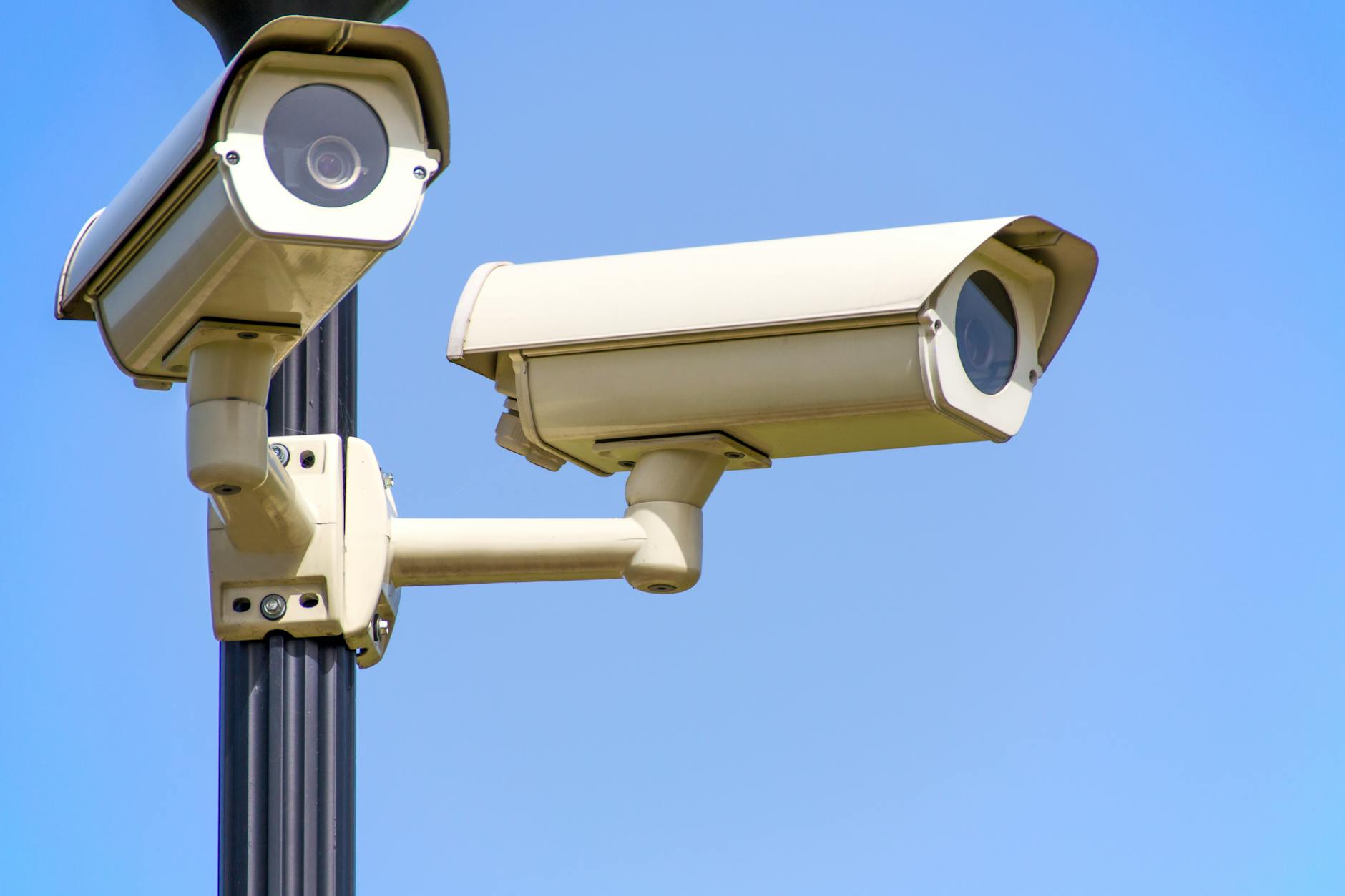
Home security has never been more important — or more achievable — than it is in 2026. Whether you live in a quiet suburb or a busy city neighborhood, the threats facing your family, your documents, and your valuables are real, and they are evolving. Burglary, identity theft, natural disasters, and house fires can each wipe out years of irreplaceable memories and financial stability in a single incident. The good news is that a layered, thoughtful approach to safety can dramatically reduce your risk without turning your home into a fortress.
This guide covers the full home security stack: physical entry point hardening, technology-based deterrents like home security cameras and smart locks, fireproof document and valuables storage, digital security hygiene, and emergency preparedness planning. Think of it as a hub — a complete overview you can use to assess where your home stands today and which areas need the most attention. Each section also points toward deeper resources where you can go further.
Whether you are starting from scratch or reinforcing an existing setup, by the end of this guide you will have a clear, actionable home security checklist you can begin implementing this week.
Why Home Security Matters More Than Ever in 2026
The landscape of risk has shifted considerably in recent years. According to the FBI's Uniform Crime Reporting data, a property crime occurs in the United States every 4 seconds. Roughly 66% of all burglaries involve residential properties, and the average loss per burglary incident exceeds $2,600. Perhaps most sobering: the majority of break-ins occur during daylight hours, not at night, targeting homes that appear unoccupied and unmonitored.
But theft is only one piece of the puzzle. House fires destroy an estimated 350,000 homes annually in the U.S. Floods, earthquakes, and severe storms can make a home uninhabitable in minutes. And as more of our lives move online — banking, medical records, tax documents — the threat of digital intrusion has become just as real as a kicked-in front door. A truly modern approach to security accounts for all of these risks simultaneously.
The encouraging reality is that security research consistently shows that visible, layered deterrents cause most would-be burglars to move on entirely. You do not need a bank vault — you just need to look like more trouble than it is worth.
Physical Security Fundamentals: Entry Points, Lighting, and Community
Doors and Locks
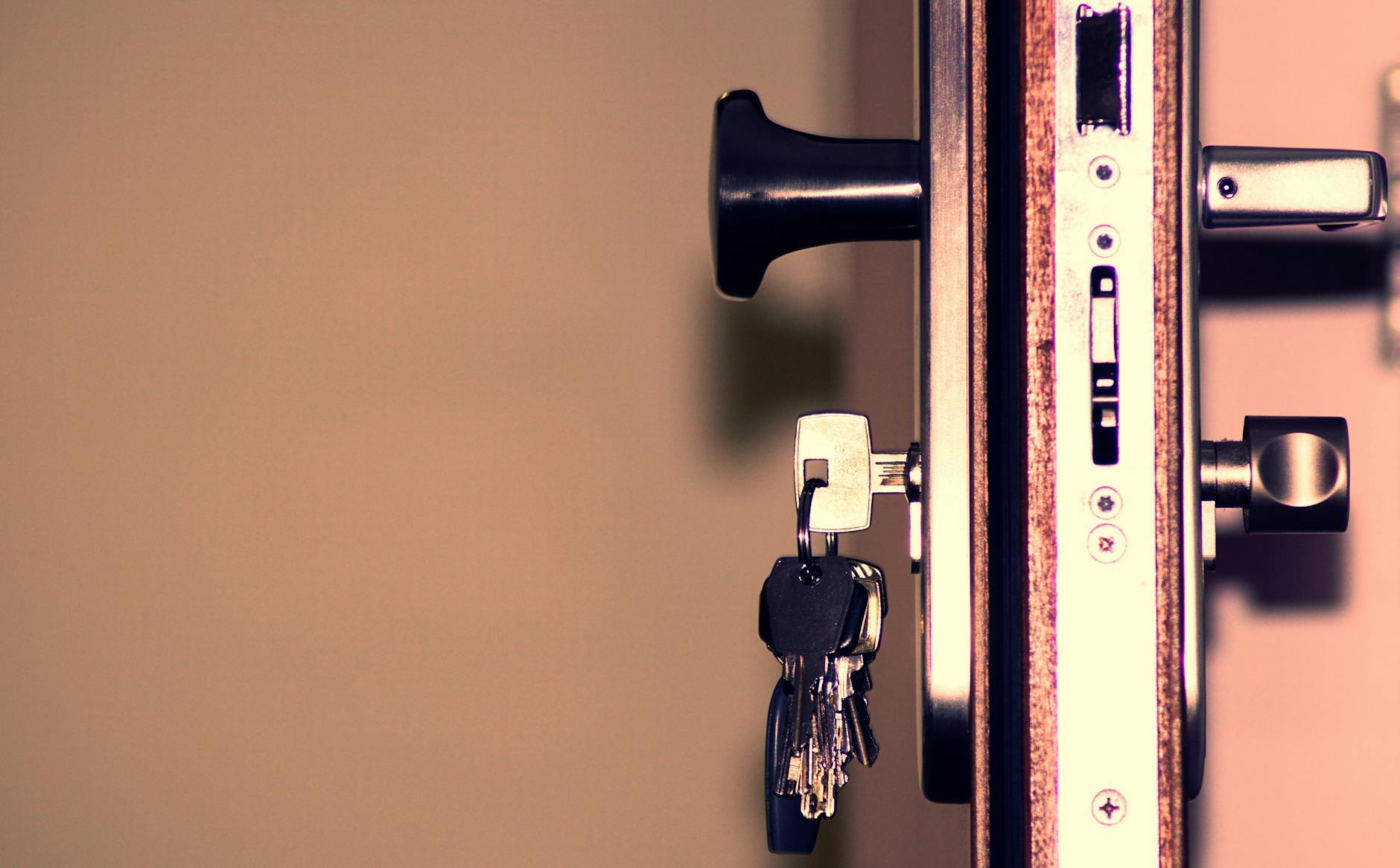
The front door is still the primary entry point for the majority of home break-ins. A surprising number of these involve little more than a shoulder check against a weak doorframe. The following upgrades form the physical foundation of any serious home security plan:
- Grade 1 or Grade 2 deadbolt locks: These ANSI-rated locks withstand far more force than standard builder-grade hardware. Look for brands like Schlage or Medeco, which also resist picking and bumping.
- Door frame and strike plate reinforcement: Most standard strike plates are held in place with short 3/4-inch screws. Replace them with heavy-duty strike plates secured by 3-inch screws that anchor into the wall stud — this single upgrade can increase kick-in resistance by several hundred pounds of force.
- Solid-core exterior doors: Hollow-core doors are common in older homes and can be breached very easily. If your exterior doors feel light when you knock, replacing them is a worthwhile investment.
- Sliding door security bars: Sliding glass doors can be lifted off their tracks if not secured. A bar in the floor track, combined with a pin lock through the frame, closes this common vulnerability.
- Smart locks: Modern smart locks from brands like August, Schlage Encode, and Yale offer keypad entry, remote locking, and audit logs that show who entered and when — a significant upgrade for households that share access with service providers or family members.
Windows
Windows are the second most common entry point. Window locks that come with most homes can be defeated in seconds. Window security pins — metal pins drilled through the sash into the frame — prevent windows from being opened even if the latch is bypassed. Glass break sensors are an inexpensive add-on to most alarm systems and trigger immediately if a pane is shattered.
Lighting and Visibility
Darkness is a burglar's best tool. Motion-activated floodlights on all sides of the home — especially over side gates, garage doors, and back entrances — remove that advantage at a cost of roughly $30–$80 per light. Timer-controlled interior lights that simulate occupancy when you travel are equally effective and inexpensive. Trim bushes and hedges near entry points so there are no concealed staging areas along your exterior walls.
Community and Neighborhood Watch
Technology is valuable, but neighbors who know each other remain one of the most powerful deterrents to property crime. Apps like Neighbors (by Ring) and Nextdoor create digital neighborhood watch networks. Research consistently shows that communities with active watch programs experience significantly lower property crime rates than comparable neighborhoods without them.
Technology-Based Security: Cameras, Alarms, and Smart Devices
Home Security Cameras
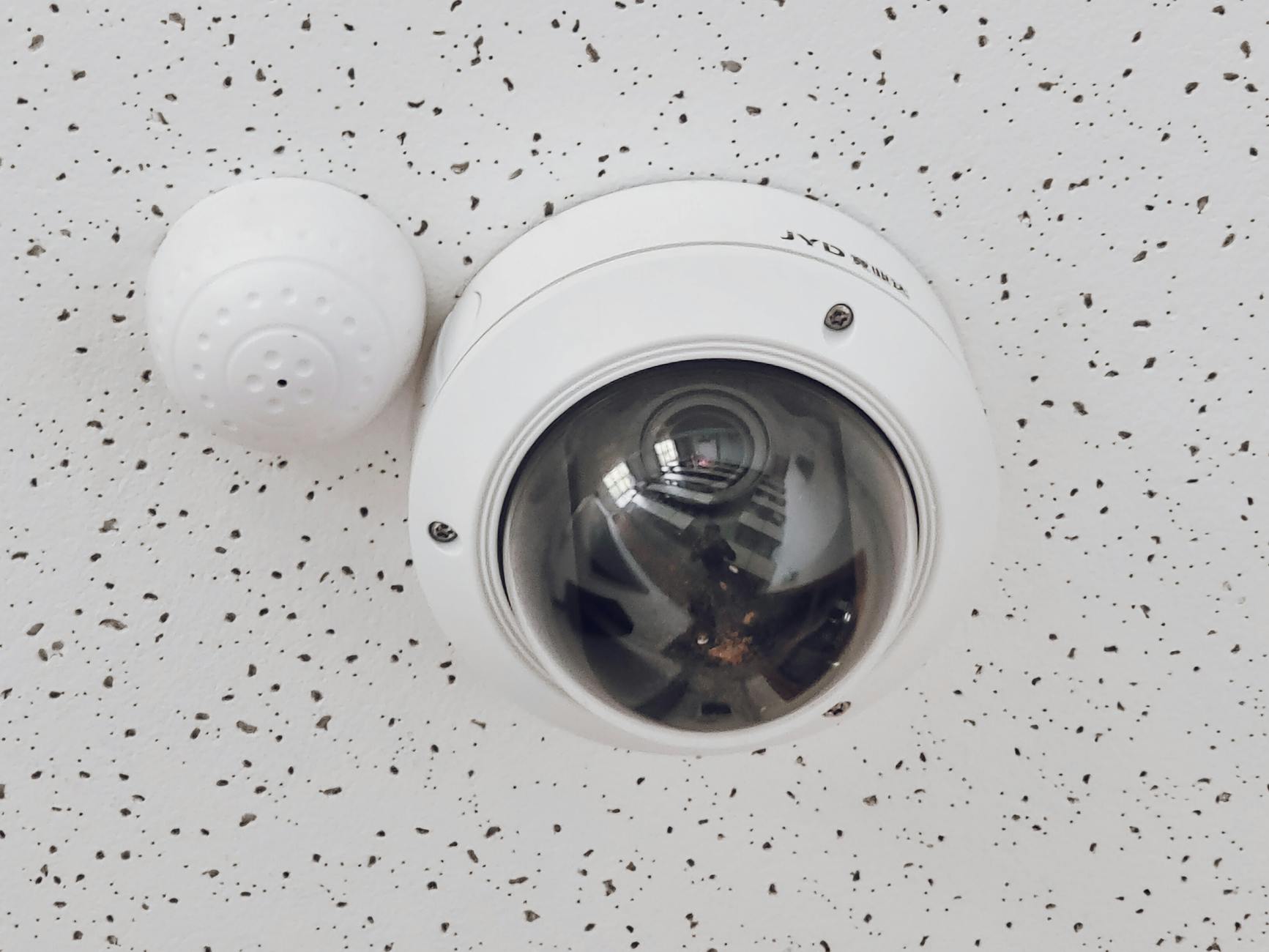
Home security cameras have become dramatically more capable and affordable in recent years. A modern outdoor camera typically offers 1080p or 4K resolution, color night vision, two-way audio, and cloud or local storage — all for under $100. When deploying cameras, prioritize these locations:
- Front door and driveway: Captures the face of anyone approaching the home. A video doorbell (Ring, Nest, Eufy) serves this purpose while also enabling real-time conversation with visitors remotely.
- Back and side entrances: These are statistically more likely to be used in a break-in than the front door, precisely because they are less visible from the street.
- Garage: Whether attached or detached, the garage is both an entry point and a storage area for valuable tools and vehicles.
- Inside the home: Indoor cameras placed in main living areas can serve as a secondary layer if perimeter cameras are bypassed. Many homeowners place one facing the front door interior.
When evaluating camera systems, consider whether footage is stored locally (on a hub or SD card), in the cloud (usually a subscription), or both. Local storage is private and has no ongoing cost but can be stolen along with the equipment. Cloud storage preserves footage off-site, which is essential if cameras themselves are tampered with.
Alarm Systems
A monitored alarm system adds a human response layer to your security setup. When a sensor is triggered, the monitoring center contacts you, then dispatches police if they cannot reach you. Professional monitoring typically runs $15–$50 per month. Self-monitored systems are cheaper but rely entirely on you responding to alerts, which is impractical at 3 a.m. or while traveling.
Key sensors to include in any alarm system:
- Door and window contact sensors (the most common component)
- Motion detectors in main living areas and hallways
- Glass break detectors near large windows and sliding doors
- Smoke and carbon monoxide detectors integrated into the alarm panel
- Water/flood sensors in basements, laundry rooms, and under sinks
Smart Locks and Access Control
Smart locks eliminate the risk of lost or copied keys. They also allow you to grant time-limited access to housekeepers, dog walkers, or contractors without duplicating a physical key. Most integrate directly with major smart home platforms (Google Home, Amazon Alexa, Apple HomeKit), enabling routines like automatically locking all doors when your phone leaves the geofence.
Document and Valuables Protection: Safes, Storage, and Organization
The Case for Fireproof Document Storage
Most people think about security in terms of theft — but fire is often the more devastating threat to documents and valuables. A typical residential fire burns hot enough to destroy paper documents in seconds. Yet many homeowners store their most critical paperwork in a filing cabinet, a desk drawer, or a cardboard box.
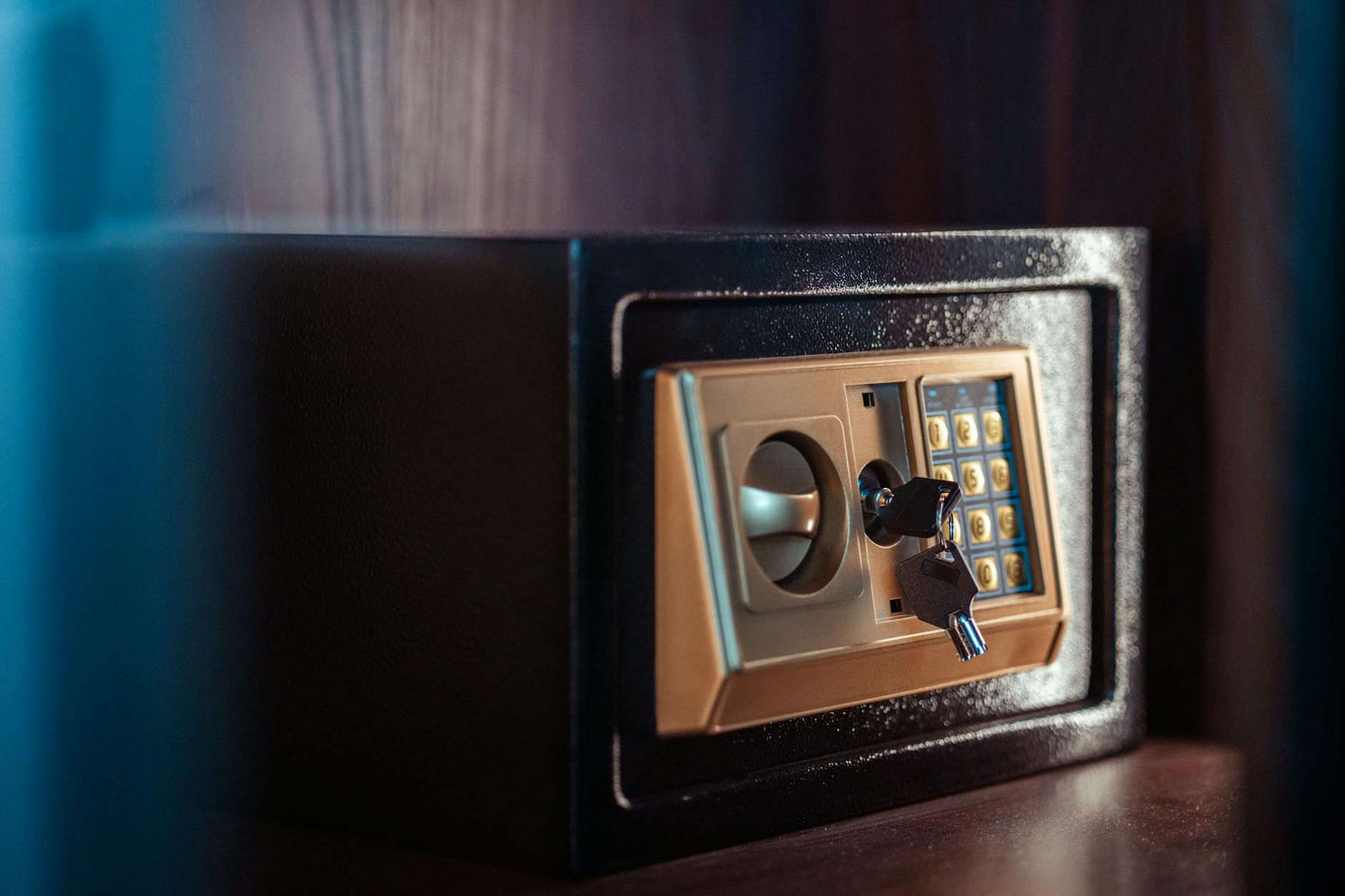
Fireproof document storage is one of the most cost-effective and underutilized home security investments available. A quality fireproof safe rated to UL 350 for paper documents (meaning the interior stays below 350°F even when exterior temperatures exceed 1700°F) can be had for $100–$400 depending on size and fire rating duration (30 minutes, 1 hour, or 2 hours being the most common).
What to Store in Your Home Safe
At a minimum, the following documents and items should be secured in a fireproof container:
- Passports and government-issued IDs
- Birth certificates and Social Security cards
- Property deeds, mortgage documents, and lease agreements
- Vehicle titles and insurance policies
- Wills, trusts, and power of attorney documents
- Recent tax returns (last 3–7 years)
- USB drive with encrypted digital backups of all the above
- A small amount of emergency cash (banks can be inaccessible during disasters)
- Irreplaceable jewelry and small heirlooms
For documents with originals stored elsewhere — such as a will held by your attorney — keep certified copies in your safe and note where the originals are located.
Safe Placement and Anchoring
Even the best safe becomes a liability if a burglar can simply pick it up and carry it out. A safe weighing under 200 lbs should be bolted to the floor or wall. Most modern safes include pre-drilled holes and hardware for this purpose. The master bedroom closet is a common placement choice, but a basement or home office with a concealed location is harder for a stranger to find quickly during a short-duration burglary (the average residential burglary lasts just 8–12 minutes).
Document Organization: The Two-Copy Rule
For maximum resilience, follow a simple two-copy rule: keep one physical copy of critical documents in your home safe, and store a second copy off-site. Off-site options include a bank safe deposit box, a trusted family member's fireproof safe, or an encrypted digital scan stored in a secure cloud service. This ensures that even a total loss of your home does not mean a total loss of your records.
Jewelry and Heirlooms
Jewelry is consistently among the top items stolen in residential burglaries. For items of significant monetary or sentimental value, a home safe is the minimum standard. For very high-value pieces, a bank safe deposit box or a professional vault service may be more appropriate. Regardless of where jewelry is stored, maintain a written and photographed inventory — this is essential for insurance claims and replacement.
Digital Security at Home: WiFi, Smart Devices, and Online Privacy
The modern home network is a security perimeter in its own right. The average U.S. household now has more than 20 internet-connected devices — from laptops and phones to smart TVs, thermostats, and door locks. Each device is a potential entry point for malicious actors if not properly secured.
WiFi Network Security
- Use WPA3 encryption if your router supports it; WPA2 is the minimum acceptable standard. Never leave your router on its factory default settings.
- Create a separate guest network for visitors and IoT devices (smart bulbs, cameras, thermostats). This isolates them from your primary devices and limits what a compromised device can access.
- Change your router's admin credentials from the default username and password. Router admin panels are a common attack target.
- Keep router firmware updated. Enable automatic updates if your router supports them — manufacturers regularly patch security vulnerabilities.
- Disable WPS (Wi-Fi Protected Setup). This feature is convenient but has known security flaws that can be exploited to gain network access.
Smart Device Protection
Every smart device in your home — including your home security cameras and smart locks — should use a unique, strong password. Use a password manager (1Password, Bitwarden, or Dashlane are well-regarded options) to generate and store these. Enable two-factor authentication on every account that supports it, especially email, banking, and cloud storage services.
Be selective about which apps and services have access to your home network devices. Regularly audit connected apps in your smart home platform and revoke access for services you no longer use.
Online Privacy Basics
Protecting your physical home also means protecting your digital identity, since personal information gathered online is often used in targeted scams and identity theft. A few foundational habits:
- Use a VPN on public WiFi networks, especially when accessing banking or sensitive accounts.
- Freeze your credit at all three major bureaus (Equifax, Experian, TransUnion) — it is free and prevents new accounts from being opened in your name without your knowledge.
- Monitor your accounts with a service like Credit Karma or your bank's built-in alerts for unusual transactions.
- Shred physical mail containing personal information before discarding it — mail theft is a surprisingly common route to identity fraud.
Emergency Preparedness Integration

Home security is not only about deterring intruders — it also means being ready when things go wrong despite your best efforts. Emergency preparedness and home security are two sides of the same coin, and a complete home safety plan addresses both.
Fire Safety Essentials
The U.S. Fire Administration recommends smoke alarms on every level of the home, inside each bedroom, and outside sleeping areas. Carbon monoxide detectors should be installed wherever gas appliances are present. Test both monthly and replace batteries annually (or install 10-year sealed battery models). Keep at least one ABC-rated fire extinguisher in the kitchen and know how to use it. Consider a fire blanket near the stove as a fast, easy response to grease fires specifically.
Creating a Family Emergency Plan
A written, practiced family emergency plan dramatically improves outcomes in a crisis. Your plan should include:
- A designated meeting point outside the home in case of fire or evacuation
- A secondary meeting point farther away for neighborhood-wide emergencies
- Emergency contact numbers for all family members, written down (not just stored in a phone that may be inaccessible)
- A clear fire escape route from every room, with at least two exits from each bedroom
- A go-bag for each family member containing 72 hours of supplies (water, food, medications, copies of key documents)
Power and Communication Backup
Many home security systems rely on a power grid connection and WiFi. When either goes down during a storm or emergency, your protection can evaporate. Key backup considerations include: a cellular backup module for your alarm system (so it communicates even without WiFi), a portable battery bank for charging phones and small devices, and a battery-powered or hand-crank emergency radio for receiving local alerts when cell networks are congested.
Your Complete Home Security Checklist for 2026
Use the checklist below to assess your home's current security posture. Each unchecked item represents an opportunity to improve your safety. Work through the list systematically — not every item needs to be addressed immediately, but having a clear picture of your gaps is the essential first step.
Home Security Checklist
Physical Security
- All exterior doors have Grade 1 or Grade 2 deadbolt locks
- Strike plates secured with 3-inch screws into wall studs
- Solid-core exterior doors on all entry points
- Sliding doors secured with floor bars and pin locks
- Window security pins installed on all accessible windows
- Motion-activated exterior lights on all sides of home
- Landscape trimmed to eliminate concealment near entries
- Timer lights or smart plugs simulate occupancy when away
Technology and Cameras
- Video doorbell or front-door camera installed
- Cameras covering back and side entry points
- Garage camera installed
- Alarm system with professional or self-monitoring active
- Smoke, CO, glass break, and flood sensors installed
- Smart locks with audit logging on main entries
Document and Valuables Protection
- Fireproof safe (UL 350 rated) purchased and anchored
- Critical documents stored in safe (passports, deeds, wills, etc.)
- Off-site copies of all critical documents maintained
- Jewelry inventory documented with photos
- Emergency cash on hand in safe
Digital Security
- Home WiFi uses WPA2 or WPA3 encryption
- Separate guest/IoT network configured
- Router admin credentials changed from defaults
- Router firmware updated
- Password manager in use across all accounts
- Two-factor authentication enabled on critical accounts
- Credit frozen at all three bureaus
Emergency Preparedness
- Smoke alarms on every level and in every bedroom
- Carbon monoxide detectors near gas appliances
- Fire extinguisher in kitchen (tested and in-date)
- Written family emergency plan with meeting points
- Go-bags with 72-hour supplies for each family member
- Alarm system has cellular backup module
- Portable battery bank charged and ready
- Emergency radio available
Key Takeaways
Effective home security is not a single product or a single decision — it is a series of overlapping layers that together make your home a much less attractive and much harder target for any threat, whether human or natural. Here is what to take away from this guide:
- Physical hardening comes first. No camera or alarm compensates for a door that can be kicked open in one hit. Start with locks, frames, and lighting before investing in technology.
- Visibility deters crime. Cameras, signs, lights, and an active community presence signal that your home is monitored and not worth the risk.
- Paper documents are fragile. Fire, flood, and theft can each destroy them permanently. A quality fireproof safe with off-site backups is a one-time investment that protects your legal and financial identity indefinitely.
- Your home network is a perimeter. Every connected device is a potential vulnerability. A separated IoT network, strong passwords, and two-factor authentication address the majority of digital risk.
- Planning before an emergency is everything. A written family plan, practiced fire escape routes, and 72-hour go-bags turn a crisis into a manageable event rather than a chaotic one.
Work through the checklist above one section at a time. Even completing the physical security section alone will put your home in better shape than the majority of houses on your street. From there, each additional layer compounds your protection — and your peace of mind.