Home Security on a Budget: 10 Affordable Ways to Deter Burglars Without an Alarm System
The Affordable Security Reality: What the Data Actually Shows
According to FBI crime statistics, a burglary occurs approximately every 23 seconds in the United States. What's more telling is that nearly 70% of burglars avoid homes with visible home security tips in place. The good news: you don't need an expensive alarm system to dramatically reduce your risk. By implementing strategic budget home security methods, you can create a layered defense that makes your home far less attractive to criminals.
This comprehensive guide covers 10 affordable, research-backed methods to deter burglars without alarm systems. Each technique is designed to increase the perceived risk of targeting your home while decreasing the potential reward—the exact calculus burglars use when selecting targets.
Understanding the Burglar's Decision-Making Process
Before diving into specific methods, it helps to understand how burglars choose their targets. Criminology research shows that most burglaries are crimes of opportunity. Criminals spend seconds to minutes evaluating whether a home is worth the risk. They look for three key factors: easy access, minimal visibility from neighbors or passersby, and signs of occupancy. By making your home appear risky, visible, and occupied, you push yourself off the target list entirely.
The concept of layered security means implementing multiple overlapping defenses. No single method is foolproof, but when combined, they create a psychological barrier that sends burglars elsewhere.
1. Strategic Outdoor Lighting: Your First Line of Defense
Outdoor lighting is one of the most effective and affordable home security checklist items. According to the National Center for Crime and Policing, proper lighting reduces burglary risk by up to 35%. Burglars overwhelmingly prefer darkness, and well-lit homes signal active oversight and occupancy.
Install lights around entry points: front doors, back doors, garage entrances, and any ground-level windows. Motion-activated lights are particularly effective because they startle potential intruders and create the impression of activity. A 12-pack of motion-sensor LED lights costs between $30-80 and requires only basic installation. Solar-powered options eliminate ongoing electricity costs entirely.
Position lights to eliminate dark corners and shadows where someone could hide. Avoid creating glare or obvious blind spots behind landscaping. The goal is to make your home's perimeter as transparent as possible.
2. Reinforce Entry Points: Doors and Frames
The average burglar can force a standard wooden door frame in less than 30 seconds. The solution doesn't require expensive new doors—just strategic reinforcement. Secure your home by focusing on the weakest points.
First, upgrade door strikes. A standard strike plate is held by short screws that don't reach the structural framing. Replace them with 3-inch screws that penetrate deep into the frame. Cost: $2-5 per door. This single upgrade makes forced entry dramatically more difficult.
Second, add door reinforcement plates around the strike. These steel plates distribute force across a wider area, making kick-ins nearly impossible. Cost: $10-15 per door.
Third, install a home security checklist item that many overlook: door security bars or wedges. These $15-30 devices prevent doors from opening even if the lock is compromised. They're particularly valuable for patio doors and sliding glass doors.
Finally, ensure all doors have solid cores or are metal. Hollow core doors offer almost no resistance to forced entry.
3. Secure Windows and Glass Entry Points
Windows account for approximately 25% of home burglaries. Yet securing them requires minimal expense. Install window locks on every accessible window—those on first floors and second floors with nearby ledges or trees. Good quality window locks cost $2-8 per window.
For sliding glass doors and patio doors, use door bars or install permanent locks. A simple wooden dowel cut to fit your sliding door track costs less than $5 and prevents the door from opening more than a few inches.
Consider applying security film to ground-level windows and glass doors. This inexpensive film (starting at $10-20 per window) makes glass harder to break and significantly increases the time required to gain entry.
4. Trim Vegetation and Eliminate Hiding Spots
Overgrown bushes and trees near windows and doors are burglars' best friends. They provide cover during reconnaissance and entry attempts. Trim bushes to a height of 3 feet or less, especially around windows and entry doors. Remove tree branches that would allow access to upper-story windows.
This tactic works because it increases the visibility risk—criminals don't want to be seen. A well-maintained landscape signals active homeowner engagement and eliminates the cover burglars need. The cost is purely your time and perhaps a pruning saw you may already own.
5. Install Visible, Functional Deadbolts on All Doors
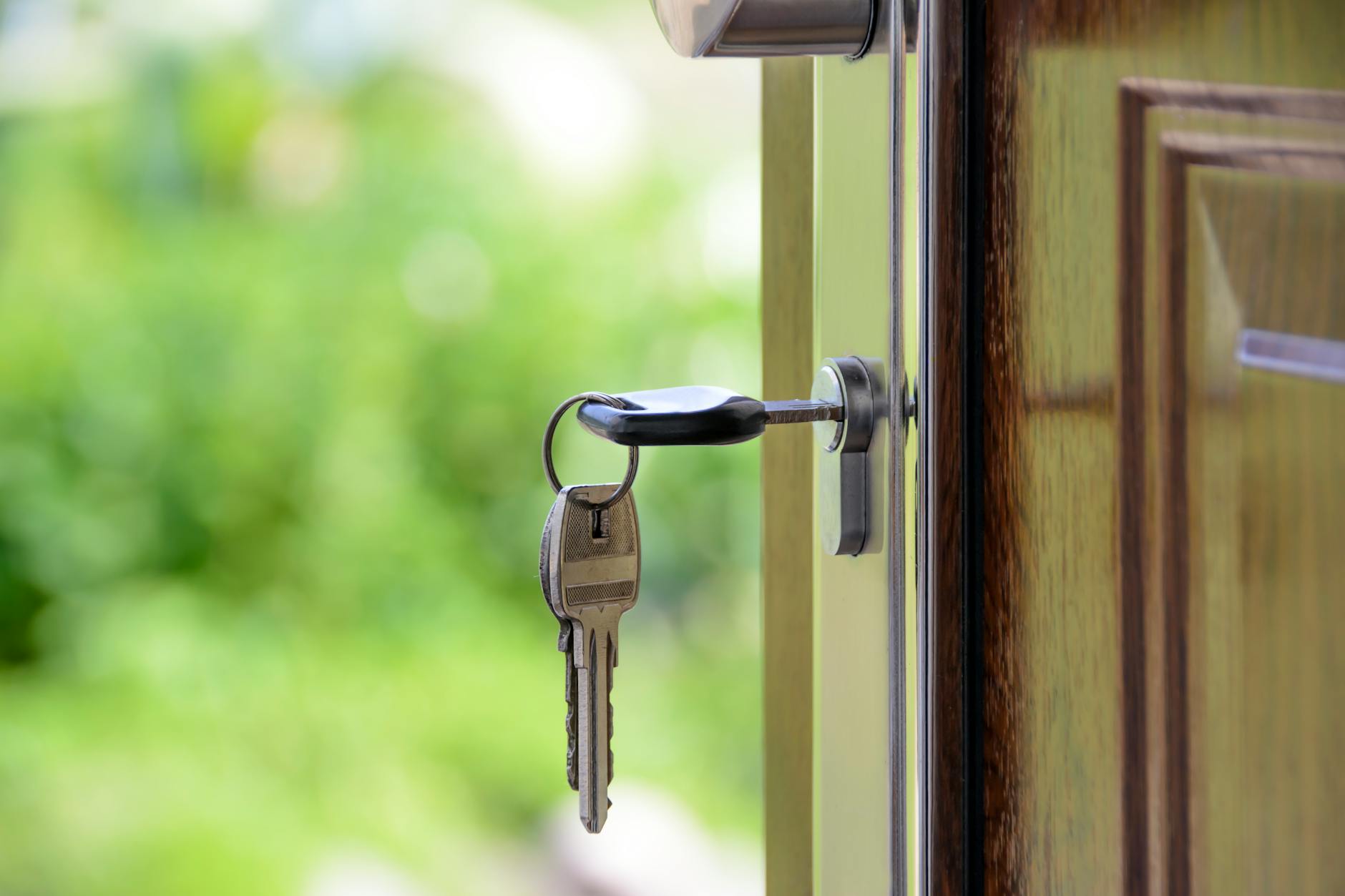
This seems obvious but is worth emphasizing: ensure all exterior doors have visible deadbolts and that you actually use them. A deadbolt with a thumb turn (rather than a key requirement on the inside) should be installed on every entry door.
Quality deadbolts with 1-inch throw bolts cost $15-30. Ensure they're installed properly with strike plates anchored to the framing. This is one of the highest-ROI home security tips available.
6. Use Timer Lights to Simulate Occupancy
An empty home at night is a burglar's target. Inexpensive timer plugs ($10-20 each) make it appear someone is home by turning lights on and off on a schedule. Install them in living rooms, bedrooms, and kitchens—the rooms where people are most likely to have lights on in evening hours.
Randomize the timing slightly rather than using the same exact schedule every night. Modern smart plugs allow you to set random patterns that look more natural than identical daily schedules.
7. Display Visible Security Signage and Decals
Signage alone doesn't stop burglars, but it contributes to the perception of risk. Yard signs indicating security system presence (even if you don't have one) cost $5-15 and demonstrably increase perceived risk in burglars' evaluations. Window decals showing alarm company affiliation cost under $5.
The psychology is clear: criminals avoid homes with visible security infrastructure because it increases detection risk. While decals shouldn't be your only defense, they're an inexpensive layer in a comprehensive strategy.
8. Cultivate an Active Neighborhood Watch Network
One of the most underutilized yet effective security methods is community vigilance. Neighborhoods with active watch programs report significantly lower burglary rates. This requires zero financial investment.
Start by introducing yourself to neighbors and establishing a simple communication system—a group chat, email list, or neighborhood app. Agree to watch for suspicious activity, unusual vehicles, or strangers. When neighbors know each other and communicate, burglars recognize increased social oversight and move on.
Studies show that burglars specifically avoid neighborhoods where residents appear connected and aware of each other.
9. Put Mail and Package Holds in Place When Away
Piled-up mail and packages are advertisements that nobody's home. Before any absence, contact the post office and arrange a mail hold (free service). Have packages held at delivery locations rather than left on your doorstep.
Ask a trusted neighbor to check on your property daily or at least take visible steps to create the appearance of occupancy. This removes one of the primary indicators burglars use to identify vacant homes.
10. Vary Your Routine to Prevent Predictability
Burglars often conduct surveillance before committing crimes. They watch for patterns: when you leave for work, when you return, when you're away on weekends. Breaking your routine makes you harder to target.
Vary departure and arrival times, occasional days at home, parking location, and when you're visible at windows. Don't maintain identical weekend or evening schedules. This simple behavioral shift eliminates the predictability that facilitates burglaries.
Implementing Layered Home Security on a Budget
The power of these methods lies in their combination. No single technique stops a determined burglar, but when layered together, they create a comprehensive defense that makes your home demonstrably riskier to target than nearby alternatives.
Think of it like insurance through redundancy. Your outdoor lighting might be defeated, but your reinforced door frames, window locks, and neighborhood awareness create multiple obstacles. The burglar's risk calculation shifts: attacking your home takes too much time and carries too much detection risk.
Here's how to implement a layered approach: Start with lighting and entry point reinforcement (the highest-impact items), then add window security, trim vegetation, visible signage, and neighbor engagement. These six items cost under $200 total and create dramatic risk increase. Add timer lights, mail holds, and behavioral variation for additional psychological deterrence at minimal cost.
Building Your Home Security Checklist
To ensure you've covered all affordable options, use this home security checklist:
□ Install motion-activated outdoor lights at all entry points
□ Upgrade door strike plates to 3-inch screws
□ Add door reinforcement plates to vulnerable doors
□ Install window locks on all accessible windows
□ Trim bushes to below 3 feet near entry points
□ Trim tree branches that provide upper-floor access
□ Verify all doors have functional 1-inch deadbolts
□ Install timer plugs in multiple rooms
□ Place security signage in visible locations
□ Connect with neighbors and establish communication
□ Request mail and package holds when away
□ Vary daily and weekly routines
□ Use security film on vulnerable ground-floor windows
□ Install bars or locks on sliding glass doors
□ Ensure all exterior areas are well-lit
Why Expensive Systems Aren't Necessary
Professional alarm systems cost $500-2000 to install plus $20-50 monthly monitoring fees. Over five years, this represents $1200-4000 in total cost. While alarm systems provide real value, research shows that most burglars are deterred by how to secure your home using basic, visible security measures before they ever encounter an alarm system.
The FBI's own research indicates that visible deterrents—lighting, reinforced entry points, and evidence of neighborhood awareness—stop most residential burglaries before they're attempted. Alarm systems add another layer but aren't the foundation of residential security.
For $200-400 invested strategically in lighting, reinforcement, and visible security measures, you achieve 80% of the deterrent benefit of expensive systems at a fraction of the cost.
The Power of Environmental Design
Criminologists use the term "environmental design" to describe how physical spaces and visibility influence crime rates. Homes that deter burglars without alarm systems typically incorporate principles of environmental design: high visibility, clear sightlines, environmental management (well-maintained properties), and evidence of occupancy and awareness.
These principles don't require technology or long-term fees. They require understanding how burglars think and systematically removing the conditions they prefer. A well-lit, clearly maintained home with visible locks and engaged neighbors represents environmental design that works.
When to Consider Professional Systems
If you've implemented these 10 affordable methods and still feel vulnerable, professional systems add monitoring for potential break-ins. However, for most homeowners, the combination of environmental design, visible deterrents, and community vigilance provides robust protection.
Professional systems are most valuable if: you live in a high-crime area, you have valuable items that need additional protection, you travel extensively, or you have elderly or vulnerable family members home alone regularly.
Key Takeaways
Effective home security tips don't require expensive alarm systems. By understanding burglar decision-making and implementing layered environmental design, you can dramatically reduce your home's attractiveness as a target. Start with outdoor lighting and entry point reinforcement, add window security and vegetation management, and build community awareness through neighborhood connection.
These affordable measures work because they increase perceived risk and detection likelihood while removing the cover and predictability that enable burglaries. The combination—not any single method—creates security that rivals expensive systems at a fraction of the cost.
Your home security checklist is straightforward, affordable, and within your control. Begin with the highest-impact items, work through the list systematically, and you'll have transformed your home's security profile within weeks.