How Much Plaque Is on Your Teeth Right Now (and How to Actually Remove It)
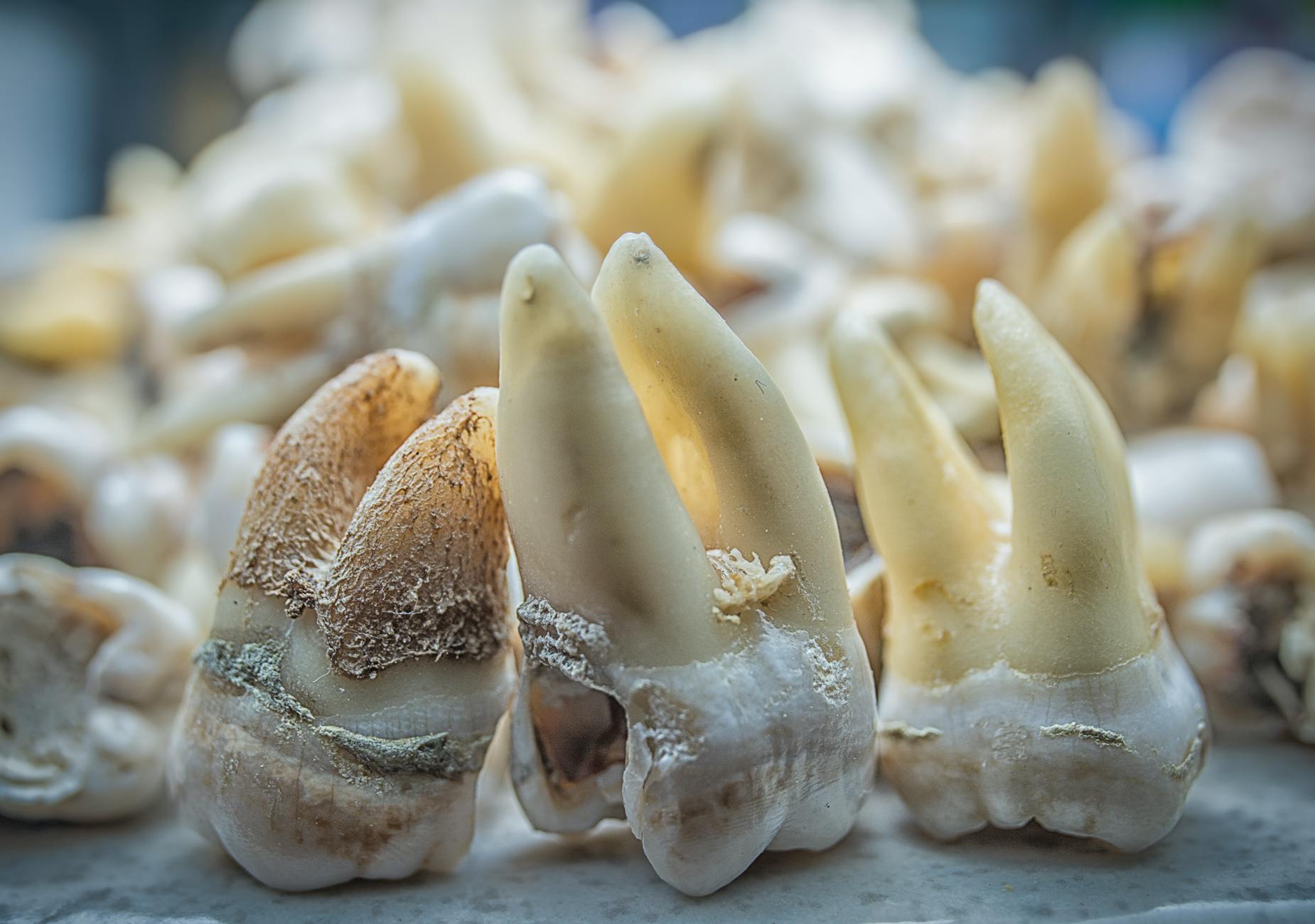
Right now, without realizing it, a thin film of bacteria is actively colonizing every surface of your teeth. It is clear, nearly invisible, slightly sticky, and it started forming within four to eight hours of your last meal. That film is dental plaque — and knowing exactly what it is, how it grows, and how to remove plaque from teeth completely changes how you approach daily oral hygiene.
Most people brush their teeth. Fewer people brush correctly. And a surprisingly large number of otherwise health-conscious adults have no idea that plaque can harden into a substance that no amount of brushing will ever remove. This guide breaks it all down in plain language, with the science behind each recommendation.
What Is Dental Plaque, Exactly?
Dental plaque is a structured community of microorganisms — primarily bacteria — embedded in a self-produced matrix of polysaccharides, proteins, and water. Scientists call it a biofilm. It is not random contamination; it is an organized, cooperative ecosystem that forms on any hard surface in the mouth that is not regularly disrupted.
Your mouth contains over 700 species of bacteria at any given time. Most are harmless or even beneficial. The trouble starts with specific acid-producing species — most notably Streptococcus mutans and Lactobacillus strains — that thrive on fermentable carbohydrates like sugar and refined starches. When you eat, these bacteria metabolize the sugars and produce lactic acid as a byproduct. That acid is what attacks tooth enamel and starts the process leading to cavities.
The biofilm itself forms in stages. Within minutes of a tooth being cleaned, a thin protein layer called the acquired pellicle coats the enamel surface. Bacteria then attach to this pellicle, begin multiplying, and produce an extracellular matrix that anchors and protects the colony. Within four to eight hours the community is well established. Within 24 to 48 hours, if undisturbed, it matures into a thick, complex biofilm with distinct layers and internal water channels — essentially a miniature city.
Where Plaque Hides — and Why Brushing Alone Misses It
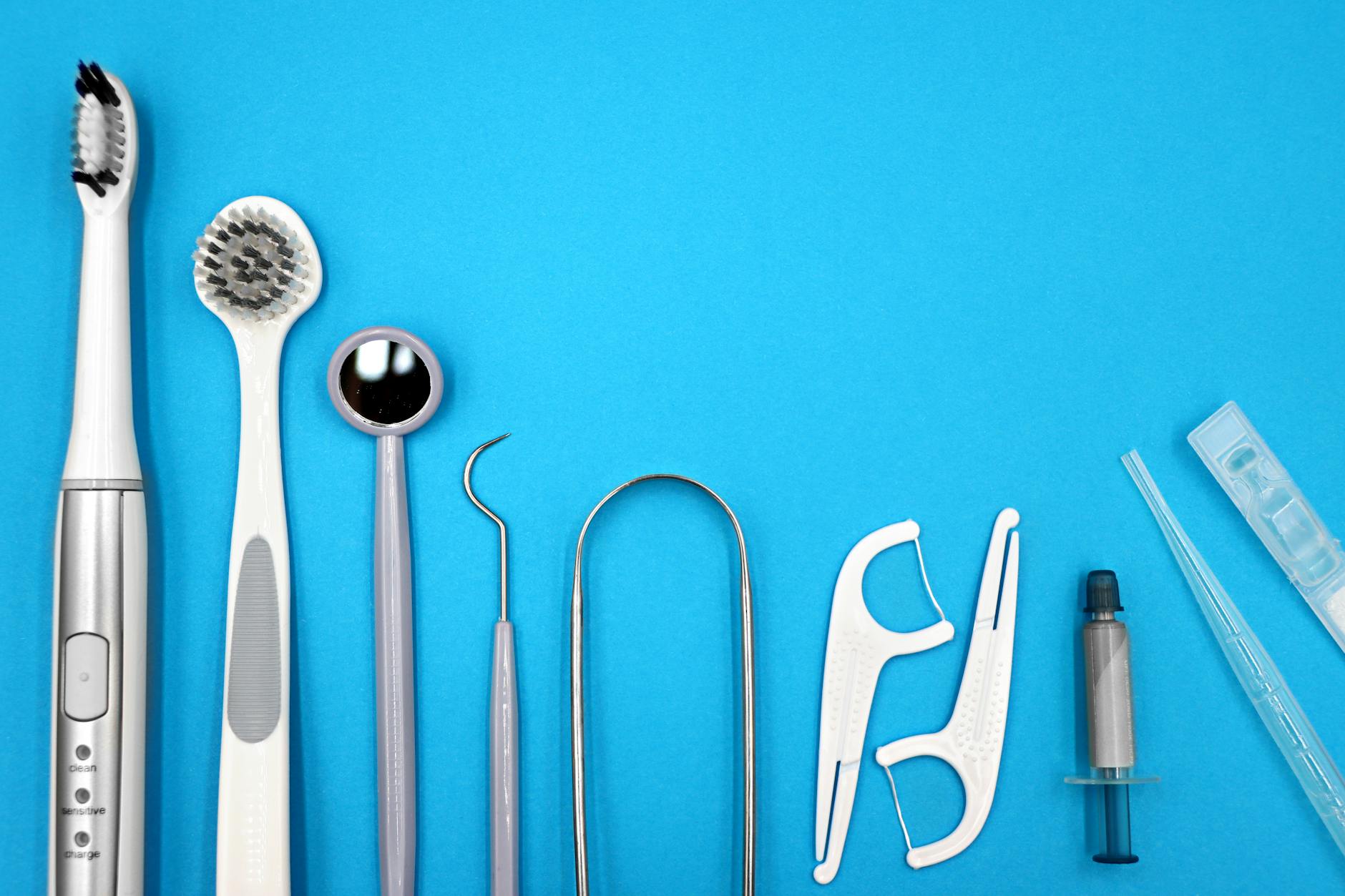
A standard toothbrush cleans the flat, accessible surfaces of teeth quite effectively. The problem is that those surfaces represent only about 35 percent of the total tooth surface area in your mouth. The remaining 65 percent — the gaps between teeth (interproximal surfaces) and the gumline — are where plaque builds up most aggressively and where brushing makes almost no contact.
The gumline is particularly important. A slight crevice called the gingival sulcus sits between each tooth and the surrounding gum tissue. This sulcus is typically 1 to 3 millimeters deep in a healthy mouth. Plaque that accumulates inside the sulcus is shielded from both brushing and saliva flow, creating an anaerobic (oxygen-poor) environment that favors the most harmful bacterial species — the ones linked to gum disease.
Studies consistently show that people who brush without flossing leave significant plaque between their teeth completely undisturbed, even with perfect brushing technique. This is not a matter of brushing harder or longer; it is a geometry problem. Bristles physically cannot reach into the contact points between teeth.
The Difference Between Plaque and Tartar (and Why It Matters)
Understanding the plaque vs tartar difference is one of the most practically useful pieces of dental knowledge you can have. Many people use the terms interchangeably, but they describe two entirely different stages of the same process.
Plaque is soft, sticky, and removable. Fresh plaque has the consistency of a thin biofilm and can be wiped, scraped, or brushed away with ordinary mechanical action. This is the window of opportunity — plaque disrupted before it matures cannot colonize or cause damage.
Tartar (also called calculus) is what plaque becomes when it is left in place long enough to mineralize. Minerals naturally present in saliva — primarily calcium and phosphate — gradually infiltrate the biofilm matrix. Over roughly 24 to 72 hours, this mineralization hardens the plaque into a rock-like deposit that bonds to tooth enamel and cementum. Once tartar forms, it cannot be removed by brushing, flossing, or any over-the-counter product. The only way to remove tartar is professional debridement — scaling performed by a dentist or dental hygienist using specialized instruments.
Tartar also makes the problem worse going forward. Its rough, porous surface provides an ideal anchor point for new plaque to attach to, accelerating future buildup in areas that are already difficult to clean.
How to Remove Plaque From Teeth: Techniques That Actually Work
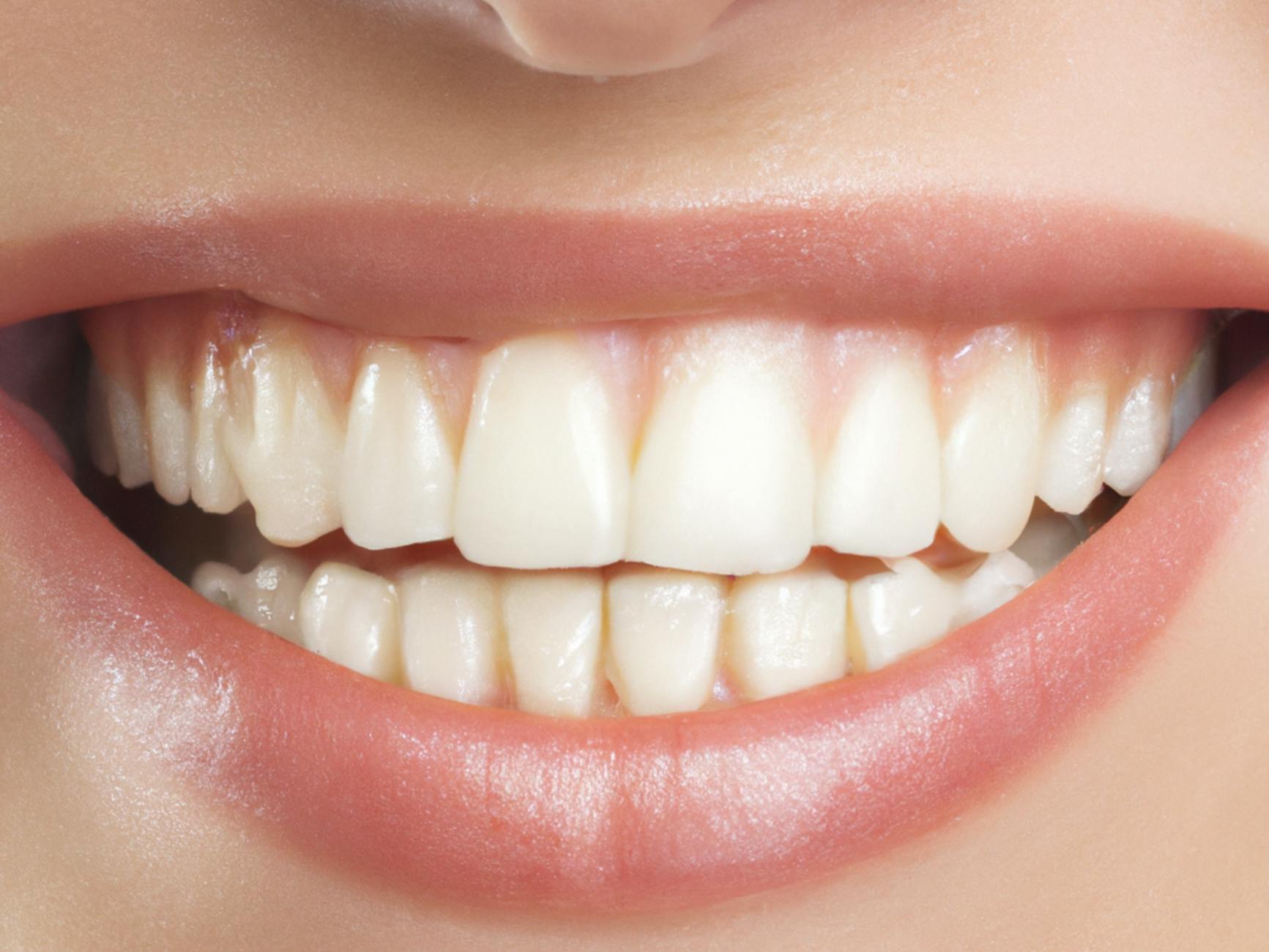
The evidence on plaque removal brushing technique is clearer than most people realize. Duration matters less than coverage and angle. Here is what the research supports.
Brushing: The Modified Bass Technique
The Modified Bass technique is the method most widely recommended by periodontists because it specifically targets the gingival sulcus — the gumline crevice where the most damaging plaque accumulates.
- Position the brush head at a 45-degree angle toward the gumline, not perpendicular to the teeth.
- Apply gentle, firm pressure so the bristle tips just enter the sulcus.
- Use small, horizontal vibratory strokes (about 2mm of movement) — not long scrubbing strokes.
- After several strokes in place, sweep the bristles away from the gumline toward the biting surface.
- Work systematically around all surfaces: outer, inner, and biting surfaces of every tooth.
- Spend at least two full minutes, giving roughly 30 seconds to each quadrant of the mouth.
Electric toothbrushes with oscillating-rotating heads have been shown in multiple systematic reviews to remove significantly more plaque than manual brushes, especially along the gumline. The oscillating motion mimics what the Modified Bass technique requires but with greater consistency and less user error.
Interdental Cleaning: Not Optional
Floss or interdental brushes physically remove plaque from the contact points between teeth and slightly below the gumline. Both work, but they are better suited to different situations. Floss is most effective when teeth are tightly spaced. Interdental brushes (also called proxabrushes) are generally more effective when there is more space between teeth and are easier to use correctly — studies show people tend to cover more surface area with interdental brushes than with floss.
The technique for floss matters as much as the fact of using it. Slide the floss between teeth using a gentle sawing motion, curve it into a "C" shape around each tooth, and slide it slightly below the gumline before moving up and down against the tooth surface. Simply snapping floss between teeth and pulling it straight out does not adequately disrupt the subgingival plaque that accumulates in the sulcus.
Timing is flexible — interdental cleaning can be done morning or evening — but doing it before brushing means loosened plaque particles are then swept away by the brush rather than remaining in the mouth.
Antimicrobial Mouthwash as a Supplement
Mouthwash is a supplement to mechanical cleaning, not a replacement for it. That said, formulations containing chlorhexidine are the most evidence-backed agents for reducing bacterial counts in plaque. Chlorhexidine binds to oral tissues and releases slowly, providing up to 12 hours of continued antibacterial activity. It is highly effective but carries side effects with long-term daily use — primarily tooth staining and taste disruption — so it is typically recommended for short-term therapeutic use rather than as a permanent daily habit.
Essential oil-based rinses (such as those containing thymol, menthol, eucalyptol, and methyl salicylate) have solid evidence for plaque reduction as a daily adjunct and do not carry the staining side effects of chlorhexidine.
Plaque Buildup Causes: What Accelerates the Problem
Understanding plaque buildup causes helps you make targeted changes rather than just brushing harder. Several factors significantly accelerate plaque formation and maturation.
Diet and Sugar Frequency
The frequency of sugar consumption matters more than the total amount. Every time you eat fermentable carbohydrates, acid-producing bacteria in plaque generate an acid attack that lasts roughly 20 to 40 minutes. Three large sugar exposures per day is far less damaging than ten small sugar exposures — even if the total sugar consumed is the same. Constant snacking, sipping sugary drinks throughout the day, and slowly dissolving candies or mints are among the highest-risk habits for plaque-driven decay.
Dry Mouth
Saliva is one of your mouth's primary defenses against plaque. It physically washes bacteria and food particles away, neutralizes acids through bicarbonate buffering, and delivers antimicrobial proteins to tooth surfaces. Conditions or medications that reduce saliva flow — including many antihistamines, antidepressants, and diuretics — dramatically increase plaque accumulation and cavity risk. Staying well hydrated and speaking to a doctor or dentist about dry mouth if it is persistent can meaningfully reduce plaque buildup.
Crowded or Misaligned Teeth
Teeth that overlap or are closely packed create areas that are physically inaccessible to cleaning. This is a structural problem that diet and technique cannot fully compensate for. People with significant crowding often develop disproportionately heavy tartar in specific, predictable locations.
Smoking and Tobacco Use
Tobacco use both accelerates plaque formation and impairs the gum tissue's ability to respond to inflammation. Smokers consistently show heavier calculus deposits and more advanced gum disease at comparable oral hygiene levels compared to non-smokers.
How to Reduce Plaque at Home: A Practical Daily Routine
The following routine reflects current evidence on how to reduce plaque at home efficiently. It does not require expensive products — it requires consistency.
- Morning: Brush for two minutes using the Modified Bass technique. Clean interdentally (floss or interdental brush) before brushing so loosened plaque is swept away.
- After meals: Rinse with plain water if you cannot brush. This reduces the substrate available to plaque bacteria. Chewing sugar-free xylitol gum stimulates saliva flow, which helps neutralize acid and mechanically clear debris.
- Evening: Repeat the full brushing and interdental routine before bed. Night is the highest-risk period because saliva flow drops significantly during sleep, reducing the natural clearing effect.
- Consider a fluoride toothpaste: Fluoride does not remove plaque but remineralizes early enamel lesions that acid-producing plaque bacteria create, breaking the damage cycle.
Plaque disclosing tablets or solutions — available at pharmacies — stain plaque red or blue, making it visible and showing you exactly which areas you are consistently missing. Using them periodically is one of the most effective ways to identify and correct gaps in your brushing routine.
When You Need a Dentist: Tartar Removal and Beyond
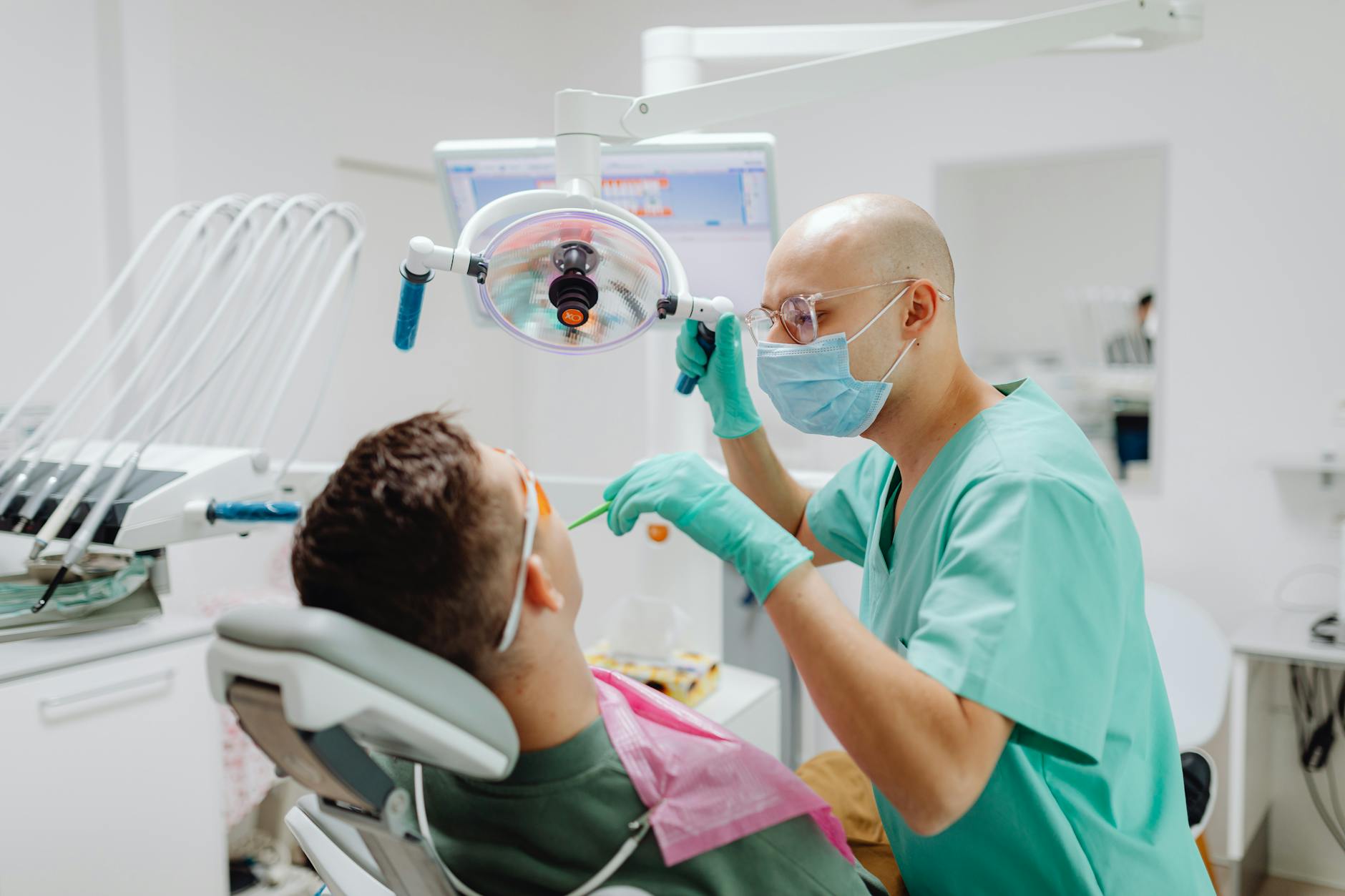
Even people with excellent home hygiene routines develop some tartar over time, particularly in hard-to-reach areas. Professional cleaning — known as prophylaxis for healthy patients, or scaling and root planing for those with gum disease — physically removes calcified deposits from tooth surfaces and below the gumline.
For most adults with good oral health, professional cleaning twice a year is the standard recommendation, though some people with a history of gum disease or rapidly mineralizing saliva may benefit from three or four appointments per year. Your dentist or hygienist can assess which schedule makes sense for your specific mouth.
Signs that plaque and tartar have progressed beyond what home care can manage include: visible hard deposits (often yellow-brown) at the base of teeth near the gumline, persistent bad breath that does not resolve with brushing, bleeding gums when you brush or floss, and gum recession or pockets where the gums have pulled away from the teeth.
Frequently Asked Questions About Plaque
Key Takeaways
Dental plaque is a living bacterial biofilm that begins forming within minutes of a tooth being cleaned and matures into a damaging community within four to eight hours. It is soft and removable — but only while it remains soft. Left undisturbed for 24 to 72 hours, it mineralizes into tartar that no home product can touch.
The most important practical point from all the research: how to remove plaque from teeth effectively comes down to angle, coverage, and consistency rather than force or duration. Brushing at 45 degrees to the gumline using gentle vibratory strokes, combined with daily interdental cleaning that reaches the contact points between teeth, removes the plaque that causes both cavities and gum disease before it can harden.
Diet shapes the bacterial environment plaque operates in. Reducing the frequency of sugar exposures throughout the day, staying hydrated to support saliva flow, and eating foods that require chewing all reduce the conditions that allow harmful plaque bacteria to thrive.
Professional cleaning fills the gap that home care cannot — removing the tartar that does accumulate despite good habits, and allowing your hygienist to identify areas of persistent buildup before they become larger problems. Consistent home hygiene combined with regular professional visits is still the evidence-based standard for keeping plaque under control throughout a lifetime.