How Often Should You Replace Your Bath Mat? Here's What Experts Say
If you have ever paused at the bathroom door and wondered exactly how often you should replace your bath mat, you are not alone. It is one of those household questions that rarely comes up until something goes obviously wrong — a persistent musty smell, a mat that no longer lies flat, or a backing that has started leaving dark marks on your tile. The short answer, according to cleaning professionals and hygiene researchers, is that most conventional bath mats need replacing every one to two years under typical household use. But that range shifts considerably depending on the material, the size of your household, and how diligently you wash it.
This guide breaks down everything you need to know about bath mat lifespan, how to tell when yours has passed the point of no return, and how to get the maximum useful life out of whichever type you own.
The General Replacement Timeline by Material
Not all bath mats age at the same rate. The fibers, backing materials, and construction quality all determine how long a mat can realistically serve you before it becomes a hygiene liability rather than a hygiene helper.
- Cotton mats: Standard cotton bath mats — the most common type — typically last one to two years with regular weekly washing. High-frequency households (four or more people) may see them degrade closer to the one-year mark.
- Microfiber mats: Microfiber holds up well to frequent washing and generally lasts two to three years before the fibers begin to mat down and lose absorbency. The backing, however, may degrade faster than the top surface.
- Memory foam mats: These are more vulnerable to water saturation and mold growth. Many hygiene professionals suggest replacing memory foam bath mats every six to twelve months, particularly in humid bathrooms without good ventilation.
- Bamboo and teak mats: Slatted bamboo or teak mats function differently from fiber mats — they do not absorb water and dry quickly. With proper care, they can last three to five years or more. They require occasional sanding and oiling rather than machine washing.
- Diatomite (stone) mats: Diatomite mats are made from compressed fossilized algae and absorb moisture through their porous surface. They can last several years and are cleaned by wiping or light sanding rather than laundering, though they can crack if dropped.
- Chenille and shag mats: These plush-pile mats are prone to collecting and retaining moisture in their deep fibers. Expect a lifespan of one to two years, with more frequent replacement warranted in high-traffic bathrooms.
10 Signs Your Bath Mat Needs Replacing Now
Knowing the general timelines is useful, but your bath mat may give out sooner — or later — than the averages suggest. Here are the key signs a bath mat needs replacing regardless of its age.
- Persistent odor after washing: If you launder your mat according to the care label and it still smells musty or sour within a day or two of drying, mold or mildew has likely colonized deep within the fibers or backing. This odor will not wash out.
- Visible mold or dark spots on the backing: Black, green, or gray spots on the non-slip backing are almost always mold. At this stage, the mat poses a genuine health risk, particularly for people with respiratory sensitivities or compromised immune systems.
- Backing that peels, bubbles, or cracks: The rubber or latex backing provides grip. Once it starts to deteriorate, it loses its non-slip function — which creates a slip hazard — and it also begins shedding particles onto your floor.
- Lost absorbency: Step onto the mat after a shower and your feet still feel wet? A mat that can no longer absorb moisture has lost its primary function. This happens when fibers become compressed or coated with detergent and mineral buildup over time.
- Discoloration that will not wash out: Some yellowing and color change is cosmetic. But discoloration concentrated near the center — where foot traffic is heaviest — combined with a stiff or greasy texture often signals trapped oils, dead skin cells, and bacteria that laundering no longer reaches.
- Flat or compressed pile: Fluffy terry or chenille mats that have permanently flattened out have lost their structural capacity to lift and dry moisture effectively. Flat fibers also dry more slowly, giving bacteria more time to multiply.
- Fraying edges or unraveling seams: Beyond aesthetics, frayed edges can become a tripping hazard. They also expose raw fiber ends that absorb and trap moisture faster than finished edges.
- Stiff texture that does not soften after washing: A mat that feels stiff or cardboard-like — even after a proper wash cycle with appropriate detergent — has likely accumulated hard water mineral deposits and body oils beyond the point of recovery.
- Allergic symptoms that correlate with bathroom use: Sneezing, nasal congestion, or skin irritation that appears after bathing or showering can sometimes be traced to a moldy or dusty bath mat. This is especially worth investigating for allergy sufferers.
- Non-slip backing leaving marks on your floor: When degrading rubber transfers dark residue to tile or grout, it means the backing material is breaking down chemically. This can stain flooring and is a clear sign the mat has exceeded its useful life.
Bath Mat Hygiene: Washing Frequency vs. Replacement Frequency
There is an important distinction in the bath mat hygiene guide space that many households overlook: washing frequency and replacement frequency serve different purposes. Washing keeps a mat hygienic in the short term. Replacement addresses the structural and material degradation that washing cannot reverse.
How Often Should You Wash a Bath Mat?
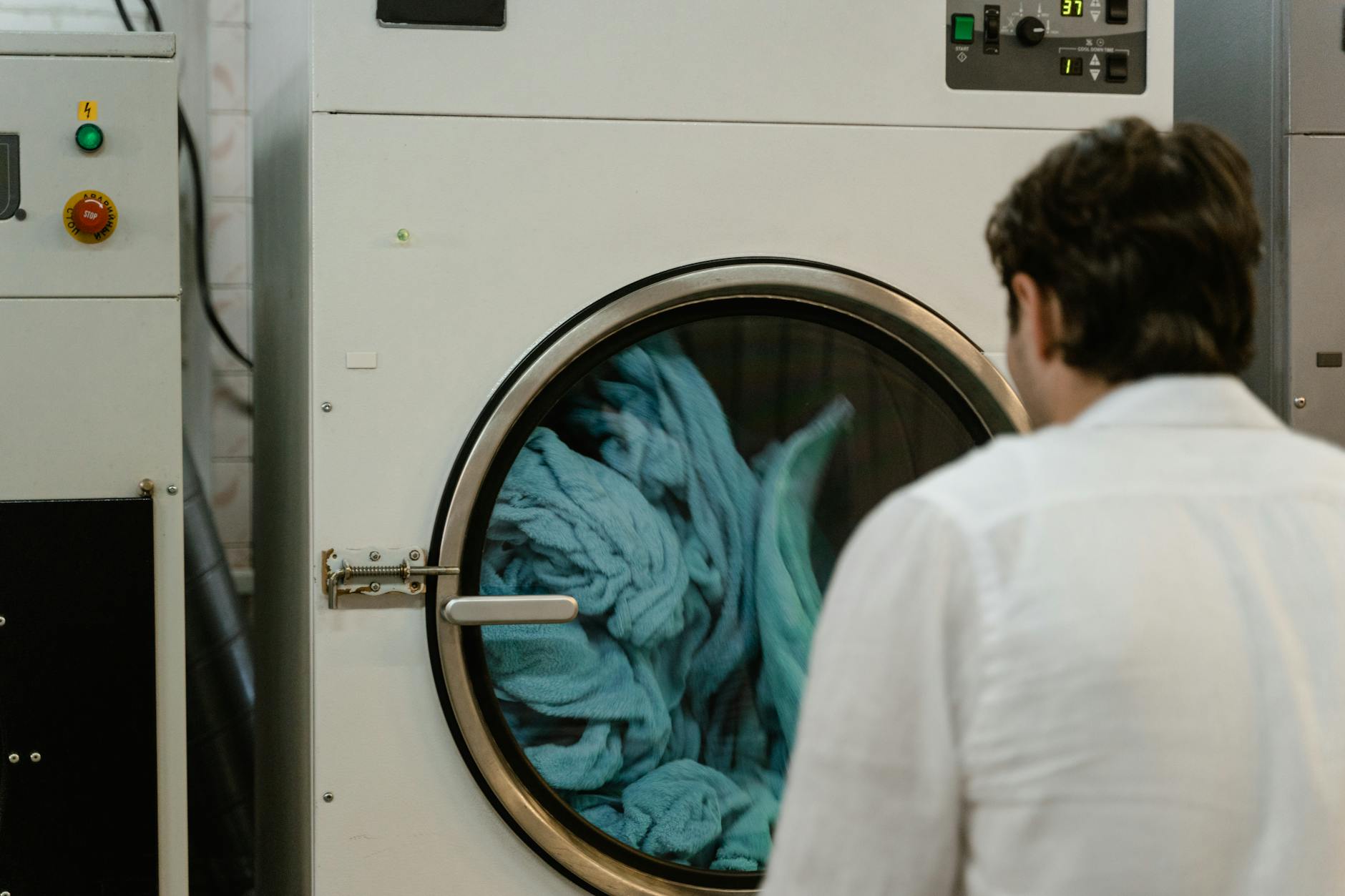
The general consensus among cleaning professionals and microbiologists is that bath mats should be washed at least once per week in a household with daily shower use. A mat used by multiple people may need washing every three to four days. Research published in hygiene and environmental health journals has consistently shown that damp textiles in warm, humid environments — like bathrooms — can accumulate significant bacterial loads within 24 to 48 hours under the right conditions.
Washing guidelines to follow:
- Use warm water (not hot, which can degrade rubber backing) unless the care label specifies otherwise.
- Avoid fabric softener on cotton or microfiber mats — it coats the fibers and dramatically reduces absorbency over time.
- Tumble dry on low heat or air dry flat. High heat accelerates backing deterioration.
- Never wash a mat with a cracked or peeling backing — the rubber particles will contaminate your washing machine drum.
- Hang the mat to air out between washes rather than leaving it folded on the floor, where airflow is minimal.
Washing Does Not Equal Maintenance — They Work Together
Even a mat that is washed weekly will still need replacing at some point. Repeated wash cycles physically stress the fibers and backing. Over time, the material becomes thinner, backing adhesion weakens, and the mat's ability to dry quickly between uses diminishes. At a certain threshold, more frequent washing actually accelerates deterioration rather than prolonging the mat's useful life.
The practical takeaway: consistent washing buys you time and keeps the mat sanitary, but it does not reset the material clock. Use the replacement timelines above as your planning benchmark, and watch for the physical signs listed earlier as your early-warning system.
Material Lifespans in Detail
Understanding what causes each material type to fail helps you set realistic expectations and choose the right mat for your household's specific conditions.
Cotton
Cotton is the most popular bath mat material for good reason — it is soft, affordable, and widely available. However, cotton fibers break down with repeated heat exposure during washing and drying. The pile gradually compresses, and the backing (typically latex or thermoplastic rubber) begins to separate from the woven base layer after sustained moisture cycling. For a single-person household washing weekly, a quality cotton mat may last up to two years. In a four-person household using it daily, expect closer to 12 months.
Microfiber
Microfiber mats are manufactured from ultra-fine synthetic filaments — typically polyester or polyamide — and are highly absorbent despite their thin profile. They dry faster than cotton, which reduces the window for bacterial growth between uses. The fibers hold up well to machine washing, and most microfiber mats retain meaningful performance for two to three years. The main failure point tends to be the backing rather than the top surface.
Memory Foam
Memory foam mats offer exceptional cushioning underfoot and have become popular in recent years. Their significant drawback, from a hygiene standpoint, is that the foam core can absorb and retain moisture even when the top surface feels dry. This creates internal conditions favorable for mold growth that may not be visible until the mat is already a health concern. Bathrooms with poor ventilation or steam retention accelerate this process considerably. Most hygiene-conscious sources recommend replacing memory foam bath mats every six to twelve months.
Bamboo and Teak
Slatted bamboo and teak mats do not absorb water — they allow it to drain through and dry rapidly. This makes them far more resistant to mold and bacterial accumulation than fiber mats. Maintenance involves wiping down after use, occasional scrubbing with mild soap, and periodic treatment with a natural oil (like teak oil) to prevent drying and cracking. Well-maintained bamboo or teak mats can realistically serve three to five years or longer. Watch for signs of splitting, cracking slats, or discoloration that indicates the wood is drying out.
Diatomite (Stone)
Diatomite mats are increasingly popular for their near-instant absorption and fast drying time. Because they are non-porous at the surface level (moisture is absorbed into the diatomite structure and then evaporates), they are inherently resistant to the kind of bacterial growth that plagues fabric mats. Maintenance involves occasional light sanding with fine sandpaper to refresh the surface when absorption slows. Diatomite mats do not wear out in the traditional sense, though they can crack if flexed or dropped. With careful handling, they can last several years.
The Real Cost of Replacing vs. Investing in Longevity
One of the most practical angles on the when to replace bathroom mat question is financial. Many households default to inexpensive cotton or chenille mats because the upfront cost is low — typically $10 to $25. But the replacement cost compounds quickly.
Consider a simple comparison:
| Material Type | Typical Cost | Expected Lifespan | 5-Year Cost (approx.) |
|---|---|---|---|
| Cotton (budget) | $10 – $20 | 1 – 1.5 years | $40 – $100 |
| Cotton (mid-range) | $25 – $45 | 1.5 – 2 years | $60 – $150 |
| Microfiber | $20 – $40 | 2 – 3 years | $35 – $100 |
| Memory Foam | $30 – $60 | 6 – 12 months | $150 – $600 |
| Bamboo / Teak | $30 – $70 | 3 – 5 years | $30 – $70 |
| Diatomite | $25 – $60 | 3 – 5+ years | $25 – $60 |
The figures above make clear that memory foam mats — despite their perceived luxury — are among the most expensive options over time due to their short usable lifespan. Budget cotton mats that require annual replacement can also accumulate significant cost, plus the added environmental impact of textile waste. Long-lasting materials like bamboo, teak, and diatomite require a higher upfront investment but deliver better value over a five-year window while also generating less waste.
How to Extend Your Bath Mat's Lifespan
Following a consistent maintenance routine can meaningfully extend how long your mat remains both functional and hygienic. Here are the most effective habits.
- Shake it out after each shower: Lifting the mat and shaking loose hair, skin cells, and debris before they can work into the fibers makes a genuine difference in how quickly the material degrades.
- Hang it to dry between uses: A mat left flat on the floor retains moisture for hours. Hanging it over the side of the tub or on a hook allows air to circulate on both sides, dramatically reducing drying time.
- Rotate between two mats: Using two mats on alternating days gives each mat 48 hours to fully dry and air out before the next use. This single habit can effectively double a mat's functional lifespan.
- Wash on a set schedule: Weekly washing prevents buildup from reaching the point where it cannot be reversed. Skipping several washes and then doing one deep clean is less effective than steady maintenance.
- Skip fabric softener: As noted above, fabric softener coats textile fibers and sharply reduces absorbency. Use a small amount of white vinegar in the rinse cycle instead — it removes detergent residue and naturally inhibits odor.
- Air out your bathroom: Running the exhaust fan during and after showers reduces the ambient humidity that mats sit in. Lower overall bathroom humidity means mats dry faster and stay drier between uses.
- Clean the non-slip backing: The underside of most mats benefits from a gentle scrub with a soft brush and mild soap every few months. Built-up grime accelerates backing degradation.
Special Situations: Pets, Children, Allergies, and High-Traffic Households

The standard replacement timelines apply to typical adult households. Certain situations call for more aggressive replacement schedules.
Households with Pets
Pets — especially dogs — introduce an entirely different set of contaminants to a bath mat. Damp paws carry soil, outdoor bacteria, and organic material into the bathroom. Pet dander and hair become embedded in fiber mats rapidly. If pets have access to your bathroom, you should wash the mat every two to three days and plan to replace it every six to twelve months, regardless of material type. Bamboo or diatomite mats are often more practical for pet owners because they can be wiped or rinsed without the full laundering cycle that fiber mats require.
Households with Young Children
Young children's bathroom routines involve more water on the floor and more frequent traffic across the mat. The higher moisture load accelerates all forms of degradation — fiber compression, backing deterioration, and mold risk. Households with children under ten using a shared bathroom should wash the mat twice per week and target replacement at the lower end of the relevant material's lifespan range.
Allergy Sufferers
For anyone with a dust mite allergy, mold allergy, or sensitivity to volatile organic compounds (VOCs) from degrading rubber backings, bath mats warrant more careful management. Washing in water at 60°C (140°F) is necessary to kill dust mites — check your mat's care label to see whether it can tolerate this temperature. If not, a hard-surface mat (bamboo, teak, or diatomite) may be a more appropriate choice, as these materials do not support dust mite populations. Replacement should happen at the first sign of any mold or persistent odor, without waiting for the standard timeline to elapse.
Bathrooms Without Windows or Poor Ventilation
Ventilation is one of the most underappreciated factors in bath mat longevity. A bathroom with an effective exhaust fan and good airflow will dry a mat in two to four hours. A poorly ventilated bathroom may leave it damp for six to eight hours or longer — and in that extended moisture window, microbial growth is substantially higher. In such bathrooms, all replacement timelines should be compressed by roughly a third, and daily hang-to-dry practices are not optional — they are essential.
Setting Up a Simple Bath Mat Replacement Schedule
The most practical approach to managing the how often replace bath mat question is to build it into your home maintenance calendar rather than relying on intuition. Here is a simple framework:
- Weekly: Wash fiber bath mats (cotton, microfiber, chenille, shag). Wipe down bamboo, teak, or diatomite mats with a damp cloth.
- Monthly: Inspect the non-slip backing for cracks, bubbling, or peeling. Check for any odor that persists after washing. Assess pile density on fiber mats.
- Every 6 months: Do a full replacement assessment. If you have a memory foam mat, strongly consider replacing it. Check all other mat types against the signs of wear listed above.
- Annually (at minimum): Replace cotton or chenille mats in high-traffic households, regardless of apparent condition. For lower-traffic households, this is the point at which you do a thorough inspection and replace if any warning signs are present.
- Every 2-3 years: Evaluate microfiber mats for replacement. Inspect bamboo or teak mats for structural integrity and treat with appropriate oil or sealer.
Key Takeaways
The bath mat hygiene guide principle is straightforward: washing maintains short-term hygiene, but replacement addresses the irreversible physical changes that happen to any textile or material that is wet every day. The most important things to take away from this guide are:
- Most conventional cotton and microfiber bath mats need replacing every one to two years under normal household conditions.
- Memory foam mats carry the shortest practical lifespan — six to twelve months — due to their susceptibility to internal moisture retention and mold.
- Hard-surface options like bamboo, teak, and diatomite dramatically outlast fiber mats and often deliver lower five-year costs despite higher upfront prices.
- Weekly washing is the non-negotiable baseline for fiber mat hygiene — but washing frequency does not substitute for timely replacement.
- The presence of persistent odor, visible mold, peeling backing, or lost absorbency means a mat should be replaced immediately, regardless of how recently you purchased it.
- High-traffic households, pet owners, households with young children, and allergy sufferers should shorten all replacement timelines and consider more durable, easy-to-clean materials.
- The single most effective maintenance habit is hanging the mat to dry after every use — this alone meaningfully extends the mat's useful life.
Your bath mat is one of the most frequently used surfaces in your home and one of the most commonly neglected when it comes to replacement cycles. Applying the timelines and inspection habits in this guide ensures that what is supposed to be a hygiene tool stays one — rather than quietly becoming a source of the very contamination it is meant to prevent.