How Red Light Therapy Actually Works on Skin: A Plain-English Look at the Science
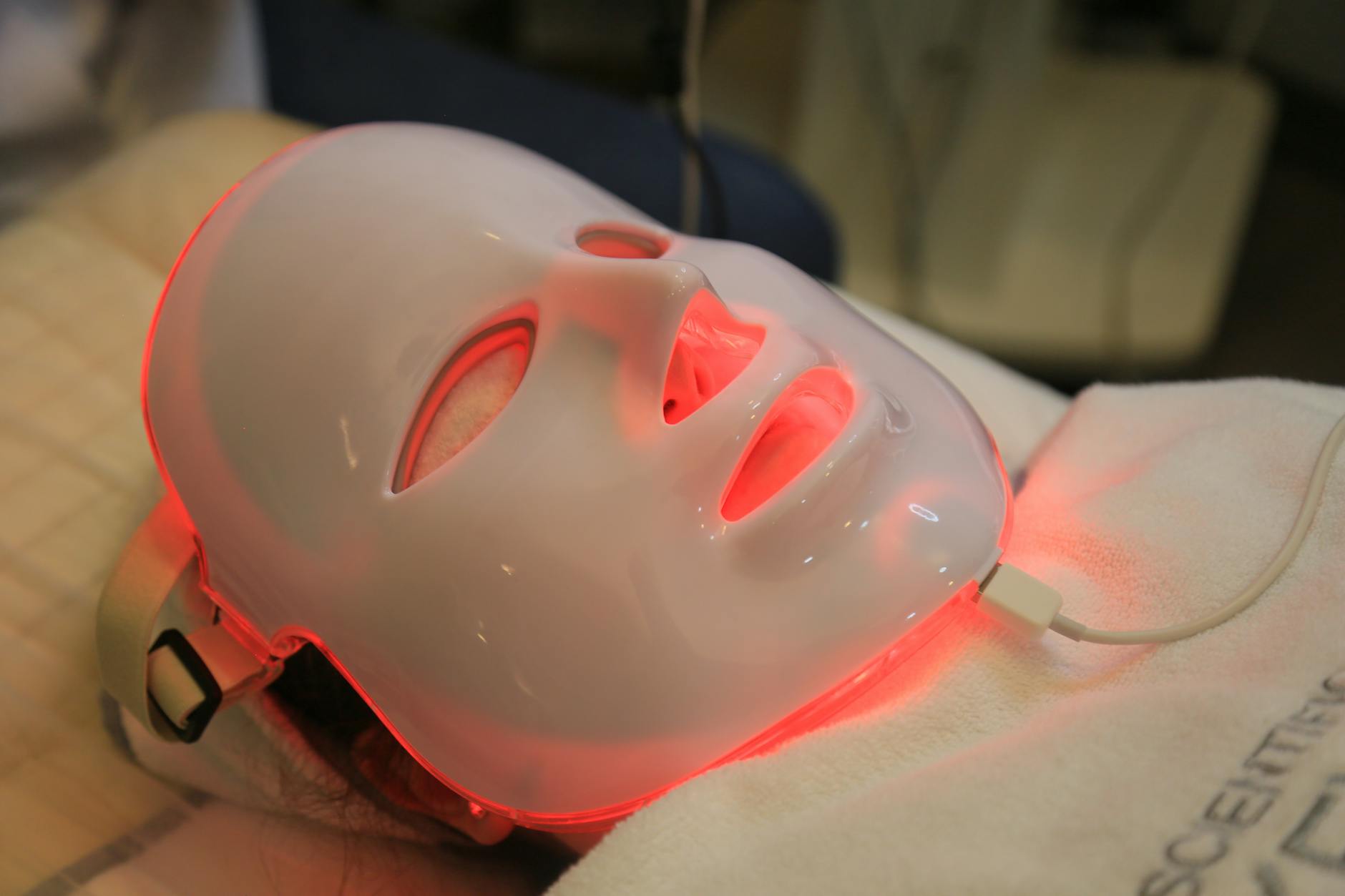
Red light therapy for skin has gone from obscure clinical tool to mainstream skincare staple in just a few years. Walk into any beauty store and you'll find LED face masks, wands, and panels lining the shelves. Scroll through social media and you'll see dermatologists, aestheticians, and everyday users sharing glowing results. But what is actually happening beneath the surface? Is this science, or is it sophisticated marketing dressed up in clinical language?
The honest answer: there is real, peer-reviewed science behind red light therapy — and there is also a lot of overpromising. This guide cuts through both. We'll look at exactly how specific wavelengths of light interact with skin cells, what the research says about outcomes like reduced wrinkles and improved texture, and where the evidence still falls short. No products to sell, no affiliate links — just a plain-English translation of the biology.
What Is Red Light Therapy?
Red light therapy — also called photobiomodulation (PBM), low-level laser therapy (LLLT), or LED light therapy — is the use of specific wavelengths of red or near-infrared (NIR) light to stimulate biological processes in tissue. The wavelengths most commonly used in skincare applications fall between 630 and 850 nanometers (nm).
The concept is not new. NASA researchers first documented the wound-healing and cell-growth effects of red LED light in the 1990s while exploring how to grow plants in space. Dermatologists and sports medicine physicians began exploring clinical applications throughout the 2000s, and the technology has since evolved from large clinical panels into compact consumer devices.
It is important to distinguish red light therapy from other light-based skin treatments. It is not UV light (which damages DNA and causes sunburn). It is not laser resurfacing (which ablates, or removes, the outer skin layer). Red and near-infrared light operates at much lower energy levels — enough to stimulate cellular activity, but not enough to burn or damage tissue at standard exposure doses.
The Science: How Red Light Therapy Actually Works
The mechanism behind photobiomodulation skin benefits is more specific and well-understood than most people realise. It comes down to a chain reaction that starts in individual cells, triggered by light at the right wavelength.
Step 1 — Wavelength Penetration Depth
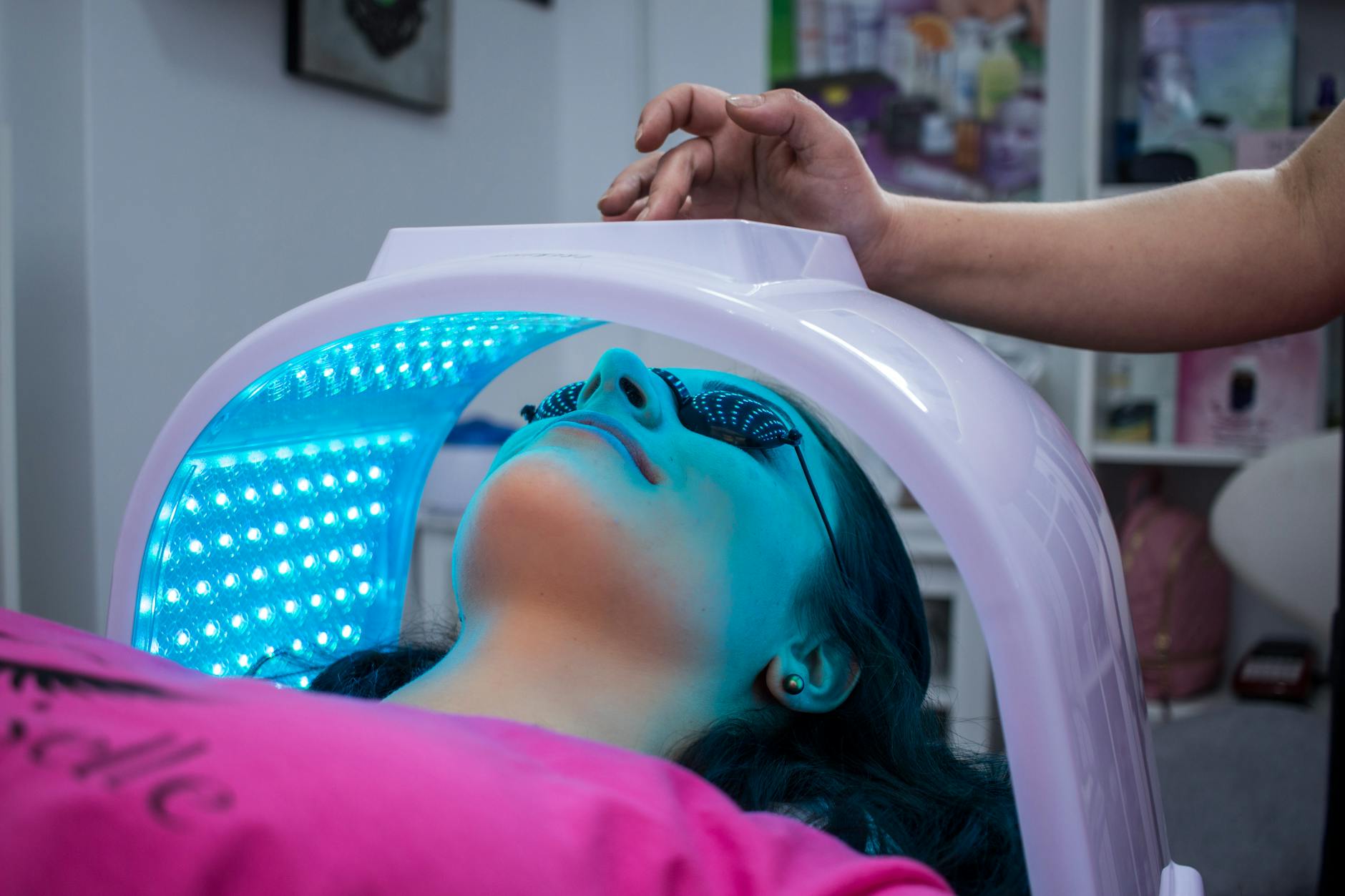
Not all light penetrates skin equally. Shorter wavelengths, like blue light (around 415 nm), are absorbed near the surface — in the epidermis. This is why blue light is effective against surface acne bacteria but doesn't reach deeper structures.
Red light in the 630–700 nm range penetrates into the upper dermis — roughly 1 to 2 millimetres below the skin surface. Near-infrared light in the 810–850 nm range penetrates deeper still, reaching 3 to 5 mm, which puts it within range of deeper collagen-producing cells (fibroblasts), sebaceous glands, hair follicles, and even superficial blood vessels. This depth differential is why devices targeting structural skin changes — collagen remodelling, reduced fine lines — tend to use near-infrared wavelengths alongside visible red.
Step 2 — Mitochondrial Stimulation and ATP Production
Once red or near-infrared photons penetrate skin tissue, they are absorbed by a specific protein complex inside the mitochondria called cytochrome c oxidase (CCO), which is part of the cell's electron transport chain. Mitochondria are the energy-producing organelles in cells — essentially the cellular powerhouse.
When CCO absorbs photons at the right wavelengths, it undergoes a conformational change that temporarily accelerates the production of adenosine triphosphate (ATP), the cell's primary energy currency. Think of it as briefly supercharging the cell's battery. With more ATP available, the cell can perform its normal repair and synthesis functions faster and more efficiently.
Alongside this, photobiomodulation also appears to modulate the production of reactive oxygen species (ROS) — molecules that at low levels act as signalling agents triggering beneficial cellular responses, including repair pathways. This dual mechanism — more energy plus controlled signalling — is central to how red light drives downstream benefits.
Step 3 — Collagen and Elastin Synthesis
The cell type most relevant to skin structure is the fibroblast, found in the dermis. Fibroblasts are responsible for producing collagen and elastin — the structural proteins that give skin its firmness, plumpness, and elasticity. As we age, fibroblast activity slows and collagen production declines. Environmental stressors like UV exposure and pollution accelerate this decline.
Multiple peer-reviewed studies have shown that red and near-infrared light exposure increases fibroblast proliferation and stimulates collagen type I and type III synthesis. A notable 2014 study published in Photomedicine and Laser Surgery found that participants using a combination 633 nm and 830 nm LED panel saw significant improvements in skin roughness, wrinkle area, and collagen density as measured by ultrasound after 30 sessions. This is the primary mechanism behind claims that red light therapy collagen production effects are real — because, at an adequate dose, they are.
Step 4 — Improved Microcirculation
Photobiomodulation also appears to stimulate the release of nitric oxide from blood vessel walls, causing temporary vasodilation — a widening of capillaries. This improves local blood flow and nutrient delivery to skin tissue. Better circulation means more oxygen and raw materials reaching fibroblasts, immune cells, and surface keratinocytes, supporting the skin's natural regeneration cycle.
Step 5 — Reduced Inflammation
Chronic low-level inflammation is one of the most damaging and underappreciated contributors to skin ageing. Red light therapy has been shown in several studies to reduce pro-inflammatory cytokines (signalling molecules that drive inflammatory responses) while upregulating anti-inflammatory pathways. This anti-inflammatory effect is particularly well-documented in wound healing research and is one reason why the technology was initially developed for post-surgical and post-injury recovery.
What Conditions Is Red Light Therapy Proven to Help?
"Proven" is a word that demands precision in skincare. Here is where the evidence for red light therapy for skin is genuinely strong, where it is promising but preliminary, and where it is more speculative.
Strong Evidence
- Wound healing and tissue repair: This is the most robustly studied application. Multiple randomised controlled trials support the use of red and near-infrared light for accelerating healing of surgical incisions, diabetic ulcers, and soft tissue injuries. The FDA has cleared several devices for wound management.
- Acne vulgaris: Blue light alone and combined red/blue light therapy (where blue light targets Cutibacterium acnes bacteria and red light reduces inflammation) have significant clinical trial support. A 2009 meta-analysis in the Journal of the American Academy of Dermatology found meaningful reductions in acne lesion counts.
- Musculoskeletal pain and inflammation: This is outside pure skincare but relevant context — the anti-inflammatory mechanism underpinning these benefits is the same one operating in skin applications.
Good Evidence (but More Research Needed)
- Does red light therapy work for wrinkles? The evidence is promising. Multiple trials using controlled LED panels show reductions in wrinkle depth and improved skin texture. The 2014 Photomedicine and Laser Surgery study mentioned earlier is frequently cited. However, many studies use small sample sizes and industry funding, so independent large-scale replications would strengthen confidence further.
- Skin laxity and firmness: Studies show measurable improvements in skin tone and firmness with consistent use, attributed to collagen remodelling. Results take weeks to months to accumulate.
- Sun damage and hyperpigmentation: Some evidence supports improvement in sunspot appearance, though results are slower and less dramatic than with targeted treatments like chemical peels or IPL.
- Rosacea and perioral dermatitis: Anti-inflammatory effects appear beneficial for some inflammatory skin conditions, though individual responses vary considerably.
- Post-procedure skin recovery: Many dermatologists use LED therapy as an adjunct after laser resurfacing or chemical peels to accelerate healing and reduce post-treatment inflammation. This application has growing clinical support.
Preliminary or Speculative Evidence
- Hair loss (androgenetic alopecia): Several studies and a number of FDA-cleared devices exist in this space, but optimal protocols are still being established.
- Psoriasis and eczema: Some case reports and small trials show benefit, but these are complex immune-mediated conditions that warrant specialist management.
- Stretch marks and acne scarring: Anecdotal reports are encouraging, but large randomised trials are lacking.
What Red Light Therapy Does NOT Do
Setting realistic expectations is as important as understanding the science. Here is what the evidence does not support:
- It will not remove deep wrinkles or dramatically reverse years of damage quickly. Photobiomodulation works by nudging cellular processes — it is incremental, not transformative in the way that injectables or ablative lasers are. Most studies show subtle-to-moderate improvements over 8–12 weeks of consistent use.
- It will not eliminate established hyperpigmentation reliably. Melasma and deep sun spots generally require targeted treatments with stronger evidence bases (retinoids, hydroquinone, IPL).
- It is not a substitute for sun protection. No amount of collagen stimulation offsets the ongoing damage from unprotected UV exposure. SPF remains the single most evidence-backed anti-ageing skincare intervention available.
- It will not produce results from a single session. Photobiomodulation is a cumulative process. Consistent sessions over weeks are necessary to see measurable outcomes.
- Cheap, low-power devices may not deliver enough irradiance to trigger cellular effects. The dose (measured in J/cm², or joules per square centimetre) matters enormously. Many very inexpensive LED devices do not disclose their irradiance levels, making it impossible to know if they are operating in the therapeutic range studied in clinical trials.
Safety and Side Effects
Red light therapy has an excellent safety profile when used as directed. At the wavelengths and power densities used in consumer and clinical devices, it does not cause DNA damage, burns, or the pigmentation changes associated with UV exposure. It is non-ionising radiation — meaning it does not carry enough energy to break chemical bonds or damage genetic material.
That said, there are sensible precautions:
- Eye safety: While red light at these wavelengths is not the same as laser light, prolonged direct exposure to high-intensity LED panels near the eyes is inadvisable. Most reputable devices supply protective goggles, and these should be worn.
- Photosensitising medications: Certain medications — including some antibiotics (doxycycline, tetracycline), some NSAIDs, and retinoids in certain contexts — can increase skin sensitivity to light. Anyone on these medications should check with their prescribing physician before starting regular light therapy sessions.
- Active skin cancers or suspicious lesions: Light therapy should be avoided over any undiagnosed or confirmed malignant skin lesion. This is a standard precaution, not evidence of specific risk, but cancer cells are proliferating cells and stimulating cellular activity over them is contraindicated on general principle.
- Pregnancy: There is insufficient safety data for use during pregnancy. The risk is likely low, but the precautionary approach is to avoid it.
- Thyroid area: Some practitioners advise caution when using near-infrared light over the anterior neck (thyroid gland), given that the thyroid is a metabolically active gland sensitive to light stimulation. This is a theoretical concern rather than documented risk, but worth noting.
Common mild side effects include temporary redness or warmth at the treatment site, which typically resolves within an hour. These are generally signs of increased circulation rather than damage.
At-Home vs. Professional Devices: What's the Real Difference?
The most common question people have once they understand the science is: does it matter where I get red light therapy? The honest answer is: yes, somewhat — but perhaps less than you'd expect if you choose well.
Professional Clinical Devices
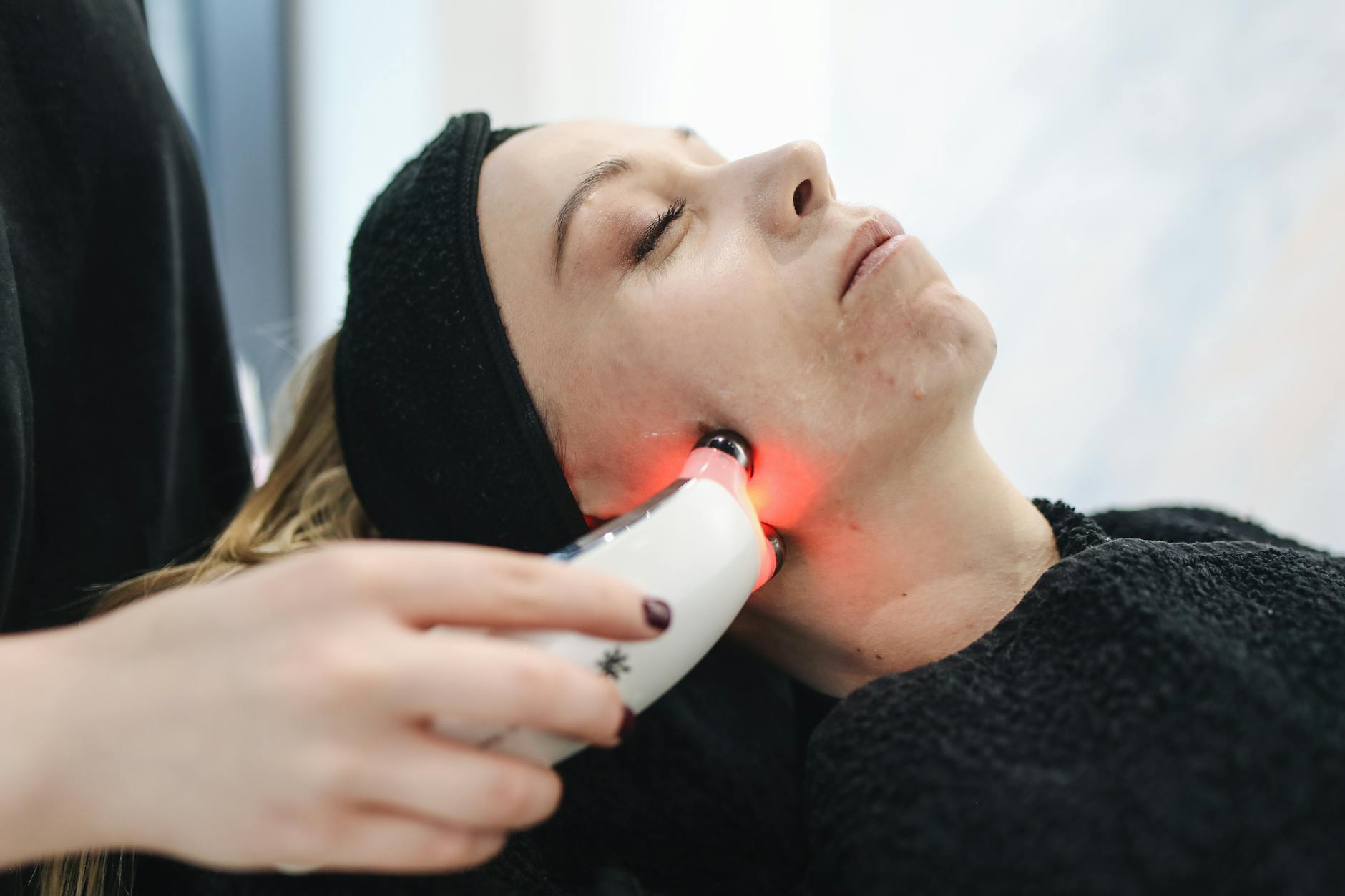
Clinical panels and devices used by dermatologists and aestheticians are typically higher-powered, delivering irradiance levels of 50–200 mW/cm² or more, and treatments are conducted at precise distances for controlled exposure times. They often use multiple wavelengths simultaneously (e.g., 633 nm red plus 830 nm near-infrared) and are calibrated to deliver specific joule dosages per session. Clinical devices have FDA 510(k) clearance in many cases and have been used in the peer-reviewed studies that form the evidence base for most claims.
Consumer At-Home Devices
LED light therapy face devices for home use span a vast quality range. At the higher end, some consumer panels and masks now approach clinical irradiance levels and disclose their specifications transparently. At the lower end, many "LED skincare" devices deliver power levels far below the therapeutic threshold observed in studies. Key things to look for when evaluating a home device include:
- Wavelength specificity: Look for devices that specify wavelengths in the 630–670 nm range for red and/or 810–850 nm for near-infrared. Vague descriptors like "red light" without nm values are a warning sign.
- Irradiance output: Reputable manufacturers will list mW/cm² (milliwatts per square centimetre). For reference, most effective clinical studies use 10–50 mW/cm² for consumer-appropriate exposure times of 10–20 minutes. Very low-power devices may require impractically long sessions.
- Treatment area coverage: Handheld wands cover small areas and require slow, methodical use across the face. Panel masks and flat LED panels cover more area in a single session, which is relevant if consistency is important to you.
- FDA or regulatory clearance: In the US, devices cleared by the FDA for cosmetic or medical use have met safety and efficacy standards for their indicated use.
The practical takeaway: professional sessions offer more controlled dosing and higher power levels, but consistent at-home use with a quality device over months can produce comparable outcomes to intermittent professional sessions. Frequency matters as much as power, within reason.
How Long Does It Take to See Results?
This is one of the most important — and most frequently misunderstood — aspects of photobiomodulation skin benefits. Because the mechanism is cellular stimulation rather than tissue removal or chemical disruption, results accumulate gradually.
Most clinical studies reporting significant improvements in wrinkle depth, skin texture, or tone use treatment protocols of 8 to 12 weeks, with sessions ranging from 2 to 5 times per week. Some participants show measurable improvement at the 4-week mark, but the majority of studies show peak improvements at 10–12 weeks of consistent use.
After stopping treatment, benefits are not permanent. Collagen synthesis returns to baseline over time, which is why most practitioners frame red light therapy as a maintenance practice rather than a one-time correction. Think of it similarly to exercise: the benefits are real, but they require ongoing investment to sustain.
Summary: Key Takeaways
- Red light therapy works through a well-understood biological mechanism — photons absorbed by mitochondria trigger increased ATP production, which energises fibroblasts to produce more collagen and elastin.
- The strongest evidence supports its use for wound healing, acne, and post-procedure recovery. Evidence for wrinkle reduction and skin firmness is promising and growing, but benefits are incremental rather than dramatic.
- Wavelength matters: effective devices operate in the 630–670 nm (red) and 810–850 nm (near-infrared) ranges. Irradiance level (mW/cm²) determines whether a device delivers a therapeutic dose.
- It is genuinely safe for most people when used correctly, with a small number of precautions — primarily around eye protection and photosensitising medications.
- Results require consistency over weeks to months. It is a maintenance practice, not a one-time fix.
- At-home devices vary enormously in quality. Specifications transparency is the best proxy for a device worth using.
- Red light therapy does not replace sun protection, which remains the most evidence-backed anti-ageing skincare intervention available.
The science behind red light therapy is real, and it is more rigorous than the marketing around many skincare products. But like most evidence-based approaches to skin health, it rewards realistic expectations, consistency, and an understanding of what it actually does — and does not — accomplish at the cellular level.