How to Build an Anti-Aging Skincare Routine in Your 40s: The Step-by-Step Guide
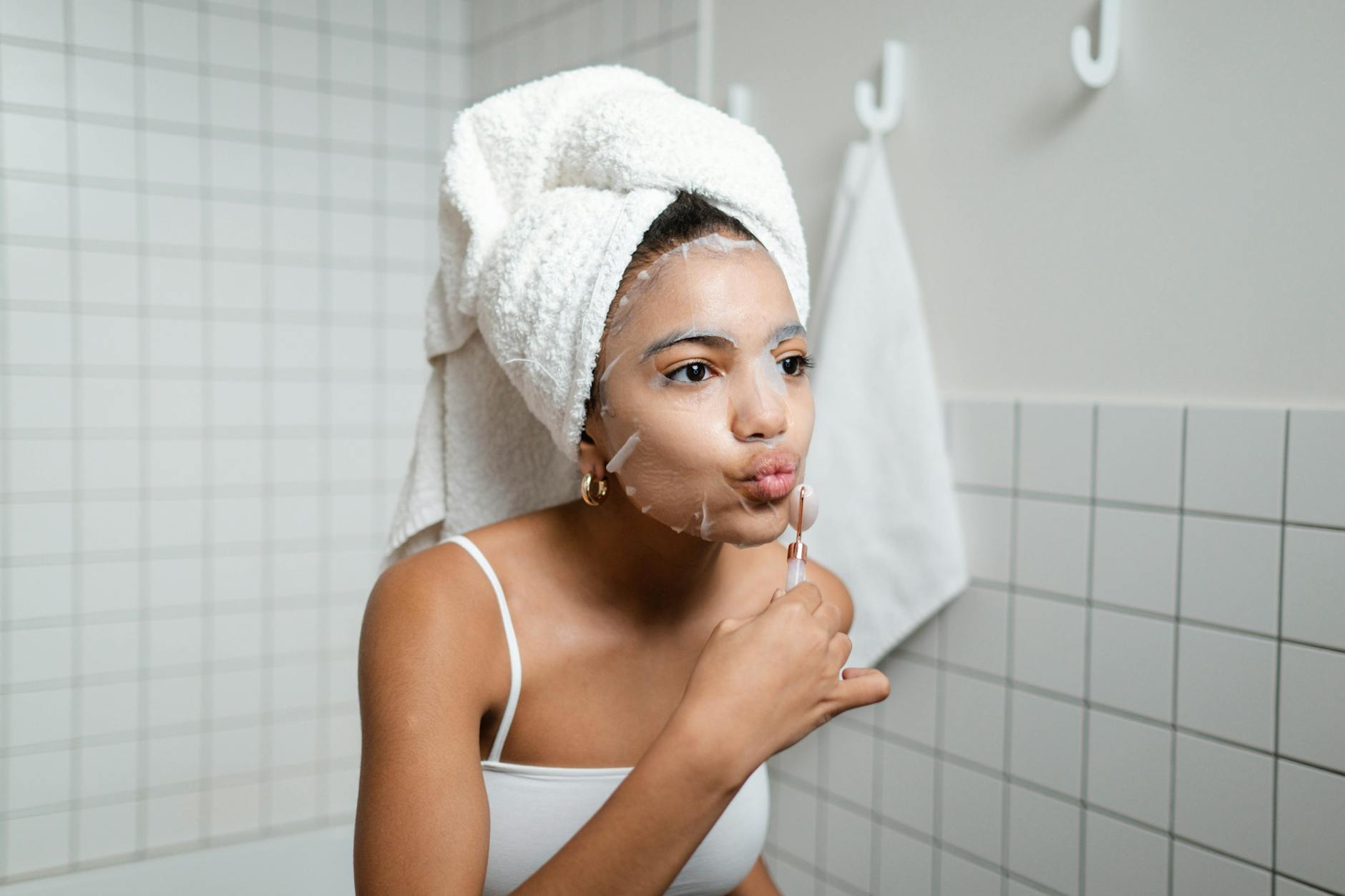
Your 40s are one of the most pivotal decades for your skin. Collagen production slows, estrogen levels shift, and years of accumulated sun exposure begin showing up as fine lines, uneven tone, and loss of firmness. But here is the good news: building the right anti-aging skincare routine in your 40s can make a genuinely measurable difference — not just in how your skin looks today, but in how it ages over the next two decades.
This guide covers everything you need: why skin changes in your 40s, the essential routine steps, the active ingredients worth your attention, and the lifestyle habits that no serum can replace. Whether you are working with a tight budget or willing to invest in premium formulas, there is an effective path forward for every skin type.
Why Skin Changes So Dramatically in Your 40s
Understanding what is happening biologically makes it much easier to choose the right products and ingredients. Several major shifts converge around the 40s to accelerate visible aging:
- Collagen loss accelerates. After your mid-20s, collagen production declines by roughly 1% per year. By your 40s, that cumulative loss is significant — skin loses elasticity, fine lines deepen, and the face can begin to look hollower around the cheeks and temples.
- Cell turnover slows down. In your 20s, skin renews itself every 28 days. In your 40s, that cycle can extend to 45–60 days, meaning dead skin cells linger on the surface, causing dullness and uneven texture.
- Hormonal fluctuations. Perimenopause, which often begins in the late 30s or early 40s, reduces estrogen. Since estrogen supports collagen synthesis and skin hydration, declining levels can cause noticeable dryness, thinning, and sagging.
- Sun damage surfaces. UV-induced damage accumulates silently for decades before manifesting as hyperpigmentation, broken capillaries, and textural changes. Many women first notice these in their 40s.
- Lipid barrier weakens. The skin's ability to retain moisture decreases, making it more reactive and prone to dryness, redness, and sensitivity.
Knowing these mechanisms tells you exactly what to target: collagen stimulation, cell turnover, hydration retention, sun protection, and barrier repair.
The Essential Steps of a Complete Anti-Aging Skincare Routine
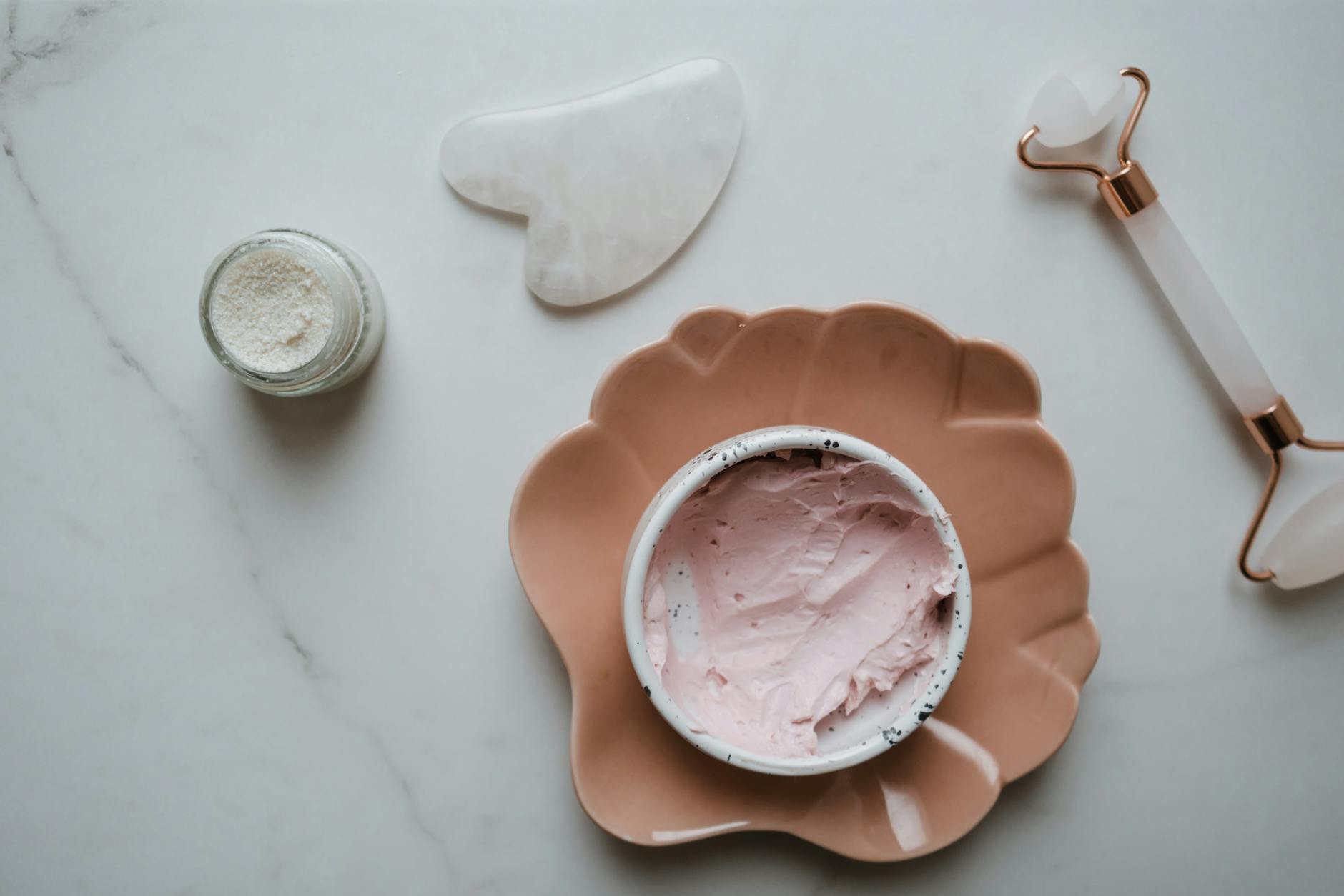
A well-structured best skincare routine over 40 does not need to be complicated. The most effective routines are the ones you will actually follow consistently. Here are the non-negotiable steps:
1. Gentle Cleanser
Avoid harsh, foaming cleansers that strip your skin's natural oils — already in shorter supply in your 40s. Opt for a creamy, hydrating, or micellar formula that removes makeup, sunscreen, and impurities without disrupting the lipid barrier. Cleanse morning and evening. Double cleansing in the evening (an oil-based cleanser first, followed by a water-based one) is especially effective at removing SPF and makeup thoroughly.
2. Exfoliation (2–3 Times Per Week)
Because cell turnover has slowed, exfoliation becomes more important than ever. There are two main approaches:
- Chemical exfoliation uses AHAs (glycolic acid, lactic acid) or BHAs (salicylic acid) to dissolve the bonds between dead skin cells. Lactic acid is particularly well-suited to mature skin because it exfoliates while also drawing in moisture. Start with a lower concentration and increase gradually to avoid irritation.
- Physical exfoliation includes gentle scrubs and manual techniques. Dermaplaning — where a fine blade is used to remove dead skin cells and vellus hair from the surface — is a popular professional or at-home method that instantly brightens the complexion and improves product absorption. It is worth noting that it should be approached with care on sensitive or acne-prone skin.
Chemical exfoliation is generally preferred for its consistency, but both methods have their place in a well-rounded routine.
3. Treatment Serums
Serums are where the real anti-aging work happens. A targeted serum delivers concentrated active ingredients deeper into the skin than a moisturizer can. In your 40s, prioritize serums that address collagen, pigmentation, and hydration (more on specific ingredients below).
4. Eye Cream
The skin around the eyes is the thinnest on the face and often shows aging first. A dedicated eye cream with peptides, caffeine (to reduce puffiness), and hyaluronic acid addresses the unique needs of this area. Apply with your ring finger using light tapping motions — never drag or pull.
5. Moisturizer
A richer moisturizer than you may have used in your 20s or 30s is typically warranted now. Look for formulas that include ceramides (to repair the barrier), hyaluronic acid (for deep hydration), and niacinamide (to even tone and strengthen the barrier). Your morning and evening moisturizers can — and often should — be different formulations.
6. Broad-Spectrum SPF (Morning Only)
If there is one non-negotiable step in any anti-aging skin care steps discussion, it is daily sunscreen. UV radiation is responsible for an estimated 80% of visible skin aging. SPF 30 is the minimum; SPF 50 is ideal. Apply it every morning — even on cloudy days and when working indoors near windows. Reapply every two hours if you are spending extended time outdoors.
The Active Ingredients That Actually Work
The skincare industry is full of buzzwords, but a handful of ingredients have genuine, peer-reviewed evidence behind them for mature skin:
Retinol (and retinoids) — The gold standard of anti-aging. Retinol accelerates cell turnover, stimulates collagen production, and visibly reduces fine lines over time. Start with a low concentration (0.025–0.05%) two to three nights per week and work up as your skin tolerates it. Always apply at night and follow with moisturizer, as retinol can cause initial dryness and peeling. This is one of the most impactful ingredients in any collagen boosting skincare routine.
Vitamin C — A powerful antioxidant that neutralizes free radicals, brightens hyperpigmentation, and supports collagen synthesis. Best applied in the morning under SPF. Look for L-ascorbic acid at 10–20% concentration in a stable, opaque or airtight formula.
Hyaluronic Acid — A humectant that holds up to 1,000 times its weight in water. It does not "add" moisture itself; it draws it in from the environment and deeper skin layers. Apply to damp skin and seal immediately with moisturizer to prevent it from drawing moisture out of the skin instead.
Peptides — Short chains of amino acids that signal the skin to produce more collagen and elastin. Unlike retinol, peptides are well-tolerated and can be used morning and evening. They are an excellent addition for those whose skin is too sensitive for retinol.
Niacinamide (Vitamin B3) — A versatile ingredient that brightens, minimizes the appearance of pores, reduces redness, and strengthens the skin barrier. Works well alongside most other actives and is suitable for daily use.
AHA/BHA Exfoliants — As discussed above, these are essential for restoring radiance and helping other actives penetrate more effectively.
Morning vs. Evening Routine: How to Structure Each One
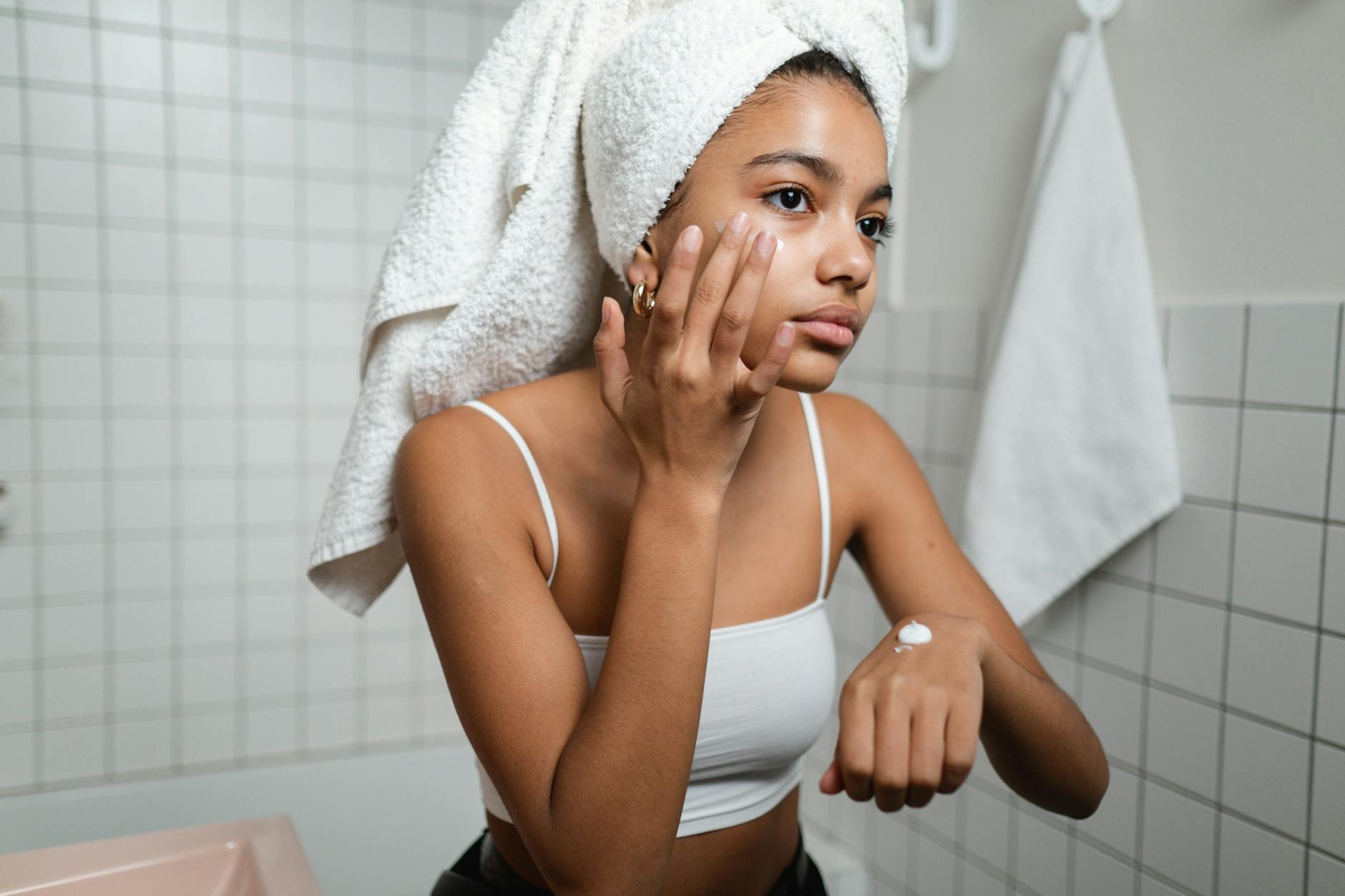
Your morning and evening routines serve different purposes and should be structured accordingly. The morning focuses on protection; the evening focuses on repair.
Morning Routine Order
- Gentle cleanser (or just rinse with water if your skin is dry)
- Vitamin C serum (apply to slightly damp skin)
- Hyaluronic acid serum (on damp skin, seal quickly)
- Eye cream
- Moisturizer
- Broad-spectrum SPF 30–50
Evening Routine Order
- Oil cleanser or micellar water (to remove SPF/makeup)
- Gentle foaming or cream cleanser
- Exfoliant (on applicable nights — not every night)
- Treatment serum (retinol, peptides, or niacinamide)
- Eye cream
- Richer moisturizer or barrier repair cream
- Facial oil (optional — locks in moisture on dry nights)
A useful rule of thumb for how to reduce fine lines naturally through product layering: apply products from thinnest to thickest consistency. Lighter serums go first; heavier creams and oils go last.
How to Layer Products Correctly
Product layering mistakes are one of the most common reasons people fail to see results. A few rules to follow:
- pH matters for exfoliants. AHAs and BHAs work optimally at a low pH (around 3.5–4). Apply them directly after cleansing, before any serum or moisturizer that might raise the skin's pH and reduce their effectiveness. Wait 20–30 minutes before applying the next product.
- Do not mix retinol and vitamin C in the same routine. Retinol is best reserved for evenings; vitamin C for mornings. Using both together can increase irritation and degrade the stability of each ingredient.
- Niacinamide pairs well with almost everything. It can be combined with vitamin C, hyaluronic acid, peptides, and even retinol without issue.
- Wait for each layer to absorb. Giving each product 30–60 seconds to settle before applying the next prevents pilling and improves absorption.
- Apply SPF last in the morning — always. Mixing sunscreen with moisturizer dilutes its protection. Apply it as the final step before any makeup.
Professional Treatments Worth Considering
A consistent at-home routine is the foundation, but periodic professional treatments can address concerns that topical products cannot fully correct on their own. Options worth discussing with a qualified dermatologist or aesthetician include:
- Chemical peels — Professional-strength AHA or TCA peels accelerate cell renewal more aggressively than at-home products, improving texture, pigmentation, and fine lines.
- Microneedling — Creates controlled micro-injuries in the skin to stimulate collagen production. A course of three to six sessions is typically recommended for noticeable results in skin firmness and fine lines.
- Laser resurfacing and IPL — Targets pigmentation, broken capillaries, and surface texture. Fractional laser treatments also stimulate collagen at a deeper level than topical products can reach.
- Radiofrequency treatments — Use heat energy to tighten skin and stimulate collagen without damaging the surface. Popular for jawline definition and overall skin laxity.
- Dermal fillers and neurotoxins — Medical-grade injectables that address volume loss and dynamic wrinkles respectively. These fall under the care of a licensed medical provider.
You do not need all of these, and none of them replace a consistent daily routine. But one or two professional treatments per year can meaningfully enhance the results of your at-home regimen.
Lifestyle Factors That Rival Any Serum
No topical product can fully compensate for habits that accelerate aging from the inside out. These four lifestyle pillars have a direct, documented impact on how your skin looks and ages:
Sleep
Skin repairs itself almost entirely during deep sleep. Growth hormone, which drives cell regeneration and collagen synthesis, is primarily released during sleep. Chronic sleep deprivation elevates cortisol, which breaks down collagen and increases inflammation. Aim for seven to nine hours per night. Sleeping on your back reduces mechanical sleep lines, and a satin or silk pillowcase creates less friction than cotton.
Hydration
Drinking enough water supports the skin's ability to maintain plumpness and elasticity, though it does not replace topical hydration. Aim for at least eight glasses of water daily, more if you exercise or live in a dry climate. Herbal teas and water-rich foods (cucumber, watermelon, celery) contribute meaningfully to overall hydration.
Diet and Nutrition
Collagen is made from amino acids, vitamin C, zinc, and copper — all obtained through diet. A diet rich in lean proteins, fatty fish (for omega-3s), colorful vegetables, and berries (for antioxidants) directly supports your skin's structural integrity. Sugar, on the other hand, drives a process called glycation, which cross-links collagen fibers and makes skin stiff and prone to wrinkles. Reducing refined sugar is one of the most impactful dietary changes for skin aging.
Stress Management
Chronic stress elevates cortisol, which degrades collagen, disrupts the skin barrier, and triggers inflammatory skin conditions. Practices like yoga, meditation, consistent exercise, and adequate time outdoors have been shown to reduce cortisol levels. Even moderate aerobic exercise improves circulation and delivers nutrients to the skin — research has shown that regular exercisers have a skin profile that looks measurably younger at a cellular level.
Budget-Friendly vs. Luxury Approaches
Effective anti-aging skincare does not require spending hundreds of dollars per month. The most important ingredients — retinol, vitamin C, hyaluronic acid, niacinamide, and SPF — are all available at accessible price points. Drugstore formulations of these actives have been studied and shown to deliver real results.
Where a higher budget can make a meaningful difference:
- Stability and formulation quality. Vitamin C (L-ascorbic acid) degrades rapidly when exposed to air and light. Luxury brands often invest more in stabilized delivery systems and airtight packaging that keep the ingredient effective longer.
- Concentration and purity of actives. Premium retinol formulations often use encapsulation technology that reduces irritation while maintaining efficacy.
- Texture and sensory experience. A more pleasant formula is one you will use consistently — which is ultimately what drives results.
A practical budget strategy: invest in one or two high-quality active serums (retinol, vitamin C), and use affordable options for your cleanser, basic moisturizer, and SPF — where the performance gap between drugstore and luxury is smallest.
Common Mistakes to Avoid
- Starting retinol too aggressively. Jumping straight to high concentrations or daily use causes unnecessary irritation, peeling, and sometimes a lasting sensitization. Start slow, build gradually.
- Skipping SPF on cloudy or indoor days. UVA rays — the ones responsible for collagen breakdown and pigmentation — penetrate glass and cloud cover. Daily SPF is a year-round commitment.
- Over-exfoliating. More is not better with exfoliation. Stripping the barrier causes inflammation, sensitivity, and paradoxically accelerates visible aging. Two to three times per week is usually sufficient.
- Neglecting the neck and chest. These areas age at the same rate as the face but are often left out of the routine. Extend your serum, moisturizer, and SPF down to your décolletage every day.
- Chasing trends instead of consistency. The newest ingredient or gadget will always be less effective than a simple, consistent routine with proven actives. Skin transformation happens over months, not days.
- Applying products to dry skin. Many actives — especially hyaluronic acid and vitamin C — perform better on slightly damp skin. Apply immediately after patting dry.
- Ignoring product expiration dates. Active ingredients degrade over time. Using expired vitamin C (it turns orange-brown when oxidized) or old retinol provides little benefit and may cause irritation.
Final Verdict
Building an effective anti-aging skincare routine in your 40s comes down to a few core principles: protect every morning with SPF, repair every evening with retinol and peptides, hydrate consistently, exfoliate regularly, and support all of it with the lifestyle habits that no product can replace.
You do not need a 12-step routine or a cabinet full of expensive products. What you need is a handful of proven, well-formulated actives applied consistently over time. The women who see the most dramatic improvements in their skin in their 40s and beyond are not the ones using the most products — they are the ones who have found a simple, sustainable routine and stuck with it.
Start with the basics: a gentle cleanser, a vitamin C serum, retinol a few nights a week, a good moisturizer, and daily SPF. Master that foundation before adding anything else. Your skin will respond — it just needs consistency, not complexity.