How to Care for Your Bed Sheets: Washing, Drying, and Storage Tips That Make Them Last
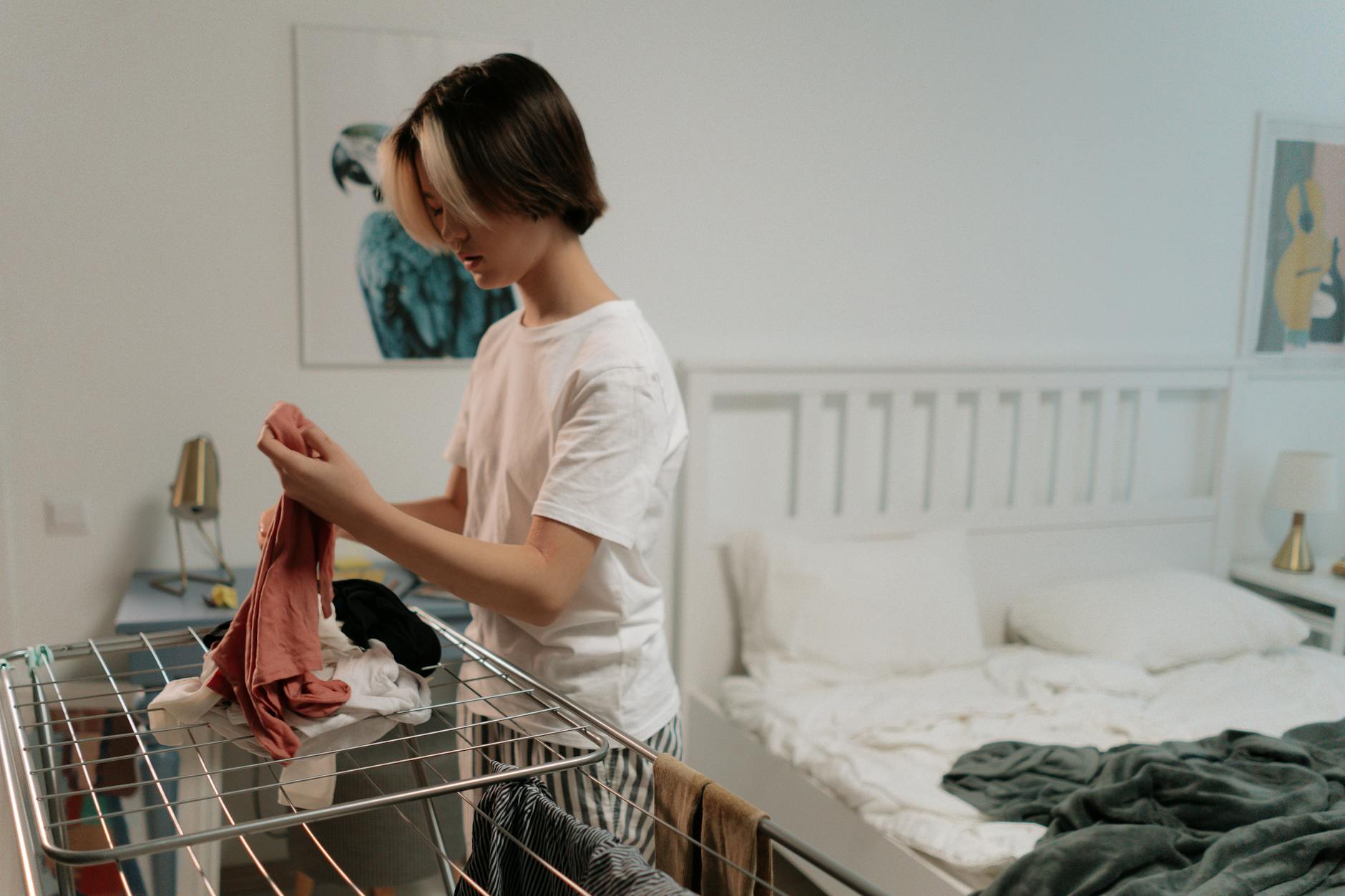
Knowing how to care for bed sheets properly is one of those household skills that pays dividends for years. Done right, a quality set of sheets can last a decade or more. Done wrong — wrong temperature, too much detergent, improper storage — and even expensive linen can pill, yellow, or fall apart within a couple of years. This guide covers everything: how often to wash, what temperature to use for each fabric, dryer settings, the famous fitted sheet fold, and long-term storage strategies that keep your bedding fresh and bright.
How Often Should You Actually Wash Your Sheets?
The short answer, according to most dermatologists and sleep hygienists, is once a week. That might sound like a lot, but consider what accumulates on a typical sheet set over seven days: dead skin cells (roughly 30,000–40,000 per hour while you sleep), sweat, natural body oils, pet dander if animals share the bed, and traces of cosmetics or skincare products. This warm, protein-rich environment is exactly what dust mites thrive in.
A 2017 study published in the journal Allergy found that mattresses and bedding are among the primary reservoirs of house dust mites, with populations capable of doubling within a week under warm, humid conditions. Regular washing — combined with hot enough water — is the most effective way to break that cycle.
If a weekly wash genuinely isn't feasible, aim for every 10 to 14 days at the absolute minimum. You can extend that interval slightly by showering before bed each night, which dramatically reduces the transfer of oils and bacteria onto the fabric.
Pillowcases deserve special attention: because they are in direct contact with your face for six to eight hours a night, dermatologists often recommend washing pillowcases more frequently than the rest of the set — ideally every three to four days if you are acne-prone or have sensitive skin.
The Right Water Temperature for Each Sheet Material
One of the most common mistakes people make when learning how to wash bed sheets properly is using the same setting for every fabric type. Temperature has a huge impact on both cleaning effectiveness and fabric longevity.
Cotton Sheets
Standard cotton — percale or sateen weave — is the most forgiving. Warm water (40°C / 105°F) is the sweet spot for regular weekly washes: warm enough to kill the majority of bacteria and dust mites, gentle enough not to break down the fibres rapidly. For heavily soiled sheets or those belonging to someone who has been unwell, a hot wash at 60°C / 140°F is appropriate and cotton can generally handle it, though you should expect some shrinkage over time. Avoid cold water for cotton sheets used on beds — it simply doesn't sanitise effectively.
Linen Sheets
Linen is a natural fibre that actually gets softer with washing, but it is vulnerable to heat damage in the early washes. Wash linen sheets in cool to warm water (30–40°C / 85–105°F) and always use a gentle cycle. High heat will cause linen to shrink and can weaken the long-staple fibres that give it its characteristic durability. A gentle liquid detergent — not a biological enzyme formula — is preferable for linen.
Microfiber Sheets
Microfiber is a synthetic material made from polyester and polyamide fibres. It washes well on cool to warm settings (30°C / 85°F). Hot water is the enemy of microfiber: high temperatures melt the fine synthetic fibres and cause the characteristic softness to degrade permanently. Equally important — never wash microfiber with cotton towels or anything with a heavy pile, as the lint will embed into the microfiber weave and is almost impossible to remove.
Satin and Silk-Feel Sheets
True silk sheets should ideally be hand-washed or dry-cleaned. Satin weave polyester sheets (often sold as "satin" or "silky") can go in the machine but need the delicate cycle at 30°C / 85°F. Use a mesh laundry bag to prevent snags. Never use bleach or fabric softener on satin — softener coats the fibres and destroys the sheen over time.
Flannel Sheets
Flannel sheets are brushed cotton and are prone to pilling if washed aggressively. Use warm water (40°C / 105°F) on a gentle cycle, turn them inside out before washing, and avoid overcrowding the drum. The friction of too many items tumbling together is the primary cause of flannel pilling.
A Note on Detergent
Less is more. Using too much detergent is one of the leading causes of sheets feeling stiff, looking dull, and wearing out faster. Excess detergent leaves a residue in the fibres that traps dirt on the next use. For a standard load, use roughly half the amount your detergent's cap recommends — modern machines are efficient enough that the full dose is rarely needed. Avoid fabric softener on all sheet types: it coats the fibres, reduces breathability, and causes microfiber sheets to lose their moisture-wicking properties entirely.
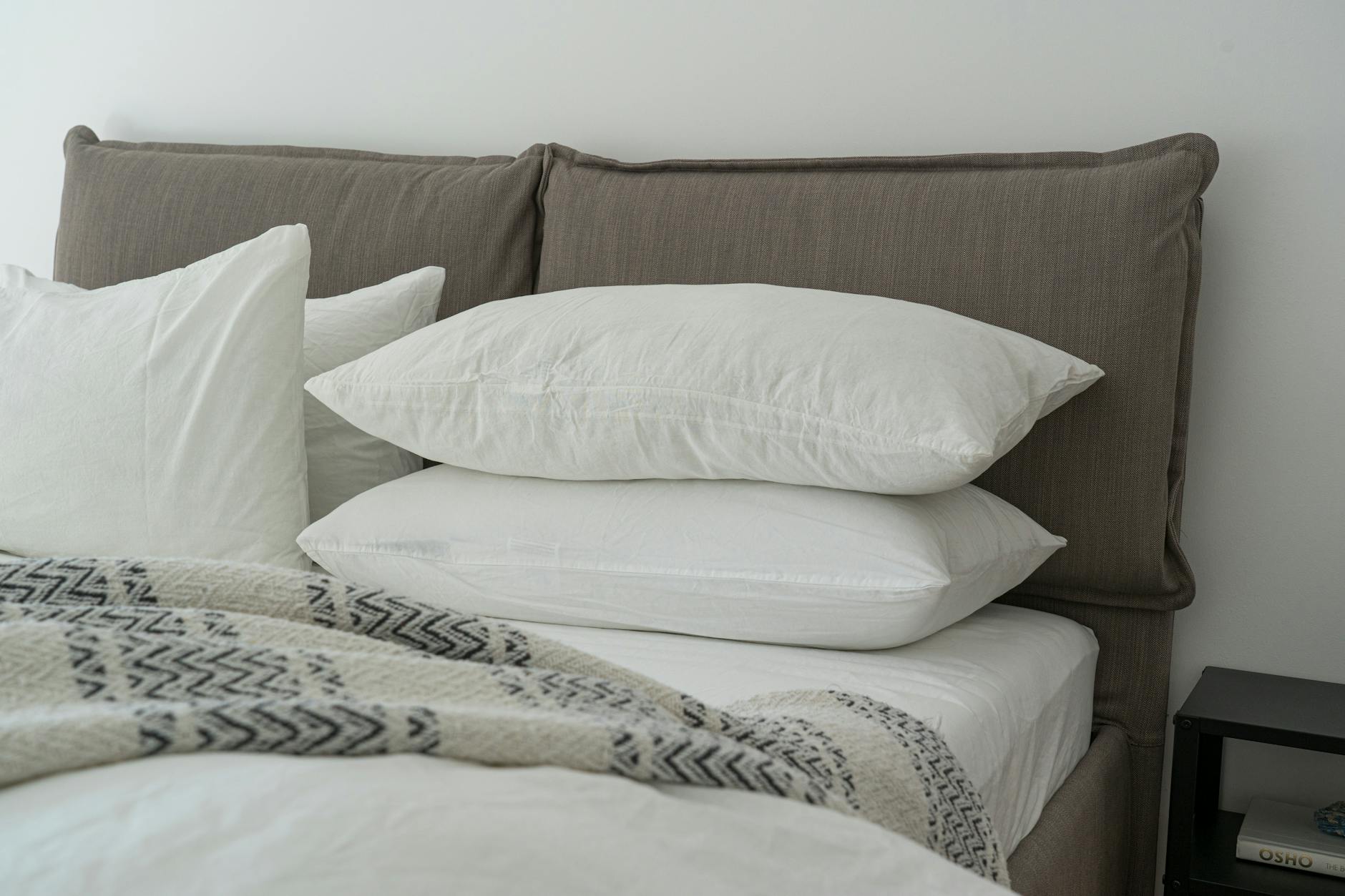
Dryer Settings, Tumble-Drying Mistakes, and Line-Drying Tips
Getting the wash right is only half the equation. Poor drying technique can undo good laundry habits entirely.
Tumble Dryer Settings by Fabric
- Cotton: Medium heat. Remove while slightly damp and finish air-drying, or tumble until just dry — overdrying cotton is the single biggest cause of premature fibre breakdown.
- Linen: Low heat or air-only. Linen dries quickly and is extremely susceptible to heat damage in the dryer. Remove while still slightly damp and smooth out by hand.
- Microfiber: Low heat only. High heat permanently damages microfiber. A short tumble on low or air-only is all microfiber needs, as it dries very fast.
- Satin/Silk-feel: Air-dry only where possible. If you must tumble-dry, use the air-only (no heat) setting inside a mesh laundry bag.
- Flannel: Low to medium heat. Remove promptly to avoid static and re-folding wrinkles.
The Overloading Problem
Overloading the dryer is extremely common and has two consequences: sheets don't dry evenly (leading to that musty smell from damp patches), and the constant heavy tumbling causes mechanical stress on the weave. A standard duvet cover or a full flat sheet should ideally tumble alone or with a couple of pillowcases — not stuffed in with the rest of a wash load.
Dryer Balls
Wool dryer balls are worth using. They separate fabrics as they tumble, improving airflow and reducing drying time by 15–25%. They also soften sheets naturally without the fibre-coating effect of liquid softener. Three to six balls in a standard-sized dryer is the sweet spot.
Line Drying
Line drying is the gentlest method for all fabric types and has the added benefit of natural UV exposure, which has a mild bleaching and sanitising effect on white cotton sheets. The key is to avoid direct harsh sunlight for coloured or patterned sheets — sustained UV exposure will fade dyes. Hang sheets in partial shade or morning light. Shake each piece out firmly before pegging it up to reduce drying wrinkles, and pull the fabric taut along the seams so it dries in shape.
Never Put Away Damp Sheets
This point cannot be overstated. Storing sheets — even slightly damp — is the primary cause of that musty, sour smell that seems impossible to remove. If you're line drying and rain is forecast, bring sheets in early and finish them in the dryer on a low heat rather than risking them going away damp.
How to Fold a Fitted Sheet So It Actually Fits in the Cupboard
Folding a fitted sheet is the one bedding task that defeats otherwise capable adults. The elastic corners seem designed to resist any tidy outcome. Here is a reliable method that produces a neat, stackable rectangle every time.
Step-by-Step: The Fitted Sheet Fold
- Start standing up with the sheet held lengthwise in front of you, one hand inside each of the two short-end corners, right side facing you.
- Bring your right hand to your left, folding the right corner over the left so the right corner is now nested inside the left corner. You now have two corners nested together.
- Walk to the other end of the sheet. Pick up the two remaining corners in the same way, one hand in each corner.
- Bring those two corners up to meet the first pair, folding them over so all four elastic corners are now nested together in one "pouch."
- Lay the sheet flat on a table or bed with the nested corners facing up. You should see a roughly rectangular, slightly curved shape.
- Fold the curved edge inward to straighten the rectangle. Then fold the sheet into thirds lengthwise.
- Finally, fold into thirds widthwise to produce a compact, flat rectangle with no corners sticking out.
The trick most people miss is step 4 — getting all four corners nested before laying the sheet flat. Once all the elastic is contained in one corner "pouch," the rest of the sheet folds just like a flat sheet would.
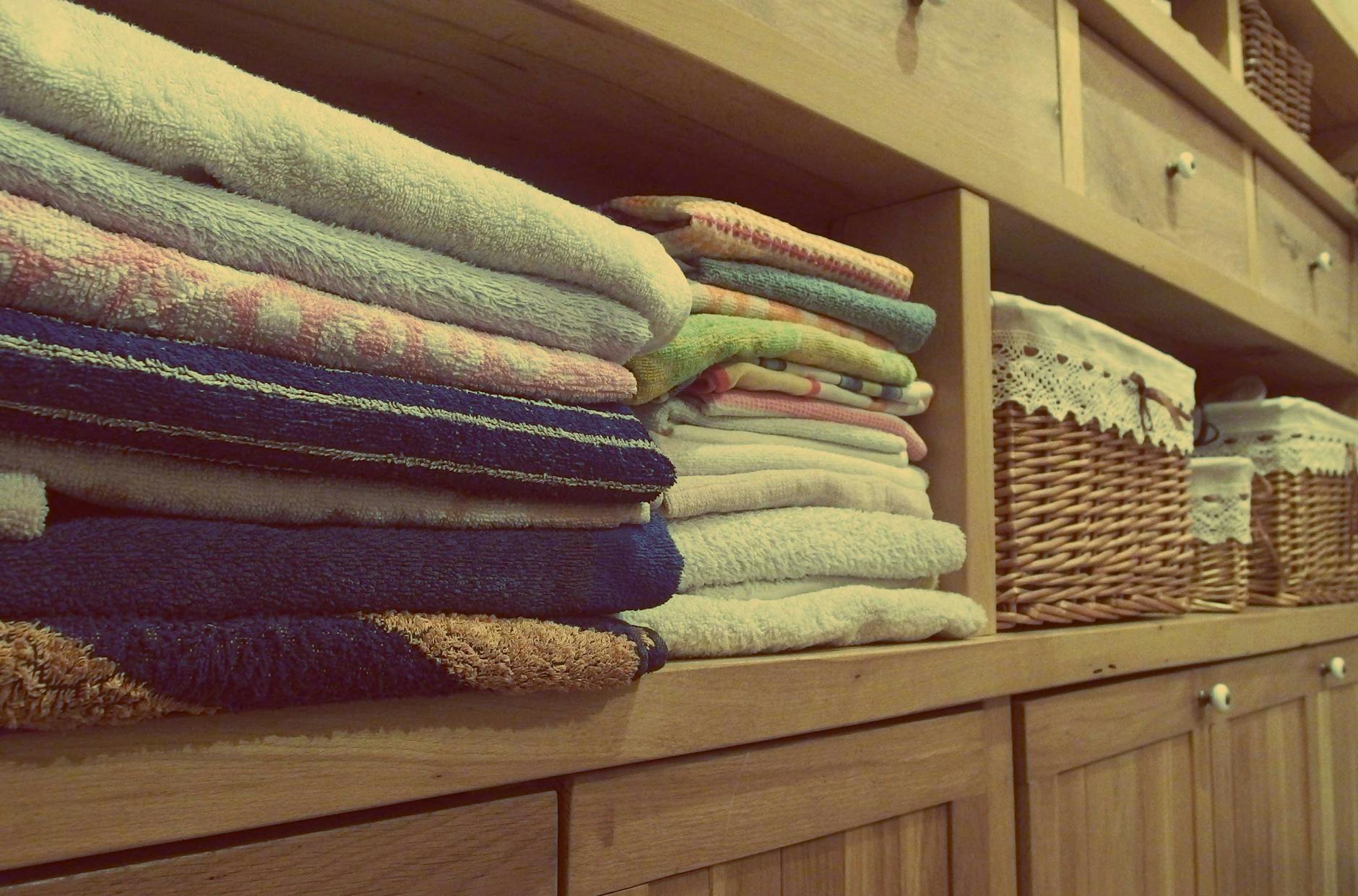
Storage Tips That Prevent Yellowing, Musty Smells, and Wear
Even if you wash and dry your sheets perfectly, poor storage will degrade them. Yellowing, musty odours, and unexplained brittleness in the fabric are almost always storage problems, not washing problems.
Why Sheets Yellow in Storage
Yellowing in stored white or light-coloured sheets has two main causes. The first is residual body oils and sweat that weren't fully removed in the wash, which oxidise over time and produce a yellow tinge — particularly visible on pillowcases. The second is the cellulose in cotton itself breaking down when exposed to heat, low humidity, or certain chemical compounds. Starch-based fabric sizing (found in new sheets and some laundry products) also yellows noticeably with age and heat exposure.
To prevent yellowing: wash sheets thoroughly before storing, avoid using starch or heavy finishing sprays, and never store bedding in plastic bags or airtight containers — these trap residual moisture and accelerate oxidation.
The Pillowcase Trick for Neat Storage
Rather than stacking flat sheets, fitted sheets, and pillowcases separately (and having everything scatter when you pull one item out), store each complete set inside one of its own pillowcases. Fold the flat sheet and fitted sheet, stack them together with the remaining pillowcase, tuck the whole bundle inside the matching pillowcase, and place it on the shelf as a single unit. Sets stay together, shelves stay tidy, and you can see at a glance how many complete sets you have available.
Airflow Is Essential
Natural fibres — cotton, linen — need to breathe. Storing them in sealed plastic tubs encourages mildew and musty smells even when the sheets appear completely dry. Use open shelving, breathable cotton storage bags, or wicker baskets. If your linen closet doesn't have good airflow, leave the door slightly ajar or add a small sachet of moisture-absorbing silica gel to reduce humidity buildup.
Lavender and Cedar: Natural Fresheners That Actually Work
Dried lavender sachets placed among stored sheets do two things: they impart a pleasant, mild scent, and lavender's natural oils have a mild insect-repellent effect that discourages silverfish and clothes moths — both of which are attracted to natural fibres. Cedar blocks work similarly and are particularly effective against moths. Replace lavender sachets every six months as the essential oil content diminishes.
Rotation Matters
If you own multiple sets of sheets, rotate them regularly rather than always reaching for the same set. Using the same set week after week accelerates wear on those sheets while the others sit unused. A simple system: when you put clean sheets away, place them at the bottom of the pile and take from the top. That way every set gets even use.
How Many Sets Do You Actually Need?
Two sets per bed is the practical minimum for a weekly washing routine — one on the bed, one clean and ready to swap in on wash day. Three sets per bed is more comfortable and gives you breathing room if laundry day slips or if a set is still drying when you need it. Going beyond three sets per bed offers diminishing returns and often just means sets sitting unused for months at a time, which creates its own storage and freshness challenges.
Quick-Reference: Bedding Care by Fabric Type
| Fabric | Wash Temp | Cycle | Dryer Setting | Key Watch-Out |
|---|---|---|---|---|
| Cotton | 40°C (warm) | Normal | Medium heat | Avoid overdrying |
| Linen | 30–40°C (cool/warm) | Gentle | Low heat or air-dry | Hot water shrinks linen |
| Microfiber | 30°C (cool) | Normal or gentle | Low heat only | No fabric softener; no cotton mixing |
| Satin/Silk-feel | 30°C (cool) | Delicate | Air-dry preferred | Use a mesh laundry bag |
| Flannel | 40°C (warm) | Gentle | Low to medium heat | Wash inside-out to reduce pilling |
FAQ: Common Bed Sheet Care Questions
Key Takeaways
Learning how to care for bed sheets properly comes down to a handful of principles applied consistently. Wash weekly — or at least every two weeks — to keep dust mites and bacteria in check. Match your water temperature to the fabric: warm for cotton, cool-to-warm for linen, cool for microfiber and satin. Dry on the lowest effective heat, never put sheets away damp, and skip the fabric softener. Master the four-corner fitted sheet fold and store complete sets bundled inside a pillowcase for instant organisation. Rotate your sets evenly, store in breathable conditions, and address yellowing with vinegar or baking soda rather than chlorine bleach.
None of these steps takes significantly more effort than what most people are already doing — but the cumulative difference in how your sheets feel, look, and hold up over years is substantial. Good bedding care is one of the simplest ways to make a quality purchase go significantly further.