How to Create a Family Emergency Binder: The Step-by-Step Guide
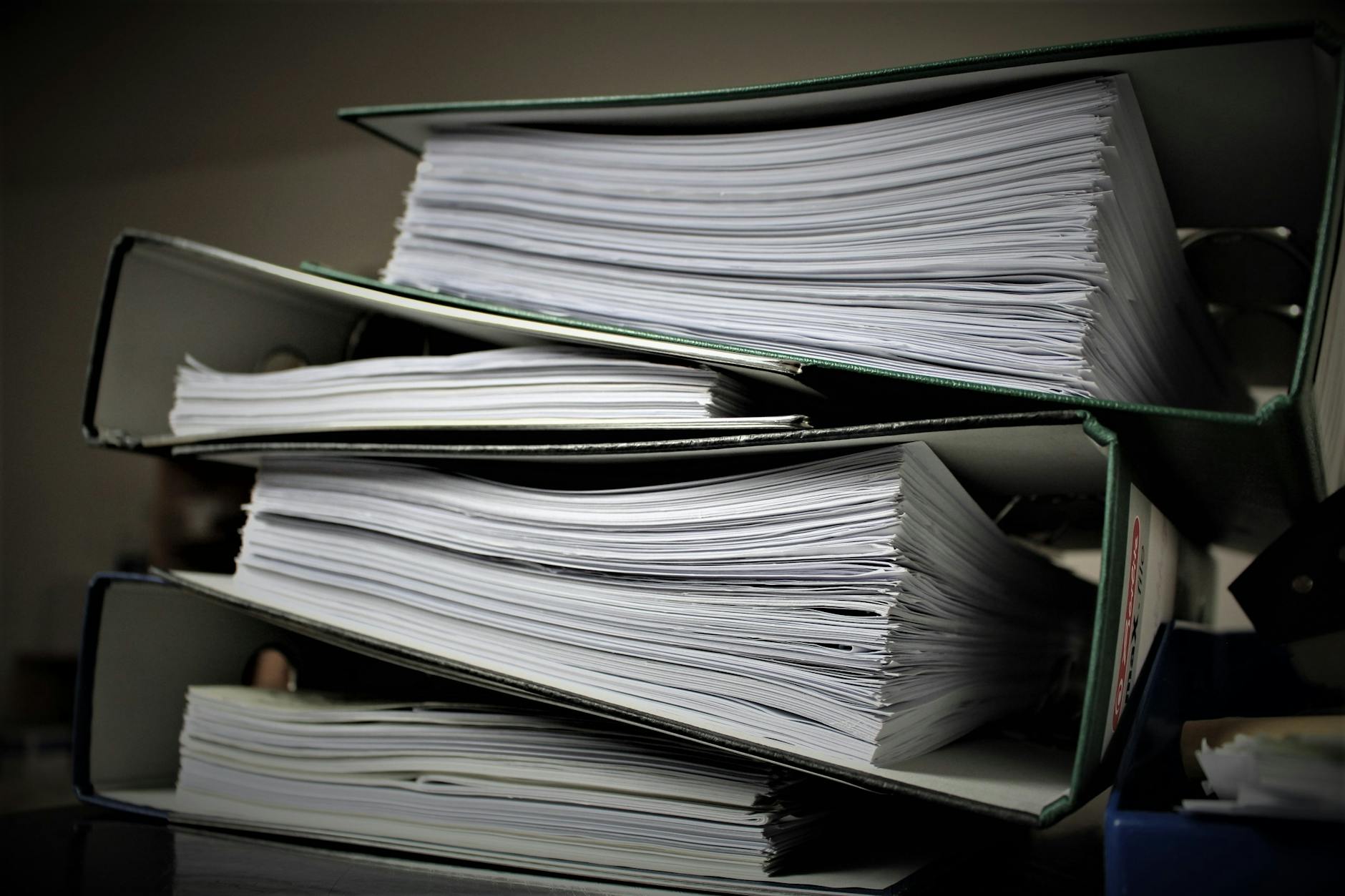
Most families don't think about their family emergency binder until the moment they desperately need one — a flooded basement, an unexpected hospitalization, a mandatory evacuation order. By then, it's too late to gather scattered insurance cards, locate the deed to the house, or remember the pediatrician's after-hours number. A well-organized emergency binder changes all of that. It puts every critical document, contact, and instruction your family needs in one place, ready to grab in under 60 seconds.
This guide walks you through building that binder from scratch. No prior organizational system required. By the end, you'll have a clear picture of exactly what goes in it, how to organize it, how to back it up digitally, and how to make sure every adult in your household knows where it lives.
Why Every Family Needs a Family Emergency Binder
The Federal Emergency Management Agency (FEMA) recommends that every household maintain a set of critical documents accessible during a disaster. Yet surveys consistently show that fewer than half of American families have any kind of organized emergency document box or binder in place. The reasons are predictable: it feels overwhelming, it doesn't feel urgent, and nobody knows exactly where to start.
Consider what actually happens during a real emergency. A house fire gives you minutes — not hours — to evacuate. A major storm may cut off internet access for days, making it impossible to look up your insurance policy number or your mortgage servicer's phone number. A medical emergency may require another family member to make decisions on your behalf, which means they need access to your health insurance details, your medication list, and possibly a healthcare proxy document.
A family emergency binder solves all of these problems at once. It's your household's single source of truth, built once and maintained annually. The investment is about two to three hours of your time — a small price for the peace of mind it delivers.
What to Include in Your Emergency Binder: 12 Essential Sections
Use a standard 2-inch three-ring binder with tabbed dividers. Label each tab clearly. Here are the 12 sections every important document organizer for a family should contain.
Section 1: Emergency Contacts
Print a single-page contact sheet that includes: local police non-emergency line, fire department, poison control (1-800-222-1222), your family doctor, pediatrician, nearest hospital, a trusted neighbor, out-of-state family contact, and the contact for your children's school. Keep this on the very first page — it's the one sheet someone else may need to grab without knowing the rest of the binder.
Section 2: Medical Information and Records
For each family member, include: current medications with dosages, known allergies, vaccination records, primary care physician's contact, names of any specialists, and a brief medical history summary. If any family member has a chronic condition or takes medications that require specific emergency handling, note it clearly. For children, include their insurance member ID and group number here as well.
Section 3: Insurance Policies
Include a summary sheet for each policy your family carries: health insurance (member ID, group number, customer service line), homeowner's or renter's insurance (policy number, agent's direct number, claims line), auto insurance (policy number, roadside assistance number), life insurance (policy number, beneficiary information, insurance company contact), and any supplemental policies such as dental, vision, or umbrella coverage.
Section 4: Financial Accounts
Do not store full account numbers or PINs here — this binder may not always be in a locked location. Instead, list: the name of each bank or credit union, the last four digits of each account, the customer service phone number, and whether that account has automatic bill payments attached to it. Include the name and contact for your financial advisor if applicable.
Section 5: Government Documents (Copies)
Store photocopies (not originals) of: Social Security cards for every family member, passports, birth certificates, marriage certificate, divorce decree if applicable, adoption papers, naturalization certificates, and any military service records. Keep originals in a fireproof safe or safety deposit box. The copies in this binder are your quick-access reference set.
Section 6: Property Information
Include your mortgage servicer's contact and loan number, a copy of your property deed summary, your homeowner's association contact if applicable, the names and numbers of your plumber, electrician, and HVAC technician, your home's main water shutoff and gas shutoff locations (a hand-drawn diagram works well here), and a home inventory summary listing your major appliances and their serial numbers for insurance claims.
Section 7: Passwords and Digital Access
This section requires careful thought. You need a way for a trusted family member to access critical online accounts in an emergency, but you also don't want to create a security liability. A practical solution: write down the master password for a reputable password manager (such as Bitwarden or 1Password), then store all other passwords there. If you don't use a password manager, list only the most critical accounts — email, online banking login page URL, insurance portals — with a strong note to rotate passwords if the binder is ever lost or stolen.
Section 8: Pet Information
For each pet, include: veterinarian's name and emergency line, vaccination records, microchip number, medications, dietary needs, and a recent photo. In the event of an evacuation, this section also helps reunite you with a lost pet. Note any boarding facilities or emergency pet shelters your local area maintains.
Section 9: School and Childcare Contacts
For each child: the school's main office number, the direct teacher or homeroom contact, the school nurse, the authorized pickup list, after-school program contacts, and the district's emergency notification line. Include a copy of any custody arrangements that affect pickup authorization.
Section 10: Utility and Service Providers
List the account number and customer service number for: electricity, natural gas, water, internet, cable or streaming services with automatic billing, and any subscription services that may need to be paused during a displacement. Also include the contact for your trash and recycling service — a detail that matters more than you'd expect during an extended evacuation.
Section 11: Important Legal Documents (Copies)
Store copies of: your will, any living wills or advance healthcare directives, durable power of attorney documents, the name and contact of your estate attorney, and trust documents if applicable. The originals belong with your attorney or in a fireproof safe, but knowing who holds them and how to reach that person is information your binder should contain.
Section 12: Family Communication Plan
This is often the most overlooked section of any disaster preparedness checklist, and it may be the most important. Include: a designated out-of-state contact who can serve as a communication hub if local lines are overloaded, a meeting point near your home if you can't communicate by phone, a secondary meeting point further from home if the neighborhood is inaccessible, and a written plan for where each family member will go if a disaster occurs during school or work hours. Review this plan with every family member old enough to understand it.
Step-by-Step: Building Your Binder in One Afternoon
Building a complete family emergency binder doesn't have to take all day. Here's a practical approach that breaks the work into manageable steps.
Step 1: Gather your supplies. You'll need a 2-inch binder, 12 tabbed dividers, plastic page protectors (for frequently referenced pages), a permanent marker or label maker, and a scanner or phone with a scanning app.
Step 2: Create your 12 labeled tabs. Label them in the order listed above. Resist the urge to over-categorize — the simpler the structure, the faster someone can navigate it under stress.
Step 3: Work through one section at a time. Don't try to complete everything in one sitting. Set a timer for 20 minutes per section. If you can't find a document, make a note in pencil and move on. Missing documents can be located or replaced later.
Step 4: Print, don't rely on screenshots. Printed documents don't require a charged device or an internet connection. Print every contact sheet, policy summary, and reference page. Handwrite information if you prefer — what matters is that it's legible and on paper.
Step 5: Use plastic page protectors for key pages. The emergency contact sheet, medical summaries, and insurance policy overview pages are the most likely to be handled repeatedly. Protect them from water damage and wear.
Step 6: Place a colored "START HERE" sheet as the very first page. This sheet should tell a stranger — a neighbor, a first responder, a relative — exactly what they're holding, where to find emergency contacts, and who to call. Think of it as a table of contents written for someone who has never seen your binder before.
Digital Backup Strategy: What to Scan and Where to Store It
Your physical binder is your primary tool. Your digital backup is your safety net when the binder itself isn't accessible. Here's how to structure a reliable digital copy of your emergency preparedness documents.
What to scan: Prioritize the documents that are hardest to replace — birth certificates, passports, Social Security cards, insurance policies, the deed to your property, and legal documents. Scan every document in your binder, but focus on these first.
Where to store digital copies: Use at least two separate locations. A good combination is a password-protected folder in a cloud storage service (Google Drive, iCloud, or Dropbox) plus an encrypted USB drive kept with the physical binder. Some families also use a secure, encrypted email they draft to themselves containing key document scans — a low-tech but effective backup.
File naming matters: Name your scanned files clearly. "Birth_Certificate_Jane_Smith.pdf" is infinitely more useful than "scan0047.jpg" when you're searching from a phone during a stressful situation.
Security considerations: Any digital backup containing sensitive documents should be protected with a strong password. Do not store your digital backup in an unsecured shared folder. If you use cloud storage, enable two-factor authentication on that account and make sure at least one other trusted family member knows the login.
Where to Keep Your Emergency Binder
Location is a critical detail that most guides skip over. Your emergency document box or binder needs to satisfy three requirements at once: it must be accessible in under 60 seconds, it must be protected from common household hazards, and every adult in the household must know exactly where it is.
Practical locations that work well include: a high shelf in a bedroom closet (protected from flooding and accessible during an evacuation), a designated drawer in a fireproof filing cabinet, or a lockable document box kept near the main exit of your home. Avoid storing it in a basement — the most common area to flood. Avoid storing it in a garage — temperature extremes and moisture can damage paper documents over time.
Some families keep a miniaturized version — laminated emergency contact sheet, insurance card copies, and a USB drive — in a small waterproof pouch in their go-bag or car. This is a smart supplement to the main binder, not a replacement for it.
How to Keep Your Binder Updated: Annual Review Checklist
A family emergency binder that hasn't been updated in four years is only marginally better than no binder at all. Insurance policies change. Doctors change. Children grow up and phone numbers change. An annual review — ideally timed to a memorable date like January 1st, your family's tax preparation time, or a specific birthday — keeps everything current.
Use this checklist during your annual review:
Annual Emergency Binder Review Checklist
- ✓Confirm all emergency contact phone numbers are current
- ✓Update medication lists for all family members
- ✓Replace any expired insurance cards or policy summaries
- ✓Check that passport copies reflect current passports (not expired)
- ✓Update school contacts and authorized pickup lists for children
- ✓Review and update financial account listings
- ✓Verify pet vaccination records are current
- ✓Confirm utility account numbers haven't changed
- ✓Test that digital backups are accessible and files open correctly
- ✓Review legal documents — update if major life changes occurred (marriage, new child, death in family)
- ✓Re-confirm the family communication plan with all household members
- ✓Write the review date on the binder's cover page
Major life events should trigger an out-of-cycle update rather than waiting for the annual review. A new baby, a divorce, a death in the family, a home purchase, a new job with different health insurance — any of these events should prompt you to open the binder and update the relevant sections within a few weeks of the change.
Making Sure Your Family Knows About It
The most thorough disaster preparedness checklist in the world is useless if nobody in your household knows where to find it, or doesn't know it exists. This is a surprisingly common gap: one partner builds the binder, then tucks it away without ever walking the other partner through it.
Set aside 15 minutes to walk every adult in your household through the binder's structure. Show them the location. Explain what the "START HERE" page means and who it's written for. Cover the family communication plan together — where to meet, who to call first, what to do if the kids are at school. Then make sure any older children understand the basics too: where the binder is, what the emergency meeting spot is, and who the out-of-state contact person is.
For families with aging parents who live nearby, consider sharing a copy of the emergency contact sheet and communication plan with them as well. In a neighborhood-wide disaster, having multiple family members briefed on the same plan dramatically improves your household's ability to act quickly and cohesively.
Finally, tell a trusted neighbor where your binder is stored. This matters most in scenarios where you are incapacitated and your immediate family members are also unavailable — a rare but real possibility during major disasters. A trusted neighbor who knows you have a binder and roughly where it is could make a critical difference.
Key Takeaways
Building a family emergency binder is one of the highest-return preparedness investments a household can make. Two to three hours of focused effort produces a resource that could save hours — or more — of chaos during an actual emergency. Here's what to take away from this guide:
- A complete binder covers 12 sections: contacts, medical, insurance, finances, government documents, property, passwords, pets, school, utilities, legal documents, and your family communication plan.
- Store copies of important documents in the binder; keep originals in a fireproof safe or safety deposit box.
- Back up all documents digitally using at least two storage locations, with strong password protection on both.
- Keep the binder in a location that is accessible in under 60 seconds, protected from flooding, and known to every adult in the household.
- Review and update the binder once a year, and immediately after any major life event.
- Walk your entire household through the binder's location and structure — a document nobody knows about cannot help anyone in a crisis.
Emergency preparedness doesn't require a bunker or a year's worth of food supplies. It starts with information — organized, accessible, and shared. A family emergency binder is that starting point, and the best time to build one is before you need it.