How to Detox Your Liver Naturally: 12 Evidence-Based Methods That Actually Work
If you've searched for how to detox your liver naturally, you've probably been met with a wall of expensive juice cleanses, dubious supplement stacks, and "liver flush" protocols that promise dramatic results overnight. Most of them have no scientific backing whatsoever. Your liver, however, is genuinely one of the most extraordinary organs in the body — and the good news is that peer-reviewed research does point to real, practical ways to support and improve its function without gimmicks.
This guide cuts through the noise. Below you'll find 12 evidence-based methods drawn from published research that can meaningfully support liver health — whether your goal is to recover from a period of poor eating, reduce fatigue, or simply build long-term habits that protect one of your most vital organs.
What Your Liver Actually Does (And Why "Detox" Products Misrepresent It)
Before diving into methods, it helps to understand what your liver actually does. It performs over 500 distinct functions, including filtering toxins from the blood, metabolizing fats, proteins, and carbohydrates, producing bile for digestion, synthesizing clotting factors, and storing glycogen for energy regulation.
Critically, your liver already detoxifies your body continuously — every single minute of every day. It does this through a two-phase enzymatic process (Phase I and Phase II detoxification) that converts fat-soluble toxins into water-soluble compounds the kidneys can then eliminate via urine.
This is why the premise behind commercial "liver detox" products is flawed. No juice, tea, or supplement can "flush" toxins out of a functioning liver — the liver does that itself. What you can do is reduce the burden on it, provide the nutrients and plant compounds it needs to run those enzymatic processes efficiently, and remove the inputs (alcohol, processed food, environmental chemicals) that overwhelm and damage liver cells over time.
With that framing in place, here are the 12 natural liver detox methods actually supported by the research.
1. Reduce or Eliminate Alcohol
This is the single most impactful step most people can take. Alcohol is metabolized in the liver into acetaldehyde, a toxic compound that causes oxidative stress, inflammation, and — over time — cell death that leads to fatty liver disease, cirrhosis, and hepatocellular carcinoma. Even moderate drinking has been shown in prospective studies to elevate liver enzyme levels (AST and ALT) above optimal ranges.
A 2019 meta-analysis published in The Lancet concluded that the safest level of alcohol consumption for overall health is zero. For liver health specifically, even a four-week abstention period has been shown to reduce liver fat, improve liver stiffness scores, and normalize blood enzyme markers in regular drinkers.
2. Cut Added Sugar and Ultra-Processed Foods
Non-alcoholic fatty liver disease (NAFLD) affects an estimated 25% of the global population, and excess dietary fructose is one of the primary drivers. Unlike glucose, fructose is almost exclusively metabolized in the liver, where surplus amounts are converted into fat via de novo lipogenesis. High-fructose corn syrup found in sodas, processed snacks, and sweetened condiments is a particularly significant contributor.
A randomized controlled trial published in JAMA Internal Medicine found that participants who reduced their added sugar intake by just 25 grams per day saw measurable reductions in liver fat at eight weeks, independent of total caloric intake. Swapping processed foods for whole foods is one of the most powerful natural liver cleanse strategies available.
3. Eat Foods Good for Liver Health — Especially Cruciferous Vegetables
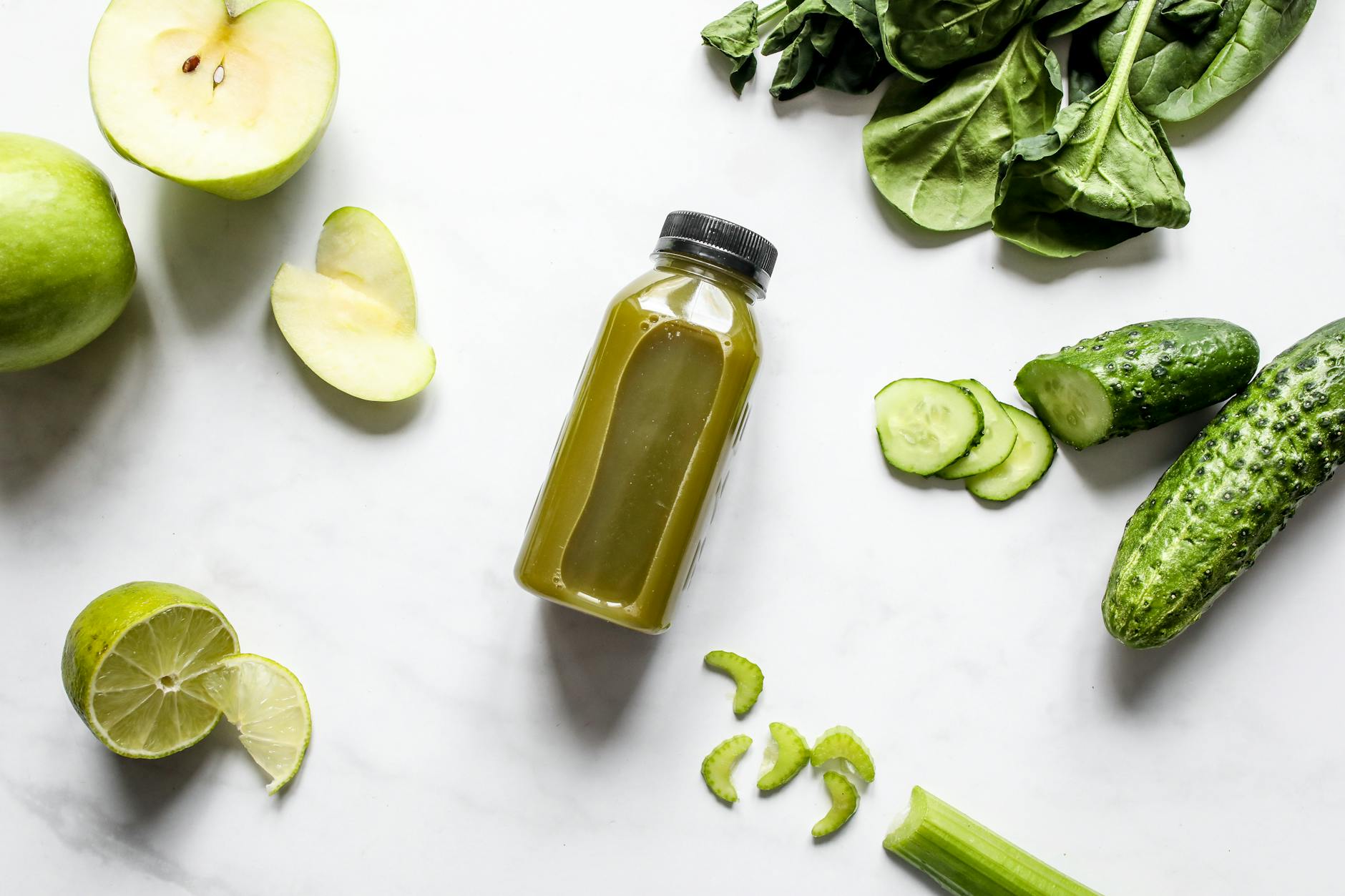
Cruciferous vegetables — broccoli, Brussels sprouts, kale, cauliflower, and cabbage — contain glucosinolates, sulfur-containing compounds that are broken down by gut bacteria into isothiocyanates. These compounds have been shown in multiple animal and human studies to upregulate Phase II detoxification enzymes in the liver, enhancing its ability to neutralize carcinogens and environmental toxins.
A 2016 study in Nutrition and Cancer found that regular cruciferous vegetable consumption was associated with significantly lower ALT levels and reduced risk of NAFLD. Aim for at least three to four servings per week, ideally lightly steamed rather than raw (which can inhibit thyroid function in large quantities) or heavily boiled (which destroys glucosinolates).
Other foods good for liver health backed by research include:
- Garlic: contains allicin and selenium, both of which support glutathione production
- Beets: rich in betalains that have shown anti-inflammatory and hepatoprotective effects in animal models
- Walnuts: high in L-arginine and omega-3 fatty acids, associated with reduced liver fat in NAFLD patients
- Olive oil: monounsaturated fat that reduces liver enzyme elevation and fat accumulation compared to saturated fats
- Oily fish: omega-3s from salmon, mackerel, and sardines consistently reduce hepatic fat in clinical trials
4. Use Milk Thistle (Silymarin) — The Most Researched Hepatoprotective Herb
Milk thistle for liver support is the most thoroughly studied natural compound in hepatology. The active constituent is a flavonoid complex called silymarin, which works through several distinct mechanisms: it acts as a direct antioxidant, stabilizes hepatocyte cell membranes, stimulates liver cell regeneration by increasing ribosomal protein synthesis, and inhibits the conversion of liver stellate cells into fibrotic scar tissue.
A systematic review of 17 randomized controlled trials published in the American Journal of Gastroenterology concluded that silymarin supplementation significantly reduced ALT and AST levels in patients with alcoholic liver disease, NAFLD, and drug-induced liver injury. A standard dose of 140 mg silymarin three times per day (from a 70-80% standardized milk thistle extract) is what most positive trials have used.
Milk thistle is considered very safe, with a strong tolerability profile across decades of clinical use. It is one of the few herbal supplements where the phrase liver detox methods genuinely overlaps with clinical evidence.
5. Incorporate Artichoke Leaf Extract
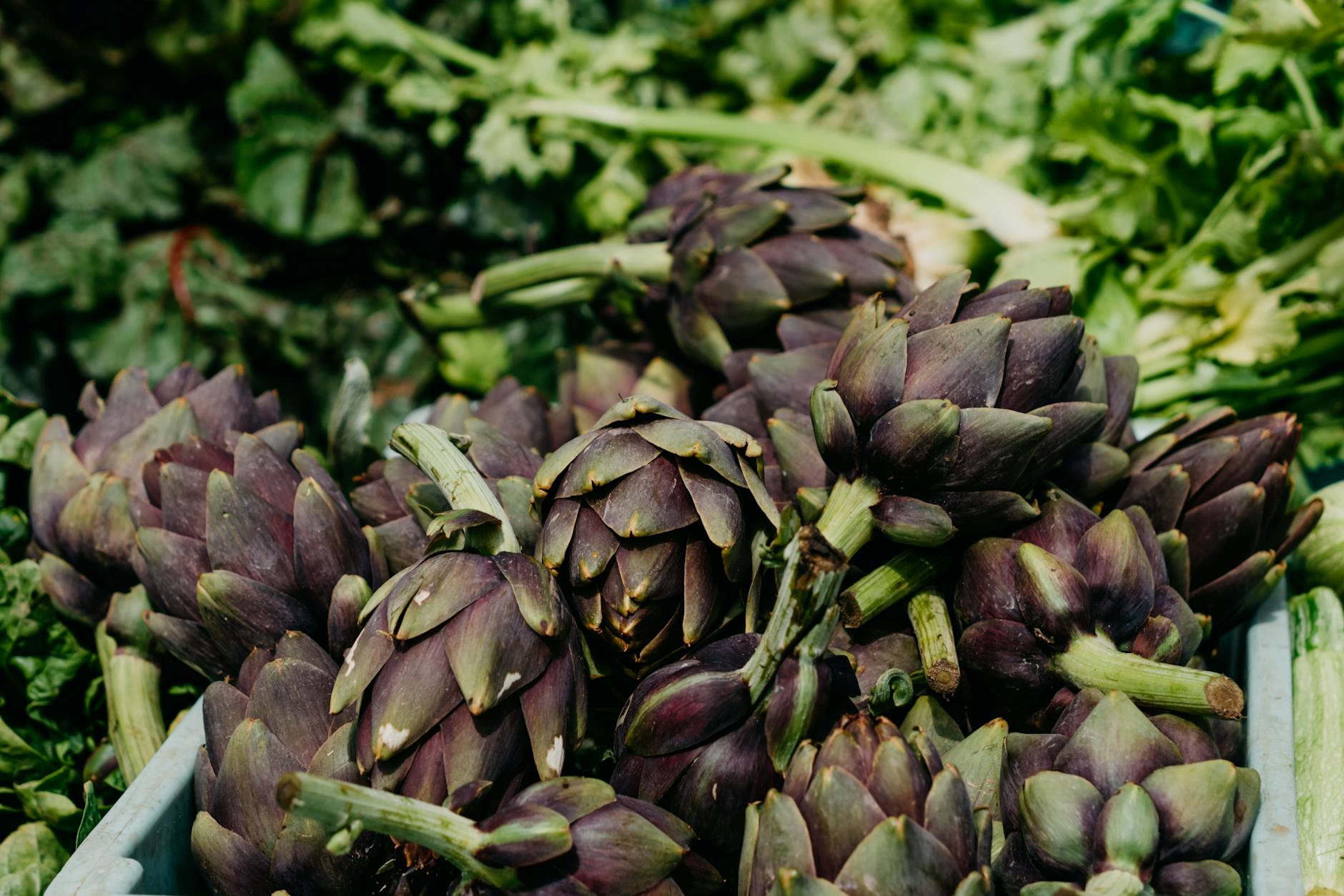
Artichoke is less famous than milk thistle but arguably just as well studied. The leaves — not the edible heart — contain two key compounds: cynarin (1,3-dicaffeoylquinic acid) and chlorogenic acid. Cynarin stimulates bile production and flow (a property called choleretic activity), which is essential for fat digestion and the elimination of fat-soluble toxins from the liver into the digestive tract.
A double-blind, placebo-controlled trial published in Phytomedicine found that 600 mg of artichoke leaf extract daily for eight weeks significantly reduced total cholesterol, LDL, and liver enzymes compared to placebo in patients with mildly elevated lipid and liver markers. A separate randomized trial in patients with NAFLD found that artichoke extract supplementation for two months produced significant reductions in liver fat score, BMI, and both ALT and AST.
Eating whole artichokes regularly also provides prebiotic fiber (inulin) that feeds beneficial gut bacteria — which, as you'll see in method 9, has a direct impact on liver health.
6. Dandelion Root — The Overlooked Bitter
Dandelion root has been used in traditional European and Chinese medicine as a liver tonic for centuries, and modern research is beginning to validate some of those traditional uses. Like artichoke, dandelion root has choleretic properties — it stimulates bile secretion from the gallbladder and increases bile flow, which helps clear the liver of metabolic waste.
In vitro studies have demonstrated that dandelion root extract significantly increases the activity of superoxide dismutase and catalase, two of the liver's primary antioxidant enzymes. A 2016 study in Evidence-Based Complementary and Alternative Medicine found that dandelion root polysaccharides reduced liver damage markers in an alcohol-induced liver injury model. While more large-scale human trials are needed, dandelion root tea or extract is low-risk and can be a meaningful part of a how to detox your liver naturally protocol.
7. Drink Adequate Water — Not More, Just Enough
Hydration is unsexy but essential. The liver's Phase II detoxification pathways produce water-soluble conjugates that are then transported to the kidneys for elimination in urine. If you are chronically underhydrated, those conjugated toxins have nowhere efficient to go, and they can be reabsorbed or accumulate in tissue.
The often-cited "8 glasses a day" has no firm scientific basis, but general guidelines suggest 2–2.5 liters per day for most adults, adjusted for activity level, body size, and climate. Spreading intake throughout the day is more effective than drinking large amounts infrequently, which the kidneys simply excrete rapidly. Adding a squeeze of lemon in the morning is popular for good reason — the citric acid and vitamin C support glutathione synthesis, the liver's master antioxidant.
8. Exercise Regularly — Especially Aerobic Exercise
Physical activity has a direct hepatoprotective effect that goes beyond simply reducing body weight. A 2017 meta-analysis published in the Journal of Hepatology found that 150 minutes per week of moderate-intensity aerobic exercise (brisk walking, cycling, swimming) significantly reduced liver fat content as measured by MRI, even in the absence of weight loss.
The mechanism involves multiple pathways: exercise increases insulin sensitivity (reducing lipogenic signaling in the liver), activates AMPK (an enzyme that inhibits fat synthesis and promotes fat oxidation in liver cells), and reduces systemic inflammation, which is a major driver of liver fibrosis progression. Resistance training also showed benefits for liver fat reduction in several trials, making a combination of aerobic and strength training the optimal approach for how to improve liver function through movement.
9. Prioritize Gut Health — The Gut-Liver Axis Is Real
The liver receives approximately 70% of its blood supply directly from the gut via the portal vein. This means everything that crosses your gut lining — including bacterial endotoxins, undigested food particles, and metabolic by-products — goes directly to the liver first. A compromised gut lining (often called "leaky gut" in popular media, known clinically as increased intestinal permeability) dramatically increases the liver's toxic burden.
Research published in Nature Medicine has established clear links between gut microbiome dysbiosis and NAFLD, alcoholic liver disease, and even liver cirrhosis. Supporting gut health through:
- Consuming fermented foods (yogurt, kefir, kimchi, sauerkraut)
- Eating prebiotic-rich foods (garlic, onion, leeks, asparagus, Jerusalem artichoke)
- Avoiding unnecessary antibiotics and NSAIDs that disrupt the microbiome
- Reducing emulsifiers in ultra-processed foods that damage the gut mucus layer
...is now recognized as a meaningful natural liver cleanse strategy with solid mechanistic support.
10. Optimize Sleep
Sleep is when the liver does much of its most intensive repair work. Research from the University of Pennsylvania found that sleep deprivation (fewer than six hours per night) significantly elevated markers of liver inflammation and oxidative stress. A large cohort study in Journal of Hepatology found that short sleep duration was independently associated with a 1.6x increased risk of developing NAFLD, even after adjusting for diet and physical activity.
During deep sleep, growth hormone is secreted at its highest levels — and growth hormone is a potent driver of liver cell regeneration. The liver also follows a circadian rhythm, with peak enzymatic detoxification activity occurring between 1am and 3am according to traditional Chinese medicine, a timeline now partially validated by circadian biology research showing that liver enzymes operate on distinct 24-hour cycles.
Aim for seven to nine hours of quality sleep per night. Avoiding alcohol before bed (which fragments sleep architecture despite initially feeling sedating) and reducing blue light exposure in the evening are two practical first steps.
11. Reduce Exposure to Environmental Toxins
The liver must process every environmental chemical that enters your body — pesticide residues, plasticizers like BPA and phthalates, heavy metals, and cleaning chemical fumes. Reducing your exposure reduces the liver's total processing load, giving it more capacity for essential metabolic functions.
Practical steps include:
- Choosing organic produce for the "dirty dozen" high-pesticide crops (strawberries, spinach, peaches, apples, grapes)
- Replacing plastic food containers and water bottles with glass or stainless steel
- Using natural cleaning products without volatile organic compounds (VOCs)
- Ventilating your home regularly, as indoor air quality is often worse than outdoor
- Washing hands before eating to reduce incidental ingestion of surface contaminants
A 2018 study in Environmental Health Perspectives found that participants who switched to glass and stainless steel food containers for just three days reduced their urinary BPA concentrations by 66%, suggesting that even short-term exposure reduction has a measurable impact on circulating toxin levels reaching the liver.
12. Coffee — The Surprisingly Liver-Protective Drink
Coffee is one of the most thoroughly studied dietary factors in hepatology, and the evidence is remarkably consistent: regular coffee consumption is associated with significantly lower risk of liver disease across multiple conditions. A dose-response meta-analysis of nine prospective studies published in Alimentary Pharmacology and Therapeutics found that two additional cups of coffee per day were associated with a 44% lower risk of liver cirrhosis.
Separate large-scale studies have found that regular coffee drinkers have lower rates of NAFLD, lower liver enzyme levels, reduced risk of hepatocellular carcinoma (liver cancer), and slower fibrosis progression in patients with existing liver disease. The protective effect appears to come from a combination of caffeine, diterpenes (cafestol and kahweol), and chlorogenic acids — and notably, it is present for both regular and decaffeinated coffee, suggesting caffeine is not the primary active compound.
Two to four cups per day is the range associated with peak liver benefit in most studies. Unfiltered coffee (French press, espresso) retains the diterpenes, while filtered drip coffee is rich in chlorogenic acids — both appear beneficial for liver markers.
The Myths Worth Debunking Before You Spend Money
Before concluding, it is worth naming the most common liver detox methods that have no meaningful scientific support, so you can avoid wasting money or — in some cases — causing harm.
Liver flushes (olive oil + citrus juice protocols): The "stones" passed during these protocols are actually soap-like globules formed when the large bolus of olive oil reacts with bile acids in the intestine. No clinical trial has ever demonstrated that liver flushes remove gallstones, improve liver function markers, or reduce toxin burden. They can cause nausea, diarrhea, and in people with gallstones, may precipitate a biliary colic episode.
Commercial "liver detox" teas and supplements: Most contain combinations of herbs in sub-therapeutic doses, alongside laxatives (senna leaf is common) that create the sensation of "cleansing" through increased bowel movements. The laxative effect is real; the liver benefit is not. Some products have actually been found by the FDA to contain undisclosed pharmaceuticals including steroids and anticoagulants.
Prolonged juice cleanses: While a short period of increased fruit and vegetable intake is beneficial, the claim that the liver "rests" during a juice cleanse is biologically backwards — the liver is processing fructose from all that juice continuously. Extended juice-only protocols deprive the liver of protein, which it requires to synthesize the glutathione and albumin needed for detoxification and regeneration.
Key Takeaways
Supporting your liver naturally does not require expensive products, extreme protocols, or dramatic lifestyle overhauls. The 12 methods above are all grounded in peer-reviewed evidence, and most of them can be implemented incrementally:
- Reduce alcohol and added sugar — these are the highest-leverage changes
- Eat more cruciferous vegetables, garlic, olive oil, walnuts, and oily fish
- Consider milk thistle (silymarin) and artichoke leaf extract — the two most clinically validated hepatoprotective plant compounds
- Exercise at least 150 minutes per week, combining aerobic and resistance work
- Support gut health through fermented and prebiotic-rich foods
- Prioritize seven to nine hours of quality sleep per night
- Reduce environmental toxin exposure through simple substitutions
- Drink coffee — two to four cups daily is genuinely liver-protective
The liver is remarkably resilient. It is one of the only organs in the body capable of near-complete regeneration from as little as 25% of its original mass. Give it the right inputs, remove the major stressors, and it will take care of the rest — no flush protocol required.